North Carolina’s Most Colorful Maple Groves Worth The Drive
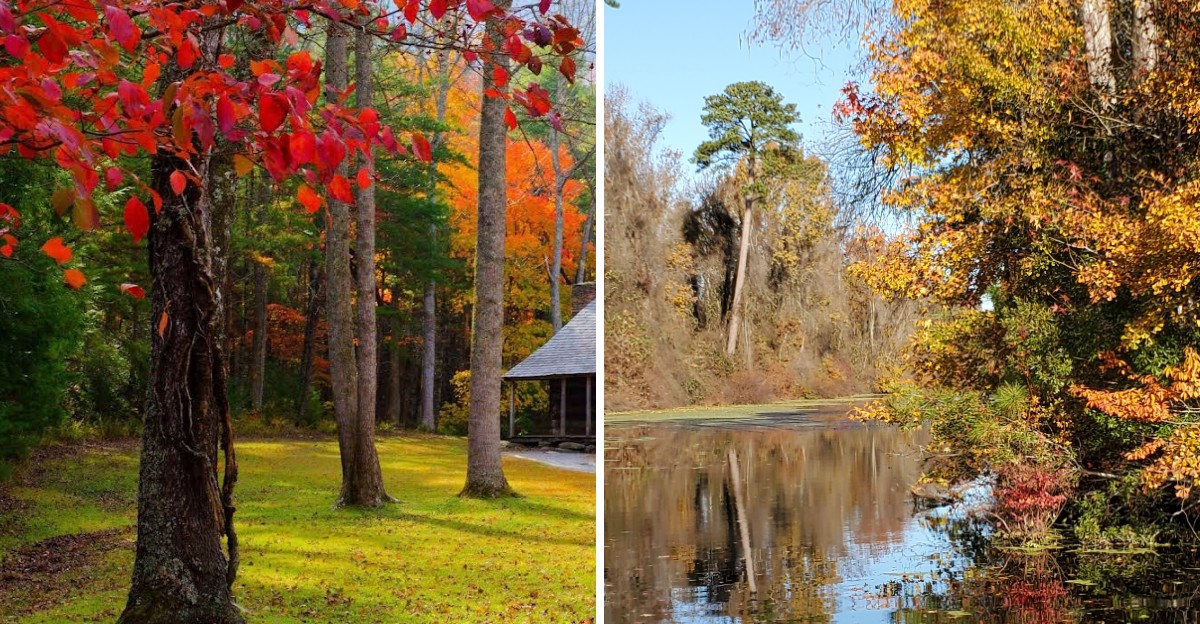
Certain corners of North Carolina transform into an almost impossibly vivid display of red, orange, and gold each fall, thanks to dense clusters of maple trees that put on a show few other spots in the state can match.
Elevation plays a major role in timing and intensity, since cooler mountain temperatures tend to trigger earlier and often more dramatic color changes than lower-lying areas experience.
Because peak color can shift by a week or more depending on that year’s temperature and rainfall patterns, timing a visit right requires a bit more attention than simply picking a date off the calendar.
Some of these groves draw crowds specifically for their reputation, while others remain relatively under-the-radar despite offering an equally spectacular display.
For anyone chasing North Carolina’s best fall color, knowing exactly where these maple groves are located can turn an ordinary fall drive into something genuinely memorable.
1. The Blue Ridge Parkway Through The High Country
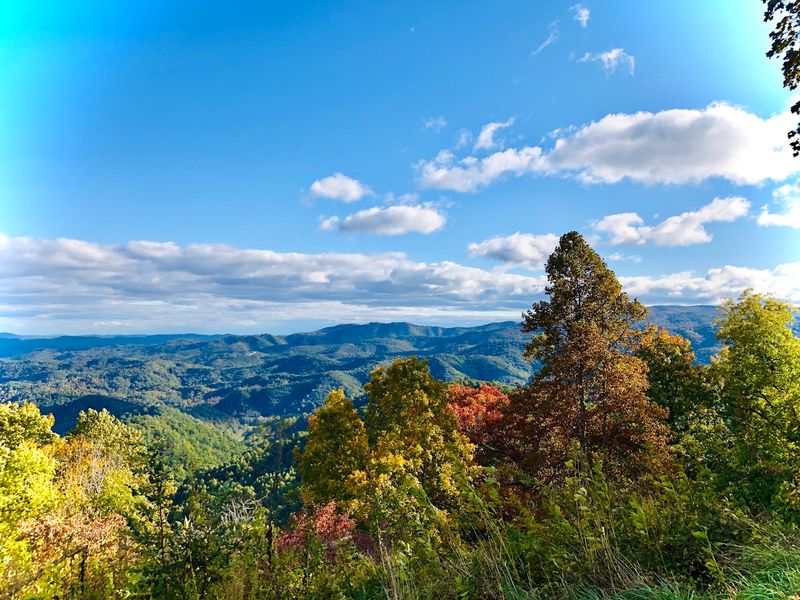
Few roads in America can match the Blue Ridge Parkway when the maples ignite in mid-October.
The stretch from Price Lake near Milepost 297 to Linville Falls at Milepost 316.4 is one of the most celebrated corridors of fall color in the entire eastern United States.
Red maples and sugar maples mix with dozens of other hardwood species, creating a rolling canvas of crimson, gold, and deep orange that shifts with every mile.
At elevations above 3,000 feet, this section typically hits its brightest peak during the second and third weeks of October.
Popular overlooks like Rough Ridge at Milepost 302.8, the iconic Linn Cove Viaduct at Milepost 304.4, and Price Lake itself offer sweeping views across slopes that are changing at slightly different rates, giving the impression of a living, breathing painting.
Gardening enthusiasts will find endless inspiration here, seeing firsthand how native maples and other deciduous trees perform across varied microclimates and elevations.
Before heading out, check the Parkway’s official road status at blueridgeparkway.org, as sections can close without much notice due to maintenance or storm recovery.
As of fall 2026, the Parkway is open from Milepost 276.5 to 317.5 near Blowing Rock, though sporadic single-lane closures and Helene repairs farther south mean conditions can still change.
Weekday visits are strongly recommended to avoid heavy October traffic. Driving a longer stretch in a single day lets you witness several stages of color at once, making every mile feel like a new discovery on this legendary route.
2. Sugar Mountain And Its Namesake Maples
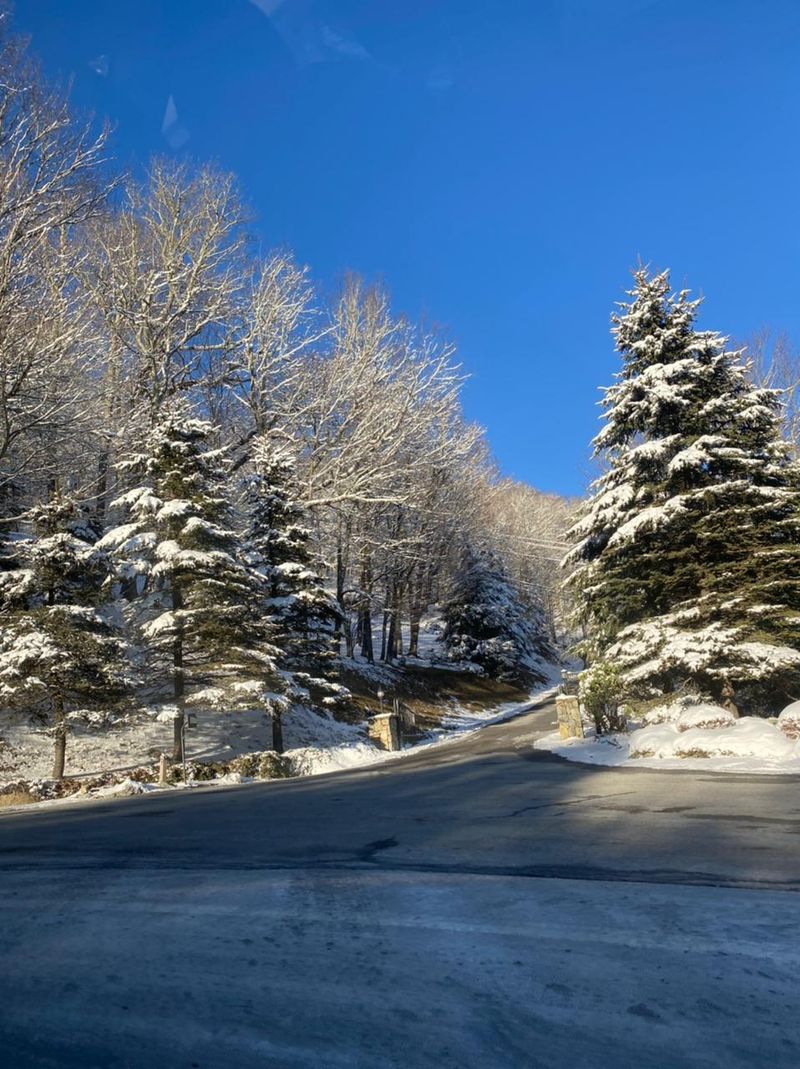
Sugar Mountain earned its name honestly.
The village in North Carolina’s High Country is blanketed with sugar maples that erupt in brilliant color each fall, and the combination of a 1,200-foot elevation change within its own boundaries means the show lasts longer here than almost anywhere else nearby.
The village base sits around 4,000 feet while the summit reaches 5,300 feet, so color lingers for two to three weeks within the village and then rolls into the surrounding lower valleys for another two weeks after that.
For gardeners, watching sugar maples thrive in this cool, moist Appalachian environment is genuinely eye-opening.
Your North Carolina Garden Changes Every Week. Your Plan Should Too.
Gardening in North Carolina changes quickly throughout the season. Every Friday you’ll receive a simple weekly plan showing exactly what to plant, prune, fertilize, harvest, and protect so you never miss the right timing.
These trees can live for over 300 years and tolerate a range of soil conditions and partial shade, making them one of the most rewarding native shade trees a homeowner can plant.
Seeing them at their absolute best here, where the climate mirrors their ideal growing conditions, helps explain why they are so beloved across the eastern United States.
Early to mid-October is the sweet spot for visiting the higher elevations, while late October works well for the lower sections and nearby valleys.
The summit runs noticeably cooler than the base, sometimes by five degrees or more, and early season snow is possible by late October.
Pack extra layers and use 106 Sugar Mountain Drive as your GPS destination to avoid the winding backroads some navigation apps suggest. Following local signage once you arrive will keep your drive smooth and your eyes on the color rather than the road.
3. Valle Crucis For Late October Color
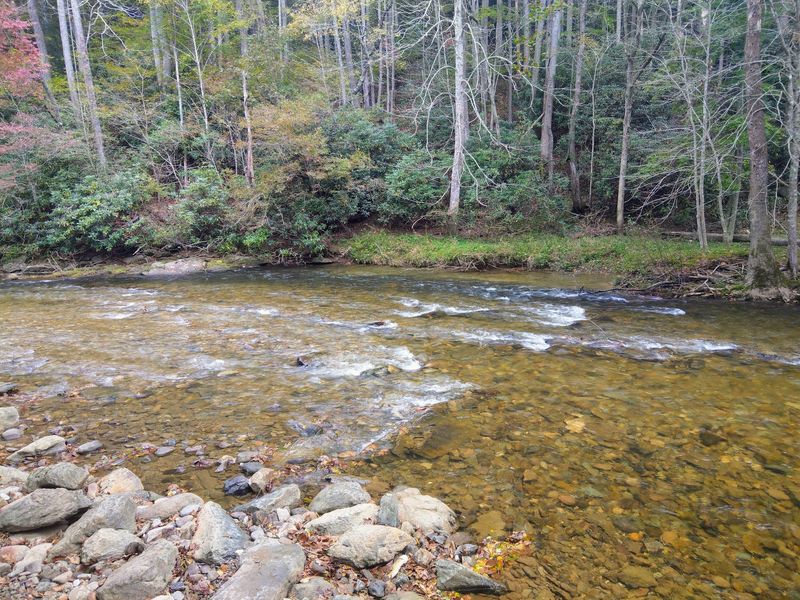
By the time most mountain peaks have already passed their prime, Valle Crucis is just warming up.
This charming unincorporated community nestled between Boone and Banner Elk sits at roughly 2,677 feet above sea level, low enough that its maples and other deciduous trees hold their color well into the final stretch of October.
For anyone who missed the mid-month mountain peak, this valley offers a genuine second chance to experience fall at its most vivid.
The historic Mast General Store and the Valle Crucis Community Park, both on Broadstone Road in Valle Crucis, make excellent anchors for a day trip.
Stroll the grounds and you will notice how the lower elevation creates a slightly warmer microclimate that delays color just enough to feel like a bonus round.
Gardeners can take real practical notes here about how elevation and valley position influence the timing and intensity of autumn foliage.
This is really useful when planning a home landscape for extended seasonal interest. Plan your visit for the last two weeks of October for the best chance at peak color.
Pairing this stop with a drive along the Blue Ridge Parkway lets you compare the past-peak higher slopes with the still-vibrant valley below, giving a clear picture of how color migrates downhill through the season.
Sunny days after a string of cool nights bring out the richest reds and oranges. North Carolina’s dramatic elevation range is precisely what makes this kind of staggered, multi-week color season possible, and Valle Crucis is one of its finest chapters.
4. High Peaks That Turn First
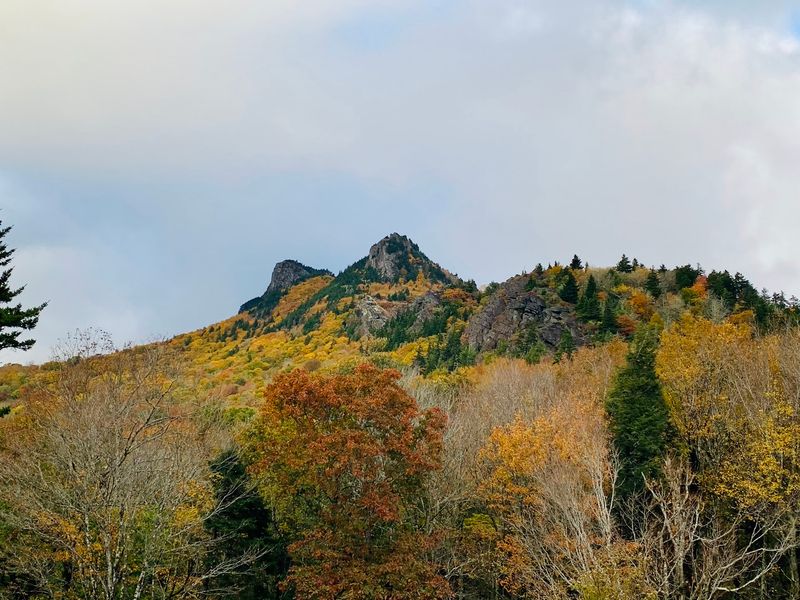
Long before the valleys even hint at change, North Carolina’s highest peaks are already blazing.
Grandfather Mountain at 5,946 feet, Sugar Mountain’s summit at 5,300 feet, and Waterrock Knob at 6,273 feet begin their transformation in late September and early October, weeks ahead of lower elevations.
At altitudes above about 4,500 feet, sugar maples and mountain maples shift to red, crimson, and deep orange first, signaling the start of the state’s extended fall season.
Sugar maples are especially captivating at these heights because a single branch can display yellow, orange, and red-orange simultaneously, creating a mosaic effect that feels almost surreal.
Red maples tend toward a more uniform scarlet, while yellow birch and American beech add golden accents that round out the palette.
For gardeners interested in high-altitude or cooler-climate planting, observing these species in their element provides real insight into how temperature and elevation shape the timing and intensity of fall color transformation.
Aim for late September through early October to catch these peaks at their finest. Weather at these elevations shifts quickly, so checking forecasts before heading out is a smart habit.
Fog is common at Waterrock Knob, and wind chill at the summit can make a mild day feel much colder than expected. A jacket tucked into your bag is always a good idea.
Grandfather Mountain at 2050 Blowing Rock Highway in Linville requires timed entry tickets, which sell out fast on October weekends, so booking ahead online is strongly advised.
5. Great Smoky Mountains National Park On The North Carolina Side
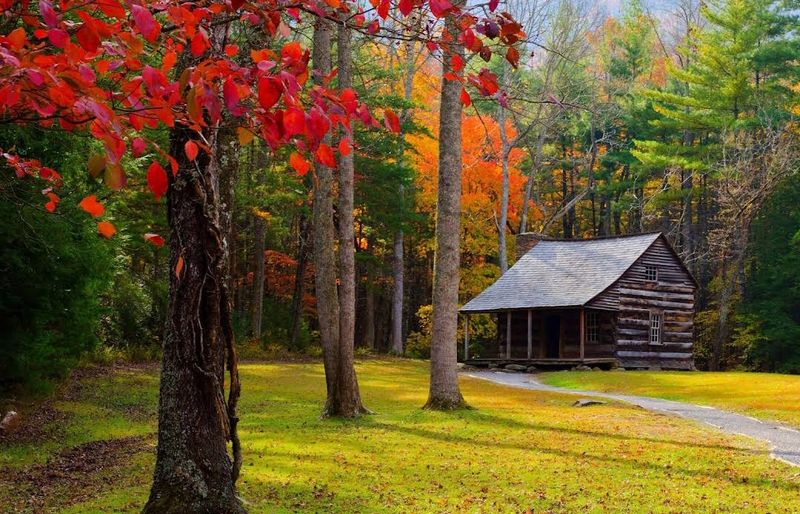
With nearly 100 to 130 native tree species, most of them deciduous, Great Smoky Mountains National Park is arguably the most biodiverse fall color destination in all of North America.
Entering from the North Carolina side near Cherokee, the Oconaluftee Visitor Center at 1194 Newfound Gap Road serves as the perfect starting point for a day that unfolds through layers of color as you gain elevation along Newfound Gap Road.
Sugar maples, red maples, scarlet oak, sweetgum, dogwood, yellow birch, and tulip poplar all contribute to a palette that feels almost impossibly rich in the later weeks of October. Gardening enthusiasts will find this park to be a living reference library.
Watching so many native species perform together across a range of elevations from 875 feet to over 6,600 feet offers practical lessons about which trees suit which conditions.
Also, how old-growth forest ecosystems function, and how biodiversity strengthens a landscape’s seasonal resilience.
The park’s protected status has allowed these forests to develop over centuries, producing the kind of canopy complexity that inspires naturalistic garden design.
October is the busiest month in the park, so arriving early in the morning is essential to securing parking at popular spots like Newfound Gap. Purchasing a parking tag online in advance helps streamline entry.
The color at lower and middle elevations, generally below 4,000 feet, peaks in the later weeks of October, while higher areas show their best in early October.
Driving the full length of Newfound Gap Road in a single trip lets you experience the full spectrum of the season in one memorable journey.
6. Cataloochee Valley For A Quieter Visit
There is something quietly magical about Cataloochee Valley that the more popular corners of the Smokies simply cannot replicate.
Tucked into the southeastern section of Great Smoky Mountains National Park near Haywood County, this remote valley sits at around 2,600 to 2,680 feet and reaches peak fall color in mid-to-late October.
Maple, beech, and birch forests transform into shades of yellow, orange, and deep red, all framed by 19th-century structures including barns, a schoolhouse, and a church that have stood for generations.
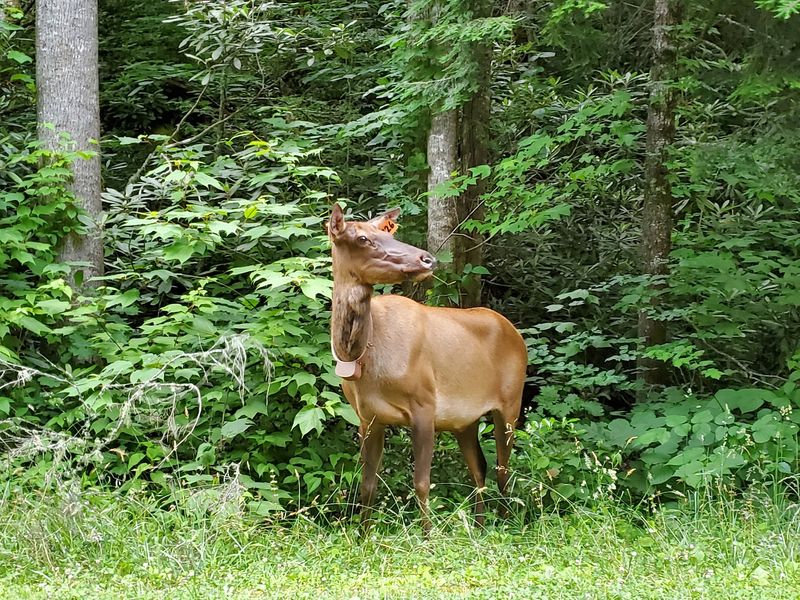
The valley is also one of the best places in North Carolina to observe the reintroduced elk herd, especially during their rutting season in September and October. Dawn and dusk are prime viewing windows, when the animals move into the open meadows.
For gardeners, Cataloochee offers a compelling study in how native maples and other deciduous trees sustain a thriving ecosystem when left relatively undisturbed.
The interplay between the forest, the meadows, and the wildlife creates a model of naturalistic landscape design that is genuinely inspiring.
Reaching the valley requires patience. The road in is narrow, winding, and partially unpaved, so allow extra travel time.
Hurricane Helene damage still limits access, since the valley road now ends near Beech Grove School and the rest must be explored on foot, so check the official Great Smoky Mountains National Park website before planning any trip.
If roads are open, plan for the later half of October for peak color. Maintain at least 50 yards of distance from elk at all times, particularly during rut season when their behavior becomes less predictable and far more assertive.
7. Piedmont State Parks In The Triangle
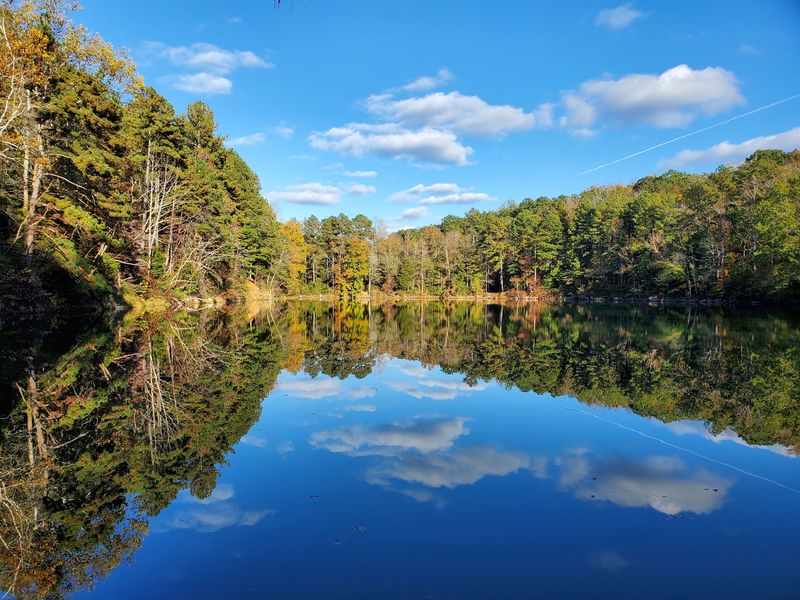
Not everyone can make the drive to the mountains every October, and honestly, they do not have to. Eno River State Park in Durham and William B.
Umstead State Park near Raleigh bring a genuinely beautiful fall color show right to the doorstep of the Triangle.
Red maples along the riverbanks, sweetgums with their jaw-dropping mix of red, gold, and purple, oaks, tulip poplars, and hickories all peak from mid-to-late October into early November, giving a well-timed second wave of color.
For home gardeners in the Piedmont, these parks are practical classrooms. Seeing red maples thrive along creek corridors and sweetgums anchor the edges of forest paths shows exactly how these species perform in the local climate and soil.
The specific color palettes on display here can directly inform plant selections for backyards and community spaces in the region, helping gardeners build landscapes that deliver real seasonal impact without importing plants from far-off climates.
Eno River State Park’s main office is at 6101 Cole Mill Road in Durham, while Umstead’s Crabtree Creek Entrance is at 8801 Glenwood Avenue in Raleigh.
Riverside and creek trails in both parks are the best bets for spotting red maples at their brightest, especially when their color reflects on the water.
Visit on a clear day after several cool nights for the most vivid display. Always check ncparks.gov before heading out, as storm damage has caused partial closures at Eno River and some construction-related trail closures at Umstead.
8. Coastal Red Maples In Swamp Forests
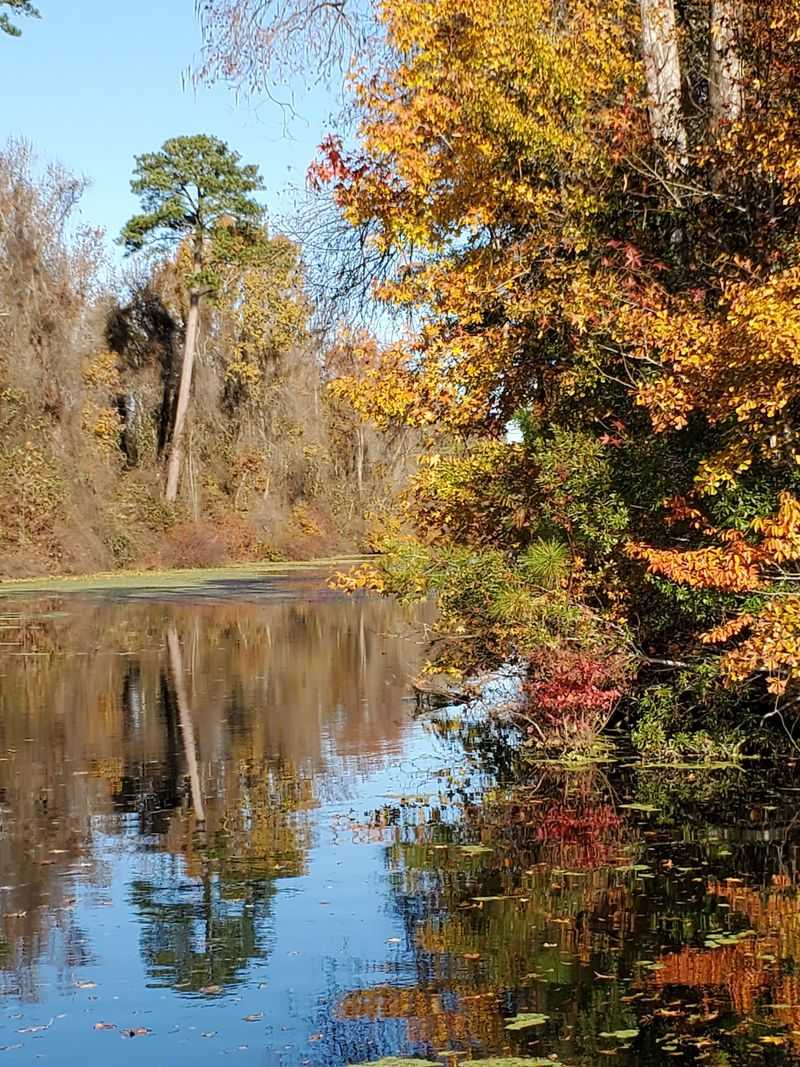
When the mountains have quieted and the Piedmont has faded, North Carolina’s coastal swamp forests are just getting started.
Dismal Swamp State Park at 2294 U.S. 17 N in South Mills and Croatan National Forest near New Bern offer the season’s final act, with red maples, bald cypress, sweetgum, and tupelo trees turning vivid shades of scarlet and gold through early to mid-November.
Croatan is even forecast to peak around November 6th most years, making it one of the last reliable color destinations in the entire state.
Red maples are the undisputed headliners here, and they are remarkably well-suited to the wet, often acidic soils of the Coastal Plain. Watching them thrive in standing water and boggy ground offers gardeners a genuinely useful lesson about plant adaptability.
If your yard has a low-lying wet area that seems impossible to plant, coastal red maple groves are proof that the right native species can turn a challenging spot into a seasonal showpiece.
Bald cypress trees add a golden layer that extends the display well into November. Plan your visit for early to mid-November to catch the coastal peak.
Boardwalks and marked trails are your best friends here since the ground stays wet and soft throughout the season.
Bring insect repellent because mosquitoes stay active on warmer fall days in these wetland environments. Dismal Swamp State Park is also a popular hunting area, so check the park website for any seasonal access restrictions before arriving.
A bicycle is a great way to cover more ground along the swamp’s extensive flat trail system.