Why Asian Lady Beetles And Stink Bugs Swarm Ohio Homes Every October
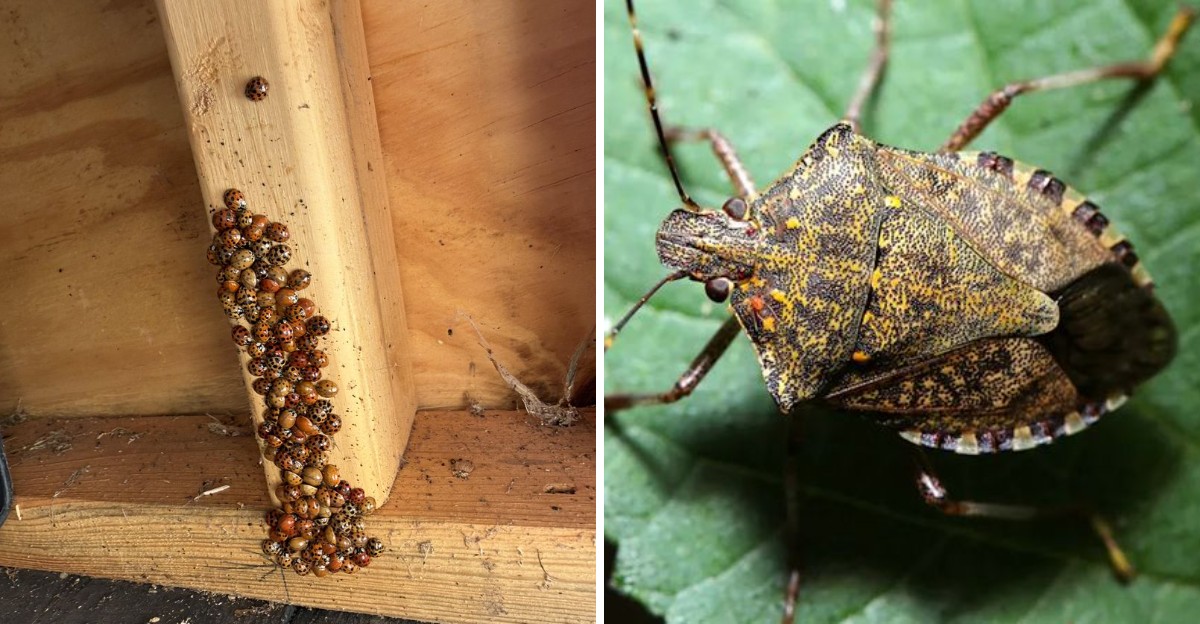
Your Ohio house looks like a landing strip to certain bugs every October, and it’s not random luck that they picked yours.
Both insects search for the same thing once temperatures start dropping, tight spaces to wait out the cold until spring.
Light-colored homes and south-facing walls catch more attention than others, warming up just enough in the fall sun to read as an ideal spot from an insect’s point of view.
Cracks and gaps most homeowners never notice give them the entry point they’re actually looking for.
Once they’re in, getting them back out takes more than swatting the ones you can see, since plenty more stay tucked away out of sight until warmer days bring them back out.
Check your home’s exterior for gaps this week before the swarm gets any bigger. What looks like bad luck every fall usually traces back to something fixable.
1. October Sun Drives Asian Lady Beetles Toward Homes
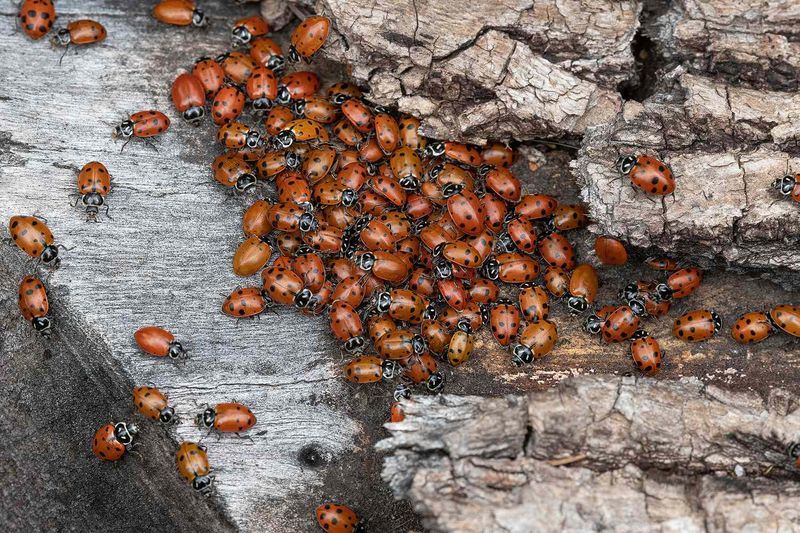
Ever had a warm October day feel like summer came back for a visit? Asian lady beetles notice that change too, and they react fast.
In late September and early October, outdoor temperatures in Ohio start dipping below 65 degrees. Experts at Ohio State have found that swarms often begin after a rain and a frost.
The first sunny day that climbs above about 64 degrees after that cold snap sends the beetles flying.
They are hunting for a safe winter hideout. In their native Asia, they would pick cliffs and rocky ledges that soak up sunlight.
Your house, sadly, looks like a great substitute.
These beetles use sight, heat, and even scent to find each other. Once a few land on your siding, they give off chemical signals that invite more to join.
That is why a handful can turn into hundreds in one afternoon.
Light-colored homes that catch the afternoon sun draw the biggest crowds. Houses shaded by trees or buildings usually see far fewer beetles.
If your home sits in a sunny, open spot, expect more visitors.
Here is a handy tip. Watch the forecast for that first warm day after a frost.
It gives you a heads-up to close windows, check screens, and get your vacuum ready.
2. Brown Marmorated Stink Bugs Seek Winter Shelter
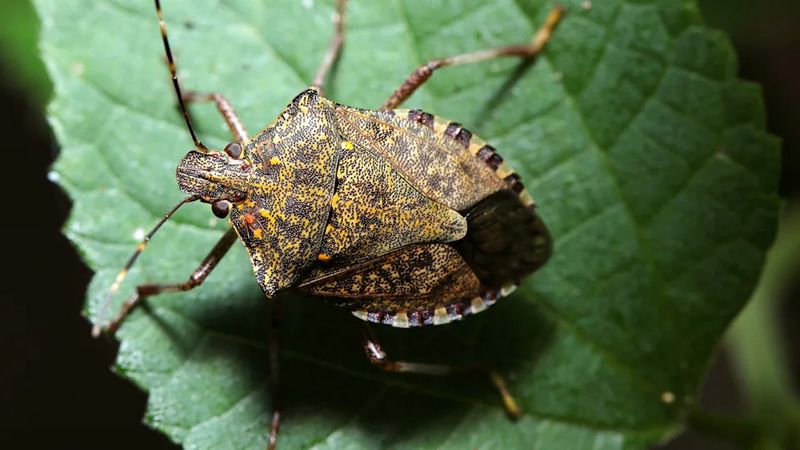
Think of the brown marmorated stink bug as a camper packing up for the season. Once summer fades, it wants a cozy cabin, and your home fits the bill.
These shield-shaped insects become most noticeable in late summer and fall. As temperatures cool, they search for sheltered places to rest through the cold months.
Scientists call this overwintering.
During winter, stink bugs enter a state called diapause. It works a lot like hibernation in bears.
Their bodies slow down, and they can go months without eating a single bite.
In the wild, they tuck themselves under loose tree bark or inside rock crevices. Some experts think their ancestors once used caves.
Modern houses, with their attics, wall spaces, and snug corners, copy those natural spots surprisingly well.
Your Ohio Garden Changes Every Week. Your Plan Should Too.
Gardening in Ohio changes quickly throughout the season. Every Friday you’ll receive a simple weekly plan showing exactly what to plant, prune, fertilize, harvest, and protect so you never miss the right timing.
Stink bugs prefer places that stay cool but protected. A chilly attic or quiet wall void helps them save energy until spring returns.
Your heated living room is actually less ideal for them, even though some wander in anyway.
Fun fact: these bugs arrived in the United States from Asia in the 1990s. They have spread across Ohio since then.
Knowing they only want shelter, not food, can ease your mind, since they will not munch on your pantry or furniture.
3. Warm Walls Become Prime Fall Gathering Spots
Walk outside on a sunny fall afternoon and touch your west-facing wall. Feel that gentle warmth?
To a chilly insect, that surface is a heated welcome mat.
Both Asian lady beetles and stink bugs are drawn to solar heat. Roofs and walls facing south or west soak up sunshine all afternoon.
Then they radiate that heat back out, creating a toasty zone for bugs.
Warmth leaking from inside your home adds to the appeal. Older houses with thin insulation can give off extra heat around windows and eaves.
Insects pick up on that and settle nearby.
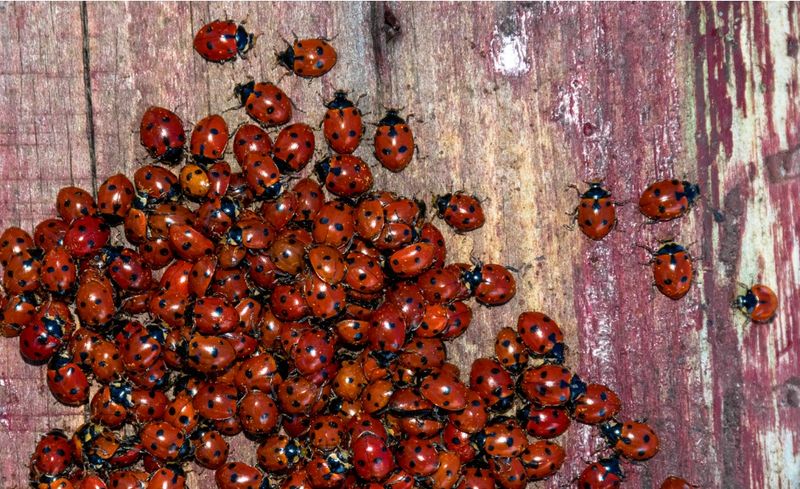
Stink bugs often gather in groups on these walls during bright afternoons. Lady beetles cluster as the air cools, especially near corners and window frames.
Together, they can make a wall look busy in no time.
Here is something many people do not know. Homes with dark shutters on light siding tend to attract more lady beetles.
The contrast creates tiny warm pockets that beetles love.
You cannot move your house, but you can pay attention. Check warm walls on sunny days in early fall.
If you see crowds forming, that tells you exactly where to focus your sealing and cleanup work before the bugs find a way in.
4. Tiny Cracks Give Both Pests An Entry Route
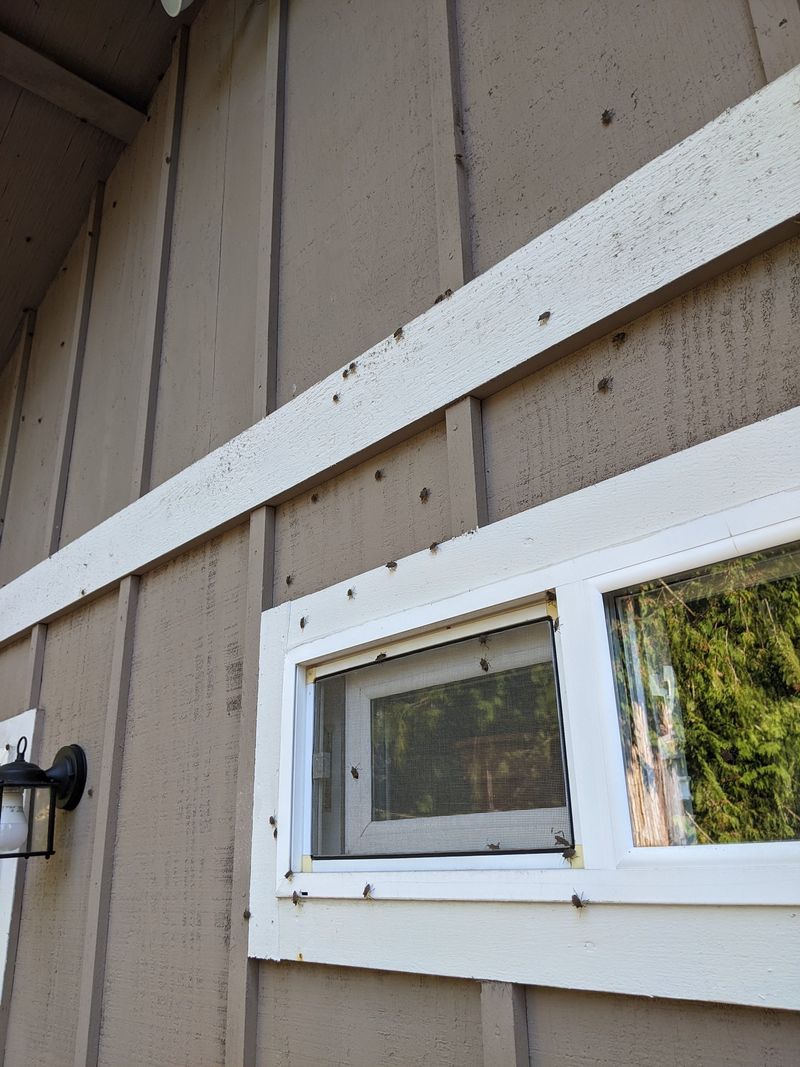
Grab a credit card and look at its edge. An Asian lady beetle can squeeze through a gap about that thin, roughly 1/16 of an inch.
That tiny size gives these insects lots of options. Gaps around windows, doors, and garage doors are common entry points.
Attic vents, fascia boards, and spots where utility pipes enter the house also let them slip inside.
Stink bugs are a bit larger, but they are just as sneaky. They crawl through cracks in siding or brickwork, open vents, chimneys, and holes around cables.
Loose siding creates easy doorways too.
Screens matter more than you might think. Torn, missing, or loose screens invite bugs right in.
Worn-out door sweeps and unscreened attic vents are other weak spots worth checking.
Both pests like to climb. They often head toward the highest parts of a building, so attics and chimneys see heavy traffic.
That is why you might find them upstairs first.
Once inside, they hide in wall voids, attics, and crawl spaces. You may not see them until a warm day draws them out.
A slow walk around your home with a flashlight can reveal many of these small openings. Mark each one with tape so you remember where to seal later.
5. Bright, South-Facing Sides Attract Larger Swarms
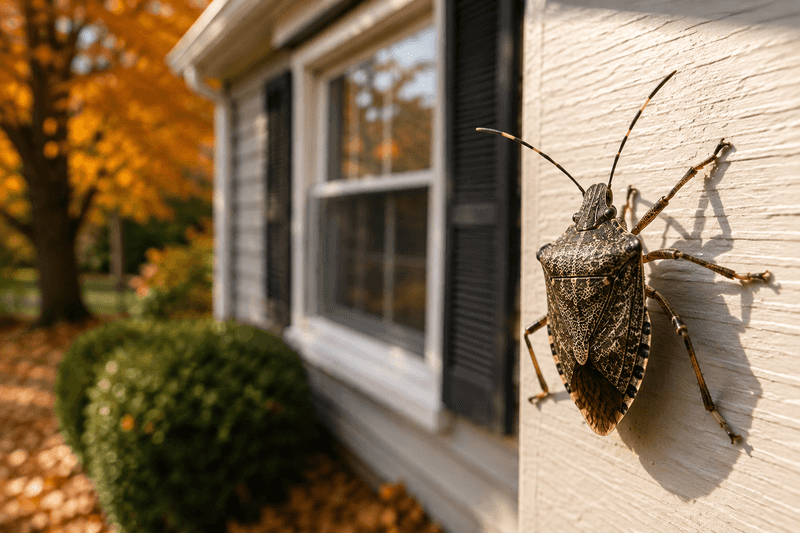
Some houses seem to win the bug lottery every single fall. Often, the secret comes down to which way the walls face.
Both Asian lady beetles and stink bugs love brightly lit sides of Ohio buildings. The southwest side usually gets the strongest afternoon sun.
That combo of light and heat pulls in the largest crowds.
Lady beetles especially favor south- and west-facing walls. These surfaces store heat during the day, which keeps the beetles comfortable as evening approaches.
Stink bugs follow the same pattern, clustering where warmth builds up.
Color plays a part as well. Lady beetles seem drawn to sharp color changes, like dark shutters against pale siding.
Scientists believe this mimics the rocky cliffs they would use in the wild.
Stink bugs have another trick. At night, they can be pulled toward porch lights and other outdoor bulbs.
A bright entry light near a door can guide them straight to a gap.
So what can you do? Start your inspections on the sunniest sides of your home.
Consider switching outdoor bulbs to yellow or sodium vapor types, which attract fewer insects. Turning off porch lights when not needed also helps.
Small changes like these can make your home a little less inviting.
6. Indoor Heat Keeps Hidden Insects Active Longer
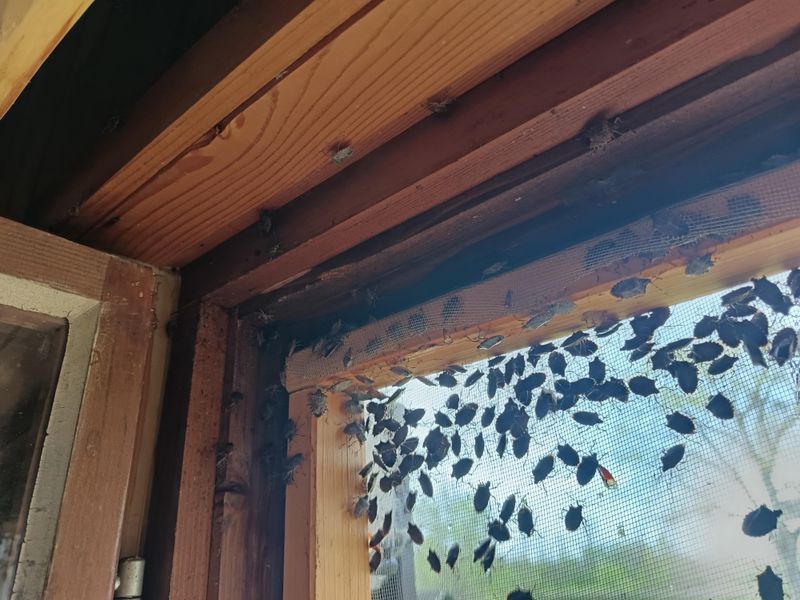
Picture a snowy January morning. Suddenly, a lady beetle strolls across your kitchen window like it is spring.
What happened?
Once these insects settle inside walls, attics, or crawl spaces, they usually go dormant. They stay still until spring warmth tells them to head outdoors.
Your furnace, however, can shake up that plan.
On mild winter days, beetles tucked in wall voids may wake up. Warm air confuses them, so they wander toward living areas instead of outside.
You might spot them on ceilings or near sunny windows.
Stink bugs react the same way, and they tend to stay more active indoors than lady beetles. Heat from vents or sunny rooms can interrupt their rest.
That is why they sometimes buzz around lamps in the middle of winter.
Staying warm is actually hard on these bugs. High temperatures make them burn through their stored fat.
Many grow sluggish and weak before spring arrives.
Here is some comforting news. Neither pest breeds inside your home.
The ones you see are the same ones that moved in during fall, not a growing family. Keeping rooms near unused walls slightly cooler may reduce how many wake up early.
7. Sealing Gaps Before Fall Can Limit New Arrivals
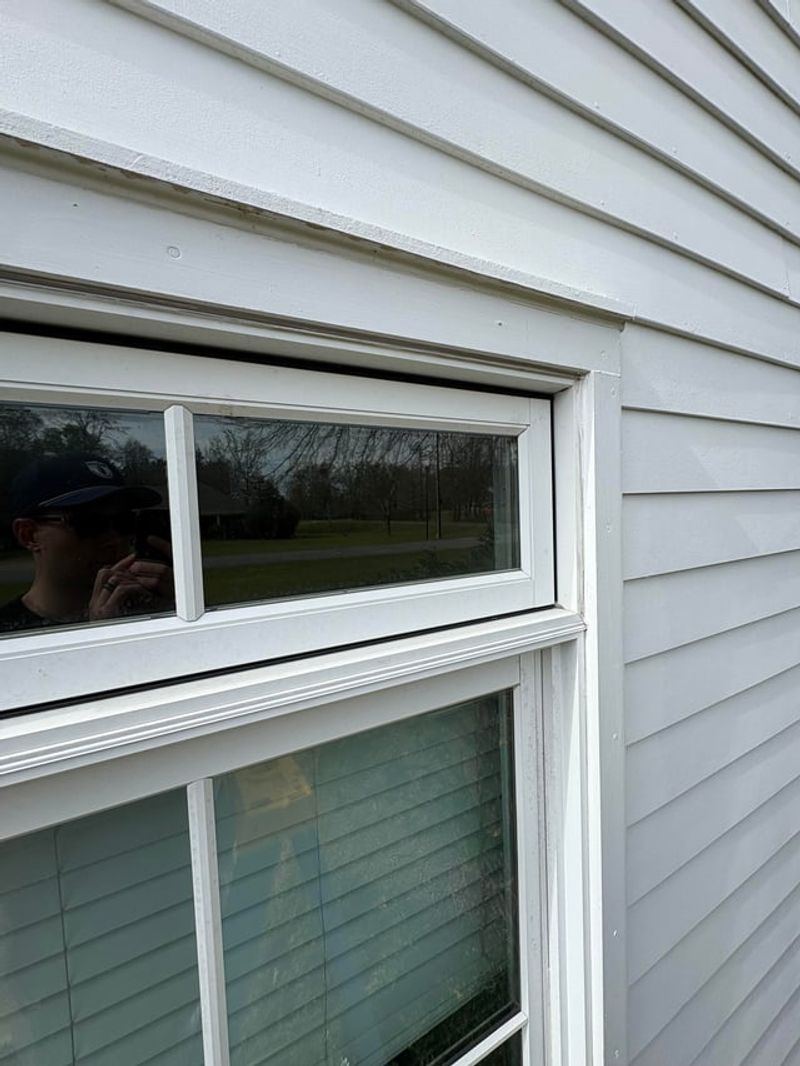
An ounce of caulk may be worth a pound of vacuuming. The best way to handle fall invaders is to stop them at the door.
Aim to finish repairs before late September. Seal cracks, patch screens, and replace worn weather stripping while the weather is still warm.
Remember that gaps as tiny as 1/16 of an inch matter.
Focus on the usual trouble spots. Check windows, doors, soffits, fascia boards, vents, chimneys, and foundation cracks.
Look closely where pipes and wires enter your walls.
For bigger holes, stuff in copper mesh or foam first. Then cover it with caulk for a tight finish.
Install or fix door sweeps so there is no light peeking underneath.
Screens should fit snugly without any bent corners. Take out window air conditioners once you no longer need them.
Those units often leave sneaky gaps behind.
A few outdoor habits help too. Clear away leaf piles and debris near your foundation.
Trim bushes so they do not touch the house, and fix leaky spots that create moisture.
Think of it as a fall checkup for your home. A free weekend in September can spare you months of surprise guests.
8. Vacuuming Beats Crushing Stink Bugs Indoors
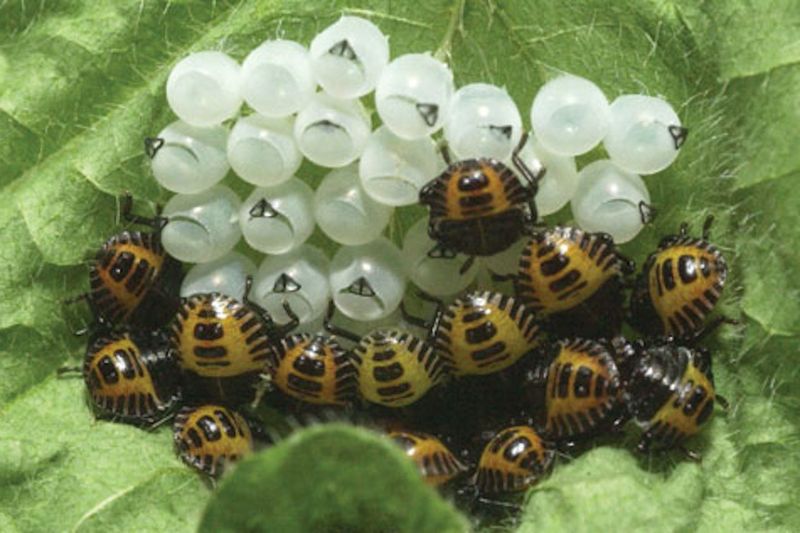
Squish one stink bug and you will learn a smelly lesson fast. That sharp odor can cling to fabric, fingers, and even your vacuum for days.
Crushing these bugs releases a scent that may draw even more stink bugs. Lady beetles have their own defense.
When squeezed, they ooze a yellow fluid that stains walls and smells awful.
Some people are also sensitive to that beetle fluid. It can trigger allergic reactions like itchy eyes or sneezing.
That is another reason to keep your hands off.
A vacuum is your best friend here. For stink bugs, use one with a bag.
Toss the bag outside right away so the smell stays out of your home.
Try this clever trick for lady beetles. Slip a nylon stocking into the vacuum hose and hold it with a rubber band.
The beetles collect in the stocking, and you can release them outdoors without any mess.
Other gentle options work too. You can guide a stink bug into a cup and carry it outside.
Dropping them into a jar of soapy water is another tidy choice.
Light traps placed in dark rooms or attics can also gather bugs that sneak out of hiding spots.
9. Fall Swarms Usually Fade Once Winter Settles In
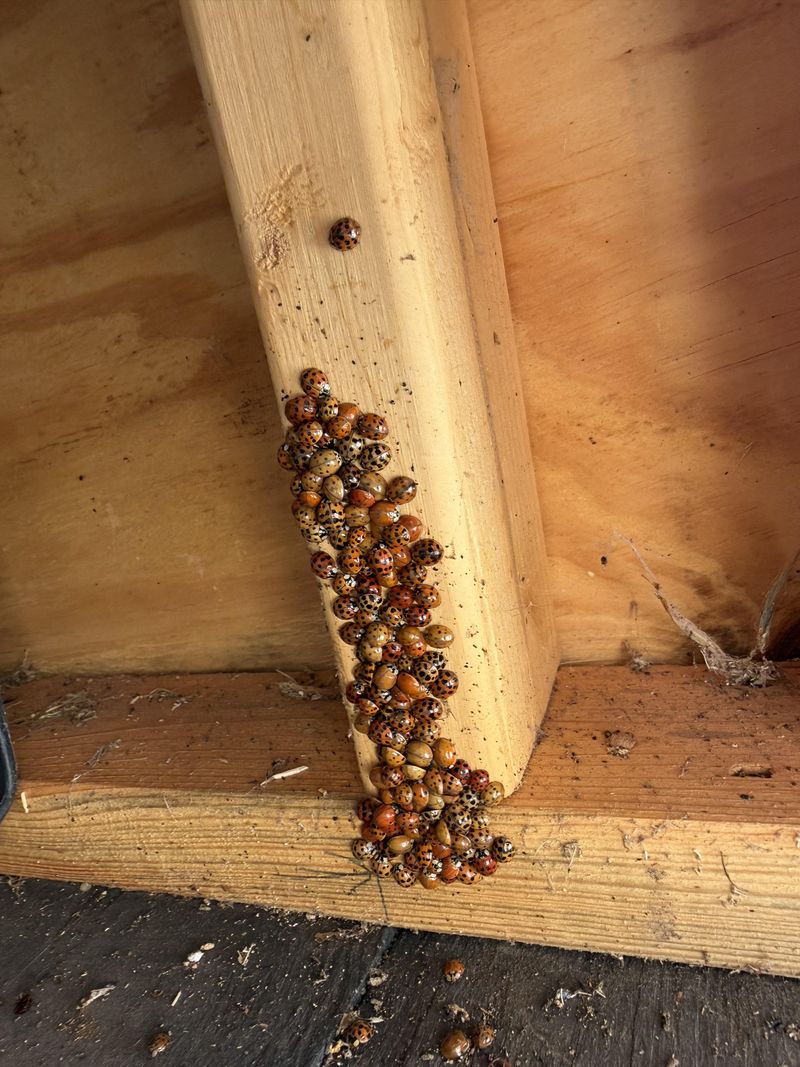
Take a deep breath, because the buzzing chaos does not last forever. Most fall swarms calm down within a few weeks.
Swarming peaks during those warm October afternoons. Once the last sunny, mild days pass, Asian lady beetles settle into their winter spots.
Some rest just outside on the house, while others tuck inside walls.
Stink bugs follow a similar path. After slipping inside, they mostly stay hidden in wall voids through winter.
You may not see them again for a while.
That does not mean they are gone for good. Warm spells in winter can wake a few, and they may wander into rooms.
When that happens, grab the vacuum and remove them as they appear.
Spring brings a second round of activity. As the weather warms, bugs try to leave their hiding spots.
Some get turned around and head deeper into your home by mistake.
Here is the bright side. Every season teaches you something new about your house.
Jot down where you saw the most bugs this year.
Next August, use those notes to guide your repairs. With a little planning, next October in Ohio could feel far more peaceful and much less crowded.