12 Arizona Vegetables You Still Have Time To Plant In October For A Winter Harvest
October is when the Arizona desert finally lets gardeners breathe again. The brutal summer heat fades, nights cool off, and the soil becomes friendly to a whole new lineup of crops.
If you missed September planting, you have not missed your chance, because plenty of cool-season vegetables still have time to grow. Here are 12 you can tuck into your beds now for fresh, homegrown food all winter long.
1. Broccoli
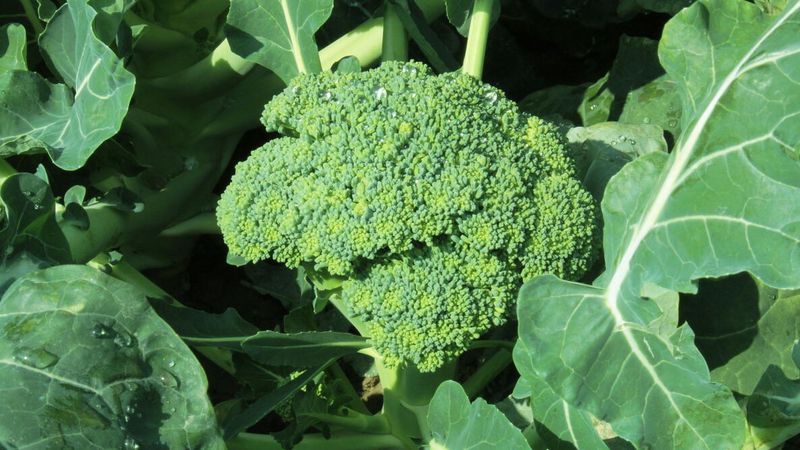
Picture yourself snapping off a tight green broccoli head in January while the rest of the country shovels snow. That is the kind of winter treat low-desert gardeners get to enjoy.
Broccoli loves the mild days and chilly nights Phoenix and Tucson offer from fall through early spring.
Go with transplants rather than seeds this late in the season. Young plants already have a head start, so they can form full heads before spring heat arrives and pushes them to flower.
Set them about 18 inches apart in beds enriched with compost, since broccoli is a hungry feeder in our lean, alkaline soil.
Water deeply two or three times a week, adjusting as temperatures drop. A drip line under a layer of mulch helps keep the roots evenly moist without wasting water to evaporation.
Cabbage loopers sometimes show up, and a lightweight row cover can make your plants less inviting to egg-laying moths.
After you harvest the main head, leave the plant in place. Smaller side shoots often keep coming for weeks, giving you bonus meals.
Any sprouts that slip into yellow bloom will attract bees and other pollinators, so even the leftovers help support the helpful insects in your yard.
2. Carrots
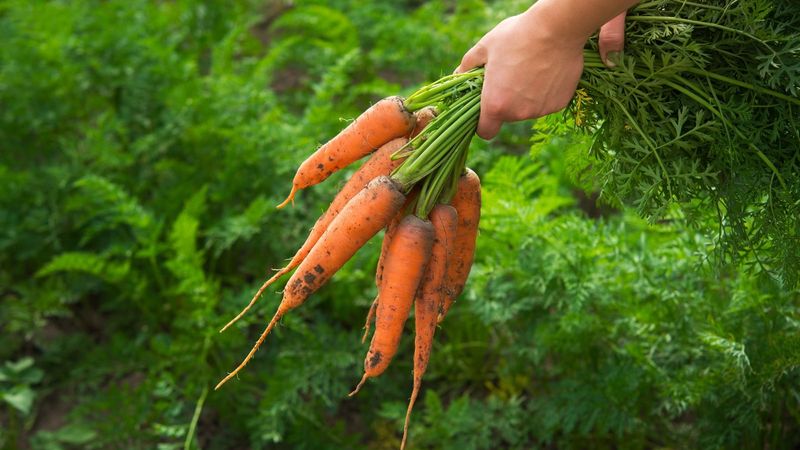
Sweet, crunchy, and oddly satisfying to pull from the ground, carrots reward patience like few other crops. Here is a fun fact: cooler soil pushes carrots to store more sugar, which is why a January carrot from a Tucson garden can taste like candy compared to a summer one.
Sow seeds directly in October, because carrots hate being moved. The tricky part in Arizona is our soil.
Caliche and heavy clay can leave you with forked, stubby roots, so a raised bed filled with loose, sandy, compost-rich mix makes a huge difference.
Tiny carrot seeds need steady moisture to sprout, and our dry air works against them. Try laying a board or piece of burlap over the seeded row for the first week, checking daily and lifting it once green threads appear.
Thin seedlings to about two inches apart so each root has room to fill out.
Expect harvest in roughly 70 to 80 days, depending on the variety. Shorter types like Danvers or Chantenay handle tougher soil better than long, skinny ones.
Leave a few plants to flower in spring, since their lacy blooms may draw in tiny beneficial wasps that help keep pests in check.
3. Lettuce
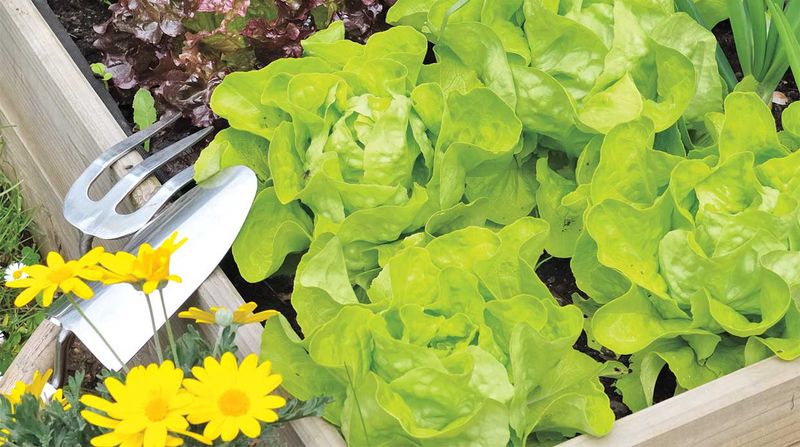
Salad season in the desert does not arrive in spring. It shows up in winter, and lettuce is the star of the show.
Your Arizona Garden Changes Every Week. Your Plan Should Too.
Gardening in Arizona changes quickly throughout the season. Every Friday you’ll receive a simple weekly plan showing exactly what to plant, prune, fertilize, harvest, and protect so you never miss the right timing.
Few things beat walking outside in December to cut fresh leaves for dinner instead of buying a sad plastic clamshell.
Both leaf and head varieties grow well in October, from seed or transplants. Leaf types like Black Seeded Simpson or oakleaf are the most forgiving, and you can start picking outer leaves in just a few weeks.
Head lettuces such as butterhead take longer but form beautiful, tender rosettes.
The real trick is staggering. Sow a short row every two to three weeks, and you will have a steady supply from fall straight into spring rather than a flood all at once.
Lettuce has shallow roots, so frequent light watering keeps it crisp and sweet.
A little afternoon shade from a nearby tree or shade cloth helps early plantings when October still throws out an occasional warm day. Birds love tender seedlings, so a floating row cover can protect young leaves.
Once spring heat builds, lettuce will bolt and turn bitter, which is your signal to let it flower for the pollinators.
4. Kale
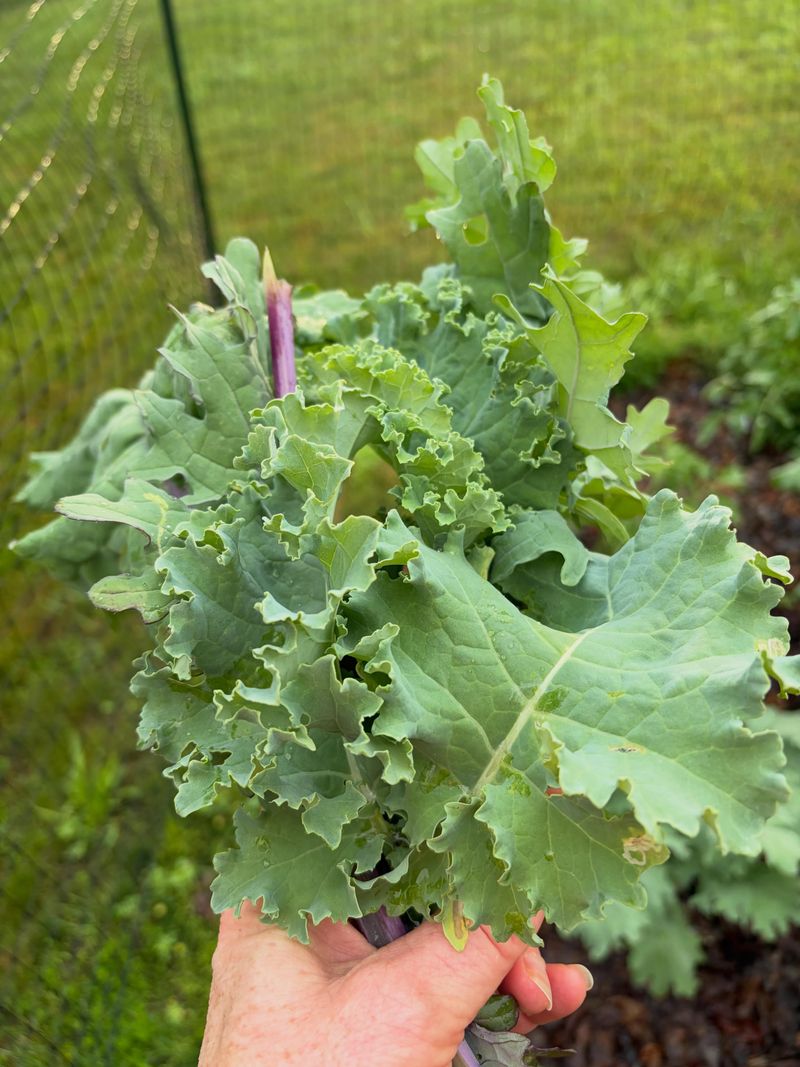
Tough as old boots and twice as dependable, kale is the vegetable for gardeners who want results without fuss. It shrugs off the occasional desert frost and actually tastes sweeter after a cold night, which is a nice bonus when temperatures dip near freezing in January.
Kale grows easily from seed sown directly in October, though transplants will get you picking sooner. Space plants about 12 to 18 inches apart, since mature plants can get surprisingly large.
Lacinato, often called dinosaur kale, and curly Winterbor both handle Arizona winters beautifully.
Harvest by snapping off the lower, outer leaves and letting the center keep growing. One plant can feed you for months this way, making it one of the most productive picks on this list per square foot.
That means more food with less water and space.
Aphids occasionally cluster on the undersides of leaves. A sharp spray of water usually knocks them off, and ladybugs often arrive to finish the job if you avoid harsh sprays.
When kale finally sends up yellow flowers in spring, leave a few stalks standing. Native bees and honeybees flock to them at a time when forage can still be limited.
5. Swiss Chard
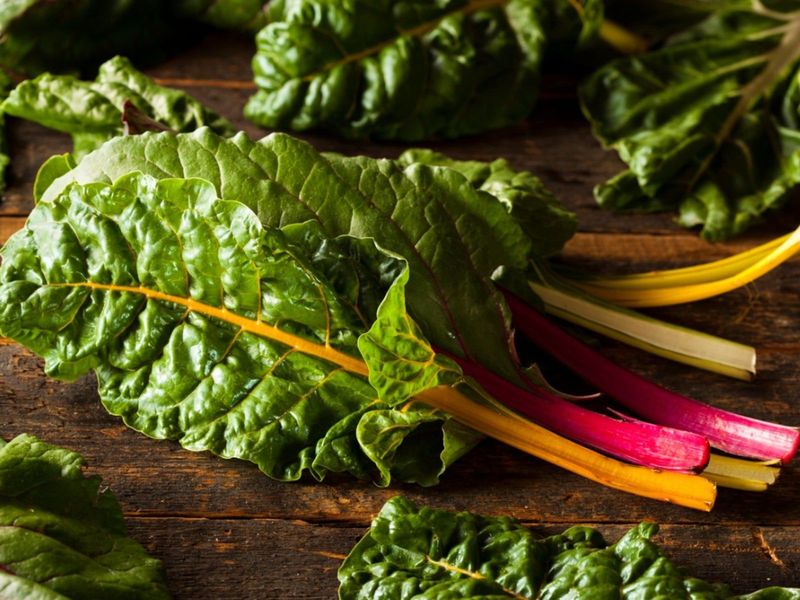
Some vegetables earn their spot for flavor, and others for looks. Swiss chard manages both.
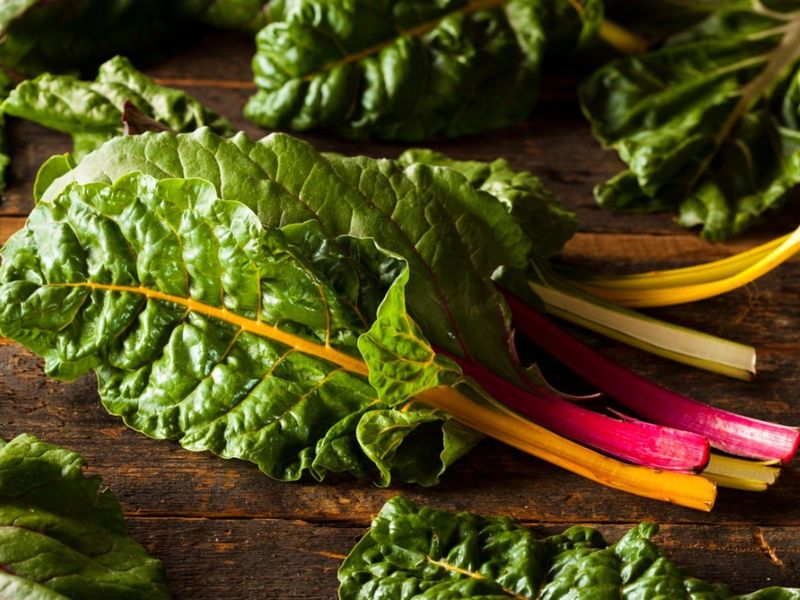
With stems glowing ruby red, golden yellow, and hot pink, rainbow chard looks like it belongs in a flower border as much as a veggie patch.
Chard is a cousin of the beet, and it is one of the most heat-tolerant leafy greens around. That toughness matters in the desert, where a warm spell in October or March can make lettuce and spinach sulk.
Chard just keeps going, often producing well into early summer.
Sow seeds directly about half an inch deep. Each wrinkly seed is actually a cluster, so several seedlings may pop up together.
Thin them to one strong plant every 8 to 12 inches, and toss the tiny thinnings into a salad.
Pick the outer stalks when they reach about 10 inches, and the plant will keep pushing out new ones from the center. Chard does fine with moderate watering and appreciates a mulch layer to hold moisture.
Since it tolerates slightly salty, alkaline soil better than many greens, it can be a smart choice for yards with less-than-perfect native dirt.
6. Beets
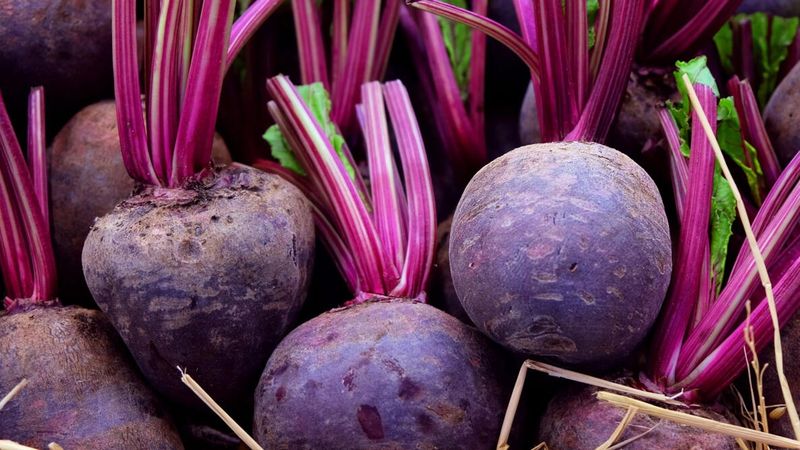
Love them or dodge them at dinner, beets grown in cool desert soil might change your mind. Winter-grown roots tend to develop a mellow, earthy sweetness that is hard to find in store-bought ones.
Plus, you get two crops in one plant.
Those leafy tops are completely edible and taste a lot like chard. Snip a few young leaves for salads while the roots keep swelling underground.
Just avoid stripping more than a third of the foliage, or the roots will stay small.
Sow seeds directly in October, about half an inch deep. Soaking seeds overnight can help them sprout faster in our dry conditions.
Like chard, each beet seed is really a cluster, so thin seedlings to about three inches apart once they are a couple of inches tall.
Beets prefer loose soil without rocks, so work in plenty of compost if you are dealing with caliche. Keep moisture steady, because uneven watering can make roots woody or cracked.
Most varieties are ready in 55 to 70 days. Try golden or candy-striped Chioggia beets for a colorful twist, and roast them with a little olive oil for a warm winter side dish.
7. Radishes
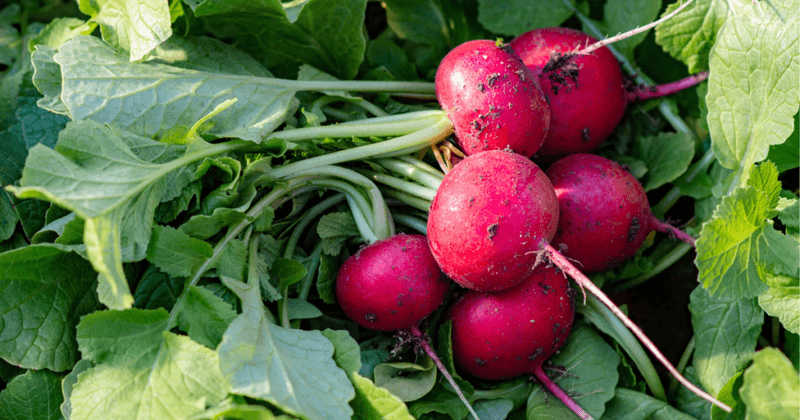
Need a win fast? Radishes are the sprinters of the vegetable world, going from seed to salad in as little as 25 days.
For impatient gardeners or kids just learning to grow food, few crops deliver that happy moment quicker.
Sow seeds directly about half an inch deep and an inch apart. Because they mature so quickly, you can plant a new short row every week or two all through October and beyond.
Try tucking them between slower crops like carrots or broccoli. The radishes will be pulled long before their neighbors need the space.
Consistent watering is the secret to crisp, mild roots. Let the soil dry out too much, and radishes turn pithy and fiery hot.
Harvest promptly once roots reach full size, since leaving them in the ground too long makes them tough.
Want to go beyond the classic red globe? French Breakfast radishes are long and mild, while watermelon radishes hide a bright pink center.
Daikon grows big and helps break up compacted soil with its long root. Any plants you forget will bolt and bloom, and their small flowers are popular with pollinators and hoverflies that feed on aphids.
8. Peas
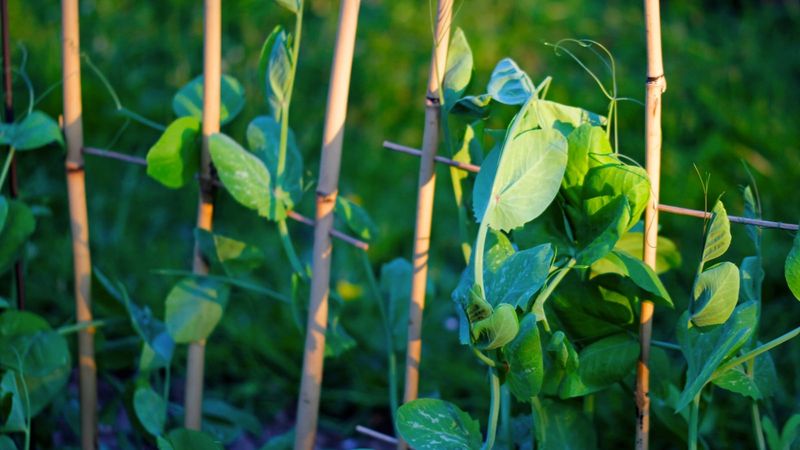
Nothing says late winter in the desert quite like munching sugar snap peas straight off the vine. Most of them never make it to the kitchen, and honestly, that is part of the fun.
Plant pea seeds directly in October about an inch deep and two inches apart. Soaking them overnight helps speed sprouting.
Most varieties need something to climb, so set up a trellis, fence panel, or cattle panel before planting to avoid disturbing roots later.
Here is a neat bonus: peas are legumes, which work with soil bacteria to add nitrogen to the ground. That means the bed can be richer for whatever you plant next.
After harvest, cut the vines at soil level and leave the roots in place to break down.
Expect pods in late winter or early spring, roughly 60 to 70 days after planting. Pick often to keep plants producing.
Snow peas and sugar snaps are the easiest choices for Arizona, since you eat the whole pod. Birds may nibble young shoots, so a row cover helps early on.
Once blooms appear, bees often stop by, turning your pea patch into a small pollinator snack bar.
9. Cabbage
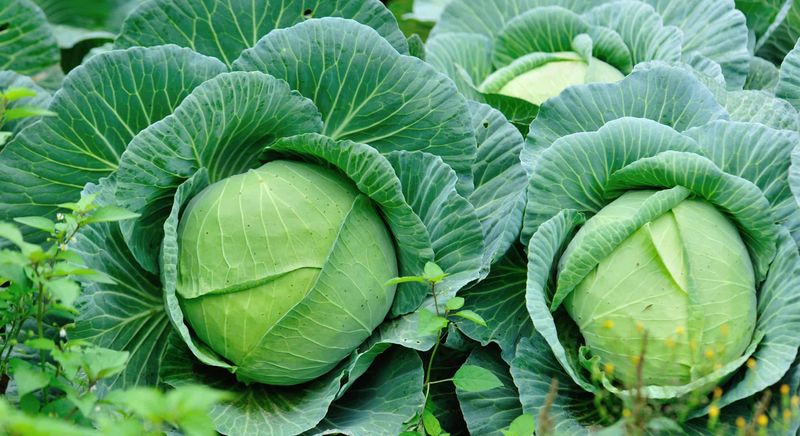
Grandma knew what she was doing when she kept a row of cabbage going all winter. This humble vegetable is budget-friendly, stores for weeks in the fridge, and turns into everything from coleslaw to soups and homemade sauerkraut.
For October planting in the low desert, transplants are the smart move. Cabbage takes a while to form a solid head, and a young plant gives you the time you need before spring warmth arrives.
Space them about 18 inches apart in compost-rich soil.
Cabbage is a heavy feeder, so a side dressing of compost or an organic fertilizer a month after planting helps. Water deeply and consistently.
Big swings between dry and soggy can cause heads to split, which is annoying but still edible if you harvest right away.
Watch for cabbage loopers, small green caterpillars that chew holes in leaves. A floating row cover can make plants less inviting to the white moths that lay eggs.
Birds such as verdins and wrens may also snack on caterpillars if your yard offers habitat. Compact varieties like Golden Acre mature faster, while red cabbage adds gorgeous color to the garden and your plate.
10. Spinach
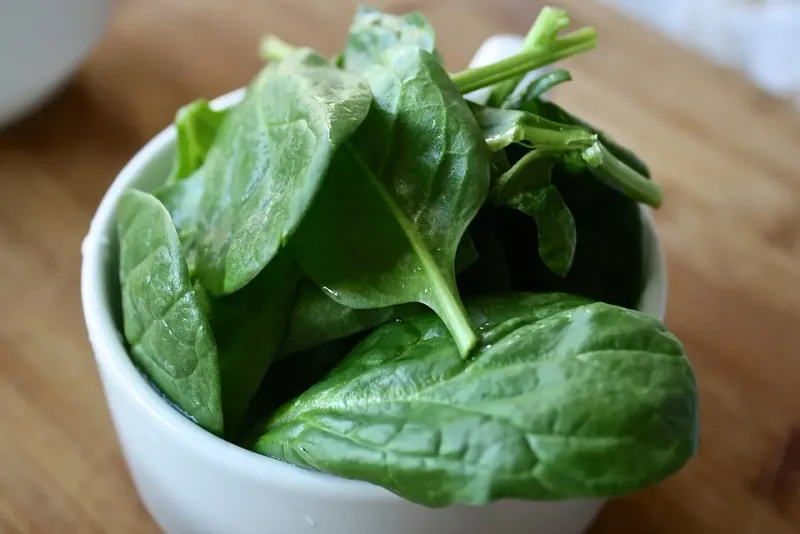
Spinach can be a bit of a diva in Arizona, but treat it right during the cool months and it becomes a superstar. The key is timing, and October falls right in its happy zone.
You can grow spinach from seed or transplants. Seeds sprout best once soil temperatures drop below about 70 degrees, so if early October still feels warm, wait until mid-month or plant in a spot with afternoon shade.
Sow seeds about half an inch deep and thin to four inches apart.
Spinach thrives in rich, well-draining soil with steady moisture. Our alkaline dirt can leave leaves looking pale, and mixing in plenty of compost often helps green them up.
A light mulch keeps roots cool and cuts down on watering.
Start harvesting outer leaves once plants have five or six full leaves, and keep picking all winter. As soon as days lengthen and warm up in spring, spinach will race to bolt.
Savoy types have crinkly leaves and hold up well, while smooth-leaf varieties are easier to wash. If traditional spinach gives you trouble, Malabar spinach is a heat-loving vine to try later, but for winter, the classic is hard to beat.
11. Garlic
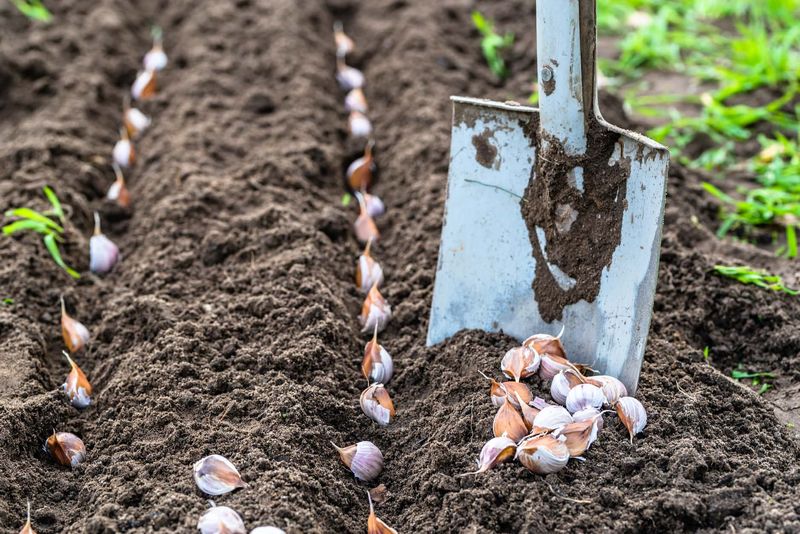
Plant it now, forget about it for months, and dig up a treasure in late spring. Garlic is the ultimate long game, and October is the perfect moment to start once daytime highs stay below 90 degrees.
Skip grocery store bulbs, which may be treated to prevent sprouting. Instead, buy seed garlic from a local nursery.
Softneck varieties such as California Early and Inchelium Red tend to do best in the low desert, since hardneck types often need colder winters than Phoenix provides.
Break bulbs into individual cloves and plant them pointy side up, about two inches deep and six inches apart. Green shoots usually appear within a few weeks.
Keep soil moist but not soggy through winter, then cut back on water in spring as the leaves begin to yellow.
Garlic has a strong scent that may make nearby beds less inviting to aphids and some other pests, which is why many gardeners plant it along borders. Harvest usually comes in May when about half the leaves have browned.
Cure bulbs in a shady, airy spot for a few weeks, and you could have homegrown garlic in your kitchen well into the next year.
12. Turnips
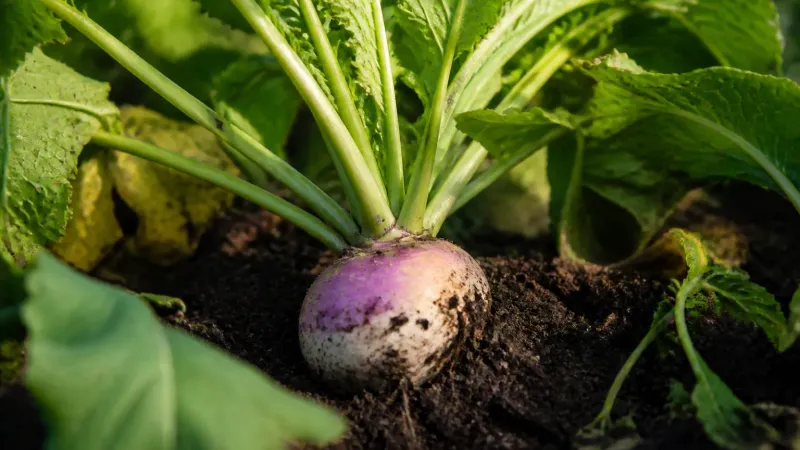
Often overlooked and totally underrated, turnips might be the most practical root on this list. They grow fast, handle tough conditions, and give you two harvests in one plant: tender greens and a mild, slightly peppery root.
Sow seeds directly in October about a quarter inch deep, then thin seedlings to four inches apart. Many varieties are ready in just 40 to 60 days, making turnips a great pick if you started your fall garden a little late.
Hakurei, a Japanese salad turnip, is sweet enough to eat raw like an apple.
Turnip greens can be picked young for salads or cooked like collards, a classic Southern favorite. Just leave some leaves on each plant so the root keeps growing.
Harvest roots when they are about two to three inches across, since larger ones can turn woody.
Like other root crops, turnips enjoy loose, compost-rich soil and consistent water. Their thick roots also help loosen compacted ground over time.
For a water-wise desert garden, turnips deliver a lot of food with modest effort, and any stragglers that bolt in spring will produce yellow flowers that help feed early pollinators buzzing through your yard.