Plant These Fruit Trees Once In Virginia Piedmont Clay, And Your Grandkids Could Still Be Picking
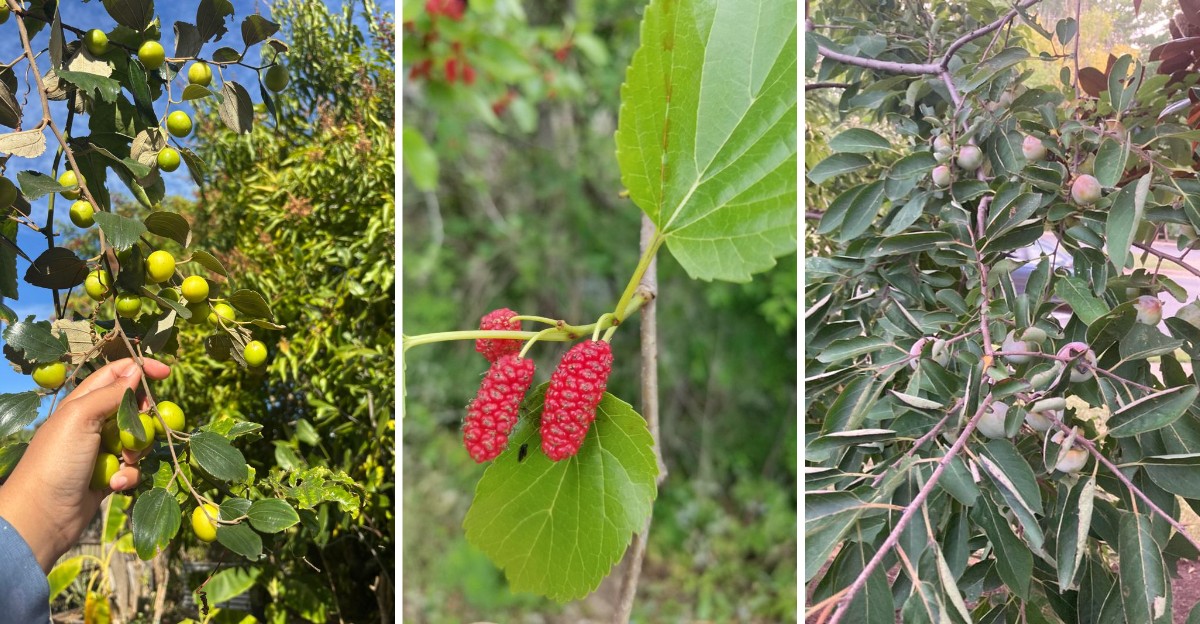
If your shovel bounces off orange clay like it hit a brick, welcome to gardening in the Virginia Piedmont. That sticky red soil stains your jeans, but it can also feed fruit trees for generations.
Picture a warm September afternoon, a ladder against a trunk, and a basket filling with sweet fruit. Now imagine your grandkids doing the same thing decades from now.
Some fruit trees give up after fifteen summers, while others outlast the gardener who planted them. The trick is choosing trees built for heavy ground, humid summers, and a little neglect.
A few are proud natives that have grown wild here for centuries. Others came from faraway lands and settled in like they were born on a local farm.
The trees below are the tough, generous ones worth planting just once. Your future family will thank you with sticky fingers and full bellies.
1. American Persimmon Shrugs Off Heavy Clay
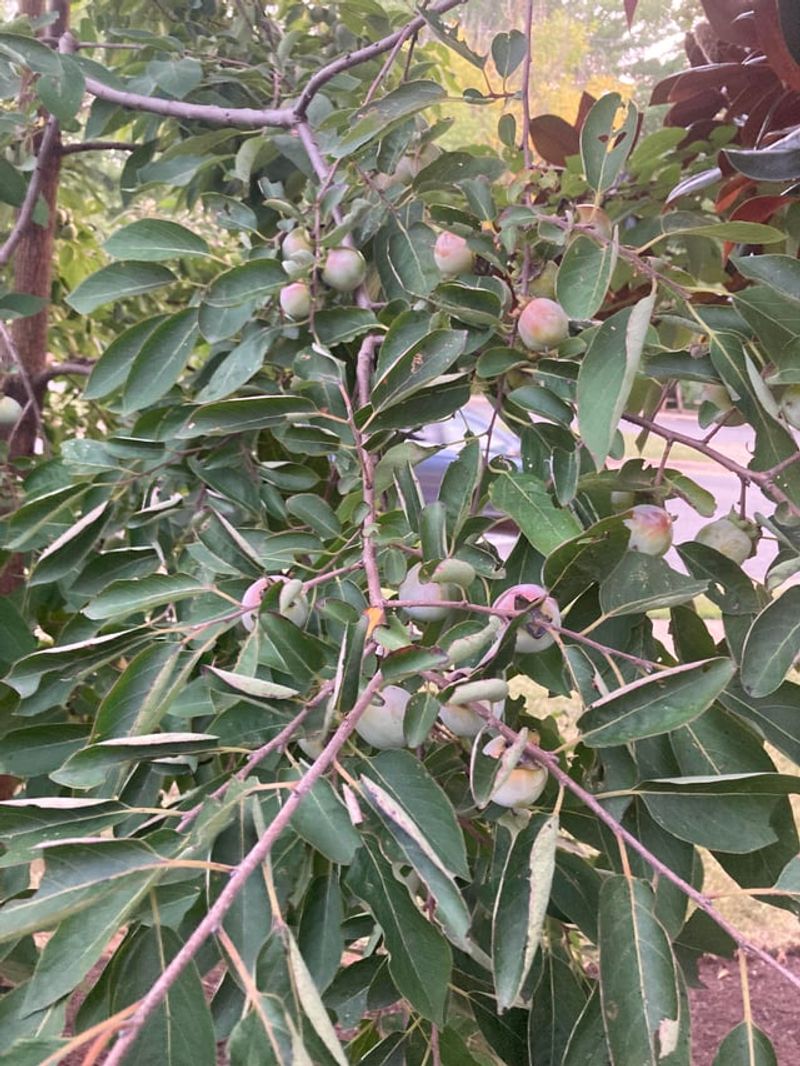
Old farmers in the Virginia Piedmont liked to say a persimmon tastes like sunshine after the first frost. Bite one too early, though, and your whole mouth puckers like a dried sponge.
Native to Virginia, the American persimmon grows happily in poor, rocky, or clay soils. Other fruit trees sulk in that ground, but persimmons send down a deep taproot and settle in.
Lifespan is where this tree truly shines. Many specimens pass 100 years, and some reach 150 years or more with little help.
Best fruiting often happens between ages 25 and 50. So the tree you plant today may hit its peak right when your grandkids start climbing it.
Most persimmons are either male or female trees. You usually need one of each for fruit, though some named varieties are partly self-fertile.
Choose a spot with full sun and decent drainage. Soggy low spots cause trouble, so plant on a slight rise if your yard holds water after storms.
Mature trees reach 30 to 60 feet tall. Give them room away from driveways, since soft fallen fruit makes a slippery orange mess.
Here is a fun winter trick for kids. The bark looks like chunky alligator skin, making the tree easy to spot after leaves drop.
Fruit ripens from September into November, turning deep orange and very soft. Wait until it feels like a water balloon, then enjoy it fresh or bake persimmon pudding.
Once established, this tree handles drought, heat, and cold. Plant a pair, water it the first year, and let time handle the rest.
2. Pawpaw Rewards Patience With Decades Of Fruit
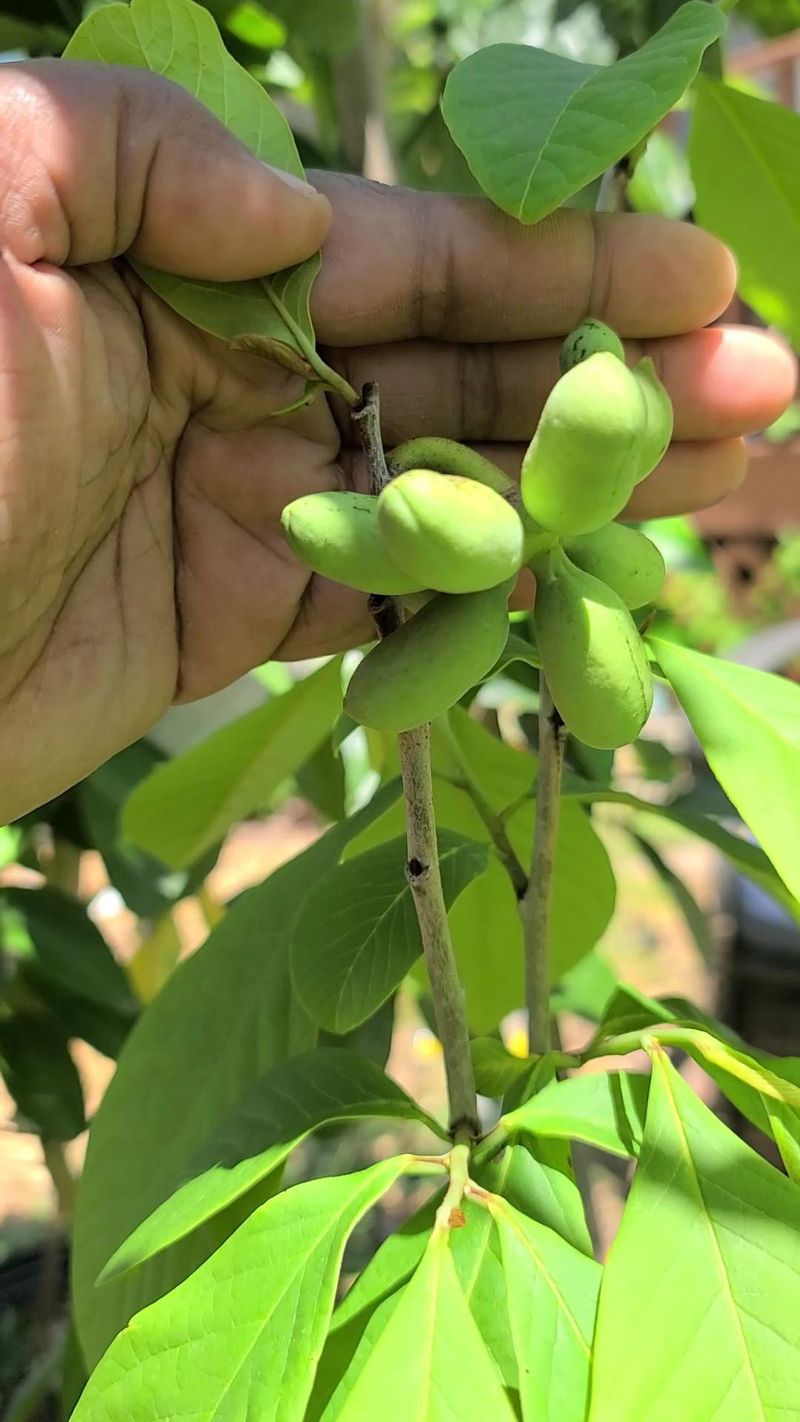
Imagine a fruit that tastes like banana, mango, and custard all mixed together. Now imagine it growing wild along creeks just down the road.
Pawpaws are the largest native fruit in North America. Hikers across the Piedmont sometimes stumble on patches in rich bottomlands and moist woods.
Clay does not scare them off. These trees manage well in heavy soil, especially when it stays moist but drains after rain.
A raised planting mound helps a lot. Mixing compost into the top layer also gives young roots an easier start.
Your Virginia Garden Changes Every Week. Your Plan Should Too.
Gardening in Virginia changes quickly throughout the season. Every Friday you’ll receive a simple weekly plan showing exactly what to plant, prune, fertilize, harvest, and protect so you never miss the right timing.
Patience is part of the deal. Grafted trees may fruit in two or three years, while seedlings can take five to ten.
Full production arrives around year ten or fifteen. After that, a healthy tree may keep bearing for decades.
Here is the magic part. Pawpaw roots form colonies that send up new sprouts, and some root systems live for centuries.
Plant at least two unrelated varieties for good fruit. One tree alone rarely sets much, no matter how healthy it looks.
Young pawpaws dislike harsh sun. Shade them for the first two summers with a simple cloth screen or a nearby taller plant.
Handle the taproot gently at planting, since it breaks easily. Buying potted trees instead of bare-root ones often works better.
Deer usually leave pawpaws alone, and pests rarely bother them. For a low-fuss native treat, few trees beat this tropical-tasting woodland gem.
3. Kieffer And Magness Pears Stand Up To Fire Blight
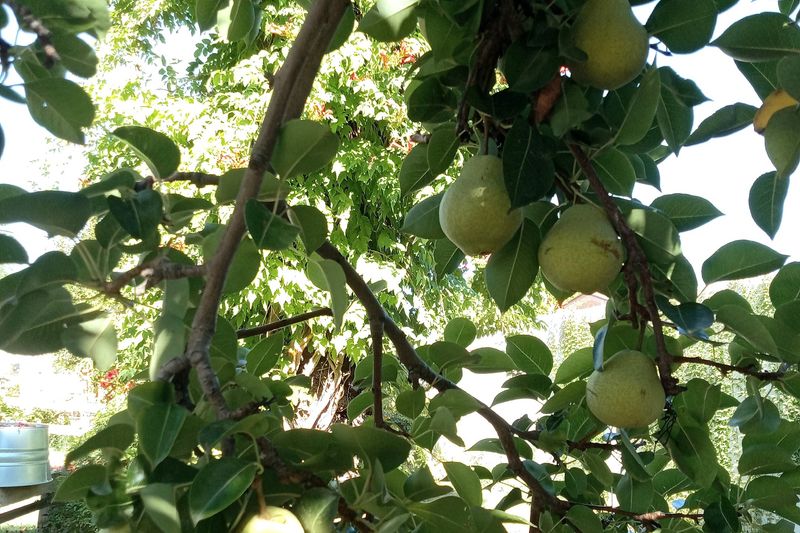
Ask anyone who has lost a pear tree to fire blight. They will describe blackened branches that look scorched, as if a torch swept through overnight.
Fire blight is a bacterial disease that loves warm, humid springs. Sadly, that describes Piedmont weather almost perfectly.
Kieffer pears have fought this disease for generations. Their strong resistance explains why so many old farmhouses still have one standing in the yard.
Magness ranks among the most blight-resistant pears around. It also offers buttery, juicy, perfumed fruit that tastes like a fancy dessert.
Both varieties can live 50 years or more. Kieffer trees sometimes push past 75 years in good conditions.
Clay works for pears when drainage is decent. Magness especially dislikes wet feet, so a raised mound is smart in soggy yards.
Pollination needs a little planning. Magness cannot pollinate itself or others, so pair it with Kieffer or another variety that blooms together.
Kieffer is partly self-fertile, yet it yields more with a partner. Planting both together solves the puzzle nicely.
Give each tree six to eight hours of sun. Mature trees reach roughly 15 to 30 feet tall.
Pears bloom a few days before apples. A late frost can nip blossoms, so a gentle slope helps cold air drain away.
Kieffer fruit is firm and gritty off the tree. Pick it slightly green and ripen it indoors for canning, baking, and preserves.
4. Standard-Size Apple Trees Outlast Dwarf Types By Decades
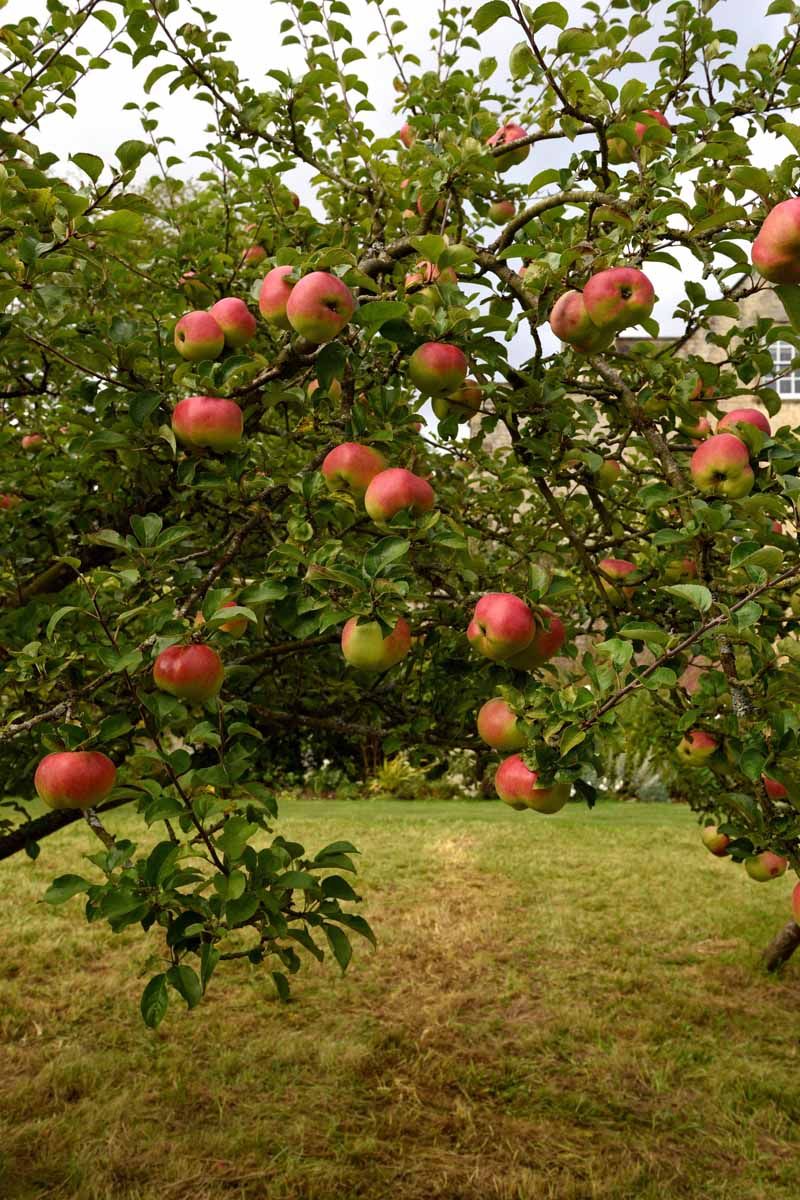
Grandpa’s old apple tree probably did not come from a garden center shelf. Chances are, it grew on a full-size root system built for the long haul.
Tree size depends mostly on rootstock, the root part a variety is grafted onto. Dwarf roots give quick fruit, but they rarely last long.
Dwarf trees often wear out in 15 to 20 years. Semi-dwarf types usually manage about 20 to 25 years.
Standard trees are another story entirely. With decent care, they can keep producing for 100 years or more.
Deep roots are the secret. They anchor the tree through storms and reach moisture during dry August stretches.
Ask nurseries about sturdy rootstocks like Antonovka or M-111. Both handle tough ground, and M-111 copes well with clay.
Piedmont clay holds water, which can lead to root rot. Plant on a low mound so the trunk base stays above soggy soil.
Roughen the sides of the hole with a fork before planting. Smooth, slick walls can trap roots like a clay pot.
Water deeply but not often. Clay stays damp for days, so check with a finger before reaching for the hose.
Full sun matters too, at least six to eight hours. Good airflow helps with the fungal problems that humid summers bring.
Yes, you will wait longer for the first crop. Still, one standard tree can fill bushel baskets for three generations.
5. Figs Thrive Beside A Sheltered, Sunny Wall
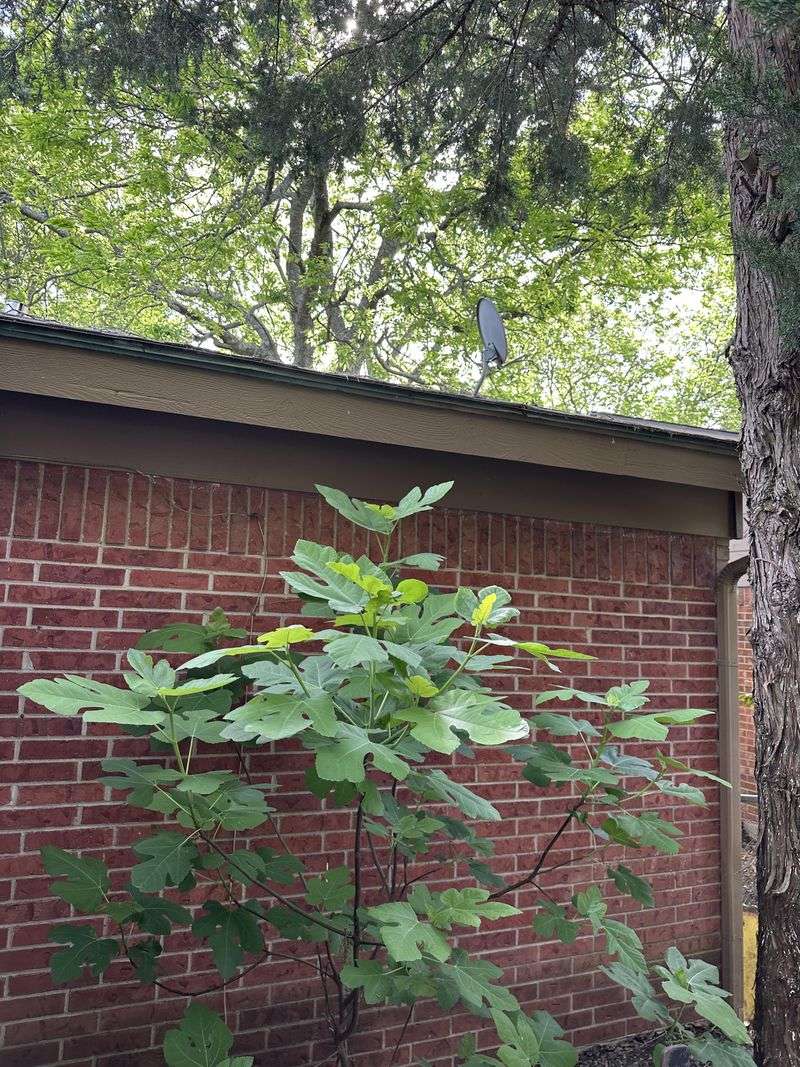
Walk through older Richmond neighborhoods in August, and you may smell ripe figs before you see them. Many of those bushes hug brick walls for good reason.
Figs are sun lovers from warm regions. In Zone 7 Virginia, a little extra warmth makes a big difference.
A south-facing wall acts like a heat battery. It soaks up sunshine all day and releases warmth after dark.
Walls also block bitter winter winds. Those winds can dry out and damage young shoots in January.
Clay soil is fine if water drains away. Planting on a small mound or raised bed helps prevent root rot.
Mix compost into compact clay before planting. Figs in clay usually need less watering than figs in sandy soil.
Choose cold-hardy types like Celeste, Brown Turkey, Chicago Hardy, or Magnolia. None of them need special wasps for pollination.
Early ripening varieties are smart choices. They finish fruiting before cool fall nights arrive.
Expect figs within three to five years. A well-placed bush may keep producing for a century or longer.
Some fig trees have lived over 280 years. Your backyard bush could easily outlast the house beside it.
Hard freezes below 10 degrees can still cause damage. Wrap young plants during cold snaps, and cut back any frozen stems in spring.
Painting the trunk white can help too. It keeps sunny winter days from waking the tree too early.
6. Jujube Handles Poor Soil Without Complaint
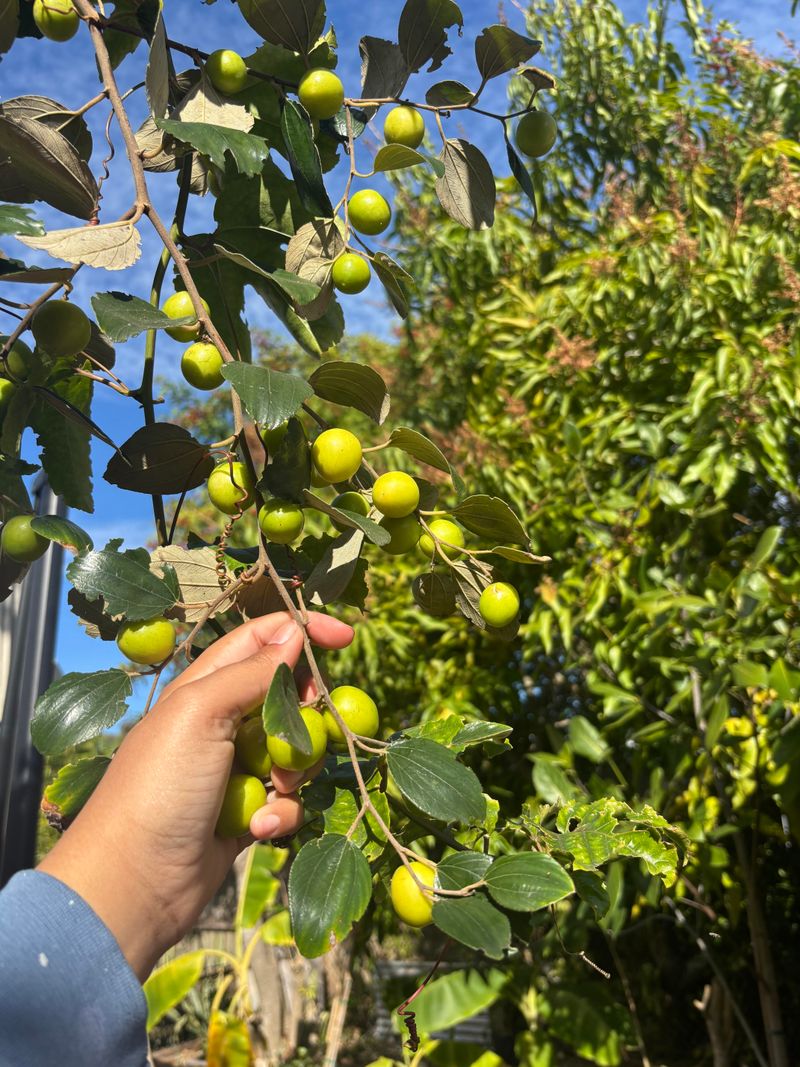
Some growers jokingly call the jujube indestructible. After watching one shrug off drought, hard clay, and neglect, you might agree.
Jujubes come from China, where people have grown them for thousands of years. One famous tree there, the King of Jujubes, may be over 1,000 years old.
Poor soil barely slows them down. They grow in sand, clay, gravel, and even salty ground.
Gardeners have had real success in the hard clay of the Virginia Piedmont. Just avoid spots where puddles linger for days.
Soil pH hardly matters to this tree. It handles a wide range, from quite acidic to fairly alkaline.
Plant in full sun for the biggest crops. After planting, water thoroughly about once a week in clay soil.
Deep roots soon take over the job. Established trees find water when the topsoil is bone dry.
Late spring frosts are rarely a worry. Jujubes bloom in May or June, well after most cold snaps pass.
Fresh fruit tastes crisp and sweet, a bit like an apple. Let it dry, and it turns chewy and rich like a date.
Most varieties set fruit alone. Planting two different types can still boost your harvest.
Watch out for sharp thorns on many kinds. Thornless varieties like Li and Lang exist, which helps around kids.
Root suckers pop up often. Snip them regularly, and the tree may bear for a century.
7. Native Red Mulberry Feeds Families And Birds Alike
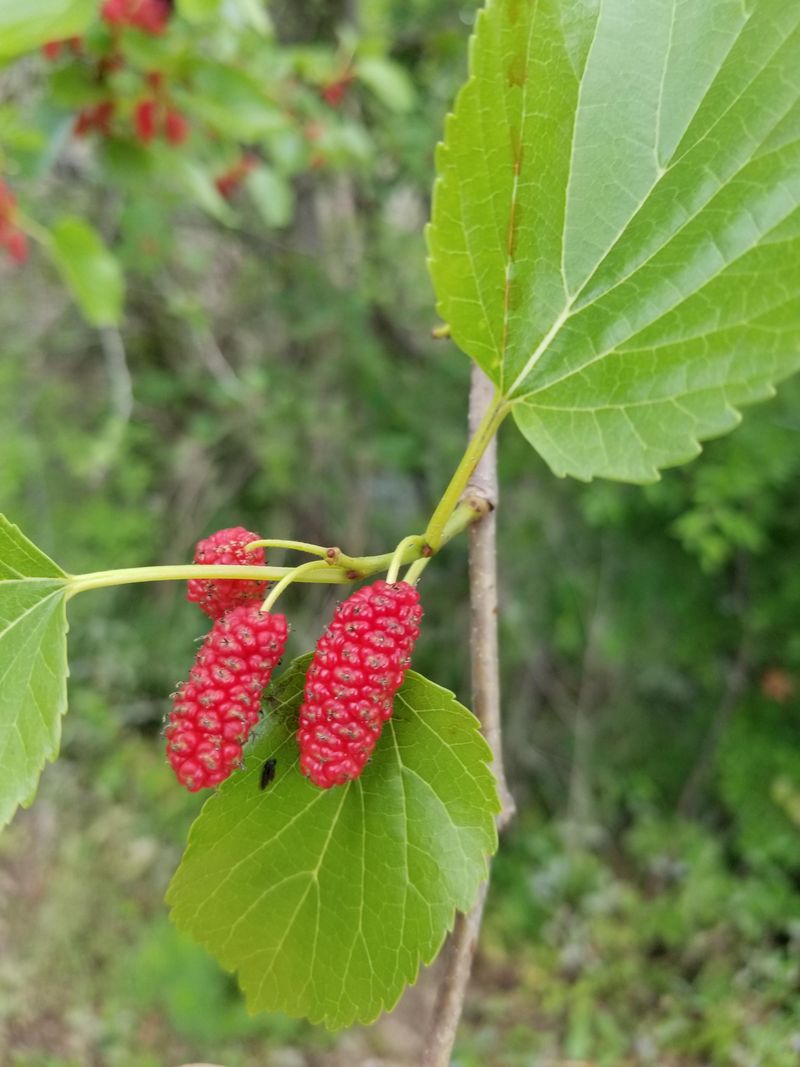
Purple-stained fingers and grinning faces are a summer tradition wherever red mulberries grow. So are the birds squabbling in the branches above.
Red mulberry is native across Virginia. Please do not confuse it with white mulberry, an invasive import that spreads aggressively.
Compacted clay suits this tree surprisingly well. It tolerates many soil types and does not fuss about pH.
Mixing compost into heavy ground still helps. Young trees want steady moisture, so water thoroughly once a week the first year.
Berries arrive large, sweet, and juicy. Eat them fresh, or turn them into pies, jam, jelly, and juice.
Native peoples used mulberries in breads, drinks, and dried trail foods. Kids today mostly just eat them straight off the branch.
Birds adore this tree. Researchers once counted 31 species visiting a single fruiting mulberry.
Robins and cedar waxwings are frequent guests. Squirrels, raccoons, and opossums happily join the party too.
The leaves also feed Mourning Cloak butterfly caterpillars. Big heart-shaped foliage provides lovely summer shade.
Seedlings may take ten years to fruit. Grafted trees can start in just two or three.
Peak harvests often come between ages 30 and 85. Some trees live beyond 100 years with good care.
Plan placement carefully, since fallen berries stain patios and cars. A spot over lawn or garden beds works best for everyone.
8. Serviceberry Offers Early Fruit And Spring Blooms
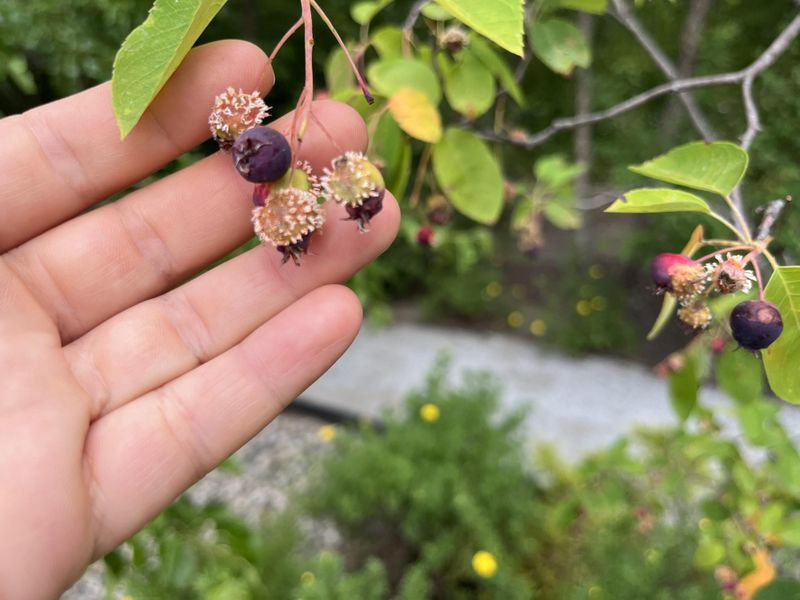
Long before most trees wake up, serviceberry bursts into a cloud of white blossoms. In the Piedmont, that show usually arrives in mid-April.
Early bees and butterflies depend on those flowers. Few other plants offer nectar so early in spring.
By June, the tree trades petals for small purple berries. Many people say they taste like blueberries, only sweeter.
Fruit often starts within two to four years. After that, you can expect a crop every summer.
Virginia has seven native serviceberry species. Canadian serviceberry handles clay best and even tolerates occasional flooding.
Downy serviceberry also copes with clay. Both prefer moist ground that drains rather than sitting soggy.
Skip heavy digging in native clay. Spreading leaf compost on top each fall is often plenty.
Plant in full sun for the most flowers and fruit. Partial shade works, though harvests shrink a bit.
Most trees live 30 to 50 years. Healthy specimens in good spots can pass 100.
You will share with wildlife, no question. More than 40 bird species enjoy the berries, plus foxes and chipmunks.
Beauty lasts all year long. Fall leaves glow orange and red, and silvery bark looks sharp in winter.
Water faithfully during the first couple of years. After that, this graceful tree becomes a favorite your grandkids can enjoy every June.