These Texas Vegetables Can Still Be Planted In October For A Cool-Season Harvest
October might feel like the end of the growing season, but it’s actually a fresh start. The scorching heat is finally backing off, the soil is still warm, and the bugs aren’t quite as hungry. That’s a sweet spot for a whole lineup of cool-season crops.
Crunchy carrots, leafy greens, and sweet, tender peas are all fair game. Soon, you could be pulling fresh lettuce from your own garden while the rest of the country is buying sad, wilted heads at the store.
The best part is that many of these veggies actually taste better when the weather turns cool.
So don’t hang up your gardening gloves just yet. Here are the vegetables you can still plant in Texas this October.
1. Spinach Loves A Chilly Start
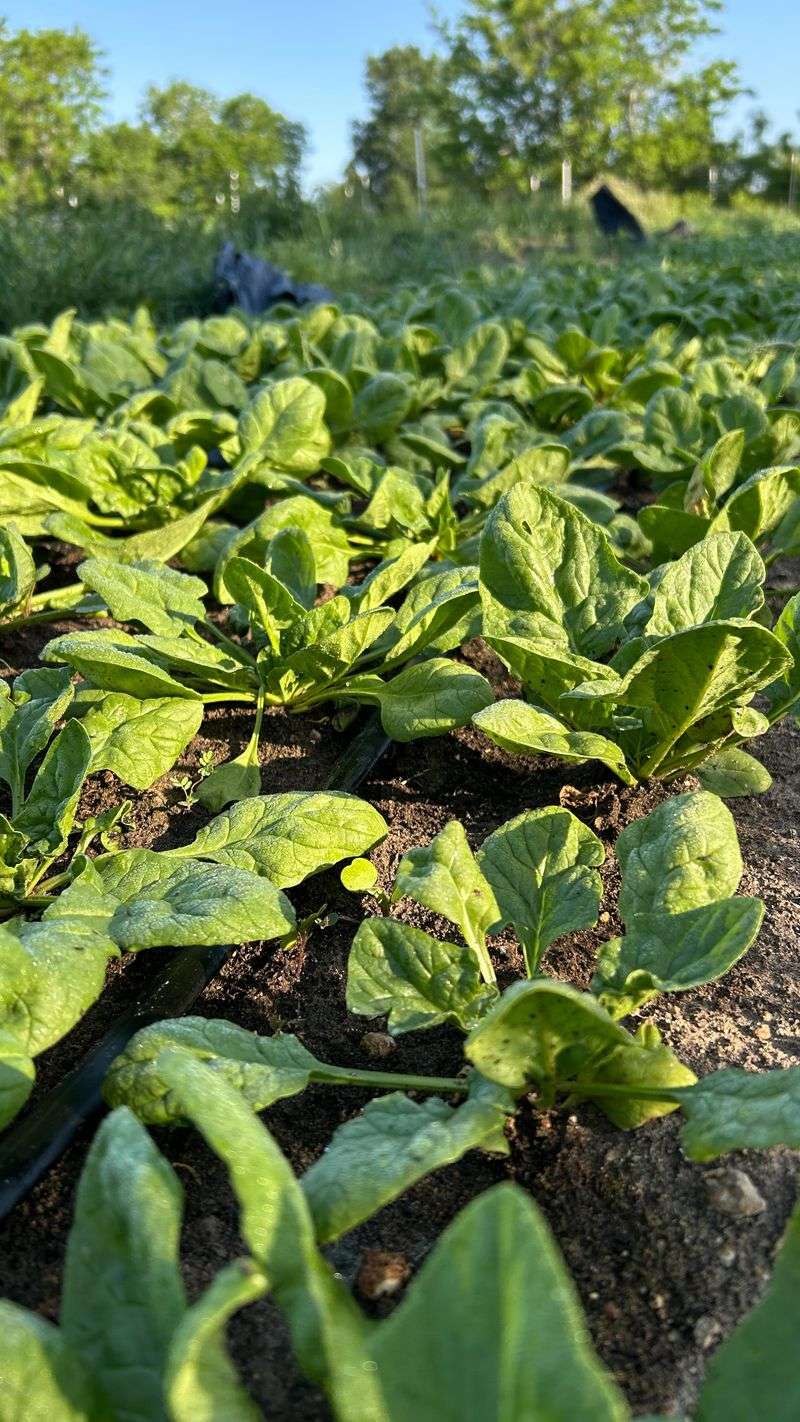
Few crops are as happy in cool weather as spinach. Its seeds actually sprout best when the soil cools down, which makes October a great match. In the hot summer, spinach seeds often refuse to wake up at all.
Plant the seeds about half an inch deep in loose, rich soil. Space them a couple of inches apart, then thin the young plants to about four inches once they grow a few leaves.
Keep the soil evenly damp while you wait for sprouts, which usually show up in one to two weeks.
Spinach can handle frost with no trouble. Mild Texas winters let it keep growing for months, so you can pick fresh leaves again and again. Most plants are ready in about six to seven weeks after planting.
Harvest the big outer leaves first and leave the center alone. The middle will keep pushing out new growth, giving you more to pick later. Baby leaves can be snipped even sooner if you want tender salad greens.
Feed your spinach with compost or a nitrogen-rich fertilizer every few weeks. Pale, yellow leaves are a sign the plants are hungry. A good feeding usually brings back that deep green color fast.
Good varieties for Texas include Bloomsdale, Melody, and Tyee. Savoy types have crinkly leaves that hold up well in cold snaps. Smooth-leaf types are easier to wash, which busy cooks will appreciate.
Fun fact: spinach first came from ancient Persia. It traveled across the world and now lands on dinner plates everywhere. Growing your own means fresher leaves and fewer trips to the store.
2. Leaf Lettuce For Endless Salads
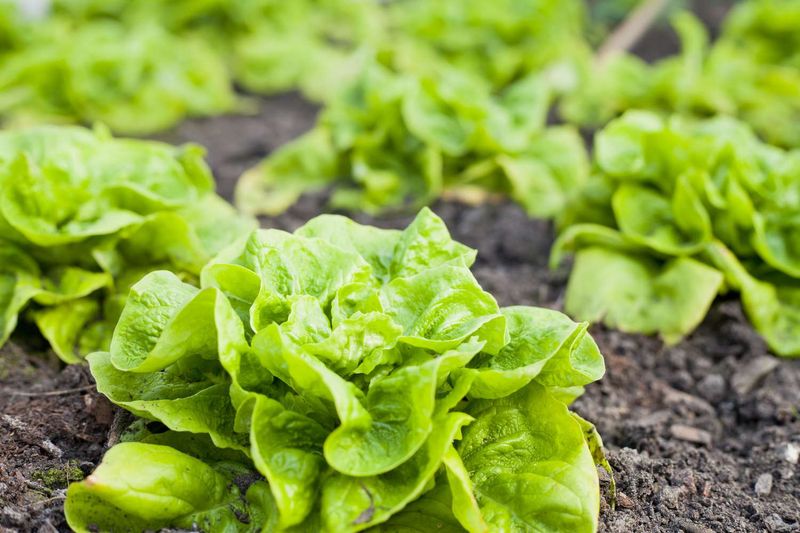
Salad lovers, rejoice. Leaf lettuce is a fast, fuss-free crop that can fill your bowl for weeks from just one planting. It grows so quickly that you may be snacking on fresh greens in about a month.
Sowing lettuce is a little different from most seeds. The tiny seeds need light to sprout, so press them onto the soil surface or cover them with only a thin dusting of soil.
Planting them too deep is one of the most common mistakes new gardeners make.
Keep the seedbed moist with a gentle spray. A watering can with a soft sprinkle head works well. Strong blasts from a hose can wash those small seeds away.
Your Texas Garden Changes Every Week. Your Plan Should Too.
Gardening in Texas changes quickly throughout the season. Every Friday you’ll receive a simple weekly plan showing exactly what to plant, prune, fertilize, harvest, and protect so you never miss the right timing.
Once plants have several leaves, start picking from the outside. Take a few leaves from each plant and let the center keep growing. This cut-and-come-again method means one row can feed you for a long time.
Lettuce handles light frost pretty well. Hard freezes are a different story, though. When the forecast drops into the mid-20s, cover plants with frost cloth, an old sheet, or even an upside-down bucket overnight.
Try varieties like Black Seeded Simpson, Red Sails, Buttercrunch, and Oakleaf. Mixing colors makes your garden look cheerful and your salads look fancy. Seed packets labeled mesclun give you a fun blend in one go.
Here is a handy trick. Plant a small batch every two weeks through fall. That way you always have a fresh round coming up, and you never end up with more lettuce than your family can eat at once.
3. Radishes Bring Speedy Rewards
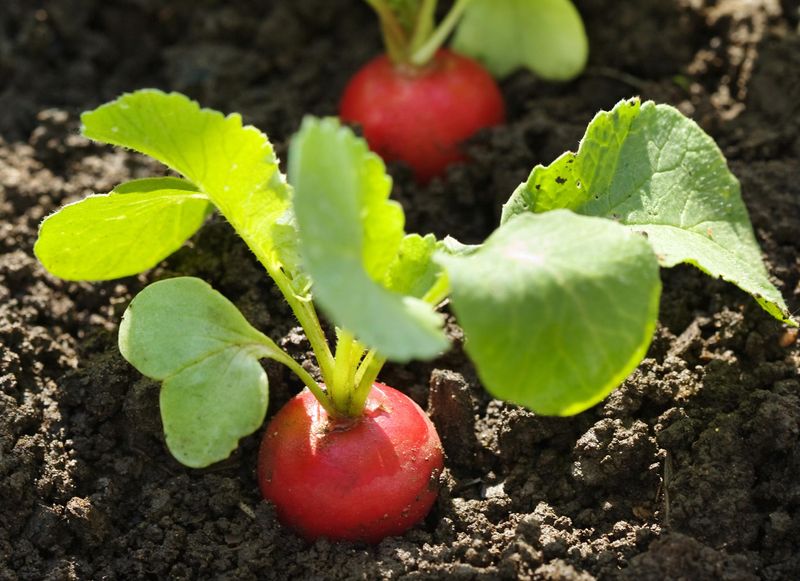
Got impatient kids or an impatient gardener in the house? Radishes are the answer. Many kinds go from seed to plate in just three to four weeks, which feels almost like magic.
Plant radish seeds about half an inch deep and one inch apart. Rows can be close together, since the plants stay small. After sprouting, thin them to about two inches apart so each root has room to swell.
Steady water is the secret to good radishes. Dry soil makes them tough, woody, and extra spicy. Aim to keep the soil lightly moist, like a wrung-out sponge.
Timing the harvest matters too. Pull radishes as soon as they reach full size. If you leave them in the ground too long, they can split or turn pithy inside.
For a steady supply, sow a new short row every couple of weeks. You will have fresh radishes rolling in from fall through winter. It is an easy way to keep a little crunch on the table all season.
Classic Cherry Belle and French Breakfast are quick and reliable. Daikon and watermelon radishes take a bit longer but grow bigger and look amazing when sliced. Watermelon radishes have a bright pink center that surprises everyone.
Radishes also make good garden helpers. Some gardeners mix radish seeds with slow carrot seeds. The radishes pop up first, mark the row, and loosen the soil before the carrots need the space.
Try them roasted if you think raw radishes are too sharp. Cooking softens the bite and brings out a mild, almost sweet flavor.
4. Sweet Carrots From Cool Soil
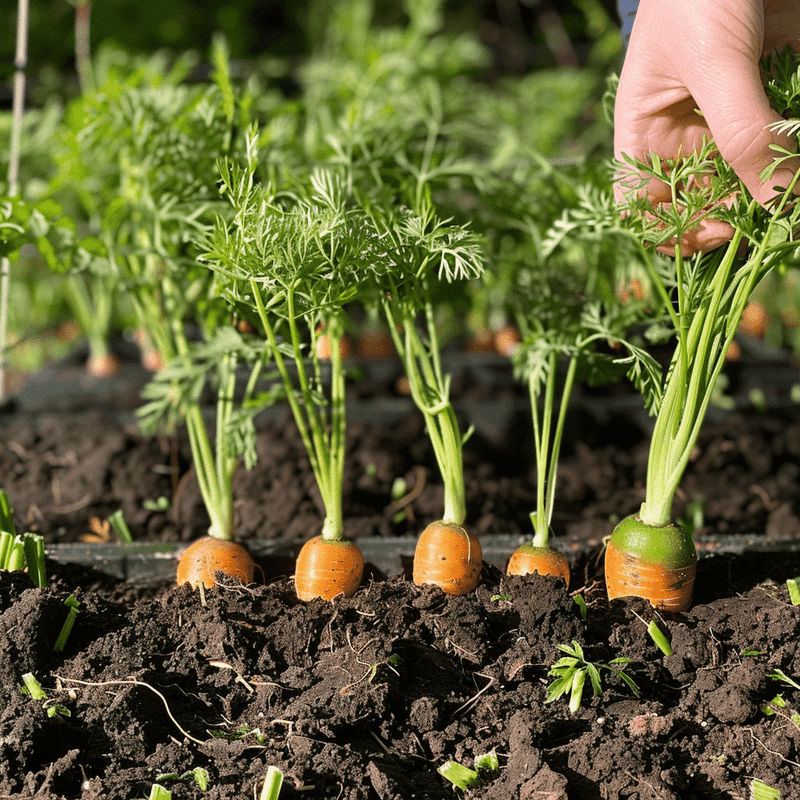
A carrot pulled from a winter garden tastes nothing like one from a plastic bag. Cool weather causes carrots to store more sugar in their roots. The result is a crunchy, sweet treat that even picky eaters enjoy.
Early October is the best window for planting carrots in most of Texas. That timing gives them enough weeks to grow before the coldest days arrive. Most varieties need about 70 to 80 days to mature.
Soil is everything with carrots. They need loose, crumbly ground without rocks or hard clay. Heavy Texas clay can make them twisted and stubby, so a raised bed or deep container filled with soft mix works great.
Carrot seeds are tiny and slow. They can take one to three weeks to sprout, so patience is key. Keep the top of the soil moist the whole time, because a dry crust can stop seedlings from breaking through.
A simple trick is to lay a board or piece of burlap over the row after sowing. It holds in moisture. Just check daily and remove it as soon as you see green sprouts.
Thin seedlings to about two inches apart. Crowded carrots stay skinny and small. The thinned baby carrots are cute and tasty in salads.
Good choices for Texas include Danvers, Nantes, and Little Finger. Short types like Chantenay handle heavy soil better than long ones. Rainbow blends add purple, yellow, and white roots for fun.
Did you know? Carrots were once mostly purple and yellow. Orange carrots became popular in the Netherlands hundreds of years ago.
5. Turnips Offer A Double Harvest
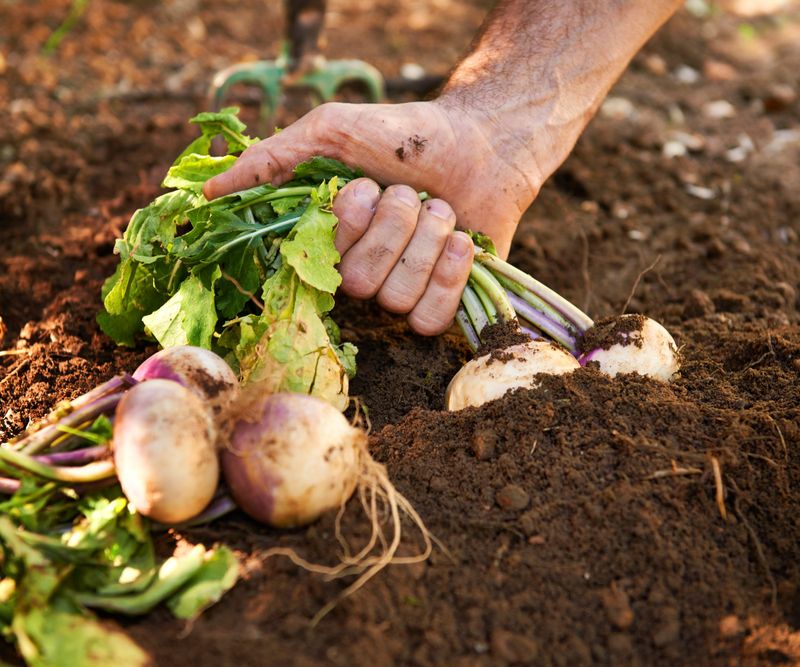
Grandma probably knew this one well. Turnips are an old Southern favorite, and they pay you twice. First you get tender greens, then you get round, tasty roots.
Plant turnip seeds about half an inch deep in rows. They sprout fast, often in less than a week when the soil is moist. Thin the seedlings to three or four inches apart so the roots can grow.
Greens are ready in just a few weeks. Snip a few leaves from each plant, but do not strip it bare. The plant still needs some leaves to feed its growing root.
Roots are usually ready in about two months. Pull them when they are two to three inches across for the best flavor. Bigger turnips can get tough and bitter.
Turnips are cold hardy and grow well across most of Texas in fall. From the Panhandle to the Gulf Coast, they shrug off chilly nights. A light frost even improves their taste.
Purple Top White Globe is the classic choice. Hakurei, a Japanese salad turnip, is mild and sweet enough to eat raw like an apple. Seven Top is grown just for greens and makes plenty of them.
Watch for aphids on the leaves in fall. A strong spray of water usually knocks them off. Insecticidal soap can help if they come back in big numbers.
Cooking ideas are simple. Sauté greens with garlic and a splash of vinegar. Roast the roots with olive oil and salt, or mash them with potatoes for a cozy winter side dish.
6. Kale Stands Up To Winter
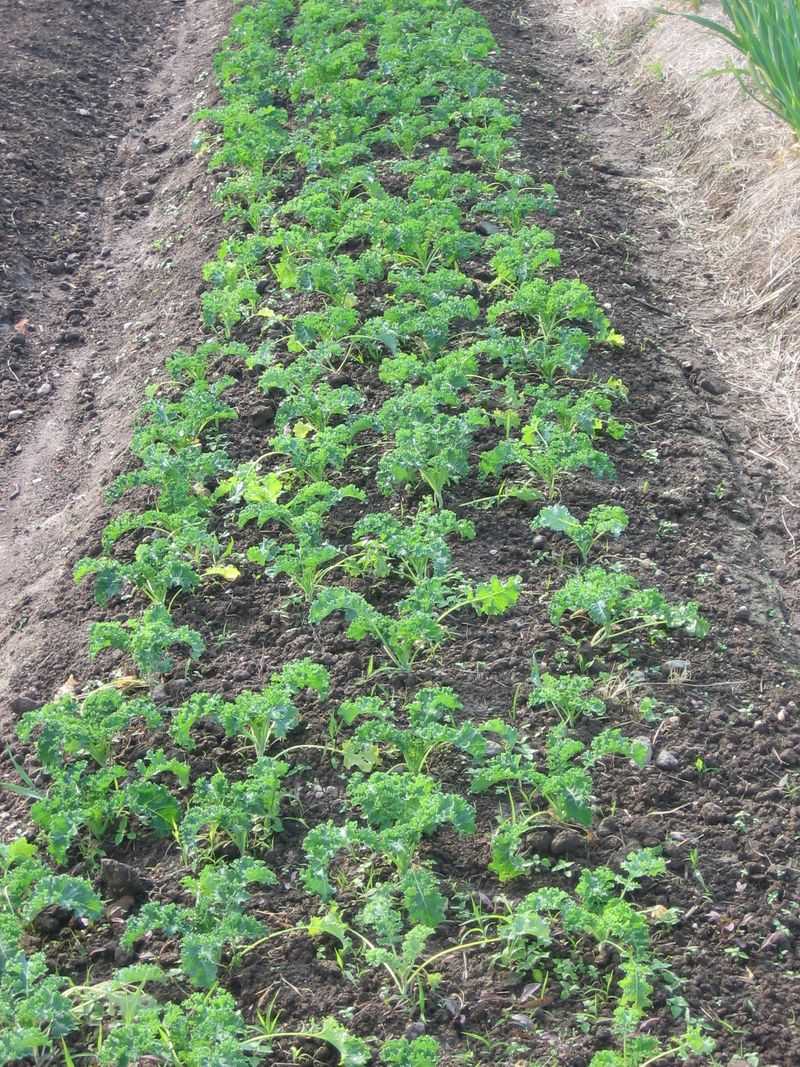
Tough, leafy, and a little bit stubborn, kale is the hero of the winter garden. It is one of the most cold-tolerant vegetables you can grow. Many plants handle temperatures down into the teens without much fuss.
For October planting, transplants are the smart move. Young kale plants from a nursery get a head start and begin producing sooner. Seeds can work, but they may struggle to size up before the short winter days slow growth.
Set transplants about 12 to 18 inches apart in a sunny spot. Kale plants get bigger than most folks expect. Giving them space helps air flow and keeps leaves healthy.
Mix compost into the soil before planting. Kale is a heavy feeder and likes rich ground. A little fertilizer every few weeks keeps the leaves big and dark green.
Here is the best part. Kale often tastes sweeter after a frost. The cold helps the plant turn starches into sugars, so winter kale is milder and less bitter than summer kale.
Harvest from the bottom up. Pick the lower, older leaves and let the top keep growing. With this method, a single plant can keep producing all winter and into spring.
Popular types include curly Winterbor, flat Red Russian, and dark Lacinato, also called dinosaur kale. Each one has a different look and texture. Growing two or three kinds makes a pretty and useful bed.
Keep an eye out for cabbage loopers, the small green caterpillars. Handpicking or using a natural Bt spray keeps them under control.
7. Garlic Rewards Patient Gardeners
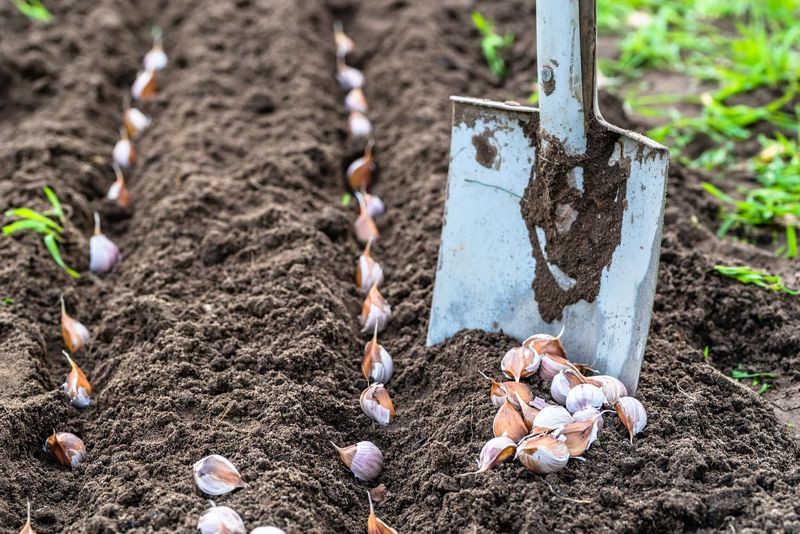
Plant it now, forget about it for a while, and enjoy it next summer. Garlic is the slow-and-steady crop of the fall garden. October through November is prime time for planting it in Texas.
Why so early? Garlic needs the cool months to grow strong roots and leaves. That winter growth fuels the bulbs that form in spring. Skipping the chill often leads to small, single-clove bulbs.
Choose the right type. Softneck and Creole varieties tend to perform best in Texas because they do not need long, hard winters. Grocery store garlic may be treated to stop sprouting, so buy seed garlic from a nursery or trusted supplier.
Break the bulbs into single cloves right before planting. Set each clove pointed end up, about two inches deep and six inches apart. Choose the biggest cloves, since large cloves grow large bulbs.
Cover the bed with a few inches of mulch, like straw or shredded leaves. Mulch keeps weeds down and holds moisture in the soil. It also protects cloves during cold snaps.
Water regularly through winter if rain is scarce. Stop watering once the leaves start turning brown in late spring. Dry soil at that stage helps the bulbs cure and store better.
Harvest usually comes in late spring to early summer. Dig bulbs gently when about half the leaves have browned. Let them dry in a shady, airy spot for two to three weeks.
Fun fact: Creole garlic often has a lovely pinkish skin. Varieties like Burgundy and Ajo Rojo are local favorites.