Plants That Actually Harm Your Texas Tomatoes When Planted Nearby
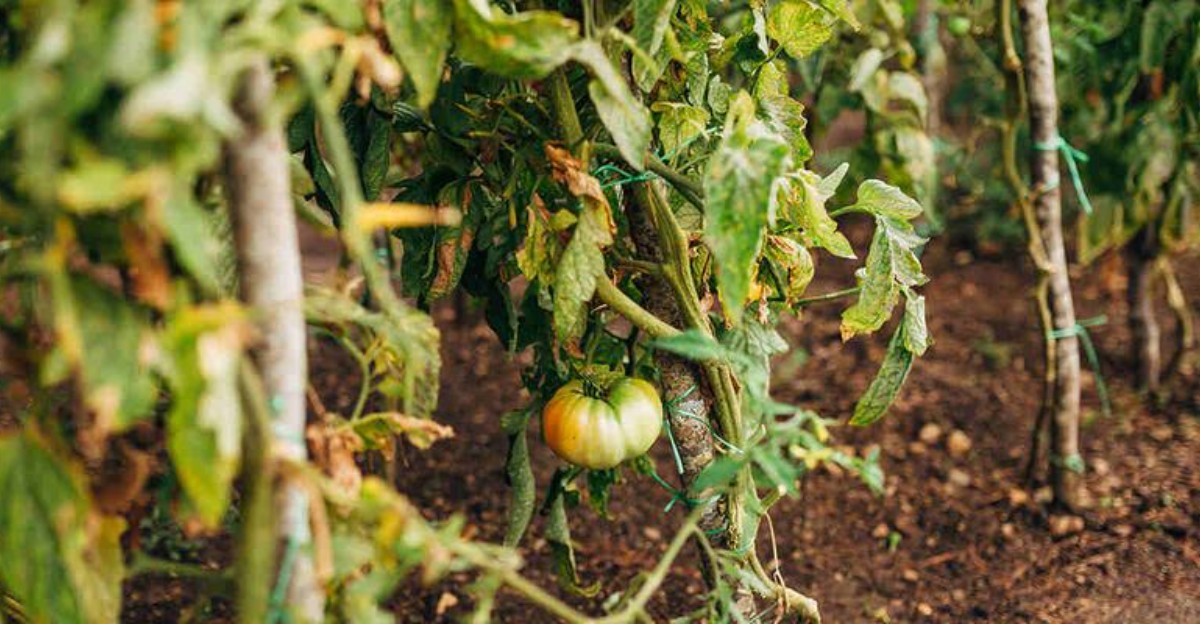
You did everything right. You picked a sunny spot, added rich compost, and watered on schedule.
Yet your tomato plants still look weak, the fruit is small, and pests seem to find them first. The problem might not be your tomatoes at all. It could be their neighbors.
Companion planting gets a lot of attention, and for good reason. The right pairings can boost growth and keep bugs away. But the wrong pairings can quietly hold your tomatoes back.
Some plants compete for the same nutrients. Others attract the same pests or spread diseases that tomatoes can’t handle.
A few even release natural chemicals that stunt nearby growth. In the Texas heat, tomatoes are already under enough stress.
Before you plan your next garden bed, check out the plants that should stay far away from your tomatoes.
1. Black Walnut Trees Cast A Toxic Shadow
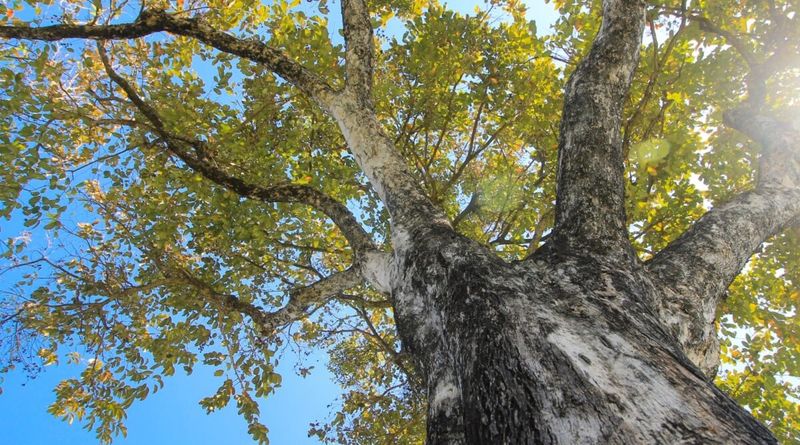
Some neighbors are friendly, and some are downright sneaky. Black walnut trees fall into the sneaky group.
They look lovely and give great shade, but their roots hide a secret weapon called juglone.
Juglone is a natural chemical that walnut trees release into the soil. It helps the tree push away competing plants. Sadly, tomatoes are one of the most sensitive plants to juglone.
When tomato roots touch soil loaded with this chemical, the plants start to wilt. Leaves turn yellow and curl. Stems may darken, and the whole plant can collapse within a few weeks.
Many gardeners blame the heat or bad watering, never guessing the tree is the real troublemaker.
Here is the tricky part. Walnut roots can spread far past the edge of the branches. Experts suggest keeping tomatoes at least 50 to 80 feet away from a mature tree. Even fallen leaves, hulls, and wood chips from walnut trees carry juglone.
So what can a Texas gardener do? First, never use walnut leaves or sawdust in your compost or mulch.
Second, if a walnut tree grows in your yard, try raised beds with a solid bottom barrier. Fill them with fresh soil brought in from somewhere else.
Pecan trees, which are very common across Texas, make small amounts of juglone too. They are much milder than black walnuts, but it still helps to give tomatoes some space from them.
Fun fact: Native Americans once used crushed walnut hulls to stun fish in streams. That shows just how strong this natural chemical can be. Your tomatoes deserve a safer home far from those roots.
2. Potatoes Share Too Many Problems
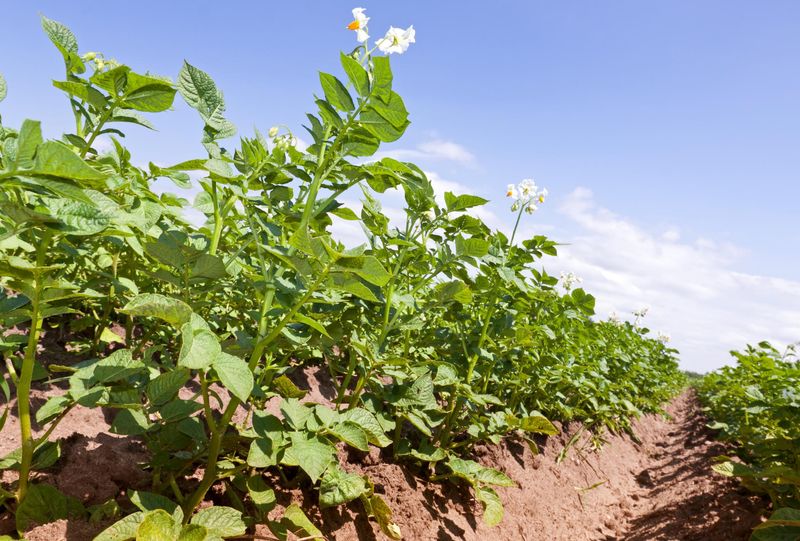
Potatoes and tomatoes are cousins. Both belong to the nightshade family, and that family bond causes real headaches. When relatives live too close together, they share more than good looks.
The biggest issue is disease. Early blight and late blight attack both plants. These fungal problems show up as brown spots with rings on leaves.
Once blight takes hold on potatoes, spores can drift over to your tomatoes with a little wind or splash of water.
Pests are another concern. Colorado potato beetles love potato leaves, but they will happily snack on tomatoes too.
Your Texas Garden Changes Every Week. Your Plan Should Too.
Gardening in Texas changes quickly throughout the season. Every Friday you’ll receive a simple weekly plan showing exactly what to plant, prune, fertilize, harvest, and protect so you never miss the right timing.
Flea beetles and certain aphids also enjoy both crops. Planting them side by side is like setting up a buffet for bugs.
Texas gardeners often plant potatoes in late winter and tomatoes in early spring. That timing means both crops might grow in the garden together for weeks. It is easy to tuck them into the same bed without thinking twice.
A better plan is to keep them in separate beds, ideally at least 10 feet apart. Crop rotation matters too. Avoid planting tomatoes where potatoes grew the year before, and wait about three years if you can.
Also watch out for leftover potatoes. Small tubers left in the ground can sprout later and carry disease right into your tomato season. Dig carefully at harvest time and pull any surprise sprouts.
Keeping these cousins apart does not mean you have to give up either one. You just need a little distance and smart planning.
Your tomatoes and potatoes will both stay healthier, and you will enjoy a bigger harvest from each.
3. Fennel Plays Badly With Almost Everyone
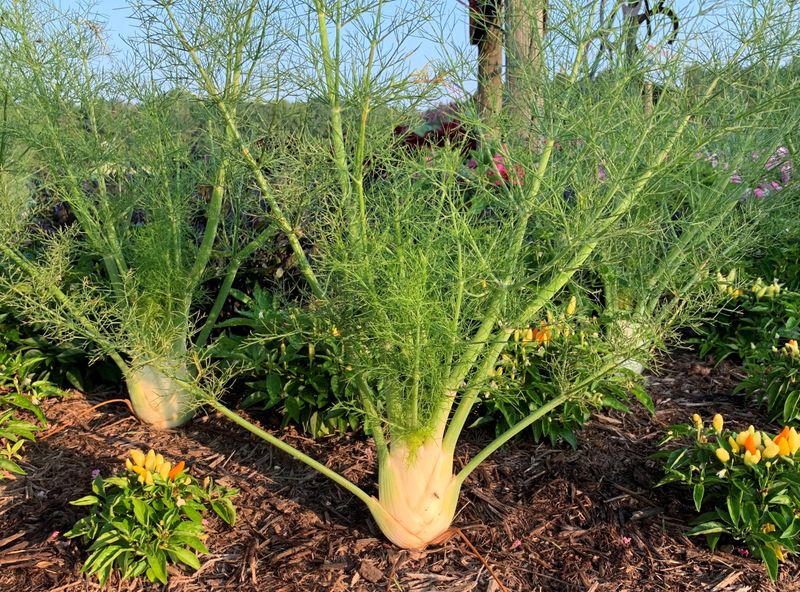
Fennel is the loner of the garden world. Its feathery leaves and sweet licorice smell make it charming, but it simply does not get along with most vegetables. Tomatoes are at the top of its list of enemies.
Why the grumpy attitude? Fennel roots release compounds that can slow the growth of nearby plants.
Tomatoes growing close by may end up smaller, weaker, and less productive. You might notice fewer flowers and fewer fruits than usual.
Fennel is also a heavy drinker. Its deep roots pull a lot of water from the soil. In the hot Texas summer, every drop counts.
Tomatoes already need steady moisture to avoid cracking and blossom end rot, so sharing water with fennel is a bad deal.
Still, fennel has good points. Its flowers attract helpful insects like ladybugs, lacewings, and tiny wasps that eat pests.
Swallowtail butterfly caterpillars love it too. So you do not have to toss fennel out of your yard completely.
The trick is to give it its own space. Grow fennel in a large pot on your patio or in a far corner of the yard. That way, you still enjoy the pollinators and the tasty bulbs without hurting your tomatoes.
Did you know? Ancient Greek athletes reportedly ate fennel seeds before competitions, believing it gave them strength. The Greek word for fennel is marathon, which is also the name of a famous battle site.
Treat fennel like a talented but moody artist. Give it a studio of its own, and everyone in your garden will be much happier.
4. Corn Invites A Hungry Worm
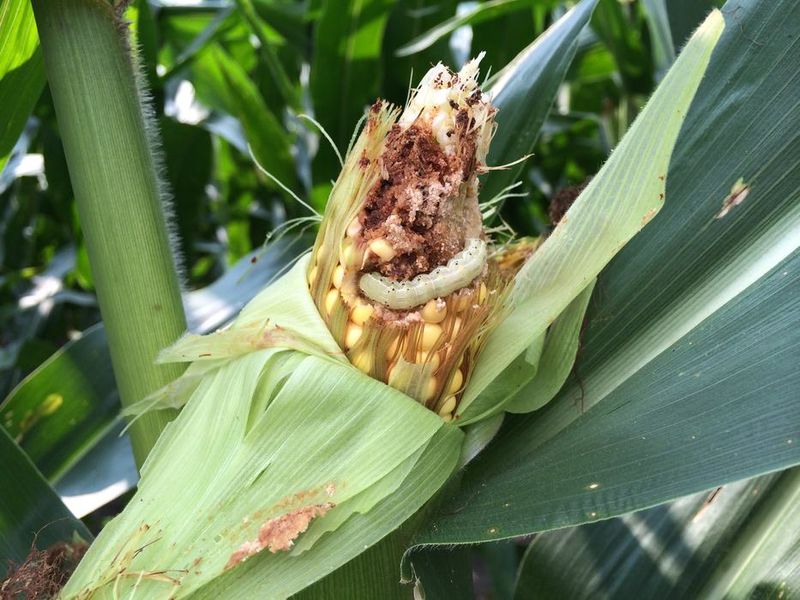
Here is a pest with two names and one big appetite. On corn, gardeners call it the corn earworm.
On tomatoes, it goes by tomato fruitworm. Guess what? It is the exact same caterpillar.
This striped worm is a huge problem across Texas. The adult moth lays eggs on corn silk and tomato leaves.
When the eggs hatch, the young worms tunnel into ears of corn or bore right into green tomatoes. You end up with holes, rot, and fruit you cannot eat.
When corn and tomatoes grow side by side, the moths have an easy time moving between crops.
A healthy corn patch can raise a big crowd of worms. Once the corn dries up, those pests march over to your tomatoes looking for their next meal.
Corn also creates shade. It grows tall fast, often reaching six feet or more. Tomatoes need at least six to eight hours of full sun to set fruit well. A wall of corn on the wrong side can block that light.
On top of that, both plants are heavy feeders. They pull lots of nitrogen and other nutrients from the soil. Sharing a bed means neither one gets as much food as it wants.
For the best results, plant corn in a separate area of your garden. Keep at least a few rows between them, or plant corn on the north side so it does not shade anything.
Check tomato plants often for small eggs and holes. Hand picking worms early can save a lot of fruit. A little space goes a long way toward a cleaner harvest.
5. Cabbage Family Crops Crowd The Soil
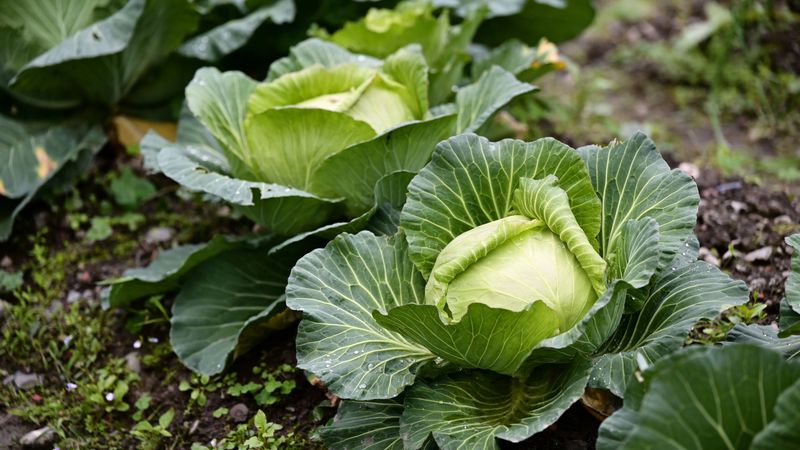
Broccoli, cabbage, cauliflower, kale, and Brussels sprouts are all part of one big family called brassicas.
They are packed with vitamins and are great for your dinner plate. In the garden, though, they are not the best pals for tomatoes.
The main issue is food. Brassicas are hungry plants. They soak up nutrients like nitrogen and calcium from the soil at a fast rate.
Tomatoes need calcium to build strong fruit. When calcium runs low, you may see blossom end rot, which leaves ugly black patches on the bottoms of tomatoes.
Some studies also suggest that certain brassicas may slightly slow tomato growth when planted very close together. Gardeners have noticed stunted tomato plants near big cabbage beds for many years.
In Texas, the timing often works in your favor. Most brassicas grow best during the cool months, from fall through early spring. Tomatoes go in the ground as the weather warms.
However, many gardeners plant new tomatoes while broccoli and cabbage are still finishing up. That overlap is where trouble begins.
So what is the fix? Try to harvest your cool season crops before you set out tomato transplants. If they must overlap, keep them in different beds.
After you pull the brassicas, add compost and a little bone meal or gypsum to refresh the soil before planting tomatoes.
Here is a handy tip. Kohlrabi is also a brassica and is known to be one of the worst neighbors for tomatoes. Give it plenty of room.
Planning your seasons with care lets you enjoy both crops without any fighting over the soil.
6. Eggplants And Peppers Can Pass Along Trouble
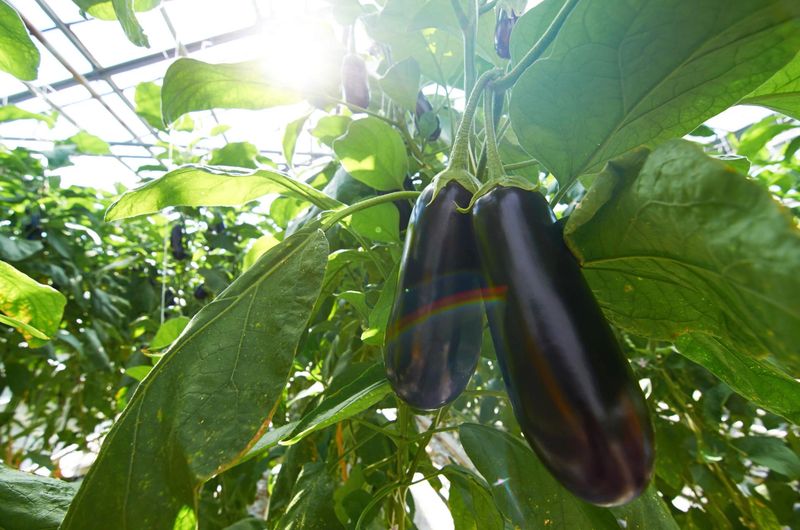
Many gardening books say peppers and tomatoes are great friends. So why are they on this list? The answer depends on spacing and disease, especially in steamy parts of Texas.
Eggplants and peppers are nightshades, just like tomatoes. That means they share many of the same pests and diseases.
Verticillium wilt, fusarium wilt, bacterial spot, and tomato spotted wilt virus can all spread among these crops.
When you pack them tightly together, one sick plant can quickly spread problems to the rest.
Eggplants have an extra issue. Flea beetles adore them. These tiny black jumping bugs chew little holes in leaves.
After they finish with the eggplant, they may move over to your young tomato plants and weaken them.
Humid areas like Houston, Beaumont, and the Rio Grande Valley face the biggest risk. Moist air helps fungus and bacteria spread fast. Close planting blocks airflow, which makes leaves stay wet longer after rain or watering.
You can still grow all three crops. Just be smart about it. Leave at least two to three feet between each plant for good air movement.
Water at the base instead of spraying the leaves. Pick off any spotted or yellow leaves right away and throw them in the trash, not the compost.
Rotation is also key. Try not to plant any nightshade in the same spot two years in a row. Rotate with beans, squash, or leafy greens instead.
Quick fact: Eggplants got their name because early European types had small white fruits that looked just like chicken eggs.
7. Dill Turns Into A Bully As It Matures
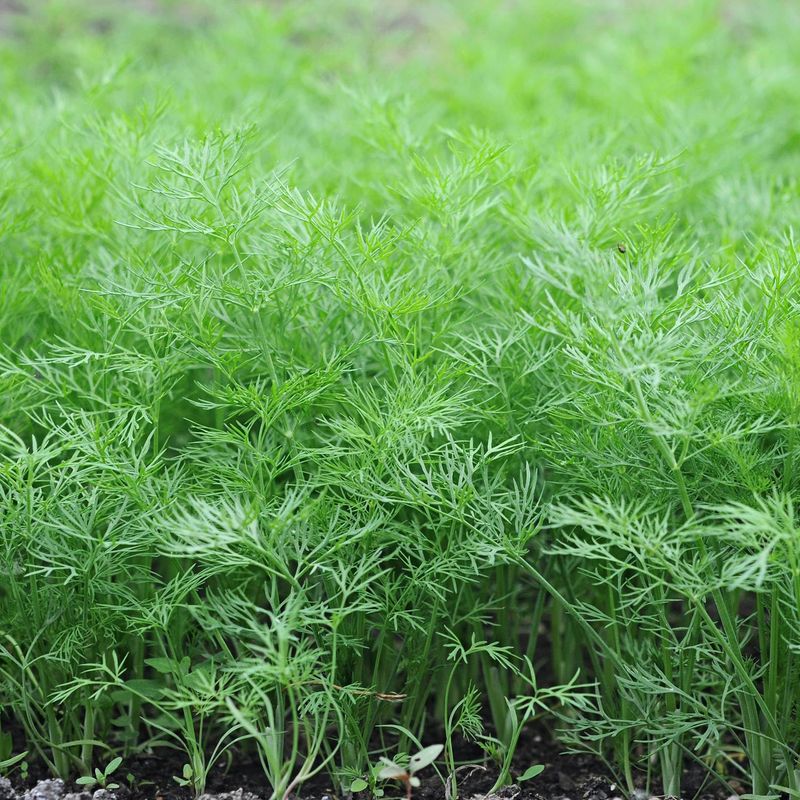
Dill has a bit of a split personality. When it is young, it actually helps tomatoes. When it grows up, it turns into a problem. Knowing when to step in makes all the difference.
Young dill attracts helpful insects such as ladybugs and parasitic wasps. Those tiny wasps are famous for attacking tomato hornworms, the giant green caterpillars that can strip a plant bare in a day or two. So early in the season, a little dill nearby can be a good thing.
The trouble starts once dill begins to flower and set seed. Mature dill plants release compounds that may slow tomato growth.
They also grow tall, sometimes reaching four feet, and can shade smaller tomato plants. Some gardeners report weaker tomato yields when dill is left to grow freely beside them.
Dill also reseeds like crazy. Let it drop seeds once, and you may find baby dill popping up all over your beds next spring. Before long, it is crowding your tomatoes and competing for water.
Here is an easy plan. Plant dill a few feet away from tomatoes, not right beside them. Harvest the leaves often to keep plants bushy and short.
Before flowers fully open and turn to seed, either cut the heads for pickling or move the plant elsewhere.
In Texas, dill grows best in the cooler months anyway. It tends to bolt and flower quickly when summer heat arrives, which is the same time tomatoes are working hardest.
Think of dill like a helpful teenager. Keep an eye on it, set some limits, and it can still lend a hand.