These Pennsylvania Vegetables Can Still Be Planted In October For A Cool-Season Harvest
Here’s a little secret that experienced Pennsylvania gardeners know: October isn’t the end of the season. It’s the start of next year’s best harvest.
Sure, the tomatoes are done and the first frost is knocking at the door. Most folks are raking leaves and calling it quits. But the garden still has plenty to give if you know what to plant.
Some crops actually love chilly weather. Garlic tucked into the ground now will spend the winter building strong roots, then reward you with big, flavorful bulbs next summer.
Hardy greens like spinach can handle a surprising amount of cold, and a few of them even get sweeter after a frost.
A little effort this month can keep your garden working long after your neighbors have given up on theirs.
1. Garlic, The King Of Fall Planting
Ask any seasoned Pennsylvania gardener about October, and garlic will probably be the first thing they mention.
It is one of the easiest crops you can plant all year. You put it in the ground in fall, cover it up, and mostly forget about it until summer.
Mid-October to early November is the sweet spot. You want to plant a few weeks before the ground freezes solid.
That gives each clove time to grow roots but not so much time that it sends up tall, tender shoots before winter.
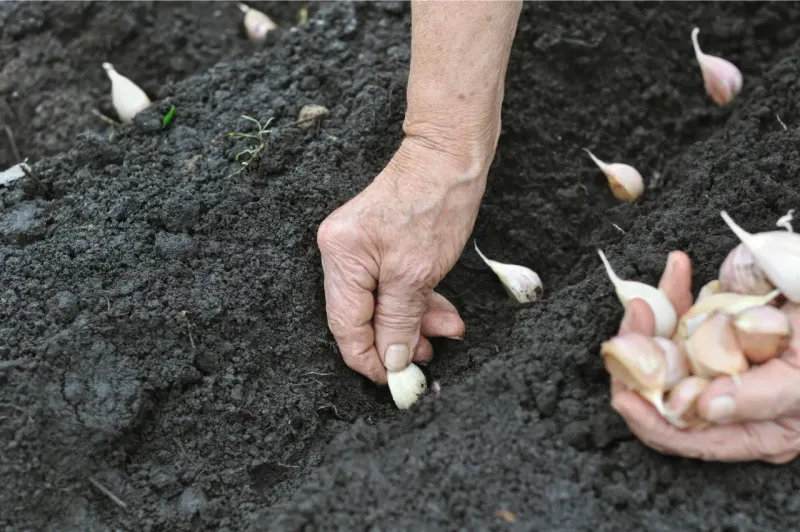
Start by breaking a bulb into single cloves. Keep the papery skins on. Plant each clove pointy end up, about two inches deep and six inches apart. Loose, rich soil with some compost mixed in works best.
After planting, spread a thick layer of straw mulch over the bed. Aim for about four to six inches.
The straw keeps the soil from freezing and thawing over and over, which can push cloves right out of the ground. In spring, you can pull some of it back as green shoots poke through.
Hardneck garlic is the star in Pennsylvania. It loves cold winters and actually needs a chill to form big bulbs. Popular types include Music, German Extra Hardy, and Chesnok Red.
As a bonus, hardnecks grow curly stalks called scapes in early summer. Snip them off and toss them in a stir-fry or pesto.
Harvest time usually comes in July, when about half the leaves turn brown. Dig gently, let the bulbs dry in a shady spot for a few weeks, and you will have garlic to enjoy well into winter.
Save your biggest bulbs for next fall. Planting your own cloves year after year helps the garlic adapt to your local soil.
2. Shallots For Fancy Flavor
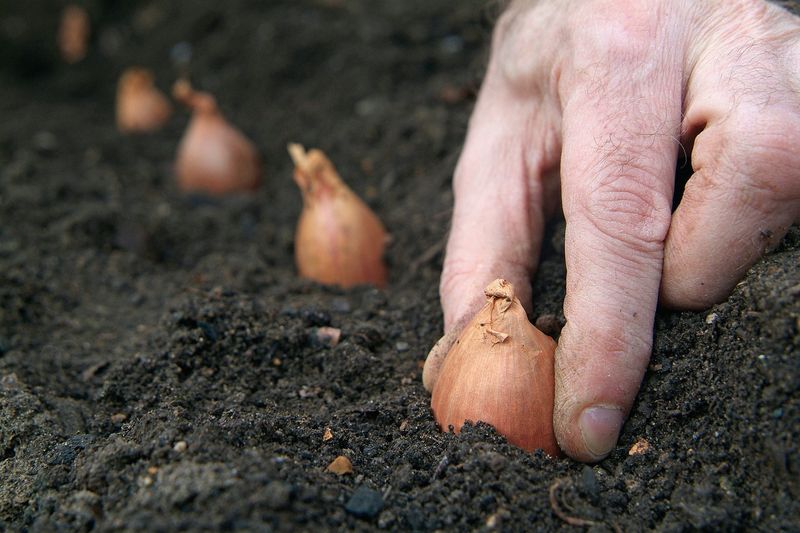
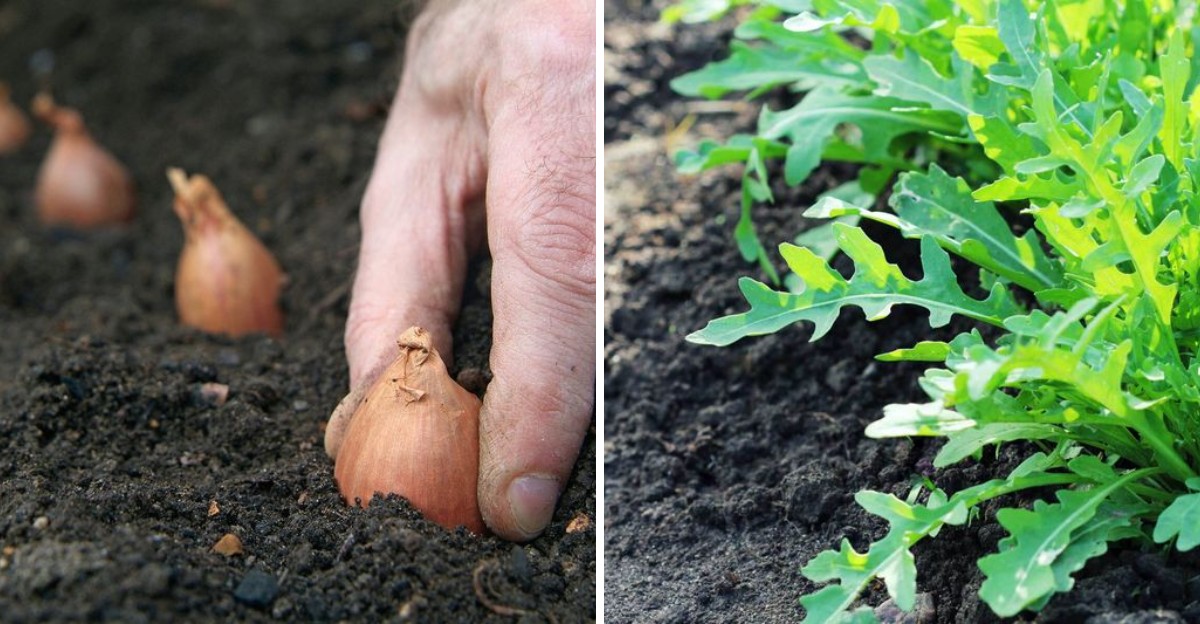
Chefs love shallots, and once you grow your own, you will understand why. They taste like a mix of onion and garlic, only softer and a little sweet. Store-bought ones can be pricey, but a single bag of bulbs can turn into a big harvest.
Planting shallots in fall feels a lot like planting garlic. In fact, many gardeners put them right in the same bed on the same weekend. Mid-October is a great target date across most of Pennsylvania.
Your Pennsylvania Garden Changes Every Week. Your Plan Should Too.
Gardening in Pennsylvania changes quickly throughout the season. Every Friday you’ll receive a simple weekly plan showing exactly what to plant, prune, fertilize, harvest, and protect so you never miss the right timing.
Here is how to do it. Set each bulb in the soil with the pointed tip facing up. Push it in so the top sits just below the surface, or even with the tip barely showing. Space them about six to eight inches apart, because each bulb will split into a cluster.
That splitting is the fun part. One shallot you plant in October can turn into five, eight, or even more by next summer. It is like getting a bonus for being patient.
Before winter hits, the bulbs will send down roots. Then they rest through the cold months.
A light layer of straw or shredded leaves helps protect them from harsh freezes. When spring warms the soil, they wake up and start growing green tops again.
Keep the bed weeded in spring. Shallots do not like competition, and weeds can steal water and food. Water during dry spells, but do not let the soil stay soggy.
By early to mid summer, the tops will flop over and turn yellow. That is your signal to dig them up.
Let them dry for a couple of weeks in a warm, airy spot. Stored well, shallots can last for months in a cool pantry.
3. Spinach That Sleeps Through Winter
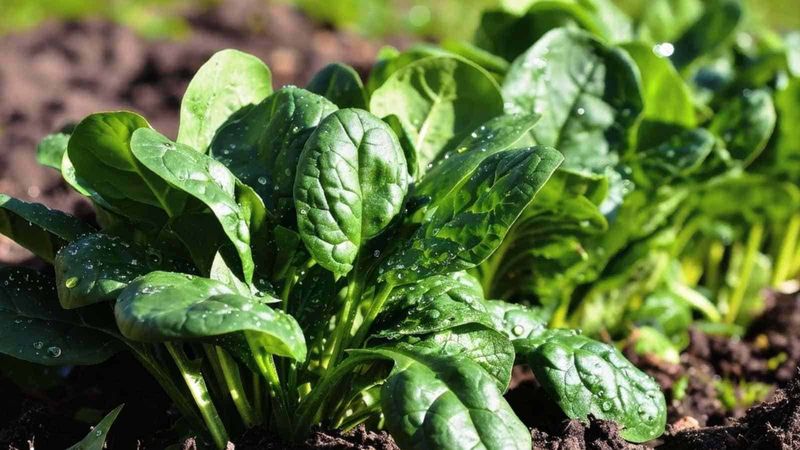
Spinach is a bit of a trickster. You plant it in October, and it looks like it is barely doing anything.
Then March rolls around, and suddenly you have fresh greens while your neighbors are still staring at bare dirt.
Sowing spinach in early October might give you a small fall harvest. A few tender leaves for a salad or sandwich are a nice treat.
The real reward, though, comes later. Spinach is one of the best crops for overwintering in Pennsylvania.
Plant seeds about half an inch deep and a couple of inches apart. Thin them to about four inches once they sprout.
The goal is to have small, sturdy plants with a few true leaves before the hard cold arrives. Young plants handle freezing much better than big, leafy ones.
Protection is key. Cover the plants with a floating row cover or tuck straw loosely around them.
Some gardeners use a simple hoop tunnel made from bent PVC pipe and plastic. These covers trap a bit of warmth and block drying winter winds.
Fun fact: spinach can make its own natural antifreeze. When temperatures drop, the plant stores more sugar in its leaves. That is why cold-weather spinach often tastes sweeter than the kind grown in summer.
In late winter, as days get longer, the plants start growing again. Remove covers on warm, sunny days so they do not overheat. By early spring, you can pick outer leaves and let the center keep producing.
Varieties like Winter Bloomsdale, Giant Winter, and Space are great picks for cold climates. Give them a try, and you might have one of the very first harvests on your whole block.
4. Mâche, The Tough Little Salad Green
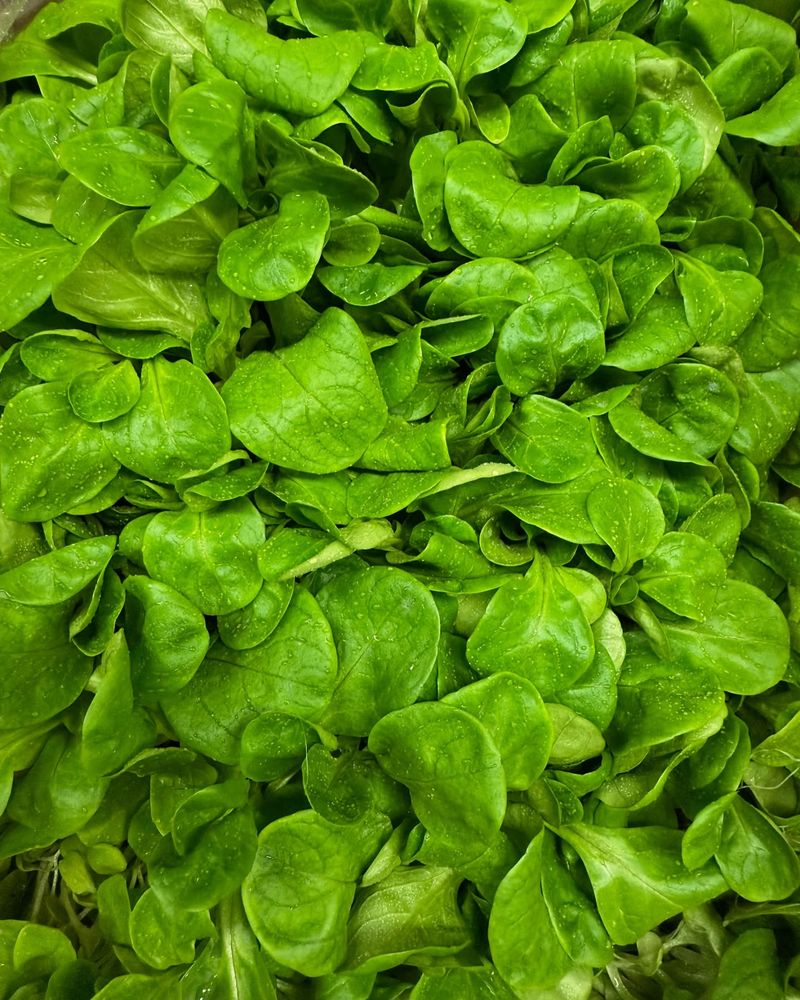
Not many people have heard of mâche, but it deserves a spot in every fall garden. Some folks call it corn salad or lamb’s lettuce. Whatever you call it, it is one of the most cold-hardy greens you can grow.
The plant forms small, flat rosettes about the size of your palm. The leaves are soft, smooth, and mild with a gentle nutty taste. Kids who turn up their noses at bitter greens often like mâche because it is so mellow.
Back in the old days, European farmers found it growing wild in their grain fields. That is how it got the name corn salad, since corn used to mean grain in general. They picked it in winter when little else was green.
For Pennsylvania gardeners, early October is the time to sow. Scatter seeds thinly and cover them with about a quarter inch of soil.
Keep the bed moist until they sprout, which can take one to two weeks. Mâche likes cool soil, so do not worry if it seems slow at first.
Once the rosettes reach a few inches across, you can harvest. Cut the whole plant at the base, rinse it well, and toss it into a salad. It pairs nicely with apples, walnuts, and a light vinaigrette.
Here is the best part. Plants you do not pick in fall can stay put all winter. Mâche handles snow and freezing temperatures surprisingly well, especially with a light row cover.
When spring arrives, it perks up and gives you another round of fresh leaves. Let a few plants flower in spring. They will drop seeds and may pop up again on their own next fall.
5. Radishes For Speedy Results
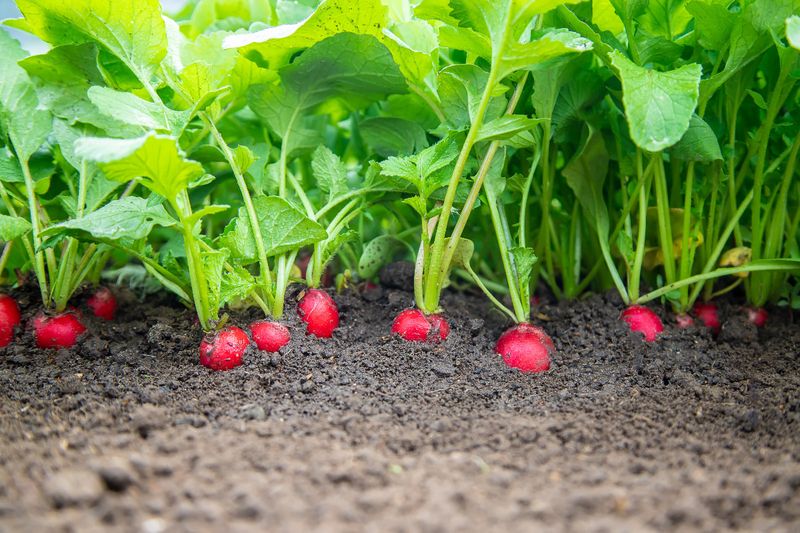
Need a garden win fast? Radishes are the sprinters of the vegetable world. Many types go from seed to salad in about three to four weeks, which makes them perfect for a last-minute October planting.
Early October is your best window. Gardeners in milder areas, like southeastern Pennsylvania near Philadelphia, have a little more wiggle room. Those in colder northern counties should aim for the first week of the month.
Choose a sunny spot with loose soil. Radishes hate rocks and hard clay, which can make them lumpy or split.
Sow seeds about half an inch deep and one inch apart. After they sprout, thin them so each plant has room to swell into a nice round root.
A row cover is your secret weapon here. The thin fabric lets in light and rain but holds in warmth.
It also guards against early frosts that can slow growth. Under a cover, radishes often grow noticeably faster on chilly days.
Keep the soil evenly moist. Radishes that dry out and then get soaked tend to crack. They can also turn woody or extra spicy if they grow too slowly.
Good fall varieties include Cherry Belle, French Breakfast, and Champion. If you want something a little different, try a winter radish like Daikon or Watermelon. Those take longer but can handle colder weather and store well.
Pull your radishes as soon as they reach full size. Leaving them too long can make them pithy.
Slice them thin for salads, roast them with butter, or eat them with a pinch of salt. The greens are tasty too, sautéed with a little garlic.
6. Arugula With A Peppery Kick
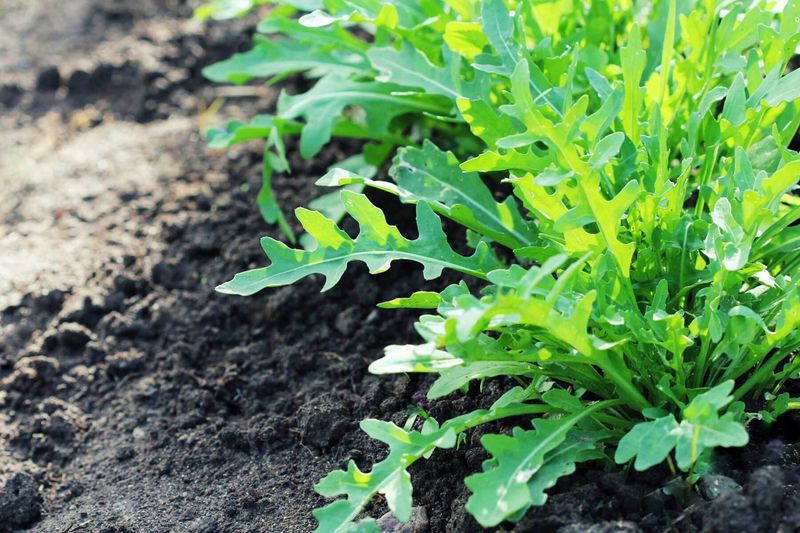
Arugula has a flavor that wakes up your taste buds. It is peppery, a little nutty, and full of personality. In the heat of summer, that bite can get too strong, but fall weather tames it into something milder and sweeter.
Cool temperatures are exactly what arugula craves. Warm weather makes it bolt, which means it rushes to flower and the leaves turn tough and harsh. October in Pennsylvania offers the crisp days it loves.
Getting started is simple. Sow seeds about a quarter inch deep in rows or wide bands. You can even scatter them across a container filled with potting mix. Seeds usually sprout within a week, even in cool soil.
Arugula grows quickly. In about three to four weeks, you can start picking baby leaves. Snip them with scissors about an inch above the soil. The plants will often regrow, giving you a second or even third cutting.
Light frosts do not bother it much. In fact, a touch of frost can make the leaves taste even better. When a hard freeze is in the forecast, toss a row cover or old bedsheet over the bed at night.
Did you know ancient Romans grew arugula thousands of years ago? They mixed it into salads and even used the seeds to flavor oils. It has been a garden favorite for a very long time.
Try sowing a small patch every week or so in early October. That way, you will have a steady supply instead of a huge pile all at once.
Toss the leaves on pizza, blend them into pesto, or pile them on a sandwich for a zesty crunch.
7. Leaf Lettuce In A Cozy Cold Frame
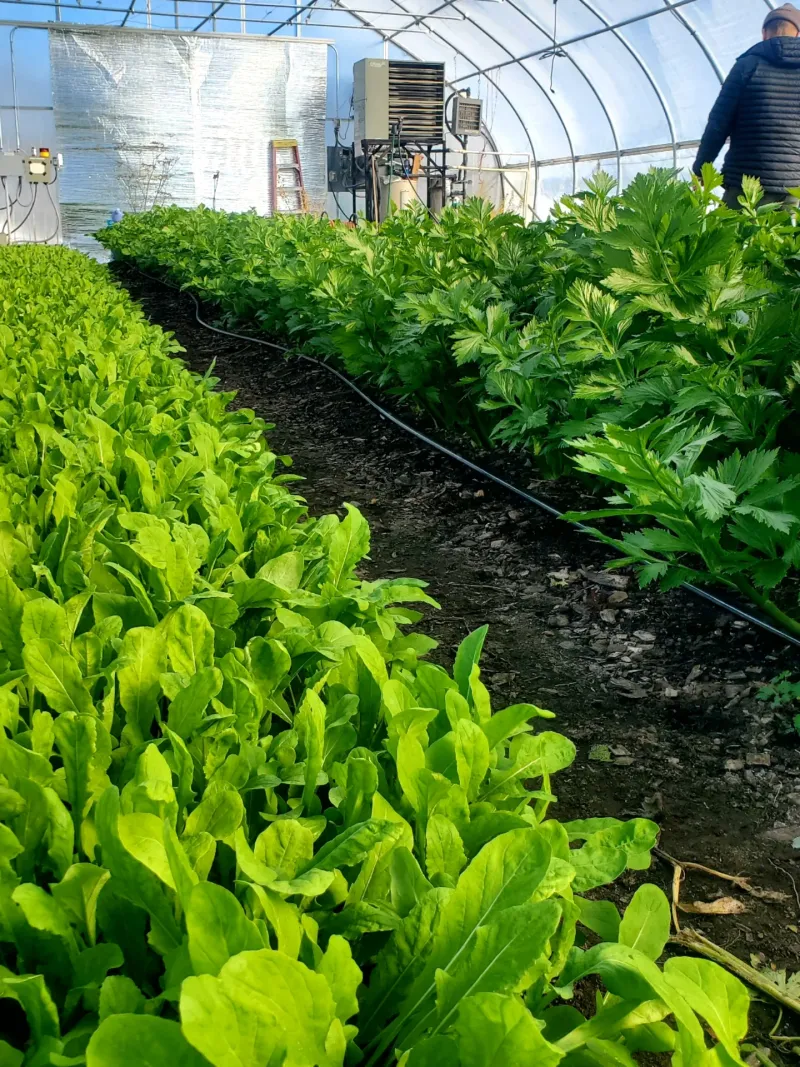
Fresh lettuce in November sounds like a dream, but it is totally doable. With a little shelter and good timing, leaf lettuce can keep your salad bowl full as the weather turns cold.
Leaf lettuce is different from head lettuce. Instead of forming a tight ball, it grows loose leaves you can pick one at a time. That makes it faster to harvest and better suited for a short fall season.
Sow seeds in early October. Lettuce seeds are tiny and need light to sprout, so press them gently into the soil and barely cover them. Keep the surface damp until you see little green sprouts.
A cold frame is the best home for fall lettuce. It is basically a bottomless box with a clear lid, like a mini greenhouse.
You can build one with scrap wood and an old window. The lid traps sunlight and keeps frost off the leaves.
No cold frame? A row cover over wire hoops works well too. Just remember to open things up on sunny afternoons. Even in fall, it can get surprisingly warm under glass or plastic.
The smartest move is to harvest young. Pick leaves when they are two to four inches long, as baby greens.
They are tender, sweet, and ready long before winter slams the door. Waiting for full-sized plants is risky once hard freezes arrive.
Look for cold-tolerant types like Black Seeded Simpson, Red Salad Bowl, and Winter Density. Mixing several colors makes your harvest look as good as it tastes.
Toss them with some of your arugula and mâche, and you have a homegrown fall salad worth bragging about.