Should Georgia Homeowners Overseed Warm Season Lawns With Ryegrass
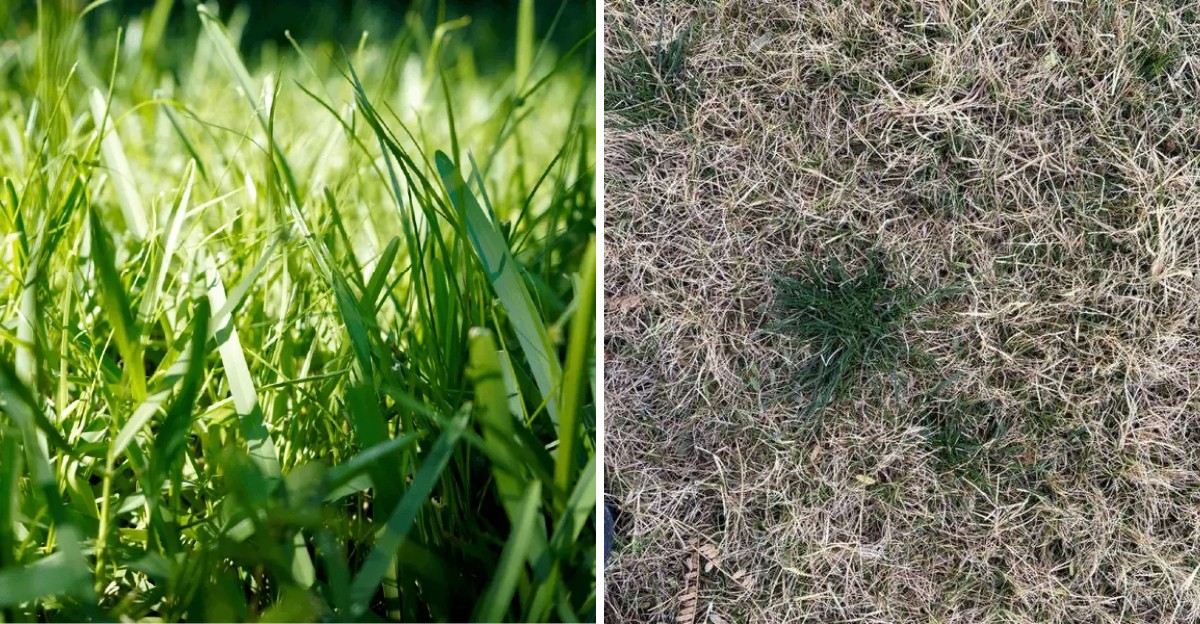
By December, most bermuda and zoysia lawns have turned tan, and that dull color can look rough next to a green yard down the street.
That contrast is usually what gets you thinking about spreading ryegrass seed over your dormant lawn in the fall.
The idea makes sense at first, since ryegrass sprouts quickly and stays bright green through the colder months in Georgia. What catches many homeowners off guard is what happens later, when the ryegrass is still hanging on well into spring.
Your warm season grass is trying to wake up at that point, and it ends up competing with the ryegrass for water and sunlight.
Before you buy a bag of seed this year, think about whether a green winter is worth a slower start next spring.
1. Green Winter Grass Comes With A Catch
A green lawn in January feels like a small victory over winter. Ryegrass can deliver that color, but it asks for something in return.
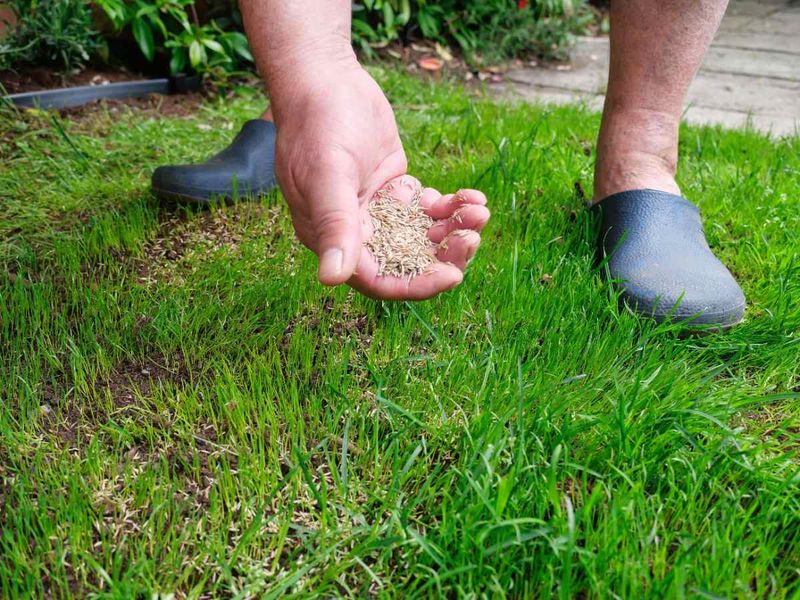
Overseeding means spreading cool season seed over your existing warm season grass, usually bermuda or zoysia.
In Georgia, homeowners often do this from late September through October, once nighttime temperatures start dropping. Timing matters, since seed sown during a hot spell may struggle to settle in.
Here is the catch that surprises people.
Ryegrass does not just sit politely on top of your lawn until spring arrives. It competes with your warm season grass for water, sunlight, and nutrients, especially as temperatures begin to rise.
That competition can slow the spring green-up of your main turf, sometimes by a few weeks.
Results vary with soil type, shade, mowing habits, and how warm or cool spring turns out. A lawn in full sun with good drainage usually handles the stress better than a shady, compacted one.
So the real question is not whether ryegrass looks nice, because it usually does. It is whether the winter color is worth some extra risk and effort for your specific yard.
Thinking through that trade-off now, before seed hits the ground, can save you a frustrating spring.
2. Ryegrass Takes Over As Warm Season Turf Goes Dormant
Picture two roommates sharing one apartment on opposite schedules. That is roughly how ryegrass and bermuda live together through the cooler months.
Once soil temperatures fall below about 65 degrees, bermuda slows down and gradually turns tan.
Ryegrass loves those cooler conditions, so it germinates quickly and fills in the gaps. Perennial ryegrass often sprouts within a week or two when the soil stays moist.
Across much of Georgia, this handoff tends to happen between late October and November. North Georgia usually cools earlier than coastal areas, so timing shifts depending on where you live.
Your bermuda is resting, not gone, while the ryegrass is working.
Roots of the warm season grass stay alive underground, storing energy for spring. Light foot traffic is fine, though heavy wear on frozen or frosty grass can cause damage.
Once warm weather returns, the roles are supposed to flip back.
Your Georgia Garden Changes Every Week. Your Plan Should Too.
Gardening in Georgia changes quickly throughout the season. Every Friday you’ll receive a simple weekly plan showing exactly what to plant, prune, fertilize, harvest, and protect so you never miss the right timing.
Bermuda wakes up as soil warms, usually in April or May, and ryegrass starts fading in the heat. Some years that transition goes smoothly, while a cool, wet spring can keep ryegrass hanging around too long.
Knowing this rhythm helps you plan mowing, watering, and fertilizing without accidentally favoring the wrong grass at the wrong time.
3. Not Every Lawn Handles Overseeding The Same Way
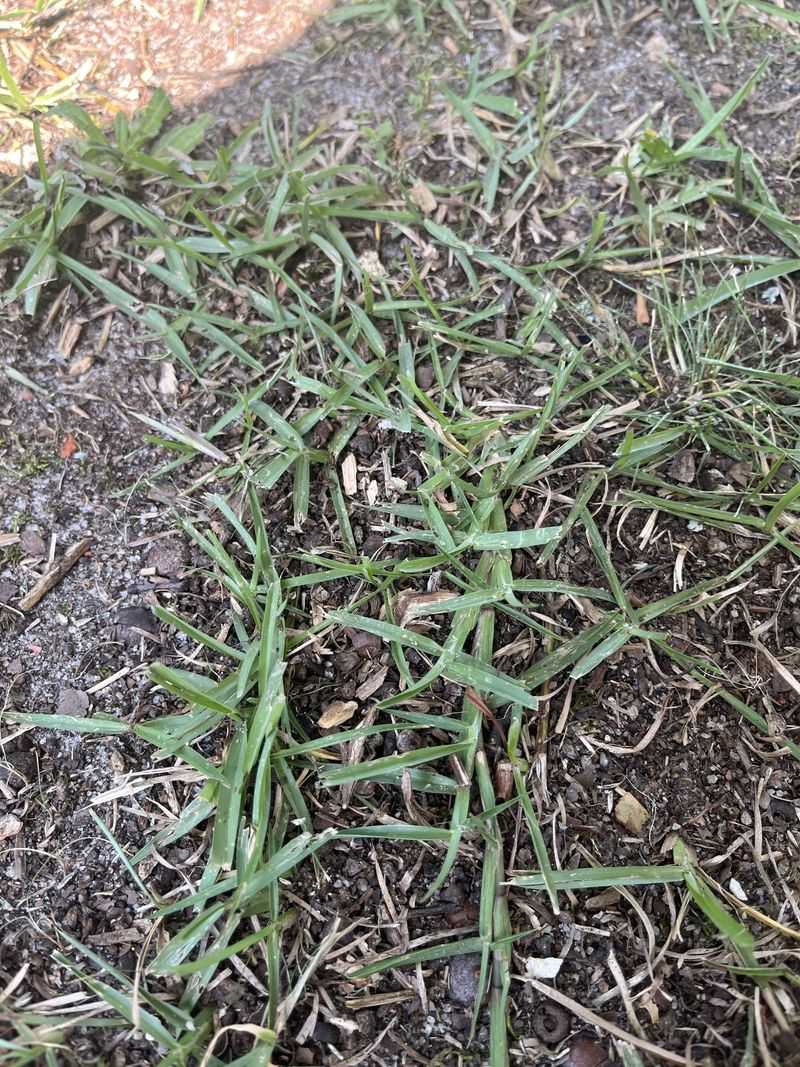
Bermuda and centipede may share a zip code, but they react very differently to winter seed.
Common and hybrid bermuda tolerate overseeding better than most warm season grasses. Their aggressive runners help them recover once spring heat pushes the ryegrass out.
Centipede is a different story.
Extension experts in Georgia generally advise against overseeding centipede, since it recovers slowly from competition. St. Augustine grass also tends to struggle, and many turf specialists suggest skipping ryegrass on it.
Zoysia falls somewhere in the middle, depending on the variety and how dense the turf is. Thick zoysia can make it hard for seed to reach the soil at all.
Shade adds another layer to think about.
A lawn under tall oaks or pines may already be thin and stressed before winter even starts. Adding ryegrass there can weaken the warm season grass even more come spring.
Not sure what grass you have? A local extension office can often help identify it from a small sample.
Matching the decision to your grass type is probably the single smartest step you can take. A quick check now beats trying to fix a patchy yard next summer.
4. Spring Is When Problems Can Start Showing Up
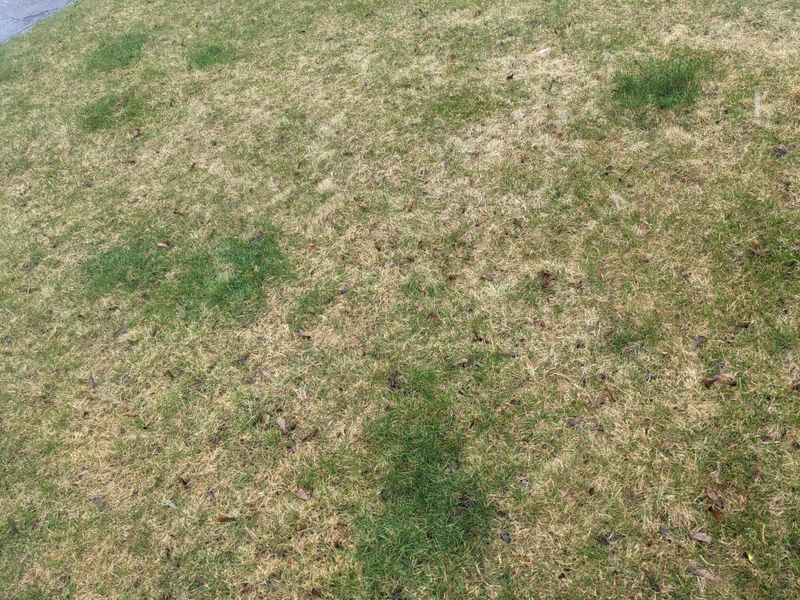
Winter goes by beautifully, and then April shows up with surprises. Spring transition is where overseeding either pays off or starts causing headaches.
Ryegrass keeps growing strong while nights stay cool, shading the bermuda trying to wake up below.
Without enough sunlight, the warm season grass may green up slowly or come back in thin patches. You might notice uneven spots where ryegrass faded faster in some areas than others.
Weather plays a big role here.
A mild, rainy spring in Georgia can let ryegrass linger into May or even early June. A quick warm-up usually pushes it out faster, giving bermuda room to spread.
Some homeowners help the switch along by mowing lower in spring to open the canopy. Lowering the height gradually over a few weeks is gentler than scalping the lawn all at once.
Holding off on heavy nitrogen until bermuda is actively growing also helps, since early feeding tends to boost the ryegrass instead.
Patience matters a lot during this stretch. Most lawns sort themselves out by early summer, though stressed or shaded turf may need extra care to fill back in.
5. Winter Color Also Means Extra Lawn Work
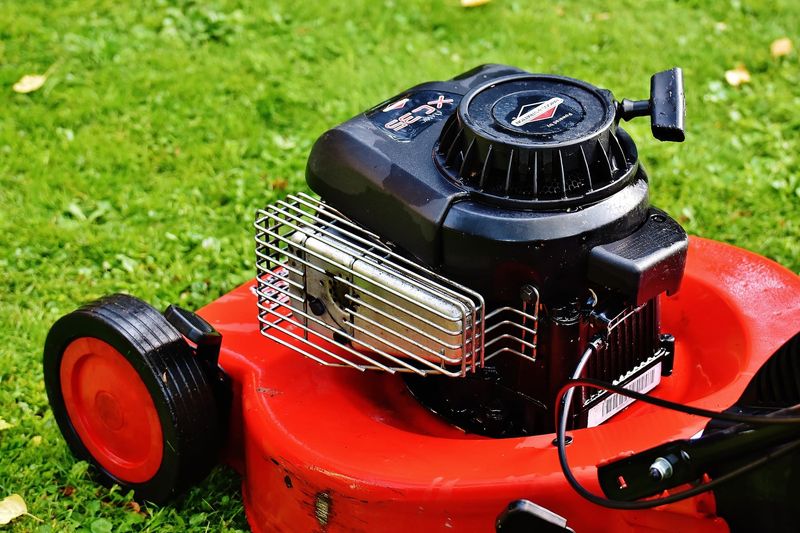
Mowing in December? Yes, and possibly every week or so.
Ryegrass grows actively through the cool season, which means your mower stays busy while neighbors rest. Most people keep it around one and a half to two inches tall.
Watering is the next chore on the list.
New seed needs steady moisture for the first couple of weeks, often light watering once or twice a day. After it establishes, winter rain in Georgia may cover much of the need, though dry spells do happen.
Fertilizer is part of the routine too, usually in small amounts through the season.
Then there is the cost, which adds up quietly. Seed rates for overseeding bermuda often run several pounds per 1,000 square feet, so a larger yard can take a good amount of seed.
You may also need to prepare the lawn first by mowing low and removing clippings or thatch. Good seed-to-soil contact makes a real difference in how evenly the ryegrass comes in.
None of this is overly hard, but it does fill your weekends. If you enjoy yard work, it can feel rewarding, and if not, it may start feeling like a second job.
6. Healthy Bermuda Has The Best Chance Of Handling It
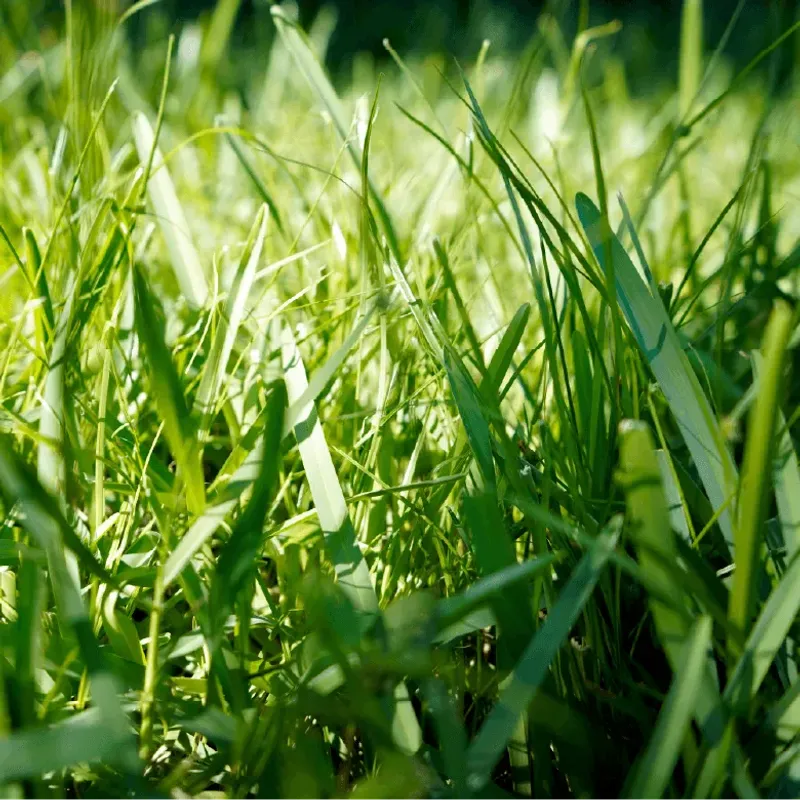
Strong lawns bounce back, while weak ones tend to stay weak. That simple idea sums up who should consider overseeding and who should wait.
A dense bermuda lawn in full sun, with good drainage, stands the best chance of recovering each spring.
Check your turf honestly before September ends. If it has bare patches, heavy weeds, or thin areas from summer stress, fixing those first may be the wiser move.
Soil health counts more than people expect.
A soil test through your county extension office in Georgia can show pH and nutrient levels for a modest fee. Correcting problems now gives your bermuda a stronger base heading into dormancy.
Sunlight is another big factor, since bermuda needs plenty of it to thrive. Lawns getting less than six or so hours of direct sun often struggle even without added competition.
Fun detail: bermuda spreads by both above-ground stolons and underground rhizomes, which helps it fill gaps quickly once warm weather arrives.
That spreading power is exactly why it handles ryegrass better than slower grasses. Still, even tough bermuda can suffer if the lawn was stressed before winter began, so a little honest evaluation goes a long way.
7. Winter Dormancy May Be The Easier Choice
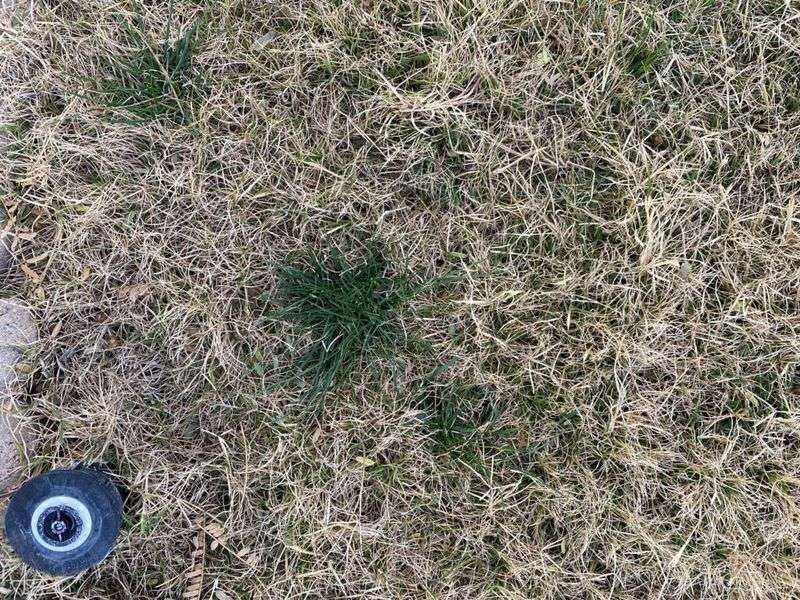
Brown is not a failure. A tan, dormant lawn is simply warm season grass doing what it naturally does in cooler weather.
Letting your yard rest over winter saves time, water, seed money, and plenty of mowing.
It also removes the spring competition that can slow bermuda, zoysia, or centipede from greening up. For many homeowners in Georgia, that alone makes skipping ryegrass an easy call.
A dormant lawn can still look tidy and cared for.
Keeping edges crisp, clearing leaves, and adding fresh pine straw to beds helps the whole yard feel neat. Some folks even like the soft, golden look of winter bermuda against evergreen shrubs.
Weed control deserves attention, though. Winter weeds like annual bluegrass and henbit can pop up in dormant turf, so a pre-emergent applied in early fall may help, depending on your lawn and product labels.
You can also try a middle path by overseeding only a small front area.
That way, you get some winter green where people notice it most without committing the entire yard. Whatever you pick, choosing what fits your grass, schedule, and budget will likely leave you happier come spring.