The Fluffy White Blooms Brightening Dark Corners Of New Jersey Yards Are A Late Gift For Bees And Butterflies
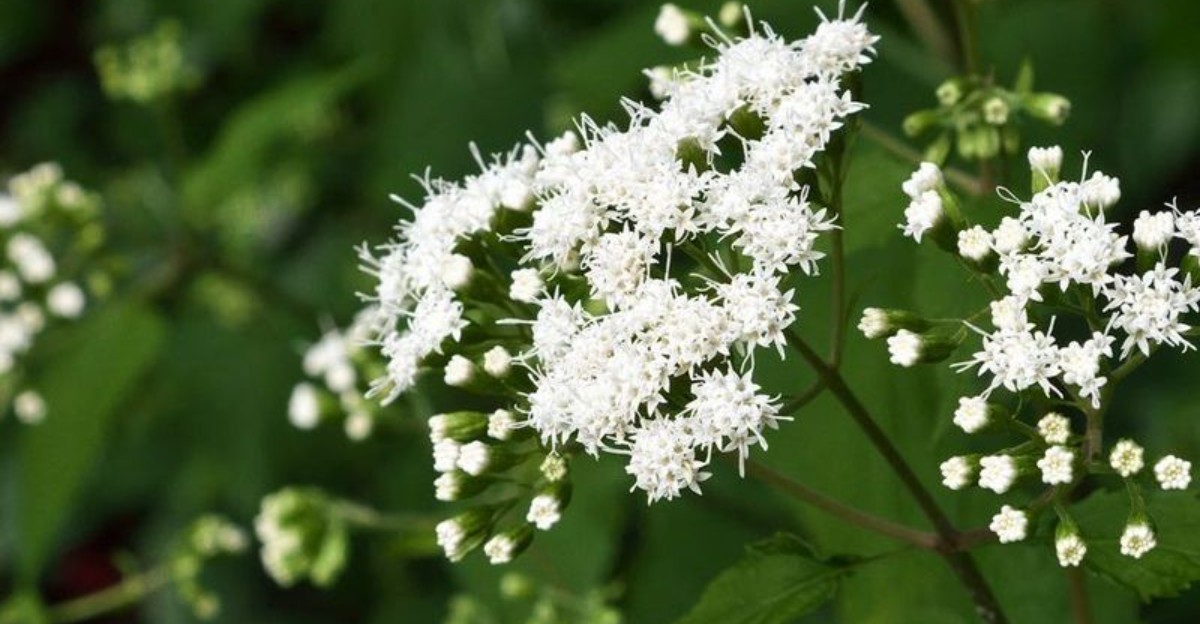
Bees are mobbing your gloomiest corner, around flowers you did not plant. Meet white snakeroot, a native wildflower that seeds itself under maples across New Jersey.
Its fuzzy white clusters open in September, just as your hostas and ferns fade. Hungry bumblebees, sweat bees, and skippers treat it as a critical autumn fuel stop. You get a pollinator buffet without lifting a trowel.
But this plant carries a darker résumé. Tremetol, a toxin in its leaves, sickened frontier cattle and the families drinking their milk. Doctors called it milk sickness and chased its cause for generations.
So should you rip it out or let it run? Horses, goats, and grazing sheep change that math fast. Plenty of New Jersey gardeners protect it; others yank it on sight. Before those seeds scatter again, you need to know which camp you join.
White Snakeroot, The Shady Star Of Late Summer
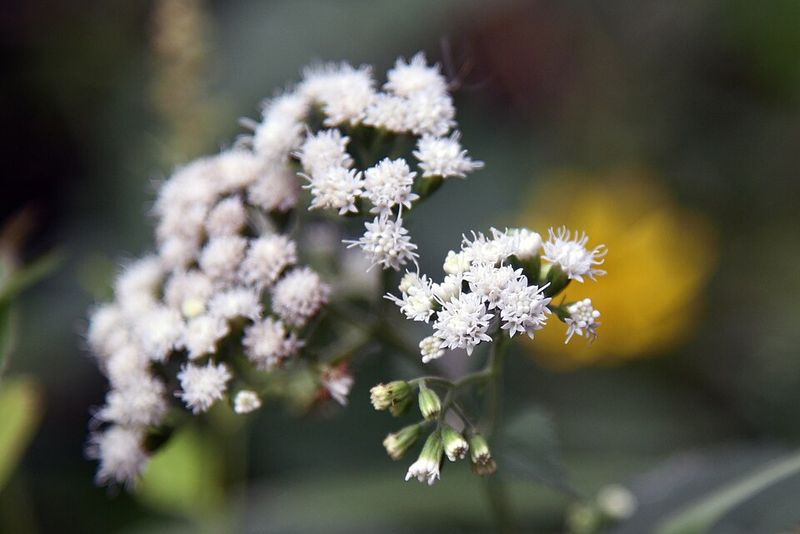
Walk any wooded trail in New Jersey this month, and you will spot white fireworks near the ground. Those fuzzy clusters belong to white snakeroot, a native wildflower with the fancy name Ageratina altissima.
The plant usually grows one to four feet tall, with toothed, heart-shaped leaves along sturdy stems. Each bloom is really a bundle of tiny tube flowers, packed together like a soft pompom.
Most garden flowers want full sun, but this one is happy in dappled shade. You will find it under oaks, along fences, and tucked beside sheds where grass gives up.
Blooming kicks off in late August and often carries on well into October. That timing makes it one of the later bloomers, alongside asters and goldenrods, before frost shuts everything down.
Many homeowners have it already and do not know it, because seeds ride in on wind. Fun fact, the plant belongs to the aster family, the same big clan as sunflowers and daisies.
It looks nothing like its sunny cousins, yet the family resemblance shows in those crowded flower heads.
To identify it, look for opposite leaves, bright white blooms, and no fragrance to speak of. Crush a leaf, and you may notice a faint, slightly bitter smell instead.
If a mystery plant glows in your shadiest spot right now, say hello to a new neighbor. It is not a mistake, it is a native plant doing exactly what it was built for.
A Late Buffet For Bees, Butterflies, And Flies
Picture a monarch butterfly flapping south in September, running low on fuel somewhere over Morris County. A patch of snakeroot below is like spotting a diner sign on a lonely highway.
By early fall, many summer flowers have faded in shady spots, leaving pollinators there with slim pickings.
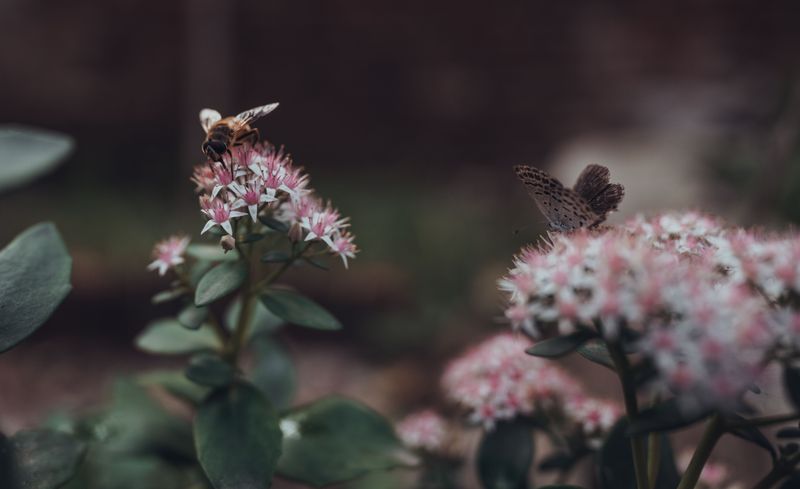
White snakeroot helps fill that gap in cool, shady spots, alongside wood asters and zigzag goldenrod. Its tiny flowers offer shallow sips of nectar that short-tongued insects can reach easily.
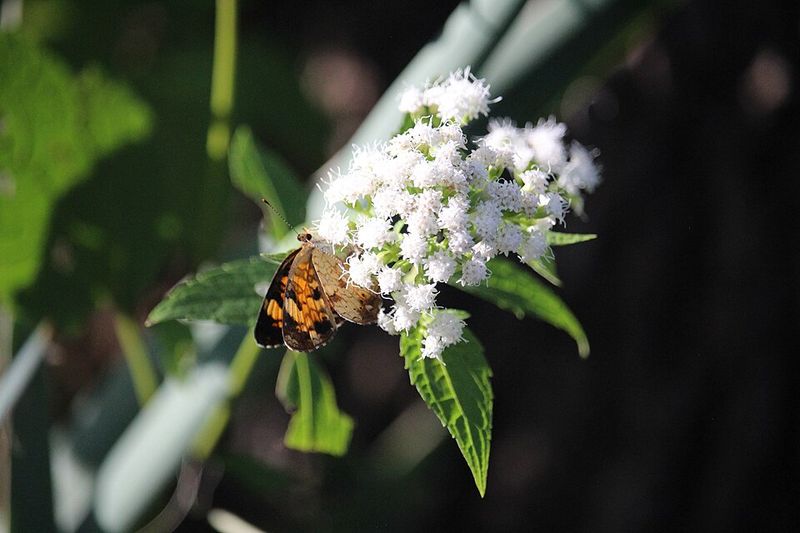
Bumblebees, honeybees, and little green sweat bees all stop by for a snack. Skippers, pearl crescents, and other small butterflies often crowd the blossoms on warm afternoons.
Your New Jersey Garden Changes Every Week. Your Plan Should Too.
Gardening in New Jersey changes quickly throughout the season. Every Friday you’ll receive a simple weekly plan showing exactly what to plant, prune, fertilize, harvest, and protect so you never miss the right timing.
Hover flies deserve a shout-out too, since they look like bees but cannot sting. Many of their young gobble aphids, so feeding the adults helps your vegetable garden next spring.
Queen bumblebees are especially grateful for fall flowers like these. Each one needs to fatten up before crawling underground to spend the winter alone.
Try sitting near a snakeroot patch for ten quiet minutes on a sunny September day. You might count a dozen different visitors, each one busy and a little clumsy.
Kids especially love this game, and it turns an ordinary yard into a live nature show. Bring a notebook and sketch the insects you spot, then compare notes next week.
The plant also feeds some moth caterpillars, which in turn become food for songbirds. One scrappy wildflower ends up supporting a whole chain of backyard life.
The Toxic Side Of A Pretty Wildflower
Here is the twist nobody expects from such a sweet-looking plant, it carries a serious poison. White snakeroot contains a toxin historically called tremetol, and it can make animals and people very sick.
In the early 1800s, settlers in the Midwest faced a mystery illness called milk sickness. Cows grazed on snakeroot in the woods, and the poison passed into their milk and meat.
The most famous victim was Nancy Hanks Lincoln, the mother of young Abraham Lincoln, in 1818. Her loss shows how much damage one hidden weed could cause back then.
Today, dairy cows eat controlled feed and milk from many farms is pooled, so milk sickness is extremely rare. Still, horses, cattle, goats, and sheep can get sick if they munch on the leaves.
Backyard chicken keepers and goat owners should keep this plant outside of pens and pastures. Little is known about risks to dogs and cats, so curious pets are worth watching.
Please do not taste any part of it, and teach kids to admire the flowers with eyes only. Wearing gloves while pulling or trimming it is a smart, simple habit.
Mowing it into a lawn may not remove the risk, since dried leaves can stay toxic. Bag the clippings instead of tossing them where animals might graze. The good news is that bees and butterflies feed on the nectar with no reported harm.
Knowing the risks lets you enjoy this plant wisely instead of fearing it. Think of it like a wild mushroom, lovely to look at but not for lunch.
Smart Spots For Snakeroot In A Shady Yard
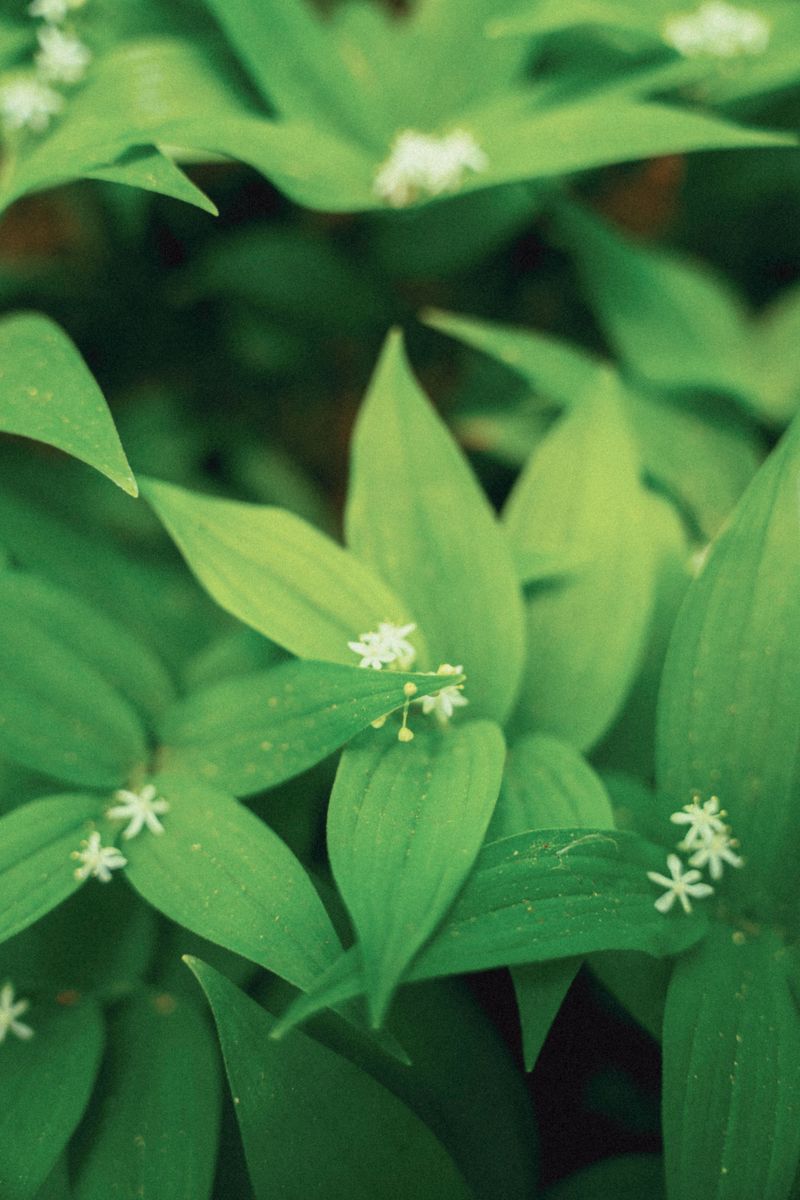
Got a gloomy strip beside the garage where nothing seems to grow? That troublesome spot might be the perfect home for a clump of white snakeroot.
The plant handles partial shade to fairly deep shade, as long as it gets some morning light. It prefers soil that stays slightly moist, though it tolerates drier ground once established.
Woodland edges, rain garden borders, and the base of large trees all work well. Try giving each plant about two feet of space so air can flow between stems. Check out the cultivar called Chocolate, whose purple-brown leaves are darkest in spring.
Good neighbors include blue wood aster, zigzag goldenrod, Christmas fern, and wild ginger. Together they create a layered woodland look that feels natural rather than messy.
September is actually a great month to plant, since cooler air and autumn rain help roots settle. Some nurseries that sell native plants in New Jersey carry potted snakeroot this time of year.
Water new plants once a week for the first month if rain is scarce. After that, they mostly take care of themselves, which is great news for busy families.
Skip the fertilizer, since rich soil can make stems floppy and weak. A light layer of shredded leaves works better, keeping roots cool and mimicking a forest floor.
Keep plantings away from animal pens and play areas where small kids munch on everything. A spot you can see from a window is ideal for watching visitors.
A Quiet Corner Full Of Late-Season Life
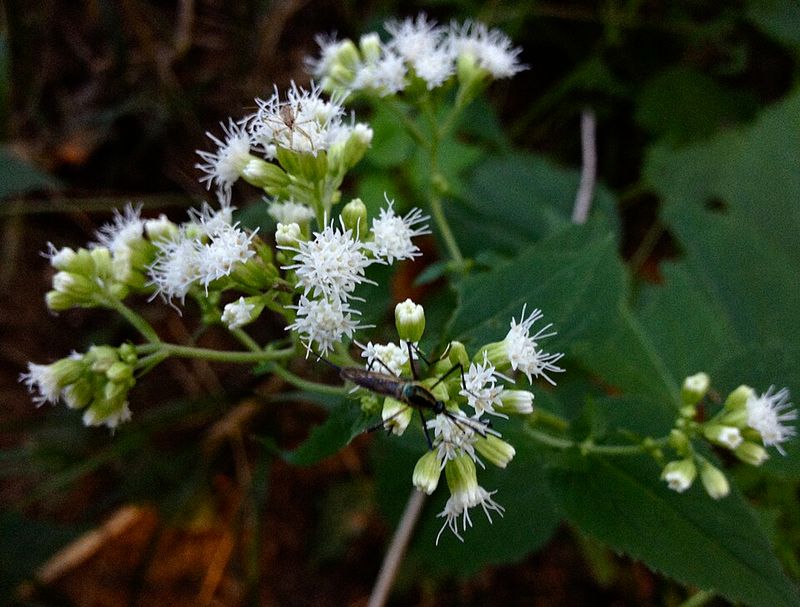
Imagine stepping outside with a mug of cider on a crisp morning, and your shady corner is humming. That soft buzz is the sound of a small yard doing big work for nature.
Once snakeroot settles in, it usually spreads into a loose drift of white by its second fall. The display can last six weeks or more.
Late flowers help bees store energy right when they need it most before winter. Well-fed honeybees and bumblebee queens in fall can mean more pollination for your apple trees and berries next year.
Migrating monarchs and painted ladies may pause for a sip on their long trip south. Seeing one land in your yard feels a bit like hosting a traveler passing through town.
After blooming, the flowers turn into fluffy seed heads that sparkle with morning dew. Some small birds poke around the stems, snatching insects hiding among the leaves.
Leaving the stems standing through winter adds structure to a bare garden. Snow caps on the old seed heads look surprisingly pretty against a gray January sky.
There is also a quiet reward for you, the gardener, in all this activity. Watching a shady spot come alive feels like discovering a hidden room in your own house.
Butterfly counts in small yards may seem tiny, yet they add up across a whole town. Every patch of native flowers becomes a stepping stone for insects on the move.
Neighbors may even start asking what that bright white plant is along your fence. Sharing the story can inspire others to try it too.
Keeping Snakeroot In Check For Next Year
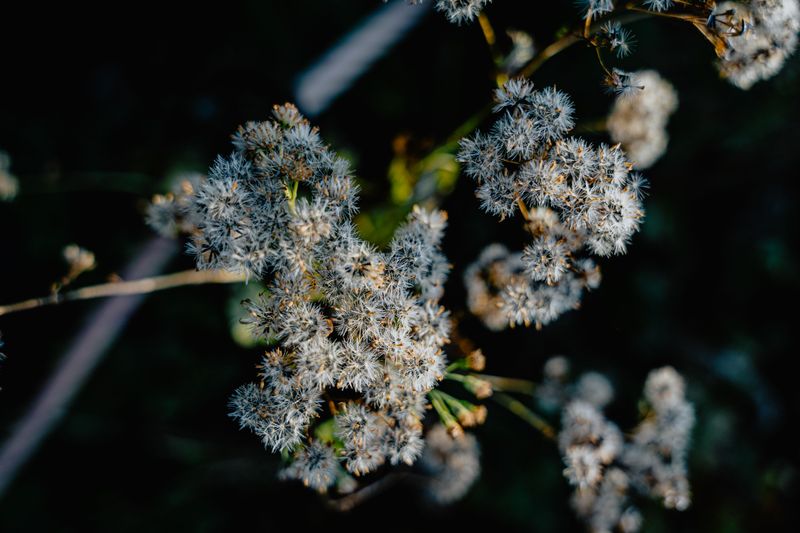
Give white snakeroot an inch, and it may happily take the whole backyard. Each plant can release hundreds of fluffy seeds that float off like tiny parachutes in October.
Luckily, managing it is pretty easy once you know the plant’s schedule. The key moment comes right after the flowers fade from bright white to dull tan.
Snip off those faded flower heads before they turn fluffy, and you stop most seeds from spreading. Toss the clippings in the trash rather than the compost, where seeds may survive.
Want a few new plants in the same bed? Leave one or two seed heads standing, and nature will handle the rest for you.
Come spring, seedlings pop up with small, toothed leaves in pairs along the stem. Their roots are shallow, so a gentle tug after a rain usually pulls them right out.
Older clumps widen slowly from their base, so dig and divide them every few years. Share the extra pieces with friends who have shady yards, but mention the toxin.
Keep a close eye on property lines near horse farms, pastures, or backyard goat pens. A simple buffer of lawn or mulch helps keep wandering seedlings out of trouble.
A thick layer of shredded leaves in late fall may smother some seeds before they sprout. It is free, it feeds the soil, and it saves you from extra weeding.
Think of it as a friendly roommate who just needs a few ground rules. With a little trimming each fall, you get the pollinator party without the takeover.