Hurricane Season Can Bring Unexpected Birds Into Georgia Yards This Fall
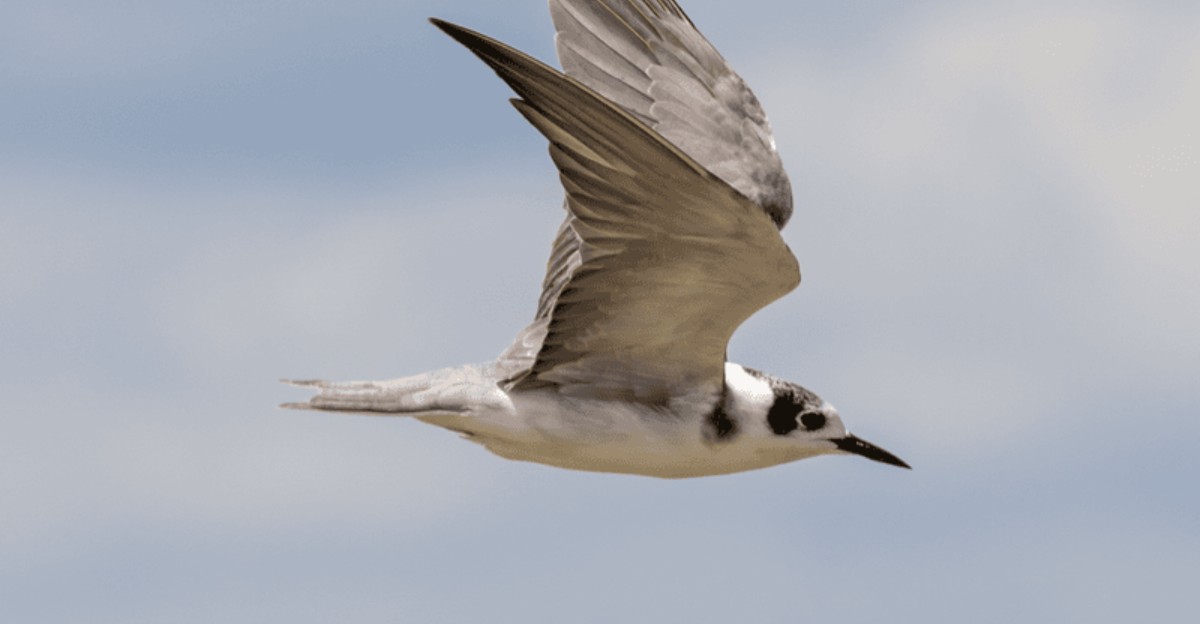
After a hurricane moves through, the unfamiliar bird by your pond the next morning may have come from the coast.
Strong storms pick up seabirds over open water and carry them much farther inland than they would ever fly.
When the wind finally calms down, those birds land wherever they can, and that includes backyards in Georgia.
Most of them are simply worn out and need a few quiet hours before they can move on.
That is why your first instinct to walk over for a closer look usually does more harm than good. A tired seabird that keeps getting flushed burns energy it needs for the trip back to salt water.
Watching from your porch or a window gives you a good view, and it lets the bird rest.
1. What A Passing Storm Can Leave Behind
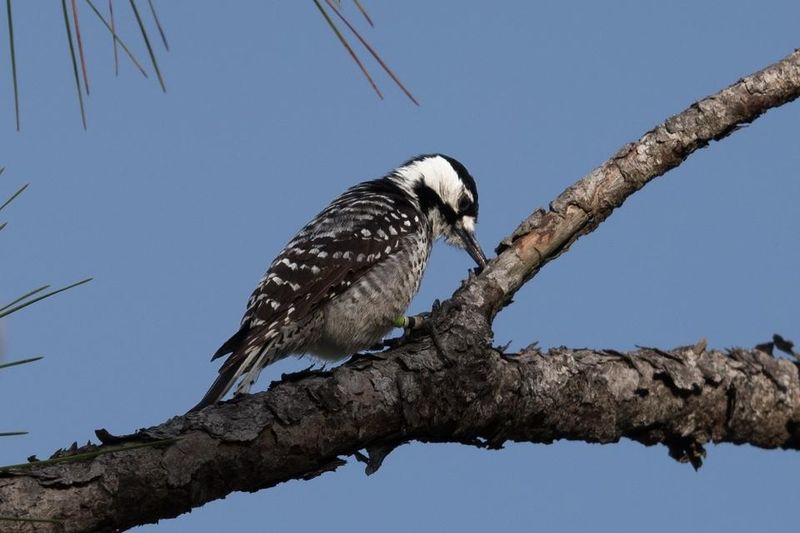
Broken limbs and soggy leaves are not the only things a storm drops in your yard. Sometimes it leaves behind a bird you have never seen before, standing quietly in the grass.
After a tropical system moves through Georgia, backyard birders often notice a short burst of unusual activity.
Gulls, terns, and shorebirds may show up far from the beach, looking a bit confused. Some rest on rooftops, while others gather near ponds, flooded fields, or even parking lot puddles.
Not every storm brings visitors, and plenty of storms bring none at all.
How strong the storm was, where it tracked, and how fast it moved all play a role. A slow system that crosses land from the Gulf or Atlantic tends to carry more birds than a quick, weak one.
Your regular yard birds may act differently for a day or two as well.
Cardinals, wrens, and chickadees often rush to feeders once the wind drops, since storms make finding food harder. Keeping your feeders clean and filled after the weather clears gives them an easy meal.
A good habit is to walk your yard slowly the first morning after the rain stops.
Check open water, low branches, and quiet corners near shrubs. Bring binoculars or your phone camera, because unusual guests may only stay a few hours before moving on.
2. How Hurricanes Carry Birds Inland
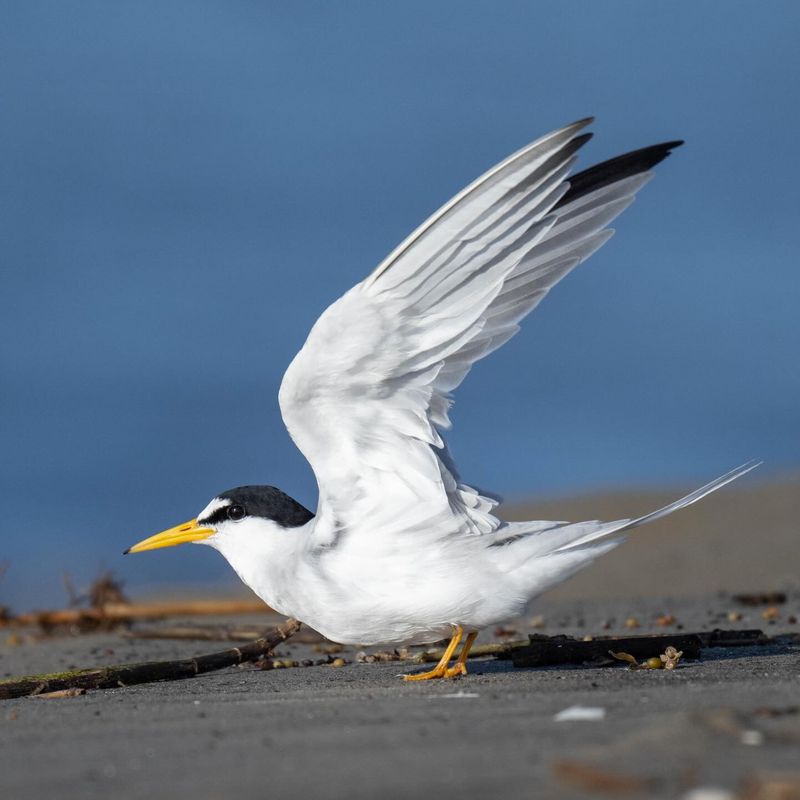
Inside a hurricane, there is a calm pocket called the eye, and birds sometimes get trapped there. Seabirds caught in that calm center may travel with the storm for hundreds of miles.
Flying out through the powerful winds around the eye is hard, so staying inside can be the safer choice.
When the storm crosses land and weakens, those birds finally get a chance to leave. Unfortunately, that often means they land far from salt water, sometimes in the middle of a state.
Storm winds can also push birds sideways during migration.
A warbler heading south along the coast might be shoved inland, or a shorebird might get swept off its usual route. Heavy rain can force flocks to come down wherever they can find shelter.
Once a storm moves into Georgia from the Gulf or the Atlantic, its path matters a lot.
Your Georgia Garden Changes Every Week. Your Plan Should Too.
Gardening in Georgia changes quickly throughout the season. Every Friday you’ll receive a simple weekly plan showing exactly what to plant, prune, fertilize, harvest, and protect so you never miss the right timing.
Birds tend to show up near the storm track, especially around lakes and rivers. Big reservoirs like Lake Lanier, West Point Lake, and Lake Oconee have drawn storm-carried seabirds in past years.
Wind direction after landfall can shift sightings too, so watch the weather maps.
If you live near a large body of water, you may have better odds of spotting something unusual. Checking shorelines within a day or two of the storm passing is usually your best bet.
3. Why Fall Brings The Most Unusual Sightings
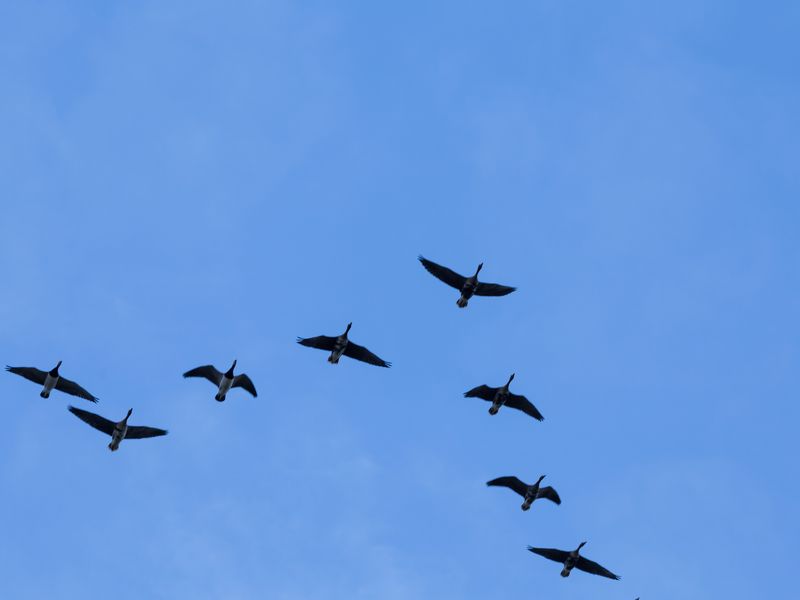
Timing is everything, and fall timing is about as tricky as it gets for birds. Atlantic hurricane season runs from June through November, with the busiest stretch usually from mid-August into October.
Those same weeks happen to be peak fall migration across the eastern United States.
Millions of songbirds, shorebirds, and hawks are flying south toward warmer winter homes. When a storm cuts across their route, a lot of travelers can get knocked off track at once.
Young birds may be the most affected, since many are making their first trip south.
They lack experience and may have a harder time recovering from a strong push off course. Adult birds sometimes handle these setbacks a bit better, though that is not a firm rule.
Georgia sits right along a major flyway, which adds to the chances of surprises.
Birds moving down the Atlantic coast and through the Southeast pass over your area every autumn. That steady traffic means even a modest storm can bring in something unexpected.
Think of September and October as your prime watching window.
Plant native shrubs with fall berries, like beautyberry or dogwood, to give tired travelers a food stop. A shallow bird bath with fresh water can help too, especially after dry spells.
4. The Birds Most Likely To Turn Up
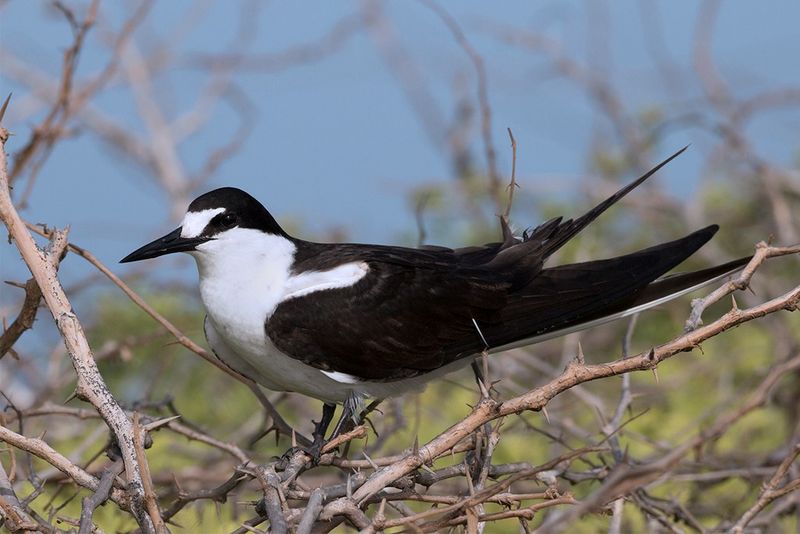
Sooty terns top the wish list for storm-chasing birders, and for good reason. These dark ocean birds usually live far out at sea, yet they have been recorded inland after strong hurricanes.
Laughing gulls and royal terns are more common storm visitors in inland areas.
You might see them resting on lakes, ball fields, or large lawns. Black skimmers, with their odd lower bill longer than the top, sometimes appear as well.
Shorebirds are another group to watch for after heavy rain.
Sandpipers and plovers may gather on muddy spots or flooded pastures. They often feed busily, probing the ground for insects and worms.
Rarer sightings in Georgia have included frigatebirds, shearwaters, and even tropicbirds.
These are unusual, so do not expect them after every storm. Still, experienced birders often head to reservoirs right after a hurricane hoping for just such a find.
Here is a fun fact to share with the kids: magnificent frigatebirds can stay in the air for days.
Songbirds count too, so keep an eye on your feeders and shrubs. A warbler or tanager that normally passes quickly may linger in your yard to rest and feed.
A field guide or free bird ID app makes a big difference here. Snapping a photo lets you double-check the bird later and share it with others.
5. Signs A Bird Was Blown Off Course
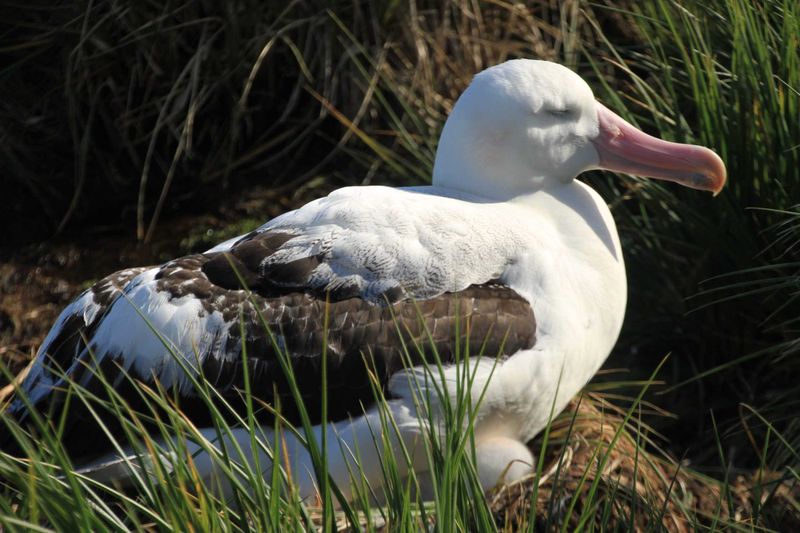
Seeing a seabird standing in a grocery store parking lot is a pretty clear clue. Location is often the first sign that something unusual has happened.
Birds that belong on beaches or open water rarely choose backyards, playgrounds, or highway medians.
Behavior offers another hint. A lost bird may sit still for long stretches, allow people to walk closer than normal, or seem slow to react.
Tiredness is common after a long, rough ride inside a storm.
Some birds simply need rest and will fly off once they recover. Others may look ruffled or damp, which can be normal right after heavy rain.
Timing ties it all together for many Georgia sightings.
If an unusual bird appears within a day or two after a hurricane passes, the storm is the likely reason. That link is not certain, but it is a strong guess.
Try not to confuse a resting bird with an injured one.
Watch from a distance for several minutes before deciding anything. A bird that preens, looks around alertly, or walks steadily is often just catching its breath.
Visible wounds, drooping wings, or repeated failed attempts to fly are more worrying signs. Those cases may call for help from a licensed wildlife rehabilitator.
6. What To Do If You Find One Grounded
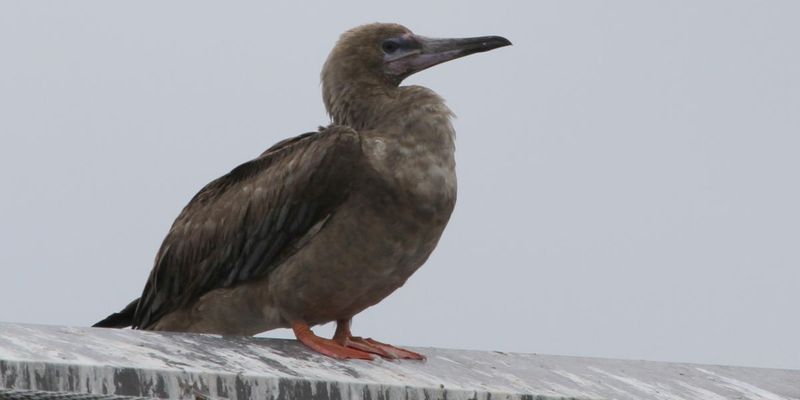
Hold off on scooping it up right away, even if your heart says otherwise. Giving the bird space is usually the kindest first step.
Keep pets and kids indoors so the bird can rest without stress.
Watch quietly from a window or at least twenty feet away for an hour or so. Many birds recover on their own and take off once they have regained strength.
Resist the urge to offer bread, water, or food.
Seabirds eat fish and other specific foods, and the wrong meal can make things worse. Water dropped into a weak bird’s mouth can also cause choking.
If the bird looks hurt or still has not moved after several hours, call for help.
The Georgia Department of Natural Resources can point you toward licensed wildlife rehabilitators in your area. Local nature centers and vet offices may also have contacts.
A rehabilitator might ask you to gently place the bird in a ventilated cardboard box.
Use a towel and gloves if you do, and keep the box in a quiet, dark, warm spot. Avoid handling it more than needed, since stress can be hard on wild birds.
Keep in mind that most wild birds are protected by federal law. Keeping one as a pet or trying to raise it yourself is not allowed without proper permits.
7. Most Leave Within Days, But Sightings Still Matter
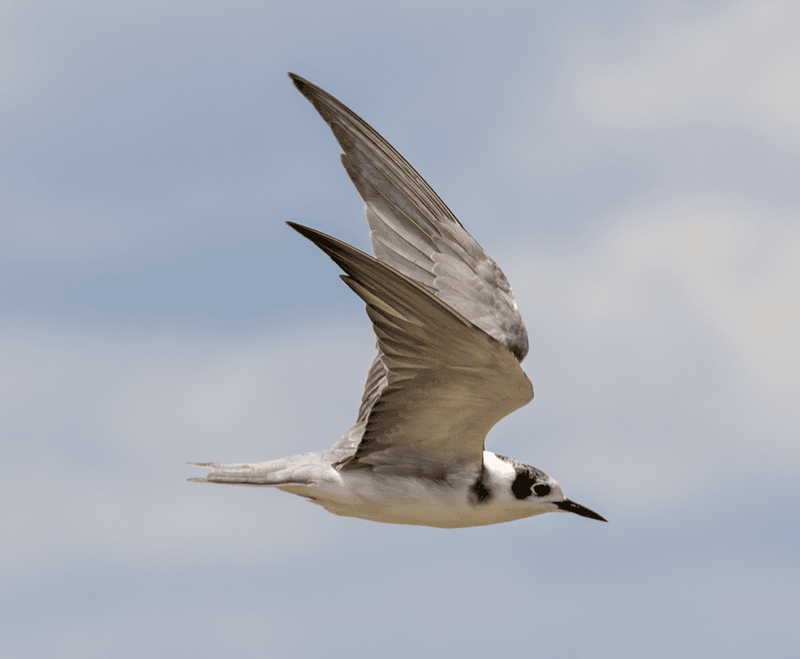
Blink and you might miss them. Storm visitors often move on within a day or two, heading back toward the coast or continuing their migration.
Short stays make every sighting feel a little more special.
Your notes and photos can help people who study bird movements. Free tools like eBird let you log what you saw, where you saw it, and when.
Reports from backyard birders add up over time.
Scientists and bird groups use this kind of shared data to understand how storms affect bird populations. Georgia records from past hurricanes have helped show which species tend to travel inland.
Local bird clubs love hearing about unusual visitors too.
Groups like the Georgia Ornithological Society and local Audubon chapters share rare bird alerts. Posting your find quickly gives others a chance to see it before it leaves.
Be respectful if your yard becomes a small hotspot.
You can share general location details without giving out your address if privacy matters to you. Asking visitors to stay back from the bird keeps it calm while it rests.
Even if nothing unusual shows up, the habit of looking pays off. You will learn your regular birds better and notice changes each season, which makes backyard birding more fun year after year.