This Unusual Bulb Blooms In Georgia Gardens Before Its Leaves Appear
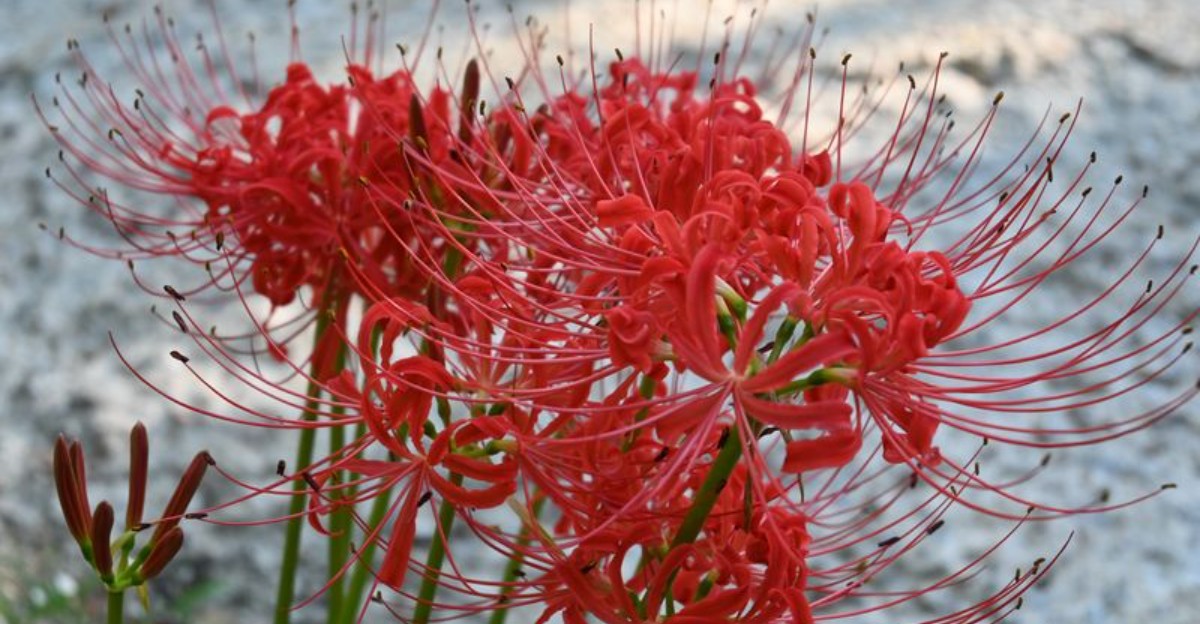
If a cluster of bright flowers suddenly shot up in a bare corner of your yard this month, you are not imagining things.
Those tall stems can appear almost overnight, often in a spot where nothing seemed to be growing all summer.
That surprise comes from a bulb with an unusual schedule, since it sends up flowers first and saves its leaves for later.
Plenty of homeowners in Georgia inherit these bulbs with an older house and have no idea they are there until they bloom.
Because the foliage shows up after the flowers fade, it is easy to mistake it for grassy weeds and pull it out. Before you clean up that bed this fall, give those leaves a closer look so you do not lose next year’s flowers.
1. The Flowers Seem To Appear Out Of Nowhere
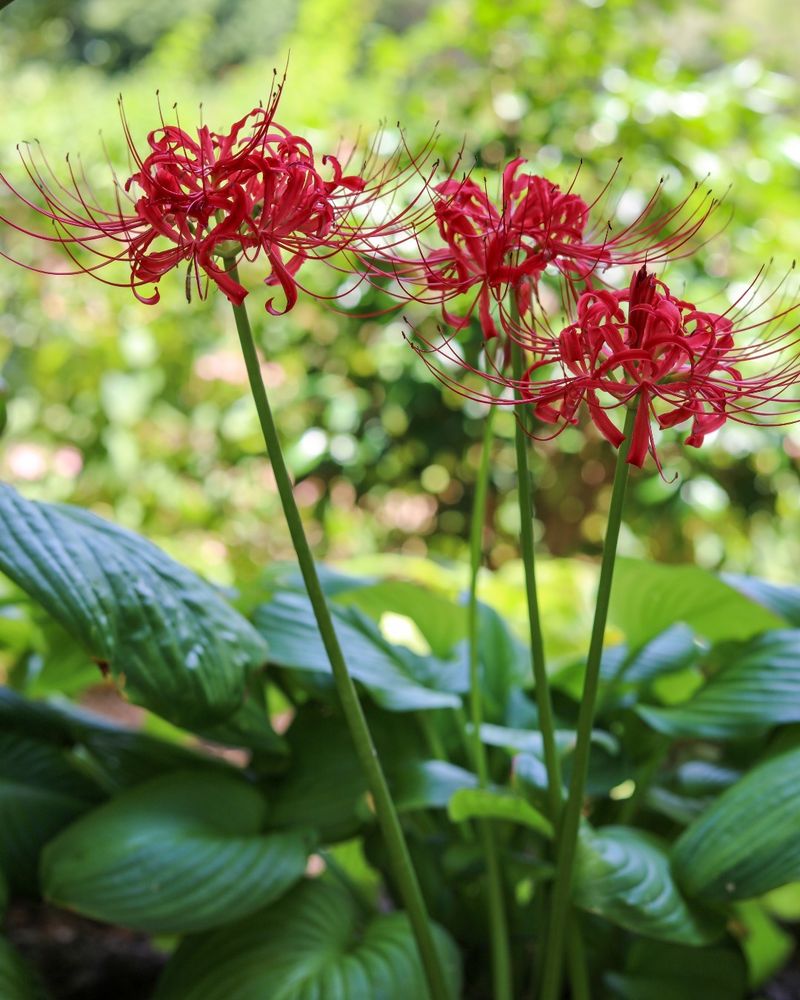
One day the bed is bare, and the next it is full of red blooms. That sudden show belongs to the red spider lily, known to botanists as Lycoris radiata.
Southern gardeners also call it the hurricane lily, since it often blooms during peak storm season.
Stems can push up several inches in just a few days after a good soaking rain. By the time you notice them, the buds are often already swelling at the top.
Each stem carries a ring of narrow petals with long, curving stamens that reach outward like spider legs.
Across Georgia, these bulbs have been passed along between neighbors and family for generations. You often spot them near old farmhouses, church yards, and rural roadsides where nobody seems to tend them.
Timing can shift a little from year to year, depending on rainfall and late summer temperatures.
If your yard came with a mystery patch that sprouts red flowers each fall, you probably inherited a clump. Mark the spot with a small stake so you do not dig into the bulbs by accident.
A plant marker saves a lot of heartache once the flowers fade and the ground looks empty again.
2. Its Strange Growing Cycle Explains The Surprise
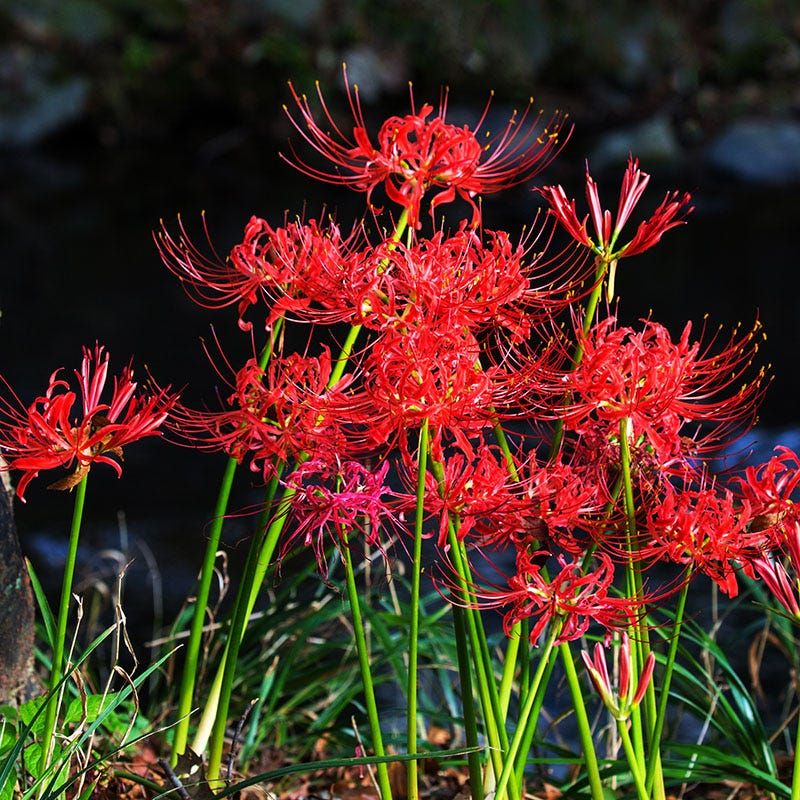
Backwards is the best word for how this plant grows. Most bulbs send up leaves first, then flowers, but spider lilies flip that order around.
Flowers arrive in early fall, and leaves follow once the blooms are spent.
Green foliage then stays through winter, soaking up sunlight while nearby trees stand bare. Around late spring, those leaves yellow and fade as the bulb heads into summer rest.
During the hottest months, nothing shows above ground at all.
Underground, though, the bulb is quietly storing energy and forming next year’s flower buds. Heat, followed by cooler nights and moisture, seems to help trigger the stems to rise.
That rhythm fits the South well, since the plant avoids the harshest summer stretch by staying dormant.
Gardeners in Georgia sometimes panic in June when the foliage turns brown and flops over. Relax, because that change is normal and signals the bulb is resting as expected.
Resist the urge to water heavily during summer dormancy, since soggy soil can encourage bulb rot.
Your Georgia Garden Changes Every Week. Your Plan Should Too.
Gardening in Georgia changes quickly throughout the season. Every Friday you’ll receive a simple weekly plan showing exactly what to plant, prune, fertilize, harvest, and protect so you never miss the right timing.
Knowing the cycle helps you plan companions, like summer annuals that fill the gap without crowding the bulbs.
Together, that unusual schedule gives spider lilies a natural way to share garden space with plants that peak in other seasons.
Once you expect the disappearing act, their sudden fall return feels less mysterious and much more exciting.
3. Fall Is When The Bare Stems Steal The Show
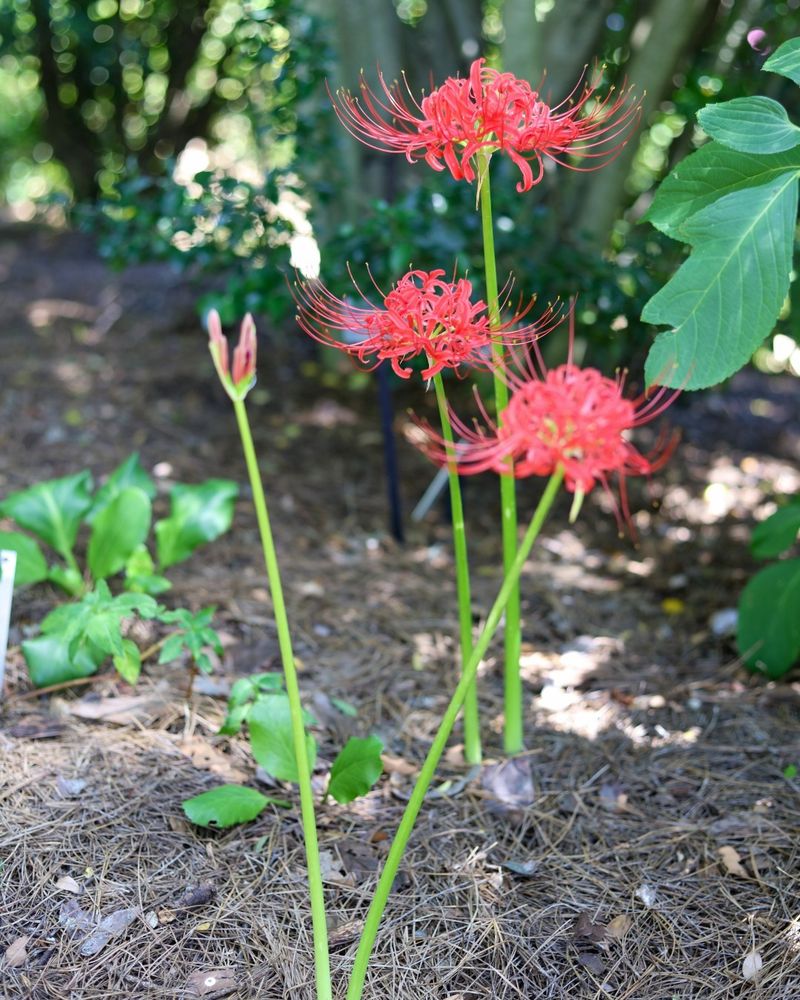
September belongs to these flowers. While summer annuals look tired, spider lilies arrive fresh and bold.
Bloom time in Georgia usually lands from mid September into early October, though weather can nudge that window.
A dry late summer may delay the stems until a decent rain soaks the ground. Once moisture arrives, the flower stalks often pop up quickly and open within about a week.
Each bloom cluster tends to last roughly one to two weeks, so enjoy it while you can.
Stems usually reach about 12 to 18 inches tall, which makes them easy to see from the street. Without leaves around them, the red color stands out even more against mulch or grass.
Pollinators notice too, and swallowtail butterflies often visit the open flowers on warm afternoons.
Want the best view? Plant them in groups along walkways or near a porch where you pass daily.
Cutting a few stems for a vase works nicely, and they often hold up for several days indoors.
One caution is worth sharing, since the bulbs are toxic if eaten by pets or people. Keep curious dogs from digging in the bed, and wash your hands after handling bulbs.
4. The Leaves Wait Until The Flowers Are Finished
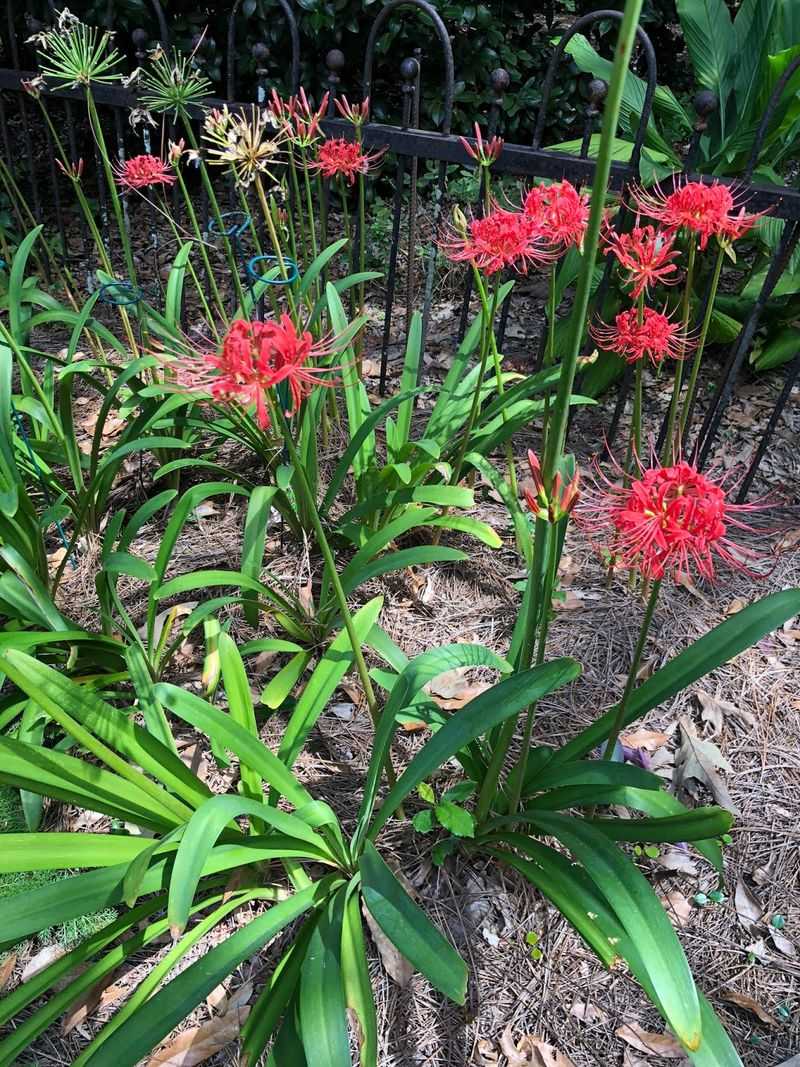
Once the red fades, a second act begins. Narrow, dark green leaves appear in a tidy clump, each marked with a pale silvery stripe down the center.
Foliage like that can look a bit like thick grass or liriope at first glance.
Leave it alone through winter and spring, even when it seems out of place. Those leaves are feeding the bulb and building strength for next year’s blooms.
Cutting foliage early is a common mistake that can mean fewer flowers the following fall.
Mild Georgia winters suit this timing, since the leaves can keep working on sunny days. A hard freeze may burn leaf tips, but established plants usually recover once weather warms.
If a cold snap is coming, a light layer of pine straw can offer a little protection.
Wait until the leaves turn yellow and flop over in late spring before tidying up. At that point, you can gently pull or trim them without harming the bulb.
Winter clumps also make handy markers, showing exactly where bulbs sit if you plan to divide them later.
5. Deciduous Trees Can Provide An Ideal Setting
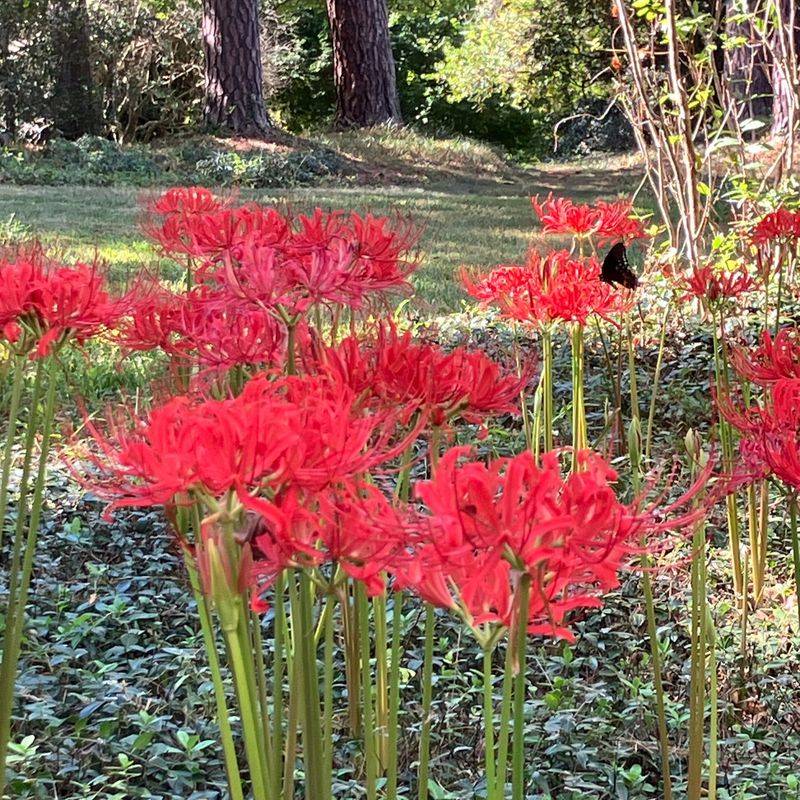
Shade in summer, sun in winter. That combo under oaks, maples, and pecans matches spider lilies surprisingly well.
Leafy canopies block harsh sun while bulbs rest, then open up when the foliage needs light.
Winter sunlight streams through bare branches right when spider lily leaves are actively growing. That extra light helps bulbs store energy for a strong bloom the next autumn.
You will often find old clumps thriving under hardwoods in yards across Georgia.
Soil under trees can be dry and full of roots, so a little preparation helps. Loosen a small pocket of soil and mix in compost before tucking in each bulb.
Avoid spots under dense evergreens like magnolias, since they block light all year.
Drainage matters just as much as light. Low areas where water pools after storms can lead to rot, so choose slightly higher ground.
Pairing the bulbs with ferns or hostas creates a pleasant layered look through the seasons.
As hosta leaves fade in fall, the red spider lily blooms rise up and fill the space nicely.
6. Planting Depth Can Make A Big Difference
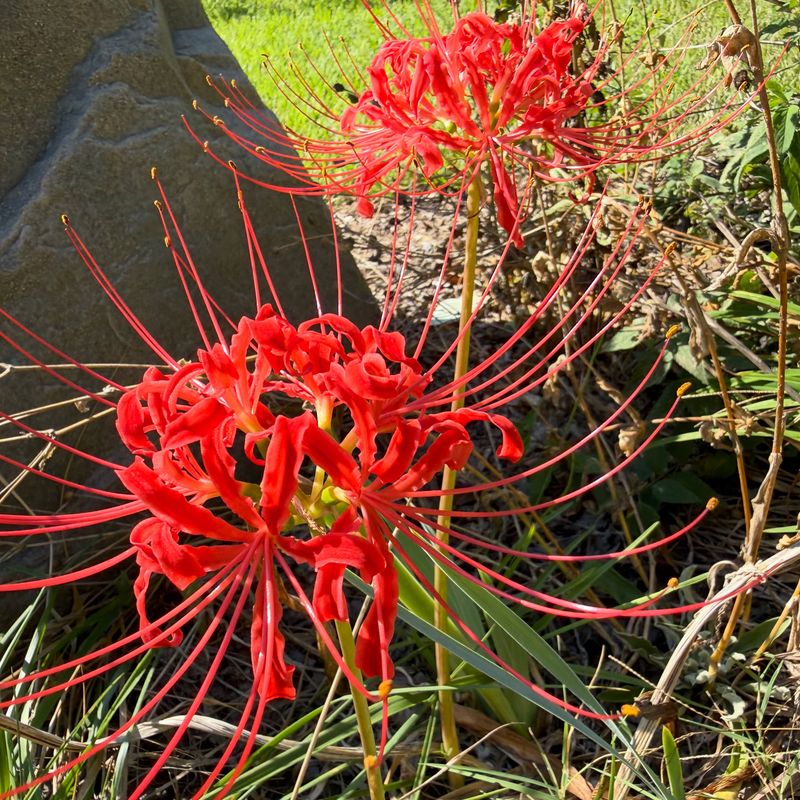
Bury them too deep, and you may wait a long time for flowers. Spider lily bulbs prefer a shallow spot, with the neck sitting near or just below the soil surface.
A good rule is to cover the bulb so its tip stays roughly level with the ground.
Heavy clay, common in much of Georgia, holds water that can rot bulbs set too low. Working in compost or pine bark fines helps loosen the soil and improve drainage.
Space bulbs about six to eight inches apart so each has room to multiply.
Late spring through summer is the usual planting window, while bulbs are dormant. Early fall planting can work too, although newly moved bulbs sometimes skip blooming their first season.
Patience pays off, because some bulbs need a year or two to settle in before flowering well.
After planting, water once to settle the soil, then let nature handle most of the work. Add a thin layer of mulch, keeping it light over the bulb tops.
If blooms stay scarce after a few years, check depth and shade before blaming the bulbs themselves.
7. Established Clumps Can Return For Years
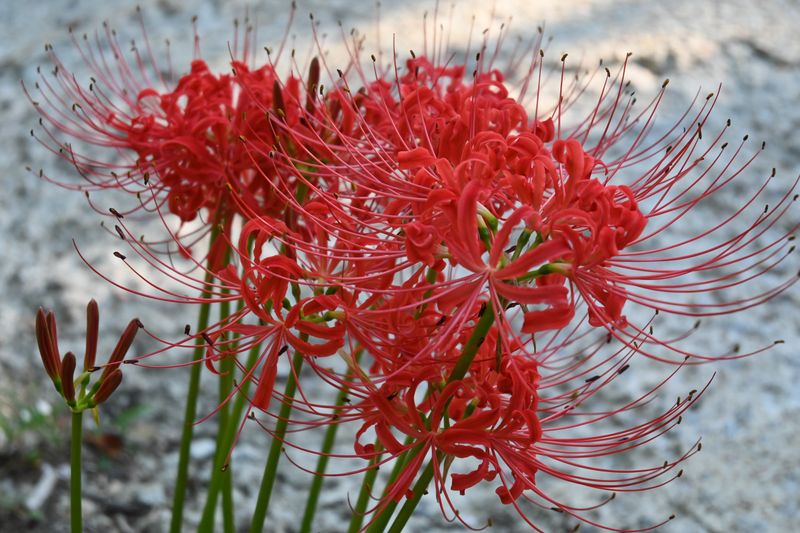
Some clumps outlast the houses they were planted beside. Old homesites across the Southeast still burst with red every fall, long after anyone tended them.
That staying power comes from bulbs that slowly multiply underground, forming bigger clumps over time.
Red spider lilies commonly grown in the South rarely produce seed, so they spread mostly by bulb offsets. That slow growth keeps them polite rather than weedy in most garden beds.
Crowded clumps may flower less, which is your cue to divide them.
Dig and separate bulbs in late spring or early summer, after the leaves yellow. Replant the divisions right away, or share extras with friends who admire your fall display.
Gardeners in Georgia have kept this pass-along tradition going for many decades.
Regular feeding is not required, though a light sprinkle of balanced fertilizer in fall can help. Too much nitrogen may push leaves at the expense of flowers.
Results vary with soil, light, and rainfall, so one yard may outshine another.
Still, with decent drainage and a little patience, a single handful of bulbs can grow into a September tradition. Few plants give back so much for so little fuss.