Why California Gardeners Should Rethink Fertilizing Perennials In Fall
Autopilot works wonders on airplanes. In the garden, it can lead you a little off course.
Every fall, plenty of California gardeners reach for the same bag out of pure habit. Same scoop. Same beds. Same routine they followed in spring.
The plants have worked hard all year, after all.
But would your perennials actually want that meal right now?
October brings quiet changes most people barely notice. Days grow shorter. Roots start to think about something other than growth.
Under the surface, a whole new plan takes shape.
That plan does not always match the calendar on your fridge. And a well-meant scoop can sometimes do more harm than good.
It may even send money straight down the storm drain.
The good news is that a smarter schedule saves time, cash, and plants. It starts with a few easy clues your garden already shows you.
Ready to switch off autopilot and take the controls? Keep the fertilizer bag closed for a minute. Your perennials have something to tell you.
1. Most Perennials Are Already Slowing Down
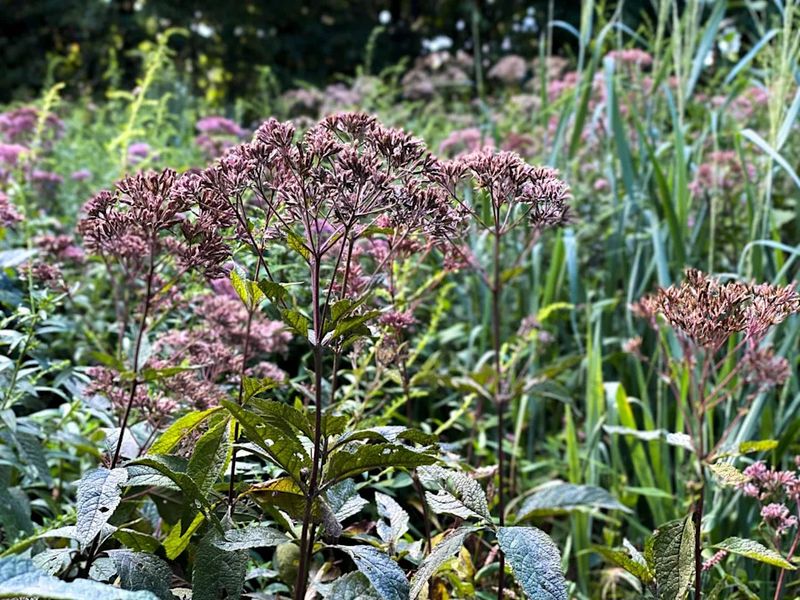
A runner who just crossed the finish line does not want a heavy meal and another mile. Your perennials sit in a similar spot every fall.
Through spring and early summer, most perennials push out new leaves, stems, and flowers as fast as they can. Autumn changes the message.
Shorter days and cooler nights send a clear signal to slow down. Plants shift their energy away from new growth and toward food storage in roots, crowns, and stems.
Fertilizer works best while plants actively grow. A plant easing into rest simply cannot use a big dose of nitrogen well.
It is a bit like water poured into a cup that is already full.
In many parts of California, this slowdown is easy to miss. Warm fall days in the valleys and along the coast can make it seem like summer never ended.
Still, day length continues to shrink, and plants notice even when the thermometer does not.
Now put on your plant-reader glasses, because the clues are right in front of you. Blooms fade. Seed heads form. Fewer new shoots appear.
Some leaves may yellow or drop. Those signs tell you the plant is shifting gears, so the fertilizer bag can stay on the shelf for now.
Your perennials are basically putting on pajamas. Nobody wants a triple espresso right before bed.
2. Fall Feeding Risks Tender New Growth
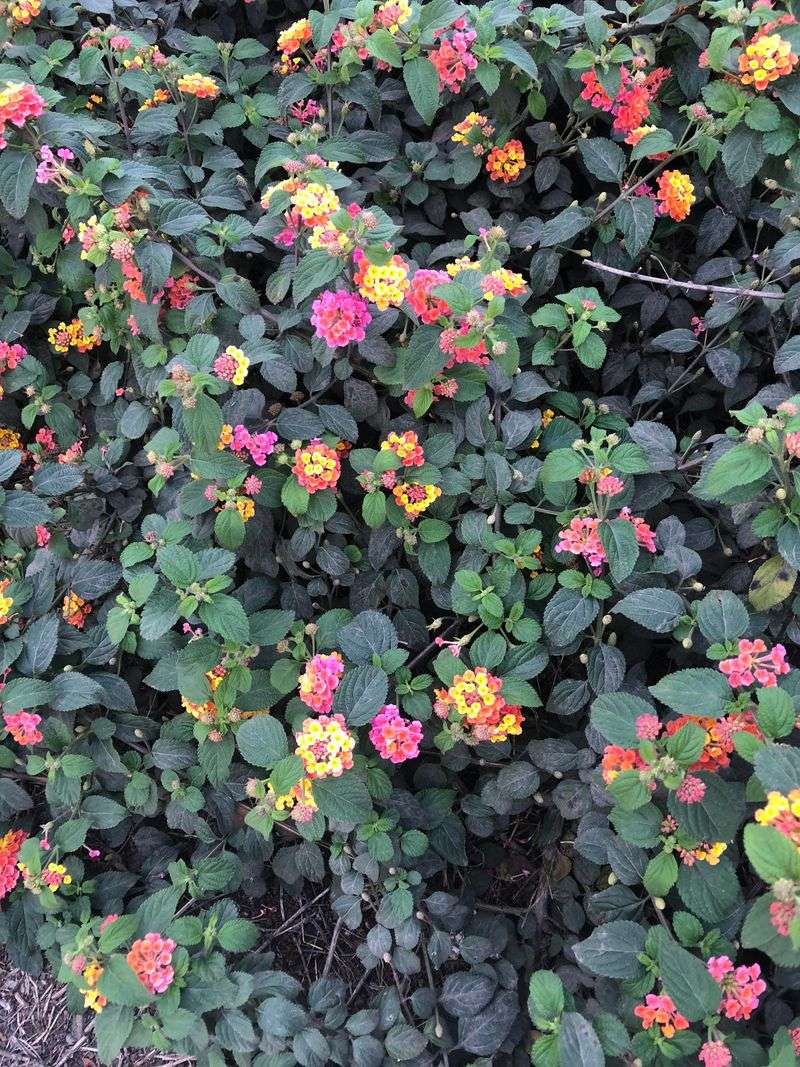
A gardener feeds a lantana in October and sees fresh green shoots a few weeks later. Then one chilly December night, those shoots turn black and mushy.
The culprit is the fertilizer itself. Fertilizer, especially the high-nitrogen kind, tells a plant to grow.
A plant that gets that message in fall may push out soft, leafy tips instead of a calm wind-down. That late flush has no time to harden off for cold weather.
Hardened stems have thicker cell walls and store more sugars. Those sugars work a little like antifreeze. Brand-new shoots have neither.
Your California Garden Changes Every Week. Your Plan Should Too.
Gardening in California changes quickly throughout the season. Every Friday you’ll receive a simple weekly plan showing exactly what to plant, prune, fertilize, harvest, and protect so you never miss the right timing.
Now for a reality check that catches plenty of Californians off guard. Surprise cold snaps show up more often than many people expect.
Inland valleys, foothills, and the high desert see them most. Even a light frost can damage tender new growth.
The damage does not always stop at the tips. Injured tissue can open the door to disease.
The plant then spends energy on repairs instead of rest. A harsh winter can leave a weakened perennial slow to return in spring.
Coastal gardeners get milder winters, so frost risk runs lower there. Even so, a fall dose still nudges plants toward growth when they would naturally rest.
Let them slow down on their own schedule. Your lantana would much rather wear a cozy sweater than a frosty little hat.
3. Nutrients Matter Most During Active Growth
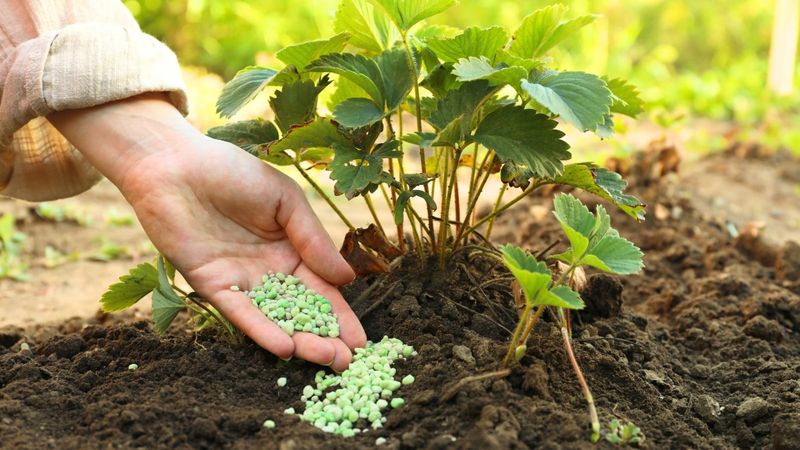
Show up late for a bus, and the moment has passed. Fertilizer works the same way.
Plants take in nutrients through their roots, mostly while they build leaves, stems, and flowers. In those active weeks, nitrogen, phosphorus, and potassium go straight to work.
Once growth slows, demand drops sharply. Extra nutrients then sit around with no real job.
Smart fertilizer plans follow periods of active growth, not a fixed calendar date. For many perennials in California, that means late winter to spring, as new shoots emerge.
Some summer bloomers may appreciate a light snack as they start strong growth, but not as they wind down.
This works like a packed lunch. It helps on a busy school day, not on the night you head to bed.
Plants approaching rest are heading into their sleepy stretch, so a big lunch does little good.
Now tune in to your plants, because they hand you every clue. Fresh leaves that unfold and buds that form point to a good window.
Flowers that fade and stems that go still signal a wait.
A plan that follows the plant instead of the calendar saves product and money. It also keeps your garden on a steady pace that builds stronger plants over time.
Your perennials set the dinner bell. You just need to listen for it, and maybe keep the snacks tucked away until then.
4. Excess Fertilizer Often Just Washes Away
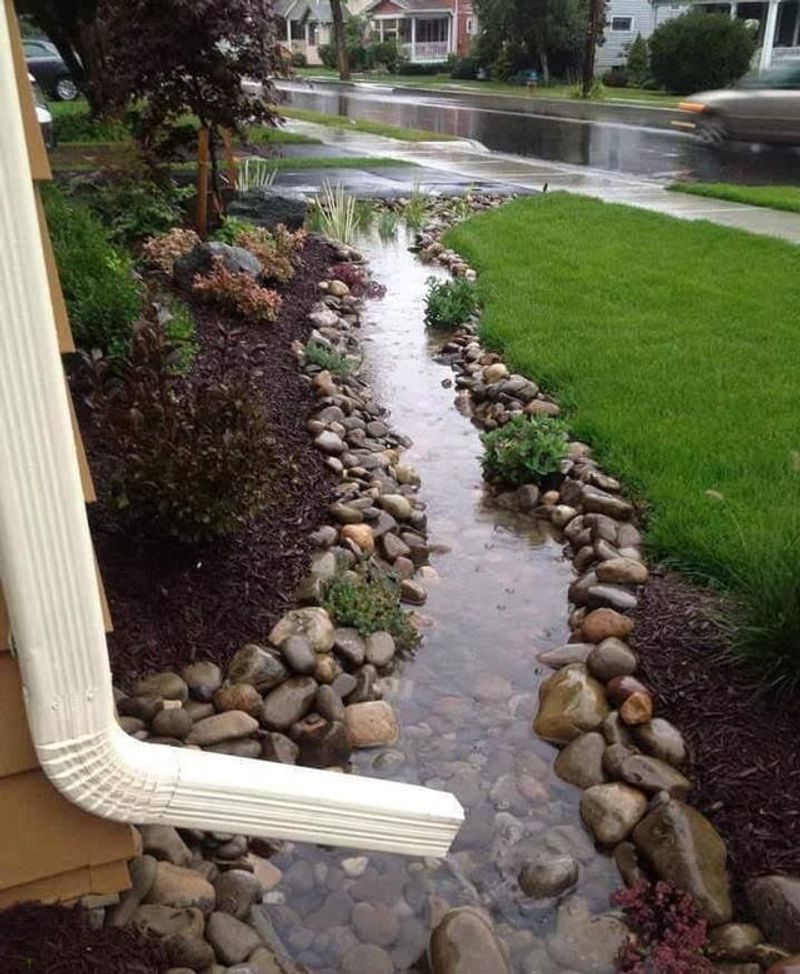
Most of California gets the bulk of its yearly rain between November and March. That schedule matters a lot for anyone who plans a fall fertilizer run.
A plant that is slowing down takes up far fewer nutrients. Nitrogen in particular dissolves easily and moves quickly through soil.
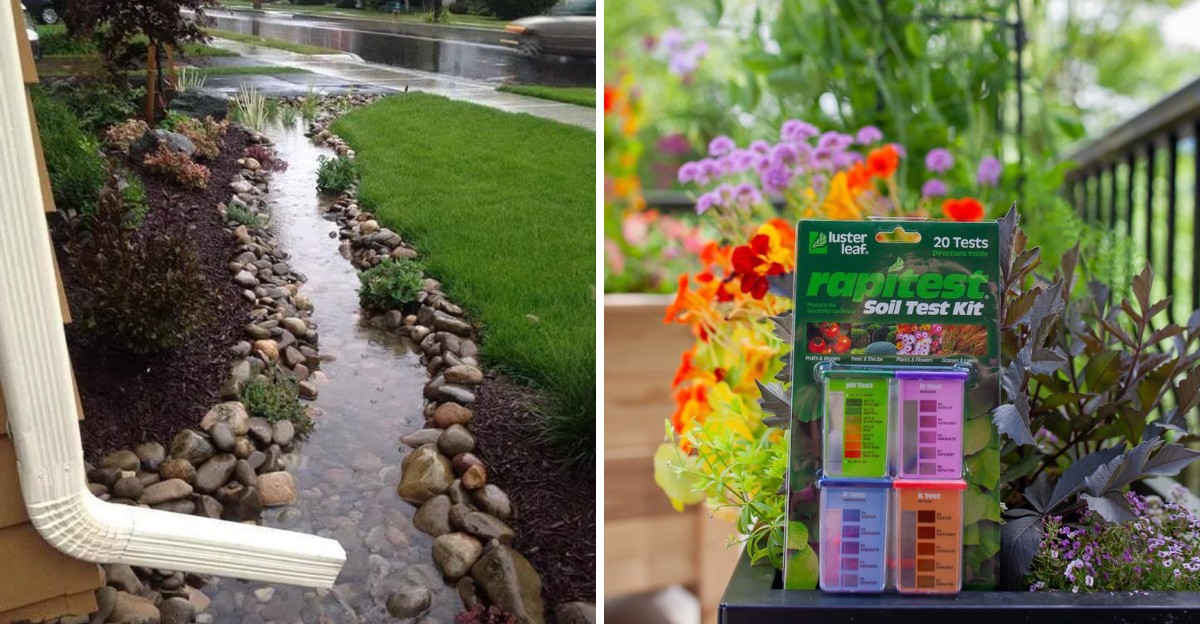
Winter storms can carry unused nitrogen deep below the root zone. Some of it can also wash away in runoff.
Nitrate in groundwater has worried experts for a long time. So has fertilizer runoff that flows into storm drains, creeks, and eventually the ocean.
In waterways, extra nutrients can feed algae blooms that harm fish and other wildlife. Your backyard may feel small, but thousands of yards together add up.
Now for the part your wallet cares about most. Every scoop that drains away is cash down the gutter.
You bought it to help your plants, yet a slowing perennial might barely touch it before rain carries it off.
Skip the fall dose for most perennials. Keep granules off sidewalks and driveways, and sweep up any spills.
Hold off entirely when a big storm sits in the forecast.
Mulch makes a friendlier fall choice. A layer of shredded bark or leaves protects roots, holds moisture, and breaks down slowly.
It feeds the soil gently without a rush of nutrients toward the nearest drain.
Your plants stay happy, the creek stays clean, and your fertilizer stays in the bag. Everybody wins, except maybe the algae.
5. Established Plants Need Less Than Assumed
One California gardener has a patch of lavender she has not fertilized in five years. It blooms like crazy every summer and hums with bees.
Plenty of people would be surprised. Her plants are simply doing what established perennials do best.
After a few seasons in the ground, perennial roots spread wide and deep. Those roots reach nutrients young plants cannot touch.
Healthy soil also releases a slow, steady food supply on its own. Mulch or compost that breaks down on top helps even more.
Many mature perennials and shrubs need little or no added fertilizer as long as they look healthy. Too much can actually cause trouble.
Plants that get too much food may grow floppy, leafy stems with fewer flowers. That soft growth also tends to attract aphids.
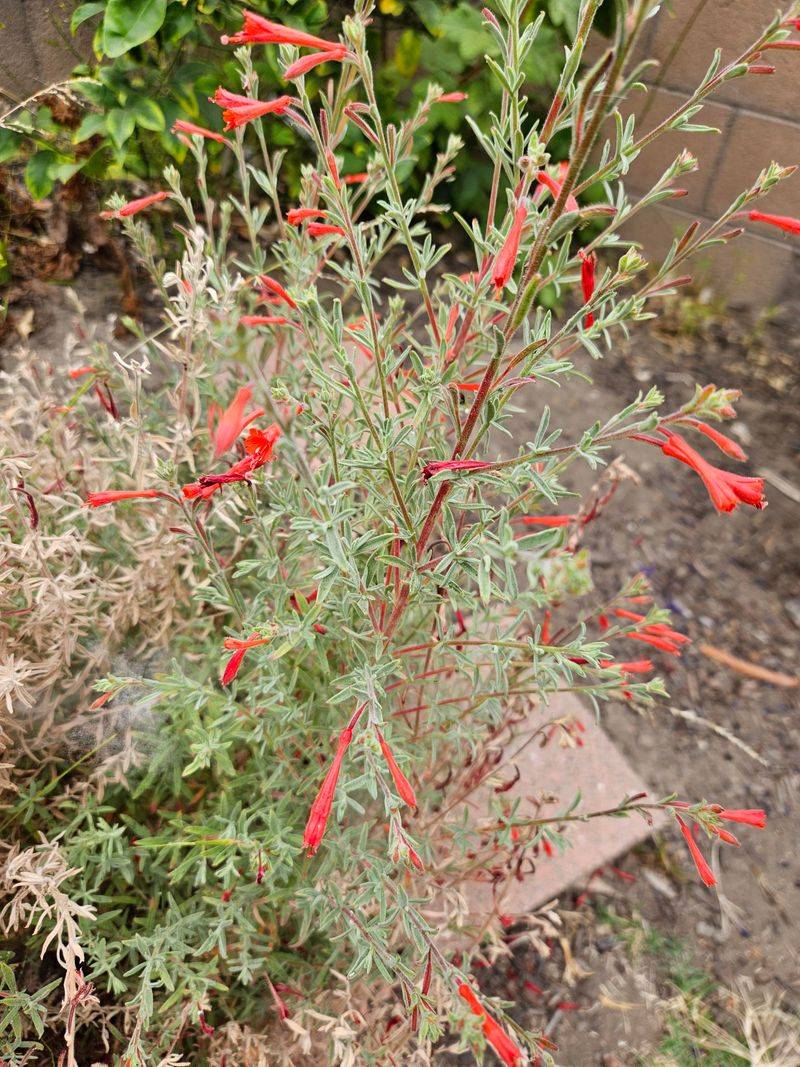
California native perennials make an even clearer case. California fuchsia, buckwheat, and many sages evolved in lean soils.
Rich meals can shorten their lives or make them sprawl in odd ways.
Now look for real warning signs, because the plant will speak up when it truly needs help. Pale leaves across the whole plant are one clue.
Weak spring growth is another. Fewer blooms than usual year after year may point to a problem too.
Even then, poor drainage or water troubles may be the actual culprit.
A happy plant deserves your trust. Sometimes the kindest move is to leave it alone, which also happens to be the easiest chore on the list.
6. A Soil Test Beats Routine Feeding
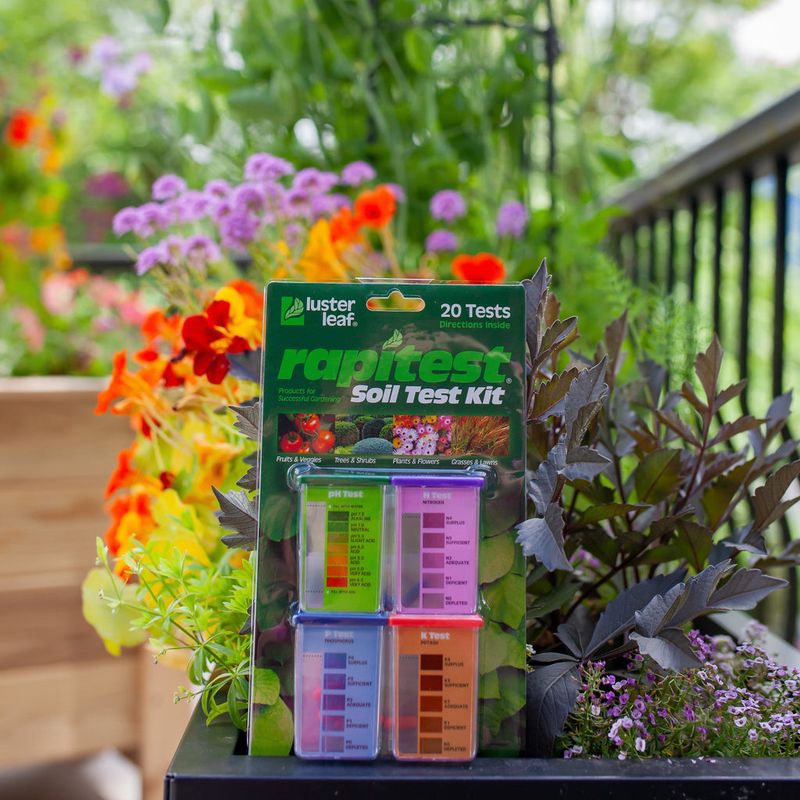
Guesswork makes board games fun. In the garden, it gets expensive.
A fixed fertilizer schedule is really just a guess about what your soil lacks. A soil test swaps that guess for actual facts.
A basic test measures things like pH, phosphorus, potassium, and sometimes organic matter. Many California soils already hold plenty of phosphorus and potassium.
Extra doses mean money spent on nutrients already in the ground. Too much phosphorus can also wash into creeks and cause problems there.
A test before any fertilizer beats a scoop out of routine. Local garden centers and nurseries can often point you toward reputable labs.
Options and prices vary by county, so check what is available near you.
Now for a fall perk that makes this task feel extra smart. Autumn is a great time to collect soil samples.
The garden is quieter, and you can plan ahead. Results arrive well before spring growth kicks off.
Dig several small scoops from different spots in the bed, about six inches deep. Mix them in a clean bucket.
Then send in the amount the lab requests. Skip samples right after fertilizer or compost goes down, since results may come out skewed.
Once the report arrives, feed only what is missing. Your plants get exactly what helps, and your wallet gets a break.
It is basically a report card for your soil. Hopefully, yours comes home with straight A’s.
7. Spring Is When Feeding Really Pays Off
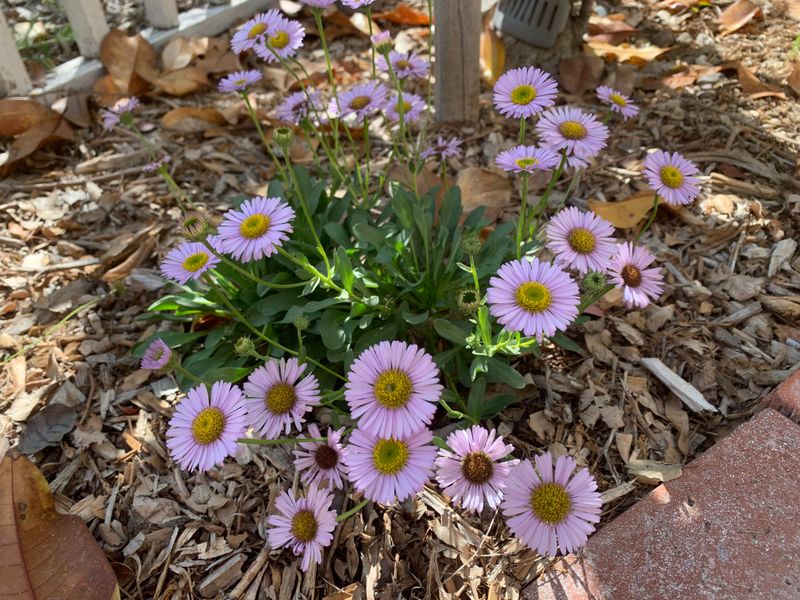
Late winter carries a special kind of excitement. Tiny green shoots poke up through the mulch. Buds swell on bare stems.
The whole garden seems to take a deep breath. That is the moment your fertilizer has been waiting for.
As days grow longer and soil warms, perennials wake up. They start to build new leaves, roots, and flower buds, and their demand for nutrients jumps.
Food applied now actually gets used. It fuels strong stems and healthy blooms instead of a trip down the storm drain with winter rain.
In much of California, that window falls somewhere between late February and April. Coastal and low desert gardens may wake earlier.
Mountain and foothill gardens often start later.
Go easy, though. A light layer of compost or a modest amount of slow-release fertilizer is usually plenty.
That goes double when a soil test showed few gaps. Water it in well and follow label directions closely.
Now for your fall to-do list, because the garden still appreciates some attention. Pull weeds and spread mulch. Take that soil sample.
Then set a spring reminder on your phone so the fertilizer goes out when it counts. A calendar note labeled “feed the perennials” feels oddly satisfying.
Your perennials will reward the patience with sturdier growth and brighter flowers. And that fertilizer bag in the garage finally gets a well-deserved winter nap too.