Why Crickets Are Swarming Into Texas Homes This October
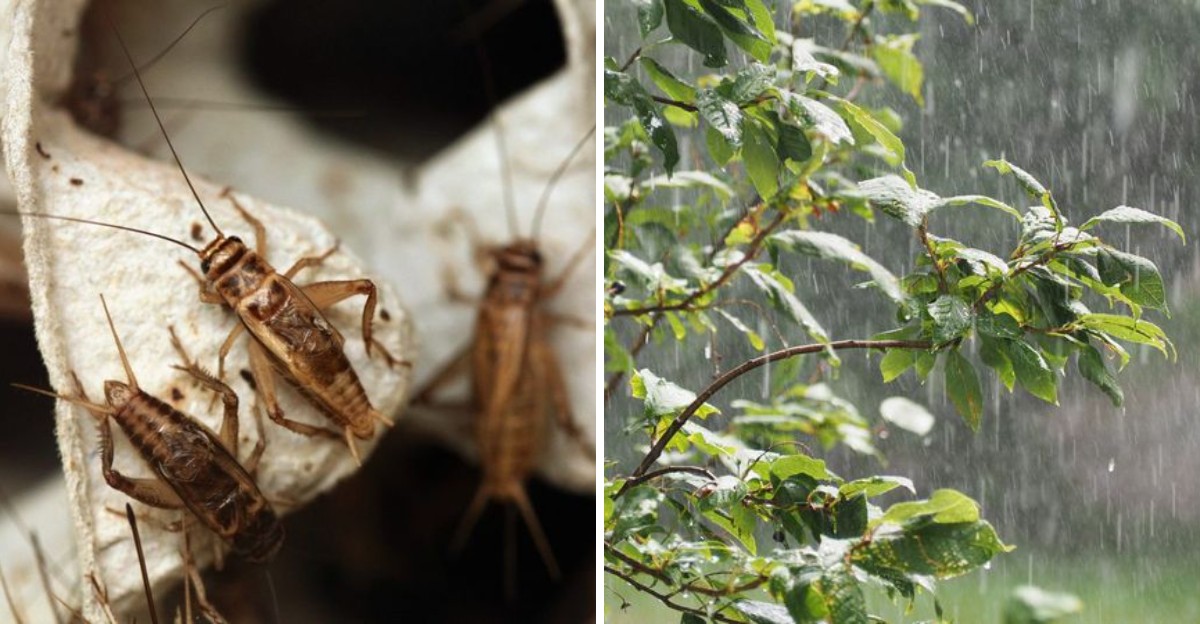
Every October, Texas homeowners notice the same thing. Crickets start showing up everywhere. Some nights, it seems like more are coming in than you can keep up with.
This isn’t bad luck, and it doesn’t mean your home is dirty. It’s a seasonal pattern that happens across the state each fall.
As temperatures drop, crickets start looking for warm, sheltered places to spend the cooler months. Your home offers exactly that.
Weather plays a big role, too. A wet summer can lead to a boom in cricket populations, which means more of them end up at your door.
Bright outdoor lights and small gaps around doors and windows only make things easier for them.
Here’s what’s behind the October cricket surge and the simple steps that can help keep them out.
1. Summer Eggs Hatch Into A Giant Fall Crowd
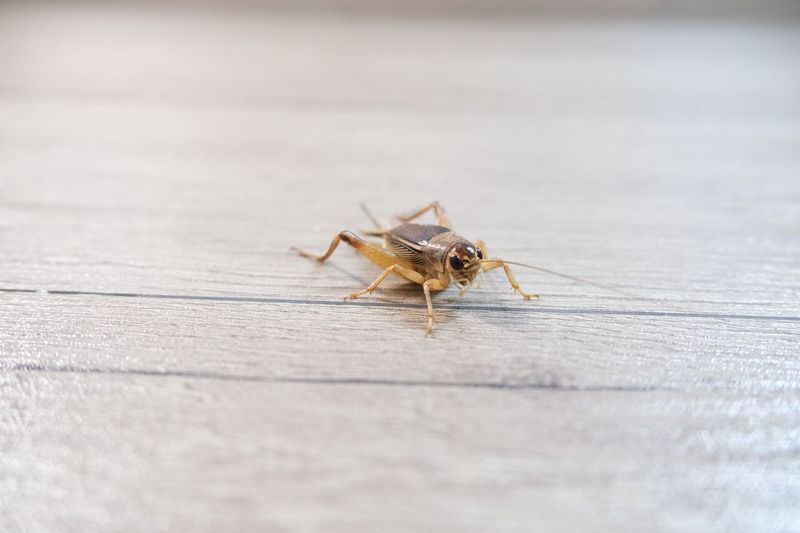
Every cricket you see in October started as a tiny egg in the dirt months ago. Female field crickets lay hundreds of eggs in the soil during late spring and summer. Once they hatch, the young crickets spend weeks eating and growing.
By early fall, those babies turn into adults all at about the same time. That means one day you see a few crickets, and the next day you see hundreds. It feels sudden, but it has been building all summer long.
Adult crickets have one main goal. They want to find a mate and lay eggs for next year. Male crickets rub their wings together to make that famous chirp, which calls females.
More adults means more chirping and more movement around your yard. Texas has a long warm season, so there is plenty of time for a huge group to grow.
In some years, a single field can produce thousands of crickets. When they all start moving at once, your home becomes part of their path.
Here is a fun fact. You can guess the temperature by counting cricket chirps. Count the chirps in 14 seconds and add 40. The number you get is close to the air temperature in Fahrenheit.
So what can you do? Mow tall grass and weeds near your house. Keep the soil close to your foundation from staying soggy, since moist dirt is a favorite egg spot.
Fewer eggs near your walls this year can mean fewer crickets knocking at your door next October.
Pulling back mulch a few inches from the foundation also helps. It removes cozy hiding places right next to your walls.
2. Bright Porch Lights Act Like Cricket Magnets
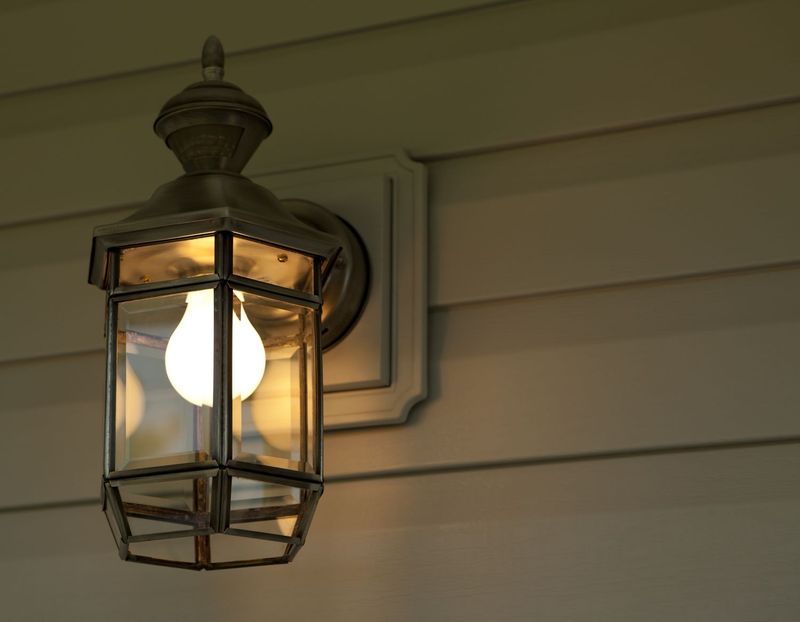
Ask any Texas gas station clerk about crickets, and you will hear a story about the lights. Stores with bright signs often find crickets piled up by the doors. Homes are no different.
Crickets are drawn to light at night, especially bright white and bluish light. They fly and hop toward it in large groups.
Once they reach your porch, they crawl along the walls looking for a dark crack to hide in before morning.
Your Texas Garden Changes Every Week. Your Plan Should Too.
Gardening in Texas changes quickly throughout the season. Every Friday you’ll receive a simple weekly plan showing exactly what to plant, prune, fertilize, harvest, and protect so you never miss the right timing.
That crack is often the gap under your front door. Or a tiny space around a window frame. Before you know it, a cricket is chirping behind your bookshelf.
Scientists think many night insects use light to help them move around. Artificial lights confuse them. Instead of passing by, they gather where the glow is strongest.
Your porch light may be the brightest spot for blocks. Luckily, this is one of the easiest problems to fix. Try these ideas.
Switch to yellow or warm amber bulbs, often sold as bug lights. Crickets are much less attracted to them.
Turn off outdoor lights when you do not need them. Use a motion sensor light so it only turns on when someone walks by.
You can also move lights away from doors. A light on a pole in the yard pulls bugs away from your entrance instead of toward it. Closing curtains at night also keeps indoor light from shining out.
Small changes like these can cut down your cricket crowd quickly. Many families notice a big drop in just a few nights after changing bulbs.
3. Cooler Nights Push Them Toward Warm Shelter
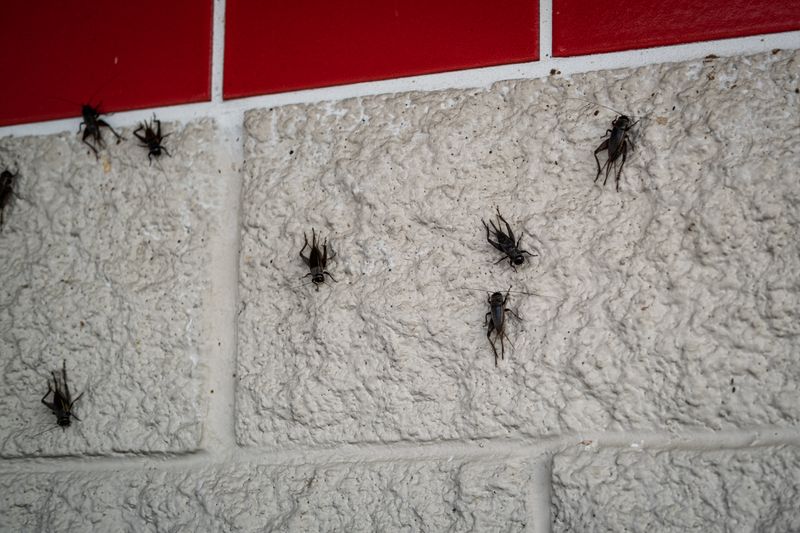
Think about how good a warm blanket feels on the first chilly night of fall. Crickets feel something similar. When Texas nights start to cool in October, they go searching for heat.
Crickets are cold-blooded. Their bodies match the temperature around them. When the air gets cooler, they slow down and have a harder time moving and eating. A warm spot helps them stay active.
Your house holds heat long after the sun goes down. Brick walls, concrete slabs, and garages stay warmer than open fields.
Crickets can sense that warmth and move toward it. Garages are one of their top hangouts for this reason.
In Texas, fall weather can bounce around. One day is hot, and the next night is cool. Each cold snap can send a new wave of crickets looking for cover.
That is why you may notice more of them after a front blows through. Want to stop them? Start with your garage. Keep the big door closed, especially in the evening.
Add a rubber seal along the bottom of the door if light shows under it. Clear out clutter like cardboard boxes, since crickets love to hide in them.
Inside, check spots near water heaters and furnaces. These warm corners can hide a few chirpers. A quick sweep or vacuum takes care of them.
Remember that most crickets cannot survive a whole winter indoors. They need moisture and food.
But sealing warm entry points means you will not have to deal with them in the first place, and that makes October nights much quieter.
4. Dry Weather Sends Them Hunting For Water
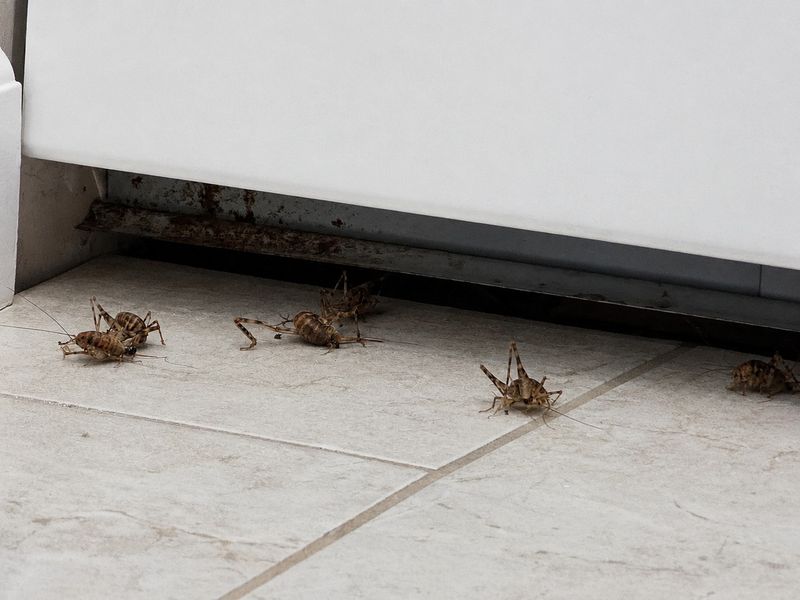
Texas summers can bake the ground until it cracks. By fall, many areas are still dry. For a thirsty cricket, a house with leaky pipes looks like an oasis.
Crickets need moisture to stay healthy. They get some from the plants they eat, but when plants dry out, they look elsewhere. Damp soil near sprinklers, dripping hoses, and air conditioner drain lines all draw them in.
Once they are near your home, getting inside is the next step. Bathrooms, kitchens, and laundry rooms are cricket favorites because these rooms often have extra moisture. You might find one hiding under the sink or behind the washer.
Here is something many people do not know. Some crickets, like camel crickets, love damp basements and crawl spaces even more than field crickets do. They have no wings and do not chirp, but they jump very high when startled.
To make your home less inviting, fix drips right away. Check outdoor faucets and hoses for leaks.
Make sure your AC drain line empties away from the foundation. Water your lawn early in the morning so the ground dries during the day.
Indoors, a dehumidifier can help in damp rooms. Wipe up spills and do not leave wet towels piled on the floor. Keep an eye on pet water bowls near doors too.
Gutters matter as well. Clogged gutters can spill water right next to your walls. Cleaning them keeps the soil drier.
When your house stops offering free drinks, crickets are more likely to keep moving. Dry spaces send a clear message that there is nothing for them here.
5. Tiny Cracks Give Them An Open Invitation
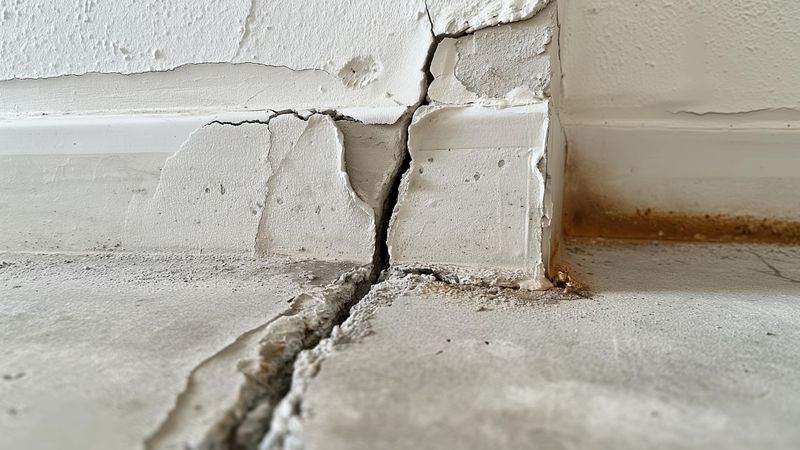
A cricket can squeeze through a gap about as thin as a coin. That surprises a lot of people. You might think your home is sealed tight, but crickets often find a way.
Common entry points include gaps under doors, cracks in the foundation, holes around pipes, and torn window screens.
Weep holes in brick walls and dryer vents are also sneaky spots. Older homes usually have more of these openings, but new homes can have them too.
Texas soil also moves a lot. Clay soil swells when wet and shrinks when dry. Over time, that shifting can crack foundations and pull caulk away from walls. New gaps can appear without you noticing.
So grab a flashlight and take a walk around your house one evening. Look for light shining through from the inside.
Anywhere light escapes, a cricket can get in. Then get to work with a few simple tools.
Install door sweeps on all outside doors. Use caulk to seal small cracks around windows and trim. Fill bigger gaps around pipes with expanding foam.
Patch or replace any ripped screens. Cover vents with fine mesh that still lets air flow.
Most of these fixes are cheap and quick. A tube of caulk costs just a few dollars. Door sweeps are easy to attach with a screwdriver.
Bonus tip: sealing gaps also keeps out spiders, ants, and roaches. It can even lower your energy bill by keeping cool or warm air inside. It is one of the smartest weekend projects a homeowner can do.
6. Easy Snacks Are Hiding Around Your Home
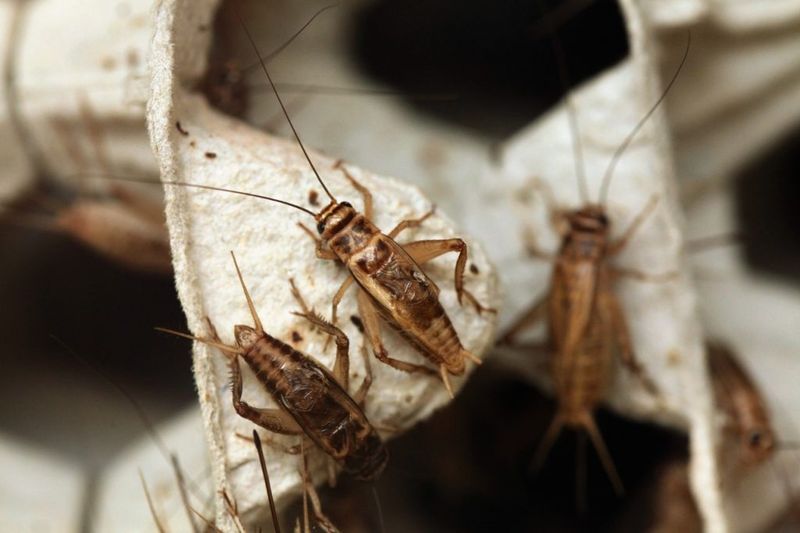
Crickets are not picky eaters. Honestly, they will munch on almost anything. Plants, seeds, bugs, paper, fabric, and even crumbs are all on the menu.
That is why a home can look like a buffet. Pet food left in bowls overnight is a big draw. Open bags of birdseed or dog food in the garage are even better for them. Crumbs under the kitchen table add to the feast.
Some crickets will even chew on clothes, rugs, and cardboard. They like fabrics that have sweat or food stains on them. People sometimes find small holes in clothing stored in the garage and have no idea crickets caused it.
Here is a quirky fact. In many countries, people eat crickets as a healthy snack. They are packed with protein.
But most Texans would rather keep them off the dinner table and out of the pantry.
Cutting off the food supply is simple. Store pet food and birdseed in sealed plastic or metal bins.
Pick up pet bowls at night or keep them away from doors. Sweep and vacuum often, especially in the kitchen and garage.
Keep laundry off the floor and put stored clothes in sealed containers. Toss old cardboard boxes, or replace them with plastic tubs with lids.
Outside, take a look at your trash cans. Make sure the lids close tightly. Move compost piles away from the house if you have one.
When crickets find nothing tasty inside, they have less reason to stay. A clean home is one of your best defenses against these hungry hoppers.
7. Rain And Yard Work Stir Them Up

Have you ever noticed crickets popping up right after a storm? That is no accident. Heavy rain floods their hiding spots in the soil and cracks, and they rush to higher, drier ground.
Fall storms are common in Texas. After a big rain, crickets leave soaked fields and head toward sidewalks, patios, and homes. Your house sits a little higher and stays dry inside, so it looks like a safe place to them.
Construction and yard work can stir them up too. When a nearby field gets cleared for new homes, the crickets living there need a new place to go.
Neighborhoods near fresh building projects often see more crickets in the fall. Even mowing or raking can send them scattering.
You cannot stop the rain, but you can plan for it. After a storm, check doorways and the garage for new visitors. Sweep up any crickets you find and toss them outside or in the trash.
Sticky traps work well in garages, laundry rooms, and closets. Place them along walls, since crickets like to crawl along edges.
They are safe to use around most homes and help you see where crickets are coming in.
A barrier of gravel or rock along your foundation can also help. Crickets prefer soft soil and mulch, so a dry, rocky strip makes your home less appealing.
If the problem gets out of hand, a local pest control expert can help. Most of the time, though, simple steps work. With a little planning, you can enjoy fall in Texas without a noisy cricket chorus inside.