The October Pest Every Texas Vegetable Gardener Should Watch For
October is when Texas vegetable gardens finally come back to life. The heat breaks, fall crops go in, and rows of broccoli, kale, and cabbage start filling out.
Unfortunately, one hungry pest has been waiting for this moment, too. It shows up quietly. A few ragged holes appear in the leaves. Then a few more.
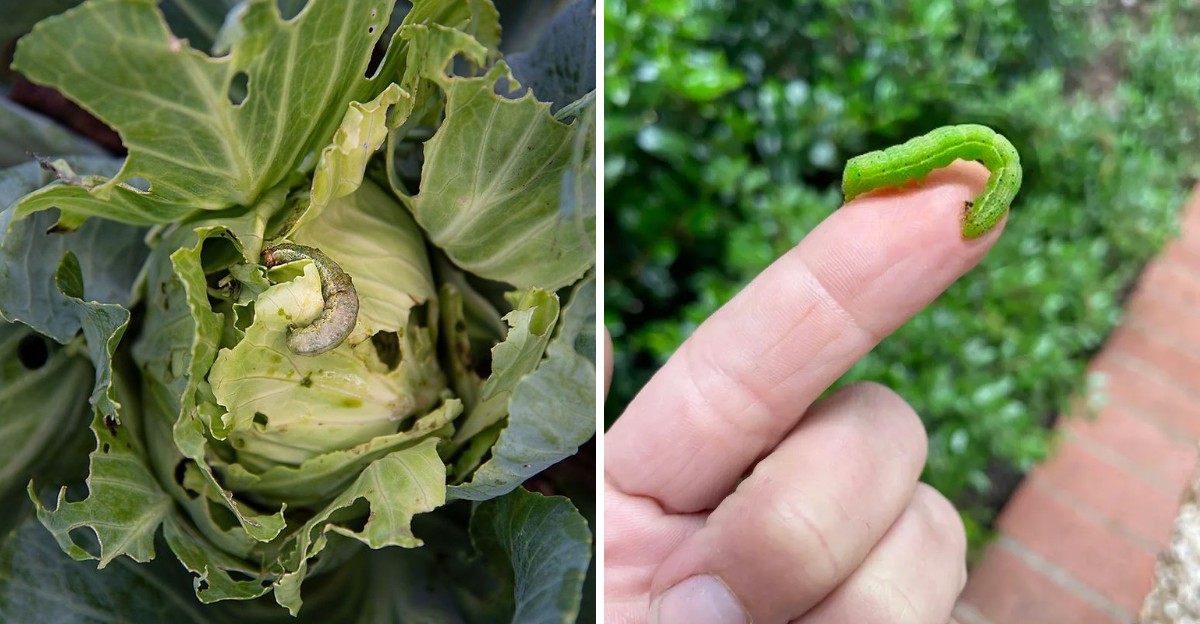
Within days, healthy greens can look like lace. The culprit is a small green caterpillar that blends in so well, you can stare right at it and still miss it.
It usually hides on the undersides of leaves, feeding day and night. Left alone, it can wreck a promising fall harvest in no time.
The good news is that it’s much easier to manage once you know the signs. A few minutes of checking each week can save your fall harvest, and this guide will show you exactly where to look.
1. This Pest Is A Fall Garden Threat
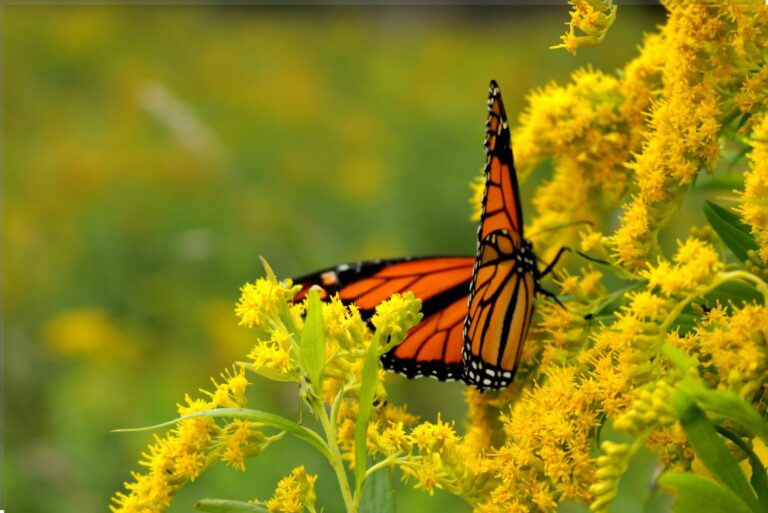
Every fall, a quiet visitor flutters into Texas gardens after dark. It is a plain grayish-brown moth that most people never notice. Its babies, however, are a whole different story.
The cabbage looper is the caterpillar of that moth. It ranks as one of the most common pests in fall vegetable gardens across Texas. From Houston to Lubbock, gardeners battle it year after year.
Why is October such a big month for loopers? The weather cools down, but it stays warm enough for moths to stay busy.
At the same time, gardeners are setting out fresh transplants. That timing gives the moths a buffet of soft, tasty leaves.
Young transplants suffer the most. They are still growing new roots and settling into the soil.
When a caterpillar eats their leaves, the plants lose the energy they need to grow strong. A small seedling can be stripped bare in just a few days.
Moths can lay hundreds of eggs during their short lives. Each egg can hatch in only a few days when the weather is mild. That means one moth can start a big problem fast.
Here is a fun fact. Cabbage looper moths are strong fliers. Some travel long distances with seasonal winds, which is one reason they show up in gardens so suddenly.
Knowing your enemy is the first step to winning. When you understand that loopers peak in fall, you can plan ahead. Keep an eye out for moths hovering near your plants at dusk.
Seeing them is a sign that eggs may soon follow. With a little attention, you can protect your Texas garden before real trouble begins.
2. How To Recognize It
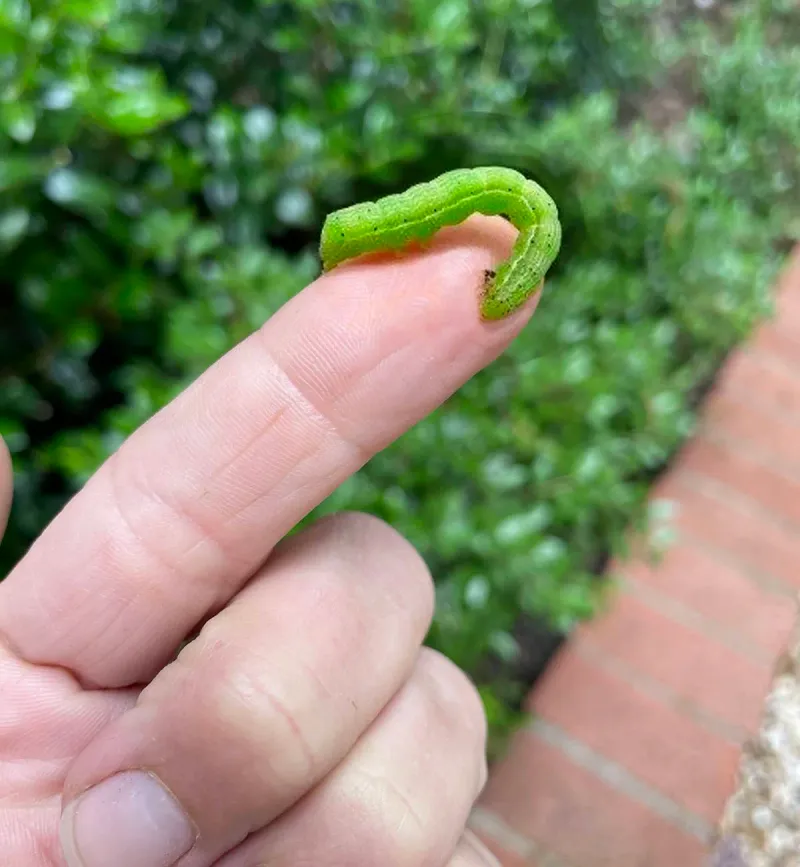
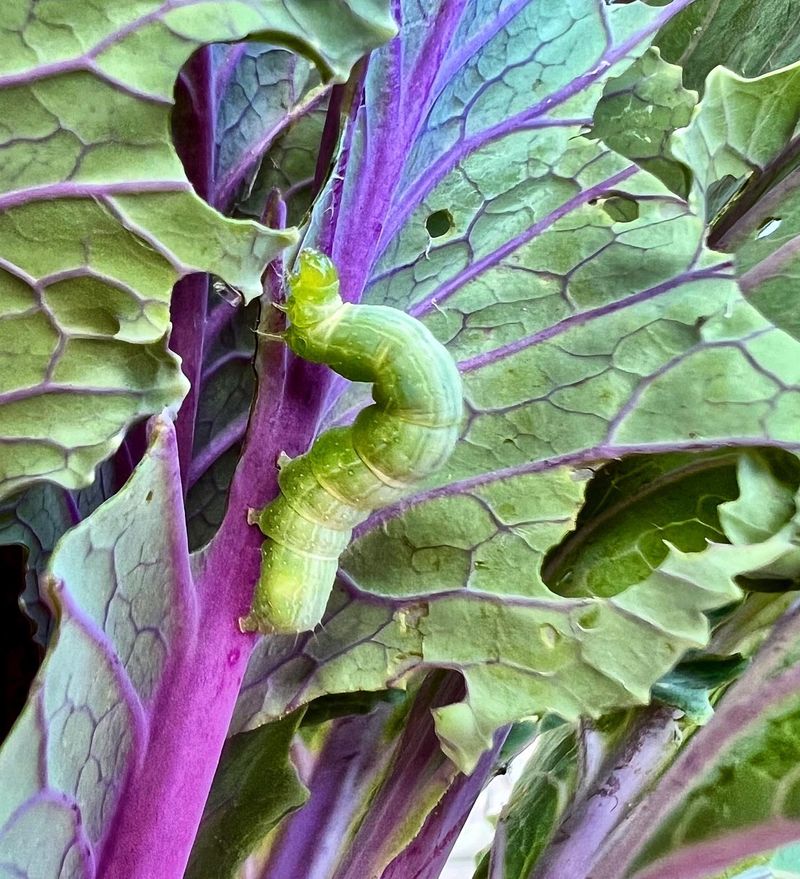
Watch one crawl, and you will never forget it. The cabbage looper moves like a tiny green slinky. It pulls its back end forward and arches the middle of its body into a loop.
That funny walk gives the caterpillar its name. Unlike many caterpillars, loopers have no legs in the middle of their bodies.
So they scoot along by bunching up and stretching out. Kids often call them inchworms, and that is a pretty close guess.
Your Texas Garden Changes Every Week. Your Plan Should Too.
Gardening in Texas changes quickly throughout the season. Every Friday you’ll receive a simple weekly plan showing exactly what to plant, prune, fertilize, harvest, and protect so you never miss the right timing.
Color is your next clue. Loopers are pale green, almost the same shade as the leaves they eat. Look closely, and you will see faint white stripes running along their sides. Their bodies are smooth, with no hair or spikes.
Size changes as they grow. Newly hatched caterpillars are tiny and easy to miss. Full-grown ones reach about one and a half inches long. At that size, they eat a lot more.
The eggs are worth learning too. They are tiny, round, and pale white or cream colored. Moths usually lay them one at a time on the undersides of leaves. They look a bit like small grains of salt.
Don’t confuse loopers with imported cabbageworms. Those caterpillars are a velvety, darker green and crawl in a straight line. Both eat the same crops, and luckily, the same controls work for both.
Here is a helpful tip. Check your plants in the morning when the light is soft. Turn leaves over gently and scan for green bodies or white eggs.
A small magnifying glass can make spotting easier. Once you have seen a few, your eyes will pick them out much faster.
3. The Crops It Targets
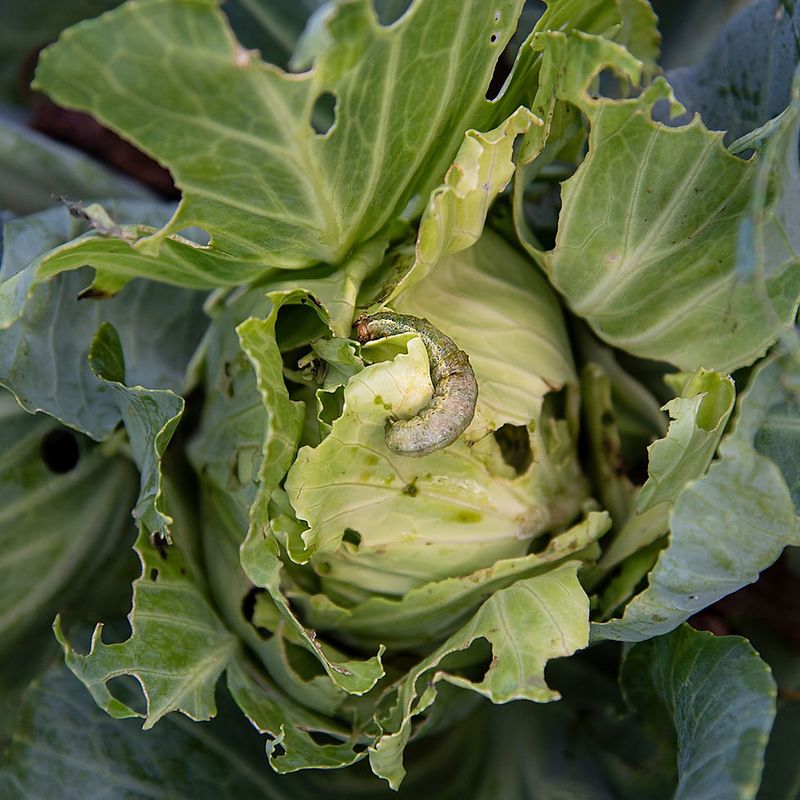
Broccoli, cabbage, kale, and collards. If those crops sound like your fall planting list, the looper sees a dinner menu. Sadly, these caterpillars have excellent taste in vegetables.
Loopers feed mostly on the cabbage family. Gardeners also call this group brassicas or cole crops. Along with broccoli and cabbage, the list includes cauliflower, Brussels sprouts, kohlrabi, turnips, and mustard greens.
Why do they love these plants so much? Brassicas contain natural compounds that help attract the moths.
The moths use smell to find the perfect place to lay eggs. Your healthy cabbage patch sends out a strong signal.
Leafy greens are on the menu too. Lettuce, spinach, and Swiss chard all get attacked in the fall garden. Soft, tender leaves are especially easy for young caterpillars to chew.
Loopers are not super picky. They sometimes nibble on tomatoes, beans, and even some flowers. Still, brassicas and greens are their top choices by far.
So what can you do with this information? Plan your garden with care. Try planting brassicas in one area so you can watch them closely. Grouping them makes checking leaves much faster.
Also consider timing. Transplants set out in late September or October face the most pressure. Stronger, older transplants hold up better than tiny seedlings. Buying healthy, sturdy plants gives you a head start.
Here is a quirky fact. Some Texas gardeners plant a few mustard greens as a trap crop. The loopers flock to the mustard first, making them easier to find and remove. It is a clever trick that can save your main crops.
4. Signs Of Damage
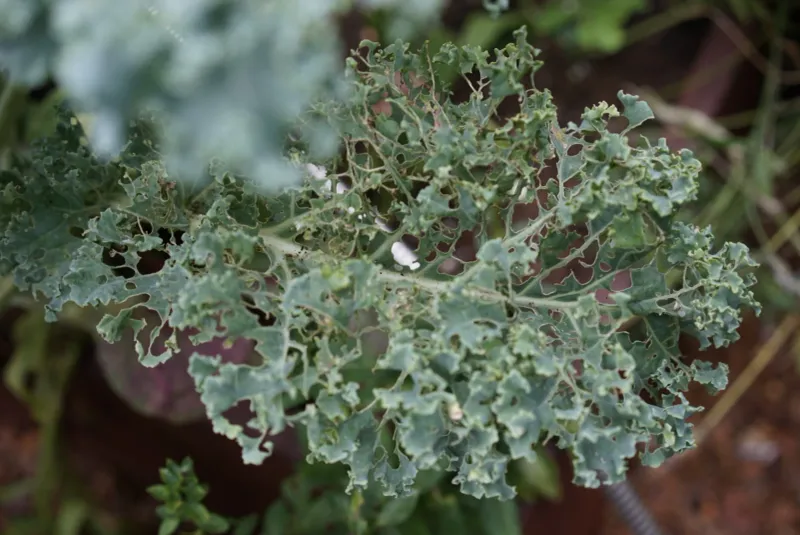
Last October, a neighbor proudly showed me her kale. By the next weekend, the leaves looked like lace. She had not seen a single caterpillar, but the damage told the whole story.
Ragged holes are usually the first clue. They show up in the middle of leaves, not just along the edges. Early on, the holes are small and scattered. As the caterpillars grow, the holes get bigger fast.
Always flip the leaves over. Loopers like to hide on the undersides where birds and people cannot easily see them.
Young caterpillars often scrape the leaf surface first, leaving thin, see-through patches. Those clear spots are like little windows.
Droppings are another giveaway. Gardeners call them frass. They look like small green or dark brown pellets. You may spot them on lower leaves or tucked inside plant centers.
Heavy infestations cause serious trouble. Young plants can be stripped down to bare stems and veins. On cabbage and broccoli, caterpillars may crawl deep into the heads. They leave droppings behind, which makes the harvest messy and unappealing.
What should you do when you find damage? Act quickly, but stay calm. A few holes will not ruin your harvest. Plants can handle some leaf loss and keep growing.
Here is a smart habit. Walk your garden every two or three days. Look for fresh holes, clear patches, and droppings.
Fresh damage has clean, green edges, while old damage looks dry and brown. Spotting new damage means caterpillars are still nearby, so it is time to search and take action.
5. How To Prevent An Infestation
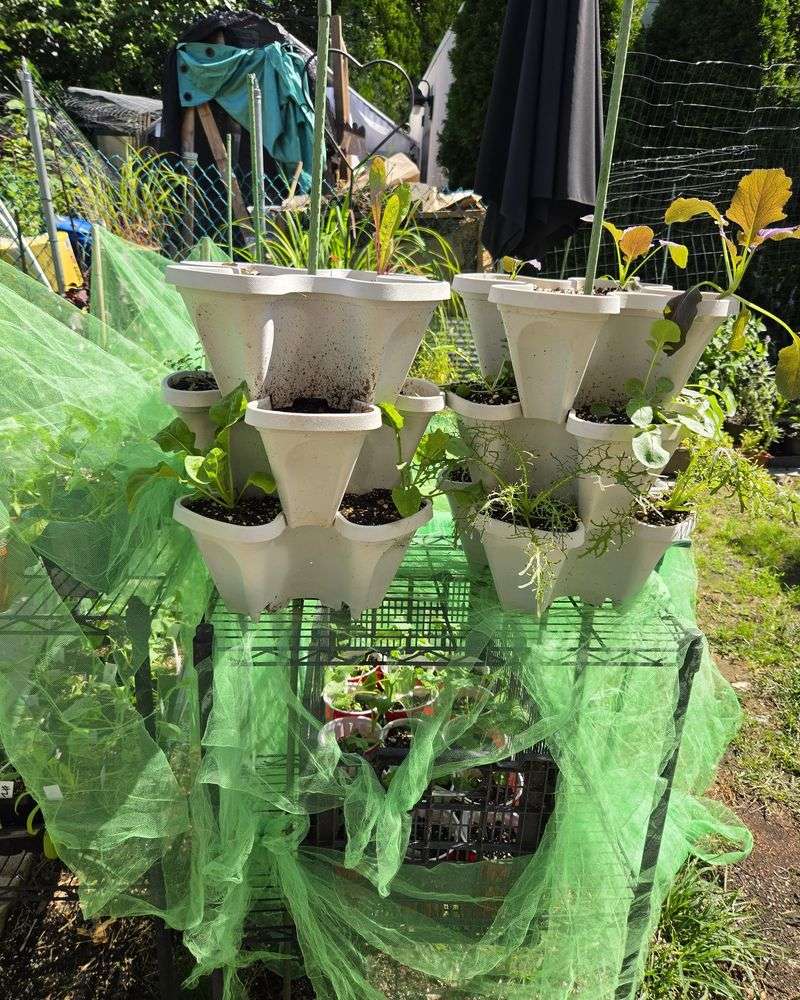
An ounce of prevention really is worth a pound of cure. With loopers, the best plan is stopping the moths before they ever lay eggs. Luckily, the tools for this are simple and cheap.
Lightweight row covers are your secret weapon. They are thin, white fabric sheets that let in sunlight, air, and water. Moths cannot get through them to reach your plants.
Put covers on right after you set out transplants. Drape the fabric over wire hoops or loosely over the plants.
Then secure the edges with soil, rocks, or garden pins. Any gaps can let a sneaky moth slip inside.
Cabbage-family crops do not need bees to make a harvest. That means you can leave covers on for most of the season. Just lift them now and then to check your plants and pull weeds.
Scouting is the other half of prevention. Every few days, turn over leaves and look for tiny, pale eggs. Also look for very small caterpillars. Catching them early keeps a little problem from becoming a big one.
A few extra habits help too. Keep weeds under control, since some weeds host loopers. Clean up old plant debris after harvest. Healthy, well-watered plants also bounce back faster from any nibbling.
Invite helpful friends into your garden. Flowers like sweet alyssum and dill attract tiny wasps and other good bugs. Many of them feed on looper eggs and caterpillars.
Did you know? Some tiny wasps lay their own eggs inside looper eggs. The looper never hatches. Nature has its own clever pest patrol.
6. Safe Ways To Control Them
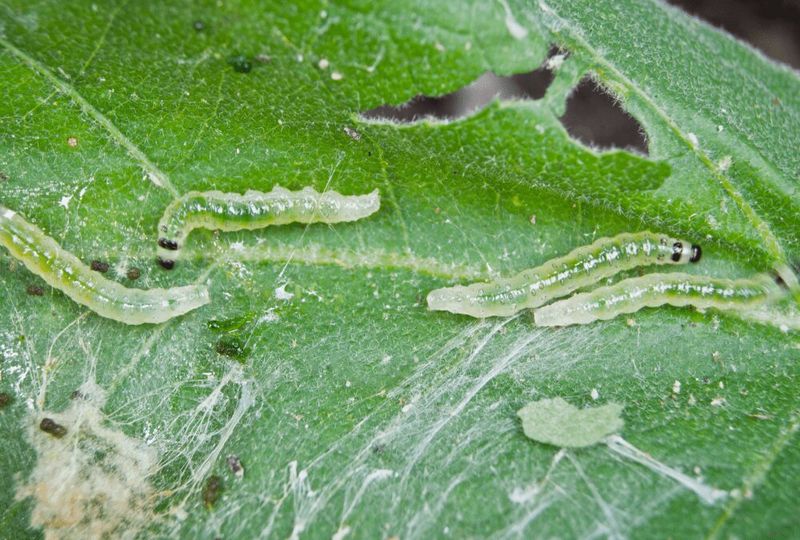
Sometimes, the simplest fix is right at your fingertips. For small infestations, handpicking works wonders. Just pluck the caterpillars off and drop them into a cup of soapy water.
Handpicking is safe, free, and oddly satisfying. Kids often enjoy the hunt too. Go out in the morning or evening when caterpillars are easier to find. Remember to check under leaves and inside plant centers.
Bigger problems call for a stronger tool. Bacillus thuringiensis, often called Bt, is a great choice. It is a natural bacteria found in soil. Caterpillars that eat treated leaves stop feeding within hours.
Bt only affects caterpillars. It does not harm people, pets, bees, or birds when used as directed. Spray it on both the tops and bottoms of leaves. Young caterpillars respond best, so treat early.
Sunlight breaks Bt down in a few days. Rain can wash it off too. You may need to spray again after storms or once a week during heavy pressure.
Spinosad is another useful option. It comes from a natural soil microbe. It works well on loopers and many other chewing pests. Spray it in the evening, when bees are less active.
Read every label carefully before spraying. Follow the directions for mixing and timing. Also note how long to wait before harvesting.
Here is the big takeaway. You do not need harsh chemicals to protect your fall garden. Combine handpicking, Bt, spinosad, and good prevention. With steady care, you will enjoy crisp broccoli and sweet cabbage all winter long.