The Simple Lukewarm Water Soak Every Virginia Houseplant Owner Should Do This Week
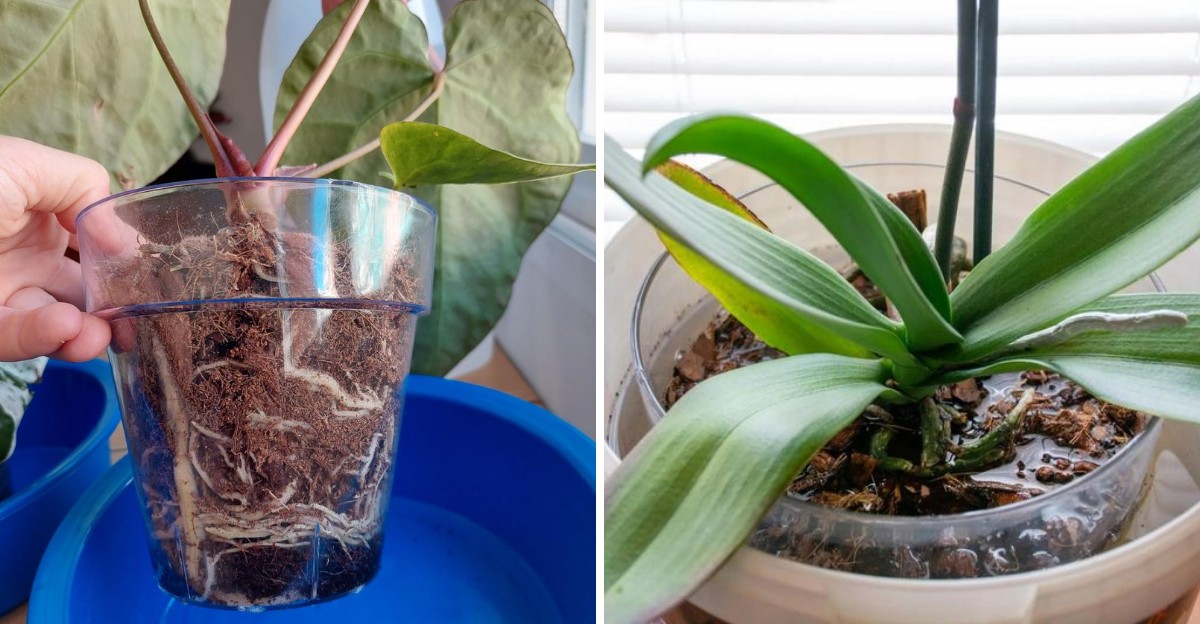
Your houseplant’s pot may be hiding a lot more than roots. After a summer on the porch, that soil can shelter ants, earwigs, slugs, and other tiny freeloaders waiting for a ride indoors.
Across Virginia, cooler nights mean it’s time to bring those plants back inside. Before they cross the threshold, a little prep can keep your living room from turning into a bug hotel.
A simple 15-minute soak in lukewarm water helps flush hidden pests out of the soil. It also rewets potting mix that has dried out so much it sheds water instead of absorbing it.
The method takes just a bucket, a timer, and a few minutes of your afternoon. Done right, it gives thirsty roots a deep, even drink before winter.
1. A Soak Flushes Hitchhiking Pests From The Soil
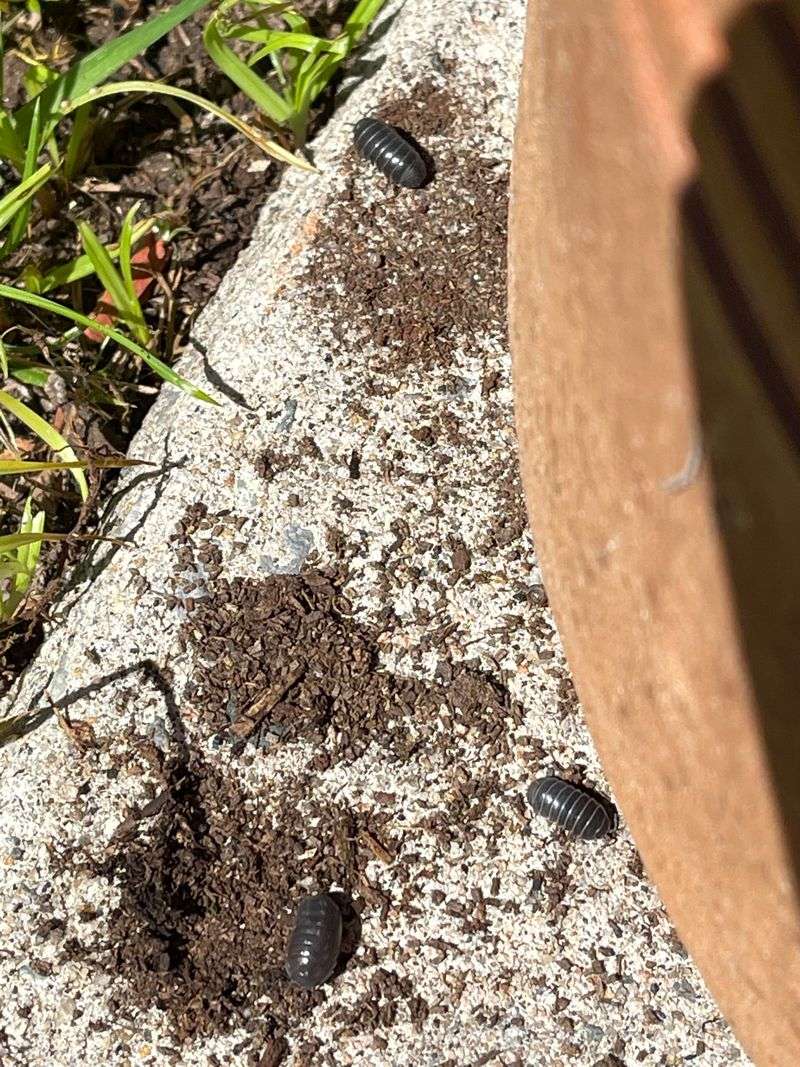
A pot brought inside can carry tiny guests beneath its leaves. Some insects shelter in potting mix while the plant enjoys summer outdoors.
Virginia gardeners often move houseplants inside when nights turn cool. Checking the soil first can spare you an indoor bug surprise.
Set the pot in a bucket of lukewarm water. Let the water rise over the soil line so hiding pests head for higher ground.
Water entering through drainage holes may push some soil creatures upward. Watch the surface and bucket for movement during the soak.
Lift visible insects out with a spoon or paper towel. Empty the used water outdoors, away from other potted plants.
A soak is a useful check, not a guaranteed pest cure. Eggs and insects tucked into leaves may remain afterward.
Fungus gnats need a different approach when they keep appearing. Let the top layer dry between waterings when your plant allows it.
Bottom watering can help keep that upper layer less inviting. Still, soggy soil below the surface can cause other problems.
Look around the pot rim and under its saucer, too. Small pests sometimes hide where a quick glance misses them.
If many insects appear, keep the plant away from neighbors. Identify the pest before choosing any additional treatment.
2. Lukewarm Water Avoids Shocking The Roots
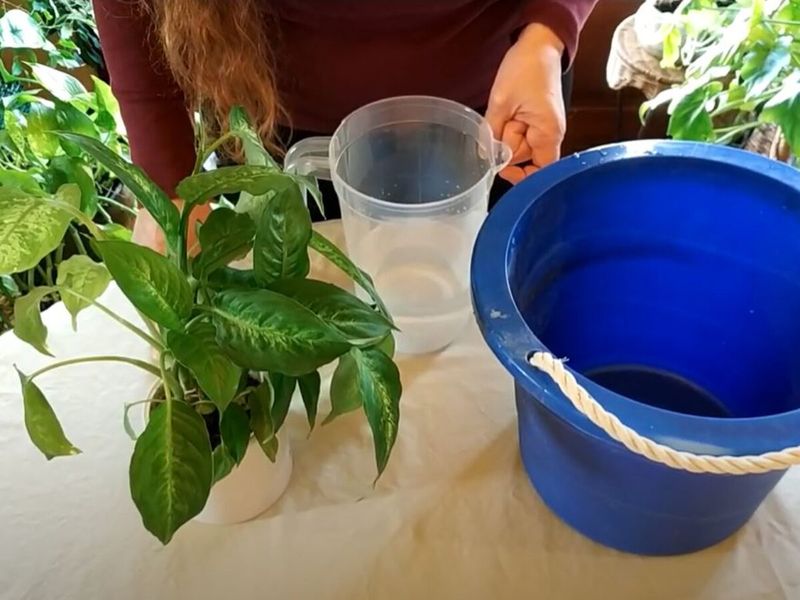
Cold tap water can feel startling even on a warm afternoon. Plant roots also do better without a sudden temperature change.
Fill your bucket with water that feels mildly warm to your hand. Aim for room temperature, not bathwater or chilly water.
On a brisk morning, outdoor buckets cool quickly. Fill one shortly before soaking rather than leaving it outside overnight.
Water that is too hot can stress delicate roots. Test it with your fingers before lowering any pot.
If your tap runs cold, let the water stand indoors. Give it enough time to reach a comfortable temperature.
Use clean water and a clean container for the job. Old bucket residue may introduce problems you were trying to avoid.
Some plants dislike sudden changes more than others. A steady, mild water temperature makes the soak less demanding.
Watch the leaves over the next day or two. Drooping can signal stress, though dry soil or poor drainage can also contribute.
Your Virginia Garden Changes Every Week. Your Plan Should Too.
Gardening in Virginia changes quickly throughout the season. Every Friday you’ll receive a simple weekly plan showing exactly what to plant, prune, fertilize, harvest, and protect so you never miss the right timing.
Temperature is only one part of careful watering. The pot still needs drainage holes so extra water can escape.
When the soak ends, let the container drip freely. A calm start and a dry saucer make a sensible pair.
3. Fifteen Minutes Is Long Enough To Drive Bugs Out
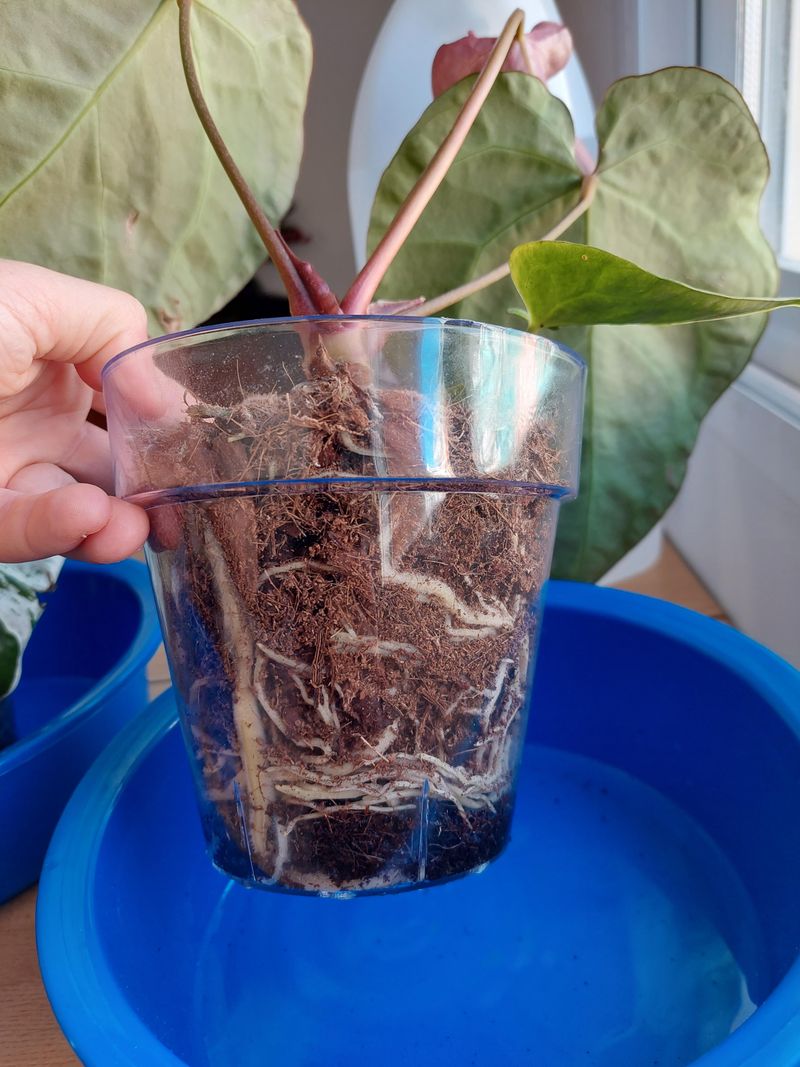
A timer makes this job easier than guessing. Start with about fifteen minutes for a typical small houseplant pot.
During that time, water can enter the drainage holes. Some hiding insects may move or float into view.
Check the pot after fifteen minutes instead of walking away. A small pot may drink enough water sooner.
Dry, larger pots sometimes need closer to twenty minutes. Look for moisture at the soil surface before extending the soak.
Do not leave plants submerged for hours to chase every bug. Extra time adds moisture without promising a better result.
If insects appear, skim them from the water. Keep your face near the pot only if you feel comfortable.
Set a phone reminder when several plants need attention. It is easy to lose track while cleaning leaves nearby.
In Virginia, the move indoors often happens during busy fall days. A short timer keeps this task manageable.
Remember that a soak cannot reach every pest. Look at stems and leaf undersides once the pot drains.
Record any insects you notice with a quick photo. Clear pictures can help you choose the right next step.
4. Dry, Shrunken Soil Gets Fully Rehydrated
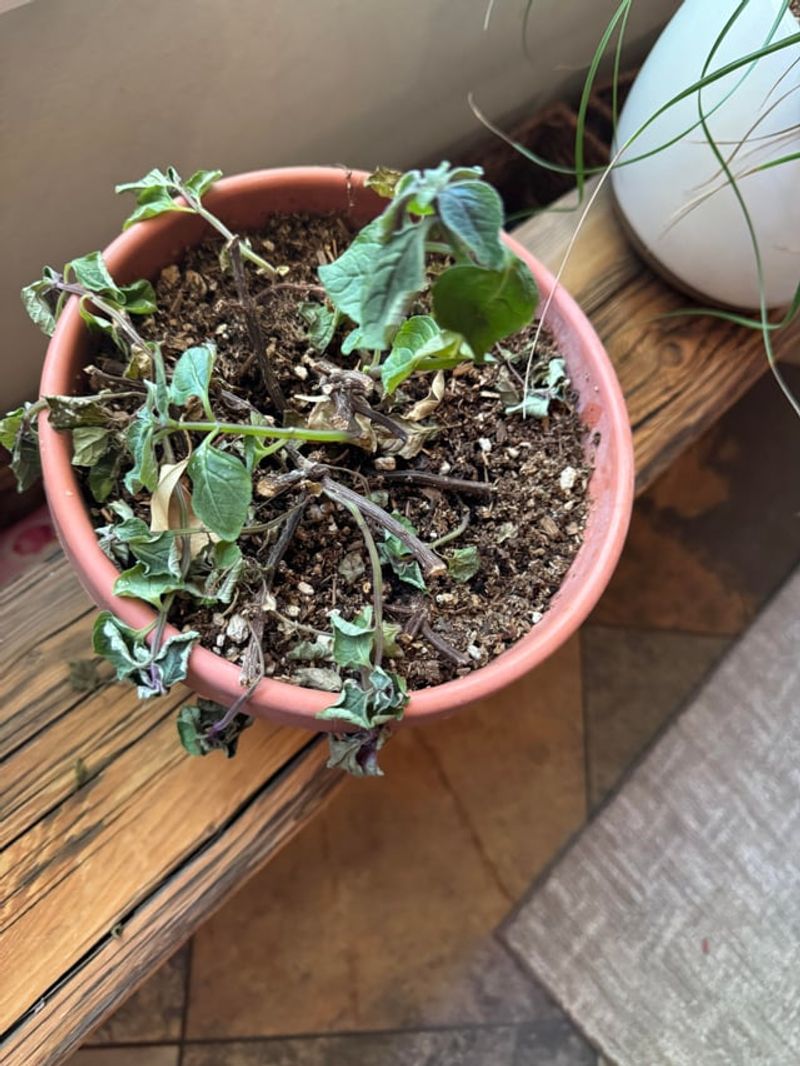
Ever poured water into a pot and watched it rush out? Very dry potting mix may shrink away from the container walls.
Water then slips through those gaps instead of reaching roots. A bottom soak gives the mix time to absorb moisture.
Place a pot with drainage holes in a basin. Add enough lukewarm water to cover its bottom openings.
Moisture moves upward through the soil’s tiny spaces. Gardeners call this movement capillary action, but the idea is simple.
Wait until the top feels slightly damp before lifting the pot. Depending on its size, check after fifteen minutes.
A very light pot can signal that soil is dry. Compare its weight after soaking to learn your plant’s clues.
Gently loosen only the surface if a hard crust remains. Avoid digging through roots to fix one dry patch.
Later, check moisture a finger’s depth below the surface. Water again when that depth suits your particular plant.
Bottom soaking helps with dryness, but it does not replace drainage. Let extra water leave the pot before setting it down.
If water still runs straight through next time, inspect the mix. Fresh potting soil may help a plant whose mix has become worn.
5. Choose A Bucket Deep Enough To Cover The Pot Rim
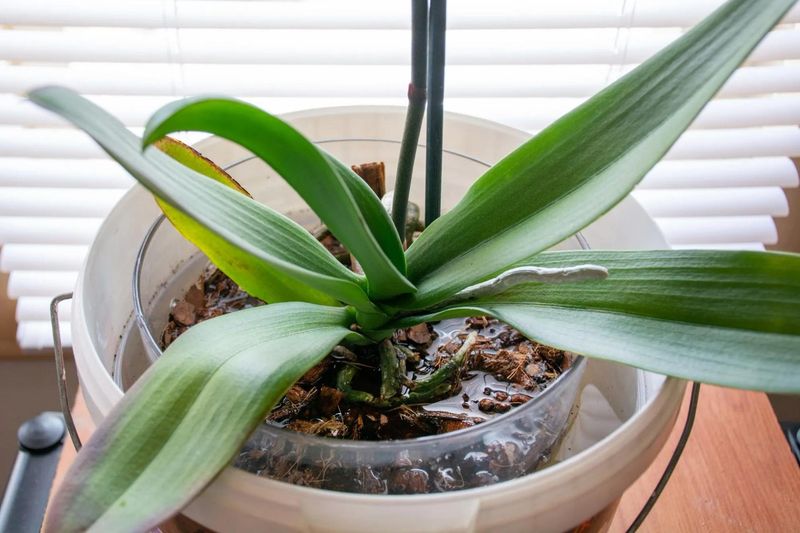
The bucket should fit the pot without squeezing its leaves. A stable container makes soaking cleaner and easier to control.
That heading means it: the water should cover the soil so pests can’t stay hidden. Choose a bucket deep enough to submerge the whole root ball.
Choose a basin deep enough to hold that water level. Leave the soil surface above water unless you have a specific reason to submerge it.
A flooded rim can wash loose soil into the bucket. It may also make the pot messy to lift.
Test the empty pot in the bucket before adding water. Make sure it sits upright and leaves room for your hands.
Heavy ceramic containers can be awkward when wet. Consider soaking an inner nursery pot instead, if your plant has one.
For several plants, use a clean tub between batches. Empty dirty water when insects or soil collect inside.
Keep water off electrical outlets and finished wood surfaces. A porch, sink, or waterproof tray offers an easier workspace.
Apartment gardeners can use a bathtub for larger pots. Protect the drain with a screen to catch stray soil.
When the pot feels heavier, lift it slowly. Hold it over the bucket until the first rush of water stops.
6. Drain Thoroughly Before Moving Plants Indoors
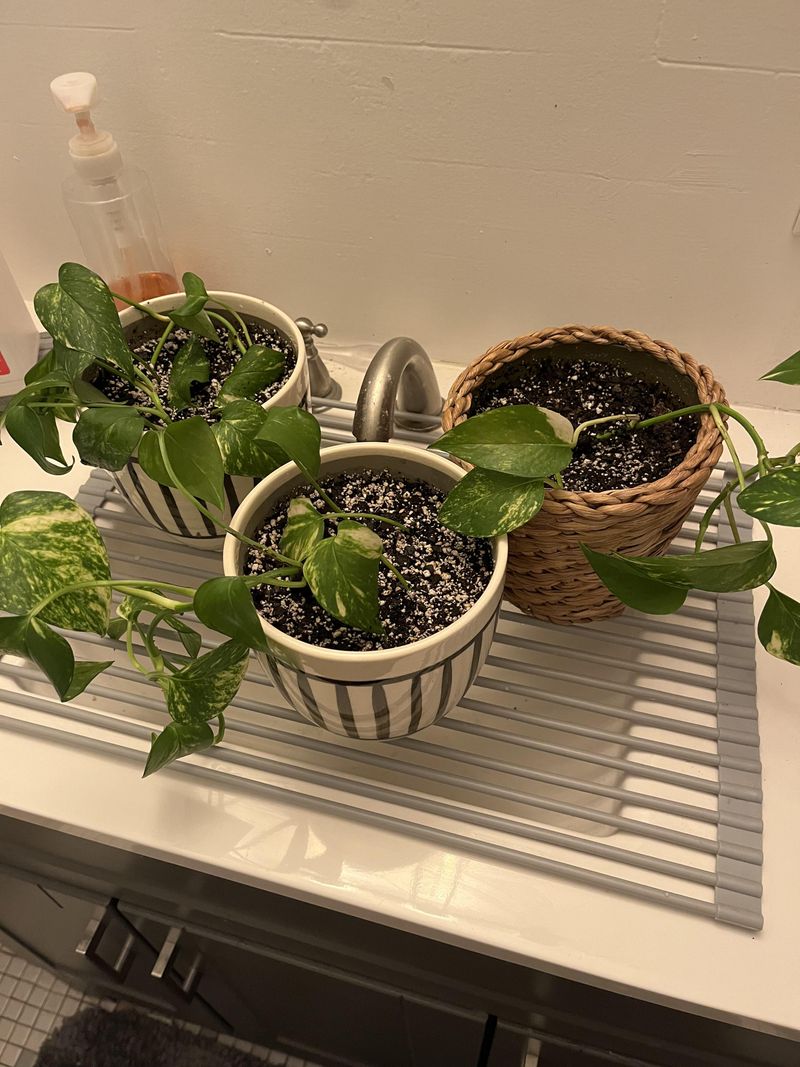
A soaked pot can drip longer than you expect. Give it a safe place to drain before carrying it indoors.
Set the plant on a rack above a tray. A sink or sheltered porch works well, too.
Wait until water stops running freely from the bottom. Then check again after the pot has rested briefly.
Empty the saucer before returning the plant to its spot. Standing water can leave roots wet for too long.
Wet soil weighs more, so carry large pots carefully. Use both hands and protect floors from surprise drips.
Do not pack a dripping pot inside a decorative container. Hidden water can collect where you cannot easily see it.
A simple towel beneath the work area catches splashes. Keep the towel away from the pot’s drainage holes.
In fall, cool evenings may speed your indoor move. Plan the soak early enough to allow drainage time.
If the pot remains unusually heavy for days, check its soil. Poor drainage or an oversized pot may need attention.
Once it drains, return the plant to suitable light. The soak is finished, but normal moisture checks should continue.
7. Rinse Leaves To Knock Off Mites And Aphids
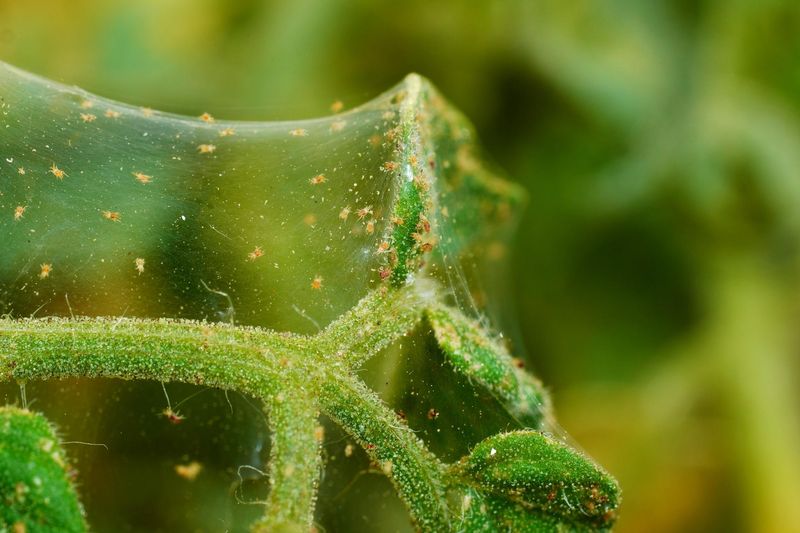
Soil is not the only place pests travel. Aphids and spider mites often settle on leaves and tender stems.
While the pot drains, take a closer look above it. A gentle rinse can dislodge many visible insects.
Use lukewarm water and a soft spray setting. Support delicate leaves with your hand as you work.
Aim beneath leaves, where pests often gather unnoticed. Rinse stems and joints without blasting the potting mix.
Small plants can lean sideways over a sink. Cover the soil with a hand or loose plastic wrap.
Wash the sink afterward so washed-off pests do not linger. Keep rinsing water away from nearby houseplants.
Fuzzy leaves may spot or hold water for too long. For those plants, follow care guidance before using a spray.
Spider mites can leave fine webbing and pale speckles. Aphids may cluster near fresh growth and leave sticky patches.
One rinse may not settle an ongoing pest problem. Check again in a few days and identify what remains.
If your Virginia porch plants look dusty, the rinse offers another benefit. Clean leaves make new changes easier to notice.
8. Inspect Leaf Undersides Afterward
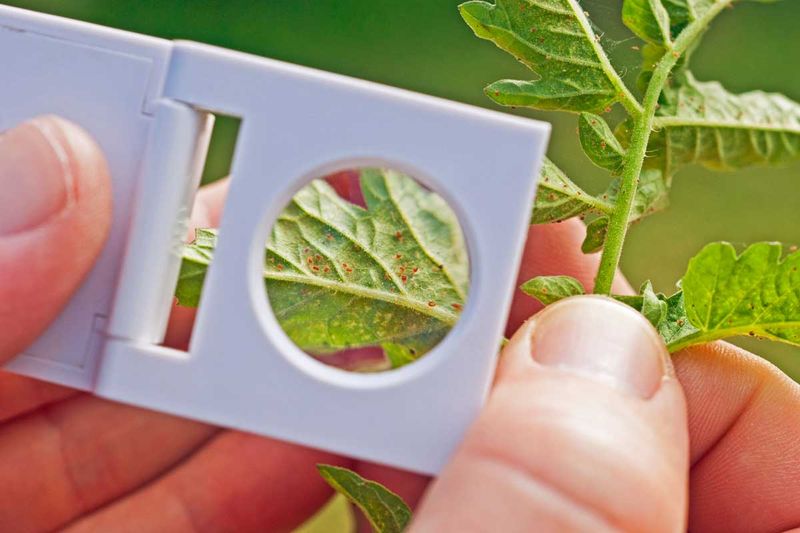
The underside of a leaf is a handy hiding place. It also deserves your attention after the pot has soaked.
Turn leaves gently rather than pulling at their stems. Look along the main vein and around new growth.
A phone flashlight can help you see tiny movement. A magnifying glass makes pale specks easier to sort out.
Watch for fine webbing, sticky spots, or small clusters. Those clues may point toward mites, aphids, or other pests.
Check both older leaves and fresh shoots. Insects may favor one area while another looks clear.
If you spot something, take a sharp photo. Good light helps when comparing it with trusted pest guides.
Remove a badly affected leaf only when appropriate for that plant. Cleaning and careful monitoring may be enough for minor finds.
Examine the pot rim and nearby surface, too. A pest check works best when it covers the whole plant.
Mark your calendar for another look next week. Eggs or missed insects can become easier to spot later.
Finding one bug does not mean your plant is beyond help. A calm inspection gives you useful information before you act.
9. Skip The Soak For Succulents And Cacti
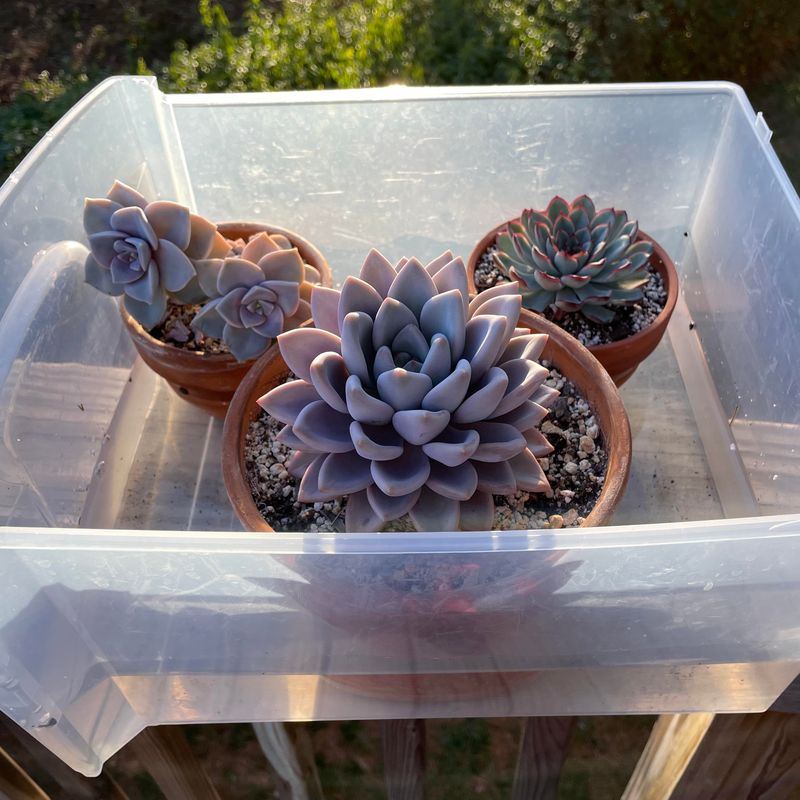
A cactus beside your bucket may look ready for a bath. Pause before treating it like a leafy tropical plant.
Many succulents and cacti prefer their potting mix to dry between waterings. An unneeded soak can keep roots too wet.
Check the soil several inches down before adding water. A wooden stick can help you judge hidden moisture.
If the mix is still damp, skip watering for now. Inspect the plant for pests without soaking its pot.
Some succulents do need a thorough drink when truly dry. Watering needs depend on the plant, season, and potting mix.
Choose a pot with drainage holes and a suitable gritty mix. Those details help excess water leave more quickly.
If a dry succulent needs water, follow its care needs. Water thoroughly, then let the pot drain without leaving a full saucer.
Avoid wetting fuzzy or powdery leaves just to rinse them. A soft brush can help remove loose dust.
Virginia homes may have slower indoor growth during shorter winter days. That often means checking soil carefully before watering again.
Keeping these plants out of the group soak is sensible. Their needs deserve a separate, more careful decision.
10. Keep Returning Plants Apart For A Couple Of Weeks
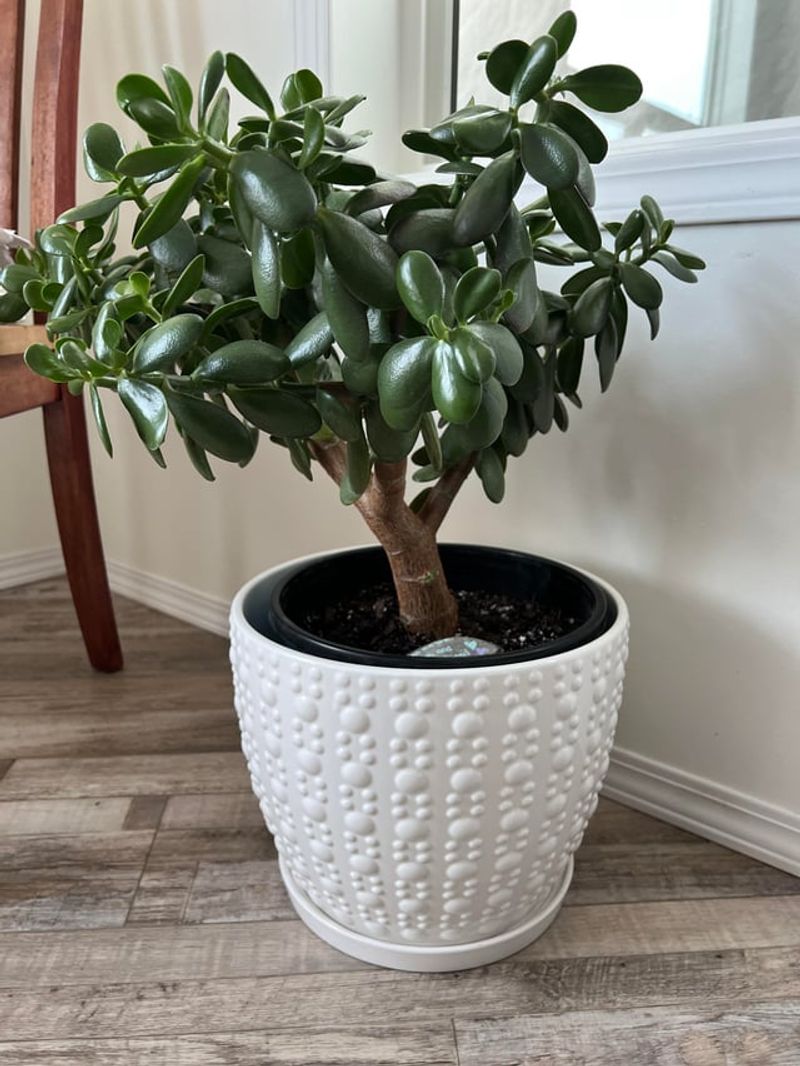
Your freshly soaked plant may look ready to rejoin the crowd. Give it a little breathing room first.
Keep returning outdoor plants apart from indoor plants for at least two weeks. Some pest problems take time to show.
A bright room or separate shelf can work well. Match the plant’s light needs as closely as possible.
Avoid placing leaves so they touch neighboring pots. Space makes new insects easier to notice and manage.
Check foliage, stems, and soil once or twice weekly. Look for movement, webbing, sticky spots, and fresh leaf damage.
Take photos if you notice a change. Comparing pictures helps you tell an old mark from a new one.
Continue normal watering based on the soil, not the calendar. The earlier soak may keep the pot moist for longer.
If pests appear, identify them before picking a treatment. One method does not suit every insect or plant.
For a plant with repeated trouble, extend the separation period. Two to four weeks gives you more time to observe.
Virginia plant owners can make this a simple fall routine. A soak, a careful check, and some space help protect the indoor collection.