Why Garlic Is The Most Important Thing To Plant In A Pennsylvania Garden This Month
Some crops reward you in a few weeks. Garlic makes you wait about nine months, and it’s worth every single day.
October is the sweet spot for planting garlic in Pennsylvania. The soil is still workable, and there’s enough time for the cloves to settle in before the ground freezes. That timing matters more than most people realize.
Garlic actually needs a long stretch of cold weather to form big, healthy bulbs. Skip the fall planting, and you’ll likely end up with small, disappointing heads next summer.
It’s also one of the easiest crops you’ll ever grow. Plant it, mulch it, and let winter do most of the work.
By spring, green shoots will be pushing through the soil while the rest of the garden is still waking up. Miss this month, and you’ll have to wait a whole year for another chance.
1. October Is The Perfect Planting Window
Timing is everything with garlic, and October hands Pennsylvania gardeners a golden chance.
The air is cool, the soil is still soft, and the busy summer rush is over. You finally have time to plant something special.
Garlic likes to go into the ground a few weeks before the soil freezes. During those weeks, each clove grows strong roots.
It does not send up much green growth yet, and that is a good thing. Tender leaves can get hurt by hard frost, but roots stay safe underground.
In most of Pennsylvania, the best time to plant is from mid-October to early November. Folks near Erie or up in the northern mountains may want to plant a bit earlier.
Gardeners around Philadelphia or Pittsburgh can often wait until early November. A good rule is to plant about two to four weeks before the ground freezes solid.
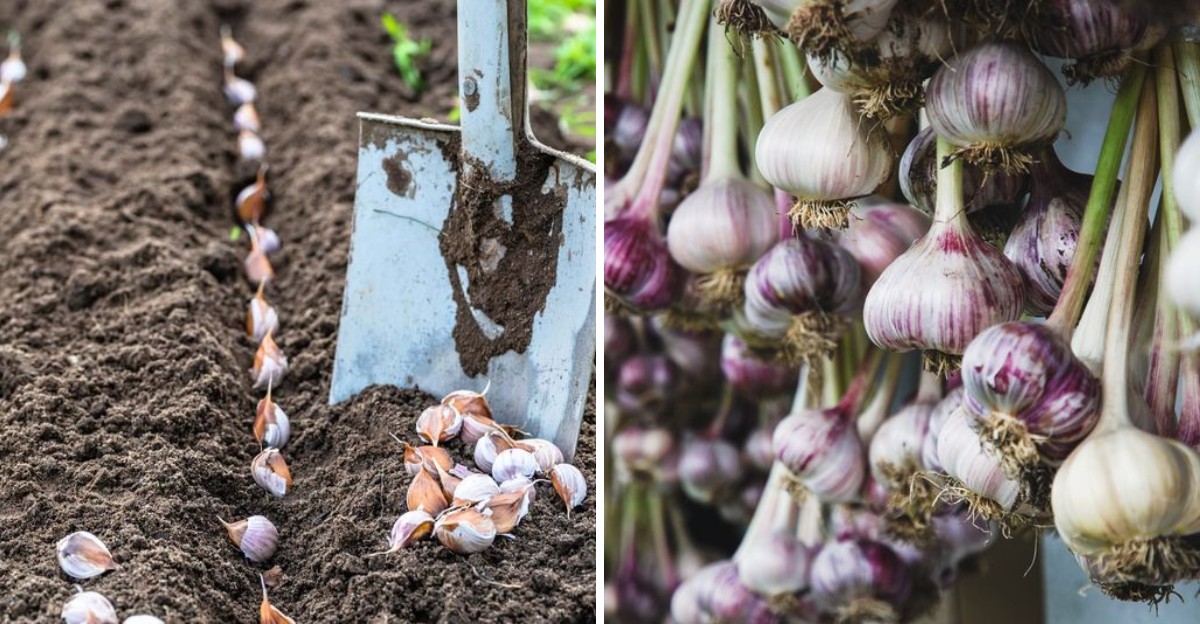
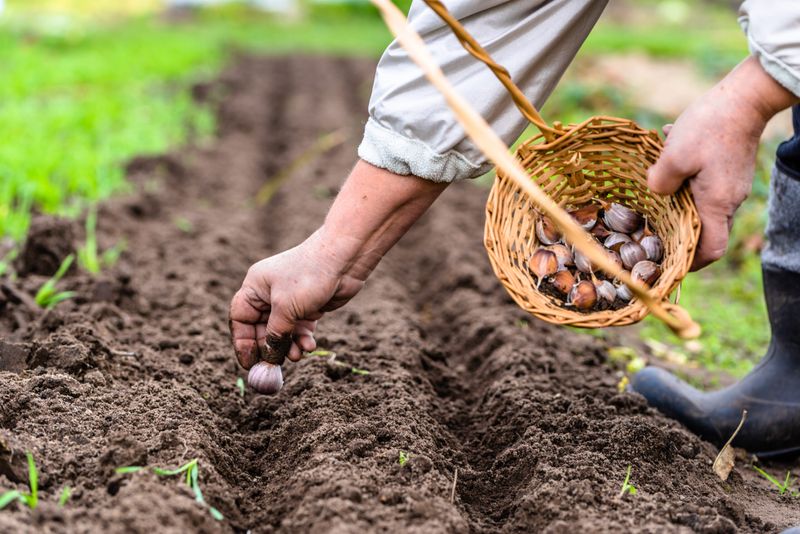
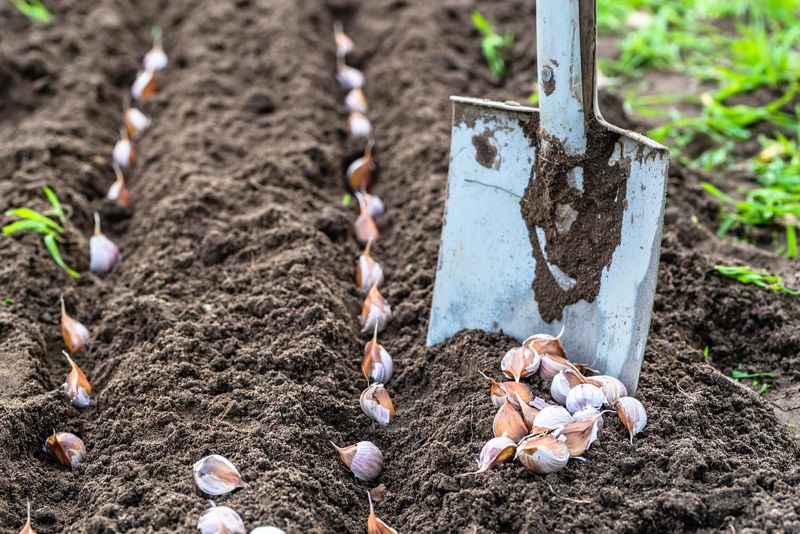
Getting started is simple. Break a bulb apart into single cloves, but leave the papery skins on. Push each clove into the soil about two inches deep with the pointy end facing up.
Space them around six inches apart in rows that are about a foot apart. Pick a sunny spot with soil that drains well. Garlic hates sitting in soggy ground. Mixing in some compost before planting will give your cloves a nice boost.
One more tip is to buy seed garlic from a local farm or garden center. Store-bought garlic is often treated to stop sprouting. It may also come from warm places and struggle in our cold weather.
Local seed garlic is already used to Pennsylvania conditions, so it has a head start from day one.
2. It Needs Pennsylvania’s Cold Winters
Believe it or not, garlic loves the cold. While most of us groan when January brings snow and icy mornings, your garlic is quietly getting exactly what it wants. Those chilly months are a key part of how it grows.
Garlic cloves need a long stretch of cold weather to form good bulbs. Gardeners call this vernalization, which is a fancy word for a cold treatment.
Your Pennsylvania Garden Changes Every Week. Your Plan Should Too.
Gardening in Pennsylvania changes quickly throughout the season. Every Friday you’ll receive a simple weekly plan showing exactly what to plant, prune, fertilize, harvest, and protect so you never miss the right timing.
Without enough chill, a clove may grow into one round bulb with no sections. Sometimes it just makes a small, weak bulb that is hard to use in the kitchen.
Pennsylvania winters are just right for this job. Most of the state gets several months of temperatures below 40 degrees. That long, steady cold tells the garlic plant how to split into many plump cloves once spring arrives.
Spring planting is where many people run into trouble. Cloves planted in March or April often miss out on enough cold.
The bulbs tend to be smaller, and the harvest can be disappointing. Fall planting lets nature handle the chilling for free.
Here is a fun fact. Some gardeners in warm places like Florida or southern California actually put their garlic in the fridge for weeks before planting.
They are trying to fake the winter that we get naturally in Pennsylvania. We are lucky to skip that step.
So the next time you shovel your driveway, remember that the frozen ground is working for you. Under that snow, your garlic is resting, rooting, and getting ready. When spring comes, it will wake up strong and ready to build big bulbs.
3. Hardneck Varieties Thrive Here
Ask any seasoned grower in Lancaster County about their favorite garlic, and chances are they will name a hardneck.
These tough plants were made for places with cold winters. They feel right at home in Pennsylvania.
There are two main kinds of garlic. Softneck garlic is what you usually find in stores, and it grows best in mild climates.
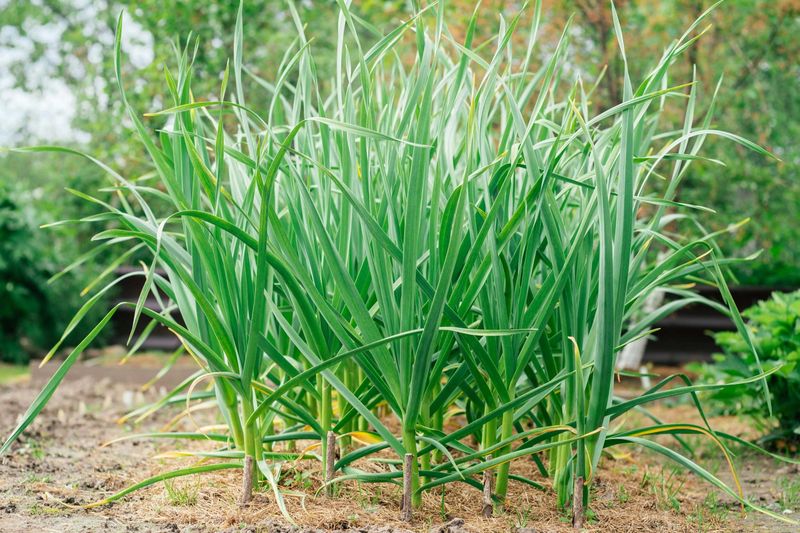
Hardneck garlic has a stiff center stalk and handles freezing weather much better. It is the smart pick for our state.
Flavor is where hardnecks really shine. Many types have a rich, bold taste that can be spicy, sweet, or even a little nutty.
Popular choices include Music, German Extra Hardy, Chesnok Red, and Georgian Crystal. Music is a favorite because it grows big cloves that are easy to peel.
Now for the bonus treat. In early summer, hardneck garlic sends up curly green stalks called scapes. They twist and loop in fun shapes, almost like a party straw. You should snip them off once they curl, so the plant puts its energy back into the bulb.
Do not toss those scapes, though. They taste like a mild mix of garlic and green onion. You can chop them into eggs, toss them in a stir fry, or grill them with a little oil and salt. Many cooks blend them into a bright green pesto that is great on pasta.
Scapes are hard to find in stores, and farmers markets often charge a lot for them. Growing hardneck garlic means you get a free early harvest weeks before the bulbs are even ready. That is two crops from one planting.
4. It’s Almost Maintenance-Free Over Winter
Lazy gardeners, rejoice. Garlic might be the easiest crop you will ever grow through the winter months. Once it is in the ground and tucked in, you can pretty much walk away until spring.
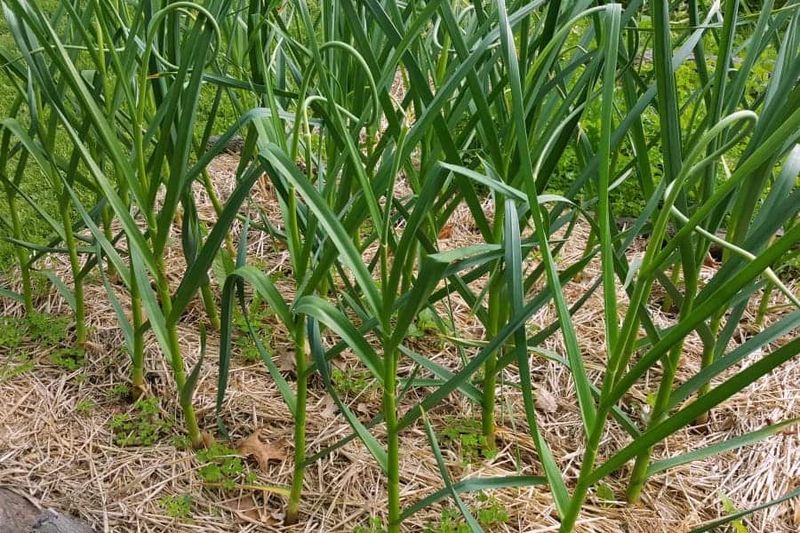
The secret is mulch. After planting, spread about four to six inches of straw over your garlic bed. Straw works best because it is light, fluffy, and easy for the young shoots to push through later.
Shredded leaves can work too, but chop them first so they do not form a soggy mat.
Mulch does a few big jobs. First, it acts like a warm blanket for the soil. Pennsylvania winters often swing between freezing nights and mild, sunny days.
Those ups and downs can make the ground heave and push cloves right out of the soil.
A thick layer of straw keeps the ground temperature steady. That means your cloves stay put and keep growing roots. Second, mulch blocks weeds from sprouting in early spring.
Garlic does not like to compete with weeds, so fewer weeds means bigger bulbs.
Mulch also holds moisture in the soil. When spring rain slows down, the ground under the straw stays damp longer. That saves you time with the hose.
A quick tip is to use straw, not hay. Hay is full of seeds that can turn your garden into a weedy mess. Ask for straw at a local farm store, and one bale usually covers a good-sized bed.
In spring, simply check that the green shoots can poke through. Pull back a little mulch if the layer looks too heavy. Then enjoy watching your garlic grow with almost no effort.
5. Deer And Most Pests Leave It Alone
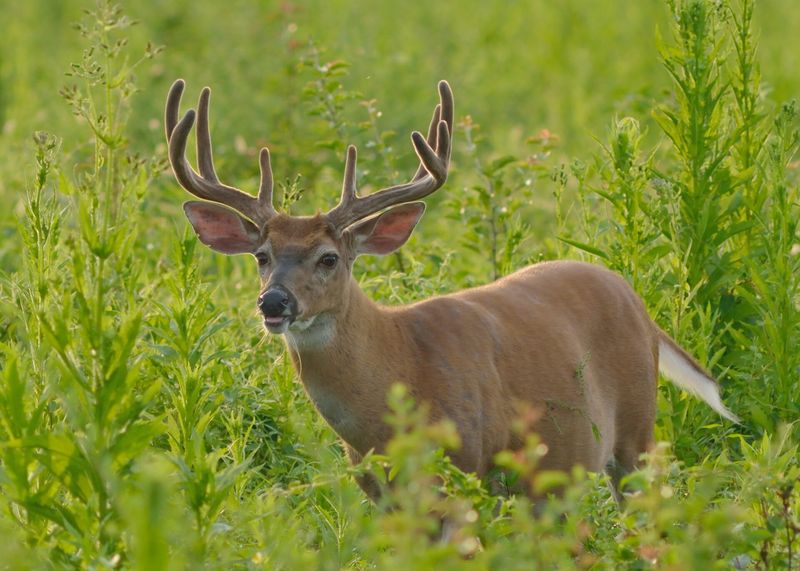
Pennsylvania has around 1.5 million white-tailed deer, and many of them seem to know exactly where your garden is.
If you have ever lost a row of beans or lettuce overnight, you know the pain. Garlic is the crop that finally lets you fight back.
Deer simply do not like garlic. The strong smell and sharp taste turn them away. Rabbits and groundhogs usually skip it too.
You can walk out in the morning and find your garlic standing tall, even when the tulips nearby have been chewed down to nubs.
Bugs tend to stay away as well. Many common garden insects avoid the sulfur compounds that give garlic its punch. That means you rarely need sprays or traps. For folks who like to garden without chemicals, that is a huge plus.
Some gardeners use this to their advantage. They plant garlic around the edges of their beds as a natural border. Others tuck a few cloves near roses or other plants that pests love.
It will not work like a force field, but it can help make your garden less inviting.
Garlic does have a few problems to watch for. Soggy soil can cause rot, and onion thrips sometimes show up in hot, dry summers. Good drainage and healthy soil will keep most troubles away.
For people living near woods, farms, or state game lands, garlic can feel like a small miracle. It is one of the most dependable crops you can grow when wildlife is everywhere.
You plant it, and you actually get to harvest it. That alone makes it worth the effort.
6. It Frees Up Space For Summer And Fall Crops
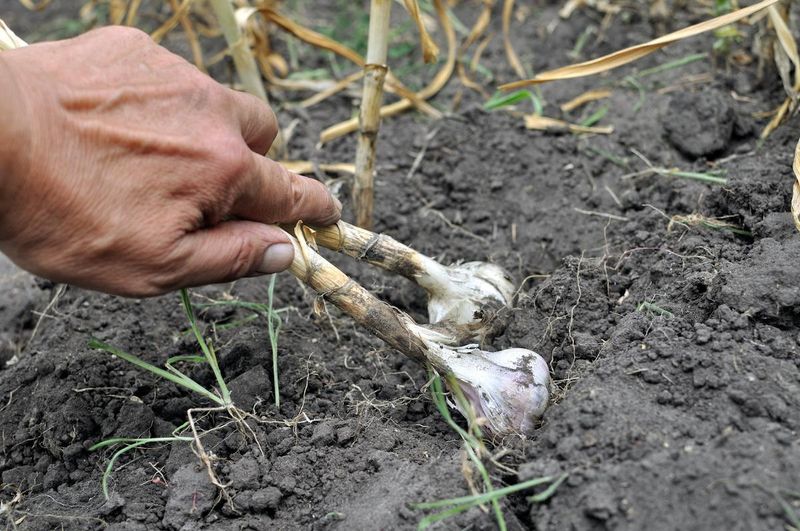
Here is a garden trick that feels like getting bonus land for free. Fall-planted garlic is done early, which means the same patch of soil can grow a whole second crop. More food from the same space is always a win.
Most garlic in Pennsylvania is ready to dig in late June or July. Watch the leaves closely. When the bottom two or three turn brown, but the top ones are still green, it is harvest time.
Each green leaf stands for a layer of wrapper around the bulb, so do not wait too long.
Use a garden fork to loosen the soil gently beside the plants. Then lift the bulbs out by hand. Pulling hard on the stems can snap them off or bruise the bulbs.
Once the garlic is out, you have a nice open bed in the middle of summer. There is still plenty of growing season left. Bush beans can go in right away and will be ready in about 60 days.
Cucumbers and summer squash can work too if you plant quickly.
In August, cool weather crops are a great choice. Lettuce, spinach, kale, radishes, and turnips all love the cooler days of fall. Some gardeners even plant a fast cover crop like buckwheat to feed the soil.
Before planting your second crop, mix in a little compost. Garlic takes nutrients from the soil, and a quick refill keeps the next plants happy.
Planning ahead makes this easy. Sketch out your garden in winter and decide what will follow the garlic. By summer, you will have seeds ready to go the moment your bulbs come out.
7. It Stores For Months And Keeps Giving
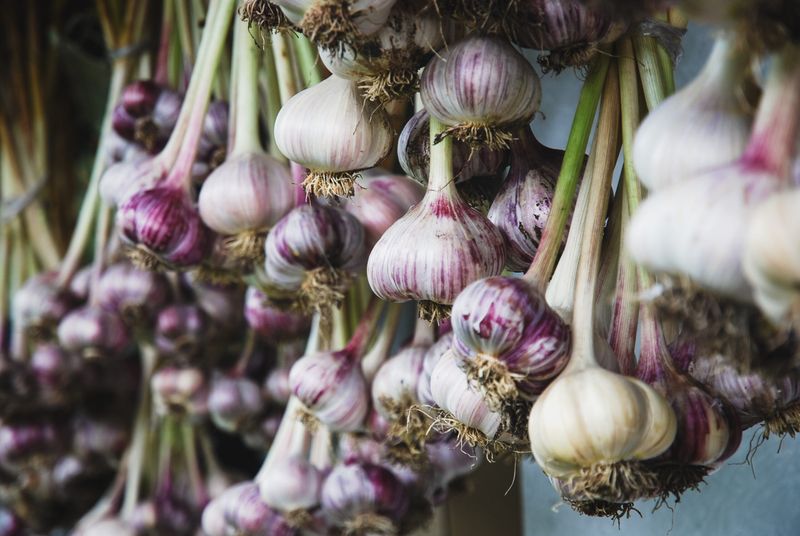
My grandmother used to hang braids of garlic in her cellar, and she was still cooking with them near Christmas.
Homegrown garlic has that kind of staying power. With a little care, one summer harvest can flavor your meals for months. The key is curing. After you dig your garlic, do not wash it. Just brush off the loose dirt.
Then hang the plants in small bundles or lay them out in a shady, dry place with good airflow. A garage, barn, or covered porch works well.
Let the garlic cure for about two to four weeks. The skins will turn papery, and the stems will dry out. Once cured, trim the roots and cut the stems about an inch above the bulb.
Store the bulbs in a cool, dark, dry spot, such as a basement shelf or mesh bag.
Hardneck garlic usually keeps for four to six months. Softneck types can last even longer. Avoid the fridge, since the cold and damp can make garlic sprout or turn soft.
Now for the best part. Save your biggest, healthiest bulbs to plant again in October. Big cloves grow big bulbs, so always choose the best ones for seed.
It is like the garden paying you back every single year.
Over time, something neat happens. Your garlic slowly adapts to your soil, weather, and backyard conditions. After a few seasons, you will have a strain that is truly yours.
Many families pass down garlic this way for generations, and you can start that tradition this fall.