8 Things Every Gardener Should Do With Lilacs And Rhododendrons This Fall
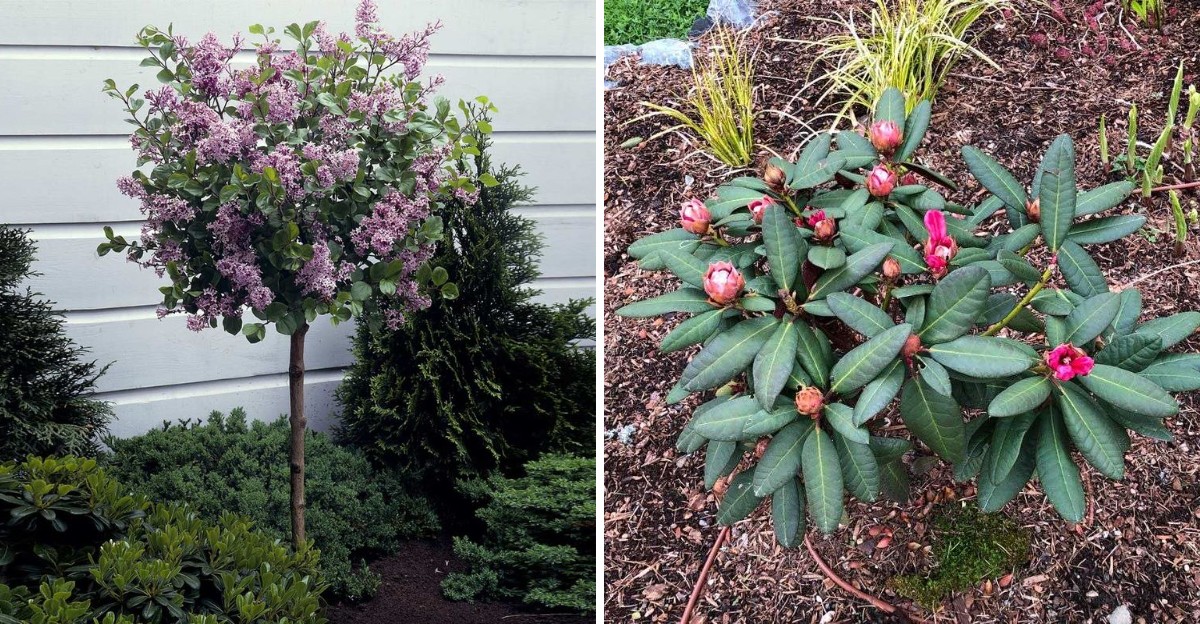
You could snip away May’s lilacs this weekend without noticing. Lilacs and rhododendrons already set your spring buds during the summer.
Those buds hide on bare stems you’d swear were ordinary twigs. Cut them now, and you toss May’s color into the compost bin.
Rhododendrons hand you a sneakier challenge. Their broad evergreen leaves lose water through winter, and frozen roots can’t replace it.
Brown, crispy edges you spot in March mean wind drained them. Deep watering before the ground freezes prevents it, if you act soon.
Fertilizer plays tricks on you now. Feed shrubs in October, and they push soft shoots that frost nips.
Mulch protects roots, but your timing matters. Spread it too early, and voles settle in for a cozy winter. Wait until the soil chills. Now you’ll see exactly which fall moves save May’s flowers.
1. Water Deeply Before The Ground Freezes
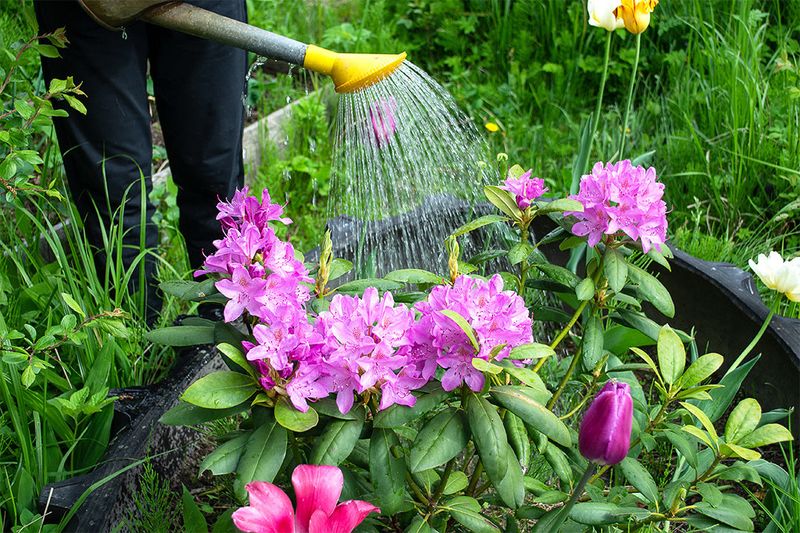
Picture a camel filling up before a long trip across the hot desert sand. Your shrubs need that same kind of big, deep drink before winter locks up the ground.
Fall rain can fool you into thinking plants have plenty of water. Often the top inch looks damp while the roots below stay thirsty and dry.
Evergreen rhododendrons keep their leaves all winter, so they lose moisture even on frosty days. Cold wind pulls water from those leaves when the frozen soil cannot refill them.
Brown, scorched leaf edges in late winter are a sign of that thirst problem. Gardeners call it winter burn, and a good soak now helps prevent it.
Lilacs lose their leaves, but their roots still work until the soil freezes solid. Moist roots head into winter stronger and ready to feed next spring’s buds.
Aim for about an inch of water each week if the sky stays stingy. A slow hose trickle works if water soaks several inches down.
Push your finger into the soil a few inches before you water again. If it feels cool and damp, give the plant a day or two off.
Keep watering until the ground starts to freeze, usually in late fall. Well-watered roots give next spring’s flowers a much better start.
Morning is the best time, since leaves dry off before the chilly night. Leaves that stay wet overnight are more likely to develop fungus.
Soaker hoses make this job easy if you have several shrubs in one bed. Snake one around the base and let it run while you rake.
2. Spread A Fresh Layer Of Mulch
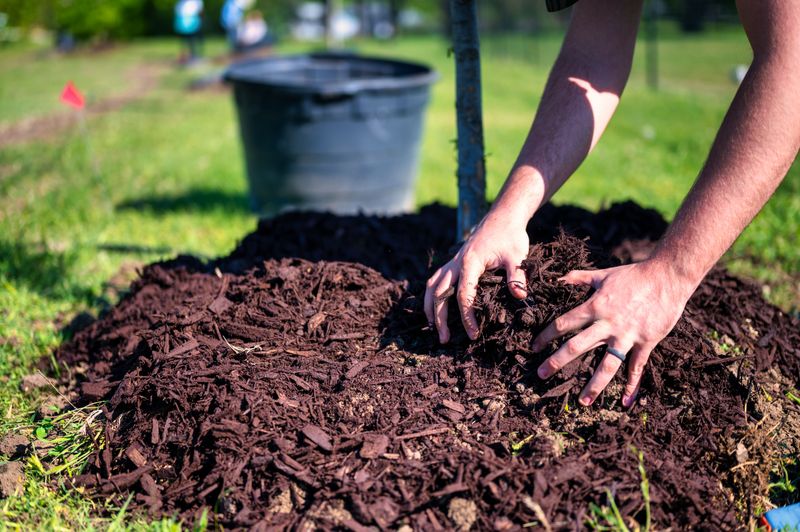
Think of mulch as a fuzzy winter blanket for roots. It keeps soil temperatures steady, which reduces frost heaving and root damage during freeze and thaw cycles.
Rhododendrons have shallow roots that sit close to the surface. That makes them extra sensitive to cold snaps and dry spells.
Pine needles, shredded bark, or chopped oak leaves are all great choices for rhododendrons. These materials break down slowly and build the loose, organic soil these shrubs love.
Lilacs prefer soil that is closer to neutral, so plain wood chips or compost suit them well. Either way, spread two to three inches around each shrub.
Keep the mulch a few inches away from the trunk or main stems. Piled against bark, it traps moisture and invites mice looking for a winter snack.
Gardeners call that common mistake a mulch volcano, and it can harm bark and roots over time. A flat donut shape around the plant works much better.
Wait until after a few light frosts before adding the thickest layer. Mulching too early can keep soil warm and make critters feel invited to move in.
Old mulch from last year can stay put as long as it is not packed down hard. Just fluff it with a rake and add fresh material on top.
Bags from the garden center work fine, but free leaves from your own yard cost nothing. Run them over with a mower first so they do not mat.
3. Hold Off On Pruning Until After Spring Blooms
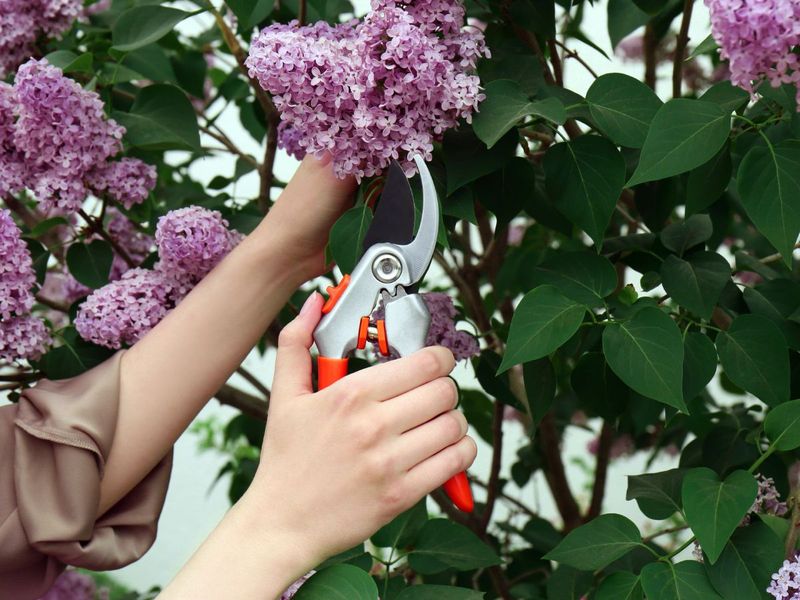
Here is a common story that many gardeners know well. Someone trims their lilac neatly in October and wonders why spring brings leaves but few flowers.
Both lilacs and rhododendrons form next year’s flower buds during summer. By fall, those buds are already sitting on the branch tips, waiting for warm weather.
Cutting now snips off those buds and your spring show along with them. It is like tossing out a present before you open it.
The smart time to prune is right after the flowers fade in late spring. That gives shrubs all summer to grow fresh buds for the following year.
Early fall pruning can also trigger tender new growth. Soft shoots cannot harden before frost, so winter damages them quickly.
Some trimming is still fine this time of year. Broken, cracked, or diseased branches should come off, since they can cause bigger problems later.
Use clean, sharp pruners and cut just above a healthy spot. Wipe the blades with rubbing alcohol between cuts if you remove sick wood.
Take a close look at the branch tips while you are out there. Lilac flower buds sit in plump pairs, while rhododendron flower buds are large and rounded.
Spotting them is a great way to predict how full next spring’s blooms will be. Counting buds with kids can even turn into a playful backyard game.
So put the shears away and admire those buds instead. Patience now means armloads of flowers when May rolls around.
4. Clean Up Fallen Leaves And Old Flowers
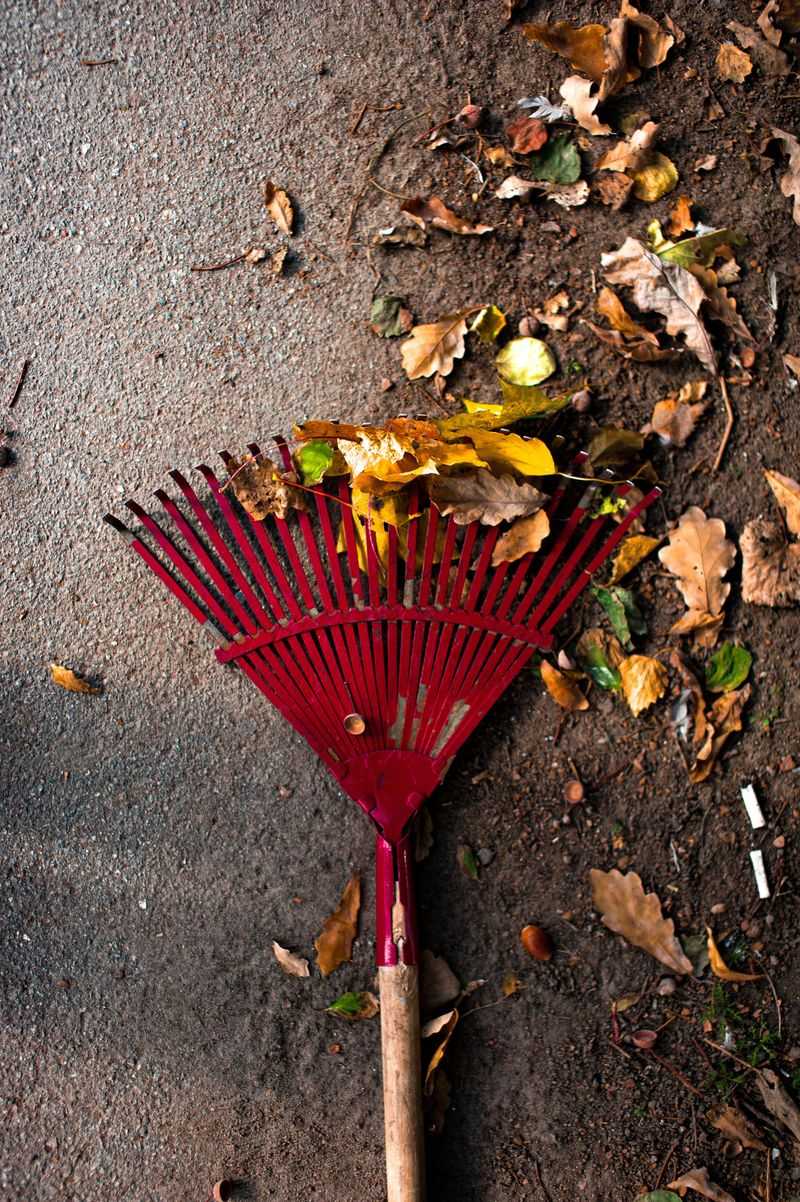
Fallen leaves look cozy, but under shrubs they can hide trouble. Fungus spores and insect eggs love to spend the winter in soggy leaf piles.
Lilacs often get powdery mildew, a mostly cosmetic white leaf coating, in late summer. Those spotted leaves can spread the problem again next year if left lying around.
Rhododendrons can develop leaf spot, which lingers through winter in fallen leaves. Lace bug eggs overwinter inside leaves on the plant, so check undersides.
Grab a rake and gently pull leaves out from under each plant. Be careful near rhododendrons, since their roots sit just below the surface.
Bag any leaves that look spotted, moldy, or chewed up. Clean, healthy leaves can go in the compost pile or get shredded for mulch.
Old flower heads deserve attention too. Snap off any dried rhododendron blooms still hanging on, but do it carefully so you avoid the new buds below.
Lilacs also sprout suckers, those skinny shoots popping up from the roots around the base. Pull or cut the extra ones so the main plant keeps its energy.
Take a minute to check the bark for scale insects or holes from borers. Catching those problems in fall makes spring care much easier.
A tidy base also lets you see how your mulch and soil look. Think of it as a quick health checkup before winter.
Your shrubs will head into their long nap clean and ready. Plus, a neat garden bed just looks nicer from the kitchen window.
5. Skip The Fertilizer Until Next Year

Feeding plants seems kind, yet fall is the wrong time for it with these shrubs. Fertilizer tells a plant to grow, and growing now is risky.
New shoots that pop up in autumn stay soft and full of water. The first hard freeze can damage those soft shoots very quickly.
Shrubs should be slowing down this time of year, not speeding up. They are hardening their stems and storing energy in their roots for winter.
Nitrogen, the main ingredient in most lawn and garden foods, is the key concern. Watch out for lawn fertilizer too, since it can spread onto nearby beds.
Lilacs are especially picky about this. Too much nitrogen gives them lots of leaves but very few of those sweet, fragrant flowers.
Rhododendrons prefer light feeding in general, and heavy doses can burn their delicate roots. A strong dose in fall adds stress right when they need rest.
The better plan is to feed both shrubs in early spring as buds begin to swell. Choose an acid-loving plant food for rhododendrons and a balanced one for lilacs.
Compost is the one exception worth mentioning. A thin layer in fall feeds soil slowly without pushing a burst of new growth.
Write yourself a note on the calendar for spring feeding. That way, you will not forget when the right moment finally arrives.
Resting now sets the stage for a strong wake-up later. Sometimes the best gardening move is simply leaving the bag on the shelf.
6. Test The Soil For The Right Balance

Lilacs and rhododendrons are neighbors in many yards, but they disagree about dinner. Their biggest argument is over soil pH, which measures how sour or sweet dirt is.
Rhododendrons like sour, or acidic, soil with a pH between about 4.5 and 6. In soil that is too sweet, their leaves turn yellow with green veins.
Lilacs lean the other way and enjoy soil that is neutral or slightly sweet. A pH of about 6.5 to 7 keeps them happy and flowering.
Fall is a perfect time to test, since changes need months to work. Anything you add now has several months to begin working in soil.
Simple, affordable soil test kits are available at most garden stores. For more detail, many local extension offices test soil samples for a small fee.
Dig a few small scoops from around the root zone and mix them together. That gives a better picture than one random spot.
If rhododendron soil is too sweet, garden sulfur slowly makes it more acidic. An acid-forming fertilizer in spring can then help keep it there.
Lilac soil that tests too sour can get a sprinkle of garden lime. Follow package directions carefully, because a little goes a long way.
Keep in mind these fixes work slowly, like a train building speed. Test again next fall to see how far things have moved.
Planting the two shrubs in separate beds makes this balancing act much easier. Each one gets the soil it craves without any backyard arguments.
7. Shield Tender Shrubs From Winter Wind
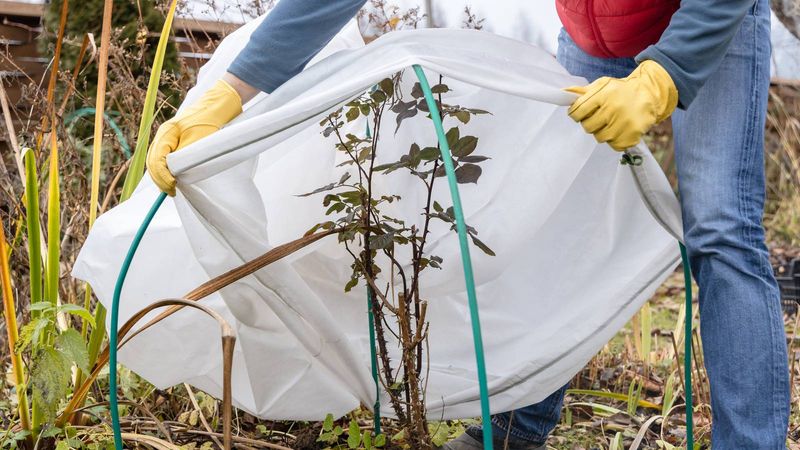
Winter wind is sneaky, especially for evergreen shrubs sitting in open spots. Rhododendron leaves can lose moisture fast when icy gusts blow day after day.
Lilacs are tough and handle cold well in most areas. Rhododendrons, especially young ones, often need a little extra shelter.
Burlap is the classic tool for this job. It blocks harsh wind and bright winter sun while still letting air move through.
Hammer three or four wooden stakes into the ground around the shrub before the soil freezes. Then staple or tie burlap to the stakes to form a loose screen.
Skip wrapping the burlap tightly around the plant itself. Leaves need room to breathe, and tight wrapping can snap branches under heavy snow.
Avoid plastic sheets as well, because they trap heat on sunny days. Plants can overheat under plastic, then chill sharply when night falls.
Some gardeners spray an anti-desiccant on rhododendron leaves in late fall. This waxy coating may reduce moisture loss, though research is mixed.
Heavy snow can also bend and break branches on both shrubs. Gently brush snow off with a broom after big storms, pushing upward instead of down.
Rhododendron leaves also give a handy weather report. They curl up tightly when temperatures drop below freezing, then relax when it warms.
Watching them feels a bit like having a living thermometer in the yard. Take the burlap down in early spring once hard freezes pass.
Shrubs near driveways need protection from road salt too. A burlap screen blocks salty spray from passing cars and snowplows.
8. Plant New Shrubs While The Soil Stays Warm
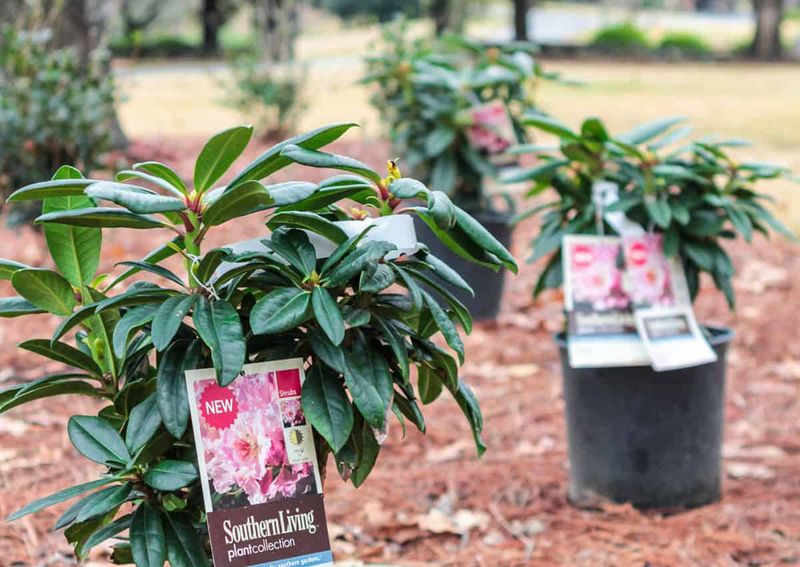
Spring usually gets most of the planting attention, but fall offers gardeners a real, practical advantage. Soil stays warm long after the air cools down.
Warm soil lets roots keep growing while cool air keeps leaves from getting stressed. New shrubs settle in before summer heat arrives next year.
Try to plant at least six weeks before the ground freezes in your area. That gives roots time, though cold regions suit spring-planted rhododendrons better.
Lilacs want full sun, about six hours a day, to flower well. Rhododendrons prefer dappled shade, like the light under tall trees.
Dig a hole twice as wide as the root ball but no deeper. Rhododendrons should sit slightly high, since their roots dislike soggy soil.
Gently loosen any roots circling around the pot before planting. Otherwise, they may keep growing in circles and limit the shrub’s growth.
Fill the hole with the soil you dug out, then water slowly and deeply. Add mulch around the base, keeping it off the stems.
Many garden centers discount shrubs in fall, so compare local prices first. That makes autumn a smart time to find a bargain lilac or two.
Lilacs have been planted by Americans for centuries, and Thomas Jefferson grew them at Monticello. Adding one connects your garden to a long tradition.
Keep new shrubs watered until the ground freezes. Next spring, you will be the proud owner of blooms that got a head start.