The Florida Fall Yard Cleanup Habit That Hands Rats A Winter Home

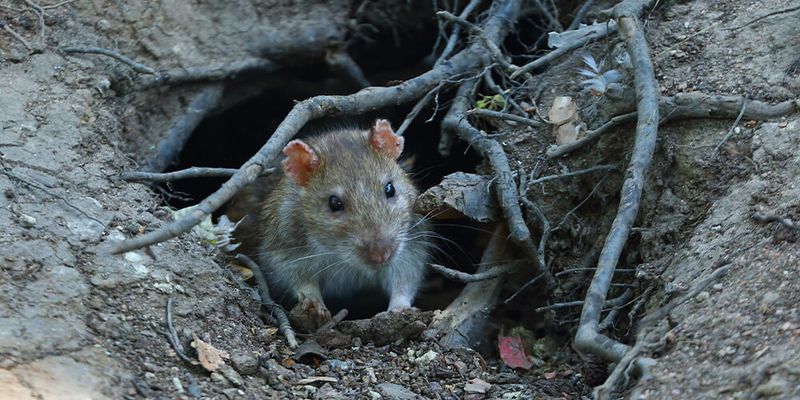
Rats don’t need an invitation. Apparently your Florida yard cleanup routine works just fine as one.
That pile of leaves and brush stacked behind the shed reads as shelter to a rat, not mess waiting for pickup. Warmth, cover, an easy path toward your foundation, all handed over the moment that pile starts building up against a wall or fence line.
Food and trash get blamed first every time, but a completely different habit does more to draw rats in this season, one most homeowners never connect to anything living nearby.
Rethink where that yard waste ends up this fall. The mess itself might matter less than exactly where you’ve been letting it sit.
1. Piles Of Leaves Give Rats A Ready-Made Shelter

Picture a giant, fluffy comforter tossed in the corner of your yard. To a rat, that heap of raked leaves looks just like a free cabin with the heat already on.
Leaf piles trap warmth from the ground and block cold wind. In Florida’s humid air, the layers underneath stay damp, dark, and quiet, which is exactly the kind of space rodents love for nesting.
The trouble grows when piles sit for weeks. A heap left against a fence, shed, or garage wall gives rats a hidden spot right next to places they might want to chew into later.
So what can you do instead? Try bagging leaves soon after raking, or shred them with a mower and spread the bits thin over your lawn as natural food for the grass.
If you like saving leaves for garden mulch, store them in a closed bin or a wire cage raised off the ground. Keeping them contained makes it much harder for critters to burrow in and settle down.
Here is a fun fact to share at dinner. A rat can squeeze through a gap about the size of a quarter, so even a small leaf pile near your home can lead it to a bigger adventure indoors.
2. Stacked Firewood Creates Dark Winter Hiding Spots

My neighbor once found a cozy rat nest tucked between his oak logs in January. He had stacked the wood right against his back wall, and the critters thought he built them an apartment.
Firewood piles are full of little tunnels and gaps. They stay dry under the top logs, and they block wind from every side, which makes them a favorite winter hideout.
Location matters a lot here. When wood touches your house, rats can move from the stack straight to vents, siding cracks, or openings near the foundation.
A better plan is to keep the pile at least 20 feet away from your home if you can. Raise it about 18 inches off the ground using a metal rack, so there is no dark crawl space underneath.
Only bring in what you plan to burn that day. Wood stored inside can carry hitchhikers, from spiders to mice, and nobody wants surprise guests by the fireplace.
Your Florida Garden Changes Every Week. Your Plan Should Too.
Gardening in Florida changes quickly throughout the season. Every Friday you’ll receive a simple weekly plan showing exactly what to plant, prune, fertilize, harvest, and protect so you never miss the right timing.
Check your stack every few weeks for droppings, shredded bark, or chewed paper. Catching signs early helps you deal with a small visitor before it turns into a whole family moving in for the season.
3. Dense Brush Piles Turn Into Rodent Hideouts
Trimming bushes in the fall feels great, like giving your yard a fresh haircut. The problem starts when all those clippings get tossed in a back corner and forgotten.
A brush pile is basically a jungle gym with a roof. Branches crisscross to create tiny rooms, while the leaves and weeds inside hold warmth and hide movement from hawks, owls, and cats.
Rats feel safe in spaces where predators cannot reach them. A thick tangle of sticks gives them just that, plus easy access to seeds and bugs hiding in the mess.
The fix does not need to be hard. Cut branches into smaller pieces and put them out for yard waste pickup, or rent a chipper and turn them into mulch for your flower beds.
If you want to keep a pile for birds or other wildlife, place it far from your house and sheds. Keep it loose and small rather than a giant mound that grows taller every month.
Many Florida cities and counties offer regular branch and yard waste pickup, especially after hurricane season. A quick call or a look at your city website could save you a weekend of work and keep unwanted squatters away.
4. Fallen Fruit Can Keep Rats Feeding Nearby
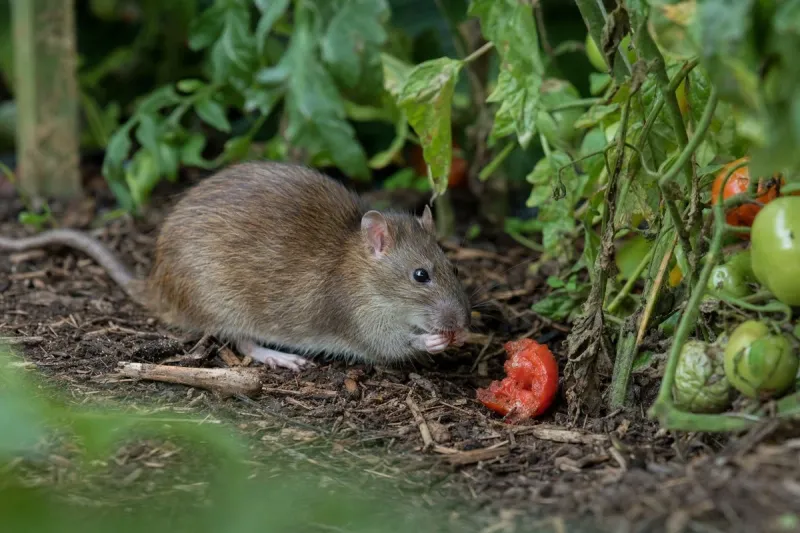
Nothing says Florida quite like picking fruit from your own backyard tree. Rats agree, and they are happy to grab whatever lands on the grass.
Fallen fruit is like an all-you-can-eat buffet with no closing time. Citrus, avocados, mangoes, figs, and loquats give rodents plenty of energy to build nests and raise babies.
Once rats learn where food shows up, they come back again and again. A tree that drops fruit every day can keep them hanging around your yard for months.
Try picking up fallen fruit every day or two during harvest season. A simple bucket walk around the tree each evening works well, and kids often enjoy helping with the treasure hunt.
Harvest ripe fruit from the branches before it drops if you can. Anything bruised or pecked by birds can go into a sealed yard waste bin instead of an open compost heap.
Here is something surprising. Roof rats are great climbers and may nibble fruit right on the branch, so trimming limbs away from your roof and fences cuts off their sneaky highway.
5. Overgrown Groundcover Gives Rats Covered Routes
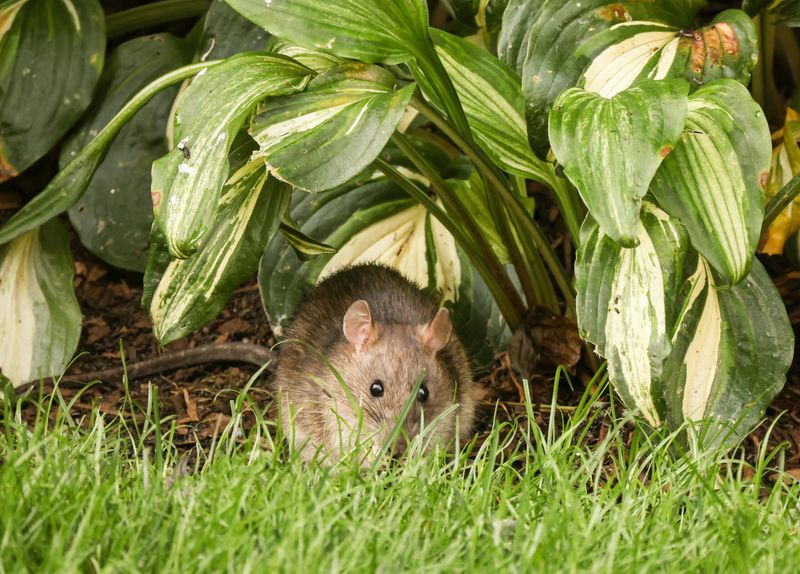
Asiatic jasmine spreading across a shady Florida yard can look neat and green, almost like a living carpet. Underneath those leaves, though, a busy hidden highway might be running all night long.
Thick groundcovers such as ivy, periwinkle, and tall ornamental grasses create covered paths. Rats love moving under them because they can travel from spot to spot without being seen.
Some groundcovers also produce berries or hide fallen seeds. That means rodents get shelter, safe travel, and snacks, all in one leafy package stretched across your yard.
You do not have to rip everything out. Just trim groundcover back so there is a clear strip of about 18 inches between plants and your home foundation.
Gravel or bare soil along that strip helps you spot burrows and droppings more easily. It also takes away the sense of safety rats want before they get close to your walls.
Once a year, thin out dense patches so sunlight reaches the soil. Your plants often grow healthier with better airflow, and you make the area far less appealing to anything looking for a secret tunnel.
6. Leaky Hoses Create The Water Rodents Need

Drip, drip, drip. That little leak at the spigot might seem harmless, but to a thirsty rat it sounds like a dinner bell.
Rats need water every day to survive, often around half an ounce or more. When a yard offers a steady drink, they have one less reason to leave and look somewhere else.
Fall is sneaky for this problem because we use hoses less and forget about them. Slow leaks, forgotten buckets, clogged gutters, and birdbaths all quietly hold water for local critters.
Walk around your home and check outdoor faucets for drips. A cheap rubber washer from the hardware store fixes many leaky connections in just a few minutes.
When you are done watering, disconnect hoses, drain them, and store them in a garage or shed, especially in North Florida before a rare freeze. That step protects your pipes from cracking and removes a handy water source at the same time.
Also dump out flowerpot saucers, tarps holding rainwater, and old toys that collect puddles. Clean gutters help too, since clogs can create pools on your roof line where rats and mosquitoes both find a drink.
7. Pet Food Left Outside Makes A Yard More Inviting
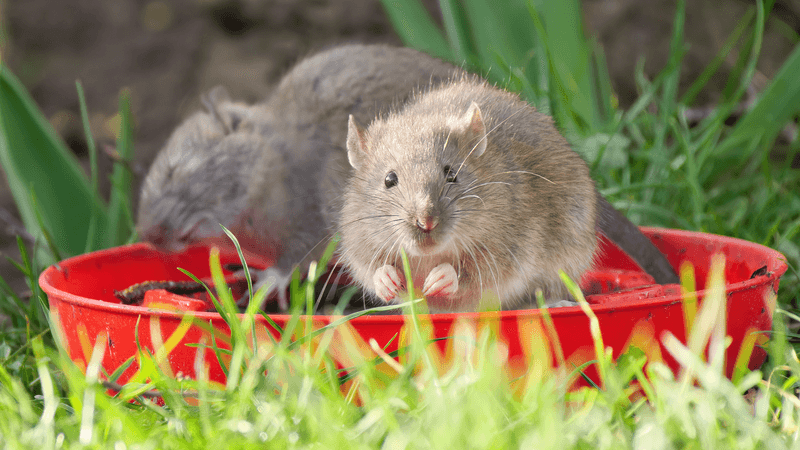
Your dog Buster finishes dinner, wags his tail, and trots inside. Hours later, someone else shows up to finish the leftovers on the porch.
Pet food is packed with protein and fat, which makes it a jackpot for rats. A single bowl of kibble left out overnight can feed several rodents and teach them your porch is a reliable diner.
Bird feeders cause a similar issue. Seeds spill onto the ground, and rats sweep up the crumbs long after the songbirds have gone to bed.
Feed pets indoors whenever possible, or pick up bowls as soon as mealtime is over. For outdoor cats or dogs, set a regular feeding time so food is not sitting around all day.
Store big bags of pet food and birdseed in metal bins with tight lids. Rats can chew through plastic and paper bags, and garages are a favorite spot for them to raid.
If you enjoy birdwatching, use a feeder with a tray to catch falling seeds. Sweep beneath it often, and consider taking it down for a few weeks if you notice signs of rodents nearby.
8. Compost Bins Can Become Easy Food Sources
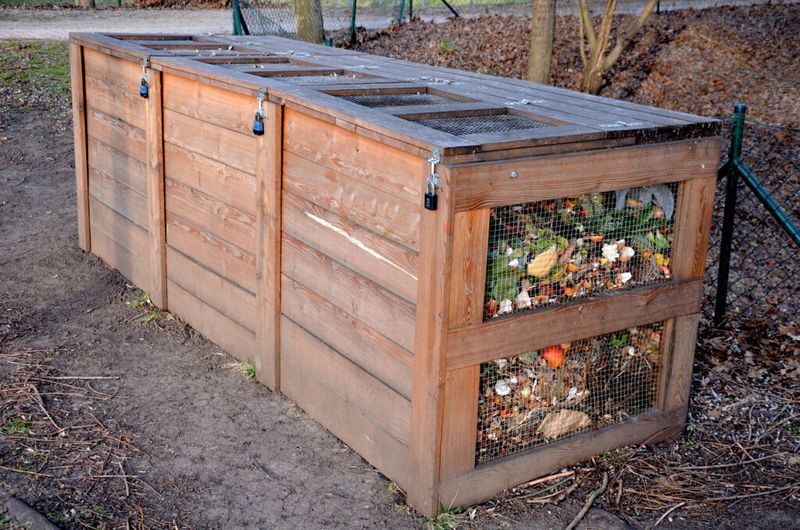
Composting is one of the kindest things you can do for your garden. Still, a messy bin can accidentally turn into a warm snack bar for the neighborhood rats.
Compost piles heat up as they break down, giving off cozy warmth on cold nights. Add food scraps on top, and you have both a meal and a heated bedroom in one spot.
The biggest trouble comes from the wrong ingredients. Meat, dairy, oily foods, and bread smell amazing to rodents and pull them in from surprisingly far away.
Stick to fruit and veggie scraps, coffee grounds, eggshells, and yard waste. Bury fresh kitchen scraps in the middle of the pile and cover them with a layer of dry leaves.
Choose a bin with a lid and a solid base, or line the bottom with sturdy hardware cloth. That wire mesh stops rats from digging up underneath, which is their favorite sneaky entrance.
Turn your compost regularly so it stays hot and busy. Rats prefer quiet, undisturbed places, so a pile that gets stirred every week feels much less like home to them.
9. Clear Yard Clutter Before Cooler Nights Arrive
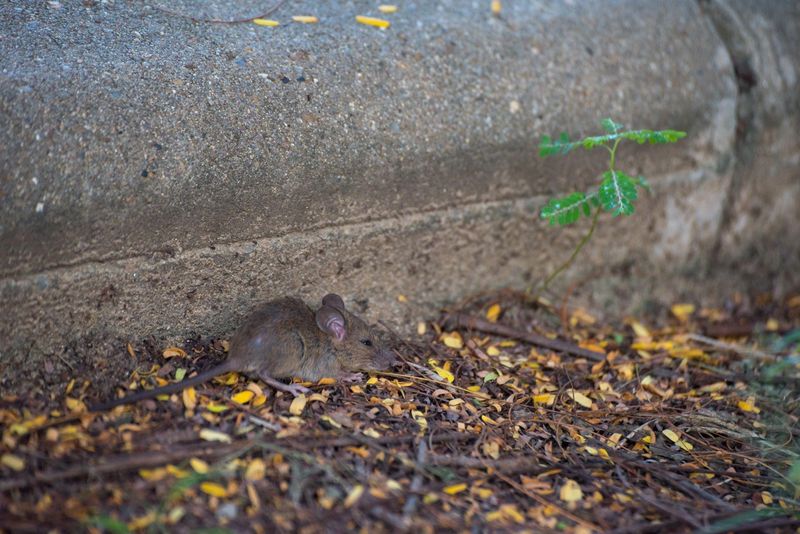
Think of fall cleanup as a race against the thermometer. Once nights start cooling off, rats get serious about locking down a winter home.
Clutter is their favorite real estate. Old tires, stacked pots, tarps, lumber, broken furniture, and cardboard boxes all create dark, sheltered corners where a nest can hide.
The best time to act is early autumn, before rodents settle in. Moving things now is much easier than dealing with a family of critters in the middle of January.
Make a quick weekend checklist and get everyone involved. Toss what you do not need, donate what still works, and store the rest on shelves inside a closed shed or garage.
While you are out there, look for holes in siding, gaps under doors, and openings around pipes. Seal them with steel wool, metal flashing, or caulk made for outdoor use.
Finish by mowing at your grass’s recommended height and trimming shrubs away from the house. A neat, open yard gives rats very little cover, so they will likely keep moving and find somewhere else to spend the winter.