Want Painted Buntings In Your Florida Yard This Fall? Give Them This Before Buying Another Bird Feeder
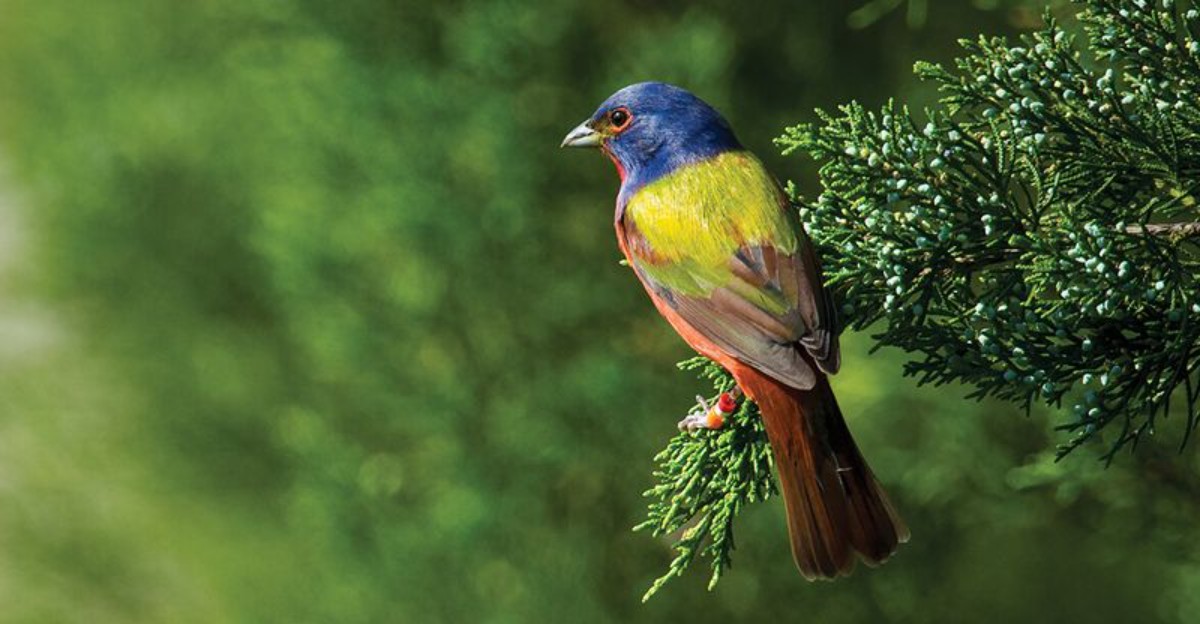
Buy another fancy bird feeder for painted buntings, and you might still be waiting for one to show up.
Homeowners chasing these birds usually go straight for the feeder, assuming better seed or a nicer design closes the deal.
That instinct skips over something these birds actually prioritize first, something most people never even think to check in their own yard before spending money on equipment that was never the real draw.
Get this one thing right and buntings start showing up regardless of what feeder you’re using. Skip it, and even premium seed sitting in a top-rated feeder won’t do much to change your odds.
Look at what your yard’s actually offering before you buy anything else this fall. The upgrade painted buntings care about probably isn’t sitting on a store shelf.
1. Give Painted Buntings Native Seed Before Another Feeder
Walk into any garden center in September and you will spot a wall of bird feeders. It is tempting to grab one more, but painted buntings see the world a little differently.
These birds evolved eating small seeds straight from wild plants. In the wild, they hop along grassy edges and pluck tiny seeds from stems close to the ground.
A feeder can help, yet it is only a snack bar compared to a full buffet of native seed.
Native plants give buntings food that matches their small beaks and their fall energy needs. The seeds ripen right when the birds arrive, which is no accident.
Plants and birds in Florida have been working on that schedule for thousands of years.
So before you spend thirty dollars on plastic, spend a little time looking at what grows in your yard. Patches of seeding grasses and wildflowers along a fence line can feed buntings for weeks.
They also bring in insects, which young birds enjoy too.
If you still want a feeder, fill it with white proso millet, a bunting favorite. Just treat it as a bonus, not the main event.
The real magic comes from giving these birds the food nature designed for them, right where they expect to find it.
2. Let Paspalum Produce The Seeds Buntings Seek
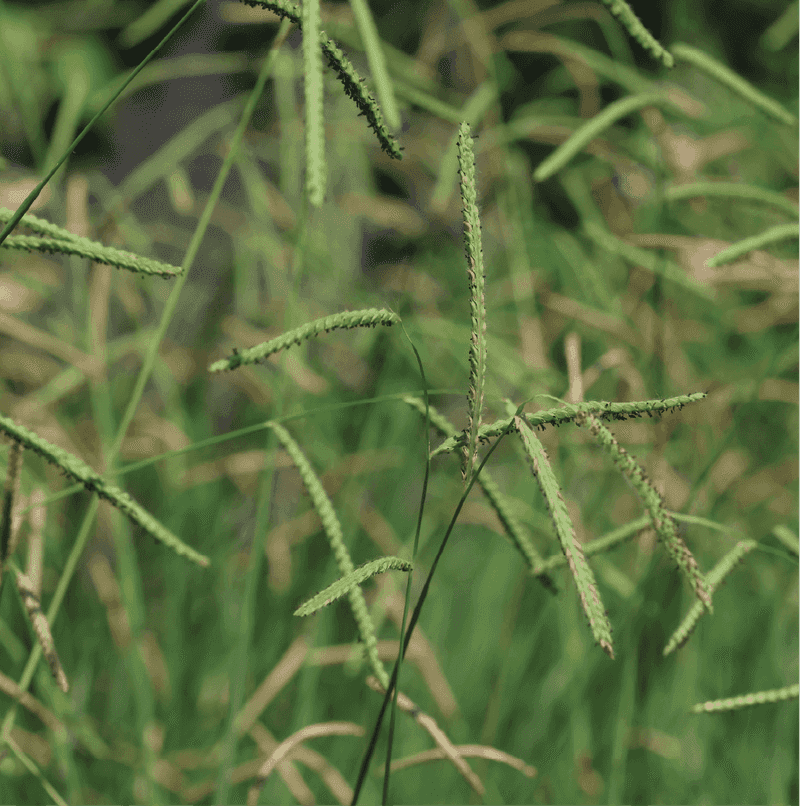
Most homeowners fight paspalum like it owes them money. Those tall, forked seed heads pop up in lawns and ditches, and out comes the mower.
Here is a secret worth knowing. Painted buntings love paspalum seeds, and many bird watchers in Florida report seeing them feed on these grasses more than on anything else.
The seeds are tiny, plentiful, and easy for a small beak to crack.
Bahiagrass is a type of paspalum, and many lawns already contain it. When it is mowed short every week, it never gets the chance to set seed.
Letting one strip grow tall through late summer and fall changes everything.
You do not need to turn your whole lawn into a meadow. Pick a corner, a back edge, or the space beside a hedge.
Your Florida Garden Changes Every Week. Your Plan Should Too.
Gardening in Florida changes quickly throughout the season. Every Friday you’ll receive a simple weekly plan showing exactly what to plant, prune, fertilize, harvest, and protect so you never miss the right timing.
Mark it with a small border so neighbors know it is on purpose, not neglect.
Once the seed heads turn tan, keep an eye out in the early morning. Buntings often cling sideways to the stems or bend them down to reach the seeds.
It is a funny little acrobatic show.
Fun fact: some paspalum seeds hang in pairs of rows, like tiny beads on a string. For a hungry bunting, that is a tidy meal.
3. Add Beautyberry For Cover Near Feeding Areas
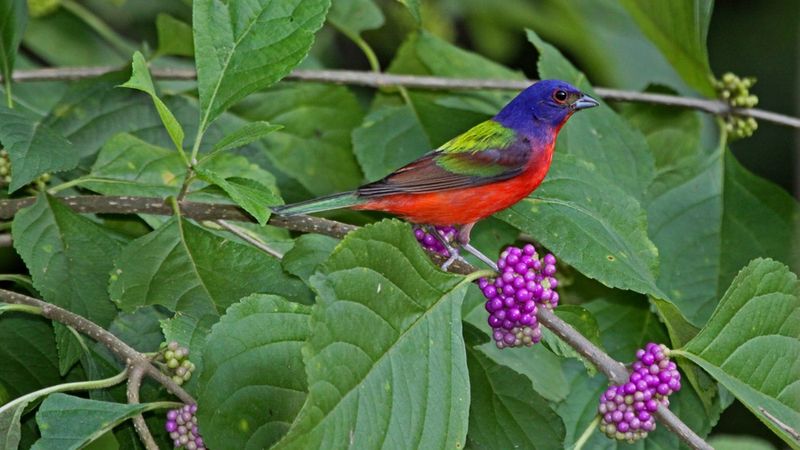
Clusters of shocking purple berries make American beautyberry look almost fake. Visitors often ask if someone glued candy to the branches.
For painted buntings, though, the berries are only part of the appeal. What matters most is the shelter.
Beautyberry grows into a loose, leafy shrub about four to six feet tall, which gives shy birds a quick place to hide.
Buntings are nervous eaters. One flicker of a hawk shadow and they zip into the nearest bush.
If safe cover sits just a few feet from their food, they will feed longer and return more often.
Plant beautyberry right beside your seeding grass patch or feeder. Florida’s native variety handles heat, sandy soil, and dry spells with little fuss.
It also grows fast, so you will see results within a season or two.
As a bonus, mockingbirds, catbirds, and thrashers gobble the berries in fall and winter. Your yard becomes a busy little bird café.
Old folks even crushed the leaves and rubbed them on skin to help keep mosquitoes away.
Prune it hard in late winter if it gets leggy. The shrub bounces back quickly and blooms on new growth, so next year’s berries and cover will be even thicker and more inviting.
4. Leave Native Grasses Standing Through Fall
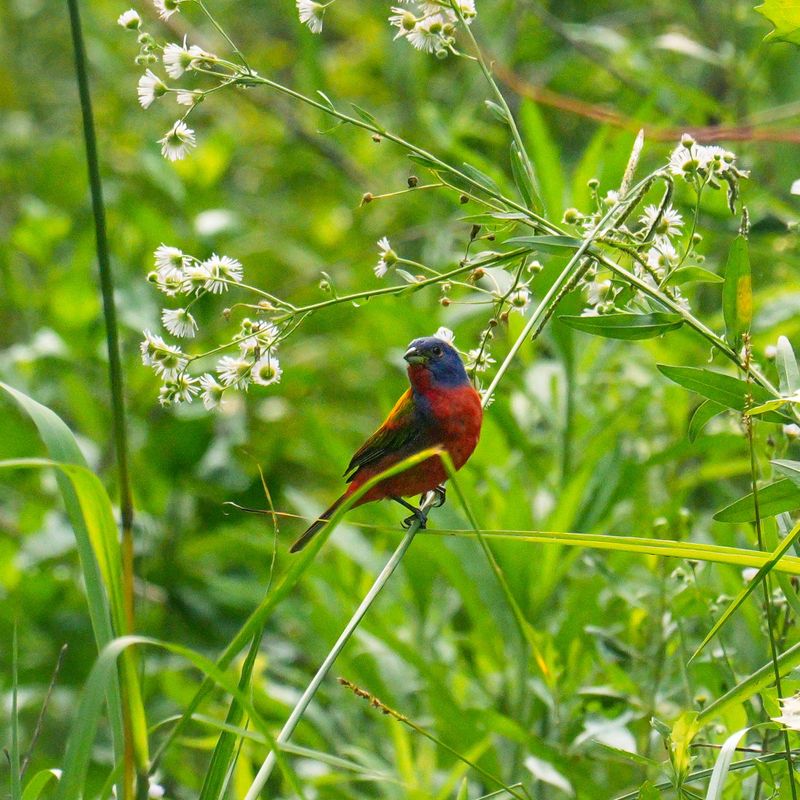
My neighbor once apologized for her messy yard. Ten minutes later, a painted bunting landed right in her tall grass, and she stopped apologizing for good.
Standing native grasses are like a pantry that stays stocked all season. Species such as purple lovegrass, lopsided Indiangrass, and Elliott’s lovegrass hold their seeds for weeks.
Cutting them down in September removes food just as hungry migrants show up.
Tall grass also hides insects, spiders, and small seeds that drop to the ground. Buntings forage low, often hopping at the base of grass clumps.
A trimmed yard gives them little to explore.
Wait until late winter or early spring to cut back your grasses. By then, most migrating birds have moved on or settled in.
The old stems also protect grass crowns from rare cold snaps.
If a shaggy look bothers you, create a clean edge. Mow a neat strip along walkways and keep the tall grasses in defined beds.
Tidy borders make wild spaces look planned and pretty.
Plenty of Florida native grasses turn lovely shades of bronze, pink, and gold in fall. You might find you enjoy the view as much as the birds do.
It is a win for your eyes and their stomachs.
5. Keep Dense Shrubs Close To Open Ground
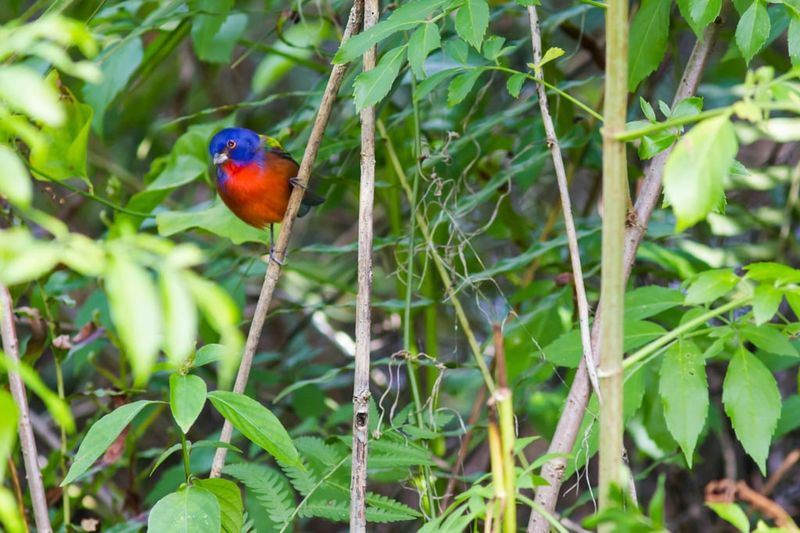
Think of a painted bunting as a nervous shopper. It wants to grab a snack, but it also wants an exit door very close by.
Birders have noticed buntings rarely wander far from thick cover. They pop out of a hedge, pick seeds from open ground, then dash back inside.
The shorter that trip, the safer they feel.
Good native shrubs for Florida include wax myrtle, firebush, Walter’s viburnum, and saw palmetto. Each one has dense branches that block the view of hawks and roaming cats.
Many also offer berries or flowers that bring in insects.
Arrange your yard so shrubs sit within about ten to fifteen feet of your feeding area. A curved border works well, like a friendly hug around a seedy patch.
Birds can scan the space from inside the leaves before stepping out.
Avoid pruning shrubs into tight balls or boxes. That style looks neat, but it opens up gaps and removes the inner tangle birds use.
Let the natural shape stay a bit wild.
One more idea is to layer your plants. Put low plants in front, medium shrubs behind, and small trees in the back.
That staircase effect gives buntings choices at every height, and it looks lovely too.
6. Skip A Full Yard Cleanup Before Migration
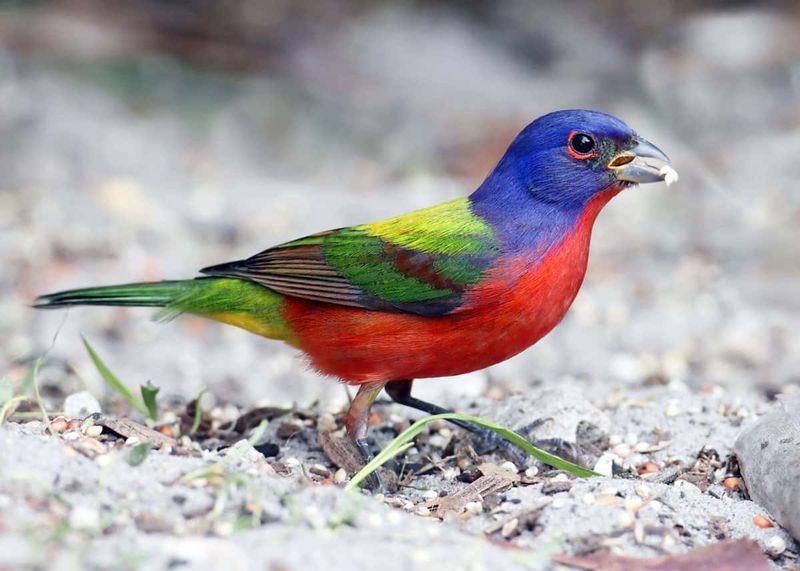
Raking every leaf and bagging every stem feels productive. For a painted bunting on a long trip south, it can feel like arriving at a restaurant that just closed.
Fall migration peaks in Florida from late September through November. During those weeks, birds need fuel fast.
Seed heads, fallen leaves, and small brush piles hold plenty of food and hiding spots.
Leaf litter is especially underrated. It shelters beetles, caterpillars, and seeds that buntings scratch up from the soil.
Bagging it sends that food to the curb.
You can still keep things looking cared for. Clear paths, sweep the patio, and tidy the front yard if your HOA is watching.
Then give the backyard edges a pass until spring.
A small brush pile tucked behind shrubs is another quiet helper. Stack a few branches loosely, larger ones on the bottom.
Wrens, sparrows, and buntings may duck inside during storms or windy days.
Honestly, this might be the easiest bird tip ever. Doing less work actually helps more wildlife, and you get your weekends back.
Call it strategic laziness, and enjoy watching who shows up to explore the parts you left alone.
7. Offer Clean Water Near Natural Cover
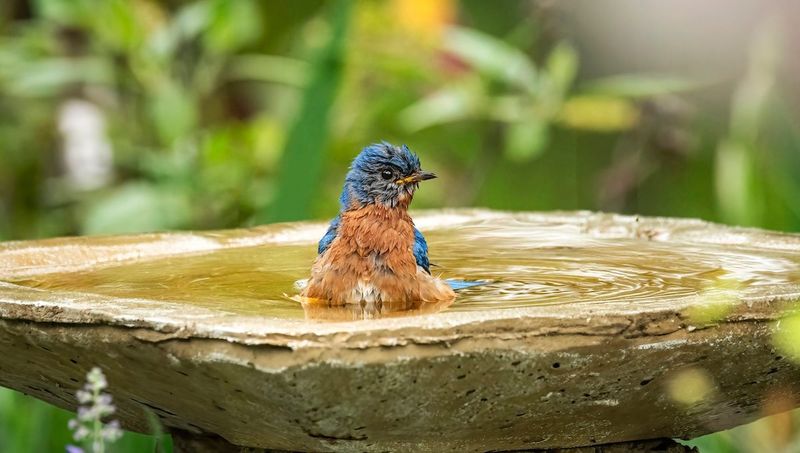
Splash, flutter, shake, repeat. Watching a painted bunting take a bath is pure joy, and it happens more often when water sits in the right spot.
Buntings prefer shallow water close to the ground. A tall pedestal bath in the middle of the lawn may go unused.
A low dish near shrubs feels far safer to a small, wary bird.
Aim for water no deeper than one or two inches. Add a few flat stones so birds can stand and test the depth.
Place the bath within a quick hop of dense cover.
Moving water works like a dinner bell. A small dripper or solar fountain creates sparkle and sound that birds notice from far away.
Many birders say drippers bring in warblers and buntings they rarely see otherwise.
Keep things clean, especially in Florida heat. Scrub the dish every few days and refresh the water to prevent algae and mosquito larvae.
A stiff brush and plain water usually do the job.
Fall in Florida can still be hot and dry, so water becomes precious. Offering a reliable source may do more for visiting birds than a new feeder.
It is simple, cheap, and endlessly entertaining to watch.
8. Reduce Pesticides Where Buntings Are Feeding
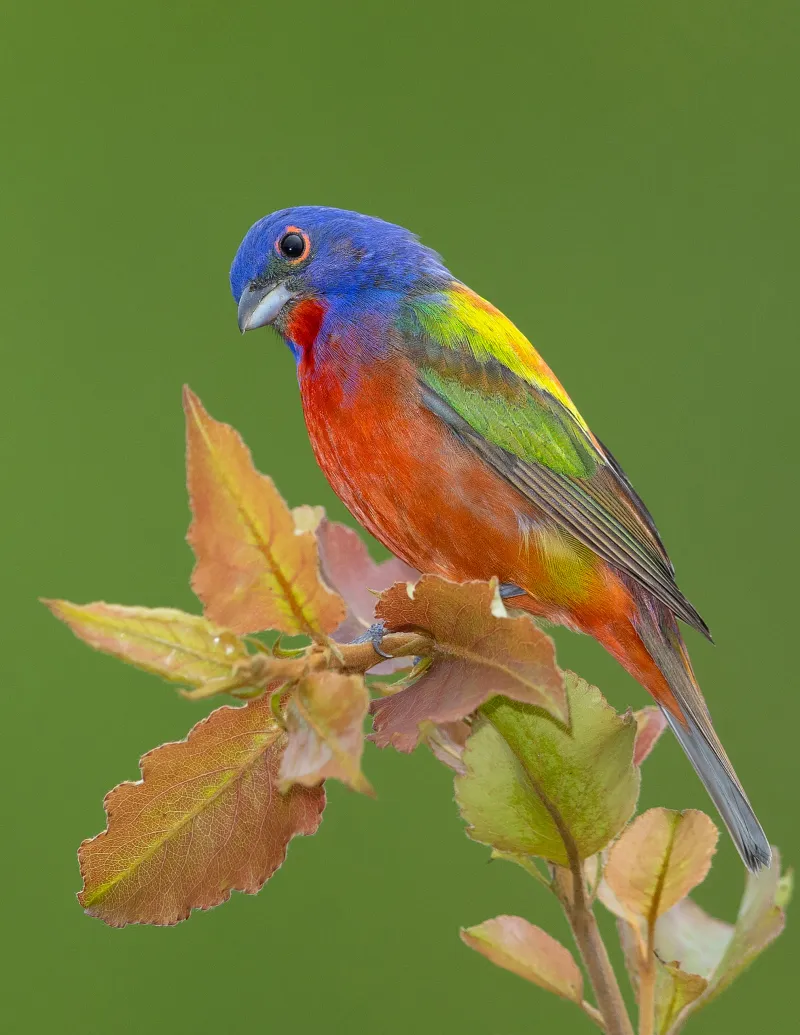
Did you know most songbirds feed insects to their young, even seed-eaters like painted buntings? Bugs are a big deal in a bird’s life.
Spraying pesticides across the yard wipes out caterpillars, beetles, and spiders that birds depend on. Some chemicals can also coat seeds and leaves.
A bunting nibbling in treated grass may swallow more than it bargained for.
Start by spot-treating only true problem areas. Pull weeds by hand when you can, and choose native plants that resist local pests.
Healthy soil and the right plant in the right place solve many issues naturally.
Skip broad lawn sprays, especially on patches you leave for seed. That grassy corner should stay a safe dining room.
Mosquito fogging is another one to think twice about, since it drifts widely.
Try gentler tools instead. Insecticidal soap, sticky traps, and simple water blasts handle many garden pests.
For mosquitoes, empty standing water and use dunks made for bird-safe control.
A few chewed leaves are a good sign, not a failure. They mean your yard is alive and feeding the food chain.
When buntings, wrens, and lizards find plenty to eat, they will pay you back by gobbling many of the bugs that bother you.
9. Make Your Yard Useful Before Making It Fuller
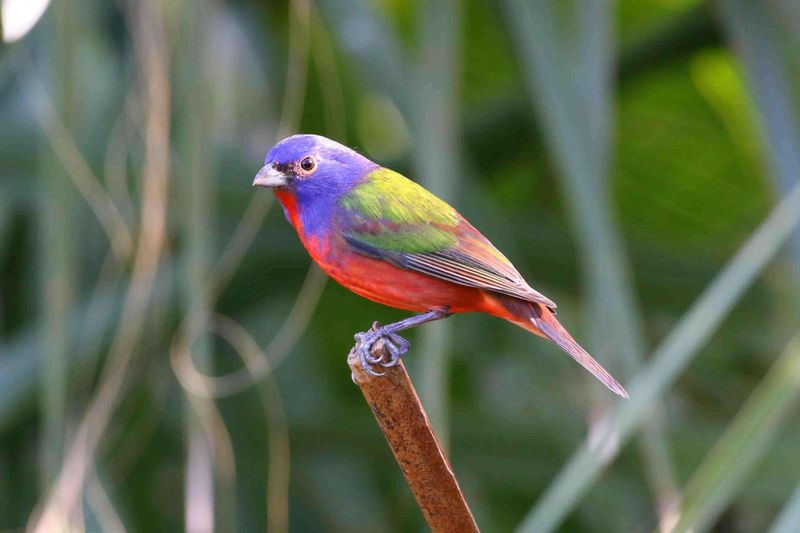
Here is a thought that might change how you shop. A yard packed with stuff is not always a yard birds can use.
Lots of people add feeders, ornaments, and fancy houses, then wonder why buntings stay away. The birds are not judging your decor.
They are checking for three things: food, water, and safety.
Before buying anything new, walk your yard like a bird would. Is there seed growing?
Is there a thick shrub nearby, clean water, and space to hop around without a cat lurking?
If the answer is no, fix that first. Plant a native grass patch, add beautyberry, set out a low bath, and ease up on raking and spraying.
These basics make one feeder far more effective than five.
Once your yard works, then enjoy the extras. A millet feeder near cover, a caged feeder to keep bigger birds out, or a comfy chair for watching are all fair game.
Just let each piece serve a purpose.
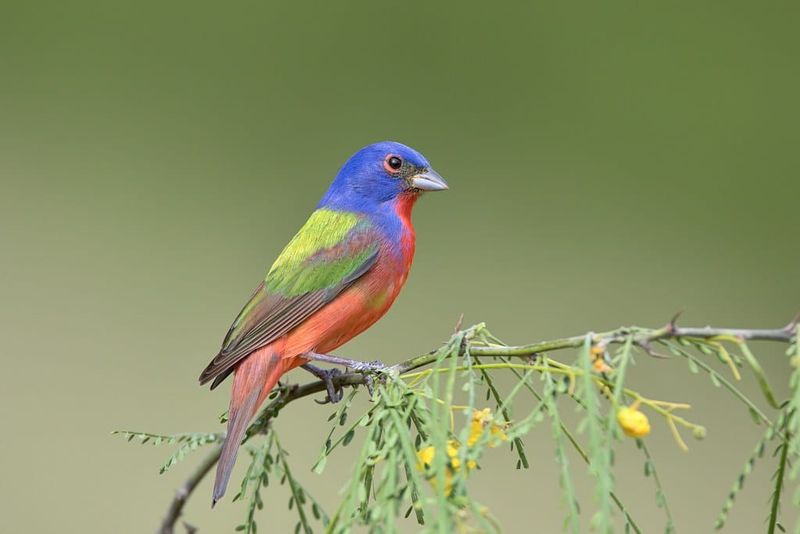
Painted buntings are sometimes called nonpareil, a French word meaning without equal. Give them a yard that truly meets their needs, and you may earn a front-row seat to Florida’s most colorful fall visitor, year after year.