What A Thin Michigan Lawn In October Says About Next Spring And How To Help It
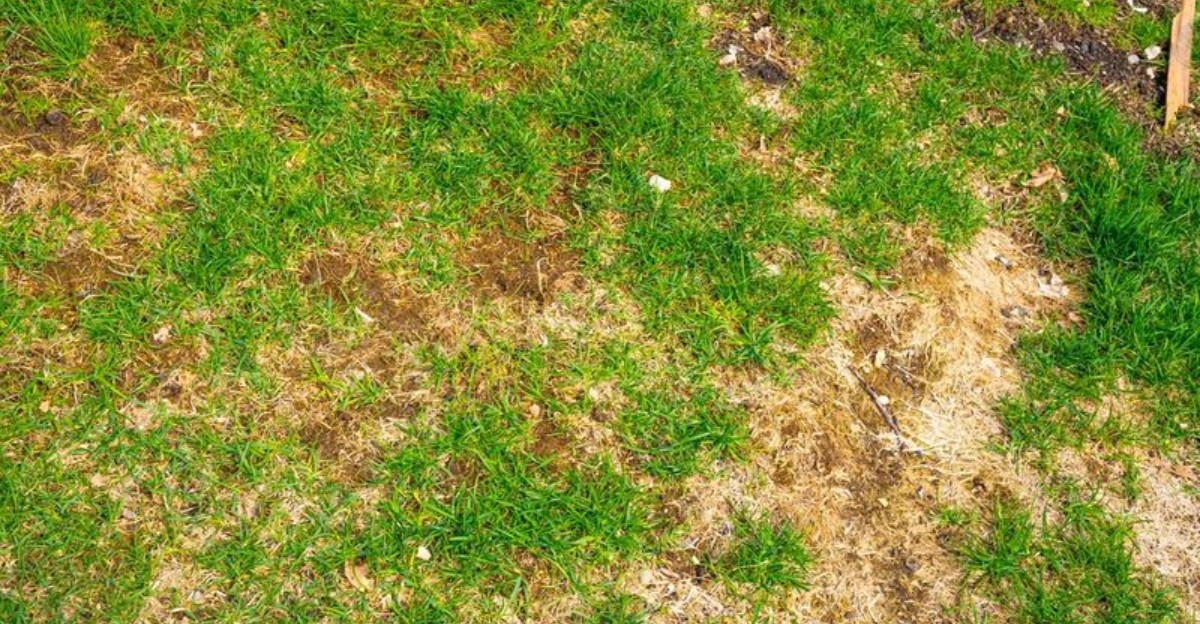
A lawn looking noticeably thin and patchy by October is sending a clear signal about what Michigan homeowners can expect to see once spring green-up begins.
Grass that struggled through summer heat, drought stress, or heavy foot traffic often doesn’t have enough density heading into winter to bounce back fully on its own once warmer weather returns.
This thinning creates openings where weeds can gain a foothold early in spring, before desirable grass has a chance to fill back in and outcompete them.
Fall overseeding and proper fertilizing can meaningfully improve a lawn’s density before winter dormancy sets in, giving it a real head start compared to simply waiting and hoping for natural recovery.
Addressing thinness now, rather than waiting until spring reveals the full extent of the problem, gives Michigan lawns a genuinely better shot at a fuller, healthier season ahead.
1. Thin Grass Now Means More Weeds Next Spring
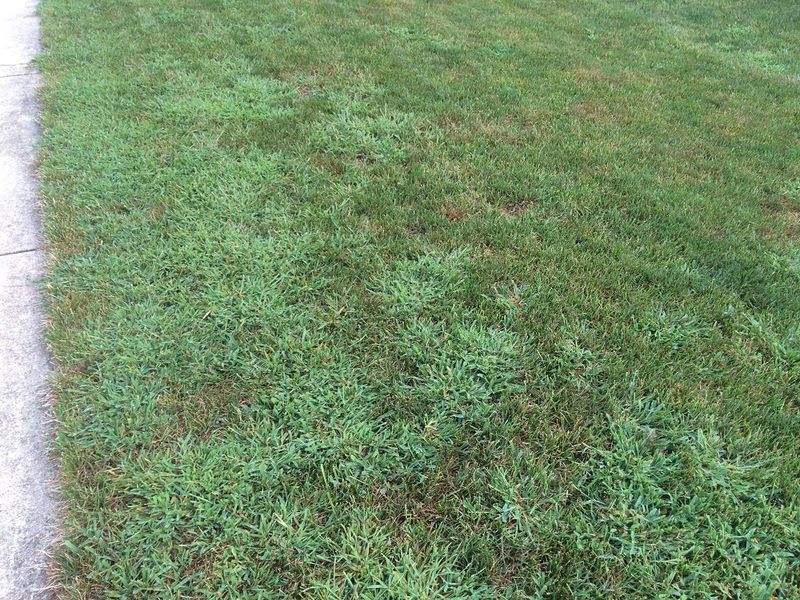
Weeds are patient. They wait for an opening, and a thin lawn in October hands them one on a silver platter. Every bare or sparse spot you see right now is open soil, and open soil is exactly where weed seeds love to land and sprout.
Once spring warms things up, crabgrass, dandelions, and other weeds move fast. They often sprout and spread before your grass has fully woken up and filled back in. By the time the lawn gets going, the gaps are already claimed by unwanted guests.
So think of those thin patches as a map. Take a slow walk around your yard this fall and note where the grass looks weak, patchy, or see-through. Snap a few phone photos or sketch a quick drawing of the yard so you remember next spring.
Those spots are almost always where weeds show up first.With your map in hand, you can plan care that targets problem areas instead of treating the whole yard the same way.
Maybe one corner needs seed, another needs fertilizer, and a third needs less foot traffic. Focused care saves money and gets better results.
Timing makes this step extra valuable in Michigan. Most lawns here are cool season grasses like Kentucky bluegrass, fine fescue, perennial ryegrass, and tall fescue. These grasses do most of their recovering in fall, when days are cool and roots grow strong.
October is still part of that window, which makes it a key month to notice problems and act before winter sets in.
2. Figure Out Why The Lawn Thinned
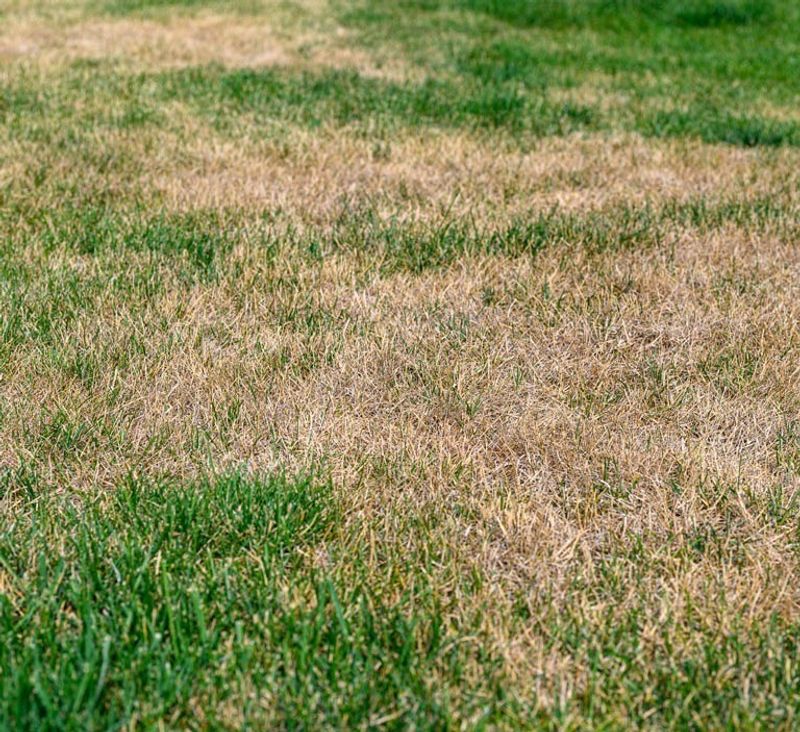
Grass seed is not a magic eraser. Many homeowners toss seed or fertilizer on thin spots, only to watch the same patches struggle again a year later. The real fix starts with one simple question: what caused the thinning in the first place?
There are several usual suspects. Summer drought can weaken grass, heavy shade can starve it of light, and compacted soil can choke its roots. Mowing too short, grubs chewing on roots, and lawn diseases can also leave patches looking sad and sparse.
Your Michigan Garden Changes Every Week. Your Plan Should Too.
Gardening in Michigan changes quickly throughout the season. Every Friday you’ll receive a simple weekly plan showing exactly what to plant, prune, fertilize, harvest, and protect so you never miss the right timing.
Playing detective is easier than it sounds. Look closely at where the thinning happens, because the pattern often points to the cause.
Thin grass under trees usually means too much shade, while worn strips along paths hint at compacted soil from foot traffic.
Sunny areas that turned brown in July and never quite bounced back likely suffered from drought stress.
Patches that peel back easily when you tug on them may be hiding grubs below. Circular or odd-shaped spots with discolored blades could point toward disease.
Once you match the pattern to the likely cause, you can choose the right fix. Shade might call for a shade-tolerant fine fescue or some tree trimming, and compacted areas may need aeration. Fixing the cause first gives new grass a real chance.
Michigan yards often show more than one problem at the same time. Hot, dry summer stretches can stress sunny spots, and then heavy fall shade from trees thins other areas. One yard can hold several different stories, so check each thin patch on its own.
3. Check For Grubs Under Thin Patches
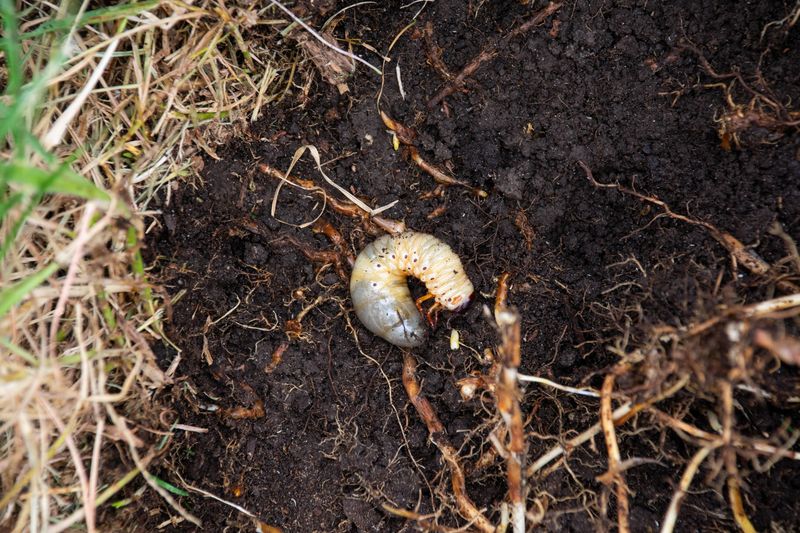
If a patch of grass rolls up like an old rug when you pull on it, something is happening below the surface. That something is often white grubs.
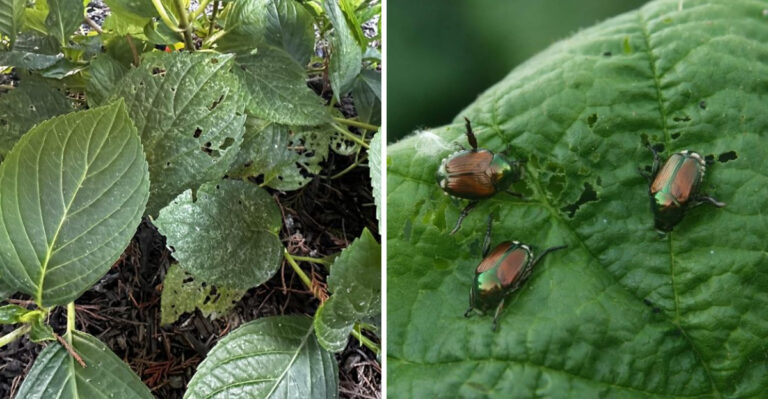
These plump, C-shaped larvae hatch from beetles such as the European chafer and Japanese beetle, and they spend late summer and fall munching on grass roots.
Without roots, grass has nothing holding it to the soil. It thins out, turns brown, and lifts away with a light tug. Skunks and raccoons know all about this snack bar, and they may tear up your lawn at night hunting for grubs.
Checking is simple and only takes a few minutes. Grab a flat shovel and cut a square foot of sod at the edge of a thin area, where healthy and weak grass meet. Peel it back and count the grubs you find in the top couple inches of soil.
A few grubs are normal and nothing to worry about. Treatment makes sense only when numbers are high, often around ten or more per square foot for many lawns. Curative products work best in late summer or early fall while grubs are still small.
Preventive products go down in late spring to early summer, before new eggs hatch. Always follow the label directions carefully for safe, effective use.
Michigan homeowners should pay close attention here, because European chafer grubs are a major cause of fall lawn damage across much of the state.
4. October Is Late For Seeding In Most Of Michigan
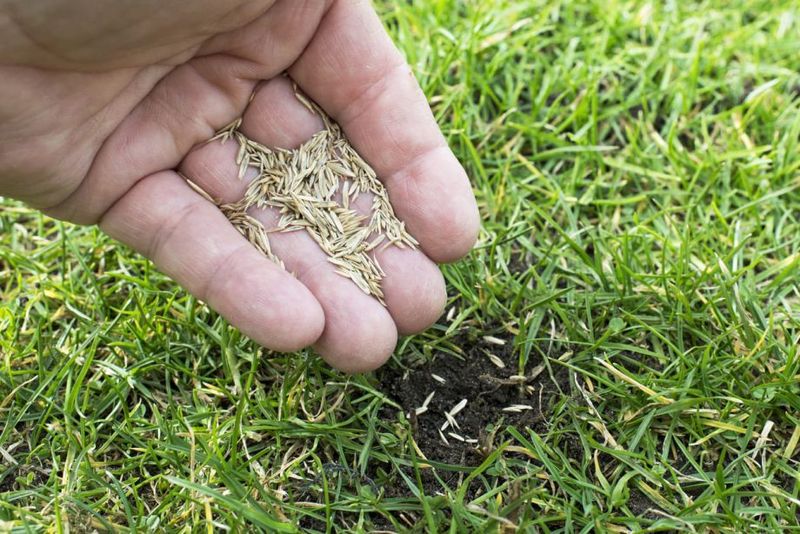
Seed has a clock, and in Michigan that clock runs out faster than many people expect. Grass seed sown late in fall may still sprout, but the tiny seedlings often lack time to build strong roots before the ground freezes. Weak young grass then faces a rough winter.
Cold snaps can damage tender blades, and frost heaving adds another problem. As soil freezes and thaws, it pushes up and down, which can lift shallow seedlings right out of the ground. By spring, much of that effort may be lost.
For the best results in future years, aim to seed from mid-August to mid-September. Warm soil and cooler air during that stretch help seed sprout quickly and settle in before winter. Mark it on next year’s calendar now so you do not miss it.
Another smart option is dormant seeding. Wait until late fall, when soil is too cold for seed to sprout, then spread seed over thin areas. It sits quietly through winter and germinates once spring warms the soil.
Spring seeding works too, with one important catch. Most crabgrass preventers also stop grass seed from sprouting, so you usually cannot use both in the same area at the same time. Read labels before you plan.
Location changes everything here. In the southern Lower Peninsula, mild years may still allow early October seeding with decent success. Up in the northern Lower Peninsula and the Upper Peninsula, the window closes much sooner, so earlier planning pays off.
5. Feed The Lawn In Fall
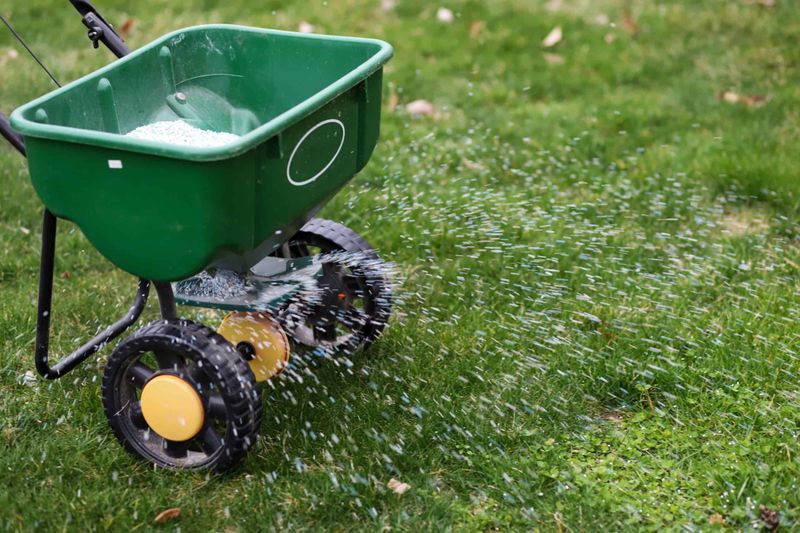
Ask a turf expert to name the single most helpful step for a thin cool season lawn, and many will say fall fertilizing. It sounds almost too easy, but the science backs it up. Grass uses fall nitrogen in a special way that pays off months later.
Instead of pushing out lots of top growth, grass in fall sends much of that energy into its roots and stores it. Stronger roots help the lawn spread and thicken. Stored energy also helps the grass green up earlier when spring arrives.
Timing and method both matter. Apply a lawn fertilizer in early to mid fall, following the rate on the bag rather than guessing. More is not better, and extra fertilizer can wash away or burn the grass.
Water it in if no rain is expected within a day or so. That moves the nutrients down into the soil where roots can use them. A light, steady rain works perfectly if the forecast cooperates.
Look closely at the numbers on the bag before you buy. The middle number shows phosphorus, and in Michigan it should usually be zero.
State law restricts phosphorus fertilizer on lawns unless a soil test shows a need or you are establishing new grass, because runoff can harm lakes and streams.
A soil test from Michigan State University Extension is inexpensive and takes the guesswork away. MSU Extension also recommends fall as a key time to fertilize cool season lawns, so you are following solid local advice.
6. Core Aerate Compacted Soil
Try pushing a screwdriver into your lawn. If it barely goes in, your soil may be packed as tight as a brick, and your grass is feeling the squeeze. Compacted soil is one of the sneakiest reasons lawns stay thin year after year.
When soil gets pressed down, the tiny spaces between soil bits shrink. Roots struggle to push through, water runs off instead of soaking in, and air cannot reach the root zone. Grass growing in those conditions stays short-rooted and weak.
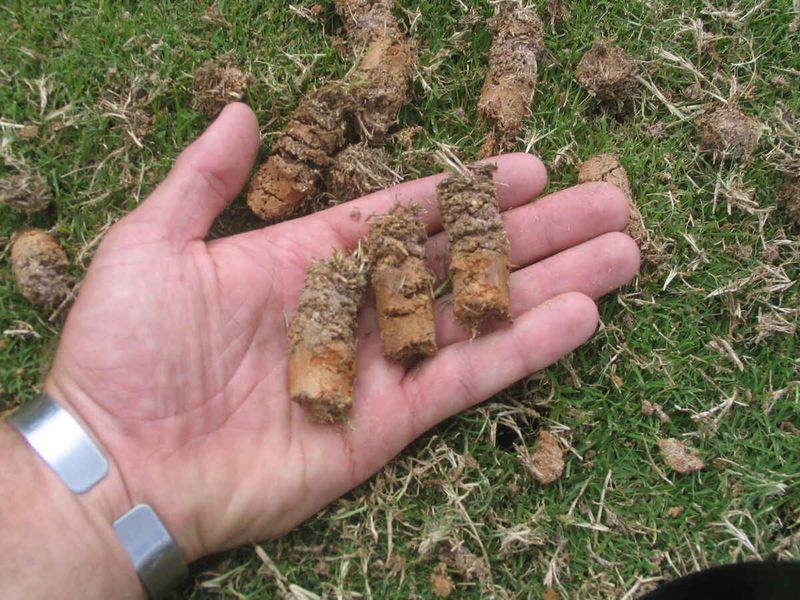
Core aeration offers a simple fix. A machine pulls out small plugs of soil, leaving little holes across the lawn. Those openings give roots room to spread and let water, air, and nutrients travel deeper.
For the best results, aerate when the soil is moist but not soggy. Dry, hard ground resists the tines, while soaked soil turns into a muddy mess. A day or two after a good rain is often ideal.
Focus on high-traffic spots and heavy soils first, since they compact the most. Leave the soil plugs right on the lawn. They look a bit messy, but they break down within a few weeks and return nutrients to the surface.
If you plan to overseed or fertilize, aerate first. Seed and fertilizer fall into the holes and reach the soil better.
Michigan homeowners in the southeast and mid regions often deal with heavy clay that compacts easily, especially in yards where kids play, dogs run, and friends gather.
7. Don’t Let Leaves Smother The Grass
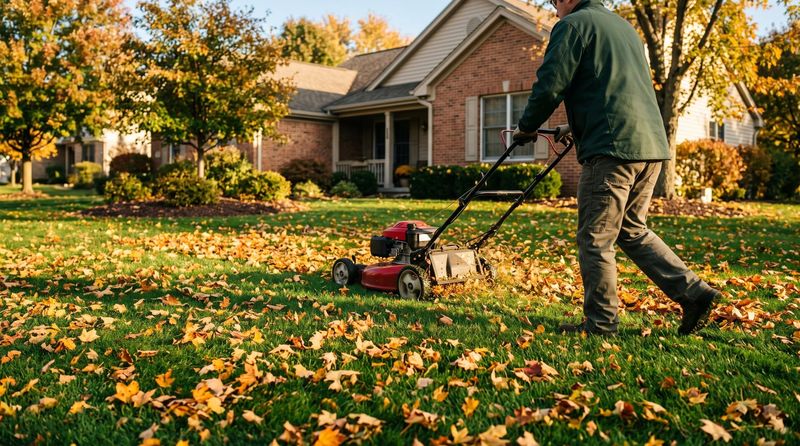
Autumn leaves make Michigan look like a postcard, but a thick blanket of them can quietly wreck a thin lawn. Grass underneath a heavy leaf pile sits in the dark for weeks. By spring, those covered areas often look worse than before.
A dense mat of leaves blocks the sunlight grass needs to make food. It also traps moisture right against the blades. That damp, dark setup invites snow mold, a fungus that leaves matted, gray or pinkish patches once the snow melts.
Luckily, you do not have to rake every single leaf. Light layers can simply be mowed over with your mower. The blades chop leaves into tiny pieces that slip down between the grass and break down, adding a little organic matter to the soil.
A good rule of thumb is simple. If you can still see grass through the chopped leaves after mowing, you are in good shape. If the lawn is buried, it is time to rake or bag.
Give extra attention to thin spots and any new seedlings. Young grass needs every ray of sunlight it can get before winter, so keep those areas clear. A leaf blower on a low setting or a gentle rake works well without tearing up tender blades.
Timing makes this a big deal here. Leaf drop from maples, oaks, and other trees peaks in October across much of Michigan, so plan on clearing leaves more than once as the season rolls on.
8. Keep Mowing At The Right Height Into Late Fall
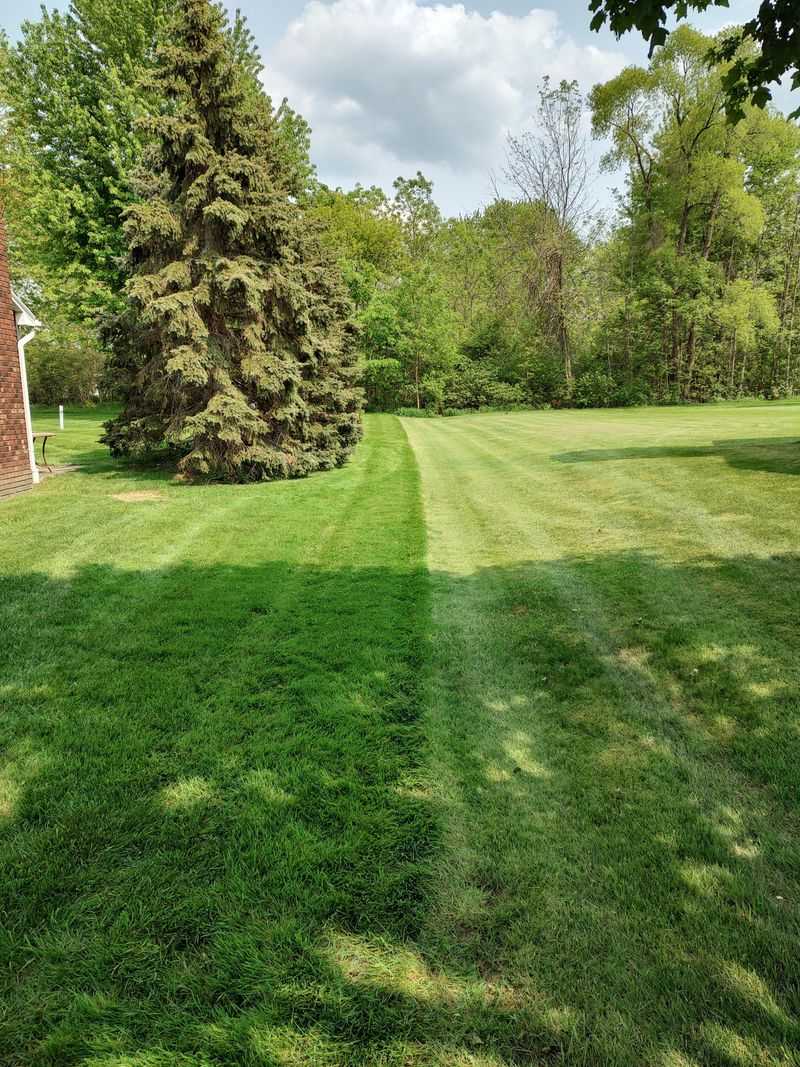
Put away the urge to buzz the lawn short for winter. That old habit might feel tidy, but it works against a thin lawn trying to recover. Height is one of the easiest tools you already own.
Taller grass shades the soil below it. Less sunlight on bare ground means fewer weed seeds sprouting next spring. Longer blades also give grass more leaf area to capture sunlight and turn it into energy for root growth before winter.
For most Michigan cool season lawns, about 3 inches is a great target. Keep mowing at that height as long as the grass keeps growing. Many people stop too early, and the lawn gets shaggy and floppy under the snow.
On your final mowing of the year, avoid scalping. Cutting way down can stress the grass and expose soil at a tough time. Instead, stay close to your usual height, or drop just slightly if you like a neater look.
Sharp mower blades matter more than most people realize. A dull blade tears grass instead of slicing it, leaving ragged, brown tips that lose moisture and invite disease.
Sharpen blades at least once a season, and your lawn will thank you with cleaner, greener tips.
Michigan grass often keeps growing well into late fall, sometimes until November. Each extra week of healthy growth helps the lawn thicken before snow arrives. Treat every mowing as a chance to set up a fuller, brighter spring.