The Native Shrubs That Keep Arizona Cardinals Coming Back Long After The Feeder Empties
A feeder brings cardinals to your yard, but the right shrubs give them a reason to stay. In the low desert, Northern Cardinals and their gray cousin, the Pyrrhuloxia, look for thick cover, berries, seeds, and bugs to eat.
Native shrubs offer all of that while sipping far less water than thirsty lawn plants. Here are eight tough desert picks that turn your yard into a place red birds call home.
1. Arizona Rosewood
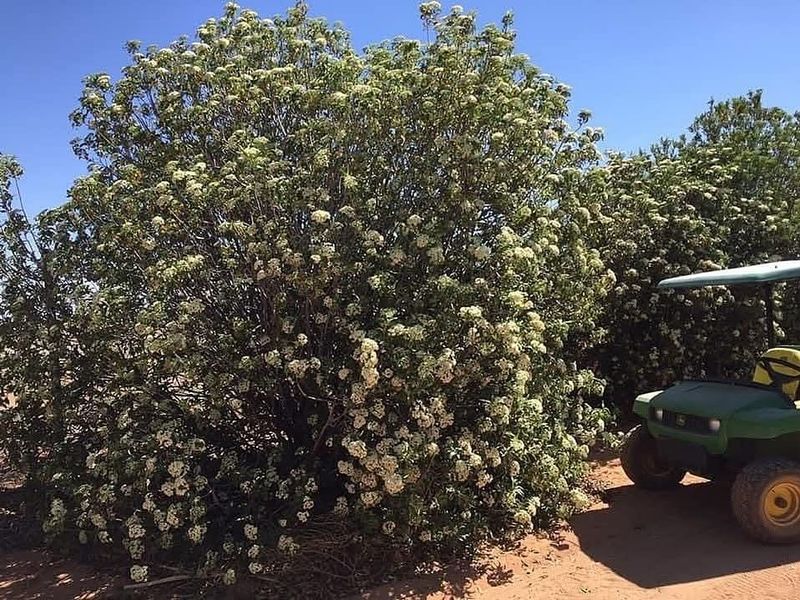
Picture a bright red bird tucked deep inside a wall of glossy green leaves on a 110 degree afternoon. Arizona Rosewood is one of the few native shrubs that stays thick and green all year, even against a sun-baked block wall.
Cardinals love that kind of hiding place.
In late spring, creamy white flower clusters pull in butterflies and small insects. Those bugs become protein for cardinal chicks.
Later, the flowers turn into small seed capsules that birds pick at through the hot months, long after you forget to refill the feeder.
The branching is so dense that cardinals often use it for nesting. Hawks and roaming cats have a hard time reaching inside, so parents feel safer raising a family there.
Plant three or four in a row, and you get a living privacy screen that doubles as a bird hotel.
Care is simple. Water deeply every week or two during the first summer, then taper to occasional deep soaks once roots settle in.
Plant in October or November so the roots grow through mild weather. Skip heavy pruning, since shearing it into a boxy hedge removes the flowers and the seeds birds depend on.
2. Sugar Bush
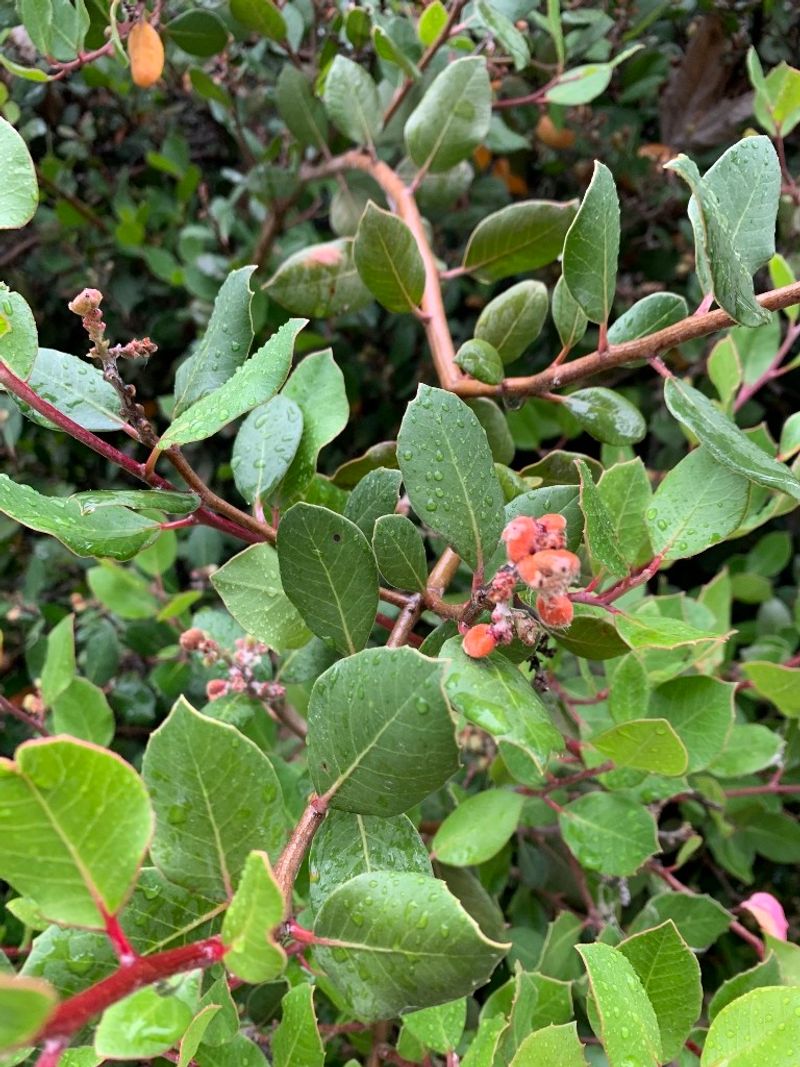
Here is a fun one: the small red fruits on Sugar Bush are coated in a sticky, sweet-tart film. Folks once soaked them to make a lemonade-style drink.
Birds skip the recipe and just eat them straight off the branch.
Sugar Bush grows into a rounded mound of thick, leathery leaves that shrug off hot wind and rocky soil. Pinkish-white flowers show up in spring, and the fruit follows soon after.
For a cardinal, that means a snack bar and a shady shelter in one tidy package.
Because the leaves stay put all year, the shrub gives birds cover in winter too, when many desert plants look bare. Cardinals like to hop between shrubs rather than cross wide open ground, so placing a Sugar Bush near other plants creates a safe travel route.
A few tips help it thrive in Phoenix or Tucson. Give it full sun to light afternoon shade and soil that drains fast.
Caliche pockets should be broken up before planting, since soggy roots cause trouble. Once established, it gets by on very little extra water, and overwatering is honestly the biggest risk.
Fall planting gives it the best start.
3. Velvet Mesquite
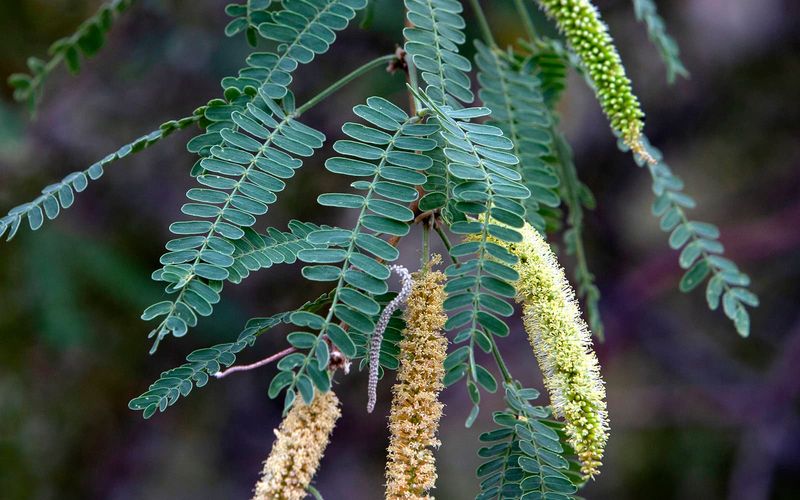
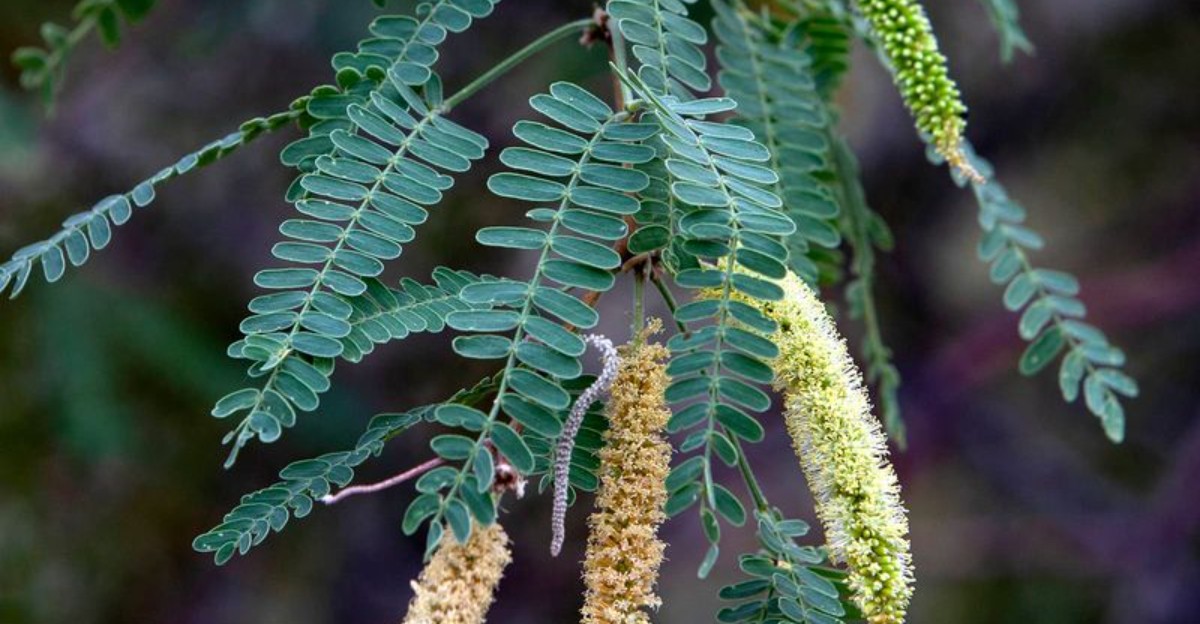
Ask any longtime desert birder where cardinals hang out, and the answer is usually the same: mesquite thickets along washes. Velvet Mesquite can grow as a tree, but kept low and bushy, it acts like a big shrub with a lot to offer.
Your Arizona Garden Changes Every Week. Your Plan Should Too.
Gardening in Arizona changes quickly throughout the season. Every Friday you’ll receive a simple weekly plan showing exactly what to plant, prune, fertilize, harvest, and protect so you never miss the right timing.
Spring catkins buzz with insects, which draws hungry birds looking for easy meals. By summer, sweet tan pods dangle from the branches and scatter seeds that birds pick through.
The thorny limbs add one more perk, giving nests some extra protection from climbing predators.
There is a bonus for your own comfort too. Mesquite casts light, filtered shade that can cool a patio or west wall during brutal summer afternoons.
That dappled shade also lets smaller plants grow underneath, building layers of cover that cardinals appreciate.
Keep the lower branches trimmed away from your house, since touching limbs can give scorpions an easy path to the roof. Use rock mulch below instead of wood chips, which tends to hold moisture that scorpions like.
Plant in fall, water deeply and slowly for the first couple of years, and then let this tough native mostly handle itself. Just avoid shallow, frequent watering, which leads to weak roots.
4. Desert Hackberry
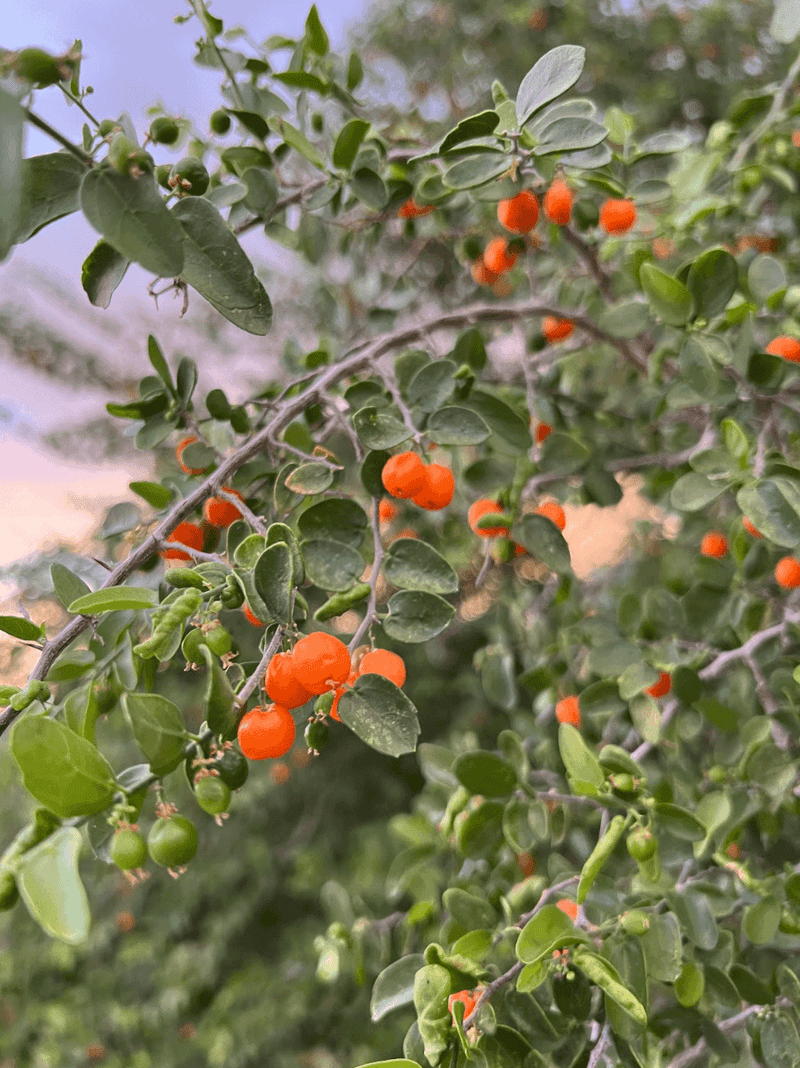
If cardinals could pick a favorite fast food spot, Desert Hackberry might win. The spiny, zigzag branches produce tiny orange berries in late summer and fall, and birds of all kinds line up to eat them.
Not the prettiest shrub in the nursery, honestly. It looks a little wild and messy.
But that tangled shape is exactly why birds adore it. Pyrrhuloxias, the gray cardinals of the Sonoran Desert, often nest inside these thorny tangles because few predators want to push through.
The berries arrive right when monsoon season winds down, filling a food gap before winter. Small leaves stay on much of the year in warmer spots, giving cover even during cooler months.
Butterflies and bees visit the tiny flowers too, so the shrub keeps insects around for birds to hunt.
Desert Hackberry handles full sun, reflected heat, and poor rocky soil with barely a complaint. Put it along the back edge of your yard or near a wall where the spines will not snag anyone walking by.
Water it through its first summer, then mostly let rain do the work. Planting in October or November gives roots time to spread before June heat hits.
5. Wolfberry
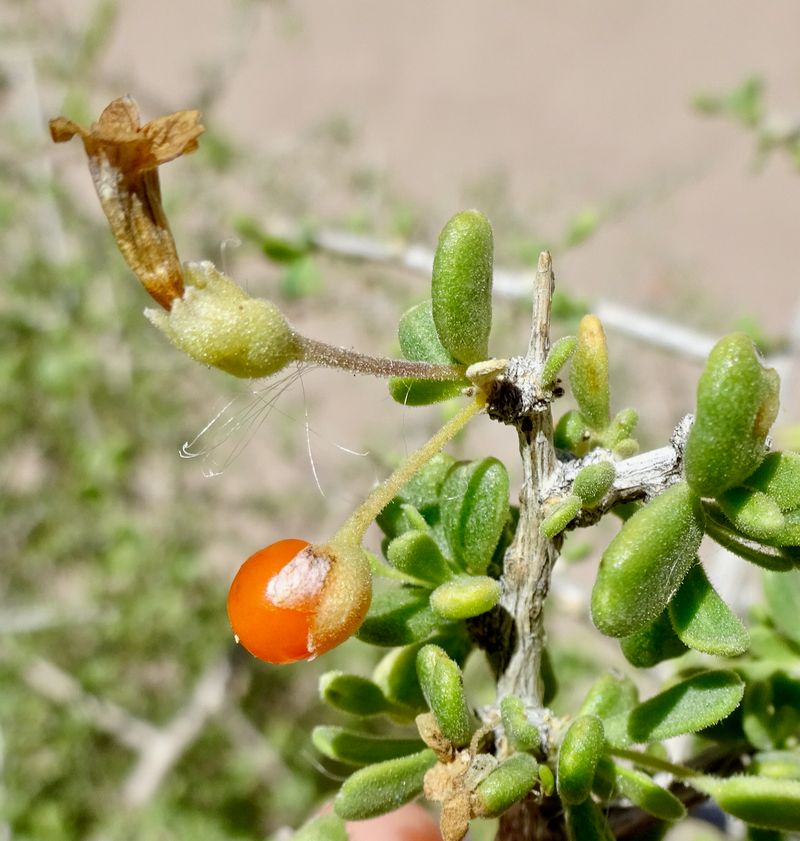
Early spring can be a lean time for birds, and that is when Wolfberry quietly steps up. Also called desert thorn, this native Lycium puts out little red berries that look like tiny tomatoes, often ripening in late winter and spring.
Cardinals, thrashers, and quail snatch those berries fast. For your yard, that means birds have something to eat after the seed heads of fall are long gone.
Small lavender flowers come first, feeding bees and even hummingbirds.
During the hottest part of summer, Wolfberry may drop its leaves and rest. Some homeowners panic and think something went wrong, but that is just its way of saving water.
Once cooler weather or monsoon rains arrive, fresh leaves pop right back.
The thorny, crowded stems make a solid hideout for birds. Place Wolfberry where the summer bare look will not bother you, such as a side yard or behind flowering perennials.
It needs almost no supplemental water once rooted, which makes it perfect for a low-water habitat corner. Keep the base open and raked of leaf piles so the area stays dry and less inviting to scorpions looking for shelter.
6. Chuparosa
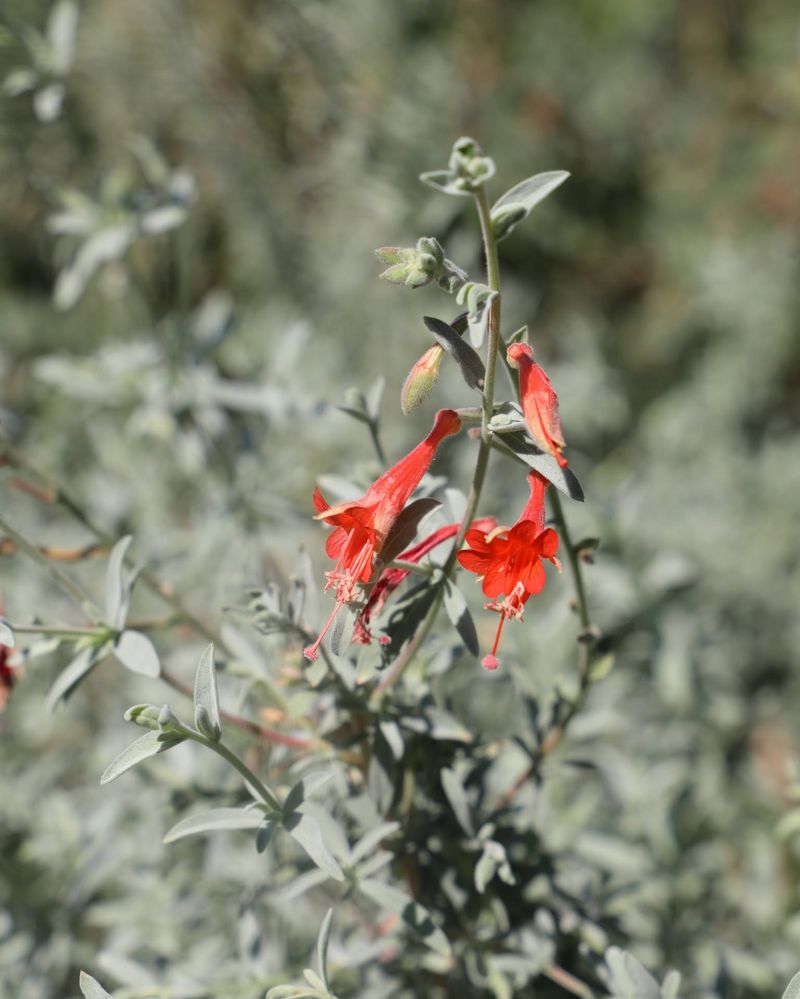
Winter in Phoenix can feel a little quiet, but a Chuparosa in full bloom changes that fast. Bright red tubular flowers cover its gray-green stems from fall into spring, and the yard suddenly fills with wings.
Hummingbirds are the famous visitors. Cardinals also show up, and some have been seen nipping flowers to reach the sweet nectar inside.
The sprawling, twiggy shape gives birds a low hiding spot where they can rest between trips.
The name comes from Spanish and roughly means one who sips, a nod to all the hummingbirds that visit. Each flower acts like a tiny juice box during months when little else is blooming, which makes Chuparosa a great partner to summer-fruiting shrubs on this list.
Plant it in full sun, and it handles heat like a champ. During long dry spells, it may drop leaves, but the green stems keep working.
A deep drink every couple of weeks in summer keeps it looking fuller. Trim lightly after spring flowering if it gets leggy, but leave plenty of stems for cover.
Fall planting lines up perfectly with its bloom season, so you often get flowers the very first winter.
7. Fairy Duster
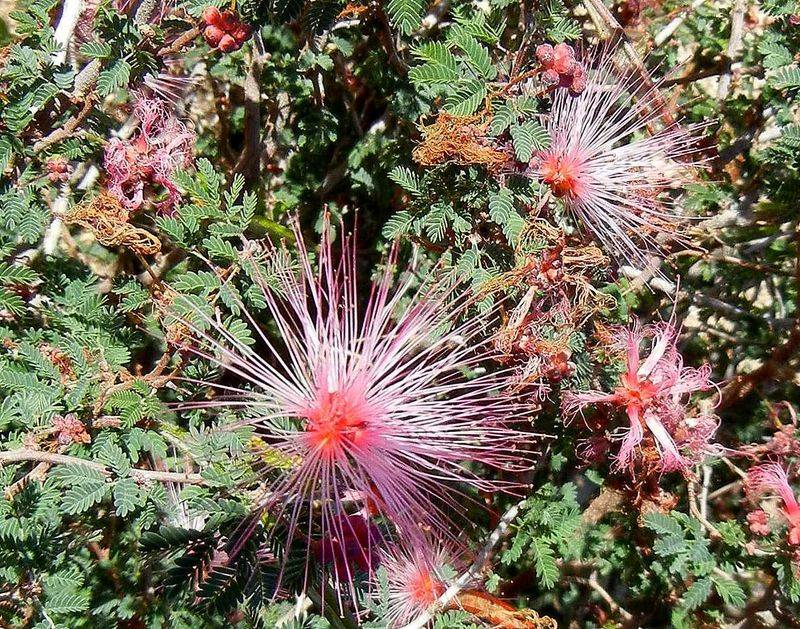
Fluffy pink pom-poms that look straight out of a cartoon? That would be Fairy Duster, a small native shrub that packs more wildlife value than its size suggests.
Blooms appear from late winter through spring, sometimes returning in fall. Those puffy flowers draw hummingbirds, butterflies, and the insects that cardinals feed to their young.
After flowering, small seed pods pop open, and ground-feeding birds like quail and cardinals forage for the seeds below.
Fairy Duster fills a special role on this list because it stays low, usually around two or three feet tall. That makes it great for planting in front of bigger shrubs like Rosewood or Sugar Bush.
Layering short and tall plants gives cardinals a staircase of cover they can use to move around your yard safely.
It also helps hold soil in place on slopes during wild monsoon downpours. Give it full sun and fast-draining ground, and water sparingly once established.
Too much water makes it floppy and less flowery. Keep it spaced a bit apart from walls so air moves freely underneath.
That open, dry base may help make the area less appealing to scorpions compared to thick, damp groundcovers.
8. Desert Willow
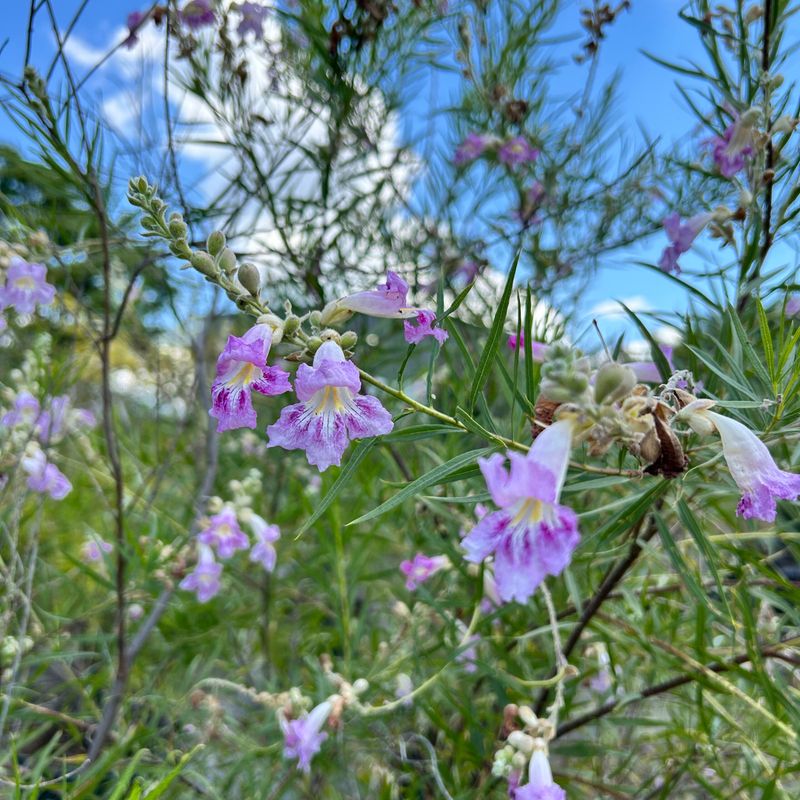
Summer flowers in 105 degree heat sound impossible, yet Desert Willow pulls it off every year. Pink and purple trumpet blooms keep coming from late spring into the monsoon season.
Technically not a true willow, it only borrows the name from its long, skinny leaves. Grown as a large multi-trunk shrub, it gives cardinals a leafy perch during the hottest months.
The flowers attract bees, hummingbirds, and plenty of insects, which means steady food for birds raising a second brood.
Long, bean-like pods follow the flowers and hang on into winter. They split open to release papery seeds that some birds will pick at.
Meanwhile, the airy canopy casts light shade over patios and west-facing windows, helping your house stay a touch cooler.
Desert Willow is deciduous, so it goes bare in winter. Pair it with evergreens like Arizona Rosewood so cardinals still have year-round shelter.
Plant in fall or early spring, water deeply while it settles in, then cut back to occasional soaks. A tidy trim in late winter shapes it nicely.
With these eight natives working together, your yard can feed and shelter cardinals in every season, feeder or not.