The Summer Care Mistake That Stresses Arizona Yucca Plants
Arizona summers push gardeners toward one instinct: grab the hose and soak everything in sight. With yucca, that instinct causes more damage than almost anything else desert gardeners do.
These plants store moisture in thick roots built for drought, not deluge. Extra attention during peak heat can hurt more than it helps, especially when it targets the wrong end of the plant.
The result shows up as yellowing leaves, mushy stems, and a plant that looks thirstier the more you tend to it. Confusing signals like these send many gardeners doubling down on the same habit, making the problem worse with every attempt to fix it.
A yucca that gets exactly what it needs this summer stretches its spiky leaves toward 110 degree afternoons without flinching. One that gets too much attention rots quietly from the roots up, long before the leaves give it away.
Watering More Because It’s Hot Backfires Fast
Your gut says water more when the sun blazes. But Arizona yucca plants did not evolve to expect frequent drinks.
These plants store moisture in their thick leaves and roots. Extra water during Arizona summer heat does not help them cool down.
Watering too often creates soggy soil around the roots. Soggy roots in hot weather become a breeding ground for fungal problems.
Treating yucca like a thirsty garden flower is the fastest way to stress it out in summer heat. They are desert survivors, not tropical houseplants.
Established yuccas in the ground often need water only every two to three weeks in summer. Container yuccas may need slightly more frequent watering, though daily watering is rarely necessary.
A good rule is to check the soil before reaching for the hose. If the top two inches feel dry, then watering is appropriate.
Many gardeners water on a fixed schedule without checking the dirt first. That habit ignores what the plant is actually experiencing underground.
The heat often pushes gardeners toward watering more than the plant actually needs. Recognizing that pattern is the first step toward better plant care.
Yuccas that get too much water start showing stress signals within days. Catching those signals early gives you a real chance to turn things around.
What Root Rot Looks Like In The Early Stages
Root rot is sneaky because most of the damage happens underground. By the time leaves look bad, the roots are already struggling.
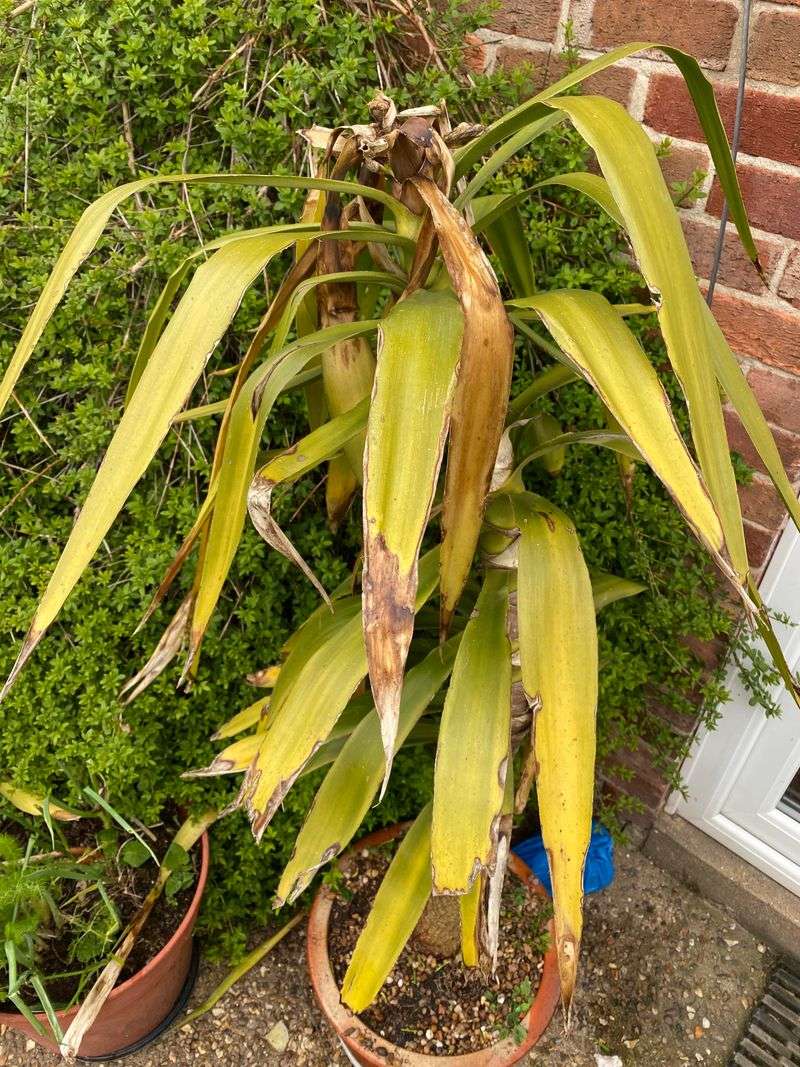
Early signs show up at the base of the plant first. Look for leaves that turn yellow or mushy near the soil line.
Healthy yucca leaves are stiff and sword-like with a firm green color. Leaves that feel soft or bend easily are waving a red flag.
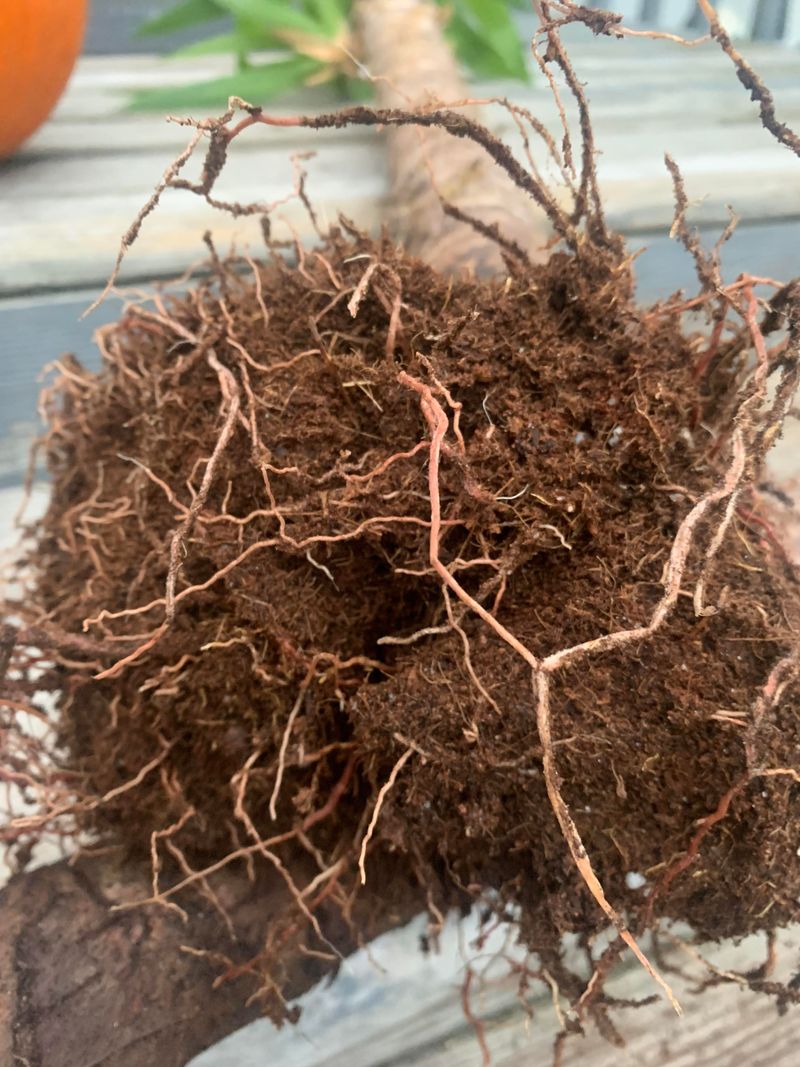
Pull back the top layer of soil gently near the base. Healthy roots look tan or white, while rotted ones appear dark brown and smell sour.
This kind of stress often goes unnoticed until root rot has already taken hold. Catching it at the early stage matters enormously.
A plant with mild root rot can still recover if you act fast. Remove it from the ground, trim away the damaged roots, and let them air dry.
Your Arizona Garden Changes Every Week. Your Plan Should Too.
Gardening in Arizona changes quickly throughout the season. Every Friday you’ll receive a simple weekly plan showing exactly what to plant, prune, fertilize, harvest, and protect so you never miss the right timing.
Use clean scissors or pruning shears when cutting roots. Dirty tools spread the same fungal issues you are trying to fix.
After trimming, dust the cut areas with powdered sulfur or cinnamon. Both act as natural antifungal agents that protect the exposed tissue.
Replant in fresh, well-draining soil and hold off on watering for at least a week. Giving the roots time to settle without moisture is a smart recovery move. Spotting root rot early is genuinely possible with regular observation.
A Simple Soil Test Beats Any Fixed Schedule
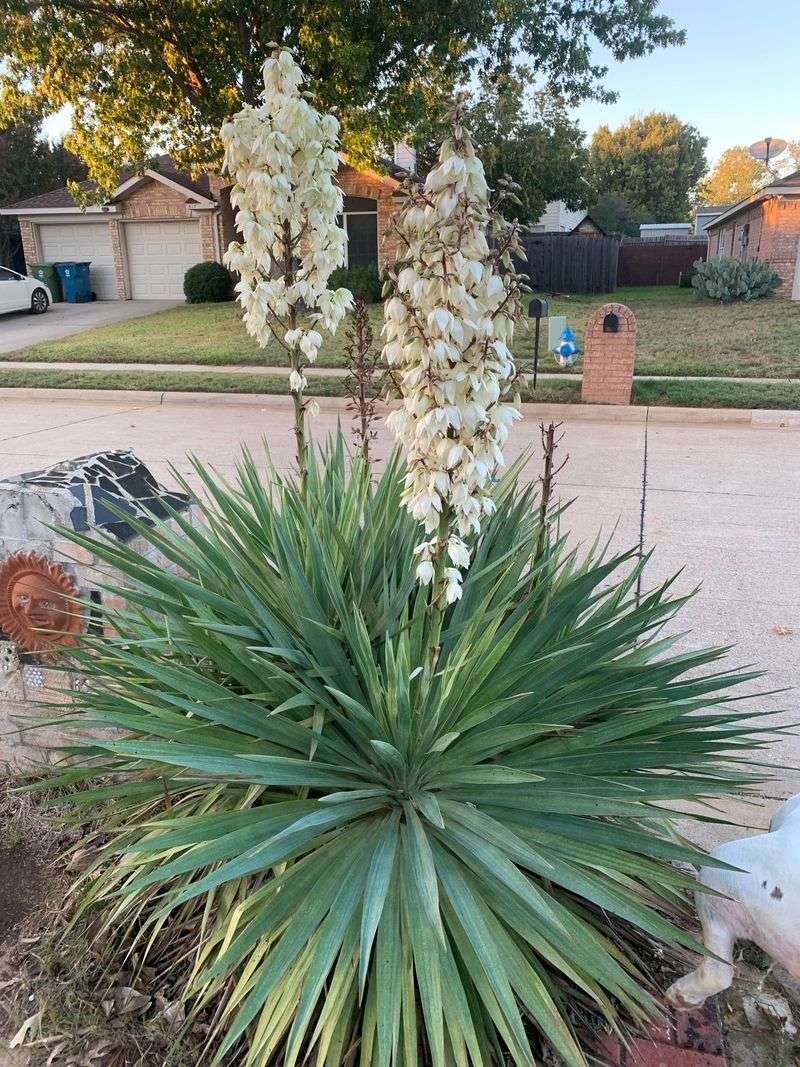
Forget the calendar for a moment and think about the soil instead. The ground tells you everything you need to know about watering.
Push your finger about two inches into the soil near the yucca base. If it feels dry at that depth, the plant is ready for water.
If any moisture remains, walk away and check again in two or three days. Patience here protects the roots from unnecessary stress.
Soil type makes a huge difference in how fast moisture drains away. Sandy desert soil drains quickly, while clay-heavy mixes hold water much longer.
Knowing your soil type helps you predict how often your yucca actually needs attention. A quick squeeze of a small handful of dirt reveals a lot.
Sandy soil crumbles immediately and feels gritty between your fingers. Clay soil clumps together and holds its shape when squeezed.
Yuccas planted in clay-heavy ground face higher overwatering risk during summer. That soil stays wet longer, which means less frequent watering is needed.
Ignoring what the soil is telling you is where this problem usually starts. A two-second finger test beats any fixed watering app.
Investing in a basic, affordable moisture meter takes most of the guesswork out of watering. Slide the probe into the soil and read the result instantly.
Trusting the ground over the clock is a small shift that produces big results for desert plants.
Signs Your Yucca Is Actually Underwatered Instead
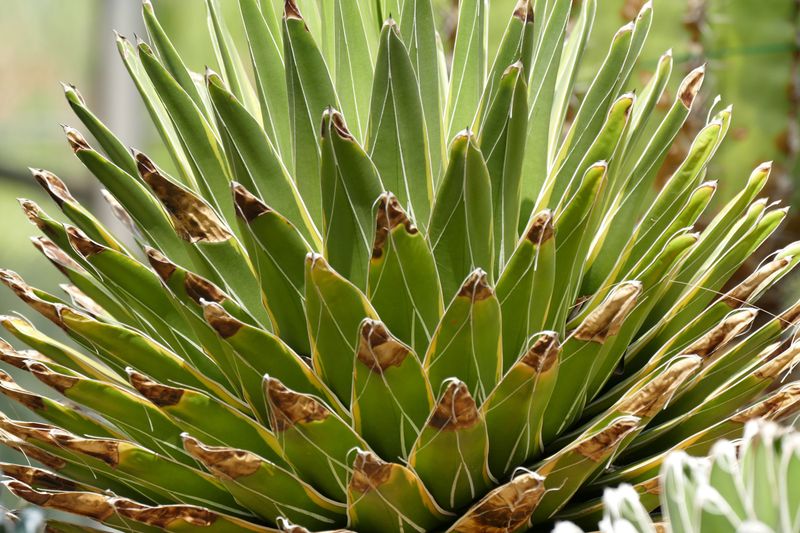
Not every struggling yucca is drowning in water. Sometimes the plant is simply not getting enough moisture to function well.
Underwatered yuccas show their own set of clues, and they look different from overwatered ones. Knowing the difference saves you from making the wrong fix.
Brown, crispy leaf tips are a classic sign of too little water. The browning starts at the tip and works its way down toward the base.
Leaves may also begin to curl slightly inward along their edges. That curling is the plant pulling in its surface area to slow moisture loss.
Soil that has turned pale, dusty, or cracked around the base confirms the diagnosis. Bone-dry ground means the roots have had nothing to absorb for too long.
An underwatered yucca also tends to look dull rather than vibrant. The green color fades toward a grayish or muted tone when hydration runs low.
When you confirm underwatering, do not flood the plant all at once. A slow, deep soak works far better than a sudden rush of water.
Water slowly at the base until moisture soaks down at least six inches. Then wait and watch before watering again.
Balancing yucca hydration in Arizona summer heat requires attention on both ends of the spectrum. Too much and too little both create stress, just through different paths.
Staying observant keeps your plant in that sweet spot where it actually thrives.
Drainage Matters More Than Frequency In Arizona Heat
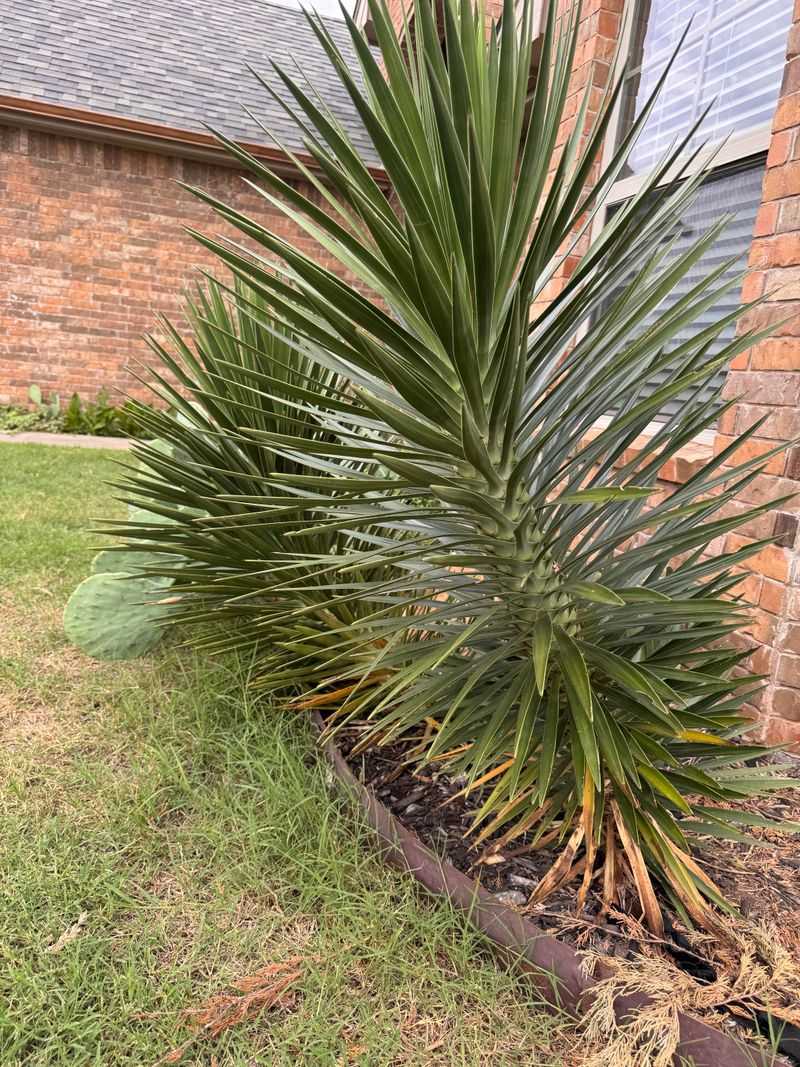
Here is one factor that shapes nearly every part of desert plant care. How fast water leaves the soil matters more than how often you add it.
Yucca roots need oxygen as much as they need moisture. Soil that holds water too long suffocates the roots and blocks oxygen flow.
Arizona summers push soil temperatures extremely high. Warm, wet soil is the perfect environment for root-damaging fungi to spread fast.
Improving drainage is one of the most powerful things you can do for a yucca. Amending the soil with coarse sand or perlite opens up space for water to move through.
For container yuccas, drainage holes at the bottom make a major difference. A pot without proper holes traps water and creates ongoing problems for the roots.
Elevating containers slightly on pot feet improves airflow underneath. That small change helps excess moisture escape instead of pooling at the base.
For in-ground yuccas, consider planting on a slight slope or raised mound. Even a few inches of elevation gives water somewhere to drain toward.
Mulch around the base helps regulate soil temperature without trapping excess moisture. Use coarse gravel or decomposed granite instead of dense wood chips.
More often than not, this issue is really a drainage problem in disguise. Fixing the soil structure often solves more issues than adjusting the watering schedule alone.
Good drainage is the foundation every desert plant deserves to grow on.
Bringing A Stressed Yucca Back To Full Health
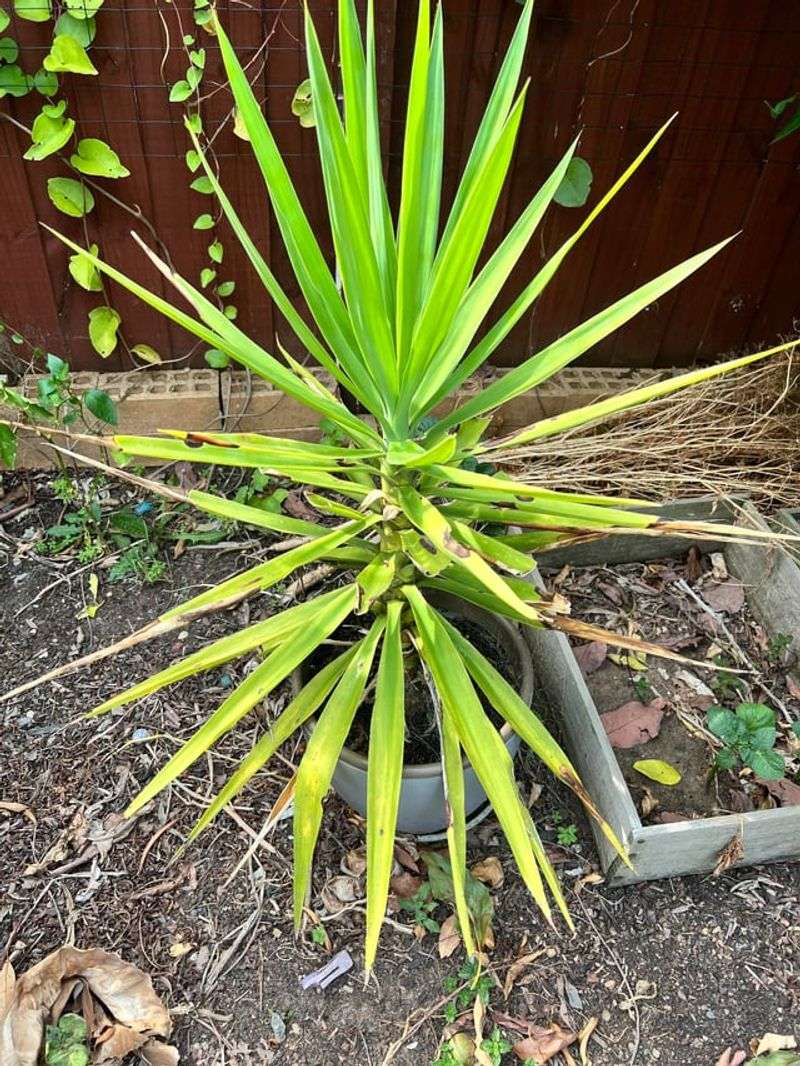
A stressed yucca is not a lost cause, and recovery is often within reach. These plants are naturally resilient and recover well with the right care.
Start recovery by stopping all watering immediately for at least one week. Letting the soil dry out completely gives stressed roots room to breathe again.
Remove any yellow, mushy, or brown leaves at the base. Clearing away damaged growth reduces the energy the plant wastes trying to support failing tissue.
Check the root zone carefully after the dry period. Trim away any soft or discolored roots using clean, sharp tools before replanting.
If the yucca is in a container, swap out the old soggy soil entirely. Fresh, fast-draining mix gives the roots a clean environment to recover in.
Place the recovering plant in bright indirect light for a few days. Harsh direct sun adds extra stress when a yucca is already weakened.
Once new growth appears, you can gradually reintroduce the plant to full sun. New leaves emerging from the center are a clear sign that recovery is underway.
Resist the urge to fertilize during the recovery phase. Fertilizer pushes new growth, and a stressed plant needs stability before it needs stimulation.
The summer care mistake that stresses Arizona yucca plants can be reversed with patience and the right steps. Most yuccas that receive proper attention after stress will reward you with strong, healthy regrowth.
Stick with it, and your plant will surprise you with its toughness.