Garden Habits That Bring More Songbirds Into Georgia Backyards This Fall
If your backyard feels quieter than it did in spring, the birds may be spending time somewhere else.
Songbirds roam more once nesting season ends, going wherever food and cover are easiest to find. A yard that was busy in May can feel empty by October.
Part of the reason comes down to routine chores most homeowners never question. How you clean up beds and trim plants can decide whether birds stop by.
That is good news, because small changes to those habits often pay off within a few weeks.
Across Georgia, migrating birds are also passing through right now and looking for places to rest and eat.
Your yard could easily become one of those stops. Pay attention to how you handle your next round of fall yard work.
1. Spent Flower Heads Leave Natural Seeds For Finches And Sparrows
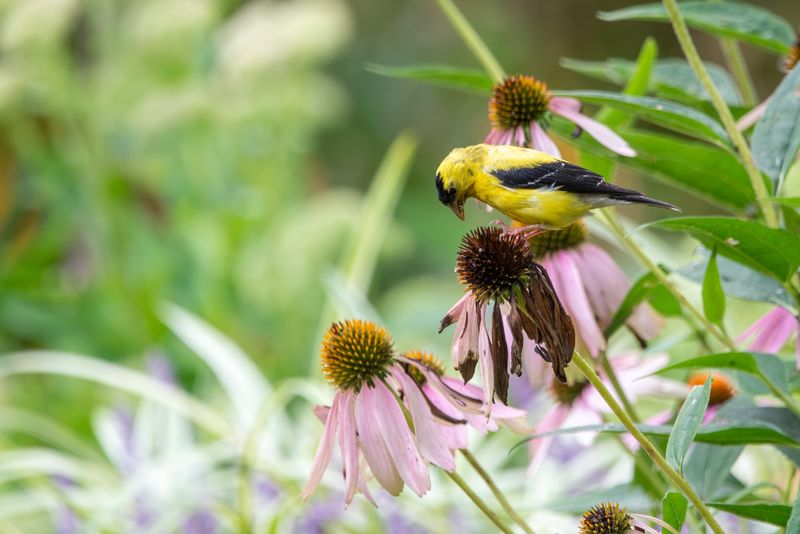
Hold off on those pruning shears. Brown, droopy flower heads might look messy to you, but a goldfinch sees a snack bar waiting to be opened.
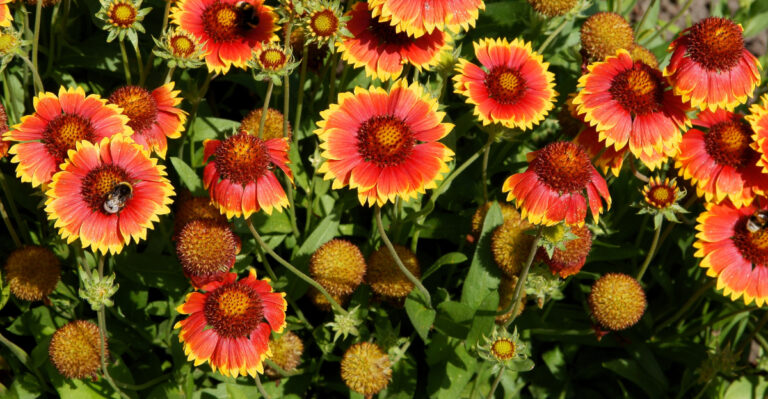
Coneflowers, black-eyed Susans, and sunflowers all form seeds after their petals fall away.
Leaving them standing into fall gives finches and sparrows an easy meal right on the stem. You will often spot goldfinches hanging upside down to pull seeds loose.
Native plants tend to work well here because local birds already know how to use them.
Here in Georgia, purple coneflower and goldenrod are common choices that handle our heat and humidity fairly well. Seed amounts can vary depending on rain, soil, and how healthy the plants were over summer.
Worried about looks? Try leaving the seed heads in back beds while tidying the areas closest to your front walk.
That kind of balance keeps neighbors happy and still feeds the birds.
Once the heads are picked clean, usually by late winter, you can cut stems back before spring growth starts. Some gardeners leave a few hollow stems about a foot tall, since certain native bees may use them for nesting.
Sparrows like chipping and song sparrows will also search the ground below for dropped seeds.
A little patience with your cleanup can turn faded flowers into one of the most useful parts of your fall yard.
2. Fallen Leaves Hide Food For Towhees And Other Ground Feeders
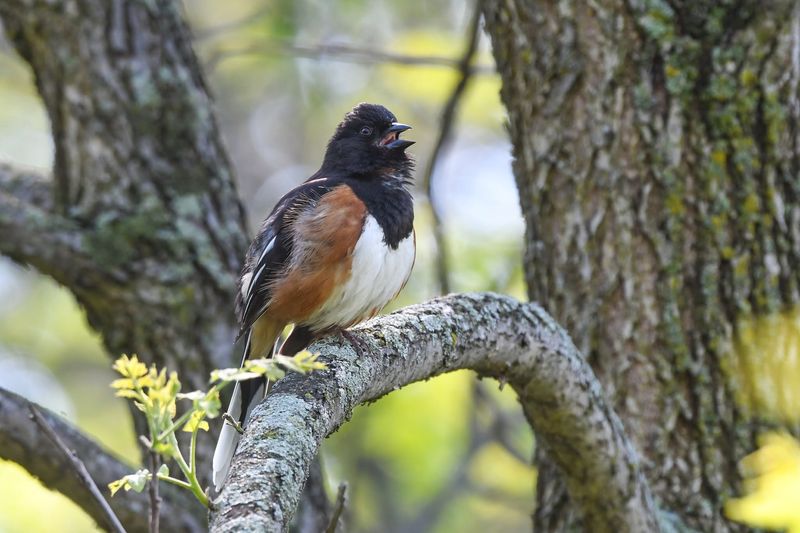
Listen closely under your shrubs this fall. That loud rustling is often an eastern towhee, kicking back leaves with both feet like it lost its car keys.
Leaf litter is full of small life, including beetles, spiders, caterpillars, and worms.
Ground feeders rely on these hidden bugs, especially when cooler weather makes food harder to find. Brown thrashers, towhees, and white-throated sparrows all spend time digging through fallen leaves.
Bagging every leaf removes that food source along with the shelter it provides.
You do not have to leave your whole lawn buried, though. Raking leaves into garden beds or under trees works nicely, and it can help protect plant roots through winter.
A layer a few inches deep is usually plenty for birds and garden soil.
Your Georgia Garden Changes Every Week. Your Plan Should Too.
Gardening in Georgia changes quickly throughout the season. Every Friday you’ll receive a simple weekly plan showing exactly what to plant, prune, fertilize, harvest, and protect so you never miss the right timing.
Thick, wet mats on turf grass can smother the lawn, so moving leaves off grassy areas is still a smart habit. Running a mower over them first can break them into smaller pieces that settle faster.
Oak leaves are common in Georgia yards and break down slowly, which gives birds a longer-lasting place to search.
Over time, those leaves turn into rich organic matter that feeds your plants too.
Less raking and bagging means fewer sore arms for you, plus a busier yard full of scratching, hopping birds.
3. Berry Producing Shrubs Give Migrating Birds A Fall Food Source
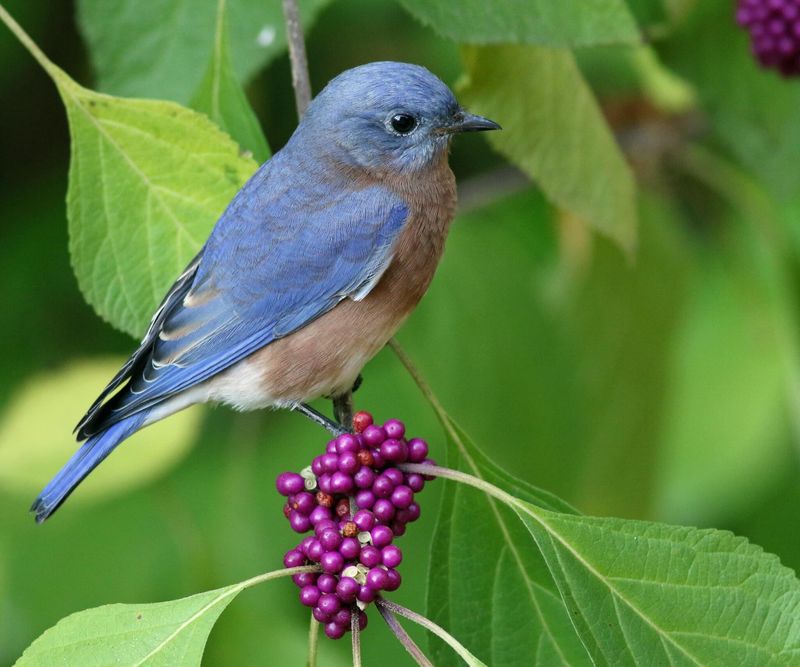
Bright purple beautyberries tend to disappear fast once migrating birds find them.
Fall migration is hard work for birds, and they need foods high in fat and sugar to keep going. Berries help fill that need at the right time of year.
American beautyberry is a Georgia native that ripens in late summer and fall. Its clusters are hard to miss, and catbirds, mockingbirds, and thrushes often eat them.
Other good options include dogwood, spicebush, winterberry holly, and native viburnums.
Planting a mix helps because shrubs ripen at different times, spreading the food supply over more weeks.
Be aware that fruit production can depend on sun, water, and plant age. Some hollies, like winterberry, also need a male plant nearby before the female plant will produce berries.
Fall is actually a good planting season in much of the South. Cooler air and fall rain usually help roots settle in before summer heat returns.
Try to skip invasive plants like Chinese privet and nandina, even though birds may eat their fruit.
Nandina berries can be harmful to some birds, and privet spreads into nearby woods. Native shrubs give you color, cover, and food without those problems.
4. Brush Piles Offer Wrens And Other Small Birds Quick Cover
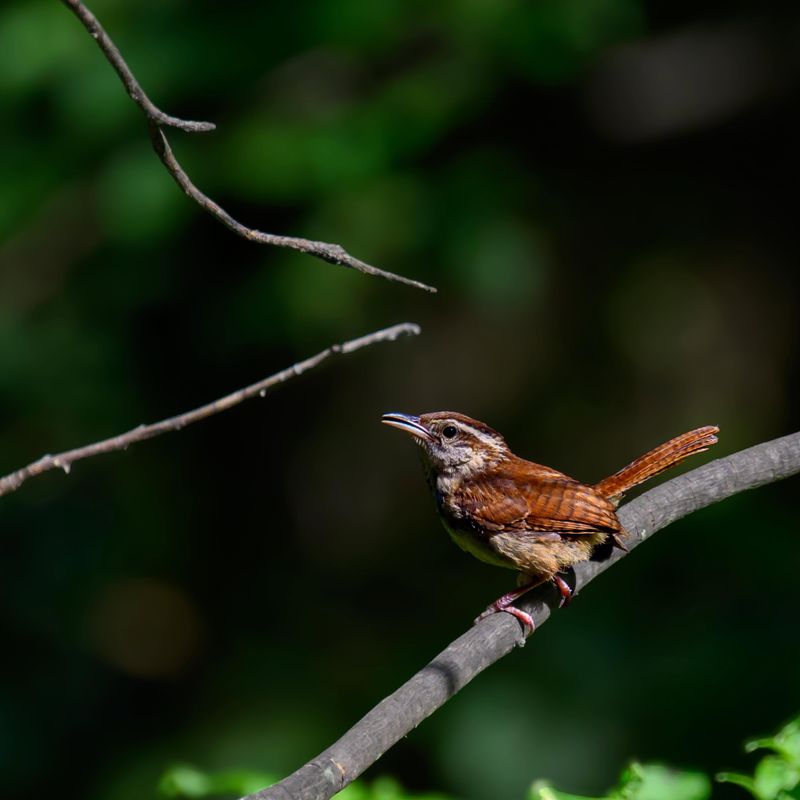
Got a stack of branches from fall pruning? Before hauling it to the curb, think about turning it into a bird hideout.
Small birds need places to escape hawks, cats, and cold wind.
A loose brush pile gives them that shelter within a short hop of feeders or shrubs. Carolina wrens, our state bird’s noisy cousins here in Georgia, seem especially fond of poking through tangled sticks.
Building one is simple and costs nothing.
Start with thicker logs on the bottom, laid crisscross to leave open spaces underneath. Then pile smaller branches and twigs on top so the structure stays airy rather than packed tight.
A spot near cover works best, such as a back corner or the edge of a wooded area.
Keep the pile a reasonable distance from your house, since it may attract other wildlife like chipmunks or snakes. Checking your local rules also helps, because some neighborhoods or HOAs limit yard debris.
Over time, the branches settle and break down, so adding fresh clippings each season keeps it useful.
Sparrows, juncos, and towhees may also duck inside during cold snaps or storms.
You might be surprised how often you see birds dart in and out once the pile has been there a few weeks.
5. Fewer Pesticide Sprays Leave More Insects For Hungry Birds
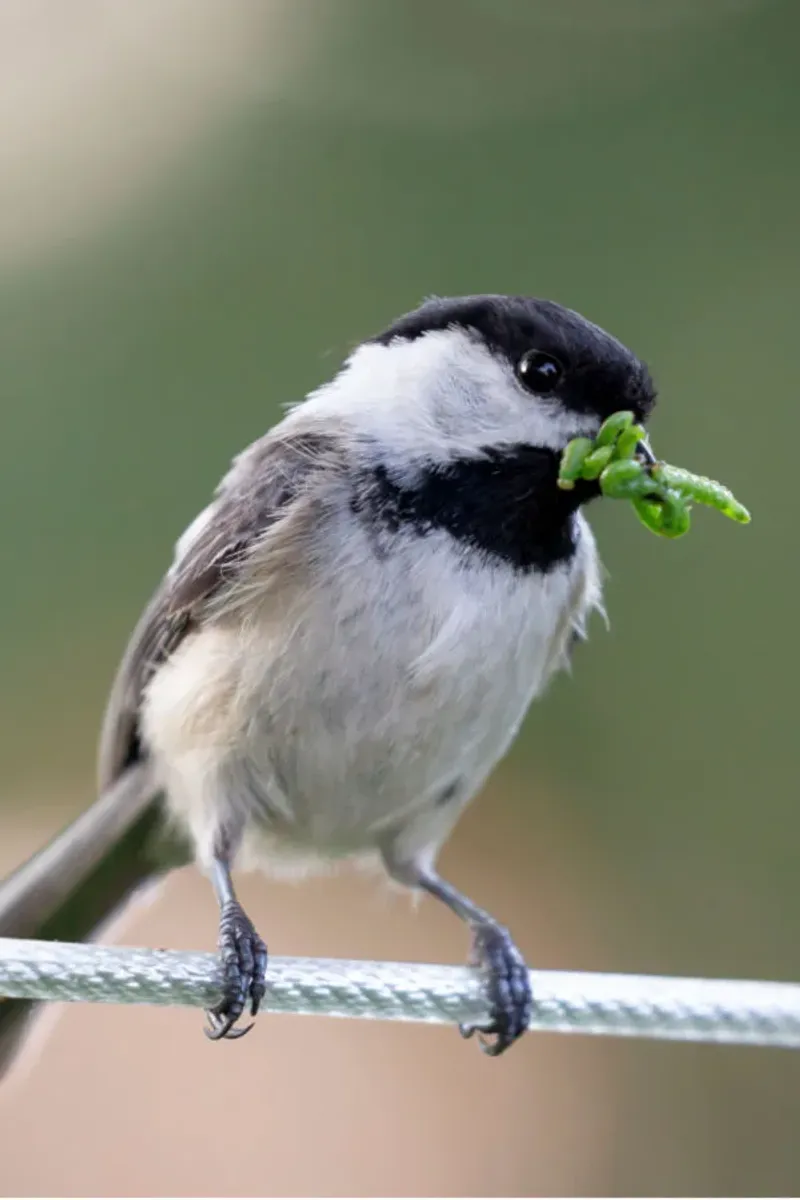
Birds are some of the best pest control workers you could ask for, and they work for free.
Insects make up a big part of the diet for chickadees, titmice, warblers, and wrens. Spraying broadly can wipe out the bugs these birds depend on, including harmless ones.
Fall still has plenty of insect activity in Georgia, especially during warm spells.
Migrating warblers and vireos often stop to feed on caterpillars and other small insects in trees. Fewer sprays means more food available for them during their trip.
That does not mean you have to accept every pest.
Start by checking plants closely to see if damage is actually serious. Hand-picking pests or blasting aphids off with a hose can often handle small problems.
When treatment is truly needed, choose the most targeted option and follow the label carefully.
Spot treating one plant is usually gentler on wildlife than spraying the whole yard.
Some chemicals may also affect birds directly or reduce the bugs they feed to their young in spring. Cutting back now helps build a healthier yard for later seasons too.
Results will not show up overnight, and pest levels can shift with weather. Still, a yard with more insects usually attracts more birds over time.
6. Shallow Water Attracts Species That May Ignore Your Feeders
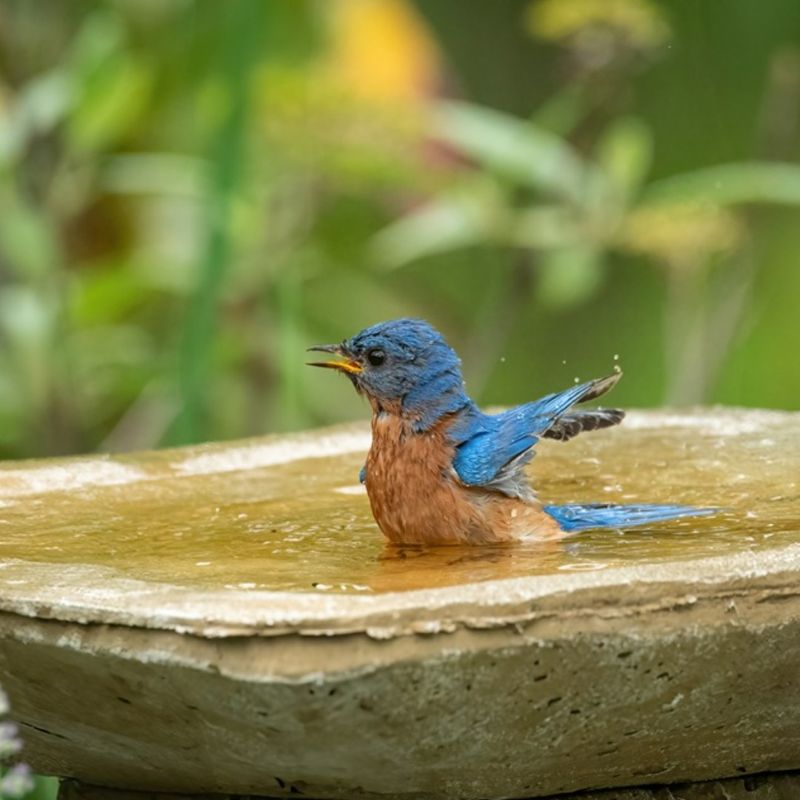
Robins and bluebirds rarely show interest in a seed feeder. Put out a birdbath, though, and they may start visiting regularly.
Water brings in birds that eat mostly insects or fruit, since they still need to drink and bathe.
Fall in Georgia can be surprisingly dry, and dry spells may leave natural water sources low. A clean, reliable birdbath can become a popular stop during those stretches.
Depth matters more than most people think.
Aim for water about one to two inches deep, since songbirds prefer to wade rather than swim. Adding a flat stone gives smaller birds a safe place to stand.
Moving water tends to catch attention quickly, so a small dripper or solar fountain can help.
Placement also plays a role. Set the bath near shrubs for quick escape, but leave several feet of open space so cats cannot hide close by.
Scrub the basin every few days and refill it with fresh water to keep algae and mosquitoes down.
Plain water works best, so skip soaps or chemical additives. A stiff brush usually handles the job.
Watching a bluebird splash on a cool morning is a treat that seed alone might never bring to your yard.
7. Black Oil Sunflower Seed Draws Many Familiar Feeder Birds
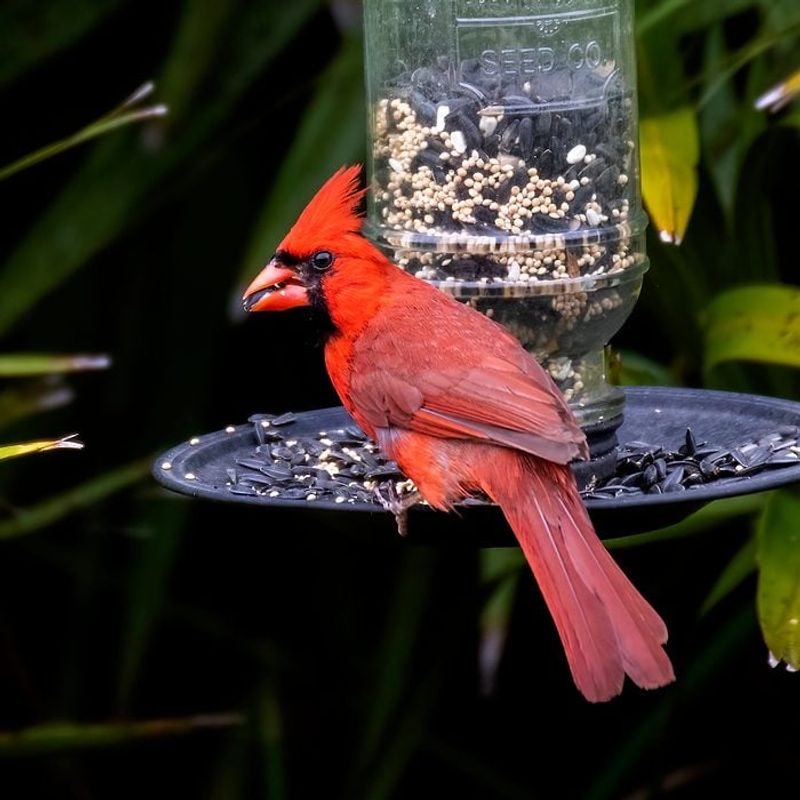
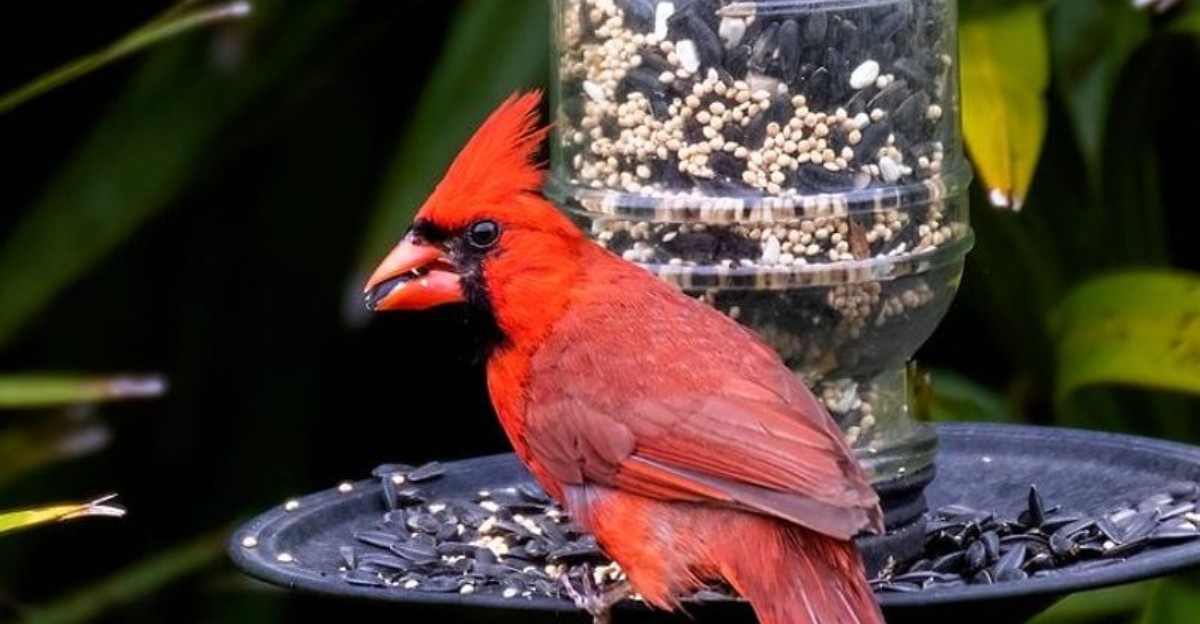
If you could only buy one bag of birdseed, black oil sunflower would be a smart pick.
Its thin shell is easy for small beaks to crack, and the seed inside is rich in fat. That makes it a solid energy source as nights get cooler.
Cardinals, chickadees, titmice, nuthatches, and house finches will all eat it.
Around Georgia, you may also see Carolina chickadees and brown-headed nuthatches stopping by. Seed with striped shells is thicker and harder to open, so smaller birds may pass on it.
Cheap mixes often contain filler like red millet or milo, which many feeder birds toss aside.
Those rejected seeds pile up underneath and can attract rodents or sprout into weeds. Buying a single good seed usually wastes less, even if it costs more upfront.
Tube, hopper, and platform feeders all work well with sunflower seed.
Shells will collect below the feeder, so raking them up now and then keeps the area neat. Hulled sunflower chips cost more but leave far less mess.
Start with a small amount and see how fast it disappears. Bird traffic can change week to week, especially when migrants move through or natural food runs low.
8. Clean Feeders Create A Healthier Place For Returning Visitors
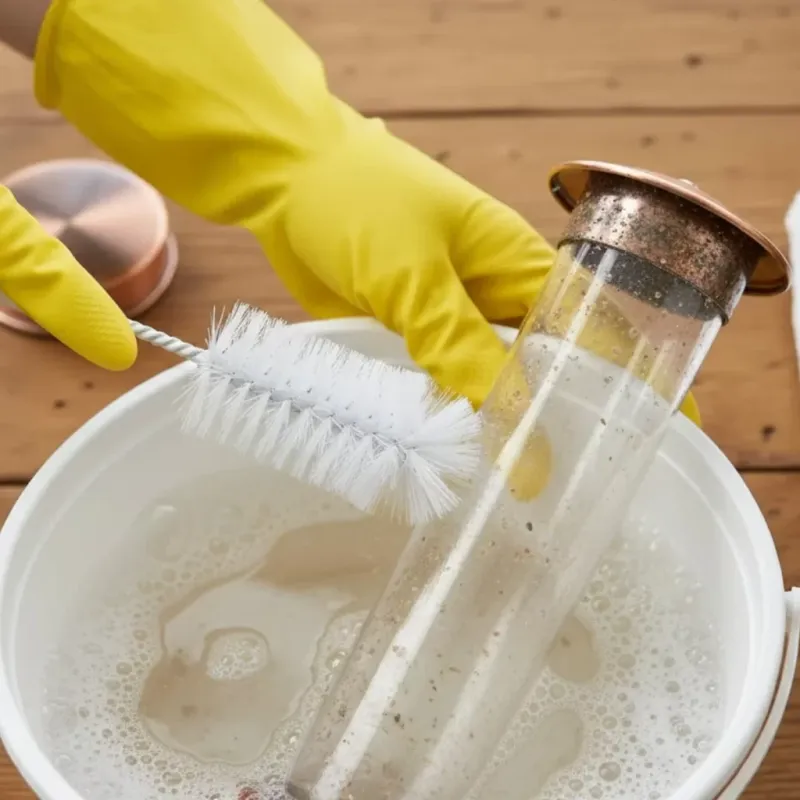
A dirty feeder can do more harm than good.
Wet, moldy seed and droppings can spread illness between birds that gather in the same spot. Salmonella and a finch eye disease called conjunctivitis are two common problems linked to crowded, unclean feeders.
Georgia humidity makes this worse, since seed can clump and spoil quickly after rain.
Plan to clean feeders about every two weeks, and more often during wet weather or heavy use. A mix of one part bleach to nine parts water is a widely recommended cleaner.
Soak the feeder, scrub every corner with a bottle brush, then rinse well.
Let it dry fully before refilling, because damp surfaces can lead to mold growth again. Having a second feeder to swap in makes the routine much easier.
Rake up old hulls and spilled seed underneath too.
If you notice birds looking puffed up, sluggish, or with crusty eyes, take feeders down for a week or two. Spreading birds out for a while can help slow the spread of sickness.
Birdbaths deserve the same attention, so add them to your cleaning day.
Keeping things tidy may feel like a chore, but healthy birds are more likely to keep coming back all season.