This Georgia Native Tree Has One Advantage Over Dogwoods In Difficult Yard Spots
Some yard spots seem determined to make every tree choice harder than it should be. American hornbeam can offer an option where familiar flowering favorites may struggle.
Georgia gardeners often turn to dogwoods for their beauty, but every location does not provide ideal conditions. Tougher sites call for a tree matched carefully to the ground beneath it.
American hornbeam stands out for its ability to handle heavier, wetter soils than flowering dogwood prefers. That difference can matter in low areas where drainage is less than perfect.
Do not choose between these trees based on appearance alone. The conditions around your planting spot should have the final say.
Matching a tree to the site can prevent years of unnecessary frustration. It also gives roots a better chance to settle in successfully.
For one troublesome corner, this native tree may simply be the better fit.
1. Wet Ground Is Where This Native Tree Pulls Ahead
Soggy ground sends most ornamental trees into a slow decline, but American Hornbeam barely flinches. Wet spots near downspouts, low corners of the yard, or areas that pool after heavy rain are exactly where this tree feels at home.
Dogwoods planted in those same spots often struggle because their roots prefer well-drained soil.
American Hornbeam grows naturally along creek banks and in bottomland forests across the Southeast. Its root system is built to handle periodic flooding and soil that stays moist for extended stretches.
That natural adaptation is not something you can replicate by amending soil or improving drainage around a dogwood.
Wet ground problems are common in yards with clay-heavy soil or low-lying terrain. Homeowners often burn through money trying to fix drainage or replace trees that keep failing in those areas.
Planting a tree that already fits the conditions is a much more practical approach.
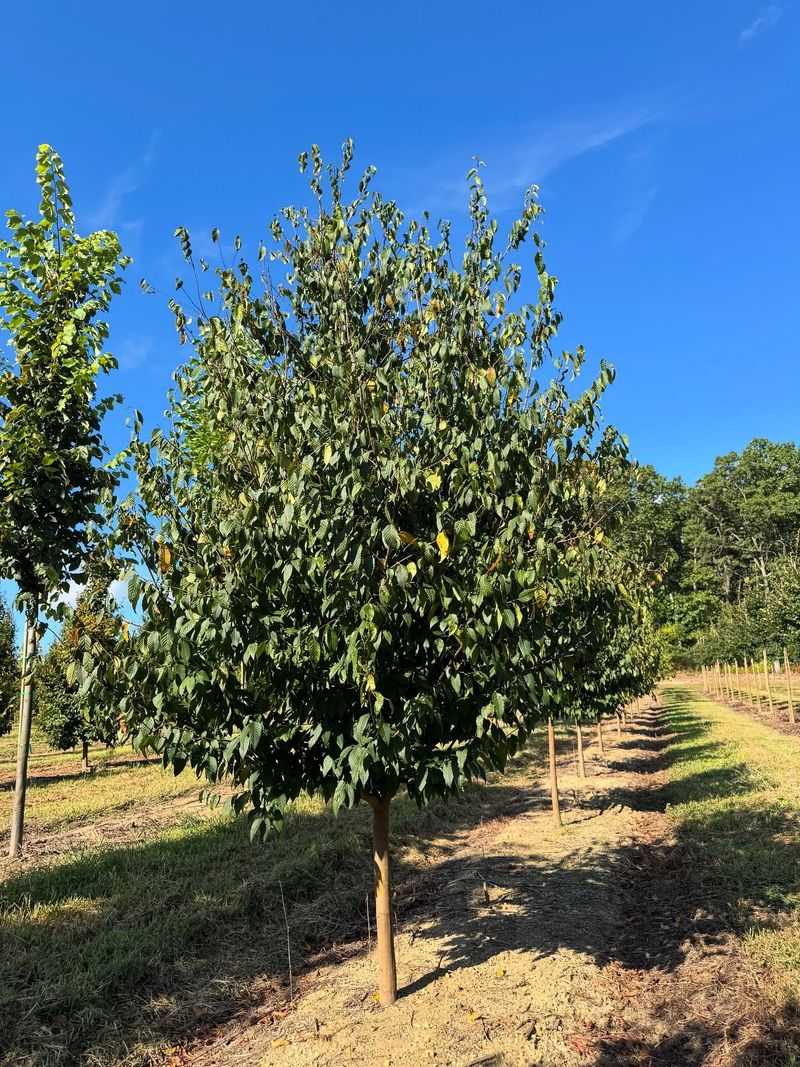
American Hornbeam reaches about 20 to 30 feet at maturity under typical conditions, making it a manageable size for most residential yards. It offers real ornamental value without demanding perfect soil.
For spots that stay wet more often than not, few native trees match what it brings to the table.
2. American Hornbeam Handles Extra Moisture Better Than Dogwood
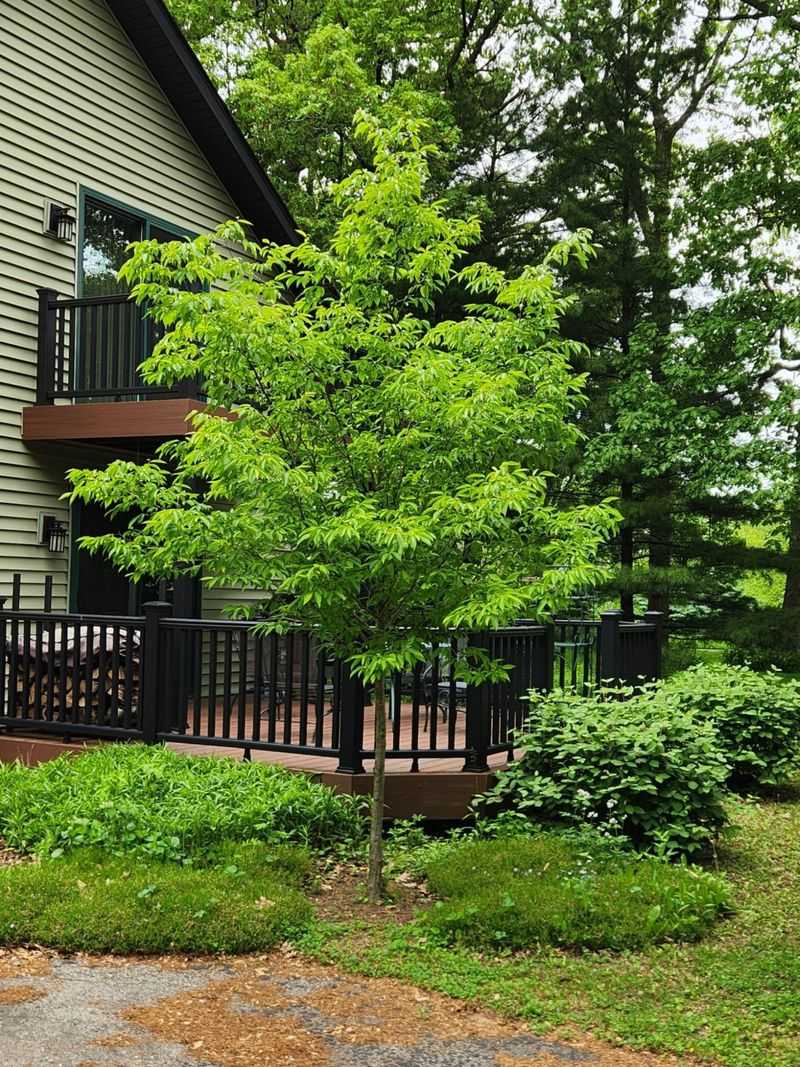
Flowering dogwood is a beautiful tree, but it has a clear weakness: soil that stays wet. Roots sitting in waterlogged ground for too long can develop rot and weaken the tree significantly.
American Hornbeam sidesteps that problem because it evolved in exactly those conditions.
Native plant experts often point to American Hornbeam, also called Carpinus caroliniana, as one of the most moisture-tolerant small trees native to the Eastern United States.
It is not a swamp tree, but it handles consistently moist or occasionally flooded ground far better than most landscape ornamentals.
Yard spots near retention ponds, drainage swales, or low-lying turf areas are notoriously hard on trees. Homeowners in Georgia often plant dogwoods in those areas hoping for the best, then watch them slowly weaken over a few seasons.
Switching to a tree that actually fits the hydrology of that space makes a noticeable difference.
Your Georgia Garden Changes Every Week. Your Plan Should Too.
Gardening in Georgia changes quickly throughout the season. Every Friday you’ll receive a simple weekly plan showing exactly what to plant, prune, fertilize, harvest, and protect so you never miss the right timing.
American Hornbeam does not require wet soil to thrive. It performs well across a range of moisture levels, which makes it flexible enough to use in more than just problem spots.
But when extra moisture is present, it has a clear edge over dogwood that is hard to ignore. That adaptability is a genuine advantage for yards with unpredictable drainage.
3. Low Areas Near Water Fit Its Natural Growing Conditions
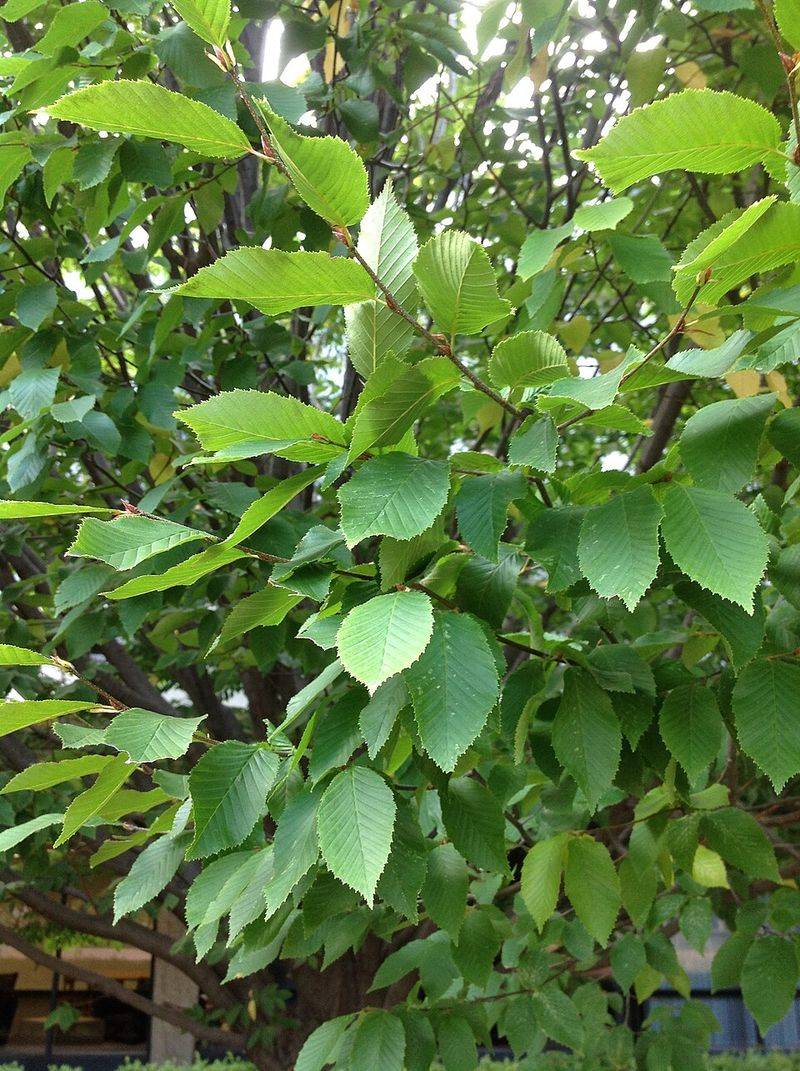
Walk through almost any bottomland forest in the Southeast and you will likely pass an American Hornbeam without realizing it. These trees naturally colonize low areas near streams, rivers, and floodplains.
That habitat preference tells you a lot about where they will succeed in a yard.
Low spots near water features, drainage channels, or natural swales are often the hardest places to establish trees. Soil compaction, standing water, and fluctuating moisture levels create stress that most nursery trees are not prepared for.
American Hornbeam is already adapted to exactly that kind of variability.
Planting it in a low area near a pond or creek edge can stabilize soil while adding genuine ornamental interest. Its root system holds banks without becoming invasive or aggressive.
That makes it useful in functional landscaping, not just decorative planting.
Dogwoods planted in similar spots tend to struggle after a few wet seasons. Their preference for good drainage puts them at a disadvantage in low terrain.
Choosing a tree based on where it actually grows in the wild, rather than where it looks nice in a catalog, leads to much better long-term results.
American Hornbeam’s natural range across Georgia and neighboring states confirms it belongs in these kinds of spots.
4. Partial Shade Works Well For This Understory Tree
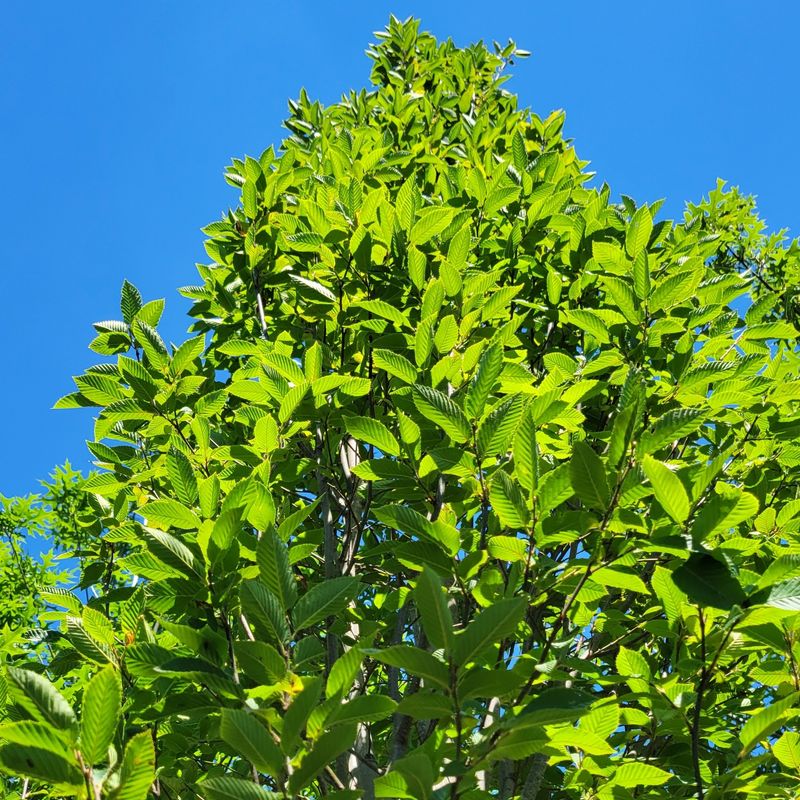
Full sun gets most of the attention in landscaping guides, but plenty of yards have shaded corners that need trees too. American Hornbeam is a true understory tree, meaning it naturally grows beneath taller trees where light is limited and filtered.
That adaptation makes it one of the better choices for shaded yard spots.
Dogwoods also tolerate partial shade, so this is not a dramatic difference between the two. However, American Hornbeam tends to be more forgiving in spots with heavier or more consistent shade, particularly when that shade is combined with moist soil.
The two conditions together often favor Hornbeam over Dogwood.
Shaded areas under large oaks, near fences, or on the north side of a house can be frustrating to plant. Many trees stretch awkwardly toward light or produce thin, weak growth.
American Hornbeam tends to hold its natural form even in lower light conditions, which keeps it looking tidy without extra pruning.
Its leaf canopy is fine-textured and layered in a way that looks natural in a woodland garden setting. Paired with ferns or shade-tolerant perennials, it fits into a shaded landscape without looking forced.
For homeowners trying to add a small tree to a shaded spot, this native option earns consideration over many alternatives on the market.
5. Moderate Drought Tolerance Adds Even More Flexibility
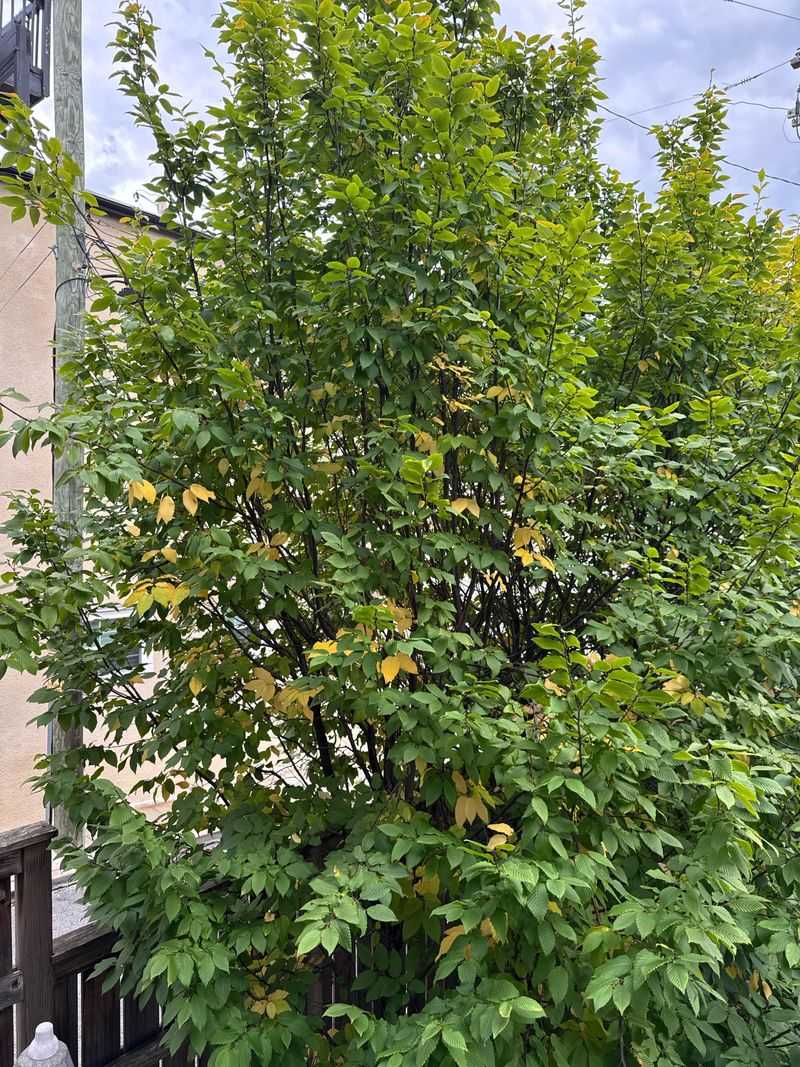
Wet ground tolerance is the headline advantage, but American Hornbeam brings something extra to the table: it can also handle periods of dryness better than its reputation suggests.
Once established, it shows moderate drought tolerance that makes it more versatile than a tree known only for wet spots.
That combination is genuinely useful in yards where conditions shift. A low area might flood after spring rains and then dry out significantly by August.
A tree that can only handle one extreme is going to struggle in that kind of variable environment. American Hornbeam handles both ends of that spectrum reasonably well, though it does prefer consistent moisture when available.
Dogwoods are more sensitive to drought stress, especially during hot summers. Leaf scorch and early leaf drop are common signs that a dogwood is struggling with heat and dry soil.
American Hornbeam tends to be more resilient through those stretches, though no tree is completely stress-free in severe drought.
Establishment is the critical window for any tree. Watering regularly during the first two growing seasons helps the root system develop enough to handle future dry spells.
After that, American Hornbeam generally requires less intervention than many ornamental trees in the landscape. Its adaptability across moisture conditions is one of its strongest practical selling points for homeowners.
6. Smooth Muscle-Like Bark Gives It Year-Round Interest
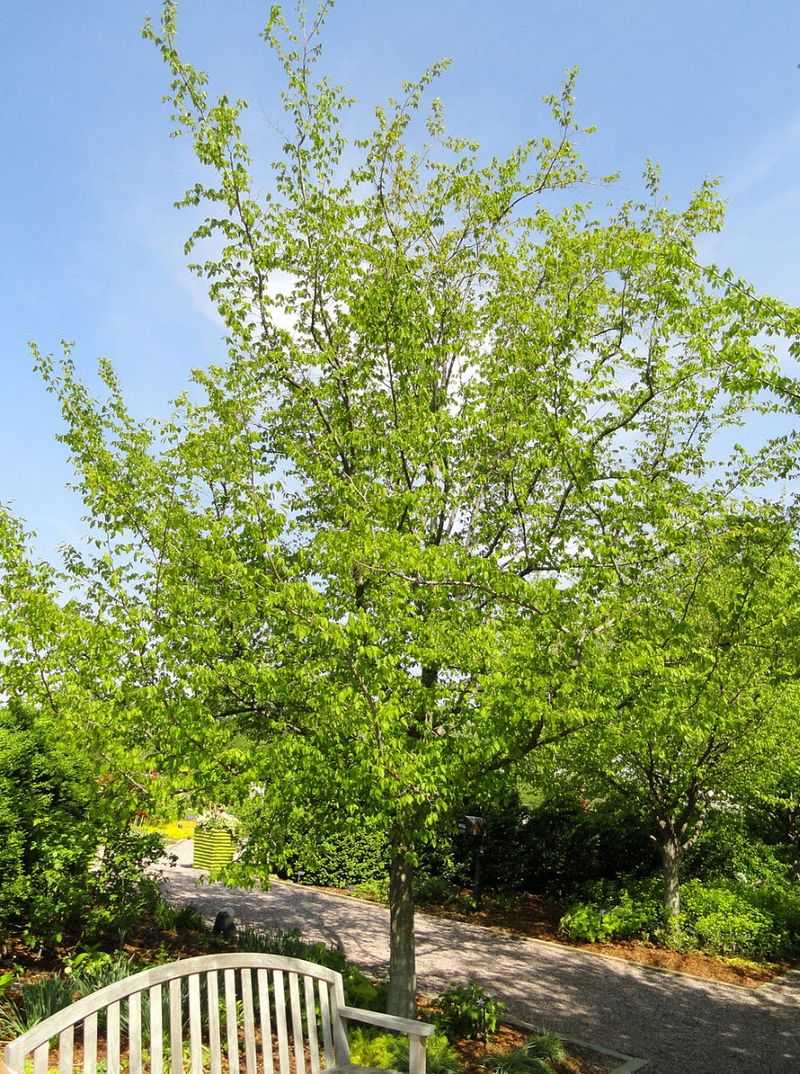
Most small trees lose their visual appeal once the leaves fall. American Hornbeam is a notable exception.
Its bark has a distinctive smooth, fluted appearance that looks almost like flexed muscle beneath the surface. That texture makes the trunk genuinely interesting to look at through fall and winter.
Gardeners sometimes call it Musclewood because of that bark quality. Up close, the gray-brown surface ripples and curves in ways that look almost sculpted.
It is an unusual visual feature that you rarely get from ornamental trees planted for their flowers alone.
Dogwoods offer beautiful spring blooms and decent fall color, but their bark does not carry the same visual weight in winter. When bare branches are all a tree has to offer, texture and form become more important.
American Hornbeam holds its own through those months in a way that adds value to a yard beyond a single season.
Winter interest is an underrated quality in landscape trees. Many homeowners only think about flowers or fall color when choosing a tree, then feel disappointed once the growing season ends.
Bark texture, branching structure, and silhouette all matter during the dormant season. American Hornbeam scores well on those counts, making it a four-season tree in a modest, understated way that suits naturalistic yard designs particularly well.
7. Fall Leaves Bring Yellow Orange And Red To The Yard
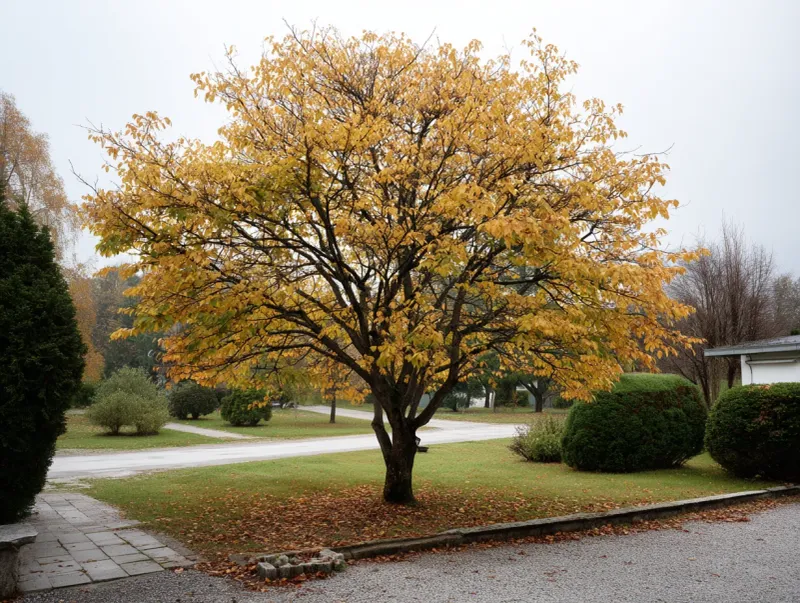
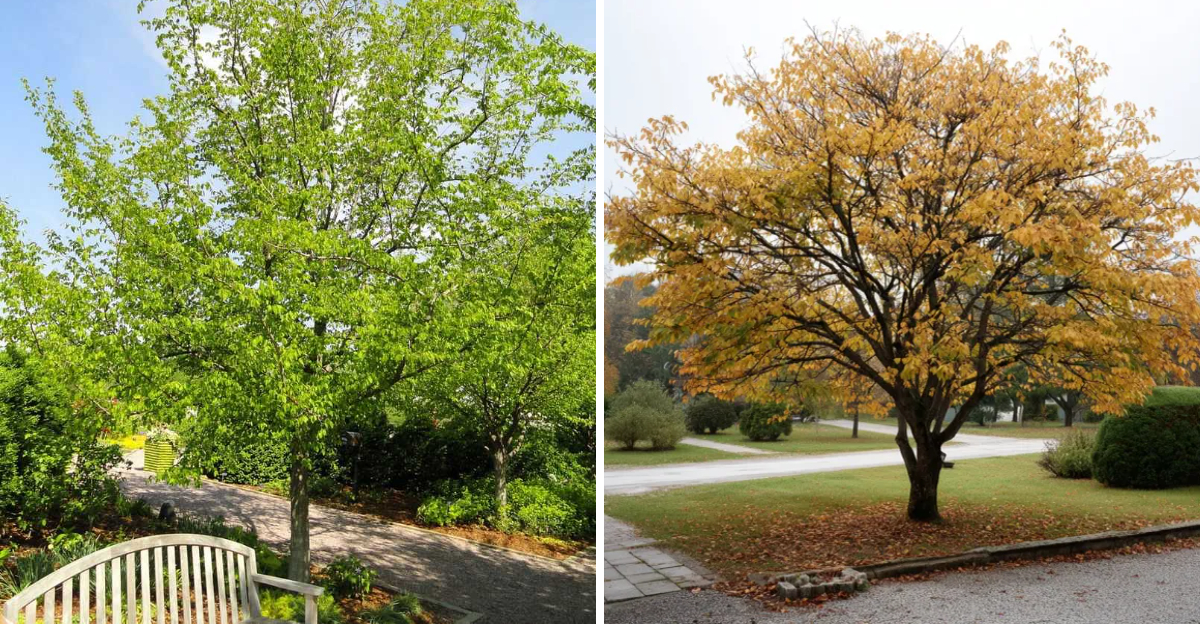
Fall color on American Hornbeam does not get talked about enough. As temperatures drop, the foliage shifts through yellow, orange, and red tones that bring real warmth to a yard.
The display varies from tree to tree and season to season, but it is reliably attractive under typical fall conditions.
Dogwoods are well-known for their fall color, often turning deep red or burgundy. American Hornbeam leans toward warmer tones rather than deep reds, so the two trees offer slightly different palettes.
Planting both in a yard creates a layered fall display that covers more of the color range.
Small trees are especially useful for fall color in tight spaces where a large maple or oak would be overwhelming. American Hornbeam fits neatly into corners, edges, and narrow beds where a bigger tree simply would not work.
Its modest mature size keeps it manageable without sacrificing seasonal interest.
Fall color intensity can depend on weather patterns, soil conditions, and how much sun the tree receives during the growing season. A tree in heavier shade may produce less vivid color than one with more light exposure.
That is worth keeping in mind when choosing a planting spot in Georgia yards where shade from pines and oaks is common. Even in lower-light conditions, the fall display is usually worth having.