Ohio Lawns Need This Before Fall Or Fungus Spreads
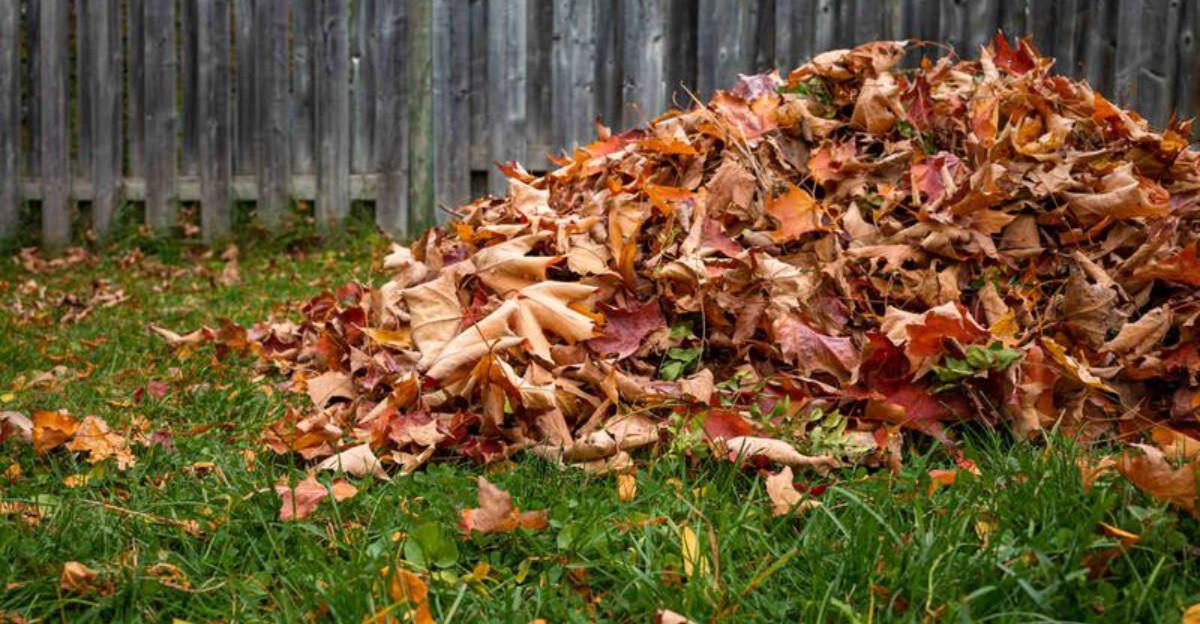
The maple tree in your yard is about to throw its annual party, and guess who gets stuck with the cleanup duty. Soon your lawn will be wearing a soggy brown blanket, and it may smell a little like a wet basement.
Many Ohio homeowners see a blanket of leaves as harmless and figure the grass will sort things out by itself. Unfortunately, grass is not great at housekeeping, and something sneaky moves in while nobody is watching closely.
Picture tiny guests throwing a housewarming party under a damp layer like that, with plenty of food and zero rent. By the time spring arrives, they can leave your yard with gray patches and strange fuzzy circles.
A little effort now, before peak leaf season, can lower that risk. You do not need fancy tools, a science degree, or a neighbor with a truck full of expensive gadgets.
Just grab a warm sweater, a mug of hot cocoa, and maybe some gloves that still have both thumbs. Skip the chore, and by spring your lawn could look like a shaggy rug the dog chewed.
Heavy Leaf Cover Needs To Come Off The Grass
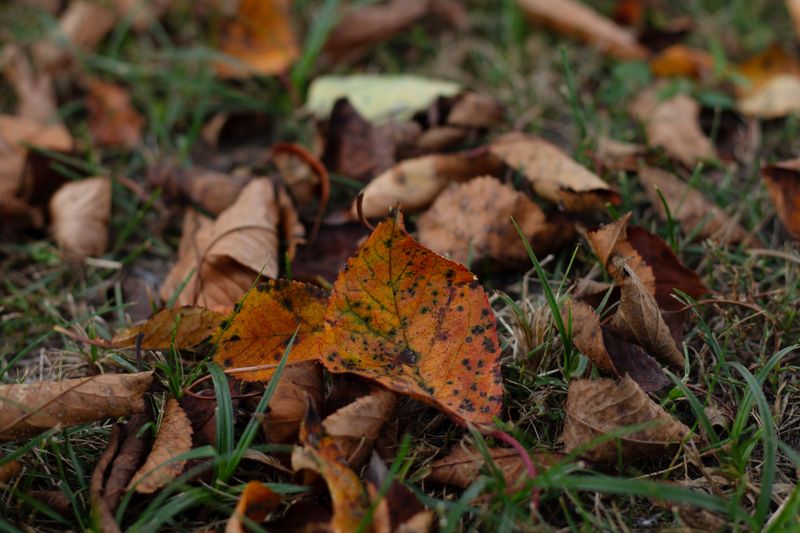
In October, Ohio trees begin dropping leaves in large numbers, and a big oak can shed thousands in a single week. That colorful carpet looks charming from the porch, but your grass underneath is losing sunlight and airflow.
Grass blades need sunlight to make food, even in the cooler fall months when growth slows down a bit. A thick layer of leaves blocks that light, so the turf struggles to store energy for the winter ahead.
Fall is actually a busy season for your lawn, since roots keep growing while the air turns crisp. Cool-season grasses like Kentucky bluegrass and tall fescue, common across Ohio, do much of their root building now.
When leaves pile up and stay put, they trap moisture against the blades and create a cozy home for fungus. Diseases like leaf spot and snow mold thrive in that kind of shady, damp cover.
A light scattering of leaves is usually fine, especially if you can still see green grass poking through. Once more than half the lawn is hidden, it is time to grab a rake or fire up the mower.
Mulching mowers can chop dry leaves into tiny pieces that break down and feed the soil over winter. Thick, wet piles are a different story, and those usually need to be raked up and hauled away.
Think of leaf cleanup as opening the curtains so your lawn can breathe, eat, and rest easy this season. A few weekend sessions now will save you a lot of patching, reseeding, and head scratching next year.
The Damp Layer That Feeds Lawn Fungus
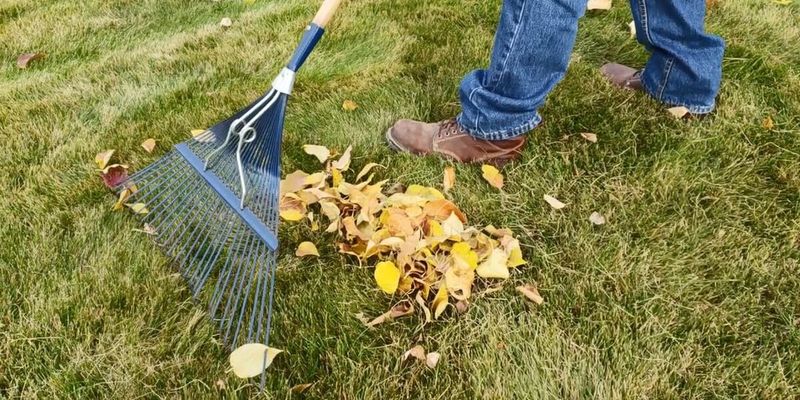
Ever lifted a soggy pile of leaves and caught a whiff of something musty, like an old gym bag? That smell comes from microbes breaking down the wet leaves, and fungi are often part of that process.
Fungi are living organisms that spread through spores, which float around like microscopic dust in the air. Most lawns carry some spores, but they need the right conditions before causing real trouble.
Your Ohio Garden Changes Every Week. Your Plan Should Too.
Gardening in Ohio changes quickly throughout the season. Every Friday you’ll receive a simple weekly plan showing exactly what to plant, prune, fertilize, harvest, and protect so you never miss the right timing.
Moisture is the magic ingredient, and Ohio falls often bring cool nights, heavy dew, and plenty of drizzly afternoons. Add a layer of matted leaves on top, and the grass stays wet for days instead of hours.
Wet leaves also start to rot, and that breakdown releases food that fungi happily snack on while they grow. It is basically an all-you-can-eat buffet with dim lighting, steady humidity, and no one checking on things.
Wind, shoes, pets, and even your lawn mower can carry spores from one yard to the next. Breaking up that damp layer is the simplest way to take away the moisture and food fungi crave.
Letting sunlight and wind reach the soil helps the grass dry out between rain showers each week. Water your lawn in the early morning if it needs extra moisture, so the blades dry by afternoon.
Evening watering keeps grass wet overnight, and that habit can raise the risk of fungal disease. Blades that stay damp until morning give spores more time to settle in.
Snow Mold Risk Under Wet Leaf Cover
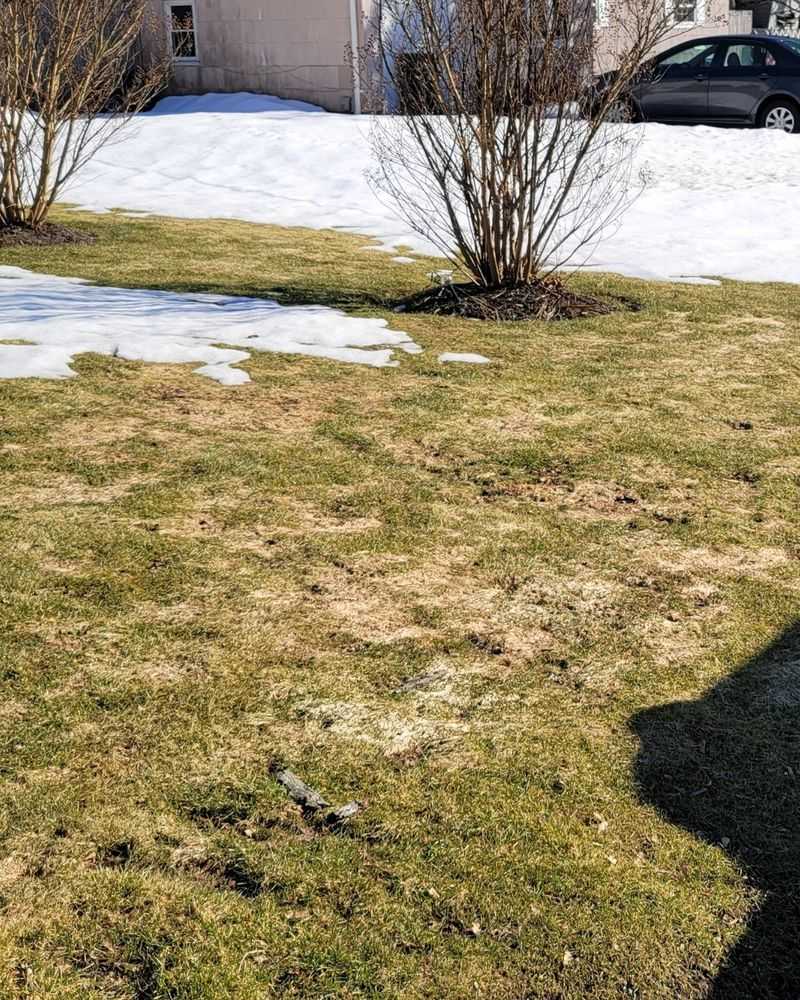
Snow mold is one of the most common winter lawn problems in Ohio, and it starts brewing in the fall. It grows under snow cover, but wet leaves left on the grass give it a huge head start.
There are two main types, called gray snow mold and pink snow mold, and both become visible in spring after the snow melts. Gray snow mold needs long snow cover, while pink snow mold can grow in cold, wet weather without any snow.
Northern Ohio, especially near Lake Erie, can get long stretches of snow that sit on lawns for weeks. Central and southern parts of the state get more freeze and thaw cycles, which keep the ground soggy.
Imagine a heavy wet blanket of leaves sitting under a heavy white blanket of snow for weeks. That double layer keeps the grass cold, dark, and damp, which is exactly the setting snow mold loves.
Clearing leaves before the first snowfall is one of the best ways to lower your risk this winter. It also helps to keep mowing until the grass stops growing, since long, floppy blades mat down easily.
Try lowering your mower to about two and a half inches for the last cut of the season. Shorter grass dries faster and gives mold fewer places to hide once winter settles over the yard.
Avoid heavy nitrogen applications right before winter, because soft, lush growth is more likely to get infected. Also avoid piling shoveled snow in one lawn spot, since those big mounds melt slowly and stay wet.
The Best Timing For Leaf Removal In Ohio
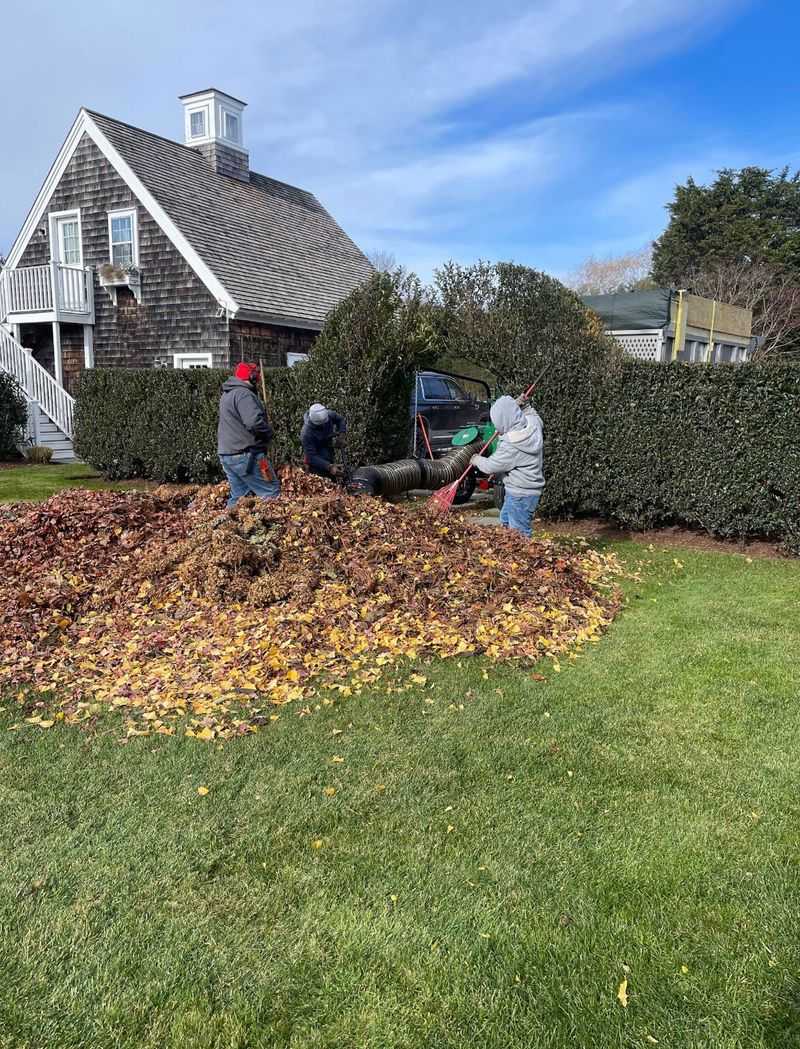
My grandfather used to say the best time to rake was right after the last leaf hit the ground. He meant well, but waiting that long in Ohio often means raking a soggy mess in freezing December rain.
Leaves across Ohio usually start changing color in late September and hit peak color by mid to late October. Northern counties tend to change a week or two earlier, while southern Ohio often holds its color into November.
Instead of one giant cleanup, start now with a light session about once a week through October and November. Smaller loads are easier on your back, and the grass rarely stays covered long enough to suffer.
Dry afternoons are your best friend, since dry leaves are lighter, fluffier, and much easier to move around. Wait a day after a heavy rain so the pile has time to dry and the soil firms up.
Many Ohio cities offer curbside leaf pickup, but schedules vary by city. Check your city website now so you know which weeks the trucks will roll down your street.
Your final cleanup should happen before the ground freezes or the first lasting snow arrives in your area. For much of Ohio, that means aiming for late November, though weather can shift that window quickly.
Keep an eye on the forecast and jump on any sunny, breezy stretch that pops up on your calendar. A little planning turns leaf season from a frantic scramble into a pleasant autumn habit you might enjoy.
Raking Methods That Protect The Turf
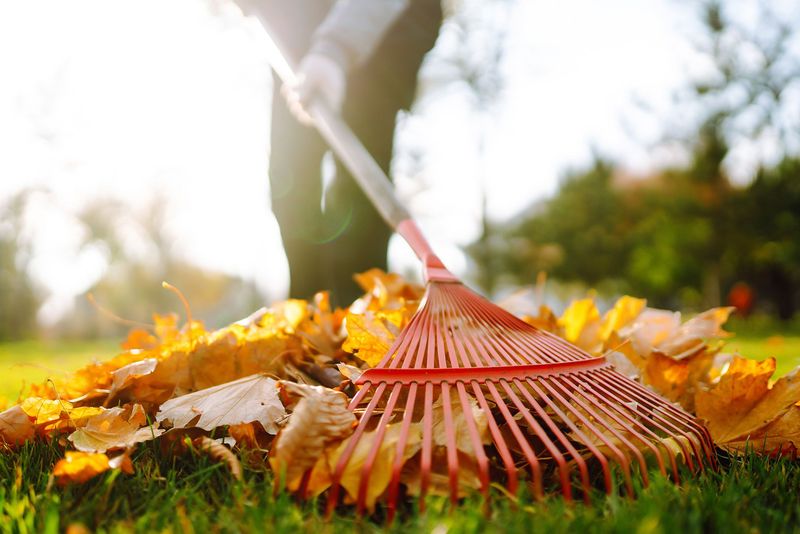
Raking seems simple until you realize you have been yanking up grass along with the leaves for years. The right tools and a few smart moves can make the job faster and much kinder to your lawn.
Start with a wide leaf rake that has flexible tines made of plastic, bamboo, or springy metal. Stiff garden rakes are built for soil and gravel, and they can tear tender grass right out of the ground.
Use light, sweeping strokes instead of hard, digging pulls, almost like you are brushing a sleepy dog. Let the tines glide over the top of the grass so the leaves roll along without ripping the blades.
Rake in the same direction the wind is blowing, and let nature give you a free helping hand. Pull leaves onto a large tarp, then drag the tarp to the curb or compost pile in one trip.
Leaf blowers work well on big yards, but set them to a lower speed near flower beds and thin grass. A mulching mower is another great option, since it shreds leaves into tiny bits that feed the soil.
Avoid raking soaking wet lawns, because the soft soil lets roots pull loose more easily. Also avoid leaving big leaf piles on the grass for long stretches, since they can block light and air from the turf underneath.
Your body matters too, so bend your knees, switch hands often, and take breaks for a warm drink. Happy grass and a happy back make fall cleanup feel less like a chore and more like exercise.
Spring Signs Of Fungus Damage
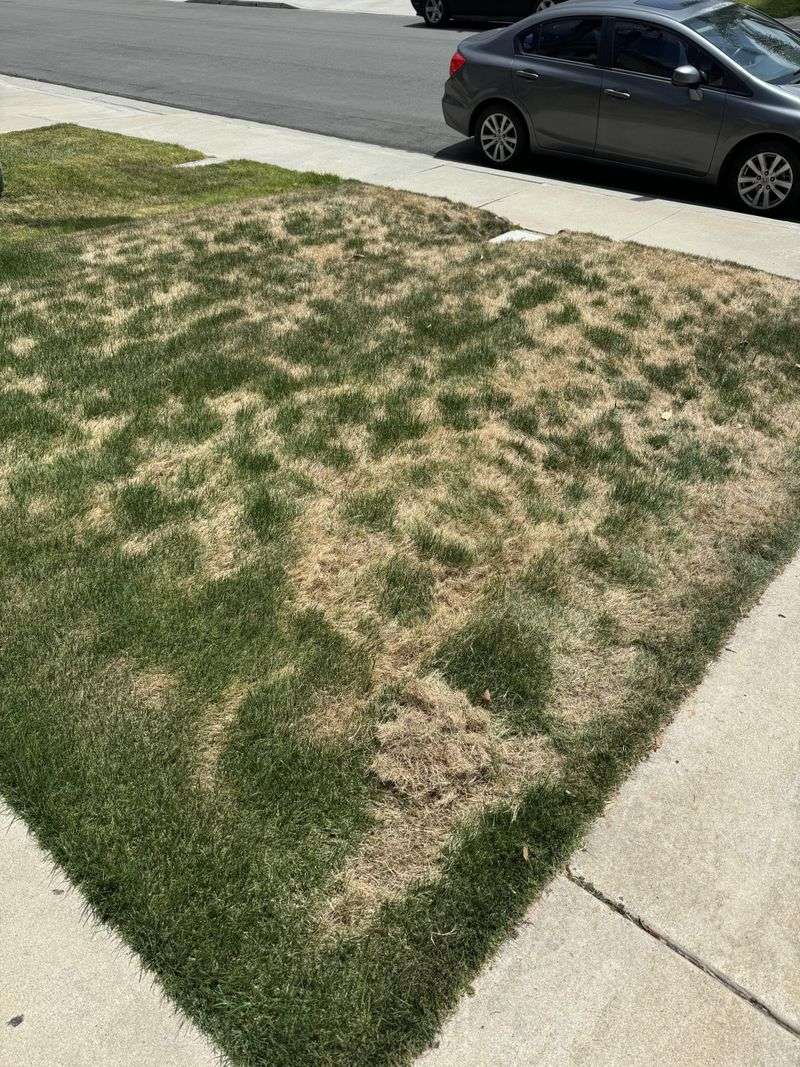
Think of next spring as a report card for all the lawn work you start now. Knowing what fungus damage looks like helps you spot trouble early and fix it before it spreads further.
Gray snow mold shows up as round, straw-colored patches with a crusty, matted look once the snow melts. You might also notice a fuzzy grayish web on the grass, almost like cotton candy left out overnight.
Pink snow mold looks similar, but the patches have a pinkish or salmon-colored edge that is easy to spot. This type can go deeper into the grass crowns, so recovery may take a bit longer to happen.
Leaf spot and other fungal problems can leave small tan or purple dots scattered across individual grass blades. Bend down and look closely, because these tiny marks are easy to miss from a standing position.
Most snow mold patches recover on their own once the weather warms up. Gently rake the matted areas to fluff up the grass, let in air, and help new blades grow.
If a patch stays brown for several weeks, it may need a little fresh seed and some topsoil. Fungicides are rarely needed for home lawns, though a local garden center can help with stubborn cases.
Ohio State University Extension offers free lawn care resources, and local county offices can help identify unusual spots. Still, the easiest fix is prevention, and that starts with clearing those leaves before the snow flies.