8 New York Native Shrubs That Grow Denser Every Year
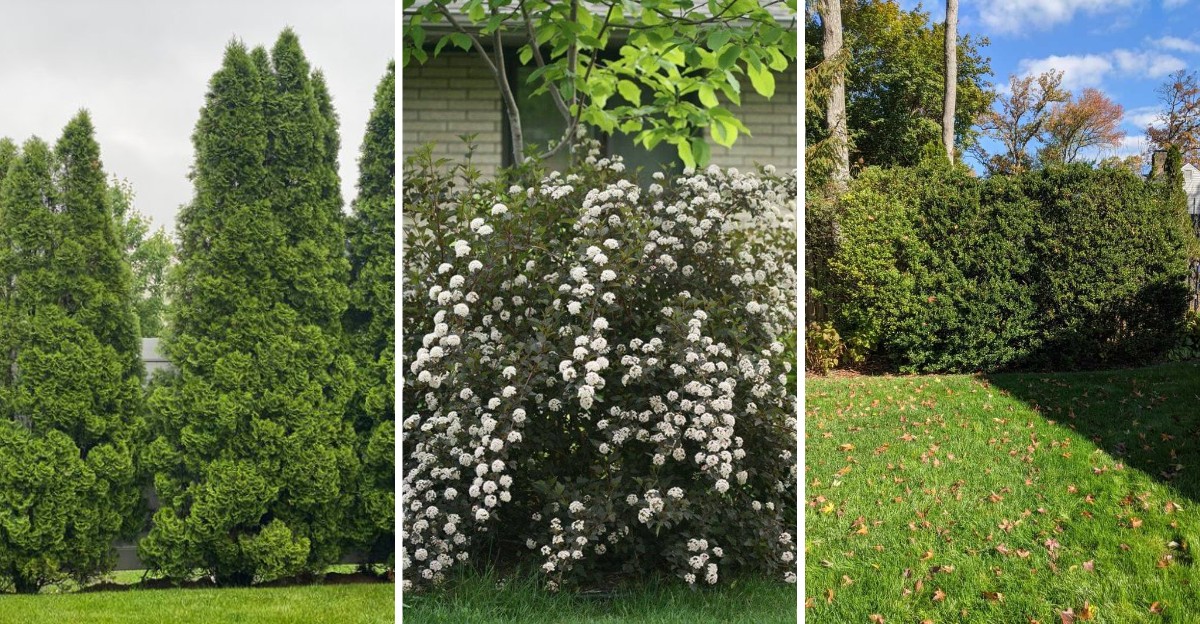
Your neighbor’s shiny new patio is lovely, but you’d probably rather not watch every barbecue from your kitchen window. A living screen fixes that with rustling leaves, birdsong, and a little mystery.
Across New York, native shrubs make the job surprisingly easy. They already handle icy winters, soggy springs, and sticky July afternoons.
Plant them once, give them a season or two, and they quietly thicken into green walls. Some stay evergreen through January snow, while others offer bold blooms or bark that peels like old paper.
A few handle deep shade, and one even gives you breakfast. The right choice depends on your light, your soil, and how patient you feel.
The shrubs below each solve a different screening puzzle. One of them is likely the perfect fit for your yard.
1. American Arborvitae For A Tall Evergreen Wall
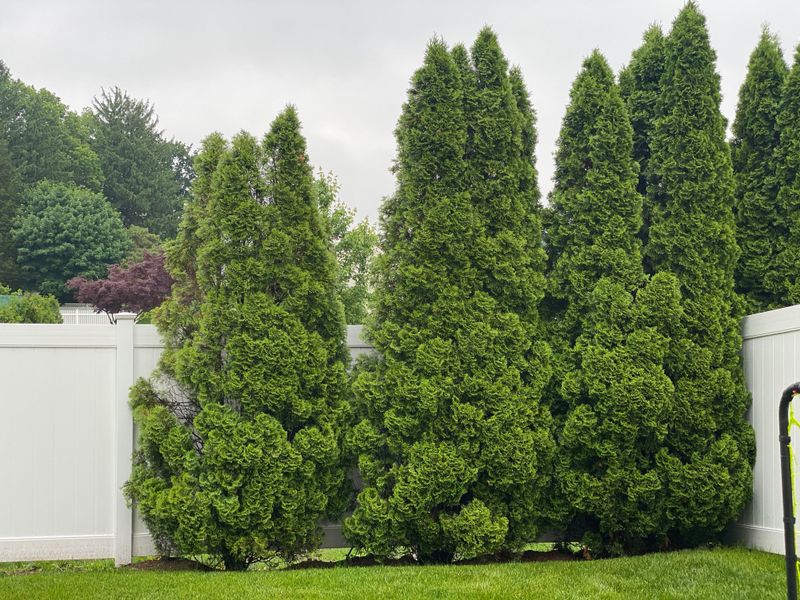
Picture a green wall that quietly grows taller while you sip coffee each summer morning. American arborvitae, or Thuja occidentalis, earns that dream by filling in with soft, scaly foliage.
Native to northeastern North America, it grows wild in many parts of New York. Its natural cone shape packs branches tightly, so neighbors fade from view year after year.
Mature plants reach 20 to 50 feet tall and about 8 to 15 feet wide. Some varieties add roughly eight inches a year, which feels steady rather than wild.
Sunlight is the secret ingredient for a thick screen. Plants in partial shade tend to open up and look thin, so pick your sunniest strip.
Moist, deep, loamy soil makes these trees happiest. Luckily, they handle acidic or alkaline ground and even tolerate spots that stay a bit wet.
For privacy, shop for strong selections like Dark Green American arborvitae. Nursery pros often recommend it for hedges because it holds rich color and fills out nicely.
Space young plants about three to four feet apart for a solid row. Closer spacing blends branches faster, though good airflow still helps keep foliage healthy.
Winter can tint the foliage yellowish green or even a little brown. Relax, because that color shift is normal, and fresh green returns once spring warms up.
Deer do love nibbling arborvitae, especially during snowy months. Wrapping young plants in burlap or netting for winter protects your future wall while it grows.
Water deeply during the first two summers. Once roots settle in, your living fence mostly takes care of itself.
2. Inkberry Holly For Glossy Year-Round Coverage
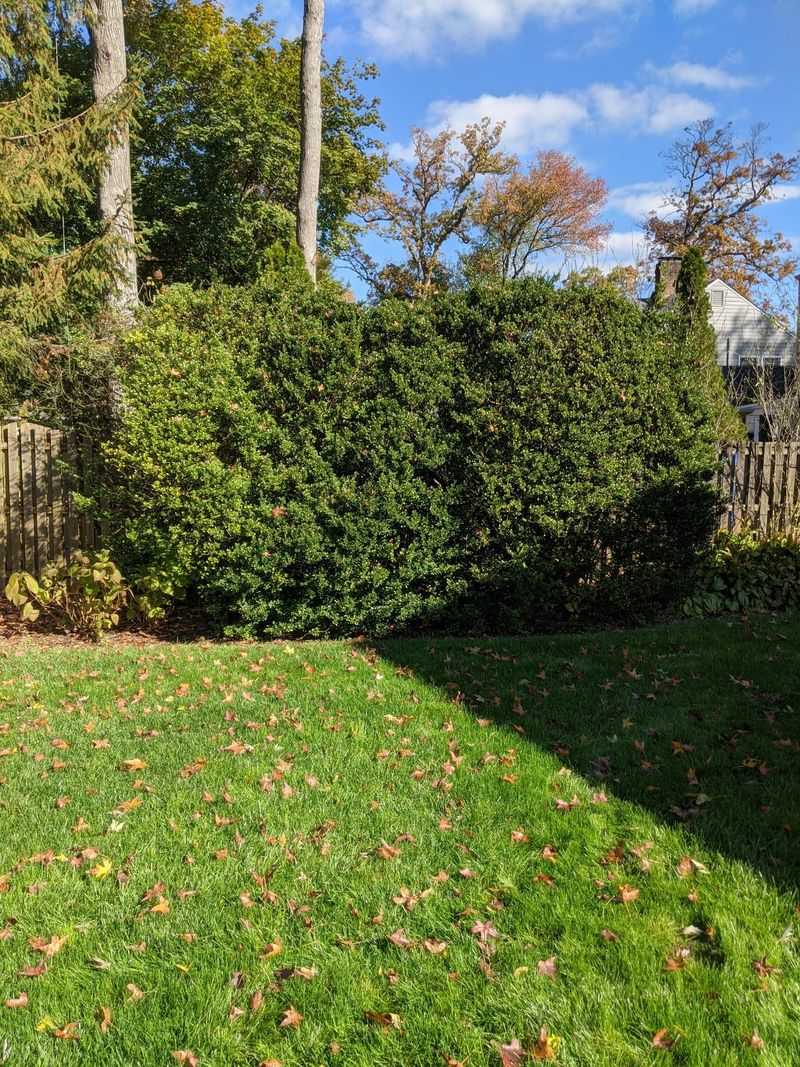
Shiny leaves in February feel like a small victory against gray skies. Inkberry holly delivers that sparkle, keeping glossy dark green foliage all year long.
Known to botanists as Ilex glabra, it ranges from Nova Scotia down to Florida. New York counts it as a true native, so it shrugs off our cold seasons.
Most plants grow 5 to 8 feet tall and wide, sometimes taller. Compact types stay closer to 4 feet, making them handy for shorter screens along patios.
Growth is slow, but patience pays off here. The cultivar Densa keeps branches all the way to the ground, so no bare legs peek through.
Your New York Garden Changes Every Week. Your Plan Should Too.
Gardening in New York changes quickly throughout the season. Every Friday you’ll receive a simple weekly plan showing exactly what to plant, prune, fertilize, harvest, and protect so you never miss the right timing.
Full sun produces the thickest foliage, though partial shade works fine too. Moist to wet soil that leans acidic and rich keeps roots comfortable.
Road salt near your driveway? Good news, because inkberry tolerates salt and city conditions better than many shrubs.
Deer usually pass it by, which saves plenty of frustration. Your hedge stays full instead of looking chewed along the bottom edge.
Tiny white flowers open in spring and feed busy bees. Black berries follow on female plants, but only when a male plant grows nearby.
Here is a handy trick for extra density. Lightly trim tips in early spring, and new shoots will branch out and thicken the screen.
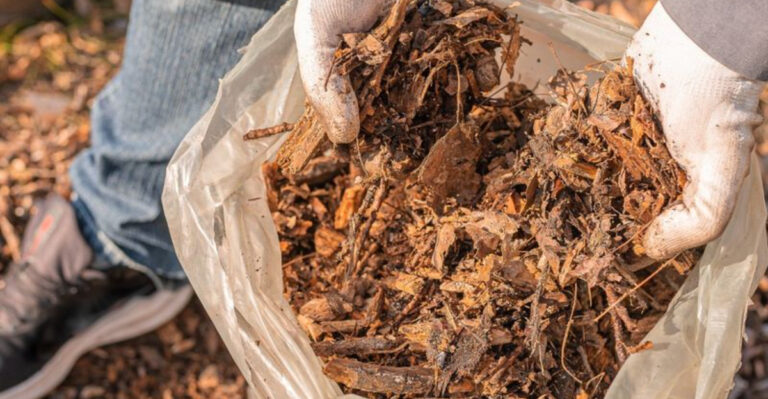
Add a layer of shredded bark mulch around the base. It holds moisture and keeps the soil acidic enough for strong, happy growth.
3. Mountain Laurel For Evergreen Screening In Shade
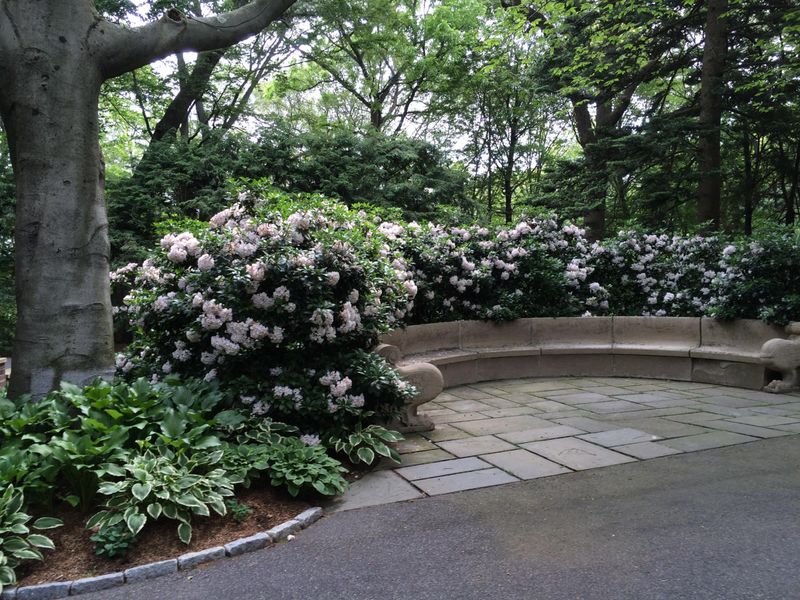
Hikers near Lake Minnewaska know the magic of mountain laurel in June. Clouds of pink and white blossoms light up shady upstate New York forests.
Kalmia latifolia grows as a rounded, dense evergreen shrub. In gardens it usually reaches 5 to 15 feet tall and just as wide.
Old-timers called its wild thickets laurel hells. Branches weave so tightly that walking through them feels nearly impossible, which sounds perfect for privacy.
Growth runs slow, about 6 to 12 inches a year. Think of it as an investment that rewards you with a richer screen each season.
Light needs are specific but easy to meet. Morning sun with afternoon shade keeps leaves from scorching and stems from getting spindly.
Soil matters even more for this beauty. Give it acidic, well-drained ground full of organic matter, and skip heavy clay or soggy spots.
Mixing leaf compost into the planting hole helps a lot. Pine needle mulch on top mimics the forest floor it loves.
Leathery, glossy leaves stay deep green through winter. Clusters of bell-shaped flowers arrive from late spring into early summer, each one shaped like a tiny cup.
Deer tend to leave mountain laurel alone. Still, every part is toxic if eaten, so teach curious kids and pets to admire only.
Fun fact: each flower has springy stamens that flick pollen onto visiting bees. Watch closely on a warm day to see them pop.
4. Rosebay Rhododendron For Big, Leafy Coverage
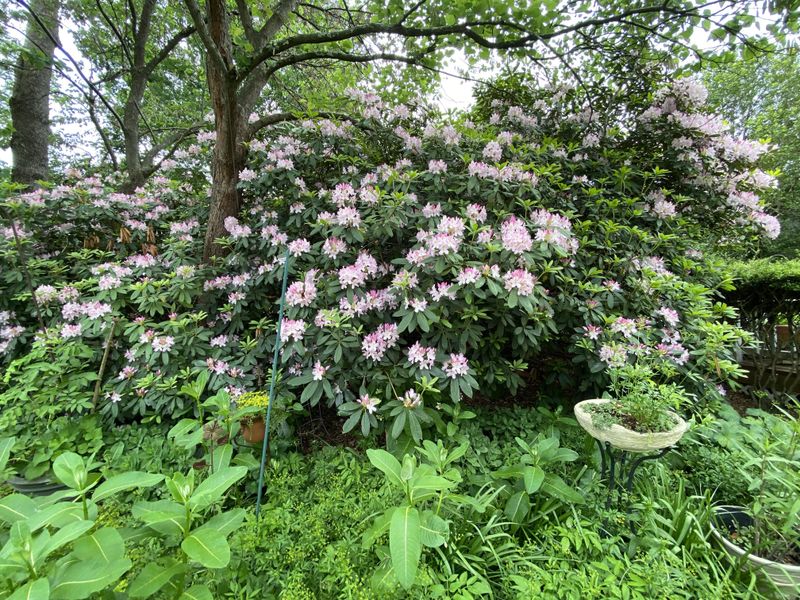
Some shrubs whisper, while rosebay rhododendron makes a bold statement. Leaves stretch 4 to 8 inches long, creating a leafy curtain nobody can peek through.
Rhododendron maximum grows naturally from New York State and New England southward. Here it favors cool swamps and shady spots in southeastern regions.
Expect plants around 8 to 15 feet tall and 5 to 15 feet wide. In perfect Appalachian conditions, some tower up to 30 feet.
Thickets form over time as plants fill out. Grouping three or more creates a natural, woodsy screen that feels private and peaceful.
Watch those big leaves on a frosty morning. They curl and droop in cold weather to save moisture, then relax again when temperatures rise.
Blooms arrive later than most rhododendrons, in June and July. Flowers range from rose pink to nearly white, though new leaves sometimes hide them.
Partial to full shade suits it best. Cool, moist, acidic soil rich in organic matter keeps the roots thriving.
Skip windy, exposed, or hot locations. Harsh afternoon sun and drying winds can brown leaf edges fast.
The north side of a house or under tall trees often works beautifully. Those spots stay cool and protected, just like its native swamps.
All parts of this plant are poisonous. Keep it away from play areas where little hands might grab leaves.
A thick mulch layer and regular summer watering help young plants settle. After a few years, you’ll barely remember what was behind them.
5. Eastern Red Cedar For Tough, Dense Height
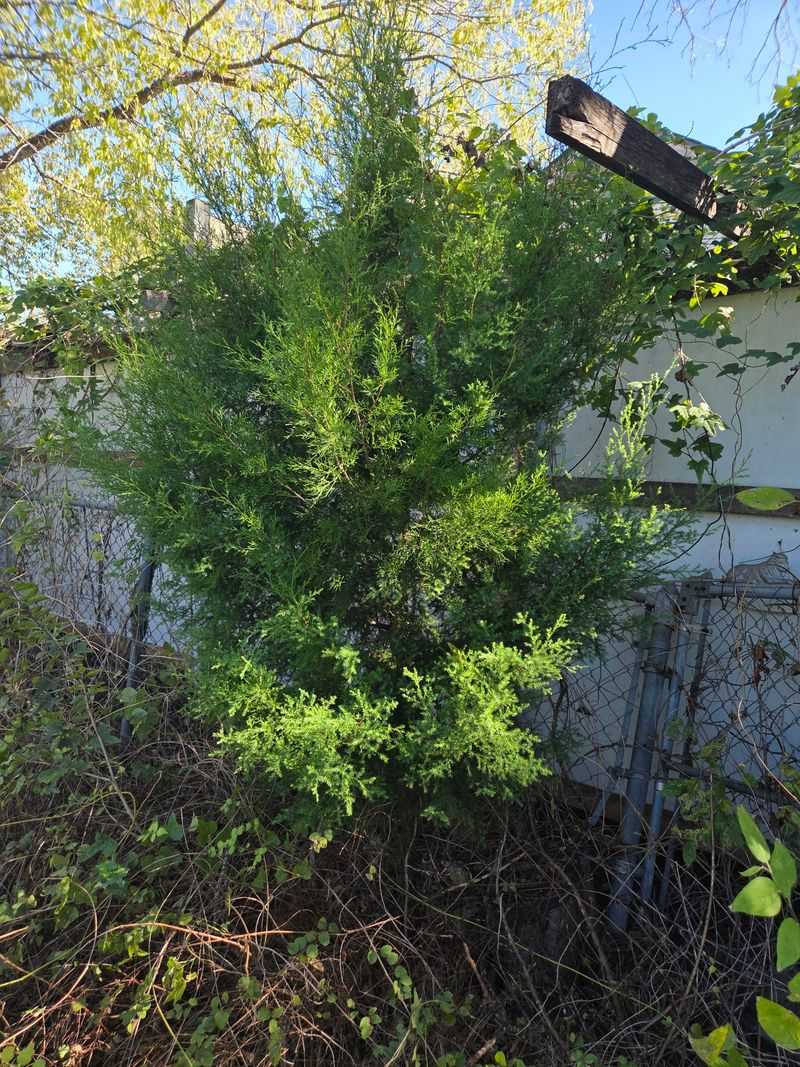
Rocky soil, salty wind, and summer drought would stress most plants. Eastern red cedar just shrugs and keeps growing.
Juniperus virginiana is common throughout the state and much of the eastern United States. Scientists call it a pioneer species because it settles tough ground first.
Dry, sandy, rocky soil works fine for this tree. Heavy clay is okay too, but constantly wet ground makes it unhappy.
Speed is a real perk here. It adds 1 to 2 feet a year, often outpacing nearby plants.
Mature trees reach 40 to 50 feet tall and 8 to 20 feet wide. Young trees stay especially dense and compact, which helps screens fill quickly.
Farmers have planted it for windbreaks for generations. That same toughness blocks traffic views and chilly gusts in your backyard.
Foliage ranges from gray green to dark green and may brown slightly in winter. Reddish-brown bark peels in strips, adding texture on snowy days.
Female trees carry pale blue, berry-like cones. Cedar waxwings and other birds happily gobble them up during cold months.
Short on space? Try Taylor, a narrow eastern red cedar cultivar about 20 feet tall and just 3 feet wide.
Plant in full sun for the thickest growth. Dappled shade is acceptable, though branches may spread out a bit more.
Road salt and city pollution rarely bother it. Near busy streets, few screening plants hold up quite this well.
6. Highbush Blueberry For A Screen You Can Eat From
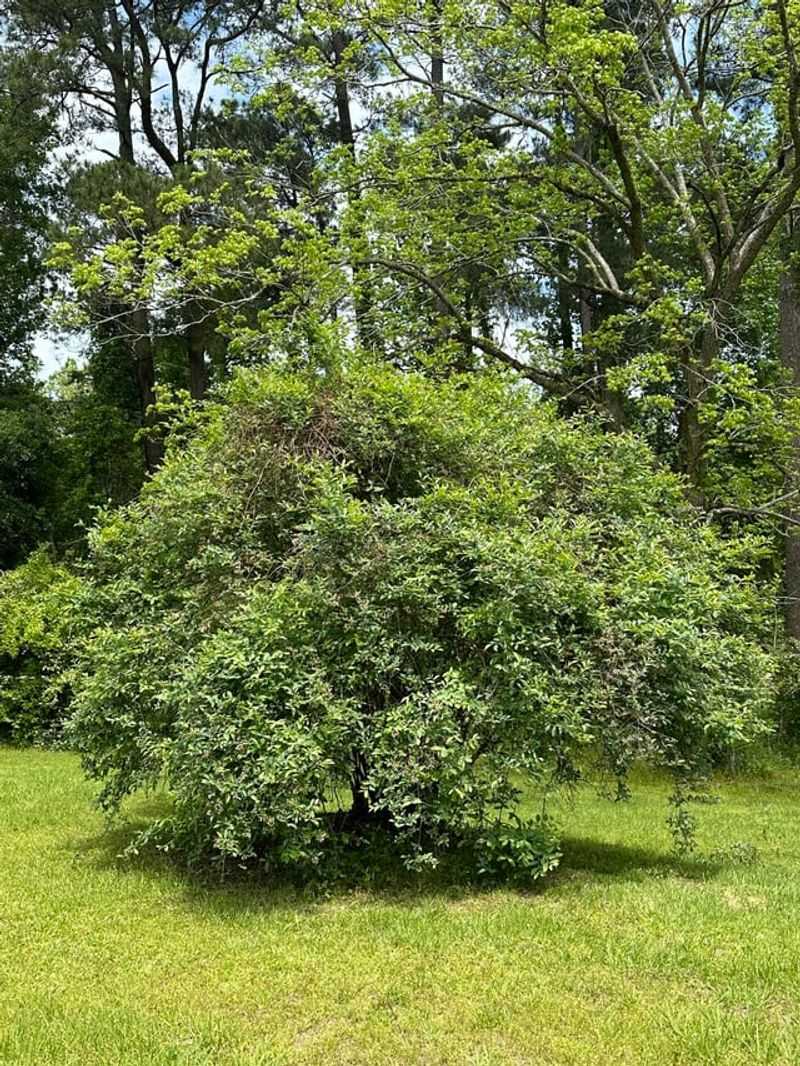
Who says a privacy screen can’t double as a snack bar? Highbush blueberry hides the neighbors and fills your cereal bowl in July.
Vaccinium corymbosum grows wild across eastern North America, including throughout New York. Many of the berries in grocery stores come from its cultivated cousins.
Plants reach 6 to 12 feet tall and just as wide. Upright stems cluster tightly, creating a natural hedgerow feel.
Growth is slow at first. Each year, more stems rise from the base, and the screen grows thicker.
Acidic soil is a must for this shrub. Moist, well-drained ground keeps roots healthy, and mulch helps hold that moisture.
Test your soil before planting. Adding sulfur or pine needle mulch can lower pH if your yard runs sweet.
Full sun gives the biggest harvest, though partial shade works. Planting two varieties together often boosts berry size and yield.
Spring brings dainty white to pink bell flowers. Bees buzz around them like tiny shoppers, getting the fruit started.
Fall might be the showiest season of all. Leaves blaze red, orange, gold, and burgundy before dropping.
Since it loses leaves in winter, pair it with evergreens for year-round coverage. That combo looks great and blocks views in every season.
Birds, deer, and rabbits love this plant too. Toss netting over bushes as berries ripen if you want to keep the harvest.
7. Silky Dogwood For Thick Growth In Damp Soil
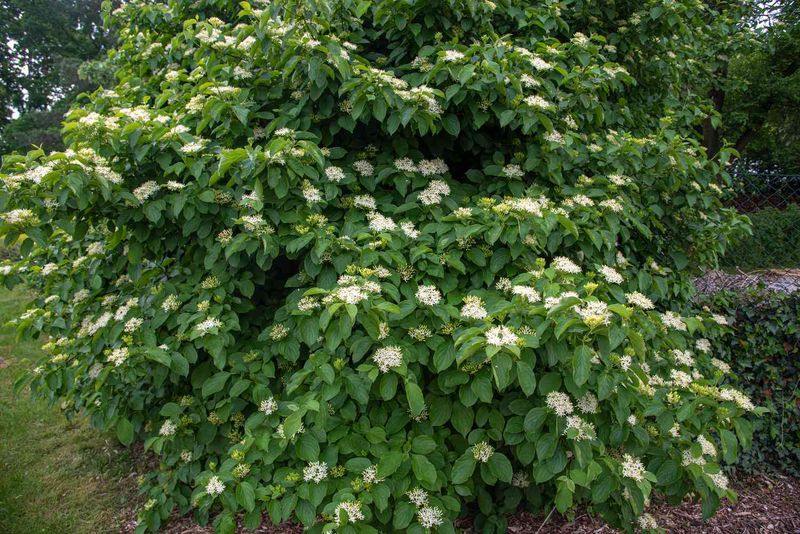
Got a soggy corner where grass sulks and puddles linger? Silky dogwood treats that trouble spot like a spa.
Cornus amomum is native to central and eastern states, New York included. It grows naturally along streams, wetlands, and low meadows.
Plants mature at 6 to 12 feet tall and about 10 feet wide. Growth moves at a medium pace, so you’ll notice progress yearly.
Here’s the clever part about its density. Stems that touch the ground often root, spreading into a natural thicket.
Moist to wet acidic soil suits it perfectly. It even handles occasional flooding without much fuss.
Light flexibility makes it easy to place. Full sun, partial shade, and nearly full shade all work.
Winter brings a surprise pop of color. Young stems glow bright red from fall into early spring, cheering up snowy yards.
Creamy white flowers open around mid-June. Bluish berries follow in August and September, and birds snap them up fast.
The leaves hang on late into autumn. That extra time helps your screen stay full a little longer.
Streambank owners love it for erosion control too. Its roots grip loose soil and help stop washouts.
For a quicker screen, plant shrubs about five feet apart. Within a few seasons, they’ll knit together into a leafy barrier.
Prune a few older stems each spring. Fresh shoots bring brighter red color and fuller growth.
8. Common Ninebark For Peeling Bark And Fast Fill
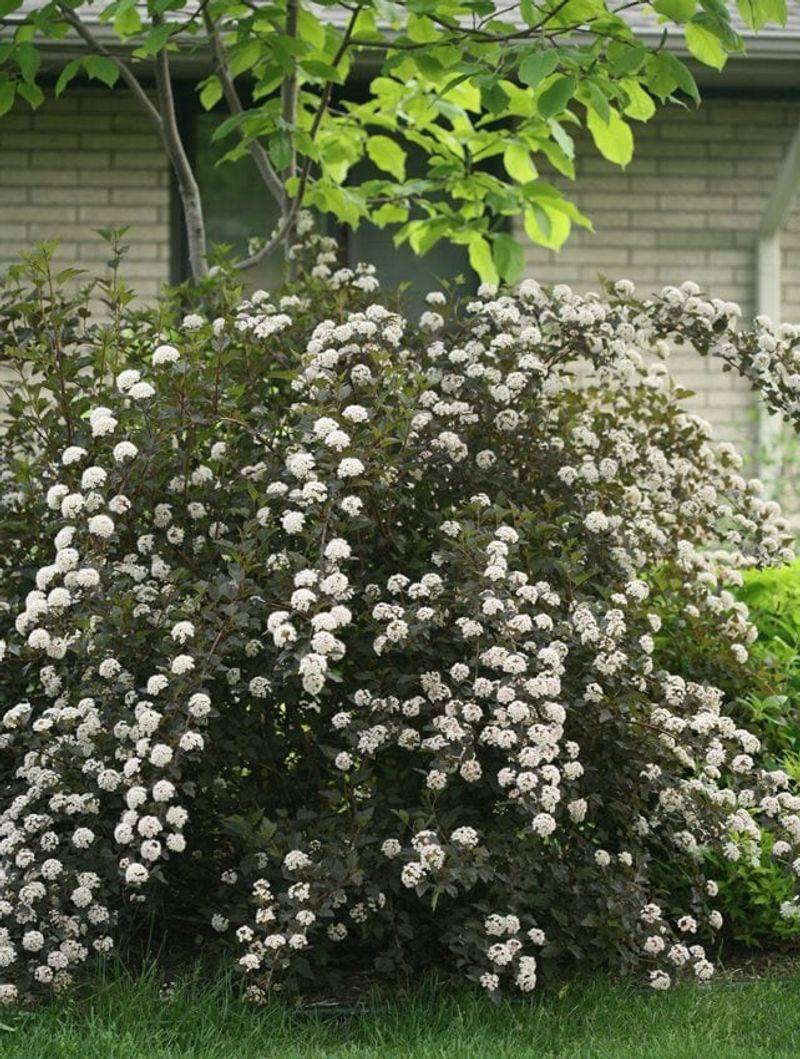
Impatient gardeners, this one’s for you. Common ninebark can shoot up two feet or more in a single year.
Physocarpus opulifolius grows naturally across eastern and central North America. Gardeners welcome it as a hardworking native.
Plants form full, mounded shapes with arching branches. Most reach 5 to 10 feet tall and equally wide.
The name comes from its bark, which peels in many papery layers. Legend jokes that it has nine layers, though nobody actually counts.
Reddish-brown strips flake off older stems, revealing lighter bark underneath. That texture looks especially striking against winter snow.
Soil rarely stops this shrub. Heavy clay, drought, occasional flooding, and road salt are all fair game.
Full sun to partial shade keeps it growing strong. More sun usually means thicker leaves and more flowers.
Late spring brings clusters of white or pinkish blooms. Pollinators crowd around them on warm afternoons.
Reddish seed pods follow and often last into winter. Autumn leaves turn rusty yellow, gold, or orange.
Deer do enjoy munching ninebark. Fencing young plants for a year or two helps them grow past nibbling height.
Newer cultivars offer purple or golden leaves. They mix nicely with green shrubs for a colorful, layered screen.
After flowering, trim a few old stems at the base. The plant responds with fresh growth that fills gaps quickly.