The One Herb Every Texas Gardener Should Plant This October
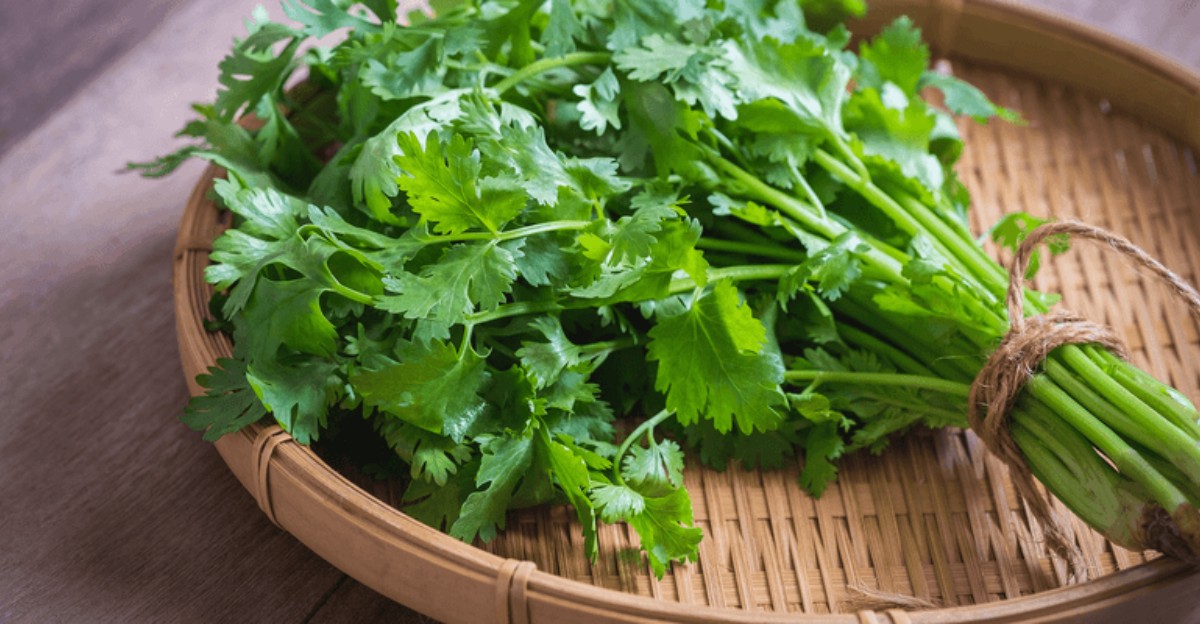
Why did your spring herb race to flower before you snipped a decent handful? Credit the calendar, not your green thumb.
This leafy herb prefers cool air, so warm, lengthening days push it toward seed. October flips that script in Texas.
Cooler nights and shorter afternoons let the plant pour energy into lush, fragrant leaves. Mature plants handle light freezes with surprising grit.
Sow seeds straight into the bed, since its long taproot likes staying put. Press each round husk gently to free the paired seeds and speed sprouting.
Those husks, by the way, also serve as a spice sitting in your pantry. Snip outer stems when plants reach hand height, and fresh growth keeps coming.
Your guests might taste soap, partly due to a gene detecting its aldehydes. Let them debate while you top warm tacos with Texas sprigs.
Cilantro, The Cool-Weather Favorite Of Texas Gardens
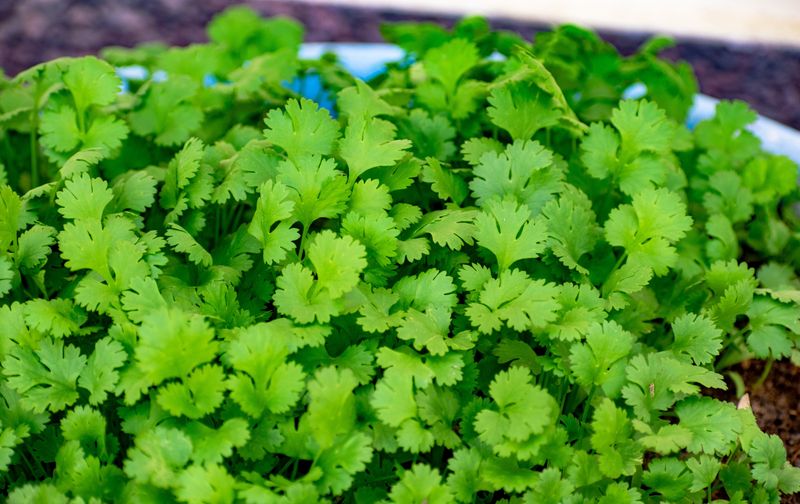
Picture an herb that struggles in July heat but thrives in December. Cilantro is that herb, and October is when Texas gardeners should get it growing.
Much of Central and South Texas has mild winters, though the Panhandle runs colder. That weather pattern fits cilantro like a favorite pair of broken-in sneakers.
The plant grows best when daytime temperatures sit between about 50 and 80 degrees. Summer heat pushes it to flower fast, which turns the leaves bitter and skimpy.
Fall planting flips that problem upside down. Cool air keeps cilantro leafy, tender, and packed with that bright, citrusy flavor many cooks enjoy.
Texas cooks use a lot of it, too. Salsa, pico de gallo, guacamole, and tortilla soup all taste better with a fresh handful on top.
Store-bought bunches often wilt in the fridge within a few days. A patch outside your back door gives you fresh leaves whenever you need them.
Cilantro also costs very little to start. A packet of seeds usually costs a few dollars and can plant a small bed or several rows.
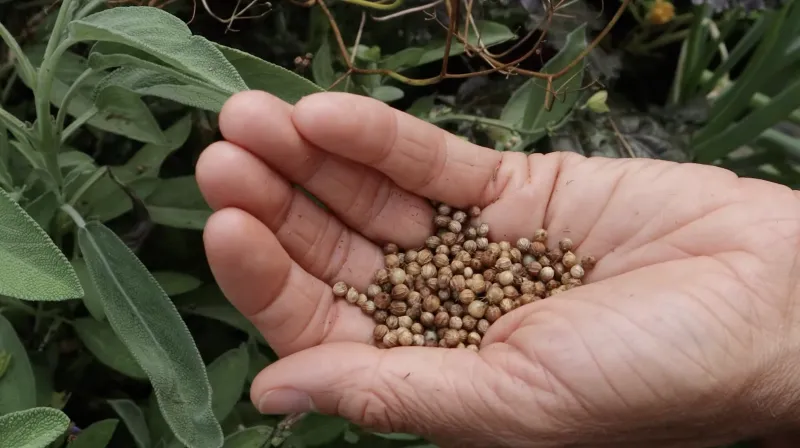
Even the seeds have a second life in the kitchen. Dried cilantro seeds are called coriander, a warm spice used in curries and sausages.
Pollinators get a bonus later in the season when plants bloom. Tiny white to pale pink flowers attract helpful insects like hoverflies and small native bees.
For your fall garden, this herb easily earns a spot. You’ll have fresh leaves for tacos, soups, and salads through winter.
The October Sweet Spot For Sowing Seeds
Timing a cilantro crop in Texas feels a bit like catching a school bus. Plant too early and seedlings face heat; plant too late and you miss the best growing weeks.
For most of the state, early October through November is the sweet spot. Soil temperatures drop below 75 degrees, which helps seeds sprout quickly and evenly.
North Texas gardeners around Dallas can start in late September or early October. Folks in Houston, San Antonio, and the Rio Grande Valley can keep sowing into December.
A simple soil thermometer is inexpensive and easy to find at garden centers. It takes the guesswork out of deciding when the ground feels ready.
Your Texas Garden Changes Every Week. Your Plan Should Too.
Gardening in Texas changes quickly throughout the season. Every Friday you’ll receive a simple weekly plan showing exactly what to plant, prune, fertilize, harvest, and protect so you never miss the right timing.
Seeds usually sprout in seven to fourteen days, or longer in cool soil. Many gardeners soak them overnight, which may speed sprouting slightly.
Each seed is actually a tiny husk holding two seeds inside. Gently cracking the husks before planting can help seeds sprout faster and more evenly.
Plant seeds about a quarter inch deep and roughly two inches apart. Thin the seedlings later so each plant has about four to six inches of space.
One smart trick is called succession planting. Sow a new short row every two or three weeks until early spring arrives.
That steady rhythm keeps fresh leaves coming instead of one giant harvest all at once. Older plants can retire gracefully while younger ones take over the job.
Mark your calendar now, and set a reminder for each new sowing date. Fresh leaves will be ready whenever a recipe calls for them.
A Common Transplanting Mistake To Avoid
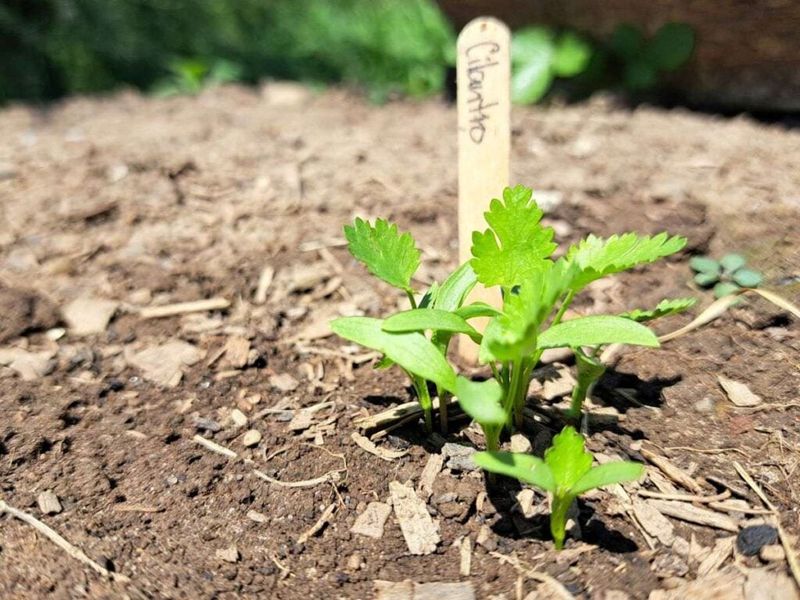
Each spring and fall, many garden centers stock small cilantro plants in plastic pots. Buying them feels like a shortcut, but it often leads to early bolting.
Cilantro grows a long, skinny taproot that dives straight down into the soil. Digging it up and moving it causes significant transplant stress.
Stressed cilantro reacts by rushing to make flowers and seeds. Gardeners call this bolting, and it ends the leafy harvest early.
When store-bought plants decline within a few weeks, beginners often blame themselves. The main cause is usually the move itself, not the gardener.
Direct sowing seeds right where they will grow is the better path. Roots stay undisturbed, and the plant settles in calm and happy.
If you already bought transplants, you can still give them a fair chance. Choose small plants, and avoid ones with roots circling the bottom of the pot.
Water the pot well before planting so the soil ball slides out in one piece. Set it in the ground gently, without pulling apart the roots.
Plant on a cloudy afternoon or in the evening to reduce stress. Keep the soil evenly moist for the first week while roots adjust.
Another common slip is crowding plants too close together. Packed seedlings compete for water and light, which adds stress and may lead to earlier bolting.
Think of seeds as the slow and steady route. They take a little patience, yet they reward you with sturdier, longer-lasting plants.
Soil, Sun, And Water Basics
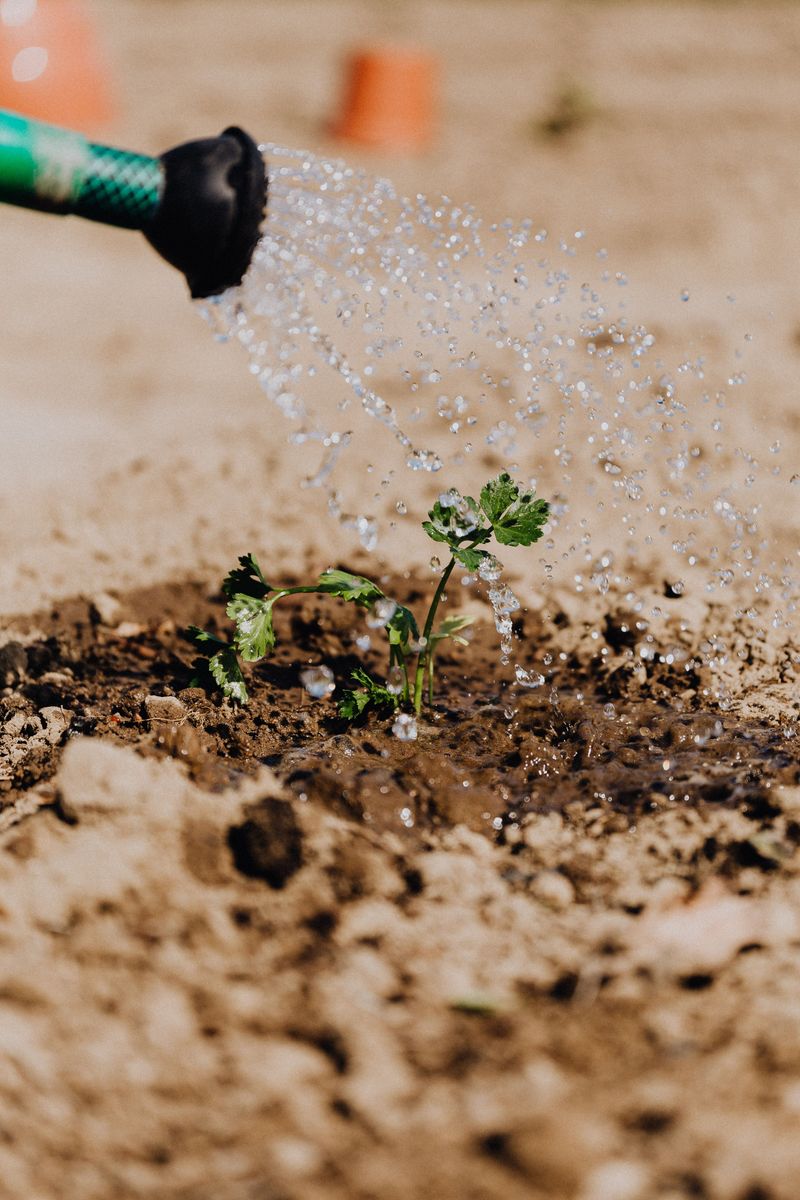
Cilantro has a few clear preferences, and meeting them pays off. Give it what it wants, and it behaves beautifully.
Start with loose, well-drained soil mixed with a few inches of compost. Heavy clay, common in parts of Texas, holds too much water and can cause root rot.
Raised beds or large containers work great if your yard has thick clay. A pot at least eight inches deep gives the taproot room to stretch.
Cilantro enjoys full sun during the cool months. Six hours of light keeps plants bushy and full of flavor.
In warmer parts of South Texas, a spot with afternoon shade can help. That little break from the sun keeps leaves tender on surprise warm days.
Water deeply about once or twice a week, depending on rain. The soil should feel damp like a wrung-out sponge, not soggy.
A layer of mulch, like shredded leaves or straw, helps hold moisture. It also keeps soil temperatures steady when fronts blow through.
Feed plants lightly with a balanced organic fertilizer about once a month. Too much nitrogen can make leaves floppy and weak in flavor.
Hard freezes below the mid-20s can damage young plants. Toss a frost cloth or old bedsheet over them on those chilly nights.
Pests are usually light in cool weather, though aphids may visit. A quick spray of water from the hose usually removes them.
Small effort goes a long way with this herb. A few minutes of care each week keeps the patch lush and thriving.
A Winter Harvest Worth Bragging About
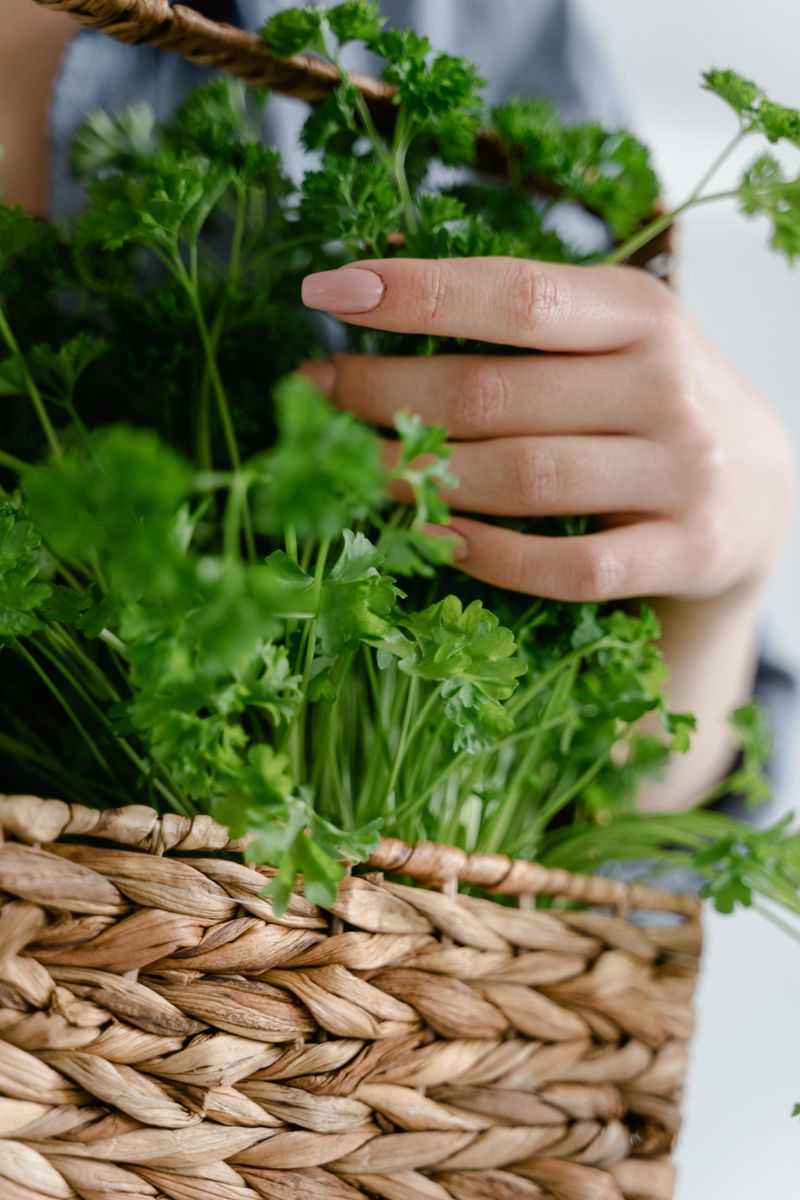
Around Thanksgiving, a well-timed cilantro bed reaches its flavorful peak. Leaves grow thick and lacy, and the whole patch smells like fresh lime and pepper.
Most plants are ready to snip about 45 to 70 days after sowing. Once stems reach six inches tall, you can start picking.
Harvest the outer leaves first and leave the center growing. The plant keeps pushing out new stems from the middle for weeks.
A good rule is to take no more than one third at a time. That keeps the plant strong enough to bounce back quickly.
Morning is the best time to pick, when leaves are crisp and full of flavor. Rinse them gently and pat them dry with a towel.
To store extras, stand the stems in a glass of water like flowers. Cover loosely with a bag and keep it in the fridge.
Freezing works too, especially for cooking. Chop the leaves, pack them into ice cube trays, and top with water or olive oil.
With steady sowing, many Texas gardeners harvest from November until March or April. That is months of free herbs for tacos, rice, soups, and chutneys.
Picture a chilly January evening with a pot of chili on the stove. Walking outside for a fresh handful makes dinner feel downright fancy.
Neighbors might start asking for bundles once they see your patch. Sharing a bag of cilantro is a simple, friendly way to spread garden joy.
How To Delay Bolting For A Longer Season
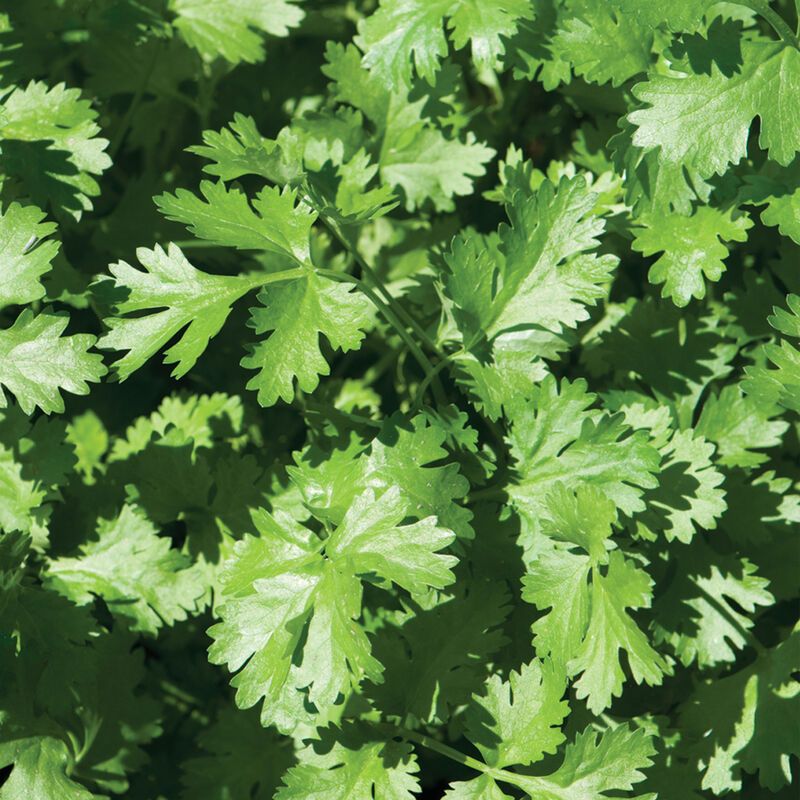
It’s disappointing to watch a lush cilantro patch send up tall flower stalks within a few days. Bolting is a natural part of life, but you can slow it down.
Heat is a major trigger. A string of warm days in the 80s tells cilantro that summer is coming, so it hurries.
Longer daylight in spring adds more pressure. That is why fall planting gives Texas gardeners a longer harvest window.
Choosing slow-bolt varieties helps a lot. Look for names like Calypso, Santo, or Leisure on seed packets.
Steady moisture matters just as much. Dry soil stresses the plant, and stress encourages early flowering.
Regular harvesting may help delay flowering, though it can’t override heat and daylight triggers. Snipping stems often encourages fresh foliage while the weather stays cool.
When spring warmth arrives, shade cloth can buy you a few extra weeks. Place it over plants during the hottest part of the afternoon.
Eventually, every plant will flower, and that is perfectly fine. Let a few go to seed so you can collect coriander for your spice rack.
Bolted plants still offer something useful before they finish. The lacy flowers are edible and add a mild, sweet flavor to salads.
Some seeds will drop on their own and sprout next fall. It’s an easy, self-sown crop at no extra cost.
Save a few dried seeds in a paper envelope, too. With an open-pollinated variety, you can replant next October without buying new seeds.