Why Michigan Gardeners Are Bringing Harvested Pumpkins Inside To Cure Before Frost
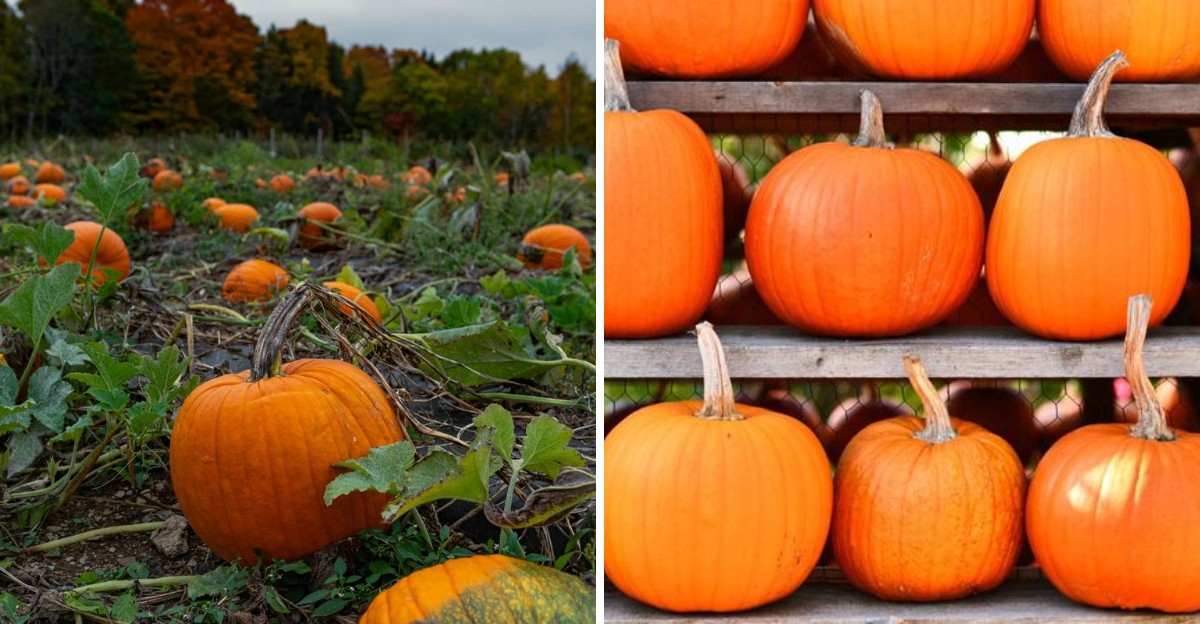
Pumpkins pulled straight from a frost-threatened vine aren’t actually ready for long-term storage yet, which is why Michigan gardeners have started prioritizing an indoor curing step that many people skip entirely.
Moving harvested pumpkins into a warm, dry space for a week or two allows the outer skin to toughen and any minor scrapes or bruises to seal over before the fruit gets tucked away for winter.
Skipping this step often means a pumpkin that looks perfectly fine at harvest but develops soft spots and rot within just a few weeks of storage.
Because Michigan’s first frost can arrive with little warning, curing indoors also protects pumpkins from cold damage that field-curing would otherwise expose them to during an unpredictable fall.
Taking this extra step now is often the real difference between a pumpkin that lasts through Thanksgiving and one that spoils well before the holidays even arrive.
1. Frost Damages Pumpkin Rinds
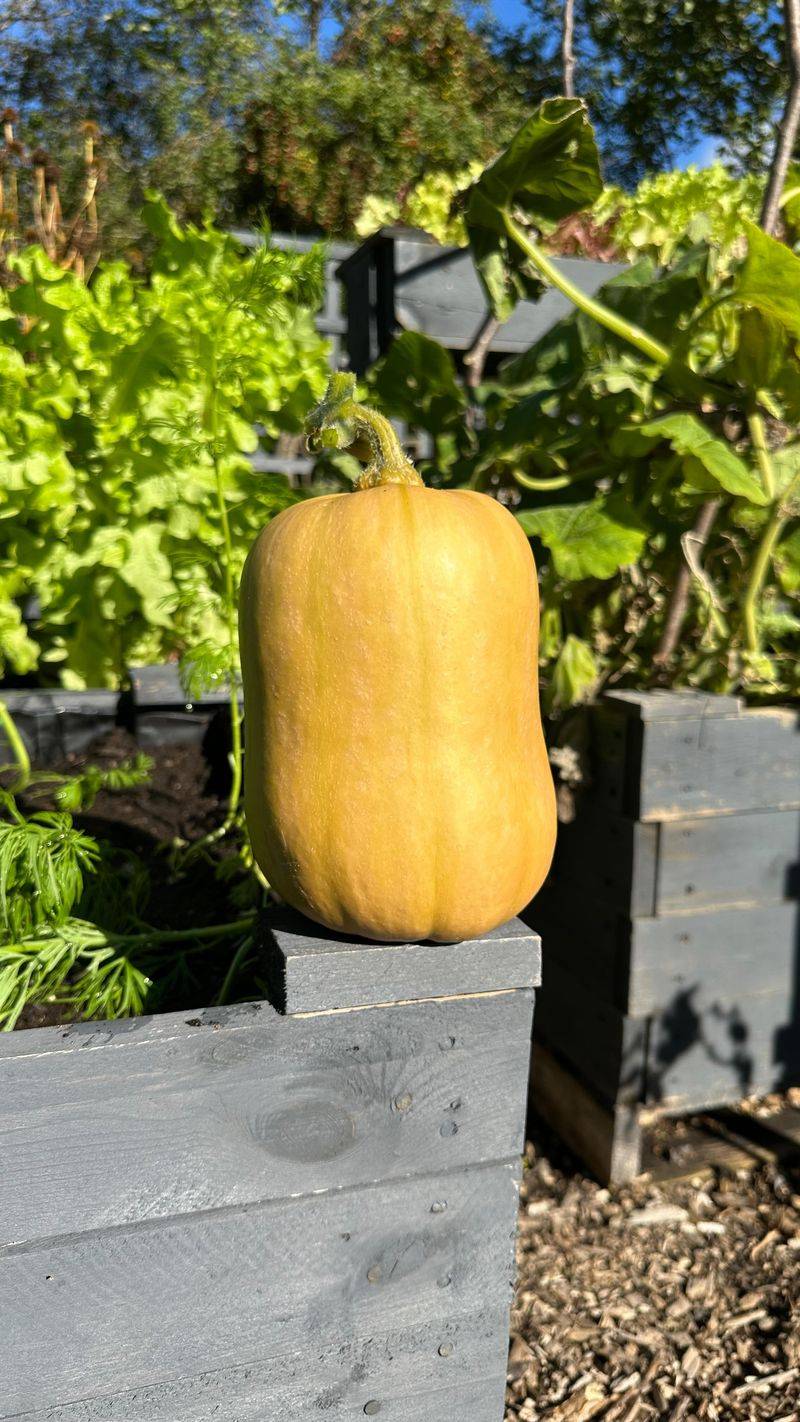
A pumpkin can look tough as a rock and still be in trouble after one cold night. Many gardeners trust that hard shell a little too much. Frost does not care how solid the rind feels.
When frost hits, it harms the rind and the soft tissue just under it. You might not notice anything at first. Within a few weeks of storage, though, even light frost damage often turns into soft spots and rot that spread fast.
So how do you know when to pick? Harvest once the pumpkin has reached its full, even color and the rind resists denting when you press a fingernail into it. Try to bring every ripe pumpkin in before the first frost arrives.
Some pumpkins may still be ripening when cold weather threatens. On chilly nights, toss an old blanket, a frost cloth, or a tarp over them in the evening. Pull the cover off in the morning so the sun can warm them again.
Timing is tricky in Michigan because the state is so long from north to south. The Upper Peninsula and northern Lower Peninsula often see frost by mid to late September. Southern Michigan usually gets its first frost in early to mid October.
Gardens close to the Lake Michigan shoreline often enjoy a later frost, since the big lake holds summer warmth for weeks. Check your local forecast often as fall rolls in. A free weather app with frost alerts can save your whole crop.
2. Fall Air Is Too Cool For Curing Outdoors
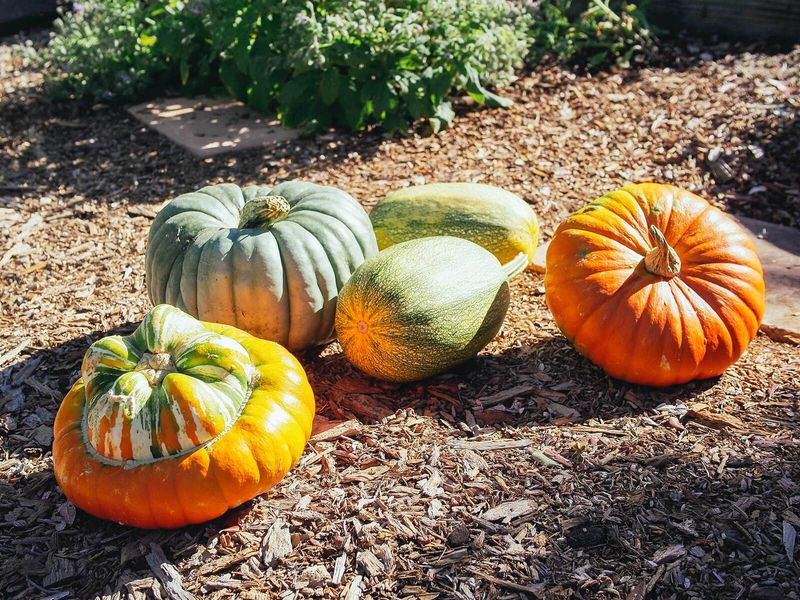
Old farm pictures often show pumpkins lying in the field for days after harvest. That method works in warm places. In a Michigan October, it usually falls flat.
Pumpkins cure best at about 80 to 85°F with fairly high humidity. They need those cozy conditions for roughly 10 to 14 days. Think of it like a warm spa week that helps the rind toughen up.
Now think about a typical Michigan fall day. The afternoon might feel pleasant, but nights turn chilly and sometimes close to freezing. Those ups and downs rarely give pumpkins the steady warmth they need to cure properly.
Your Michigan Garden Changes Every Week. Your Plan Should Too.
Gardening in Michigan changes quickly throughout the season. Every Friday you’ll receive a simple weekly plan showing exactly what to plant, prune, fertilize, harvest, and protect so you never miss the right timing.
September and October temperatures across the state often stay well below ideal curing levels. Even a sunny week in early fall may only reach the 60s. A pumpkin sitting outside through that weather simply cannot finish the job.
The fix is easy. Move pumpkins indoors to a warm spot right after harvest instead of waiting. The sooner they start curing, the better their chances of lasting a long time.
Spacing matters too, so do not pile them in a heap. Set each pumpkin a few inches apart so air can reach every side. Good airflow keeps moisture from building up and helps the whole surface cure evenly.
A cheap indoor thermometer can help you track the room. If the temperature dips too low, find a warmer spot. Your pumpkins will reward you with months of use.
3. Curing Heals Scratches And Hardens The Rind
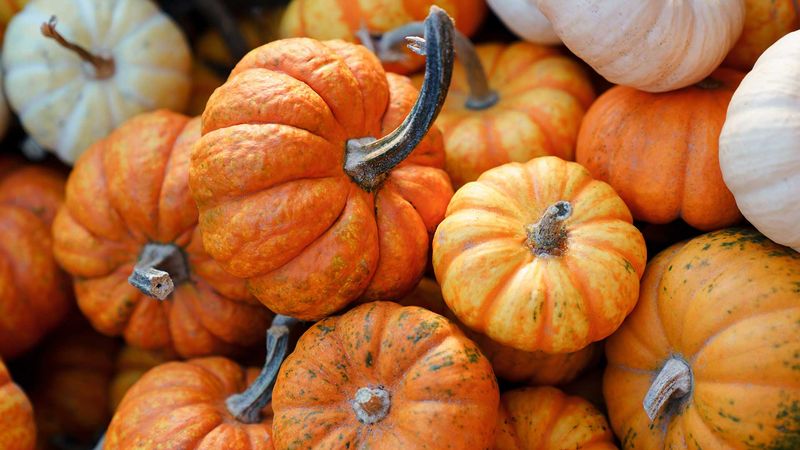
Every pumpkin picks up a few bumps and scrapes on its way from the vine to your house. Those tiny marks might seem harmless. Left alone, they can become open doors for rot.
Curing is the pumpkin’s healing time. The warm stretch toughens the rind and lets small scratches and nicks from harvest seal over. Once healed, the skin keeps out rot organisms and helps the pumpkin hold onto its moisture.
Good curing starts with a careful harvest. Use sharp pruners to cut the pumpkin from the vine, leaving about 3 to 4 inches of stem attached. A short or snapped stem leaves a weak spot where trouble can sneak in.
Here is a habit worth breaking. Never carry a pumpkin by its stem, even if it looks like a handy handle. Stems can crack or pop off, and that wound often rots first.
Before curing, wipe off loose soil with a dry cloth. Skip washing with lots of water, since extra moisture is not your friend right now. Look each pumpkin over closely while you clean it.
Found one with a deep cut or a soft spot? Set it aside and use it first for pies, soup, or roasted seeds. It will not store well, but it can still make a tasty treat.
In Michigan, pumpkins often need to last from early fall through the holidays. That long stretch makes healthy, healed skin extra valuable for your harvest.
4. Warm Indoor Spots That Work For Curing
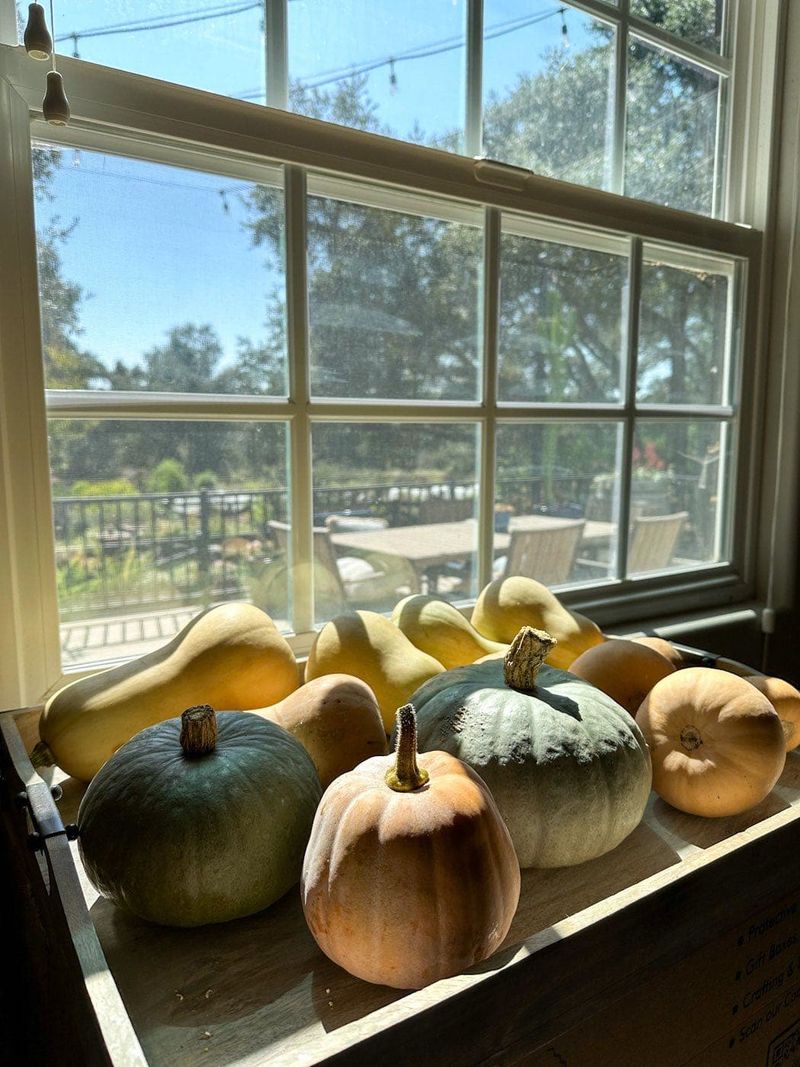
Finding the right curing spot is a bit like finding the best seat by a campfire. Too far away and you stay cold. Too close to the damp edge and things get soggy.
Location matters because curing needs steady warmth and good airflow. Spots that are too cool or damp slow the whole process down. They can also invite mold to grow on the rind.
A warm room near your furnace is often a great choice. Many homes have a utility area that stays toasty once the heat kicks on. Just make sure pumpkins sit away from anything that could get too hot.
A sunny room indoors can work nicely too. Sunrooms, bright spare bedrooms, or a spot near a south-facing window soak up daytime heat. Rotate pumpkins now and then so no side gets forgotten.
If you have a heated workshop or similar space, you have struck gold. These rooms usually offer plenty of space and steady temperatures. Shelves or benches give each pumpkin its own little zone.
Some places look handy but let you down. Unheated garages and porches cool off quickly at night in fall. A mild afternoon can fool you, but the evening chill slows curing badly.
Michigan fall nights can drop close to freezing even when days feel mild. Choosing a heated indoor spot protects your pumpkins from those sneaky temperature swings. A little planning now keeps your harvest looking fresh for weeks.
5. Keep Pumpkins Off Cold Floors
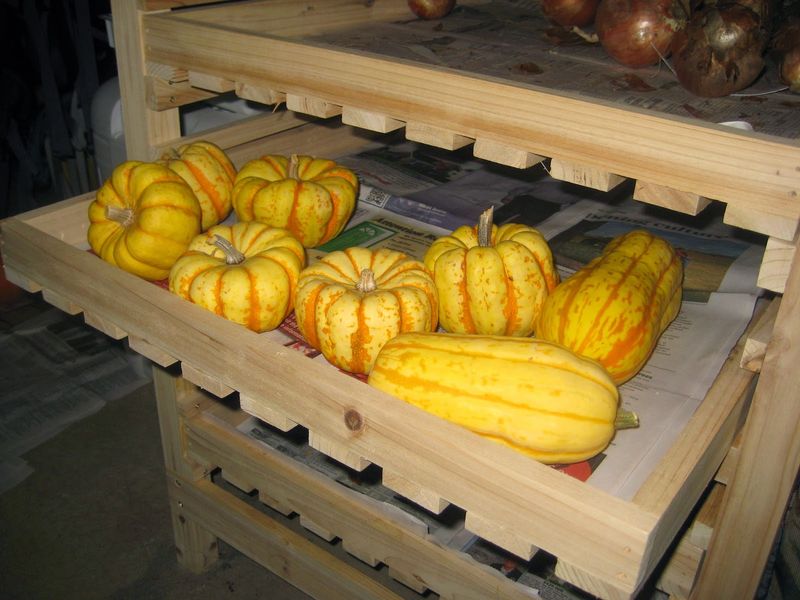
Setting a pumpkin on the basement floor feels natural. It is out of the way and easy to reach. Sadly, that cold concrete is quietly working against you.
Cold surfaces pull heat right out of the pumpkin. When the fruit drops below about 50°F, it can suffer chilling injury. That damage weakens the tissue and shortens storage life.
Moisture adds a second problem. Water tends to collect under a pumpkin resting on a hard floor. Over time, that damp patch turns into soft spots and rot that you may not see until it is too late.
Luckily, the fix costs very little. Set pumpkins on wooden pallets, shelves, sturdy cardboard, or wire racks. Anything that lifts them off the cold surface and lets air flow underneath will help.
Give each pumpkin a gentle turn now and then. A quarter turn every few days helps them cure evenly on all sides. It also gives you a chance to peek at the bottoms.
Press lightly on the underside while you check. A firm feel means all is well. If you find a soft area, move that pumpkin to the kitchen and cook it soon.
In Michigan, basements and garage floors stay cold all through fall and winter. That chill seeps right up into anything resting on them. Keeping pumpkins raised is one of the simplest ways to protect all your hard gardening work.
6. Rain And Wet Soil Lead To Rot
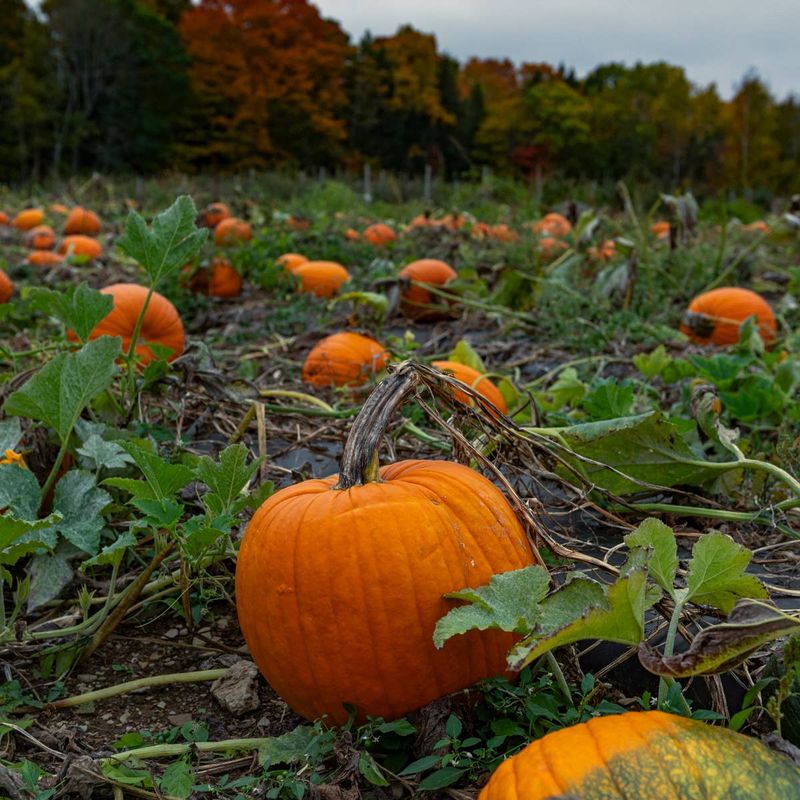
Rainy days have a way of stretching out harvest plans. You tell yourself you will grab the pumpkins tomorrow, then tomorrow brings more drizzle. Meanwhile, the pumpkins sit waiting in the mud.
Pumpkins resting on damp soil or sitting through repeated rain start to struggle. Soft spots often form right where they touch the ground. Moisture also helps rot organisms slip inside through tiny wounds on the skin.
The best move is to bring pumpkins in soon after harvest. Try not to leave them lying in wet grass or soil for days. A wheelbarrow or garden wagon makes quick work of hauling them to a dry place.
Worried about mold hitching a ride? Many gardeners wipe pumpkins with a dilute bleach solution before curing. Mix about 1 part bleach to 10 parts water, then wipe the surface with a cloth.
Let the pumpkins air-dry completely after wiping. Wear gloves while you work and keep the mix away from kids and pets. This small step can reduce surface mold and give curing a clean start.
Drying is just as helpful as cleaning. Set wet pumpkins in a spot with good airflow until the skin feels dry to the touch. Then move them into your warm curing area.
In Michigan, fall rain is common just as harvest time approaches. Watching the forecast and acting early keeps soggy weather from spoiling your crop.
7. Wildlife Chew Pumpkins Left Outside
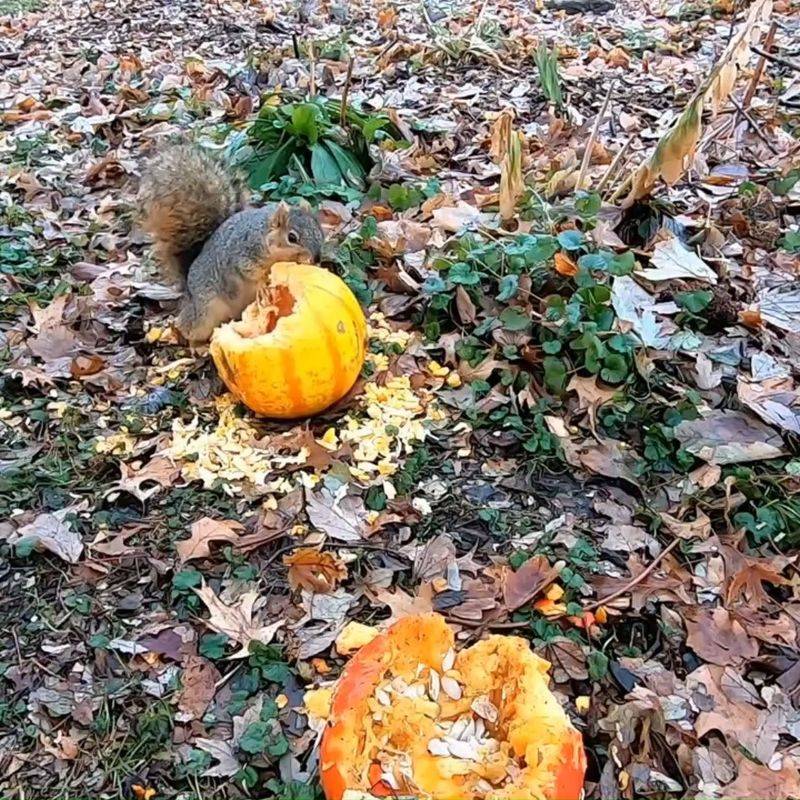
Squirrels in Michigan seem to have a sixth sense for pumpkins. One morning your harvest looks perfect. By lunchtime, someone furry has carved a hole in it.
Pumpkins left outside after harvest quickly become a free buffet. Squirrels, deer, raccoons, and mice all love to chew into them. Their interest grows in fall as other food sources start to run low.
Even a tiny bite mark causes big trouble. Once the rind is broken, the pumpkin is open to rot. A small nibble can turn a keeper into a mushy mess within days.
The easiest defense is speed. Move harvested pumpkins indoors promptly instead of leaving them on the porch or in the garden. The less time they spend outside, the fewer chances hungry visitors get.
Where you store them matters too. Keep pumpkins off the ground and inside an enclosed space like a heated room or closed workshop. Mice can squeeze through surprisingly small gaps, so check for openings near doors and walls.
Make a habit of looking over your stored pumpkins. Watch for small tooth marks, scratches, or chewed stems. If you spot damage, use that pumpkin right away and look for how the critter got in.
Michigan wildlife stay busy in fall, eating garden leftovers as they fatten up for winter. Your pumpkins look like a jackpot to them. Keeping the harvest safely indoors lets you enjoy it instead.
8. Cured Pumpkins Last Longer For Cooking And Decorating
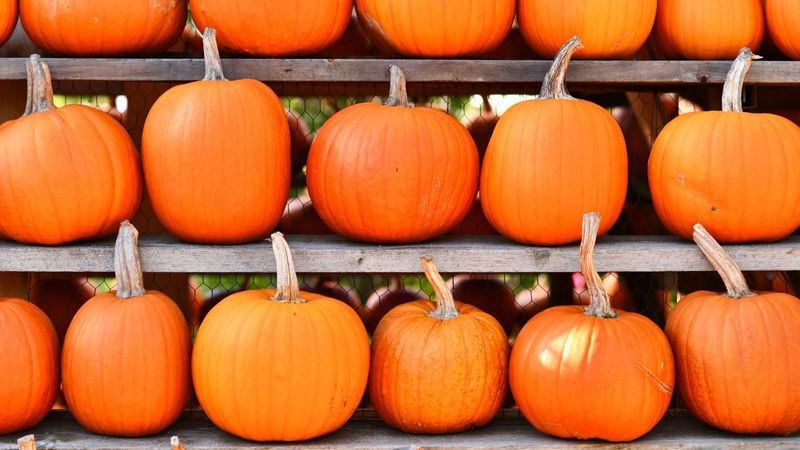
Imagine carving a jack-o-lantern in October and baking a pie from the same harvest at Christmas. That dream is very doable. Proper curing is the secret that makes it happen.
A cured pumpkin has a hardened rind and healed skin. Together, they help it resist rot much better than an uncured one. Under the right conditions, cured pumpkins can usually be stored for about two to three months, and sometimes longer.
After curing wraps up, it is time to change the setting. Move pumpkins to a cool, dry place around 50 to 55°F. A cool spare room, a dry corner of the basement on a shelf, or a pantry can all work.
Airflow still matters here. Keep pumpkins in a single layer and make sure they do not touch each other. If one starts to spoil, the space keeps the problem from spreading.
Check your stash every week or two. Look for soft spots, dark patches, or any leaking. Catching problems early saves the rest of the group.
Found a pumpkin with a soft spot? Use it right away for soup, bread, or roasted seeds. Nothing goes to waste, and your kitchen smells amazing.
Michigan gardeners often want pumpkins to stretch from fall porch displays all the way to holiday baking. With good curing and smart storage, that long season is well within reach. Your harvest can bring joy for months.