Start This In October If You Want Your Christmas Cactus Blooming By Christmas In Ohio
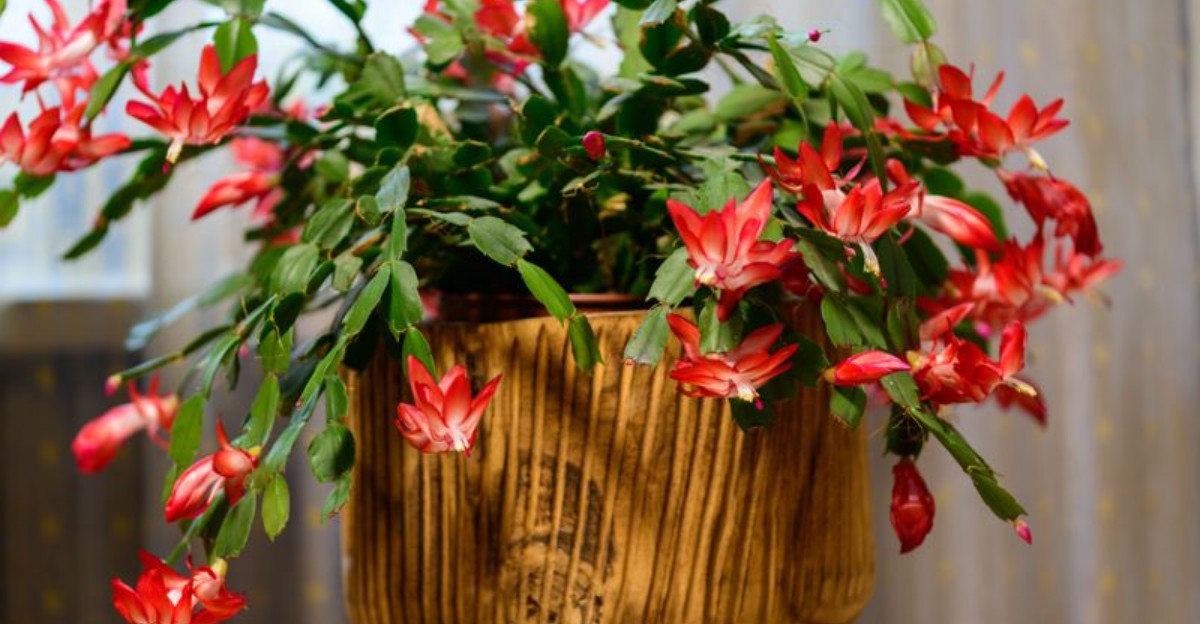
Skip this October step, and your Christmas cactus might sit there green and flowerless while everyone else’s blooms right on schedule.
This plant needs a very specific push before it commits to flowering, and most Ohio owners miss it entirely, assuming the plant blooms on its own timeline without any help. Miss this window and you’re not looking at a delay.
You’re looking at a plant that might not bloom at all this year.
Getting the timing right matters more than anything else you do for this plant the rest of the year combined. A few details make or break the process, and most people learn about them only after their first disappointing December.
Start paying attention to this now instead of waiting until the buds should already be forming. What you do this month decides whether your table has blooms on it in December or just another green plant.
1. Start The Long-Night Routine In October
Think of October as the warm-up lap before the big holiday race. Out in Ohio, the days are shrinking fast, and your plant can feel it.
That natural shift is the perfect moment to give it a helping hand.
Christmas cacti set flower buds when nights grow long and air turns cool. Experts suggest starting this routine about six to eight weeks before you want blooms.
Counting back from December 25, that lands you right in early to mid October.
So grab a calendar and circle a start date. Many Ohio gardeners pick the first weekend of the month because it is easy to remember.
Starting a little early, even late September, gives you a cushion if something goes off track.
The routine itself is pretty simple. Your plant will need long, dark nights, cooler temperatures, bright days, and careful watering.
Each step works together like pieces of a puzzle.
Here is a fun bit of history too. These plants come from the mountain forests of Brazil, where they grow on tree branches instead of in soil.
Their built-in clock still follows seasonal light, even in a cozy Midwest living room.
Once you begin, keep going until you spot tiny buds forming at the tips of the stems. Patience now pays off with a colorful show later.
2. Give Christmas Cactus About 12 Hours Of Darkness
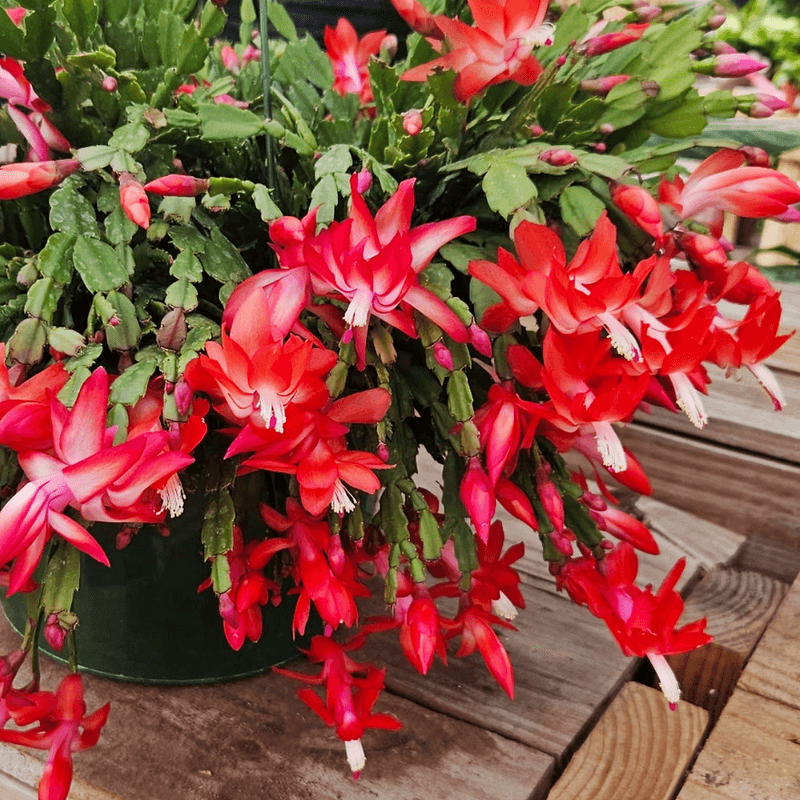
Plants have bedtimes too, and this one is fussier than a toddler. Christmas cacti are called short-day plants.
That means they need long stretches of darkness before they will make flower buds.
Aim for 12 to 14 hours of darkness every single night. Some growers push for at least 13 hours to be safe.
Keep this schedule for around six to eight weeks.
A simple way to handle it is to pick set times. For example, put the plant in the dark at 6 p.m. and bring it back out at 8 a.m.
That gives you 14 hours without any tricky math.
Temperature matters here as well. If your home stays warmer than 65 degrees at night, stretch the dark period to about 15 hours.
Your Ohio Garden Changes Every Week. Your Plan Should Too.
Gardening in Ohio changes quickly throughout the season. Every Friday you’ll receive a simple weekly plan showing exactly what to plant, prune, fertilize, harvest, and protect so you never miss the right timing.
The extra darkness helps make up for the missing chill.
Setting a phone reminder can make this routine feel effortless. Think of it like feeding a pet at the same time each day.
After a week or two, it becomes a habit you hardly notice.
Missing one night now and then will not ruin everything. Still, steady routines give the best results.
Your plant is quietly counting those dark hours, and each one brings you closer to a cheerful burst of holiday color.
3. Keep Evenings Dark And Free From Indoor Lights

Flip on a lamp for just a few minutes, and you might reset your plant’s whole schedule. It sounds dramatic, but it is true.
Even small amounts of light at night can confuse a Christmas cactus.
Lamps, ceiling lights, streetlights shining through a window, and glowing TVs can all interrupt the dark period. Your plant cannot tell the difference between a porch light and a sunrise.
To it, light means daytime.
The easiest fix is moving the pot into a spare closet or unused room each evening. A bathroom with no window works nicely too.
Just remember to bring it back out in the morning.
No closet space? Try covering the plant with a cardboard box or a thick, dark cloth.
Make sure air can still move around underneath so the stems do not get stuffy or damp.
Families with busy evenings might set a rule for the room where the plant sits. Maybe the lights in that corner stay off after dinner.
Kids often enjoy being in charge of the nightly tuck-in.
A little creativity goes a long way here. Some people use an old laundry basket lined with a dark towel.
Whatever you choose, the goal is simple: real, deep darkness every night.
4. Cooler Nights Help Set The Flower Buds
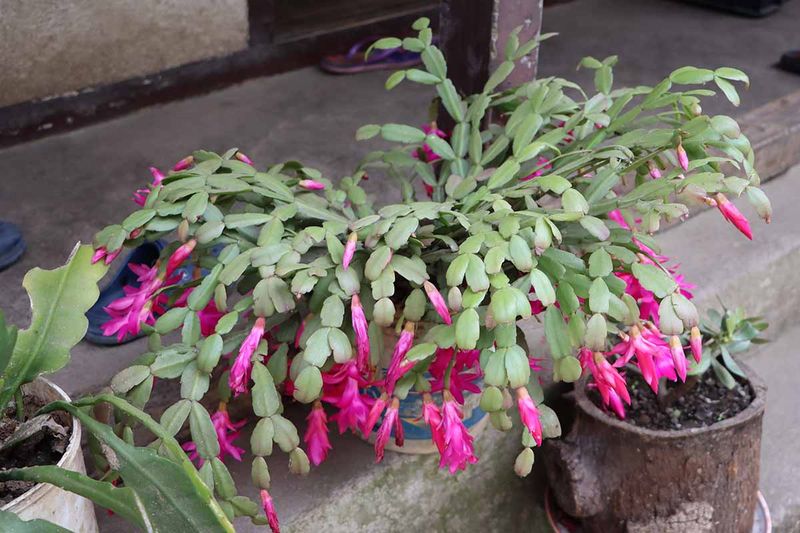
Ohio autumns have a certain crispness, the kind that makes you reach for a sweater. Your Christmas cactus loves that feeling just as much as you do.
Cool nights, paired with long darkness, tell it to start forming buds.
The sweet spot for night temperatures is about 50 to 65 degrees. Many experts say 50 to 55 degrees works best for setting buds.
Once nights climb above about 70 degrees, buds may refuse to form at all.
A cool spare bedroom, basement window, or enclosed porch can be perfect. Place a small thermometer nearby to check the numbers.
It takes the guesswork out of the whole process.
Some gardeners give their plants a brief chill around 45 degrees for a few nights to kick things off. Be careful not to overdo it, though.
Dropping below 50 degrees for too long can slow growth and cause buds to fall.
Watch the weather too. Ohio can swing from mild to freezing in one October week.
Bring the plant inside before any frost arrives.
Here is a handy tip. If your home runs between 55 and 70 degrees, 13 hours of darkness can still get the job done.
That makes a normal house workable with a little planning.
5. Place The Plant In Bright Daytime Light
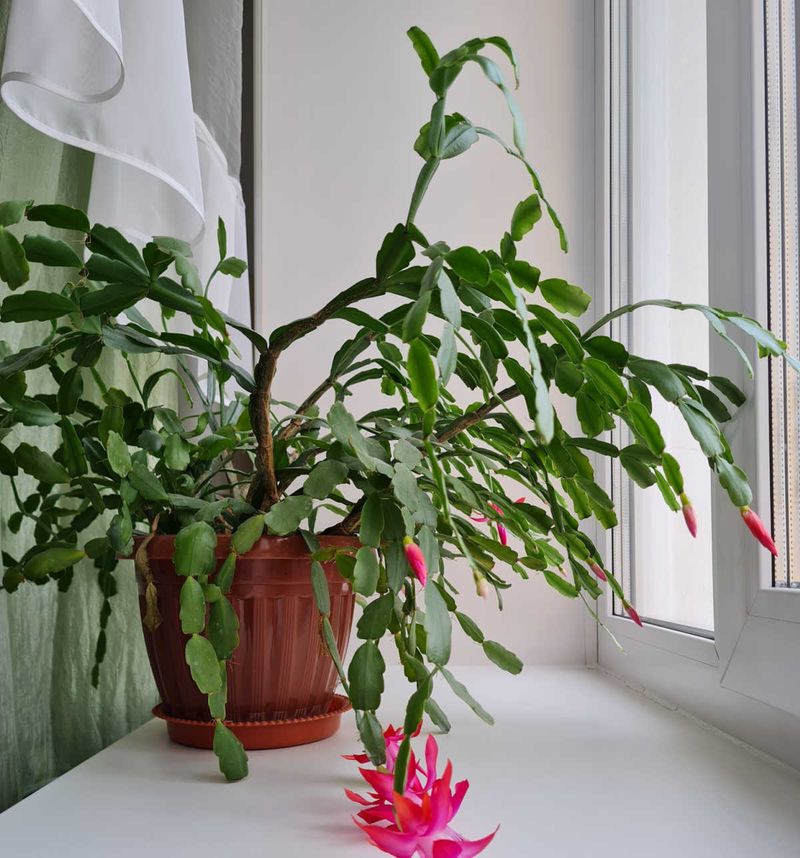
Darkness gets most of the attention, but daylight is the unsung hero of this story. During the day, your plant is busy making the energy it needs to grow flowers.
Without enough light, those buds have little fuel.
Give your Christmas cactus about 8 to 10 hours of bright, indirect light daily. Bright but gentle is the key.
Harsh afternoon sun can scorch the stems and leave them limp, reddish, or faded.
An east-facing window is often the best choice. It offers soft morning light that warms the plant without burning it.
North-facing windows can also work well in many homes.
If you only have a south or west window, add a sheer curtain. The fabric filters strong rays while letting plenty of brightness through.
Moving the pot a few feet back from the glass can help too.
Ohio skies turn gray a lot in late fall. On cloudy stretches, choose your brightest spot and keep the leaves dust-free.
A quick wipe with a damp cloth helps them soak up more light.
Picture your plant sunbathing by day and sleeping by night. That balance keeps it strong and ready to bloom.
It is a rhythm that mirrors the natural seasons outside your window.
6. Avoid Moving The Cactus Once Buds Begin Forming
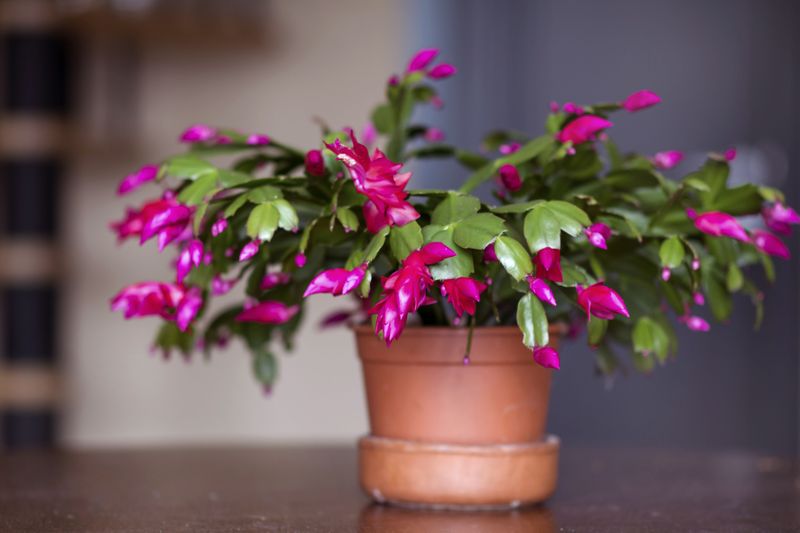
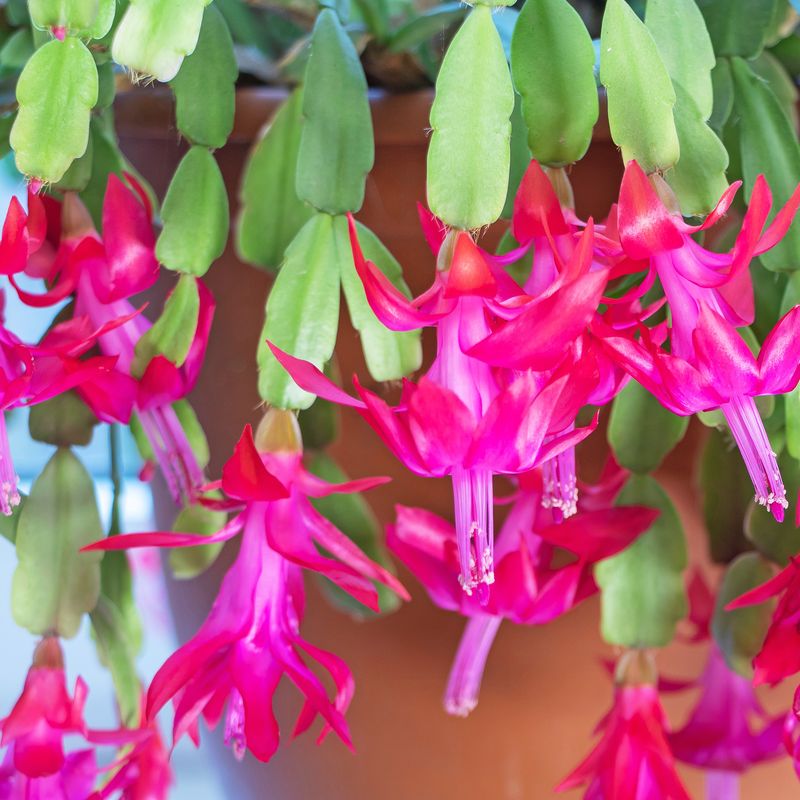
One day you will lean in close and spot them: tiny pink or red nubs on the tips of the stems. It is an exciting moment!
Now comes the hard part, which is leaving the plant alone.
Christmas cacti do not like surprises once buds appear. Moving them to a new room, spinning the pot, or shifting them to a brighter window can cause stress.
Stressed plants often drop their buds, sometimes overnight.
Pick a final display spot before buds show up. That way you will not be tempted to move it later.
A steady table away from busy walkways works well.
Resist turning the pot to show off a better side to guests. Buds grow toward the light, and rotating can throw them off.
Admire it as it is, and let it do its thing.
Good news, though. Once buds are set and starting to open, you can relax the strict darkness routine.
The plant has already received its message.
Think of this stage like baking a cake. Opening the oven door too often can make it sink.
Keep conditions calm and steady, and your reward will be a plant covered in blossoms.
7. Water Carefully While Buds Are Developing
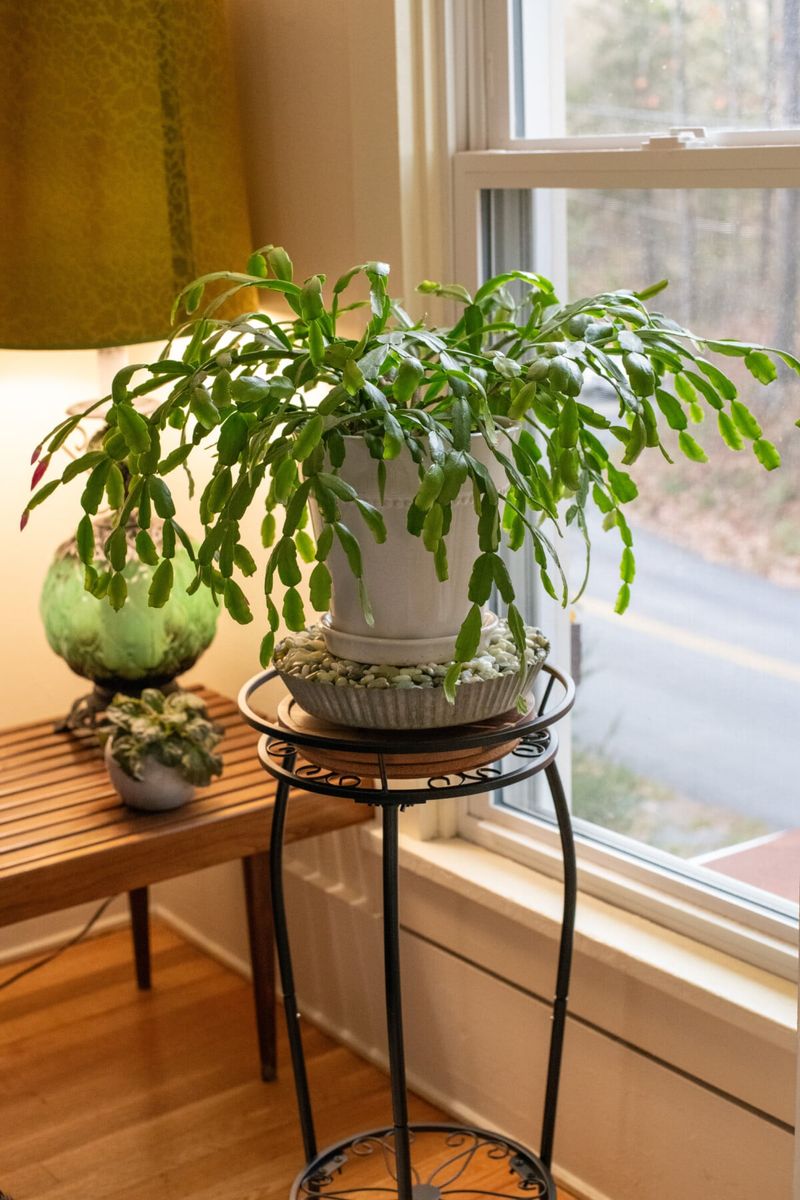
Too much water or too little, and the buds may tumble off like confetti. Finding the middle ground is the trick.
Luckily, it is easier than it sounds.
In early fall and mid October, cut back on watering a bit. Slightly drier soil helps signal that it is time to flower.
During the dark, cool period, keep the soil only lightly moist.
Use the finger test to check. Push a finger into the soil, and if the top inch or two feels dry, water thoroughly.
Then let the extra drain out of the bottom.
Soggy soil is a real problem. Roots sitting in water can rot, which weakens the whole plant.
Empty the saucer after watering so the pot is not standing in a puddle.
Once buds begin forming, you can slowly increase watering. During the blooming period, the plant usually needs a drink every two to three weeks.
A good rule is watering when the top third of the soil feels dry.
Room temperature water is kindest to the roots. Cold tap water can be a shock.
Fill a watering can the night before, and it will be just right by morning.
8. Keep Heat Vents Away From Developing Buds
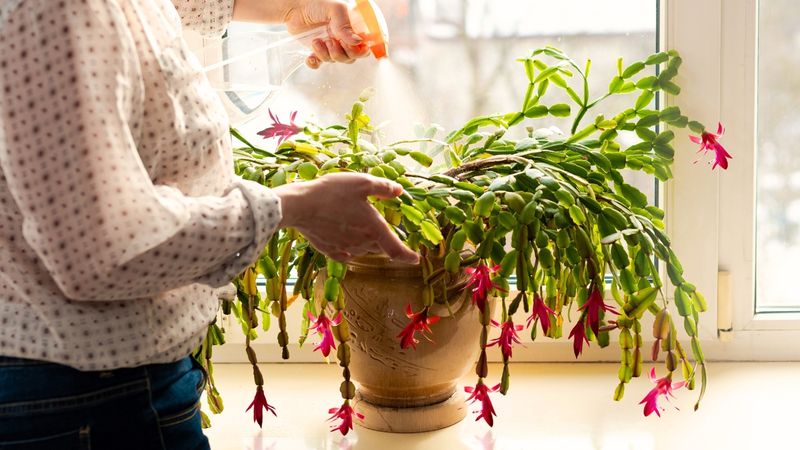
When the furnace kicks on in November, your cozy house becomes a surprise danger zone. Warm blasts of air feel great to us.
To a budding Christmas cactus, though, they can be a real shock.
Heat vents, fireplaces, space heaters, and drafty doors all cause sudden temperature swings. These changes stress the plant and often lead to dropped buds.
A stable spot helps buds stay put and open fully.
Take a quick walk around your home and feel for warm or cold air. Hold your hand near vents and windows to find the drafts.
Pick a location that feels calm and steady.
Watch out for the front door too. Every time it opens in December, chilly Ohio air rushes in.
A plant sitting nearby gets a cold slap again and again.
Radiators and sunny spots above appliances can dry the air as well. Low humidity may make buds shrivel.
Setting the pot on a tray of pebbles with a little water underneath adds gentle moisture.
Fun fact: in its native Brazilian forests, this plant enjoys mild, even conditions under a leafy canopy. Recreating that calm feeling indoors keeps it happy and helps your holiday blooms last.
9. Expect Blooms When Short Days Trigger Flowering

All that October effort finally pays off around the holidays. After roughly six to eight weeks of proper conditions, buds swell and burst open.
Suddenly your windowsill looks like a party.
The true Christmas cactus, known as Schlumbergera x buckleyi, usually blooms in December or January. Some plants sold in stores are actually Thanksgiving cacti, which flower earlier.
Pointed, claw-like stem edges are a clue you have a Thanksgiving type.
Once flowering starts, the show can last four to six weeks. Each flower stays bright for about five to nine days.
New buds keep opening, so the color keeps coming.
Here is a surprising detail. If temperatures stay between 55 and 60 degrees, flowers may form no matter how long the days are.
Cool conditions alone can sometimes do the trick.
Even better, these plants can bloom more than once a year. Give them short days and cool nights again in spring, and you might see a second round.
It is a fun experiment for curious gardeners.
Snap a photo when your plant peaks. Next October, that picture will remind you why the routine is worth it.
Many families pass these plants down for generations, sharing the joy every winter.