The Texas Flower That Actually Keeps Aphids Off Your Fall Garden
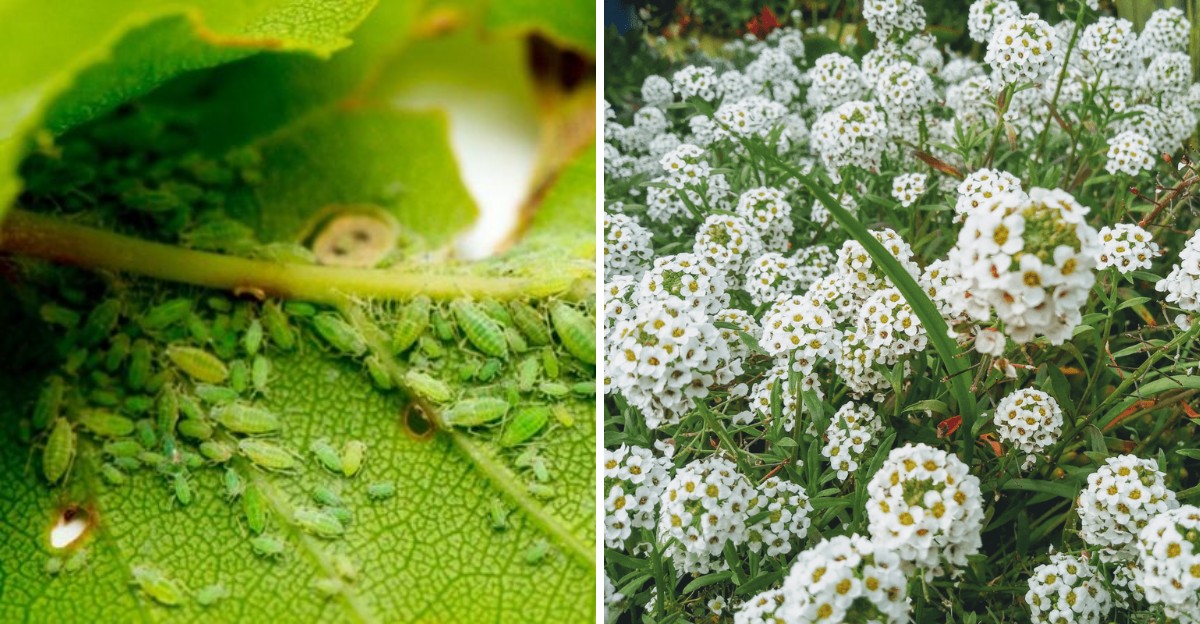
Aphids don’t need to mate to multiply. A single female can give birth to dozens of live young, and those babies can start having their own within about a week.
That’s how a few tiny bugs turn into a full-blown infestation almost overnight.
Fall gardens in Texas are especially tempting targets. Tender new growth on greens, broccoli, and cabbage gives aphids everything they need.
Spraying can help for a while, but there’s a gentler option that works around the clock. One small, fragrant flower draws in the insects that feed on aphids, including hoverflies, lacewings, and tiny parasitic wasps.
Plant it between your vegetable rows, and you’ll have a natural pest patrol working for free. It thrives in the cooler months, too, which makes it a perfect match for the Texas fall season.
The Aphid-Fighting Flower
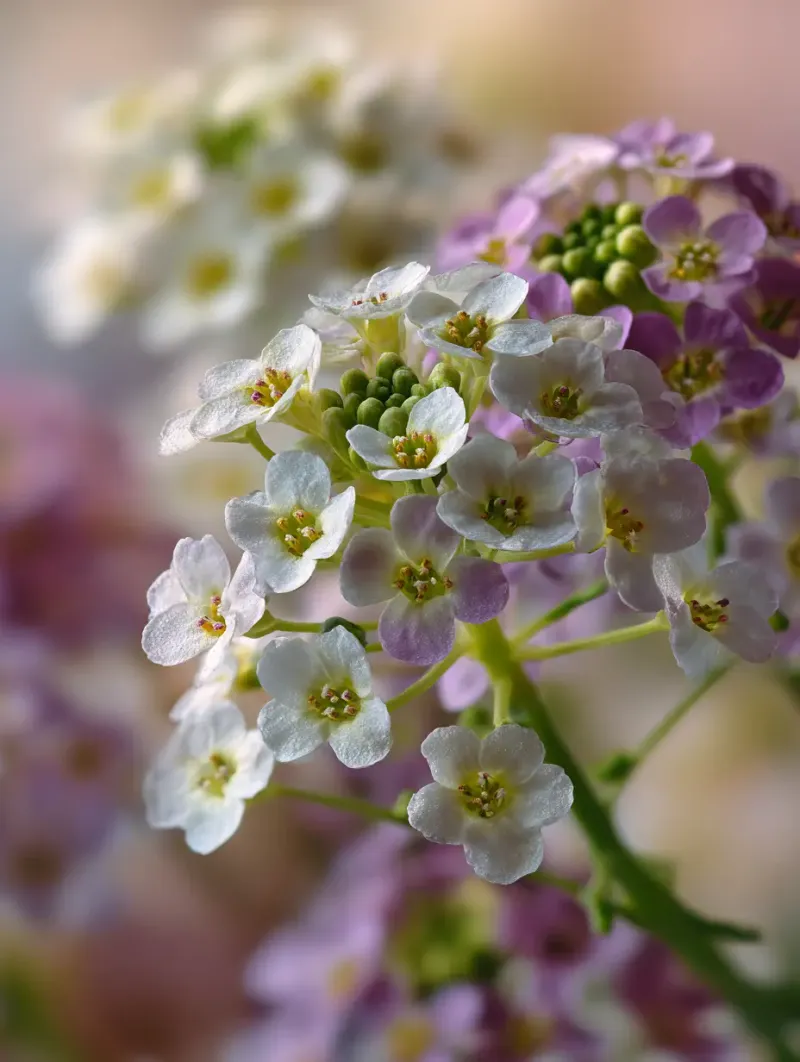
Walk past a bed of sweet alyssum on a cool morning, and you might smell honey before you even see it. That light, sugary scent comes from thousands of tiny flowers packed into soft little mounds. For such a small plant, it has a lot of charm.
Sweet alyssum is an annual, which means it grows, blooms, and sets seed in one season. It first came from the Mediterranean, a region with mild winters and dry summers. Gardeners around the world now grow it because it is cheerful, tough, and easy to please.
The plant usually stays just 3 to 9 inches tall. It spreads out wide, often reaching about a foot across. Its flowers come in bright white, soft pink, and rich purple, so you can pick colors that match your style.
Many people use sweet alyssum as an edging plant. It looks great spilling over the sides of raised beds, pots, and garden paths. Because it stays short, it will not shade out your vegetables or steal their sunlight.
That low size also means it fits easily between crops. You can tuck it into small gaps next to lettuce or cabbage without crowding anything. It fills empty spaces with color while doing quiet work in the background.
Here is a fun fact for you. The name alyssum comes from an old Greek word that people linked to calming anger or madness. Long ago, some folks even believed the plant had soothing powers.
Today, its real power is much more practical. Sweet alyssum is a magnet for helpful bugs, and those bugs happen to love eating aphids. So this pretty little flower does far more than just look nice.
How It Fights Aphids Naturally
Some plants push pests away with strong smells. Sweet alyssum plays a smarter game. Instead of chasing aphids off, it invites the bugs that hunt them.
Think of it like a snack bar for garden heroes. The flowers are small and shallow, so their nectar and pollen sit close to the surface. Tiny insects with short mouthparts can reach that food with no trouble at all.
Big, deep flowers like trumpet vine are hard for little bugs to use. They simply cannot reach the sweet stuff inside. Alyssum solves that problem by offering an open buffet.
Your Texas Garden Changes Every Week. Your Plan Should Too.
Gardening in Texas changes quickly throughout the season. Every Friday you’ll receive a simple weekly plan showing exactly what to plant, prune, fertilize, harvest, and protect so you never miss the right timing.
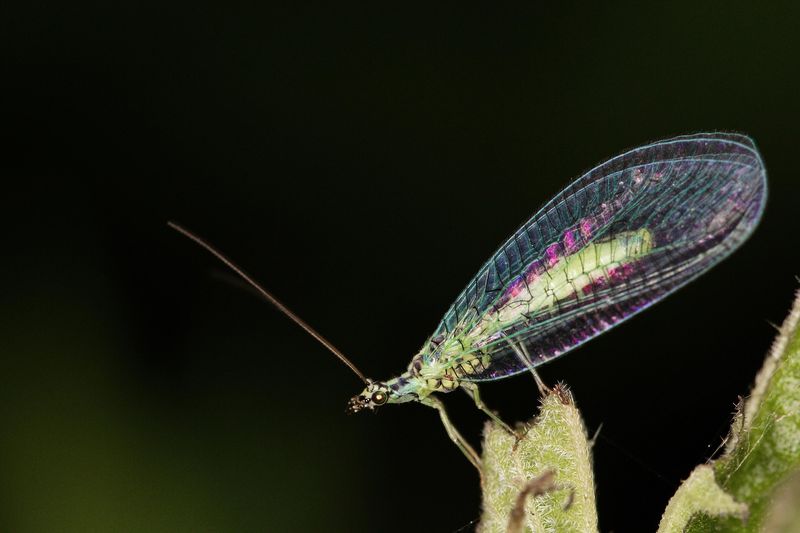
Three main helpers show up for the meal. Hoverflies, lacewings, and tiny parasitic wasps all visit alyssum often. Each one fights aphids in its own clever way.
Lacewing larvae look like tiny alligators. They grab aphids with their curved jaws and eat them quickly, which earned them the nickname aphid lions. One larva can eat hundreds of aphids before it grows up.
Parasitic wasps are even stranger, and they do not sting people. These wasps are often smaller than a grain of rice. A female lays an egg inside an aphid, and the young wasp grows there, leaving behind a puffy, tan shell called a mummy.
If you spot those little brown mummies on your leaves, cheer! It means the wasps are at work. Your garden is balancing itself without any chemicals.
Adult helpers need energy to keep flying and laying eggs. Nectar gives them sugar, and pollen gives them protein. With alyssum nearby, they stick around longer and raise more young right where your aphids live.
The result is a steady, natural defense. You spend less money on sprays and protect bees and other good insects too.
The Hoverfly Connection
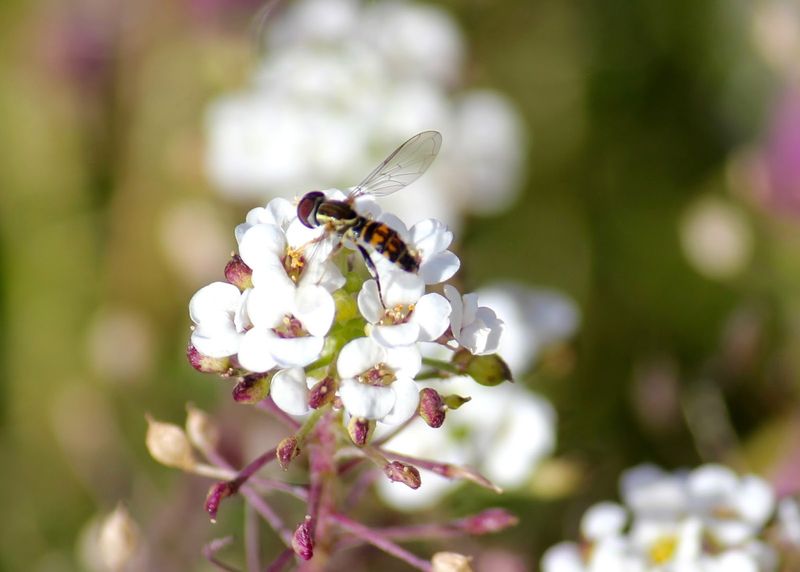
At first glance, a hoverfly looks like a small bee. It has yellow and black stripes and buzzes around flowers all day. Yet it cannot sting, and it is one of the best friends a vegetable grower can have.
Adult hoverflies get their name from the way they hang in the air. They can stay still like tiny helicopters, then zip off in a flash. Watch a patch of alyssum on a sunny day, and you will likely see them.
The adults sip nectar and eat pollen from the flowers. Pollen helps females make eggs. Once they are ready, they search for plants covered with aphids.
Moms are picky about where they lay eggs. They choose spots right beside aphid groups so their babies have food waiting. It is like setting up a nursery next to a grocery store.
When the eggs hatch, out come small, legless larvae. They look a bit like little green or brown slugs. Do not squish them, because these babies are hungry hunters.
One hoverfly larva can eat dozens of aphids in a single day. Over its life, it may munch through hundreds. That adds up fast when many larvae are working together.
Scientists have tested this idea on real farms. Studies on lettuce fields in California found that planting alyssum between rows brought in more hoverflies. Those fields ended up with far fewer aphids.
Many organic farmers now use this trick on purpose. Some plant one row of alyssum for every set of lettuce rows.
Home gardeners can copy the same plan on a smaller scale. So next time you see a striped fly on your flowers, smile. Your aphid patrol has arrived.
Perfect Timing For Texas Fall Gardens
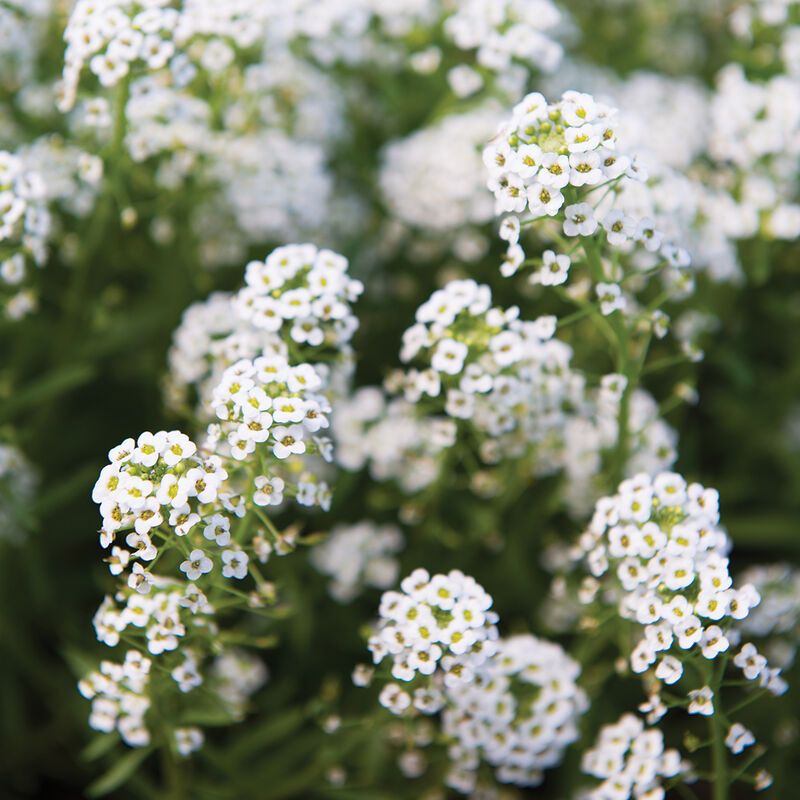
Ask any longtime Texas gardener, and they will tell you fall is the real growing season. Summer heat can be brutal, but autumn brings relief. Sweet alyssum loves that change as much as we do.
The plant thrives when temperatures cool down. Nights in the 40s and 50s and days in the 60s and 70s make it very happy. In those conditions, it blooms like crazy.
Across much of Texas, fall is the time to plant it. In North Texas, aim for September or early October. In Central and South Texas, October through November often works best.
Along the Gulf Coast and in the Rio Grande Valley, winters are mild. There, alyssum can bloom all winter long and keep going into spring. Gardeners in those areas get months of flowers from one planting.
Worried about cold snaps? Sweet alyssum handles light frost pretty well. A quick dip below freezing may nip a few flowers, but the plant usually bounces back.
During a hard freeze, toss a frost cloth or old sheet over your plants. Take it off once the sun warms things up. That simple step can save your flowers during a rare icy night.
The timing also matches aphid season nicely. Aphids love cool weather and tender fall greens. With alyssum blooming at the same time, your helper insects arrive right when you need them.
Once summer heat returns, the plant usually fades. Long, hot days above 90 degrees wear it out. Pull it up then, and plan to replant next fall.
Some plants may drop seeds that sprout on their own. You might find free baby alyssum popping up when the weather cools again.
Where To Plant It For Best Results
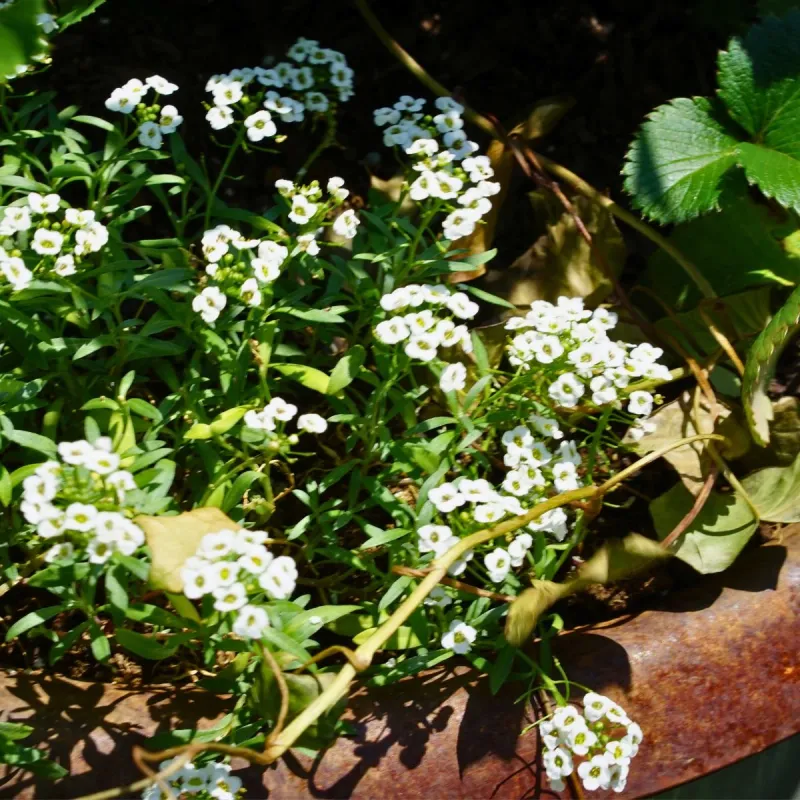
Location matters a lot with this little flower. Helpful bugs are small, and many do not travel far. The closer alyssum is to your crops, the better it works.
Start with the edges of your beds. A border of alyssum around a raised bed looks tidy and pretty. It also creates a ring of food for aphid hunters.
Next, think about your cool-season crops. Aphids really love lettuce, broccoli, cabbage, kale, collards, and Brussels sprouts. Tuck alyssum right beside or between rows of these plants.
Research suggests many hoverflies and tiny wasps stay within a short distance of their food. So one big patch in a corner is not enough. Spread several small clumps throughout the whole garden instead.
A good rule is to add a plant every few feet. In a 4 by 8 foot bed, try four to six alyssum plants spread around. That way, every crop has a snack bar nearby.
Give each plant some room to spread. Leave about 6 to 10 inches between alyssum and your vegetables. You want the flowers close, but not choking out your greens.
Containers are another great option. Pots of alyssum can sit right next to your garden beds or on a patio with herbs. You can even move them around to where aphids show up.
Here is a smart trick many gardeners use. Plant alyssum a week or two before your vegetables if you can. The helper bugs will already be around when young crops go in.
Finally, avoid spraying strong pesticides near these flowers. Those sprays harm good bugs just as easily as bad ones.
Easy Care For Months Of Flowers
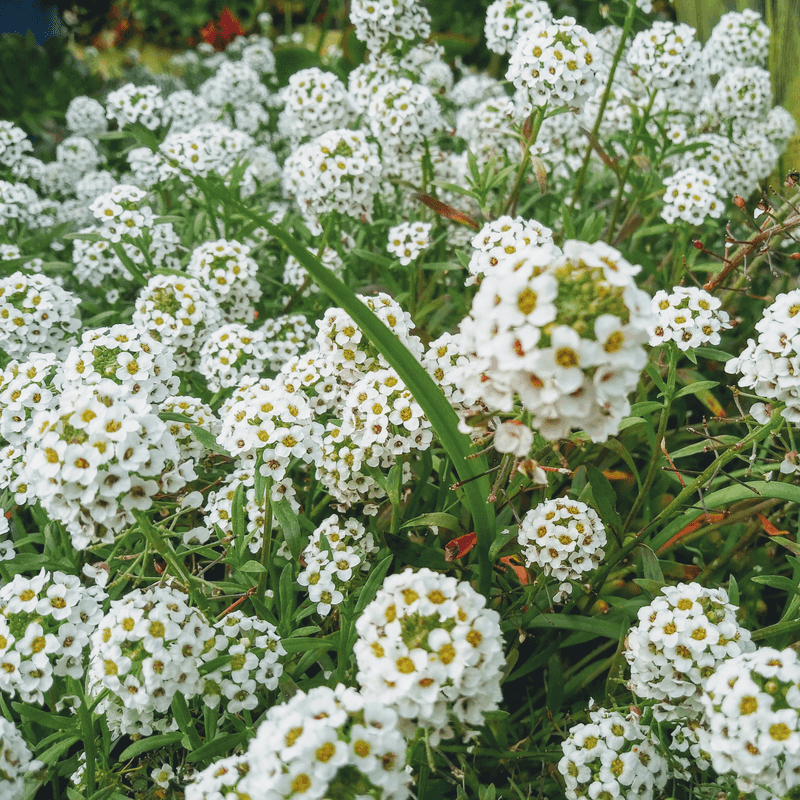
Good news for busy folks: sweet alyssum is one of the easiest flowers you will ever grow. It asks for very little and gives a lot back. Even beginners tend to have great luck with it.
You can start it from seed or buy small plants. Seeds are tiny, so just press them lightly onto moist soil. Do not bury them deep, because they need light to sprout.
Most seeds pop up in about one to two weeks. Blooms often appear six to eight weeks later. Nursery transplants give you flowers right away if you are in a hurry.
Pick a spot with full sun to light shade. In Texas, six hours of sun is plenty during fall and winter. A bit of afternoon shade helps if you get a warm spell.
Water is simple too. Keep the soil lightly moist, but never soggy. About an inch of water each week usually does the job, and less when it rains.
Soil does not need to be fancy. Alyssum grows well in average garden dirt that drains nicely. Skip heavy fertilizer, since too much can mean more leaves and fewer flowers.
Sometimes plants look tired and stop blooming. When that happens, grab a pair of scissors. Shear the whole plant back by about one third.
Within two or three weeks, fresh growth and new flowers usually return. It feels a bit like hitting a reset button. You can repeat this a few times each season.
With these small steps, your alyssum can bloom from fall into spring. Your garden will smell sweet, look lovely, and stay full of busy aphid hunters.