The Giant Bug Ohio Homeowners Mistake For A Stink Bug
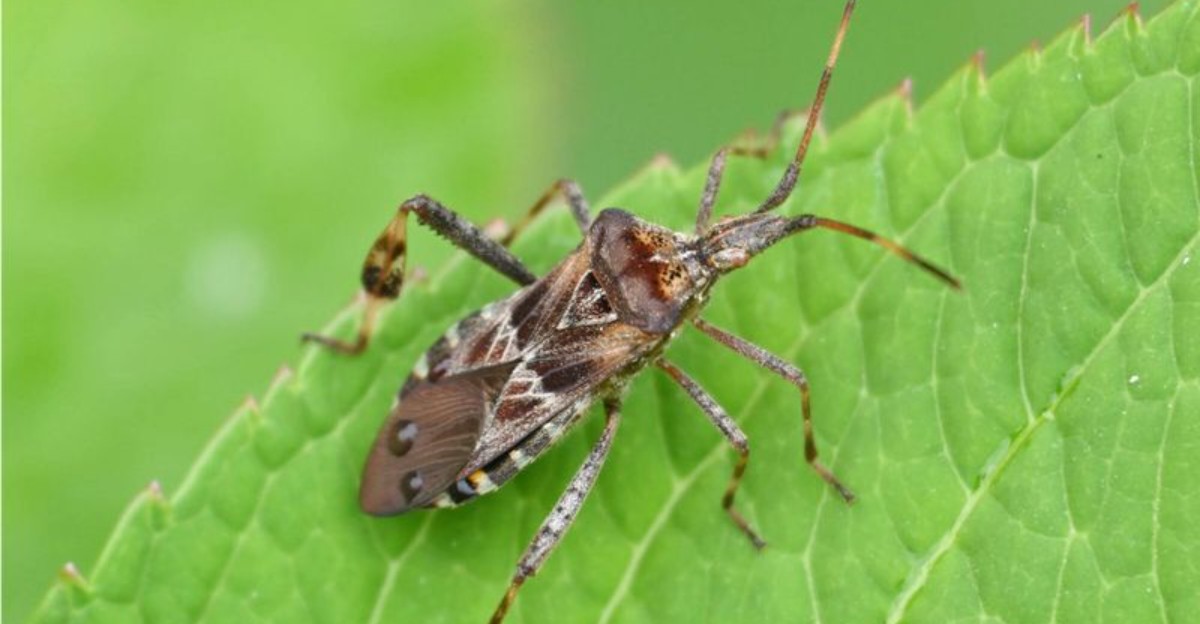
This one’s easy to miss until it flies straight at your porch light and you jump back like you’ve seen a ghost.
Ohio homeowners spot something bulky, brownish, and vaguely shield-shaped, and stink bug is the first thing that comes to mind. Wrong guess, and not by a small margin either.
This look-alike belongs to an entirely different group of insects, even though it shows up around your windowsills in fall just like stink bugs do.
Size gives it away if you know to look. So does a specific detail most people never notice until they’ve got one sitting still long enough for a real look instead of a panicked swat.
Take a second glance before you assume every big bug this fall is the same culprit. Mistaking one for the other means treating a problem you don’t actually have.
1. Western Conifer Seed Bug Is The Giant Lookalike
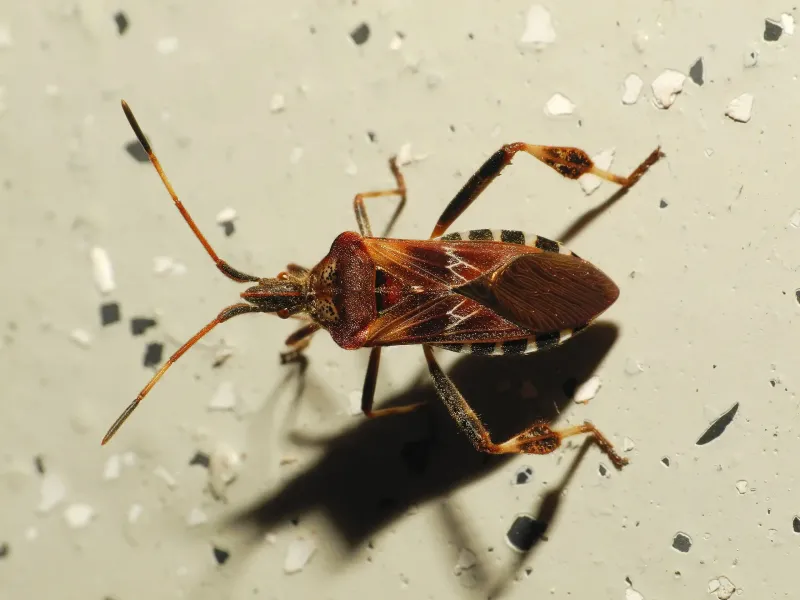
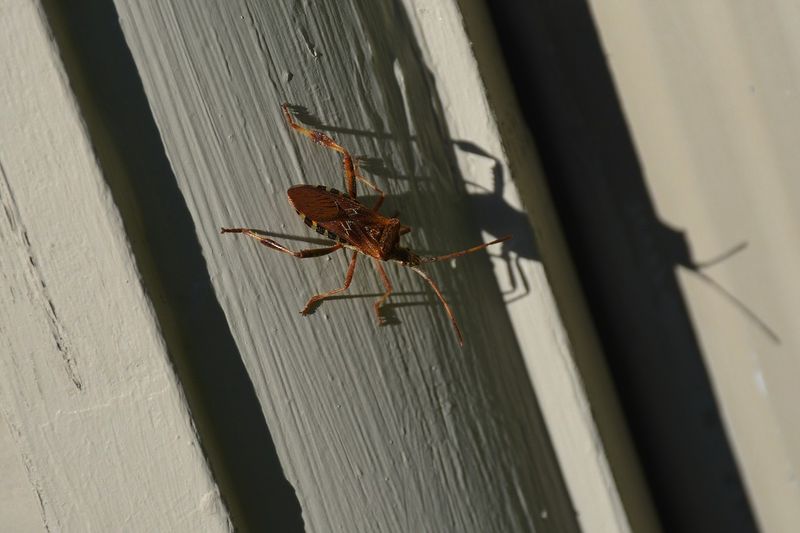
Picture a stink bug that hit a growth spurt and borrowed a pair of stilts. That is roughly what Ohio homeowners see when a western conifer seed bug lands on the kitchen screen.
Scientists call it Leptoglossus occidentalis, which is quite a mouthful. It belongs to a group called leaf-footed bugs, not the true stink bug family.
Adults grow to about three-quarters of an inch long. That makes them noticeably bigger than the brown marmorated stink bug most people know.
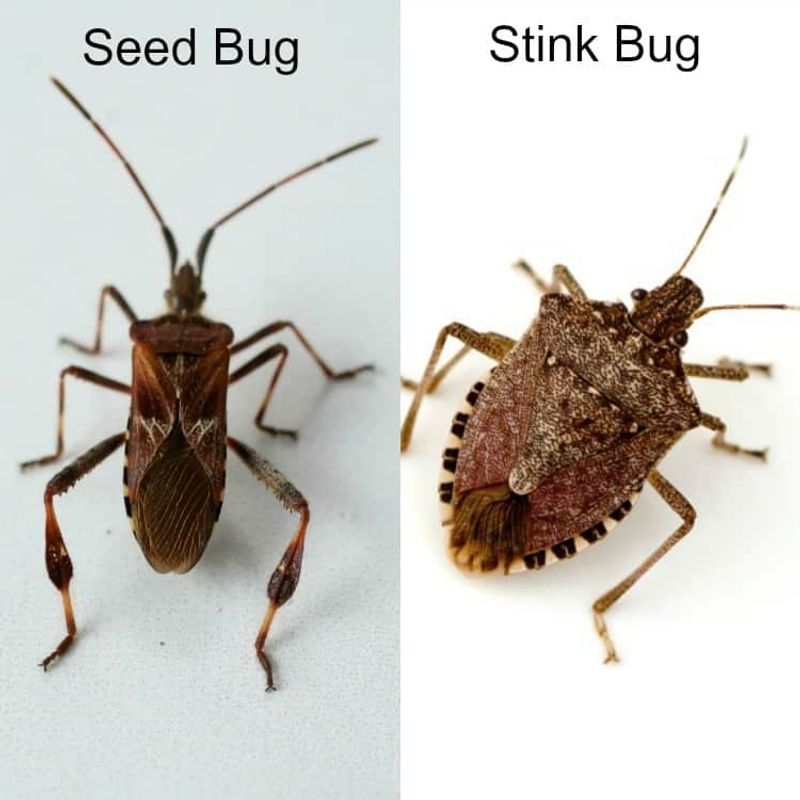
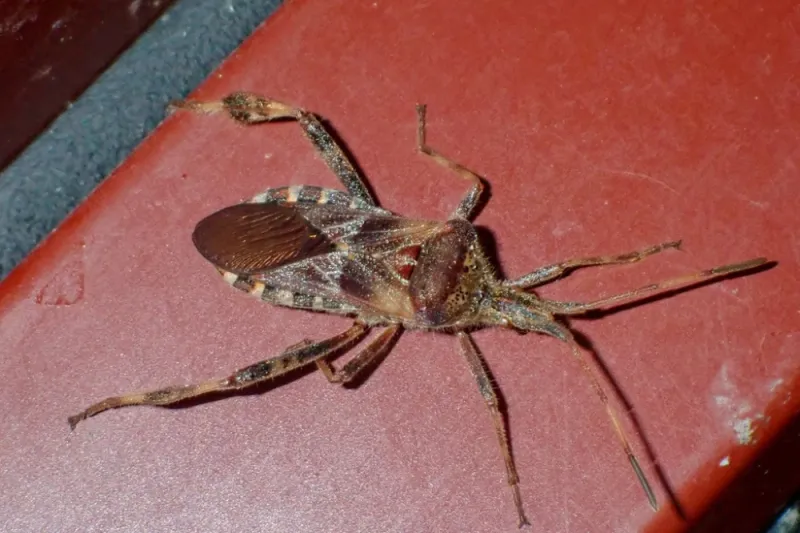
Size is only part of the story, though. The body is long and slim, a bit like a canoe, while a stink bug looks wide and shaped like a shield.
Here is a fun bit of history for you. This insect started out in the western United States and spread east over the past several decades, reaching Ohio and beyond.
Many people panic when they first spot one because it looks so large. The good news is that it does not bite people, sting, or harm pets.
It also does not chew on wood, clothing, or food in your pantry. Mostly, it just wants a cozy place to wait out the cold months.
A quick way to check is to look from above at the overall shape. Long and narrow points to the seed bug, while short and broad points to a stink bug.
Once you know what you are looking at, the surprise fades fast. Knowing the name also helps you pick the right, gentle approach to handling it.
2. Its Long Hind Legs Set It Apart
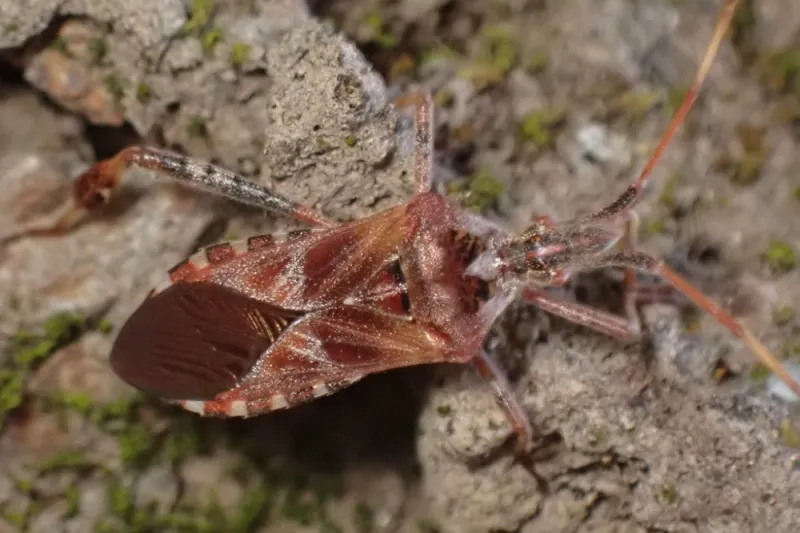
Want the fastest clue of all? Look at the back legs, because they tell the whole tale.
A western conifer seed bug has hind legs that are long and a little dramatic. They stretch out behind the body like the oars on a rowboat.
The best part is the middle section of each hind leg, called the tibia. It is flattened and widened so it looks like a tiny leaf glued to the leg.
That odd shape is where the name leaf-footed bug comes from. Once you see it, you will not easily forget it.
Your Ohio Garden Changes Every Week. Your Plan Should Too.
Gardening in Ohio changes quickly throughout the season. Every Friday you’ll receive a simple weekly plan showing exactly what to plant, prune, fertilize, harvest, and protect so you never miss the right timing.
Experts point out one extra detail for true bug fans. The flat flaps on the inner and outer sides of the leg are about the same length.
Stink bugs do not have anything like this. Their legs are thin, plain, and fairly short, tucked neatly under that shield-shaped body.
If a bug is on your window, you do not need a magnifying glass. Just snap a photo with your phone and zoom in on the rear legs.
Kids love this part of bug detective work. Turning it into a quick game can make an unwanted guest feel more like a science lesson.
So next time something brown and leggy crawls across the blinds, check the feet first. A leafy little leg means you have met the seed bug, not a stink bug.
3. The Brown Body Can Resemble A Stink Bug
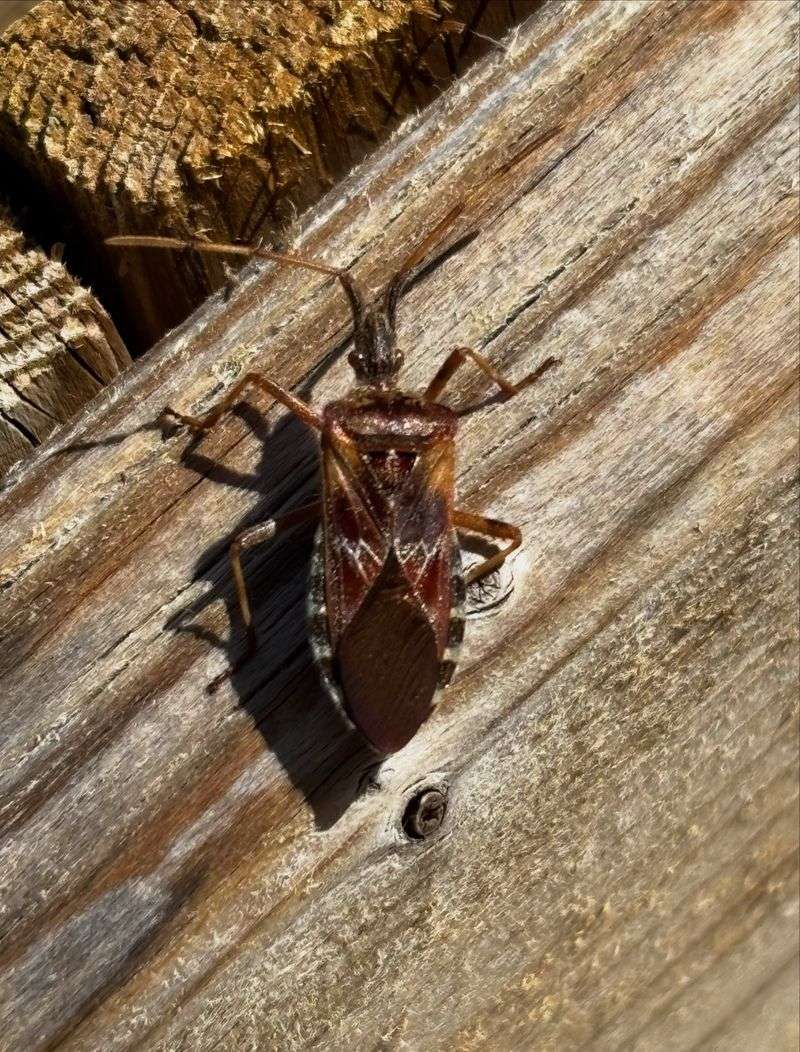
Brown bugs can blur together, especially when you only get a quick glance. That is exactly why so many people mix these two insects up.
Adult western conifer seed bugs range from reddish-brown to dark brown. Some look more like a dull, muddy tan in dim light.
Look closely at the middle of the back. You may notice a faint white zigzag line running across the wings, like a tiny lightning bolt.
The real showstopper appears when the bug takes off. Its abdomen flashes bright yellow or light orange with five black patches lined up in a row.
Honestly, it looks a bit like a hidden racing stripe. Many folks gasp the first time they see that pop of color while the bug buzzes past.
The head also offers a hint. It is narrow and pointed, with long antennae that wave around as the bug explores.
Stink bugs have a rounder head that sits tight against the body. Their antennae are shorter and often show light bands.
A handy memory trick is to think of the seed bug as the tall, skinny cousin. The stink bug is the short, stocky one at the family picnic.
Color alone can fool you, so pair it with shape and legs. Put those clues together, and you will name the right bug nearly every time.
4. A Strong Pine-Like Odor Adds Another Clue
Sniff, sniff, is someone decorating a Christmas tree in October? If you just bothered a big brown bug, the smell might be coming from it.
Western conifer seed bugs carry scent glands that work like a built-in alarm. When they feel handled, squeezed, or scared, they release a strong odor.
People describe it in many ways. Some say it smells like pine sap, while others compare it to apples, bananas, or even glue.
This smell is a defense trick to make predators back off. It works pretty well on birds, and on people holding tissues too.
Because of the odor, many folks call it a stink bug. It is a fair guess, but the true stink bugs belong to a separate family named Pentatomidae.
Stink bug odor usually leans toward cilantro or a sharp, skunky scent. The seed bug version tends to feel more woodsy and piney.
Here is a practical tip if you want to avoid the smell. Skip squishing the bug and instead coax it into a cup or onto a piece of paper.
Then carry it outside and let it go, or drop it into a jar of soapy water. A vacuum works too, though the bag may carry a scent for a while.
Gentle handling keeps your home smelling fresh. Your nose will thank you after the second or third visitor.
5. Adults Often Wander Indoors In Autumn
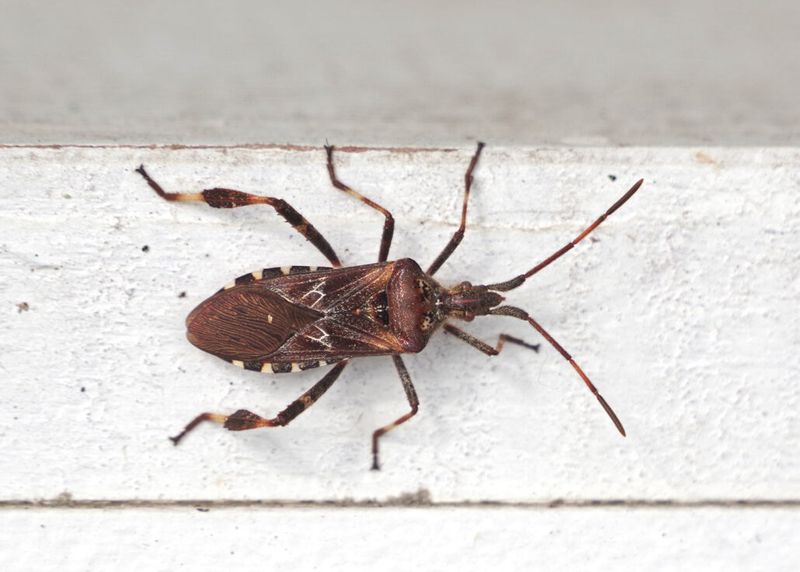
Every fall, a quiet parade of houseguests shows up without an invitation. The western conifer seed bug is one of the most common in Ohio homes.
Late summer and early fall are prime time for these visits. As nights cool down, the adults start hunting for a snug spot to rest through winter.
Out in nature, they might tuck into tree bark or bird nests. Your warm attic or wall space just happens to look like a five-star hotel.
Dropping temperatures and dry winds push them to look for shelter. Once inside, most stay tucked away and sleepy for months.
Every so often, a few wake up during a heating cycle. You might hear a loud buzz as one bumbles toward a lamp or TV screen.
Sunny days in late fall and early spring can bring out even more. Warm air tricks them into thinking the season has changed.
The good news is they do not breed inside your house. They are simply waiting to head back outdoors when spring truly arrives.
Try not to worry if you spot a few in the living room. A handful is normal and mostly just a mild nuisance.
Keep a cup and a stiff card handy near windows during these months. That little kit makes quick, calm work of any wandering guest.
6. Warm Sunny Walls Draw Them Toward Houses
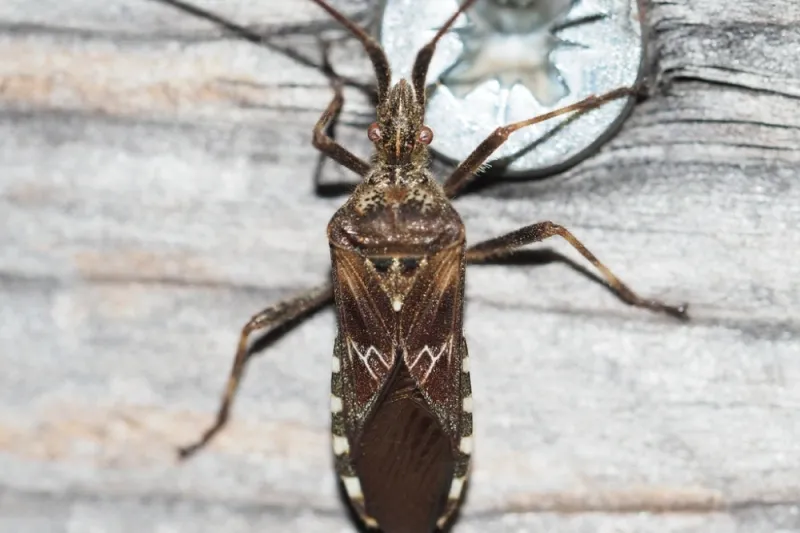
Think of a cat stretching out in a patch of sunshine. Western conifer seed bugs chase that same cozy warmth on chilly fall afternoons.
In late summer and early fall, they gather on the outside of buildings. Walls that soak up plenty of sun are their favorite hangout.
South-facing sides of a house tend to draw the biggest crowds. That side stays warm the longest, especially on bright, breezy days.
Homes near pine, spruce, or hemlock trees get extra attention. The bugs live and feed in those trees, so a nearby sunny wall is a short trip.
Light-colored siding can also shine like a beacon. Bugs flying past spot the glow and drop in for a rest.
From there, they crawl toward windows and doors. They seem to know these spots often hide small openings into warm spaces.
You can use this habit to your advantage. Check your sunniest walls in September and note where bugs tend to bunch up.
Those clusters point straight to trouble areas worth sealing. It is like the bugs are drawing you a map.
A quick spray from the garden hose can move them along outdoors. Pair that with repairs, and your sunny wall becomes far less inviting.
7. They Feed On Cones And Developing Seeds
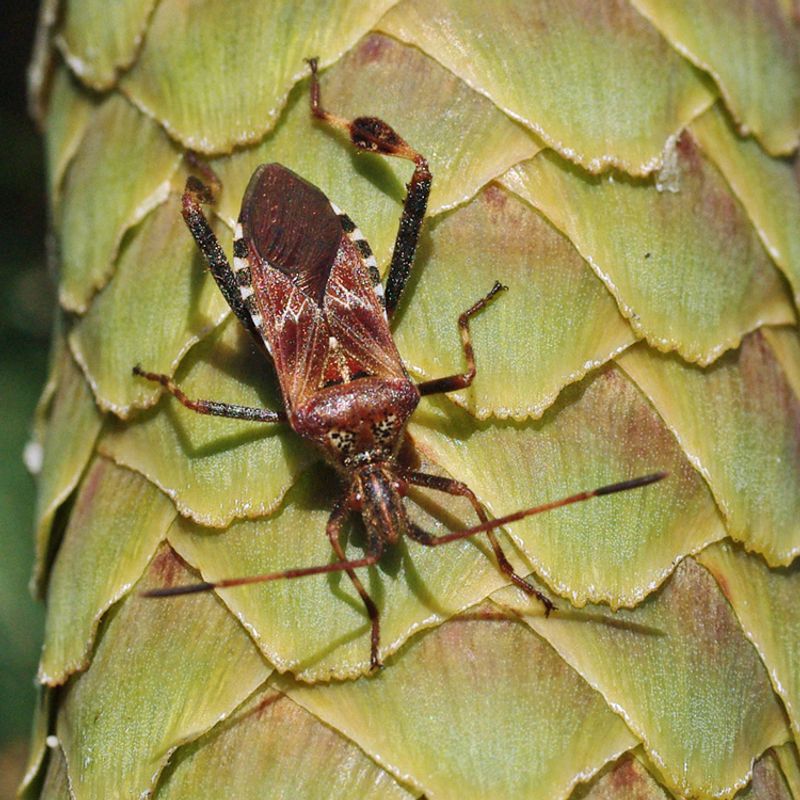
Believe it or not, this bug is a picky eater with a taste for pine cones. Its name gives the secret away, since it lives on conifer seeds.
Western conifer seed bugs are plant feeders. They use a straw-like mouthpart to sip juices from developing cones and seeds.
Their menu includes pines, spruces, hemlocks, and Douglas firs. In Ohio yards, white pine and Scotch pine are common snack spots.
Adults leave their winter hideouts in late May or early June. They feed on one-year-old cones and tree flowers as the weather warms.
Young bugs, called nymphs, start small. They nibble on needles and the soft parts of cone scales before moving on to seeds.
So do they hurt your trees? For the most part, the answer is no, since the tree itself stays healthy.
Heavy numbers can cut down on seed production, though. That matters more to tree nurseries and seed orchards than to the average backyard.
Picking up fallen cones and seeds around your yard can help a bit. Less food nearby means fewer bugs hanging around your house.
Knowing their diet also clears up a common fear. These insects will not raid your pantry or munch on your houseplants indoors.
8. Cracks Around Windows Give Them Easy Entry
A gap the width of a credit card may look harmless to you. To a western conifer seed bug, it looks like an open front door.
These insects are skilled at squeezing through tiny spaces. They can slip in through cracks in siding and openings around windows and doors.
Soffits and fascia boards near the roofline are another popular route. Loose trim up high often goes unnoticed for years.
Inside the walls, the path keeps going. Bugs can pop out around outlet boxes, light fixtures, and baseboard molding.
That is why you might find one in a room that seems sealed tight. It likely traveled through the wall and came out near a switch plate.
Here is a simple weekend project for curious homeowners. Walk around the house with a flashlight and look for gaps, peeling caulk, or torn screens.
Pay extra attention to window frames on sunny sides of the home. Those spots see the most bug traffic in fall.
Inside, check for light shining through trim or drafts near outlets. A lit candle held near an edge can reveal a sneaky breeze, just keep it safely away from curtains.
Jot down each problem spot on a notepad. That list will guide your sealing plan in the next step.
9. Sealing Fall Entry Points Keeps Them Outside
An ounce of caulk is worth a pound of chasing bugs with a cup. Blocking their way in is the smartest plan for Ohio homeowners.
Experts call this approach exclusion, and it works best before fall arrives. Late August or early September is a great time to get started.
Begin with your screens. Repair or replace any that are torn, bent, or loose in the frame.
Next, grab a tube of caulk and seal gaps around door and window frames. Do the same for soffits, cracks behind chimneys, and spaces under wood fascia.
Vents need attention too. Fine mesh screens over attic vents, wall vents, and the chimney top stop bugs from slipping inside.
Weather stripping on exterior doors and windows adds another layer of defense. It also helps cut heating bills, which is a nice bonus.
Keep windows and doors shut as much as you can on warm fall days. That is when the bugs are most active around your house.
Out in the yard, trim trees and shrubs back from the siding. Rake up fallen cones and seeds to make the area less tempting.
A few stragglers may still sneak in, and that is okay. With these steps, your home becomes a much less welcoming winter hotel.