Why Zoysia Grass May Start Changing Color Before The Rest Of Your Florida Lawn
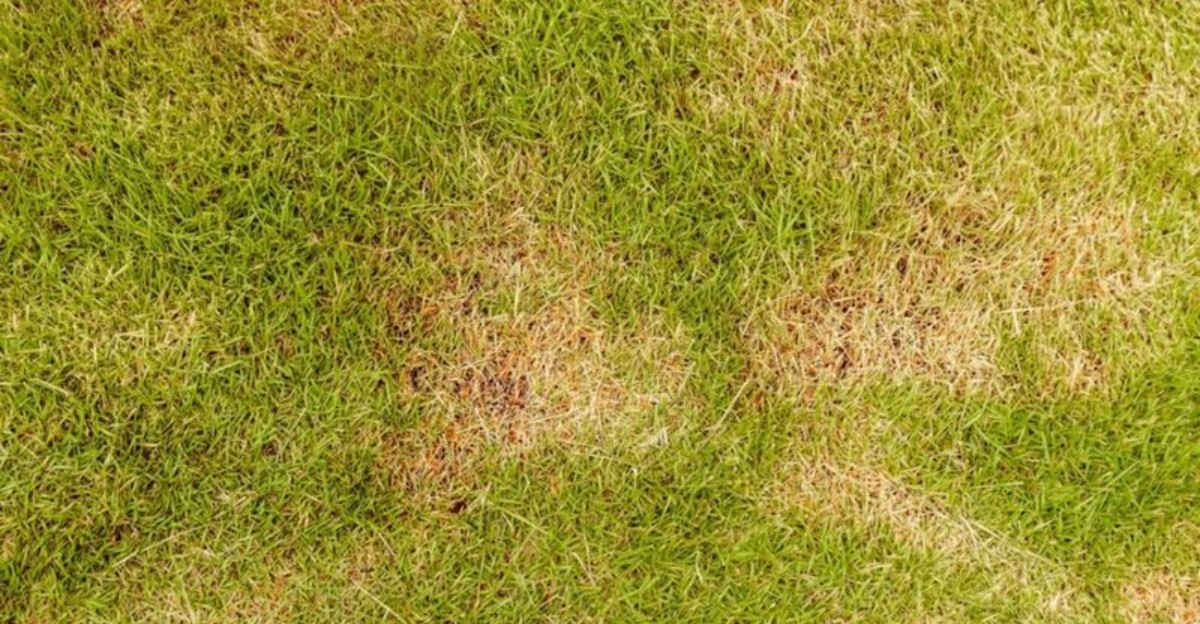
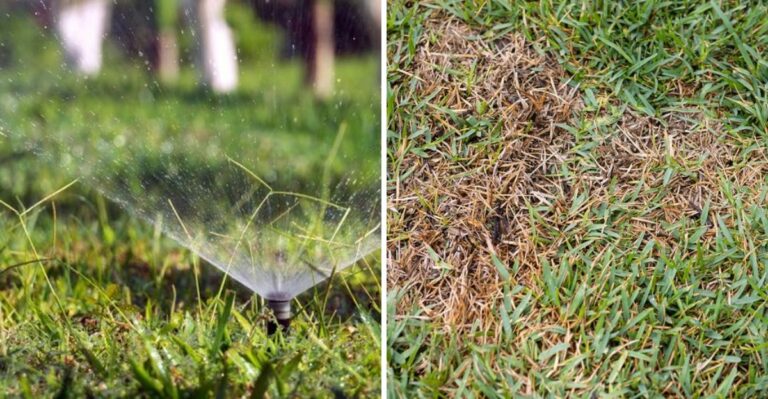
October arrives in Florida, and your yard suddenly looks like it tried on a new outfit. One patch turns toasty tan while the neighboring strip stays bright green, like it missed the memo.
You stand barefoot on the cool morning turf, coffee in hand, squinting at the strange two-tone pattern. Maybe you wonder if the sprinklers quit, or if a sneaky bug threw a party overnight.
Relax for a moment, because this color change is often far less scary than it first appears. Some lawns simply react faster to shorter days, cooler nights, and the gentle slide into autumn.
Knowing the reason helps you skip panic purchases, wasted fertilizer, and awkward chats with the lawn guy. It also saves your weekends for better things, like napping in the hammock under a breezy palm.
Your yard is not sulking forever, and a little understanding goes a surprisingly long way this season. Meanwhile, the green half of the lawn keeps showing off.
Zoysia Naturally Slows Down Sooner In Fall
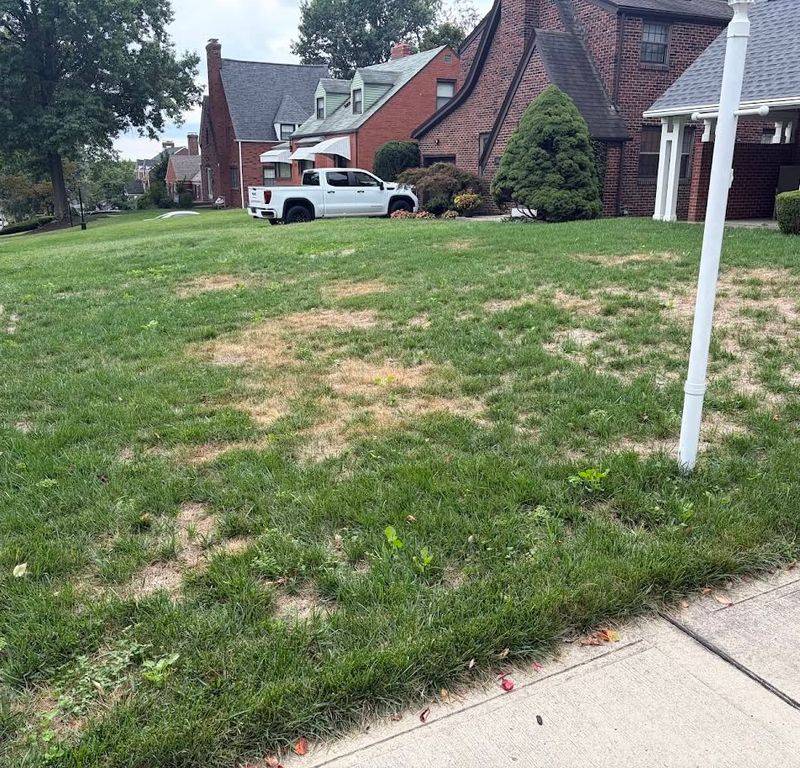
Think of zoysia as the early bird that heads to bed before the rest of the lawn party ends. Its internal clock reacts quickly when days shorten and soil temperatures start slipping in fall.
Many yards include zoysia next to St. Augustine, Bahia, or centipede, and each type follows its own schedule. That difference can make the contrast look dramatic along property lines and borders.
Zoysia originally comes from East Asia, where cold winters taught it to rest early and save energy. That old survival habit still lives inside the plant, even in a warm place like Orlando or Tampa.
When soil temperatures fall into the low 60s and below, zoysia slows down and starts pulling nutrients from its blades into the roots. The leaves lose some chlorophyll during that shift, so they fade from emerald to a soft straw color.
North Florida lawns usually show the change first, while South Florida zoysia may only dull a little. Your location, shade, and soil type all play a part in how fast the tan appears.
Dormancy is usually a resting stage, not a sign that your turf is failing or sick with something serious. Tug gently on the turf, and dormant zoysia will usually hold firm because its roots are still alive.
Give the lawn some grace this month, because that sleepy color is mostly just nature doing its thing. Your zoysia is saving strength now so it can return thick and lush once warmer weather rolls back.
Cool Nights Behind The Early Color Shift
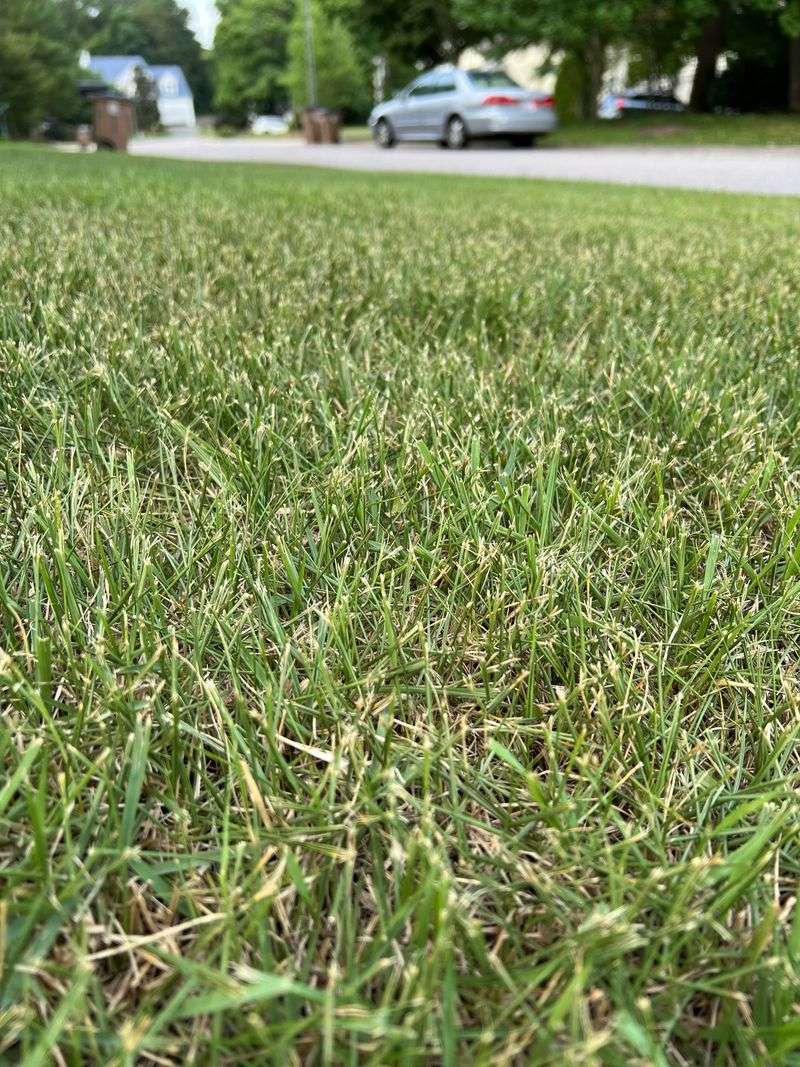
Ever notice how a crisp fall morning makes you reach for a light jacket before breakfast? Your zoysia feels that same chill, except it responds by slowing growth instead of grabbing a sweater.
A string of nights in the fifties can nudge zoysia toward rest even when afternoons feel warm. That is why the color change can show up before the days start feeling truly cool.
Shorter daylight hours add another push, since less sunshine means less energy for making fresh green leaves. By early fall, days are roughly two hours shorter than the long days of June.
Your Florida Garden Changes Every Week. Your Plan Should Too.
Gardening in Florida changes quickly throughout the season. Every Friday you’ll receive a simple weekly plan showing exactly what to plant, prune, fertilize, harvest, and protect so you never miss the right timing.
Low spots in the yard often cool faster, so zoysia there may tan a week or two earlier. Cold air settles like syrup in dips and hollows, especially on calm, clear nights with little wind.
Shade from oaks or buildings also plays a role, keeping soil cooler and blades less active through the day. You might spot a tan stripe exactly where your house casts its long afternoon shadow across the yard.
Grab an inexpensive soil thermometer from the garden store and check readings about four inches deep each morning. Tracking those numbers for a week helps you connect the color change directly to falling soil temperatures.
Once you see the pattern, the tan patches start looking less like trouble and more like a calendar. Your lawn is basically announcing that autumn has arrived, even if the beach still feels pretty warm.
Fall Timing Across Different Florida Regions
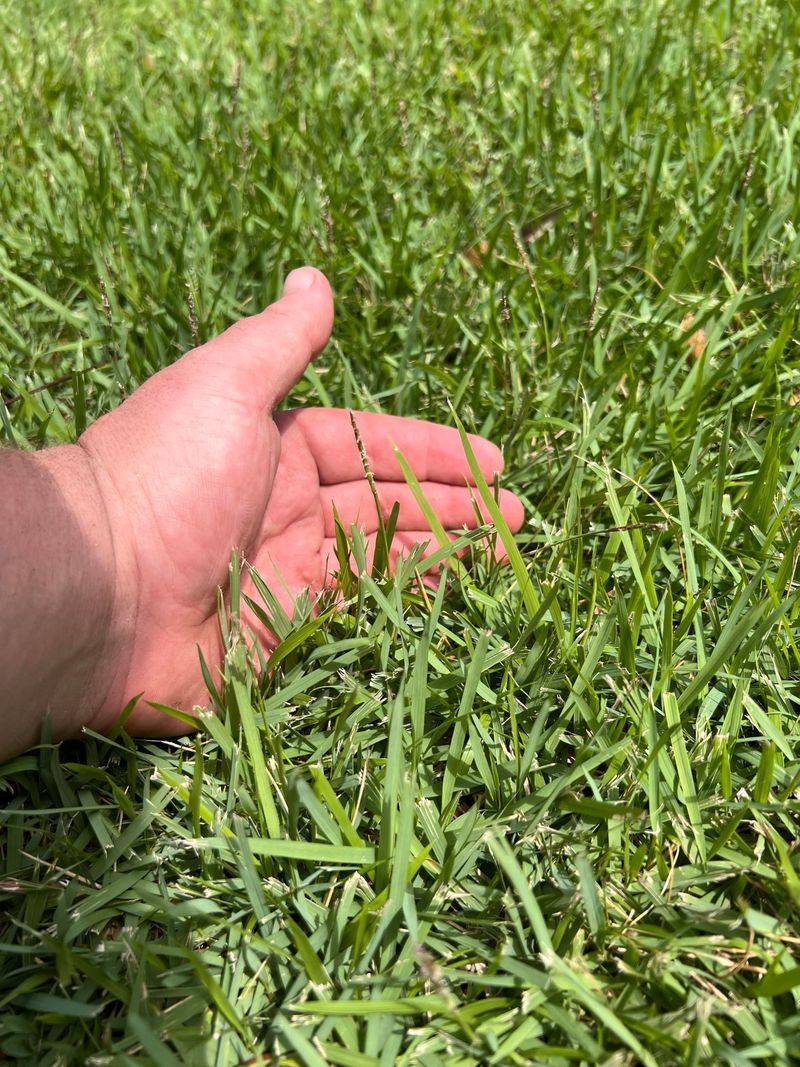
Picture a slow wave of tan rolling down the state map, starting in Pensacola and ending near Miami. Florida stretches over 400 miles north to south, so zoysia color changes arrive on very different schedules.
Panhandle lawns often begin fading in October or November as the first cold fronts sweep through. Homeowners in Tallahassee may see noticeable tan blades well before friends in Tampa notice any change.
Central Florida zoysia usually holds on until November or early December, depending on how chilly nights become. Orlando yards might show a gentle fade first, followed by deeper straw tones after a strong cold snap.
South Florida lawns rarely go fully dormant, although they may lose some shine during the cooler dry months. Zoysia near Fort Lauderdale might just look a bit dull rather than turning a bold, obvious tan.
Different zoysia varieties, such as Empire and Zeon, can fade at slightly different times. That is why two neighboring lawns may not change color in the same week, even when the weather is identical.
Keep a simple notebook or phone note listing the date you first spot tan blades each year. After a few seasons, you will have a personal timeline that helps you plan fall chores with confidence.
Weather still loves to throw curveballs, so a warm October can delay the color change by weeks. Watching the forecast alongside your lawn turns the whole process into a fun little backyard science project.
Common Fall Care Mistakes With Fading Zoysia
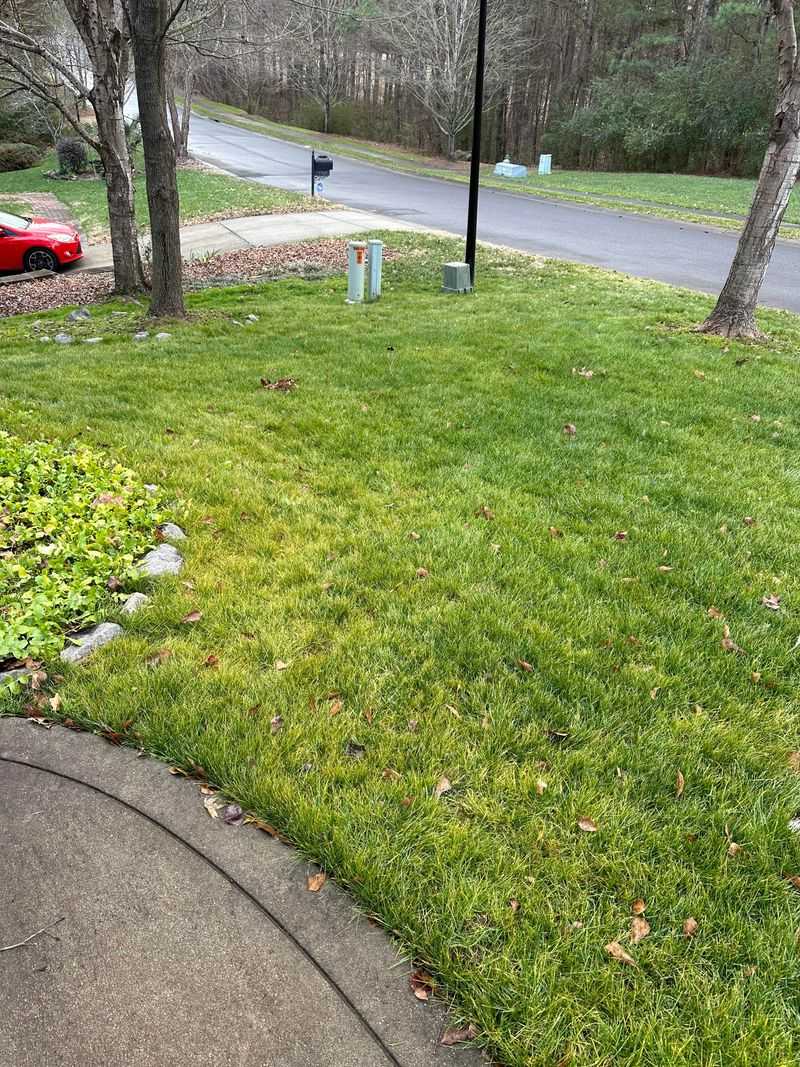
Dumping a full bag of fertilizer on tan zoysia in October might sound like a quick fix. Instead of a green carpet, it can lead to a weedy mess and a lawn fungus problem by Thanksgiving.
Heavy nitrogen feeding late in the season pushes tender growth that the plant cannot support during cooler weather. That soft new growth also invites large patch, a common fall fungus that loves zoysia.
Overwatering is another popular slip, since many people assume tan blades mean the lawn is desperately thirsty. Soggy soil in cool weather creates the perfect home for root rot and those circular brown patches.
Scalping the lawn with a low mower setting is a quieter mistake that causes plenty of stress. Zoysia needs a little extra leaf height in fall to protect its crown from chilly nights ahead.
Some homeowners panic and overseed with ryegrass, which competes with zoysia for light and slows its return later. Others spray random weed products on tan areas, mistaking normal dormancy for a stubborn pest invasion.
Heavy foot traffic on sleepy turf can also leave worn paths that take months to fill back in. Try steering backyard soccer games and patio parties toward sturdier spots until the lawn wakes up again.
Most of these errors come from good intentions, since nobody wants their yard looking tired in autumn. Doing a little less this month often helps zoysia far more than doing a whole lot more.
Smart Early Fall Care For Tan Zoysia
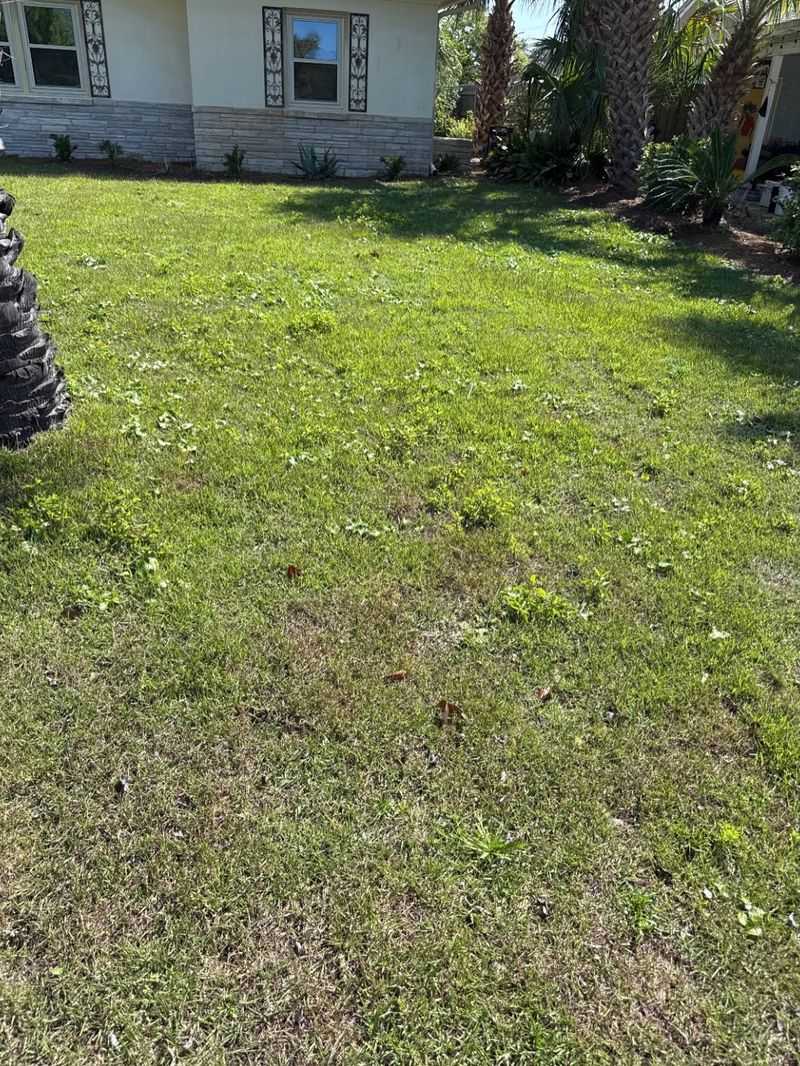
Here is the good news for anyone staring worriedly at a straw-colored yard this October. Caring for dormant zoysia is mostly about gentle habits, not expensive products or complicated weekend projects.
Raise your mower deck about half an inch and trim only when the blades actually look shaggy. Slightly taller leaves act like a cozy blanket, shielding the crown and roots from cooler night air.
Cut back irrigation to roughly once every ten to fourteen days, depending on rainfall in your area. Water early in the morning so the blades dry quickly, which helps reduce fungus problems during cool weather.
Skip heavy nitrogen now, and use a soil test to see whether your lawn needs any other nutrients. Check local rules first, since many Florida counties limit fertilizer use during certain times of the year.
Rake up fallen oak leaves and pine needles, because a thick layer blocks light and traps moisture. A quick weekly sweep with a leaf blower keeps the surface clean without disturbing the resting turf.
Watch for circular orange or brown rings with dark edges, which often signal large patch fungus developing. Treat those spots early with a labeled lawn fungicide, following the package directions carefully for best results.
Some owners like a temporary lawn colorant for a greener look, especially before holiday guests arrive. It is generally safe when used as directed, and it can give your curb appeal a boost while the zoysia enjoys its nap.
Planning Ahead For A More Even Lawn
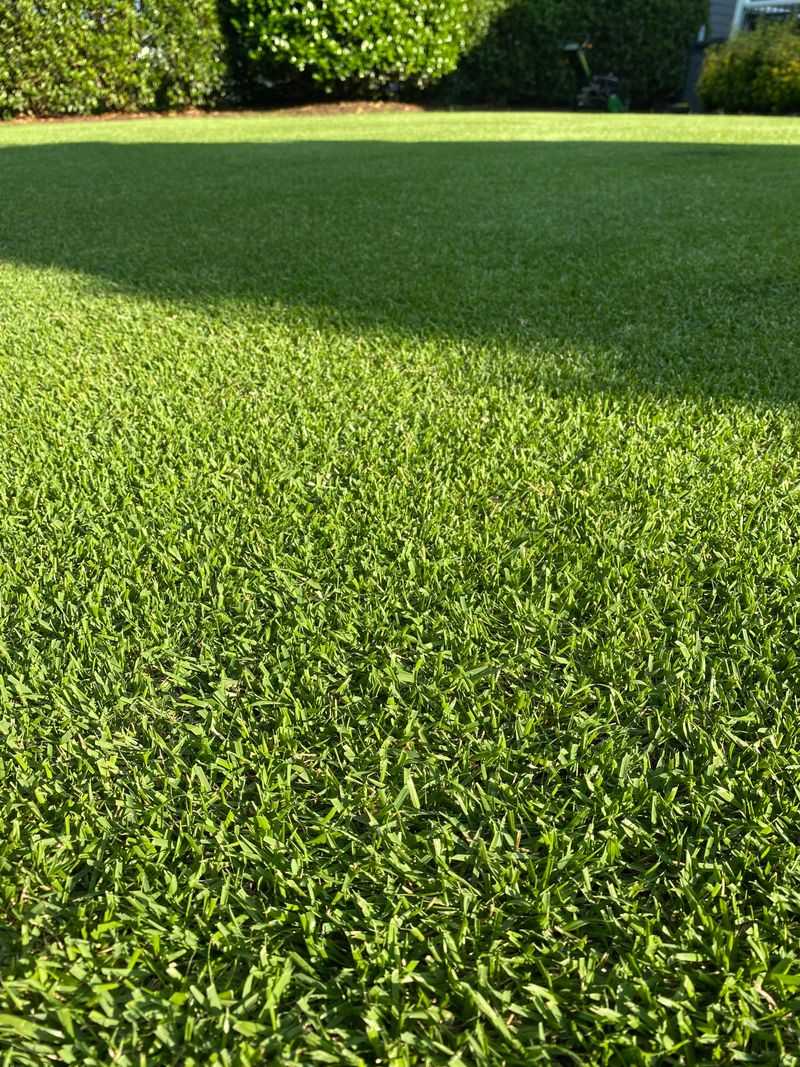
There is something oddly satisfying about watching a tan lawn slowly blush green again after a quiet winter. Zoysia that rests properly this fall usually bounces back thicker, denser, and better at crowding out weeds.
Most zoysia starts greening up once soil warms past 65 degrees in late winter or early spring. Patience now means fewer bare spots later, which saves money on sod repairs and replacement plugs.
If the uneven colors bother you, consider how your yard is divided between different turf types. Some families slowly convert the whole lawn to zoysia so everything fades and greens up on schedule.
Others prefer keeping a mix but adding clean edging, so the color contrast looks planned instead of accidental. A curved stone border or mulch bed can turn that two-tone look into a charming design feature.
Planting zoysia in sunnier spots also helps, since heavy shade makes it fade earlier and recover slower. Trimming low tree branches lets more light reach the turf during shorter autumn days.
A soil test every couple of years reveals nutrient gaps that can make dormancy look harsher than normal. Your county extension office offers affordable kits, and the results come with helpful, Florida-specific recommendations for your yard.
Over time, you will learn to read your zoysia like an old friend with predictable seasonal moods. That early tan becomes less of a worry and more of a cozy sign that fall has arrived.