What Ohio Hydrangeas Need In October Before Winter Sets In
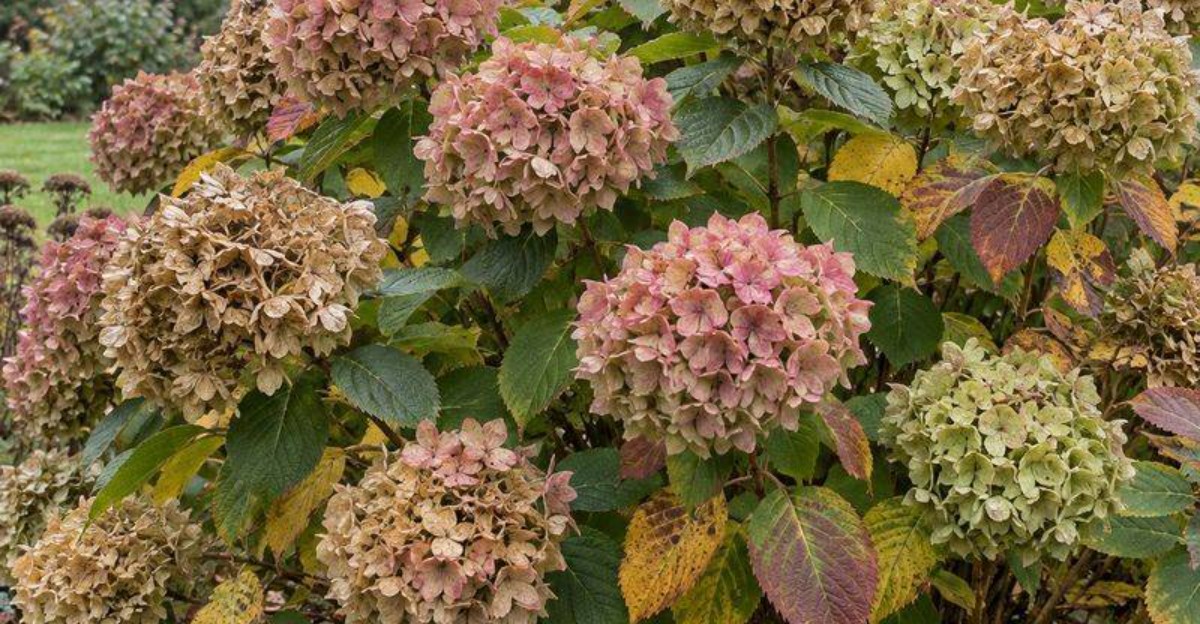
Frost gets all the blame when hydrangeas struggle come spring, but by then the real damage happened weeks earlier, back in October.
Ohio gardeners tend to treat this month as a formality, maybe a last watering, a shrug, then winter takes over from there. Hydrangeas don’t work off that timeline though.
Root growth keeps going well past when the blooms check out, and starving that process now costs you flowers you won’t miss until next June.
A layer of mulch does more heavy lifting here than most people give it credit for, insulating roots through swings in temperature that catch even established shrubs off guard.
Skip the “nothing left to do” mindset this month. Your hydrangea’s still working.
The only question is whether you’re helping or getting in the way.
1. Bigleaf Hydrangeas Need Extra Attention Before Hard Frost
Picture a July mophead so blue it looks painted. Next summer’s version of that show is already tucked inside the stems right now, waiting out the cold.
Bigleaf hydrangeas set their flower buds in late summer on old wood. In Ohio, bitter winds and deep freezes can dry out and damage those buds before spring arrives.
October is the month to plan, not to panic. Most experts suggest waiting until mid-November, after the leaves drop, before adding winter protection.
Gather your supplies early so you are ready when the time comes. A roll of burlap, four or five wooden stakes, and an anti-desiccant spray make a solid kit.
Keep watering until the ground freezes, since a thirsty shrub handles cold poorly. Aim for a deep soak once a week if rain has been scarce.
Location matters too, so note which plants sit in open, windy spots. Those exposed shrubs deserve first dibs on your burlap next month.
Once leaves fall, pound stakes around the plant and wrap burlap around them to block wind. Some gardeners loosely fill the space inside with dry leaves for extra warmth.
Skip plastic wrap, because it traps moisture and heat on sunny days. Burlap breathes, which keeps the stems from getting soggy or moldy.
A thick ring of mulch at the base adds another layer of comfort for the roots. With a little effort, those painted blue blooms have a far better shot at returning.
2. Panicle Hydrangeas Can Keep Their Flower Heads Through Winter
Some shrubs sulk when winter shows up, but panicle hydrangeas barely flinch. Varieties like Limelight and Pinky Winky shrug off Ohio cold with ease.
Their secret is timing. Panicle types bloom on new wood, so next year’s flowers form on fresh spring growth rather than on stems exposed all winter.
That means no burlap, no wrapping, and no fussing this October. You can relax and enjoy the show instead of stressing over protection.
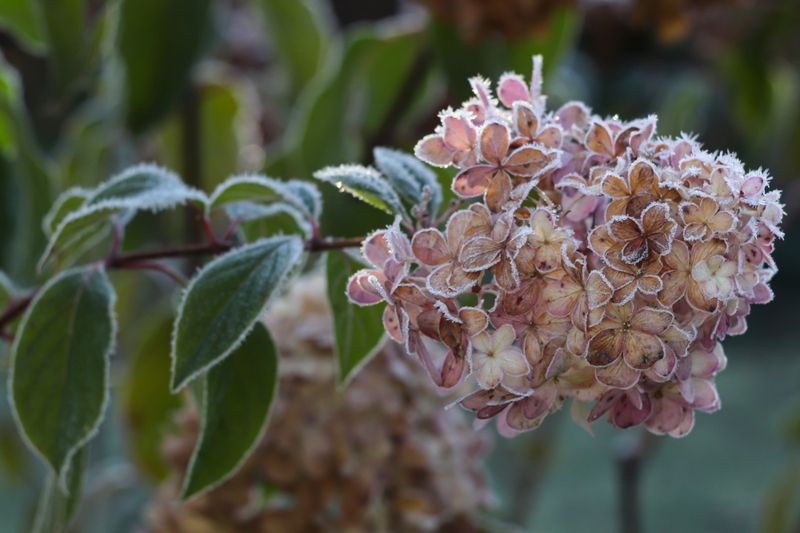
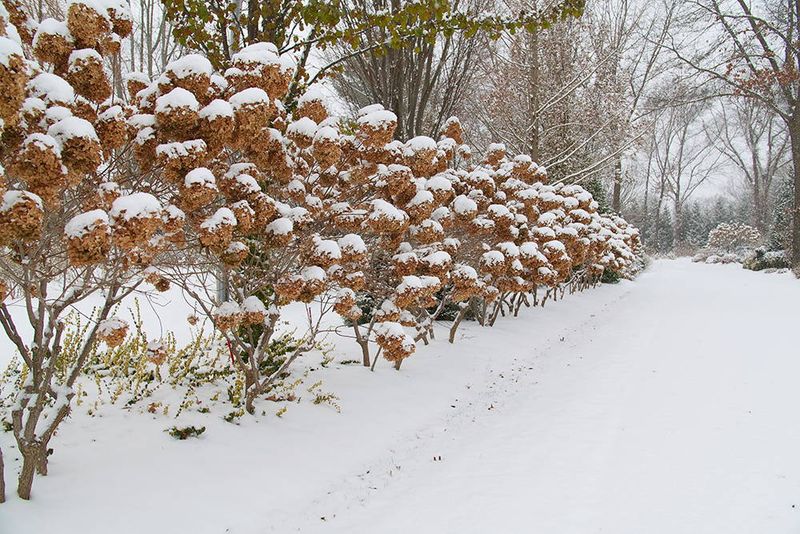
Speaking of the show, the cone-shaped blooms often fade from white to pink, rose, or tan as nights cool. Many gardeners leave them standing right through the snowy months.
Your Ohio Garden Changes Every Week. Your Plan Should Too.
Gardening in Ohio changes quickly throughout the season. Every Friday you’ll receive a simple weekly plan showing exactly what to plant, prune, fertilize, harvest, and protect so you never miss the right timing.
After a frost, each papery cone gets coated with tiny ice crystals that sparkle in morning light. A dusting of snow turns them into what look like scoops of vanilla ice cream.
Those dried heads do more than look pretty. Small insects tuck inside them for shelter, and birds sometimes poke around looking for a snack.
Heavy, wet snow can bend weaker branches, so check your shrub after big storms. Gently brush off extra snow with a broom to ease the load.
If a cone looks shabby or droopy by late winter, snip it off then. Save any real pruning for late winter or early spring, just before new growth starts.
A quick drink before the ground freezes still helps, especially for younger plants. Beyond that, panicle hydrangeas are about as low-stress as winter shrubs get in Ohio.
3. Smooth Hydrangeas Benefit From A Simple Fall Cleanup
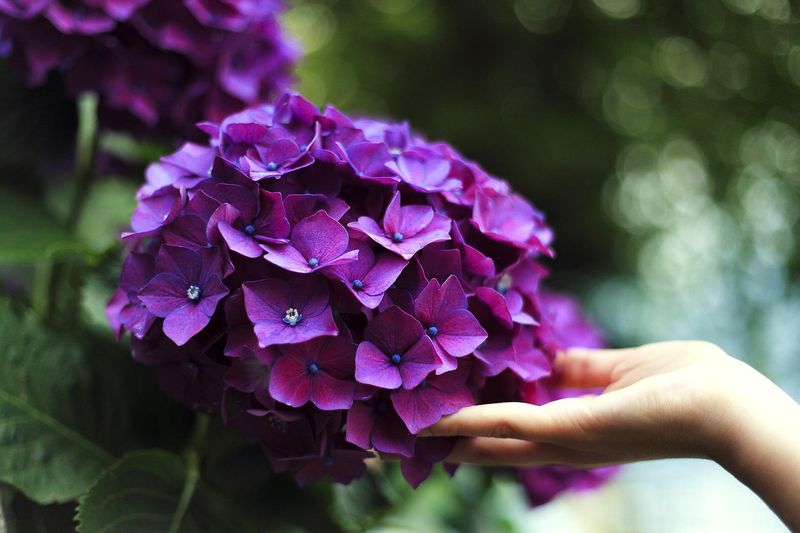
Annabelle might be the most forgiving shrub in your yard. Smooth hydrangeas grow wild in Ohio woods, so our winters feel like home to them.
Like panicle types, smooth hydrangeas bloom on new wood. Cold snaps cannot harm next year’s flowers, because those buds do not form until the weather warms in spring.
So what does an October cleanup look like? Think of it as tidying a room, not remodeling the house.
Walk around the shrub and look for stems that are broken, thin, or brittle. Snip those at the base with clean, sharp pruners.
Removing clutter lets air move through the plant more freely. Better airflow can help cut down on leaf spots and mildew next season.
Rake up fallen leaves that show brown spots or powdery patches. Toss them in the trash instead of the compost pile to avoid spreading problems.
Some sources suggest cutting Annabelle to the ground in fall, but waiting often works better. Pruning in late winter or early spring tends to produce sturdier stems that flop less under heavy blooms.
Leaving the stems up also gives you a nice bonus. The dried white globes turn a soft tan and catch snow in a charming way.
Fun fact: Annabelle was found growing wild near Anna, Illinois, which inspired its name. It became one of the most loved garden shrubs in the Midwest.
A light cleanup now, a deeper trim later. That easy rhythm keeps smooth hydrangeas happy and blooming big year after year in yards.
4. Oakleaf Hydrangeas Bring Fall Color And Winter Structure
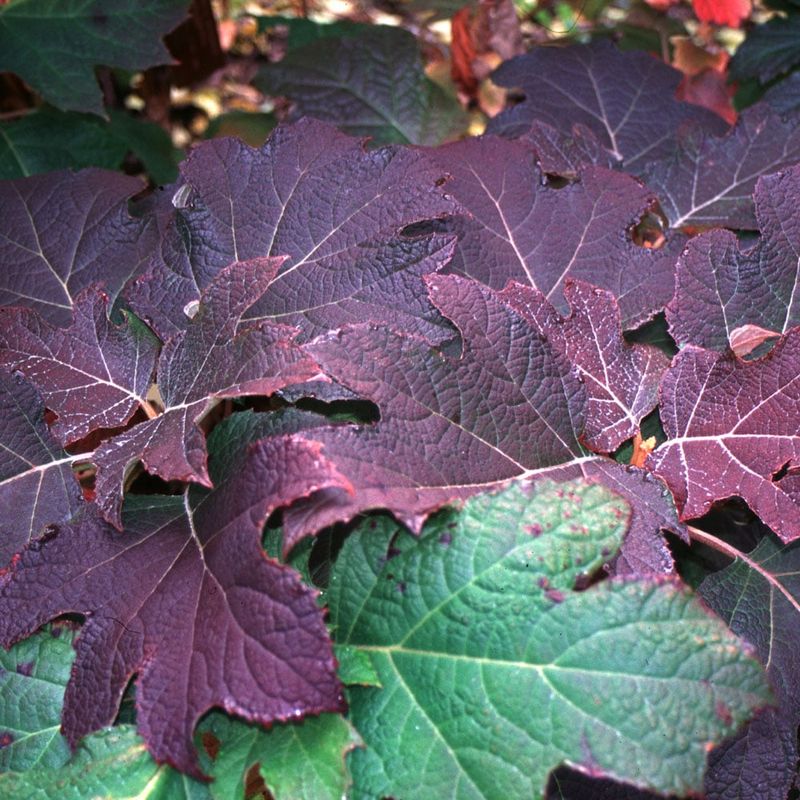
Few shrubs put on an October wardrobe change quite like oakleaf hydrangeas. Their big, lobed leaves shift from green to burgundy, crimson, and deep purple.
Native to the southeastern United States, oakleaf hydrangeas still handle Ohio winters well in USDA Zones 5 through 9. They make a fine swap for burning bush, which can spread aggressively into woods.
The fall color can linger for weeks, so give the plant a spot where you will see it from a window. Morning sun with afternoon shade tends to bring out the richest reds.
Once the leaves drop, the fun keeps going. Older stems show peeling, cinnamon-colored bark that looks lovely against snow.
Oakleafs bloom on old wood, setting buds in late summer or early fall. Those buds are fairly tough, so heavy wrapping is usually unneeded here.
During a severe cold snap, though, a little caution pays off. Plants in open, windy spots may appreciate a burlap screen on the windward side.
Hold off on pruning this month. Cutting now removes the buds that would become next summer’s white flower cones.
Instead, water deeply if October turns dry and add mulch around the base. Leave the fading flower heads too, since they age to a rosy tan that pairs nicely with the leaves.
Bees visit the summer flowers, and the dense branches offer cover for small birds. That makes oakleafs a smart pick for wildlife-friendly yards.
Think of this shrub as a four-season friend. It blooms in summer, blazes in fall, and shows off its bark all winter long.
5. Old Stems Matter More On Hydrangeas That Bloom On Old Wood
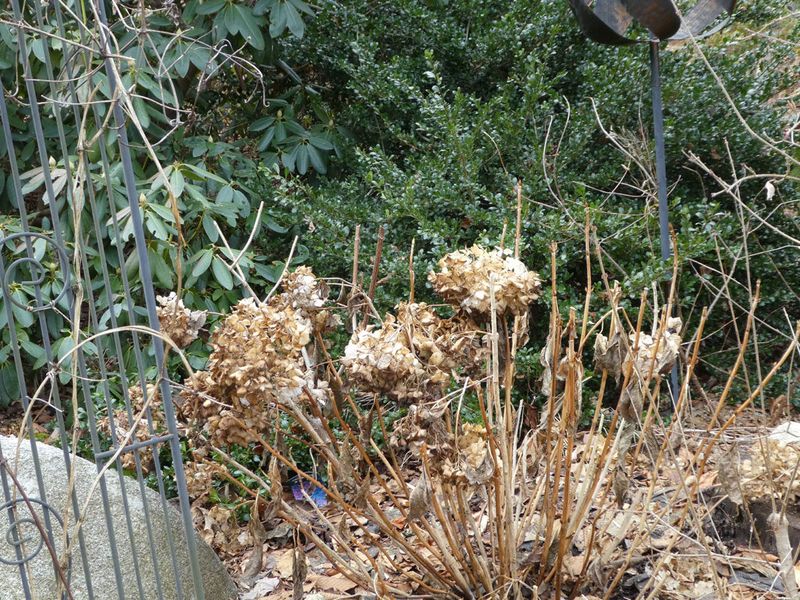
Here is a simple rule that saves a lot of heartache. If a hydrangea blooms on old wood, the stems standing in your yard this October hold next summer’s flowers.
Bigleaf, oakleaf, mountain, and climbing hydrangeas all fall into this group. They form flower buds around August on stems that grew during the current season.
Those buds then sit through the entire winter. Extreme cold can harm them, which leads to a summer full of leaves and few blooms.
Not sure which type you own? Look at the leaf shape, check the plant tag, or snap a photo and ask at a local garden center.
Once you know, treat those stems like treasure. Avoid bumping them with the mower, piling heavy snow on them, or trimming them for a tidy look.
Reblooming varieties, such as Endless Summer, can flower on both old and new wood. They offer a backup plan if winter is rough, yet protected old stems still give earlier, fuller shows.
Gently bend a stem to test it. A healthy one feels flexible, while a brittle one snaps and may need removing in spring.
Mark shrubs with a small stake or label if you have several kinds. That way you will not mix up care routines when the busy spring season rolls around.
Protecting the old wood takes planning more than muscle. Water, mulch, and a burlap wrap later in fall cover most of the job.
6. Newly Planted Hydrangeas Need Consistent Moisture Into Fall
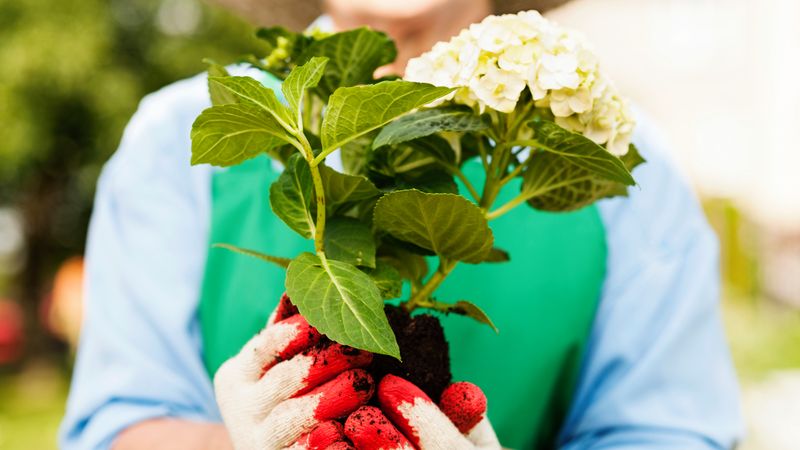
A hydrangea planted this spring or summer is a bit like a new kid at school. It has not built strong roots yet, so it leans on you for support.
Fall rain in Ohio can be spotty, and cool air fools people into thinking plants need less water. Roots keep growing until the soil freezes, and they need moisture to do that work.
Give new shrubs a deep drink about once a week if rain falls short. Aim for roughly one inch of water, soaking the soil slowly instead of spraying the leaves.
A soaker hose or a bucket with a small hole works well. Let the water trickle for several minutes so it reaches deep into the root zone.
Not sure if it is time? Push a finger two inches into the soil, and water if it feels dry.
Morning is the best time to water in fall. Plants have the day to soak it up, and leaves dry before chilly nights.
Keep going until the ground freezes, often in late November or December. A well-watered plant faces winter’s drying winds with fuller stems and healthier buds.
Container hydrangeas need extra attention too, since pots dry out fast. Move them to a sheltered spot, like an unheated garage, once hard freezes arrive.
Hold off on fertilizer this late in the year. Feeding now pushes tender growth that cold weather can easily harm.
7. A Fresh Layer Of Mulch Helps Protect Shallow Roots
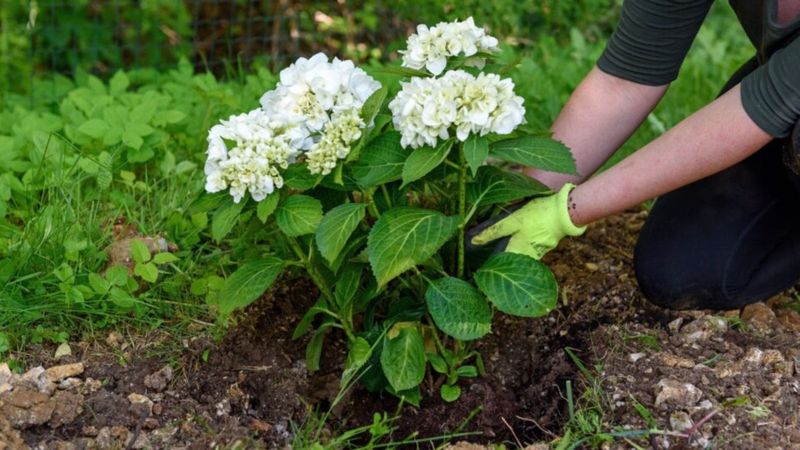
Hydrangea roots stay close to the surface, spreading out like a shallow web. That makes them easy targets when Ohio soil freezes, thaws, and freezes again.
Those swings can heave roots upward and dry them out. A fresh blanket of mulch keeps soil temperatures steadier through the roller-coaster months ahead.
Choose an organic material, such as shredded hardwood, wood chips, straw, or chopped fallen leaves. Leaves are free, and running a mower over them first helps them break down and stay put.
Spread the layer about four to eight inches deep around the base. Tender bigleaf types benefit from the thicker end of that range.
Keep mulch a few inches away from the main stems. Piling it against the bark can hold moisture there and invite rot or hungry rodents.
Picture a donut, not a volcano. A ring that stretches out to the edge of the branches covers most of the root zone.
Mulch also slows water loss, so your fall watering lasts longer. Over time it breaks down and feeds the soil, too.
Timing is flexible, but late October works well for many Ohio yards. The ground is still soft, and you will not be racing a snowstorm.
Fun fact: pine needles make great mulch too, and they do not acidify soil as much as many people think. Use whatever you have on hand.
Pull back some of the extra mulch in spring once the danger of frost passes. That lets soil warm up faster and gives new shoots an easy path.
8. Faded Blooms Can Stay For Winter Interest And Wildlife
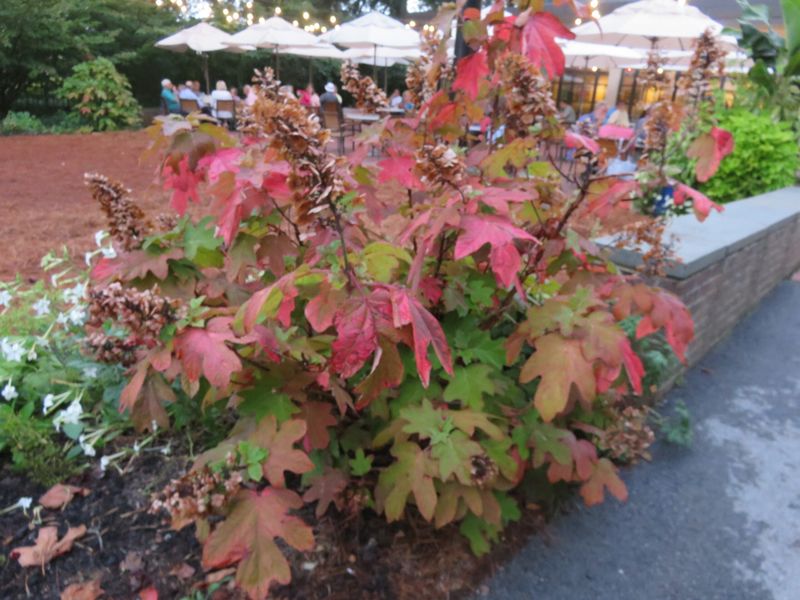
Walk past a hydrangea in January and you might spot a tiny wren darting out from a papery flower head. Those faded blooms are doing more than just hanging around.
Removing spent flowers in fall is mostly a matter of taste. Nothing bad happens to the shrub if you leave them, and there are good reasons to do so.
Dried blooms add texture and shape to a sleeping garden. They catch frost, hold snow, and rustle softly whenever the wind picks up.
Wildlife benefits as well. Beneficial insects hide inside the clusters, and birds visit to search for food or shelter from icy gusts.
Panicle hydrangeas shine brightest here, since their sturdy cones hold up well. Bigleaf mopheads can also help shield the buds just below them.
If you prefer a neater look, you can snip them off. Cut just below the spent flower head and above the first set of healthy leaves or buds.
Be extra careful with old-wood bloomers like bigleaf and oakleaf types. A cut that goes too far down the stem can remove next summer’s flowers.
Here is a crafty idea for extra blooms. Bring a few dried heads indoors for wreaths, vases, or holiday decorations.
Many gardeners split the difference. They trim a few blooms near walkways and leave the rest for the birds and the view.
By late winter, the heads may look ragged and worn. Snip them then, just before fresh green buds begin to swell in March or April.
9. Major Pruning Belongs In The Right Season, Not A Fall Rush
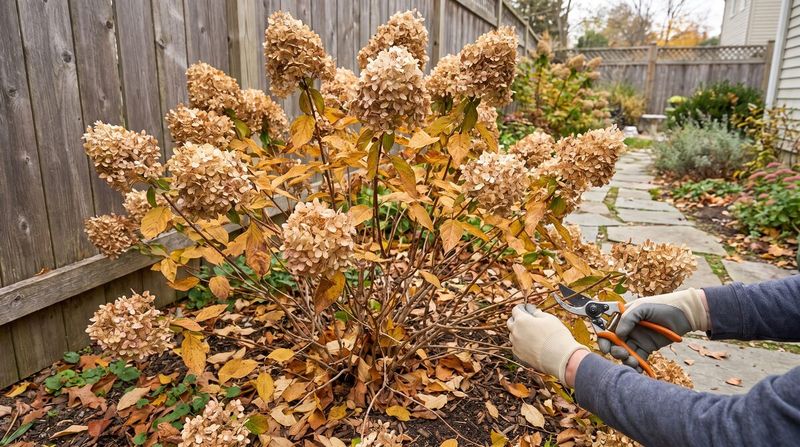
October brings a strange urge to tidy everything in sight. Rakes come out, pruners get sharpened, and suddenly every shrub looks like it needs a haircut.
Hydrangeas are an exception worth remembering. A big fall trim can cost you a whole season of flowers and plenty of summer joy.
Bigleaf, oakleaf, mountain, and climbing hydrangeas already hold next year’s buds. Heavy cuts now snip those buds right off, leaving a leafy but bloomless summer.
For these old-wood types, light trimming right after summer flowering is the safer window. Otherwise, wait until spring when you can see which stems are healthy.
Panicle and smooth hydrangeas are more forgiving. You can prune them in late fall after dormancy or in late winter to early spring.
Many Ohio gardeners pick late winter for these new-wood shrubs. Stems left standing through winter offer beauty and shelter, and spring pruning often leads to sturdier growth.
Broken, damaged, or diseased stems are a different story. Remove those whenever you spot them, cutting back to healthy wood.
Wipe your pruners with rubbing alcohol between cuts on sick plants. That small step helps keep problems from spreading to healthy shrubs.
Feeling the itch to prune anyway? Redirect that energy toward raking leaves, cleaning tools, or planning new beds for spring.
An old garden saying fits well here. When in doubt, leave it out, and let the shrub rest until spring.
Patience pays off with hydrangeas. The best blooms often come to gardeners who wait for the right season.