What California Lawn Removal Rebates Usually Require Before You Start Digging
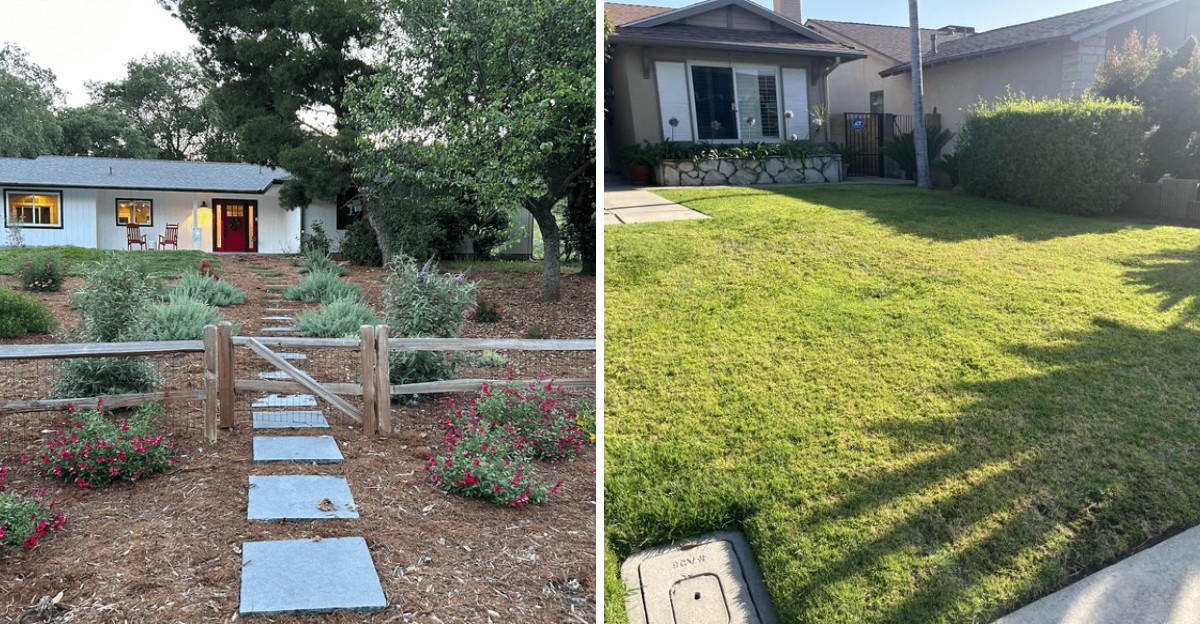
A whole weekend spent ripping out a thirsty front lawn, sweating through gloves and filling several bins with sod, can end with an unpleasant surprise on Monday morning.
Going online to claim a water agency’s rebate only reveals that approval was needed before any digging began.
Just like that, hours of hard work no longer qualify for a single dollar back.
Many California rebate programs follow a similar set of steps, and knowing them ahead of time can save real money, time, and a lot of frustration once the shovels come out.
Pre-Approval Usually Comes Before Removal
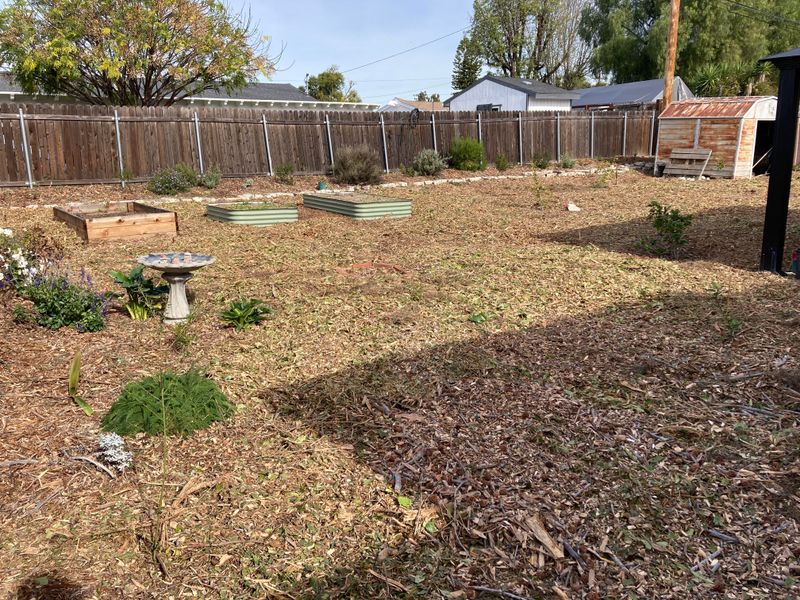
Two neighbors on the same street can end up with wildly different results from the exact same lawn removal project. One fills out an online form, waits a few weeks, and gets a green light from the local water agency before touching a single blade of grass.
The other rents a sod cutter on Saturday because the weather looks nice, and only the first neighbor is likely to see a rebate land in their account.
Across many California turf replacement programs, the most common rule stays simple. Applying first, waiting for approval, and only then removing the grass covers most of what’s required upfront.
Some agencies call this a reservation or a pre inspection, and the name changes from place to place, but the underlying idea stays consistent throughout the state.
Agencies care about timing because they need proof that a real, living lawn existed before the project started. Once the grass is gone, there’s no way for them to check how big it was or whether it was actually being watered beforehand.
Starting early is one of the fastest ways to lose eligibility entirely. In many programs, any removal work done before approval can disqualify the whole project, even if everything else about it is done perfectly.
Some agencies also set a deadline, so there may be a limited number of months to finish once the okay arrives.
Keeping the approval email or letter in a safe folder helps considerably later on. Writing down the application number and any deadline dates on a calendar prevents a missed window from ruining an otherwise solid project.
Before Photos Are Almost Always Required
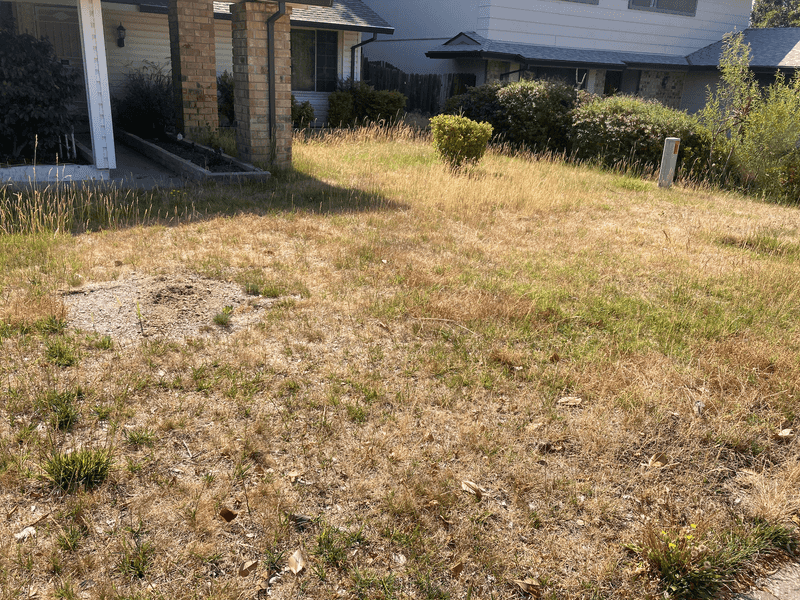
A phone camera might be the most valuable tool in this entire project before a shovel ever touches the soil. Many water agencies want to see clear pictures of the existing lawn well before any work begins.
These photos act like evidence for the agency reviewing the application. They show that the grass is alive, that it covers the area listed on the form, and that it’s actually part of the property in question.
Some programs ask for wide shots from several angles, while others want a picture that includes a house number or street sign for context and verification.
Dates matter considerably too. Many agencies want photos taken recently, often within a certain window before the application goes in. A snapshot from three summers ago usually won’t cut it, especially if the lawn has changed noticeably since then.
Your California Garden Changes Every Week. Your Plan Should Too.
Gardening in California changes quickly throughout the season. Every Friday you’ll receive a simple weekly plan showing exactly what to plant, prune, fertilize, harvest, and protect so you never miss the right timing.
Some online systems even check the time stamp built directly into the image file itself.
Taking more photos than seem necessary, from the same spots each time, saves headaches later in the process. Standing at the sidewalk, the driveway, and each corner of the yard, then saving everything in one folder, covers most bases.
Those same spots come in handy again once the project finishes. Many programs ask for matching after photos so they can compare the old lawn with the new landscape side by side.
Faded, brittle grass can sometimes cause problems, since certain programs expect a living lawn at the starting point. Rules on this differ by agency, so reading the photo instructions carefully before snapping a single shot avoids wasted effort.
Minimum Square Footage Rules Often Apply
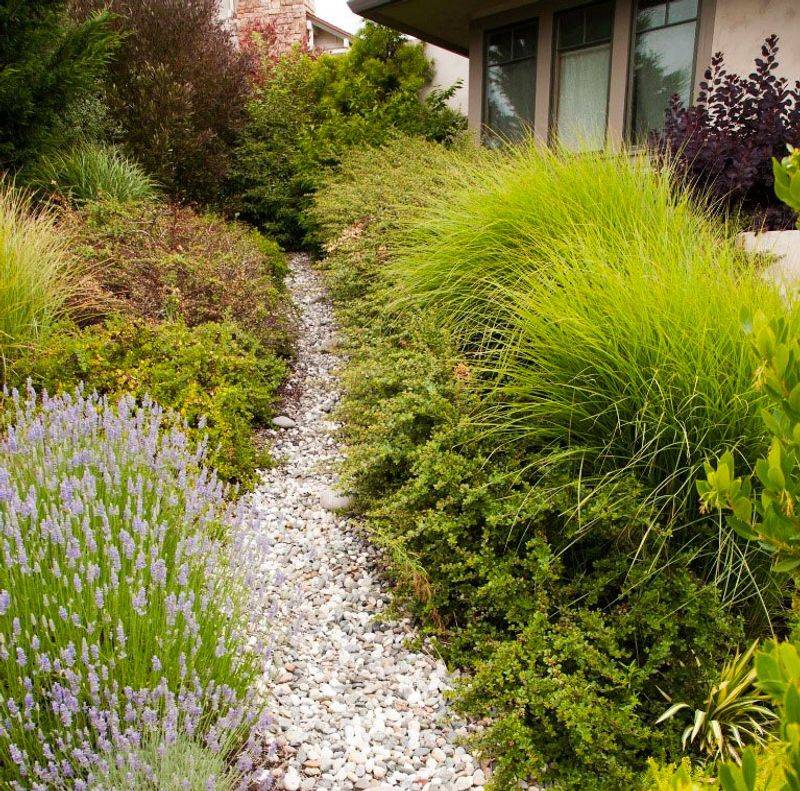
A measuring tape and a notepad matter more than most homeowners expect going into this process. A tiny strip of grass by the mailbox may not qualify at all, even if it drinks a considerable amount of water relative to its size.
Many California programs set a minimum area that a project must meet to qualify. The exact number differs from one water agency to the next, and it can change when programs update their rules over time.
Some agencies focus on larger residential yards specifically, while others welcome smaller projects, so no single number works universally across the state.
Agencies also tend to set a maximum alongside that minimum. Rebates are often paid per square foot, and many programs cap how much area they’ll fund for a single home or business regardless of the actual lawn size.
A huge yard might only get paid for part of the total area removed.
Measuring carefully matters throughout this process. Breaking odd shaped lawns into simple rectangles and triangles, measuring each one, then adding them together, produces a more accurate total than eyeballing the space.
Many agencies double check these numbers during an inspection or with aerial photos, so honesty and care pay off considerably in the long run.
Only grass usually counts toward the total square footage. Patios, driveways, trees, and flower beds that already exist often don’t add to that number, and parkway strips between the sidewalk and street may carry their own special rules worth checking beforehand.
Artificial Turf Is Banned By Many Programs
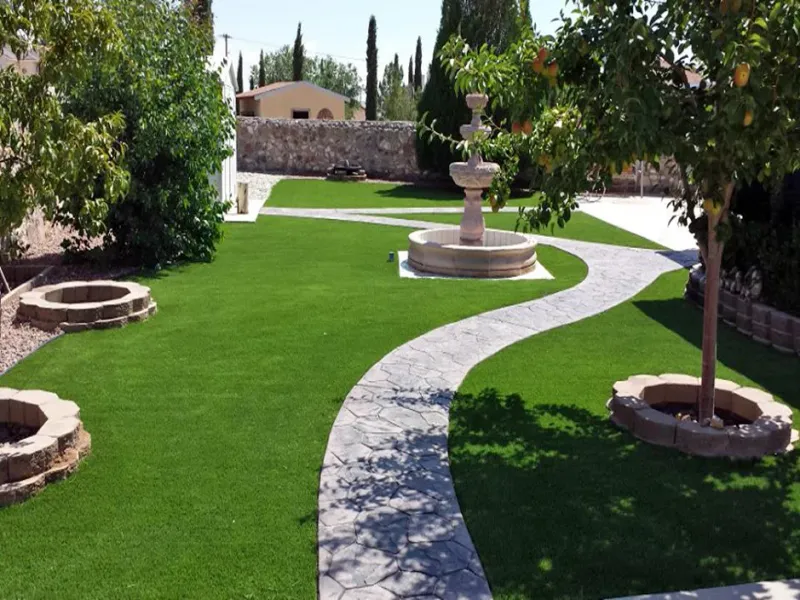
Fake grass looks tidy, never needs mowing, and stays green all year regardless of drought conditions. That reputation surprises plenty of homeowners who learn that many rebate programs won’t pay for it at all.
Agencies have a few specific reasons for this stance. Artificial turf doesn’t support bees, butterflies, or birds the way living plants do, and it can get remarkably hot under direct summer sun.
Many programs also want rainwater to soak into the ground rather than running off the surface, and plastic materials don’t help much with that particular goal.
Most programs push for a living landscape instead of synthetic alternatives. Drought tolerant shrubs, native wildflowers, ornamental grasses, and a good layer of mulch all fit that vision well.
These choices save water while still giving a yard genuine life, color, and a place for local wildlife to actually visit and use.
Some native plants, like California poppies and manzanita, have adapted to dry summers for thousands of years already. Once settled in, many need very little extra water beyond what rainfall naturally provides.
Rules here aren’t identical everywhere across the state, though. A few programs have allowed turf in limited cases, and state or local laws on synthetic grass keep shifting as policy evolves.
Some areas also limit how much hardscape, such as gravel or pavers, can be used within a qualifying project. Checking with a water agency before buying a single roll of artificial turf prevents an expensive mistake after installation.
Living Plant Coverage Has Real Requirements
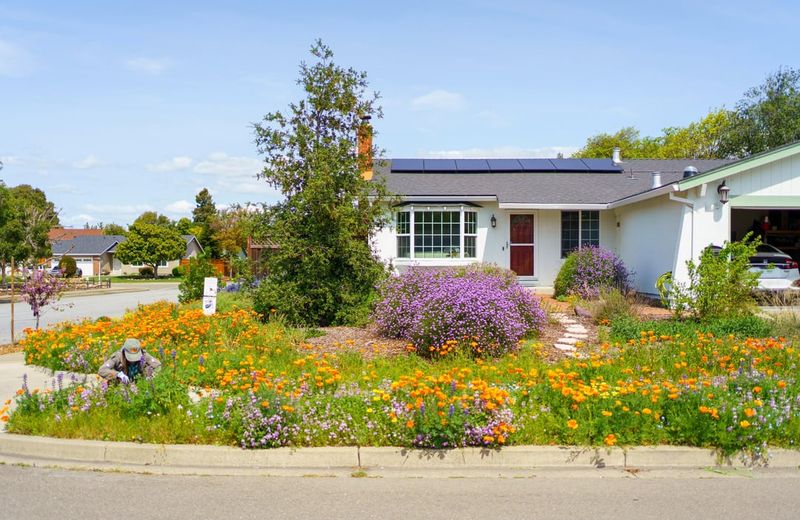
Gravel and a single cactus might seem like an easy fix for meeting a rebate program’s requirements. Many water agencies, however, want to see plenty of real, growing plants filling out the new yard.
A common rule sets a minimum percentage of living plant coverage across the project area. The idea centers on plants reaching their mature size and covering a certain share of the yard once fully grown.
The exact percentage differs by program, so a neighbor’s rule in a different district might not match what applies to a given property.
Planning with full grown size in mind matters considerably here. A tiny sage plant in a one gallon pot might spread several feet wide within just a few years of steady growth.
Plant tags and nursery staff can explain how big each species will eventually get, which helps count coverage accurately from the start rather than guessing.
Many programs also maintain lists of approved plants worth checking before finalizing a design. These often include climate appropriate or California native species that thrive with little supplemental water once established.
Some agencies offer free design templates or classes, which can make choosing plants considerably less stressful for a first time applicant.
Other details often travel alongside this particular rule.
Mulch between plants, a way to capture rainwater, and an irrigation setup like drip lines frequently show up as additional requirements, along with converting or capping the sprinklers that previously watered the lawn.
An Inspection Often Follows Completion
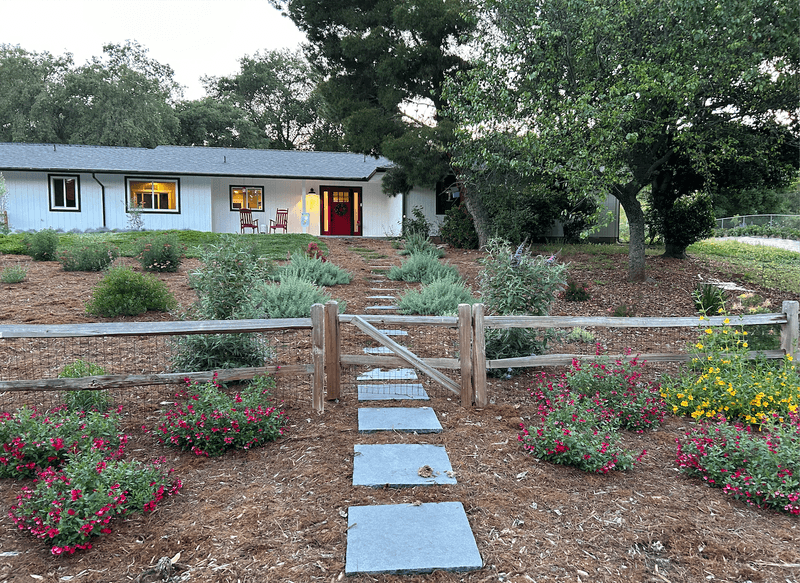
Finishing the last plant in a new landscape feels genuinely satisfying, but the rebate process may not be fully over at that point. In many programs, someone still needs to confirm the finished work matches the original approval.
A post completion inspection is a common step across most agencies. Some send a person to the home directly, while others ask for uploaded after photos, and some use a combination of both methods.
Either way, they want to check the area size, plant coverage, irrigation changes, and anything else listed in the original approval paperwork.
The process works a bit like turning in a school project against a rubric. The agency gave specific requirements upfront, and now they’re checking the finished work against that same list carefully.
If something is missing, such as mulch or a converted sprinkler head, a homeowner may be asked to fix it before payment gets approved.
Timing can run slow through this stage, so patience matters. Many homeowners wait several weeks or more after the inspection for funds to actually arrive in hand.
Some programs pay by check, while others offer a bill credit applied directly to a water account instead.
Keeping receipts, plant lists, and photos organized in one place helps considerably if the inspector has questions along the way.
A few programs may also ask homeowners to keep the new landscape in place for a set number of years, since tearing it out early could mean paying the rebate money back in some cases.
Read The Fine Print Before You Dig
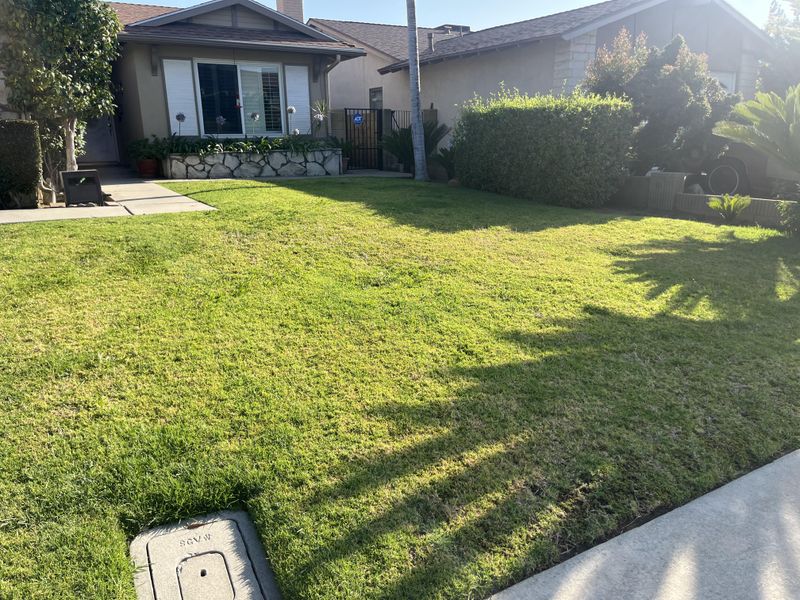
Every rule covered so far shares one big truth worth remembering. A local water agency, not a blog post, not a neighbor’s advice, and not a landscaper, ultimately decides what counts toward a rebate.
California has many water agencies, and each can run its own program with its own budget, forms, and deadlines entirely separate from neighboring districts.
Some team up with regional programs for shared resources, while others operate entirely alone. Rules can also change when funding runs low or new state laws arrive, so something accurate last year might not apply today at all.
Checking a water bill reveals the name of the actual water provider serving a given address. Visiting that agency’s website and searching for turf replacement or lawn conversion rebates fills in the specific details that matter.
Reading the full terms, rather than just a summary page, catches details that matter considerably later in the process.
Paying attention to pre approval steps, photo rules, size limits, plant coverage, irrigation changes, turf restrictions, inspection steps, and deadlines covers the bulk of what typically trips people up.
Calling or emailing the agency directly when anything seems confusing beats guessing and hoping it works out favorably.
Saving a copy of the rules on the day of application matters too, since programs update often and having the exact version signed up under can help if questions arise later.
Keeping that shovel in the garage until written approval arrives protects a rebate that could be worth hundreds or even thousands of dollars.