Green Balls Dropping In Indiana Yards Leave Stains That Soap Barely Touches
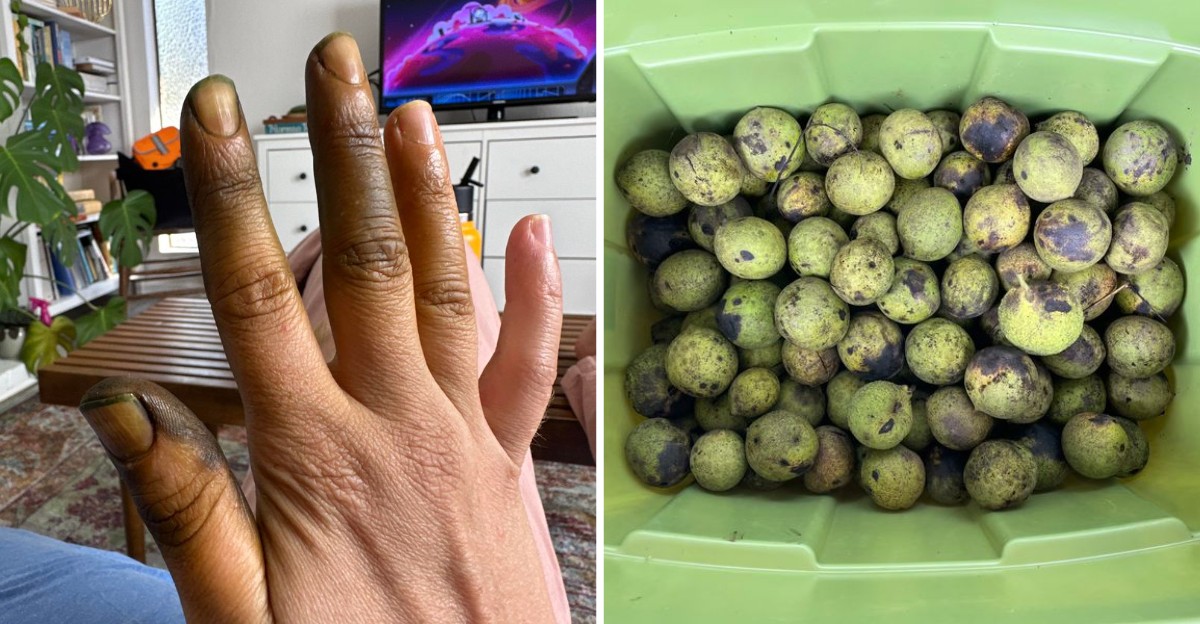
Something round and bright green is thumping onto lawns all over Indiana this fall, and each one lands with a heavy thud. They smell a little like lemons, which seems friendly until you pick one up with bare hands.
A few hours later, your fingers turn a shade of brown that looks like you wrestled a muddy tree. You scrub with soap, then scrub harder, and the color just grins back at you from every knuckle.
Dish soap fails, hand soap fails, and even that fancy lavender bar from the gift shop gives up. Driveways, sidewalks, and patio chairs soon wear the same rusty spots, like a messy connect-the-dots puzzle.
Kids think the green orbs make great toys, and squirrels treat your yard like a crowded snack bar. Meanwhile, Indiana homeowners are left staring at their hands, wondering if the stain will ever fade away.
One neighbor scrubbed her palms with a kitchen sponge until they turned pink. The brown stayed right where it was, and she was the only one who looked surprised.
The Culprit Is Hanging Right Overhead
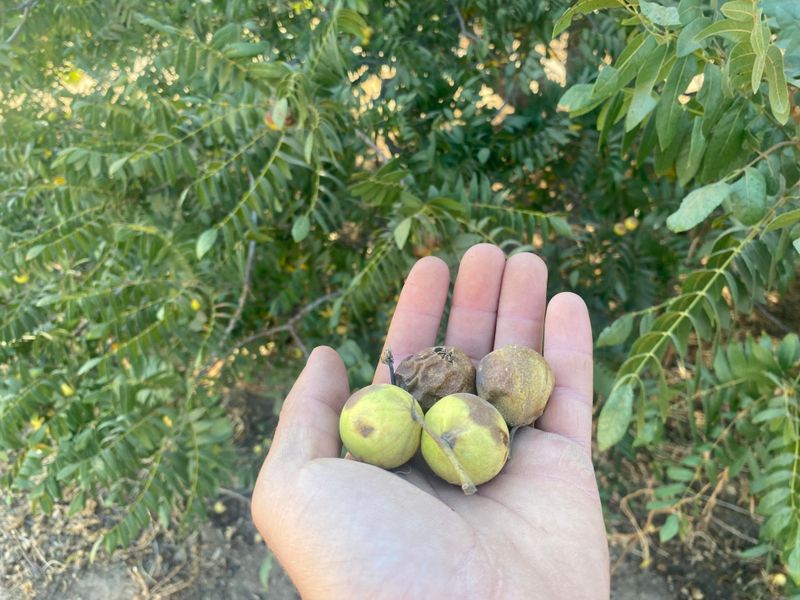
Look up at the tall tree dropping those green balls, and you are most likely staring at a black walnut. Indiana has plenty of them, growing wild along fence lines, creeks, and old farm fields across the state.
Each ball is really a thick husk wrapped around a hard, wrinkly nut that squirrels love to bury. The husk starts out bright green and firm, a bit like a tennis ball with a citrus smell.
As the fruit ripens, the husk softens, turns yellowish, and finally goes black and mushy on the ground. That soft, rotting stage is when the trouble really begins, because the juice inside leaks out easily.
You can spot a black walnut tree by its long leaves, which hold many small leaflets in pairs. The bark is dark and deeply grooved, almost like someone carved diamond shapes into it with a knife.
Here is a fun fact that surprises many people who have lived beside these trees for years. Pioneers and Native Americans used walnut husks as a natural brown dye for cloth and baskets.
So the stain on your hands is not dirt at all, but a natural dye with a long history. Knowing the source helps you choose the right cleanup method instead of wasting a whole bottle of soap.
If your yard has one mature tree, expect hundreds of nuts to fall over a few busy weeks. That is a lot of green balls, and most of them carry enough juice to leave a mark.
The Chemistry Behind Stubborn Brown Stains
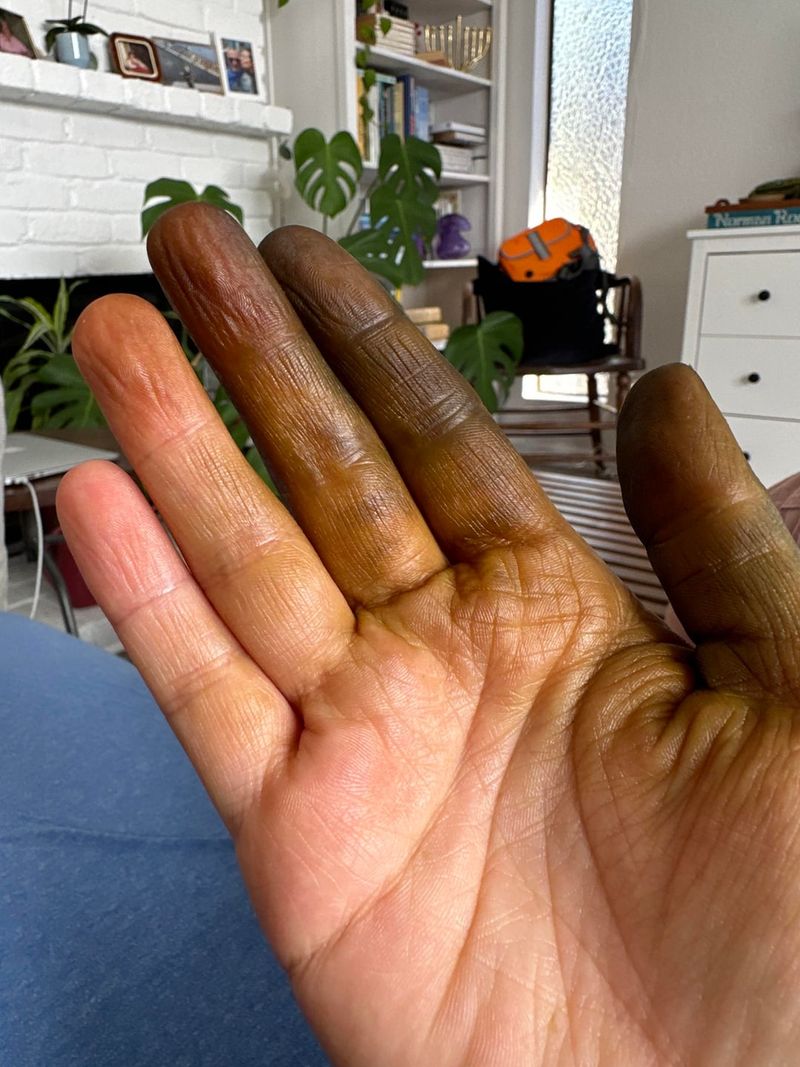
Picture a tiny chemistry lab hiding inside every walnut husk, just waiting for your fingers to show up. The main ingredient is called juglone, along with tannins and other natural compounds that love to cling.
When the husk juice touches air, it reacts with oxygen and slowly darkens from yellow to deep brown. You might not notice anything right away, which is why the stain feels like a sneaky surprise later.
Your Indiana Garden Changes Every Week. Your Plan Should Too.
Gardening in Indiana changes quickly throughout the season. Every Friday you’ll receive a simple weekly plan showing exactly what to plant, prune, fertilize, harvest, and protect so you never miss the right timing.
The real problem is that these compounds bond with proteins in the outer layer of your skin. Soap is great at lifting grease and dirt, but it cannot break that tight chemical grip very well.
Think of it like a temporary dye that fades over a week or two. The color sits in skin cells, so it fades only as those cells naturally flake away over time.
Concrete and wood soak up the juice too, because both surfaces are full of tiny holes called pores. Once the dye settles deep into those pores, a quick rinse with the hose barely touches the mark.
Juglone also has another famous trick, since it can slow the growth of nearby plants like tomatoes. Gardeners across the Midwest often notice their veggies struggling when planted too close to a walnut tree.
Understanding the chemistry takes away some frustration, because you realize the stain is not your fault. Nature simply built a very good dye, and your hands happened to be the nearest blank canvas.
Early October Is Peak Drop Season
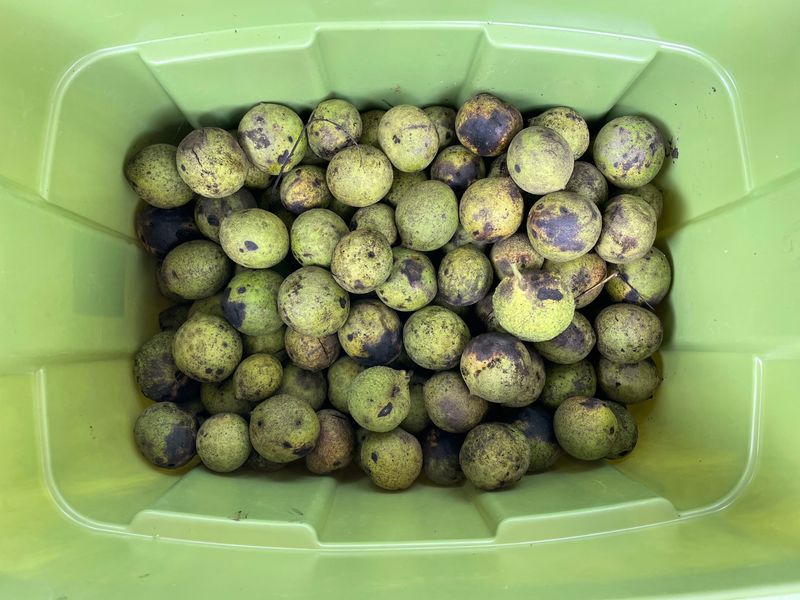
Right now, in early October, black walnut trees across Indiana are dropping nuts at a steady pace. The heaviest fall usually runs from mid-September through late October, depending on weather and the tree’s age.
Windy afternoons shake loose the ripest husks, sending them bouncing onto roofs and driveways. A strong fall storm can bring down dozens in one night, leaving a lumpy green carpet by morning.
Timing matters because fresh green husks tend to stain less than the soft, blackened ones sitting for days. Picking up nuts every day or two keeps them firm and easier to handle.
Leaving them alone for a week invites squirrels, fruit flies, and husk maggots to join the party. Those little white maggots turn the husk into black goo, which spreads stains on shoes, paws, and tires.
Mowing season is winding down, but one last cut over hidden nuts can send them flying across the yard. Walk the lawn before you mow, and grab any strays hiding under fallen leaves near the trunk.
Some Hoosiers actually look forward to this season, because certain buying stations pay for walnuts. Checking with a nearby farm store might turn your messy chore into a small pile of pocket money.
By early November, most trees have finished dropping, and the stain threat fades as the last nuts fall. Until then, treat every October walk under a walnut tree like a stroll through a paint factory.
The Soap Mistake Most Homeowners Make
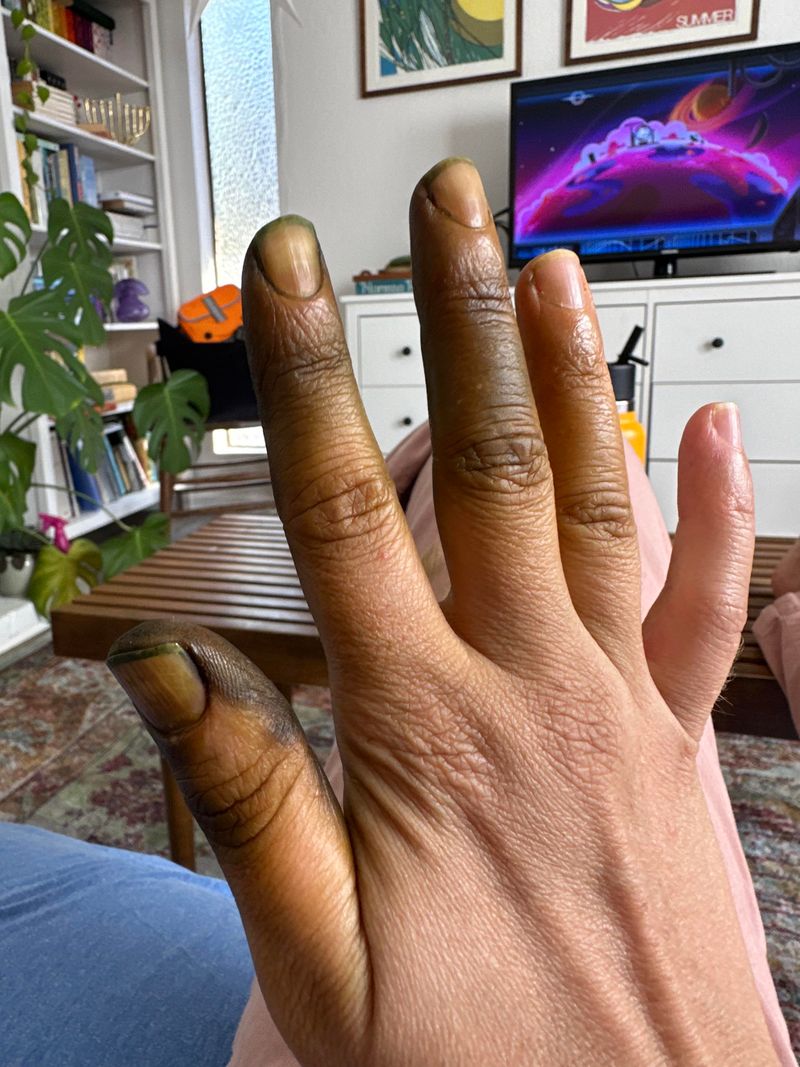
Most people make the same move after touching a walnut husk, and it involves a lot of scrubbing. They run to the sink, pump the soap, and rub until their knuckles turn pink and sore.
Sadly, the brown color usually looks exactly the same afterward, just on slightly redder and angrier skin. Harsh scrubbing can irritate the skin and may let more dye sink in.
The bigger mistake happens earlier, though, when people handle the husks without wearing any gloves at all. Once the juice hits bare skin, the clock starts ticking, and oxygen begins darkening the color within minutes.
Another common slip is using hot water, which feels like it should work better on a tough mess. Heat can actually help the stain set faster, a bit like how hot water locks in grass stains.
On driveways, folks often grab a power washer and spray away, hoping the marks will simply vanish. Too much pressure can etch the concrete surface, leaving a lighter patch that looks even stranger than before.
Some people even try bleach on their hands, which is a bad idea for your skin and lungs. Strong chemicals rarely touch the stain, yet they can irritate skin and cause headaches from the fumes.
The smarter approach is patience mixed with gentle methods, which we will cover in the next section. For now, put the scrub brush down, give your poor knuckles a break, and grab some lotion.
Simple Fixes For Stained Skin Or Concrete

A few simple kitchen items may fade walnut stains better than plain soap. Lemon juice is a popular home remedy, since its mild acid can help lighten the top skin layer.
Rub a lemon wedge over your fingers, let it sit a few minutes, then rinse with cool water. Mixing baking soda with the lemon juice creates a gritty paste that gently polishes away stained skin cells.
Another handy trick is rubbing a little whitening toothpaste on the brown spots with an old toothbrush. Pumice stones and sugar scrubs also help, as long as you work slowly and stop if skin stings.
Expect several gentle sessions over a few days instead of one magic wash that clears everything at once. Finish each round with a thick hand cream to keep the skin from drying out.
Concrete needs a slightly different plan, starting with a stiff brush and a bucket of warm water. Oxygen bleach powders, sold near laundry soaps, may lighten driveway stains when left to soak awhile.
Sprinkle the powder, add water, wait about twenty minutes, then scrub and rinse the area with a hose. Wooden decks respond nicely to oxalic acid deck brighteners, which you can find at most hardware stores.
Wear gloves and eye protection when using deck brighteners, and follow the label directions. Sunshine helps too, because UV rays slowly fade outdoor stains during the bright October afternoons we enjoy.
With steady effort and a little time, both your hands and your driveway should look much closer to normal.
Smart Cleanup Habits For Next Fall
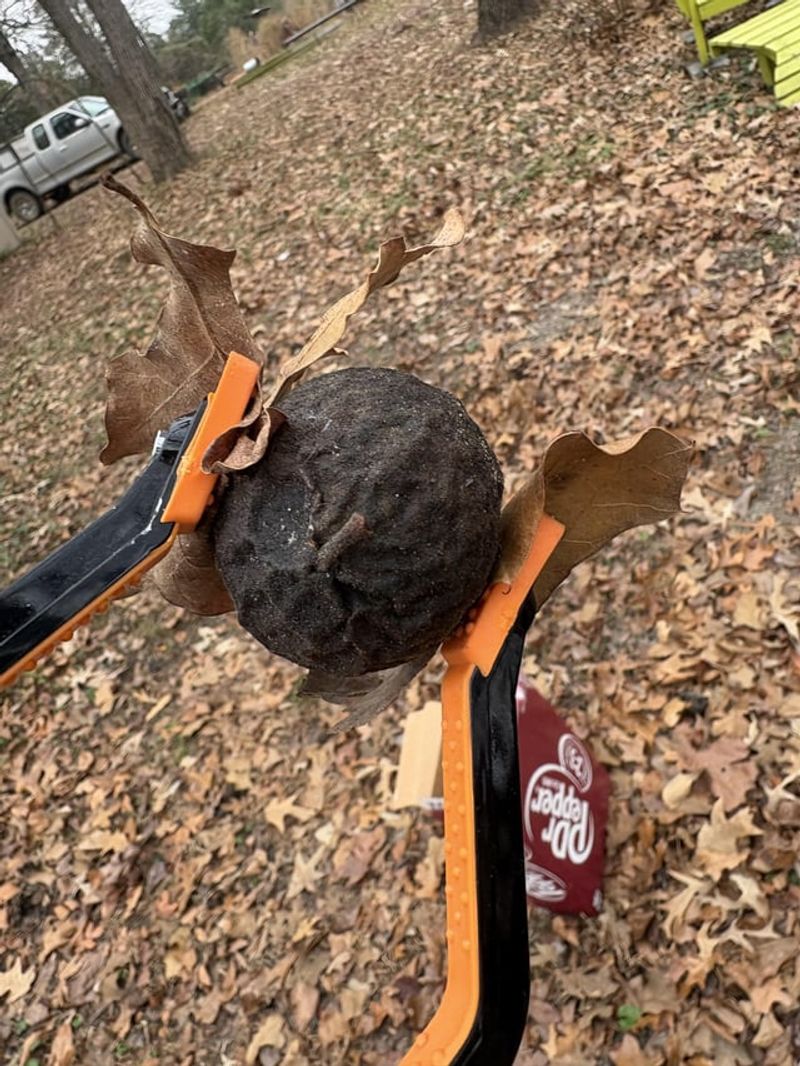
Many people who live near walnut trees keep a pair of thick rubber gloves hanging by the back door every autumn. Those gloves are the one tool that reliably keeps hands clean during nut season.
Gloves are the easiest way to prevent stains, and nitrile or rubber styles block husk juice best. Cloth gardening gloves soak up the dye, so save those for raking leaves instead of gathering nuts.
A nut gatherer tool, which looks like a wire cage on a stick, saves your back and fingers. You simply roll it over the lawn, and the walnuts pop inside without you bending down to touch the husks.
Park cars and store patio furniture away from the tree’s drip line during the heaviest weeks of dropping. Laying an old tarp under the branches makes cleanup quicker and keeps sidewalks from turning into brown maps.
Collected nuts can go into yard waste bins, but check local rules since some towns have limits. Avoid tossing husks into your compost pile, because juglone can linger in the pile and bother garden plants.
Pet owners should keep dogs away from moldy husks, since spoiled walnuts can make them quite sick. Wiping paws after a backyard romp also keeps brown prints off your kitchen floor and favorite couch.
A little planning each September turns walnut season from a stained mess into a manageable yearly routine. Keep those gloves by the door, and your hands will thank you long before the first snowfall arrives.