The Arizona Yard Plant That Looks Like Harmless Filler But Stings Worse Than A Scorpion
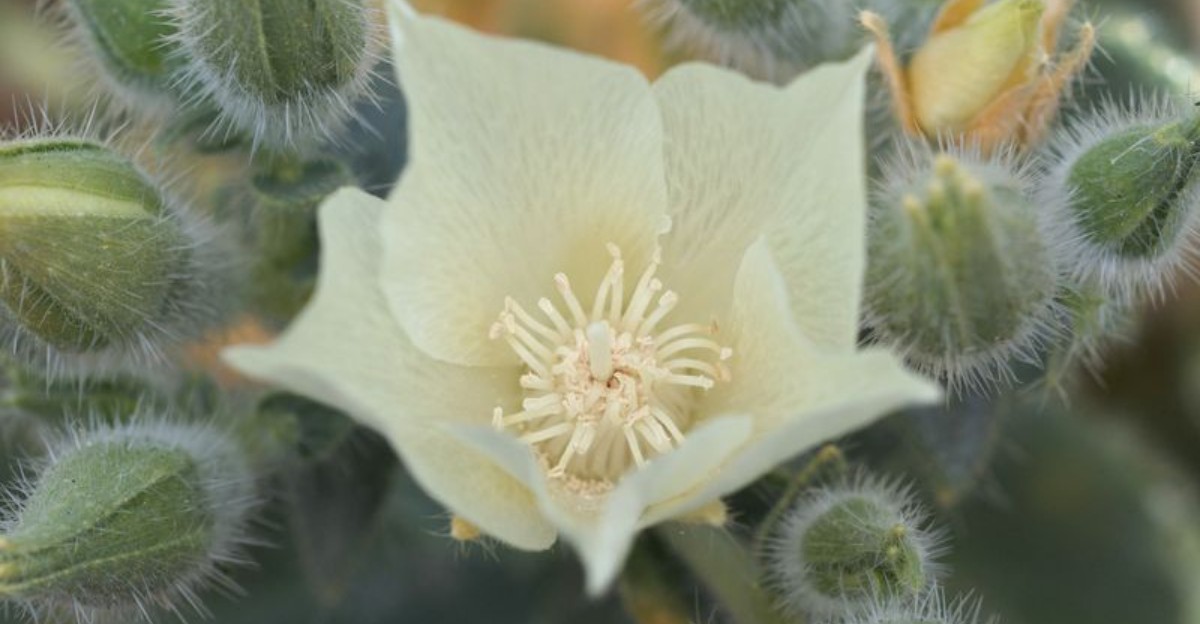
A plant growing in Arizona can look soft and ordinary at first glance, but touching it without knowing what it is can leave you with scratched, irritated skin. The plant most likely behind this warning is desert rock nettle, also called desert stingbush, and its sharp barbed hairs are worth knowing about before you reach into a rocky patch.
That said, the claim that it stings worse than a scorpion is not backed by any direct evidence, and the facts about where this plant actually grows are more limited than the warning suggests.
The warning most likely points to desert rock nettle
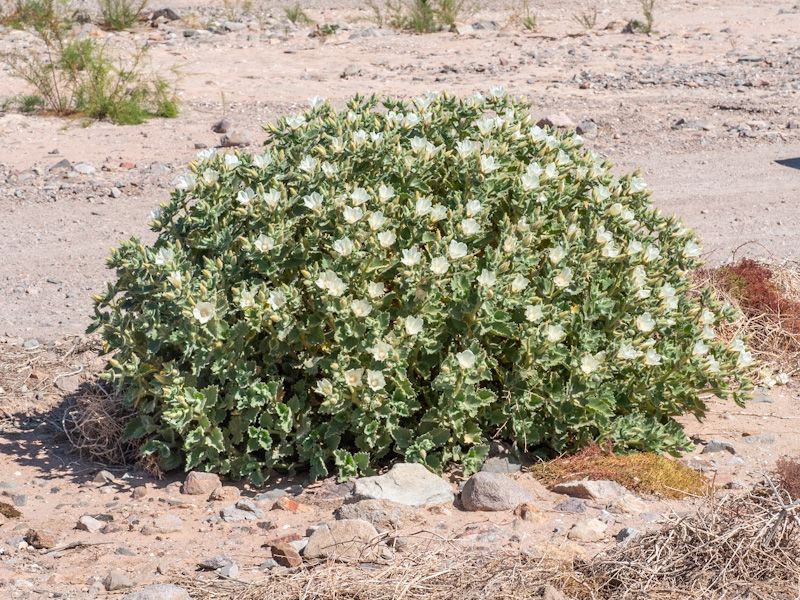
When warnings circulate about an Arizona yard plant that hides a painful surprise, the plant most likely being described is Eucnide urens, commonly called desert rock nettle or desert stingbush. Older Arizona botanical literature has labeled it “stinging,” and that reputation tends to travel fast once it gets picked up online.
Before taking the warning at face value, though, the plant’s documented Arizona range is worth understanding. A peer-reviewed Arizona flora treatment of the Loasaceae family places Eucnide urens mostly along the Colorado River corridor, concentrated in Coconino, La Paz, and Mohave counties.
That distribution does not put it in a typical Phoenix or Tucson backyard.
So the framing of it as a common-looking yard filler that homeowners might casually brush past is not well supported by the range data. This article treats the plant’s sharp hairs as a real handling concern worth understanding clearly, while correcting the parts of the warning that go further than the evidence allows.
What its sharp, barbed hairs may do
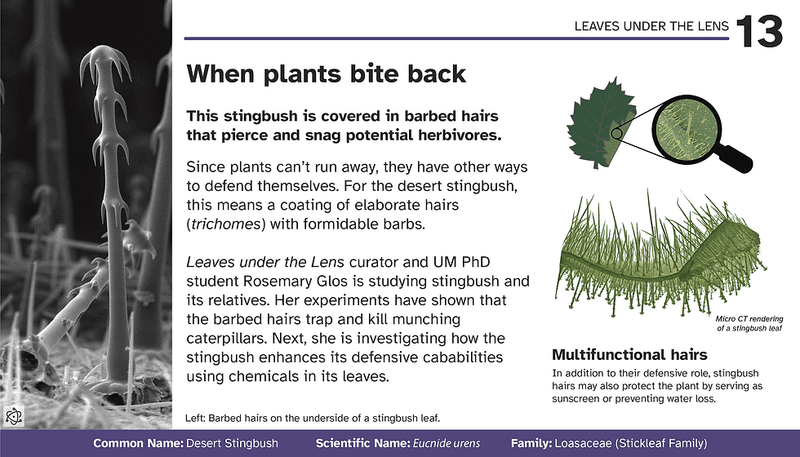
Eucnide urens is a perennial subshrub, meaning it lives for multiple years and develops woody base stems over time. Nearly every surface of the plant, from its stems to its leaves, is covered with two types of hairs: needlelike ones that can puncture and Velcro-like barbed ones that snag and hold.
Running a hand across the plant without protection is likely to result in scratching, snagging, or skin puncture. A 2026 peer-reviewed study published in Functional Ecology examined these hairs closely and found that it has not been established that they deliver a toxin the way confirmed stinging hairs in some other plants do.
The study also noted they do not appear to leave lasting welts like the hairs of true stinging nettles.
Critically, the study’s experiments tested how the plant’s defenses worked against caterpillars, not against human skin. That means it cannot tell us how much a person would hurt after contact, or how long any irritation would last.
The physical risk from sharp, barbed hairs is real enough to take seriously, but the mechanism and severity of human contact remain genuinely unknown.
The scorpion comparison has no evidence-based ranking
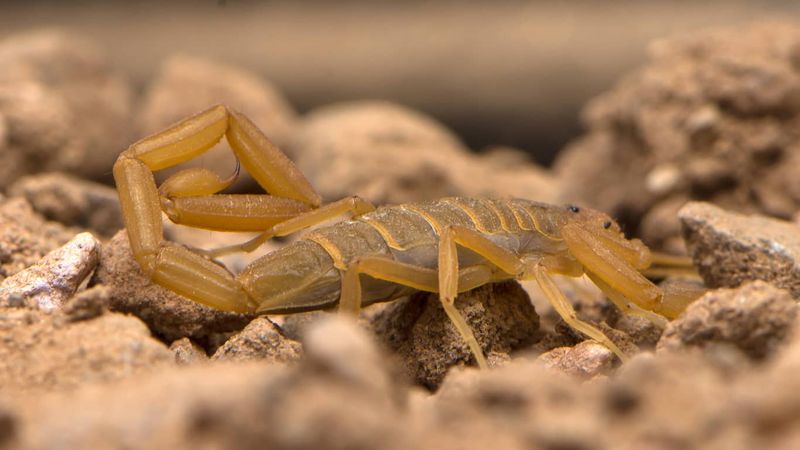
No reviewed research establishes whether contact with desert rock nettle hurts more or less than a scorpion sting. The 2026 Functional Ecology study focused on insect herbivores and plant defense chemistry; it did not assess human pain levels or make any comparison to scorpion stings.
Your Arizona Garden Changes Every Week. Your Plan Should Too.
Gardening in Arizona changes quickly throughout the season. Every Friday you’ll receive a simple weekly plan showing exactly what to plant, prune, fertilize, harvest, and protect so you never miss the right timing.
Scorpion stings, particularly from the Arizona bark scorpion, carry well-documented effects. The University of Arizona Poison and Drug Information Center reports that bark scorpion stings can cause pain, numbness, and tingling, with the potential for severe reactions in children.
Listing those effects here is not meant to suggest that plant contact causes anything similar. It is meant to show why that comparison, made without evidence, can genuinely mislead people about what each hazard actually does.
A plant with sharp, barbed hairs that may irritate or puncture skin is a real concern and deserves a straightforward, accurate description. Reaching for a scorpion comparison to make the warning sound more dramatic does not make the plant more dangerous; it makes the warning less trustworthy.
If you encounter a hairy, unfamiliar plant in a rocky Arizona setting and brush against it, treat the skin exposure carefully. Just do not expect it to behave like a venomous sting, because nothing in the research supports that conclusion.
Desert rock nettle is not burning nettle
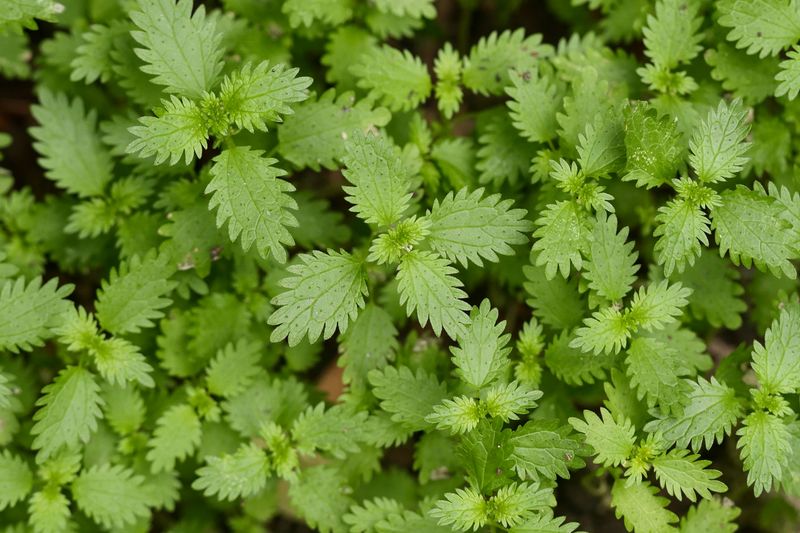
Two very different plants share the word “nettle” in their common names, and that overlap causes real confusion. Eucnide urens, desert rock nettle, belongs to the family Loasaceae and grows in rocky desert terrain.
UC IPM identifies Urtica urens as burning nettle, a separate species in the family Urticaceae that is common in disturbed, moist, or agricultural soils.
Their hairs work differently, their ranges differ, and the research on one does not apply to the other. Burning nettle has well-studied stinging hairs that are confirmed to inject irritating compounds into skin on contact.
Desert rock nettle’s hairs are sharp and barbed but have not been confirmed to deliver a toxin in the same way.
Mixing up the two plants leads to a specific error: taking what is known about burning nettle’s confirmed chemical sting and applying it to desert rock nettle, which overstates what the evidence actually shows for Eucnide urens. If you read something describing a nettle in Arizona with a powerful, toxin-delivering sting, check whether the source is actually talking about Eucnide urens or has quietly swapped in details from Urtica urens.
The species names are the clearest way to tell them apart.
Avoid touching unfamiliar hairy plants
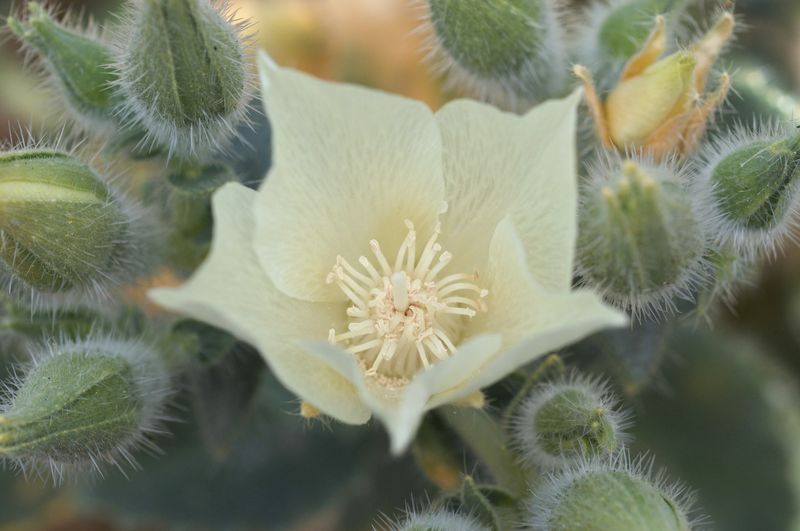
Fuzzy or hairy plants in the desert are not always what they look like. Some look soft and almost inviting, but the hairs serve as physical defenses, not decoration.
A simple rule applies: if you do not know what a plant is, do not touch it with bare hands.
If you have to move or handle an unidentified hairy plant because it is blocking a path or tangled in something, use thick gloves, wear long sleeves, and add eye protection if the plant is at face height or above. These are general precautions for handling any unknown plant with dense hair coverage, not a protocol that has been specifically tested for desert rock nettle.
They reduce the chance of snagging, puncturing, or getting plant material near your eyes.
Trying to grab a stem to pull it out and identify it is not a safe approach. A photo taken from a safe distance is far more useful for identification.
If you are unsure about a plant in your yard or on a trail, an Arizona Cooperative Extension office or a local native plant society can often help with identification from a photograph, letting you get an answer without putting your skin at risk first.
What to do after suspected plant contact

Skin contact with a sharp or irritating plant calls for prompt, calm action. The Arizona Poison and Drug Information Center’s plant exposure first-aid guidance recommends washing the exposed skin right away with soap and water.
If clothing touched the plant, remove it so the material is not continuing to press plant hairs or residue against your skin.
After washing, call 1-800-222-1222 to reach the Arizona Poison and Drug Information Center. Poison specialists there can walk you through next steps based on what you touched and what symptoms, if any, you are experiencing.
That call is appropriate for plant contact, not just for swallowed substances.
If breathing becomes difficult after plant contact, call 911 rather than the poison line. That symptom warrants emergency response, not a phone consultation.
Keep in mind that these steps apply to plant exposure specifically. Scorpion stings are handled differently, and the poison center’s guidance for those situations is separate.
Do not substitute one set of instructions for the other. Most plant contact situations, including those involving hairy or sharp-haired plants, are handled with washing and a phone call rather than an emergency room visit, but getting professional guidance quickly puts you in the best position to handle whatever comes next.