Fuzzy Black And Brown Caterpillars Are Crawling Across Missouri Driveways For A Reason
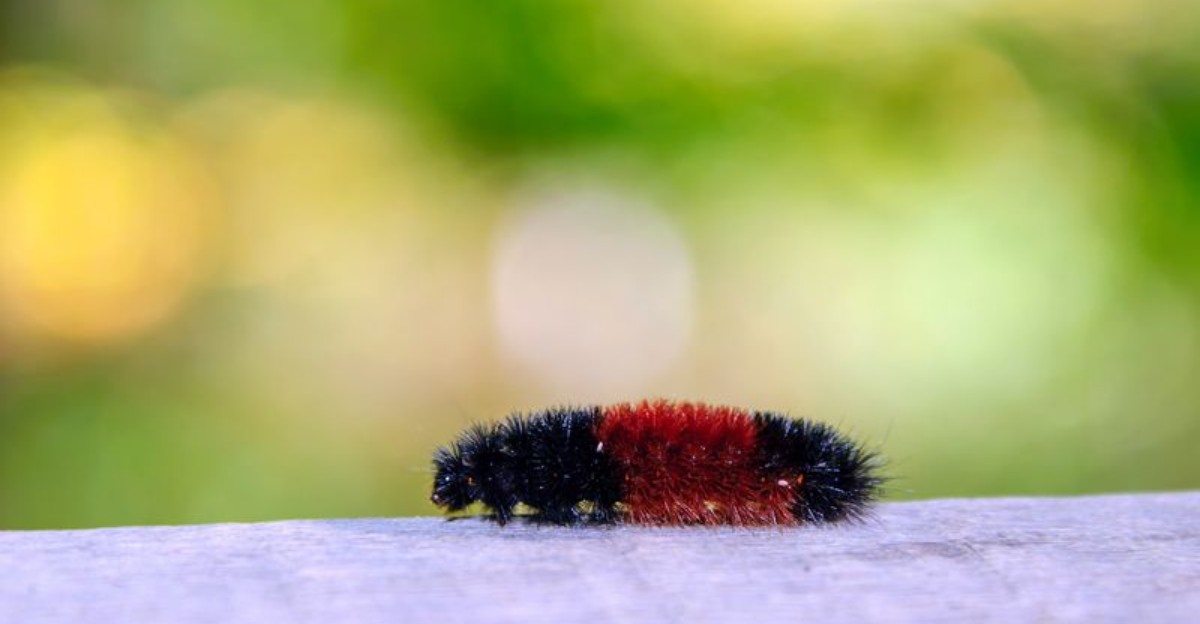
Something fuzzy is hustling across the warm concrete, moving like it is late for a meeting. Missouri driveways in early October suddenly feel like tiny highways packed with bristly, striped little travelers.
You step outside with coffee, and one of them curls into a ball near your shoe. The air smells like crunchy leaves and woodsmoke, yet this small creature has serious plans today.
Neighbors point, kids crouch down for a look, and somebody’s grandpa starts predicting the winter. Everyone has a theory, but few people actually know what these busy crawlers are up to.
Across Missouri, the same scene plays out on sidewalks, gravel lanes, and back porches each fall. The caterpillars move with such purpose that you expect them to carry tiny maps and snack bags.
Their reason turns out to be simpler than it looks, and it is worth a second glance. One crawler even paused on a welcome mat, as if it had already rung the doorbell.
A Cozy Winter Hideout Search
Picture packing for a long winter nap, then realizing your bedroom is still three blocks away. That is basically the situation for the woolly bear caterpillar crossing your Missouri driveway right now.
These fuzzy travelers are the young form of the Isabella tiger moth, a common insect across the state. During early fall, they stop eating and start searching for a safe spot to spend the cold months.
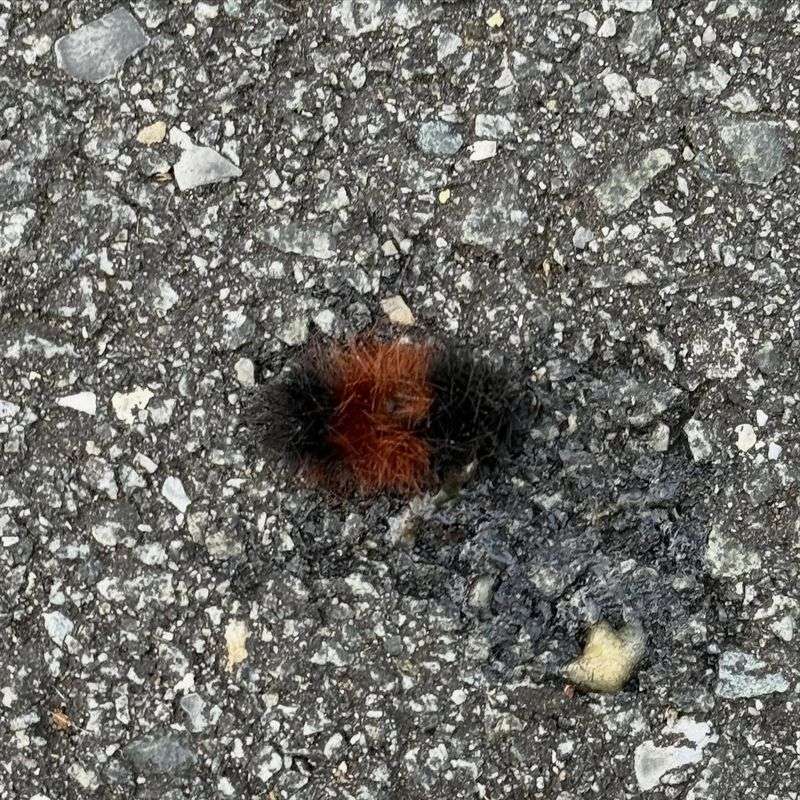
Driveways simply happen to sit between where they fed all season and where they plan to hide. Open concrete also soaks up afternoon sunshine, which gives these cold-blooded crawlers a welcome burst of warmth.
Their favorite hideouts include leaf piles, loose tree bark, old logs, and the gaps under flat rocks. Once tucked away, a woolly bear curls up tight and waits for the long Missouri winter to pass.
Here is the wild part, because these caterpillars can survive being frozen during the coldest stretches of winter. Their bodies produce natural compounds that protect their cells until warmer weather thaws them out again.
So the crawling you see is not random wandering or confusion about where the grass happens to be. It is a focused road trip toward shelter, and the timing lines up neatly with shorter October days.
Next time one scoots past your tires, you can think of it as a tiny camper heading home. Give it a little room, and it will likely vanish into the nearest leaf pile within minutes.
The Early October Crossing Rush
The fuzzy parade tends to peak in early fall, and late September through October is prime time. Cooler nights nudge the caterpillars to get moving fast.
Woolly bears in Missouri can produce more than one generation each year, with a later batch appearing in late summer. Those fall caterpillars are the ones you spot now, fully grown and ready to find winter quarters.
Sunny afternoons bring the most activity, since warm pavement helps them move faster than on chilly mornings. You might count a dozen on a bright day, then barely see one when clouds roll in.
Your Missouri Garden Changes Every Week. Your Plan Should Too.
Gardening in Missouri changes quickly throughout the season. Every Friday you’ll receive a simple weekly plan showing exactly what to plant, prune, fertilize, harvest, and protect so you never miss the right timing.
They move surprisingly fast for something so small. That hurry makes sense, because the window for finding good shelter closes once the first hard frost arrives.
In northern Missouri, frost can show up by mid October, so the rush often starts a little earlier. Southern counties near the Ozarks may see crawlers hanging around a bit longer into the season.
Keep an eye on your local forecast if you enjoy spotting them with curious kids or grandkids. A string of mild, sunny days after a cool night usually brings the biggest crowds onto sidewalks.
Once steady cold settles in, the parade fades rather quickly, and most driveways go quiet until spring returns. Enjoy the show while it lasts, because this fuzzy traffic jam only runs for a few weeks.
The Famous Winter Forecast Myth
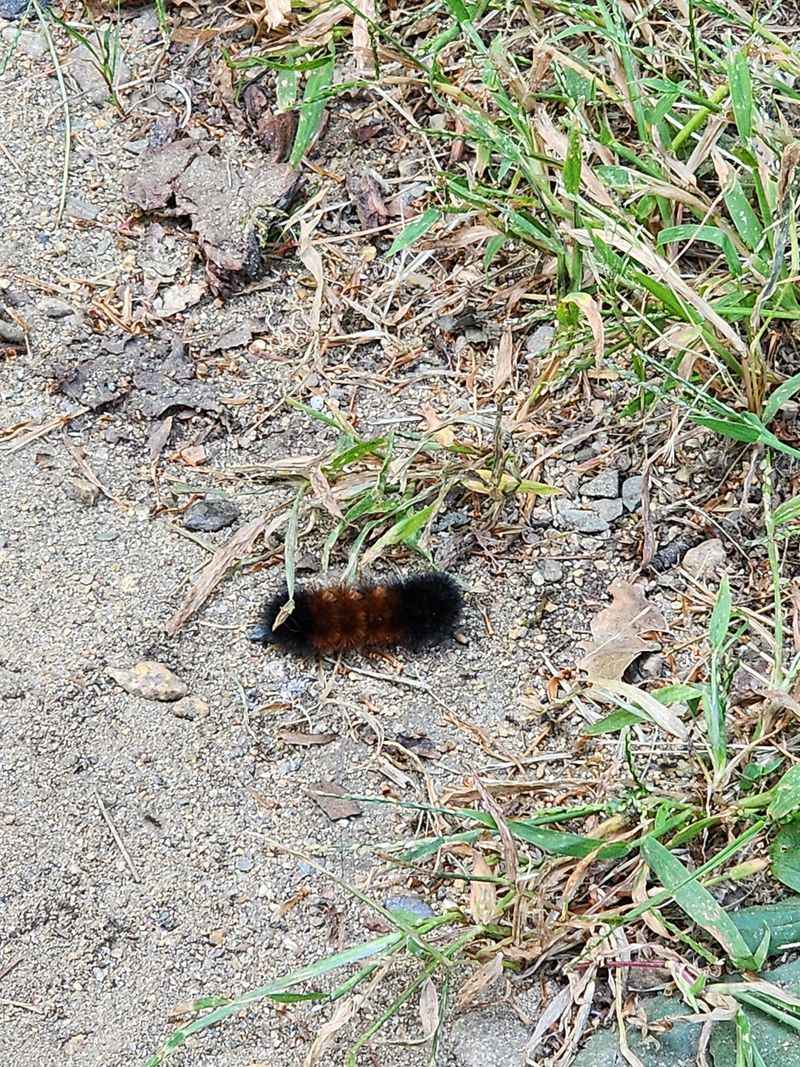
Grandparents across the Midwest swear these caterpillars can predict winter by the width of their brown band. The story goes that a wide brown middle means a mild winter, while more black means harsh weather.
It is a charming idea, and it even got a boost from a scientist back in 1948. An entomologist named Charles Curran examined woolly bears in New York and noticed a pattern over several winters.
His small sample got newspapers excited, and the legend spread quickly across farm towns and county fairs. Today, scientists say the colors reflect factors like the caterpillar’s age, diet, and weather conditions.
Older caterpillars tend to show more brown, and a longer growing season can also change the stripes. Even two woolly bears found on the same Missouri sidewalk can wear surprisingly different color patterns this fall.
The real mistake is planning your firewood or snow gear around one fuzzy bug’s striped fall outfit. For solid winter predictions, the National Weather Service and local forecasters offer far better clues than stripes.
That does not mean you have to give up the simple fun of checking stripes each fall. Some towns host woolly bear festivals, featuring silly costumes, races, and plenty of good-natured forecasting debates.
Treat the stripe reading as a playful family tradition, not a serious weather report for the months ahead. Kids love guessing, and comparing notes with the real forecast in spring can become a fun science lesson.
A Gentle Plan For Driveway Visitors
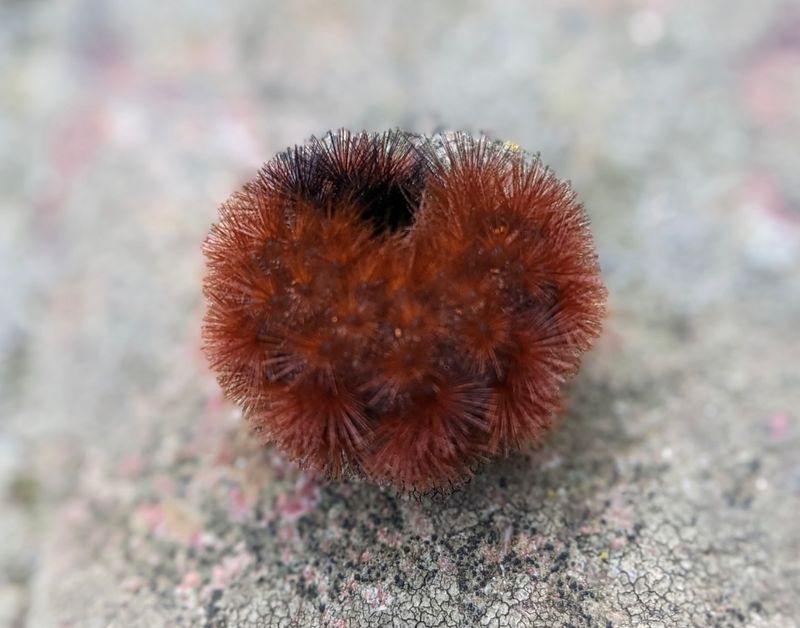
Here is a reassuring fact for anyone who flinches at fuzzy things crossing the patio or front steps. Woolly bears do not bite, sting, or chew on your house, and they rarely cause noticeable damage to lawns.
A common reaction is reaching for bug spray out of habit. Spraying is a waste of money and can harm helpful insects like bees still visiting fall asters.
A better move is simply letting them pass, since most will leave your driveway within a few minutes. If one is parked right where your car rolls, a gentle relocation works well for everyone involved.
Slide a leaf, stick, or piece of cardboard under the caterpillar and carry it toward nearby plants. Set it down facing the direction it was already heading, so you do not undo its whole journey.
Some people get an itchy rash from the stiff bristles, so skip bare hands if your skin is sensitive. Garden gloves work great, and washing up afterward keeps any leftover hairs away from your eyes and face.
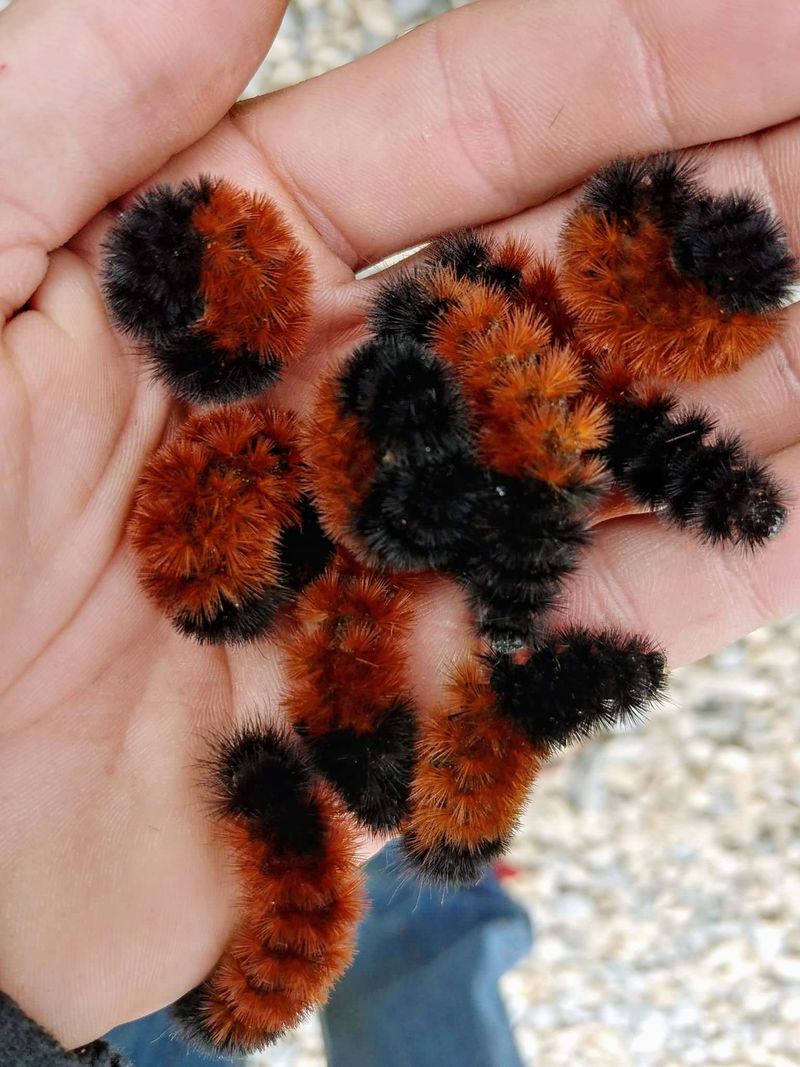
Kids often want to hold them, and that can be a fun lesson with a little supervision. Show them how the caterpillar rolls into a ball when startled, which is its clever way of protecting itself.
Pet owners should keep dogs and cats from chewing on them, since the stiff bristles can irritate a pet’s mouth. Calling your pup away is also a kind gesture that lets the little traveler finish its trip.
The Spring Moth Payoff
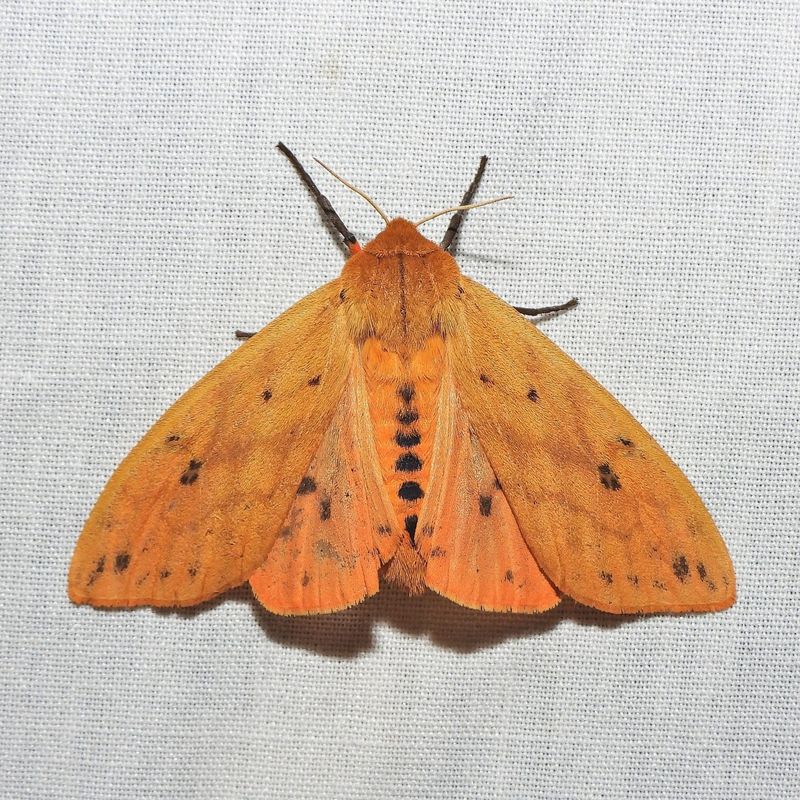
Imagine taking a nap as a fuzzy caterpillar and waking up as a creature with speckled wings. That is the surprise ending waiting for every woolly bear that makes it safely through a Missouri winter.
When the ground warms up in spring, the caterpillar thaws, wakes, and nibbles on fresh green plants briefly. Then it spins a cocoon woven with its own bristly hairs, which gives the shelter a fuzzy look.
About two weeks later, out comes the Isabella tiger moth, a soft orange or yellowish tan insect. Its wings carry faint black speckles, and it looks nothing like the striped crawler it used to be.
The moths are mostly active at night, and you may spot them near porch lights in late spring. Adults live only a short time, focusing on finding mates and laying eggs on low leafy plants.
Those eggs hatch into the next round of woolly bears, which munch on plantain, dandelion, clover, and grasses. Yes, those same backyard weeds you pull out every year are basically a buffet for young caterpillars.
Both stages can become food for other wildlife, so they play a small role in local food webs. Giving woolly bears room this October is a small way to support that chain.
For a fun spring project, have kids search for fuzzy brown cocoons tucked under boards or logs. Watching one emerge as a tiger moth is a small backyard miracle that most people rarely get to see.
Leaf Litter Habitat For Next Year
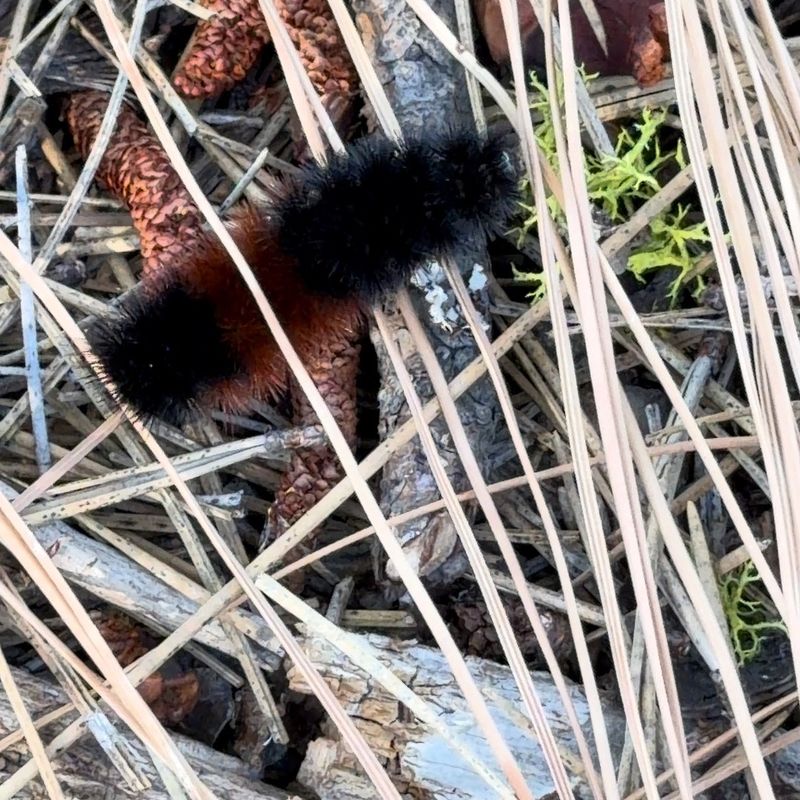
Raking every last leaf off the yard might look tidy, but it leaves woolly bears with nowhere to sleep. A few simple changes this fall can turn your Missouri yard into a cozy winter hotel for them.
Start by leaving a layer of leaves in flower beds, along fence lines, or under shrubs. That crunchy blanket protects overwintering caterpillars, and it also feeds the soil as it slowly breaks down.
A small brush pile or a couple of old logs in a back corner works wonders too. Woolly bears love tucking into loose bark and shaded crevices where the wind cannot reach them.
Hold off on heavy fall pesticide sprays, since they can harm caterpillars along with plenty of helpful insects. Skipping them also leaves more food and shelter for birds and other wildlife through the winter.
Leaving a patch of clover, plantain, or native grasses gives next season’s caterpillars an easy meal nearby. You do not need a wild jungle, just a few relaxed spots where nature can do its thing.
Driveway crossings may still happen, but shelter close to your yard means shorter, safer trips for the travelers. Slowing down when backing out of the garage on sunny October afternoons helps the little crawlers even more.
Think of it as good neighbor behavior for the smallest residents on your block this fall. Come spring, you may spot tiger moths fluttering near your porch light.