Why Pansies Stretch And Flop During A Warm North Carolina October
You planted those cheerful little pansy faces with such good intentions. Watered them in, stepped back, and fully expected a tidy, colorful carpet that would make the whole front bed look like a magazine cover.
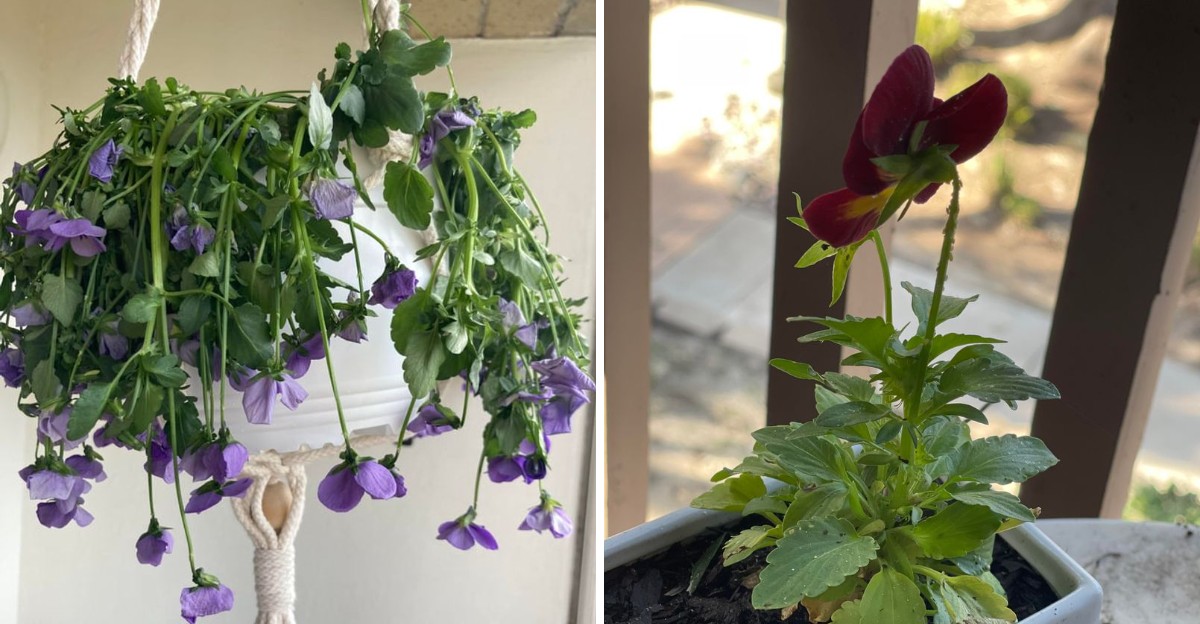
And then a week passed. Suddenly those same pansies look like they have completely given up on life, sprawling sideways with long wobbly stems and blooms drooping like they are waiting for someone to come rescue them.
Relatable, honestly, but not exactly the fall garden moment you had in mind. Here is the thing though: your pansies are not being dramatic, and you did not do anything wrong with the watering can.
The real culprit is that stubborn North Carolina heat that refuses to read the calendar and act like fall. The good news is that the fix is genuinely easier than you think.
1. Warm Nights Keep Pansies Growing Too Fast
Bears stuff themselves before a long winter nap. Your lawn does something similar each fall, just without the snacks you might expect.
Pansies grow best when nights dip into the 40s, but early October across much of North Carolina can still bring surprisingly warm nights, especially in the Piedmont and coastal areas where temperatures may not drop significantly until later in the month.
Warm nights push plants to burn energy instead of saving it. The result is fast, weak growth that stretches upward instead of filling out.
Plant scientists call the gap between day and night temperatures the DIF. When days and nights are both warm, stems grow longer between each leaf.
Growers in greenhouses actually cool the air at dawn just to keep plants short and tidy.
You cannot cool the whole sky, but you can make smarter choices. Waiting to plant until nights drop below 60 degrees helps a lot.
In the Piedmont, that often means mid to late October instead of late September.
Keep an eye on the local forecast for a string of cooler nights. A cheap outdoor thermometer on a fence post tells you what your yard is really doing.
Your backyard can run a few degrees warmer than the airport reading.
If your pansies are already in the ground, do not panic. Once real fall chill arrives, new growth tends to come in shorter and denser.
Pinching back the tallest stems now helps the plant catch up with sturdier shoots later in the season.
2. Too Little Sun Makes Pansies Reach
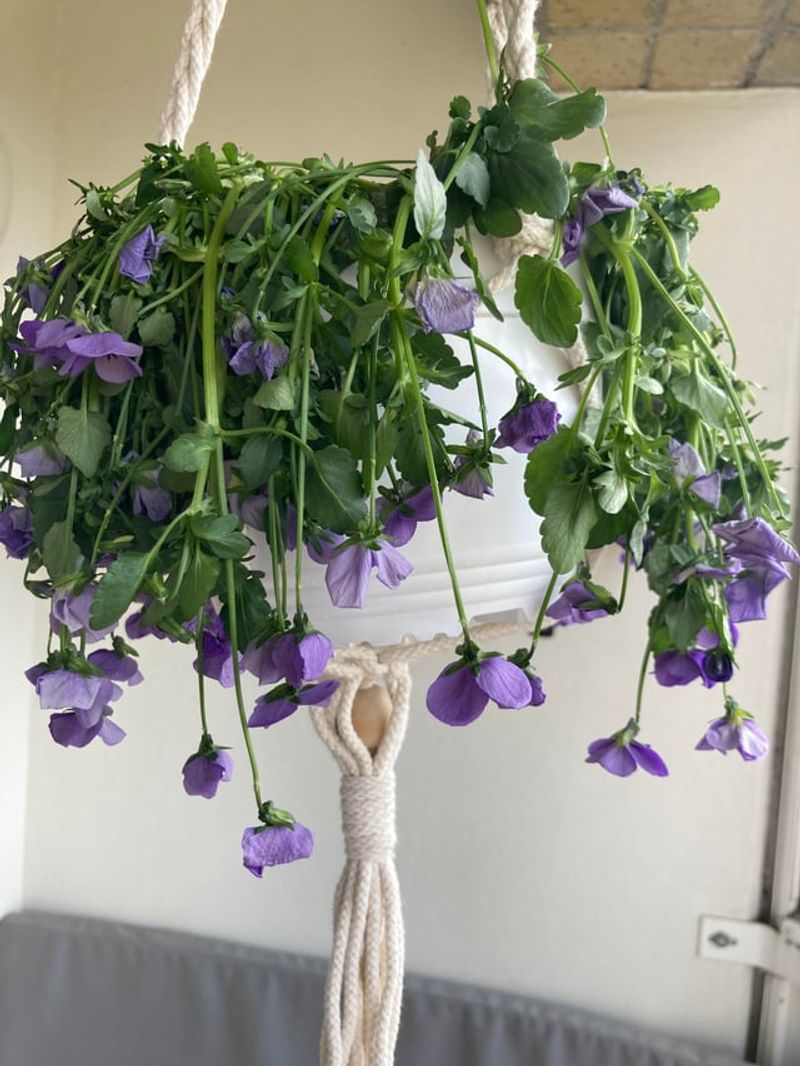
Ever notice how a houseplant leans toward the window? Pansies do something similar outdoors, and in a shady North Carolina yard they can stretch noticeably as they lean toward whatever light is available.
October sun sits lower in the sky than summer sun. Shadows from houses, fences, and big oaks get longer each week, even if the spot looked bright back in August.
Pansies want at least six hours of direct sun to stay compact. With less light, they build tall, thin stems and fewer flowers.
The plant is basically saying it needs more fuel.
Here is a simple test. On a sunny weekend, check your bed every two hours from morning to late afternoon.
Your North Carolina Garden Changes Every Week. Your Plan Should Too.
Gardening in North Carolina changes quickly throughout the season. Every Friday you’ll receive a simple weekly plan showing exactly what to plant, prune, fertilize, harvest, and protect so you never miss the right timing.
Jot down when it is in full sun and when it slips into shade.
If you count fewer than six hours, try these fixes:
Move pots to a brighter patio or driveway edge. Trim low branches that block the southern sky.
Save shady beds for violas, which handle less light a bit better.
Fun fact: pansies tend to lean and orient their growth toward the brightest available light during the day. Watching which direction your plants naturally lean is actually a handy way to figure out where the strongest light in your yard is coming from.
3. Heavy Feeding Leads To Soft, Floppy Stems
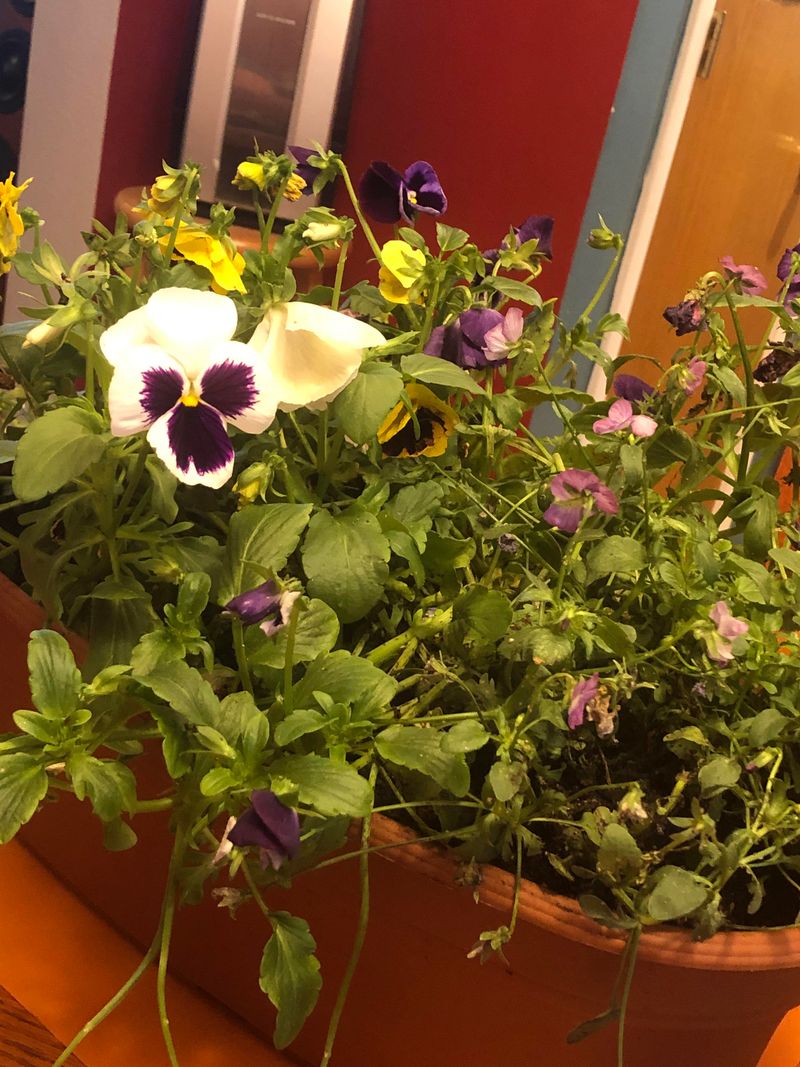
Sometimes a floppy pansy is a sign that something is quietly bothering it. Humid, warm fall days in North Carolina are perfect for several troublemakers.
Root rot fungi, like Pythium and Thielaviopsis, thrive in wet, warm soil. They damage roots, so plants wilt even when the ground is damp.
Stems may darken near the soil line.
Leaf spot diseases also show up during muggy weather. Small brown or purple spots spread across leaves, and the plant loses strength over time.
Tiny pests play a role too. Aphids cluster on new growth and suck plant juices.
Slugs chew ragged holes at night and leave shiny trails on the mulch.
Here is a quick checkup routine:
Look under leaves once a week for aphids. Pull one plant gently to check that roots look white, not brown and mushy.
Clear away fallen leaves and old blooms that hold moisture.
A strong blast of water knocks off aphids easily. Insecticidal soap works for bigger groups.
Slug bait made with iron phosphate is a safer choice around pets.
If a plant has brown, mushy roots, pull it, seal it in a bag, and toss it in the trash rather than the compost. Pathogens like Thielaviopsis can be surprisingly persistent, and bagging the plant before disposal helps protect the rest of your bed.
Replacing a few affected plants early gives the rest of the bed a much better chance of staying healthy through the season.
4. Overwatering Pansies In Warm Weather
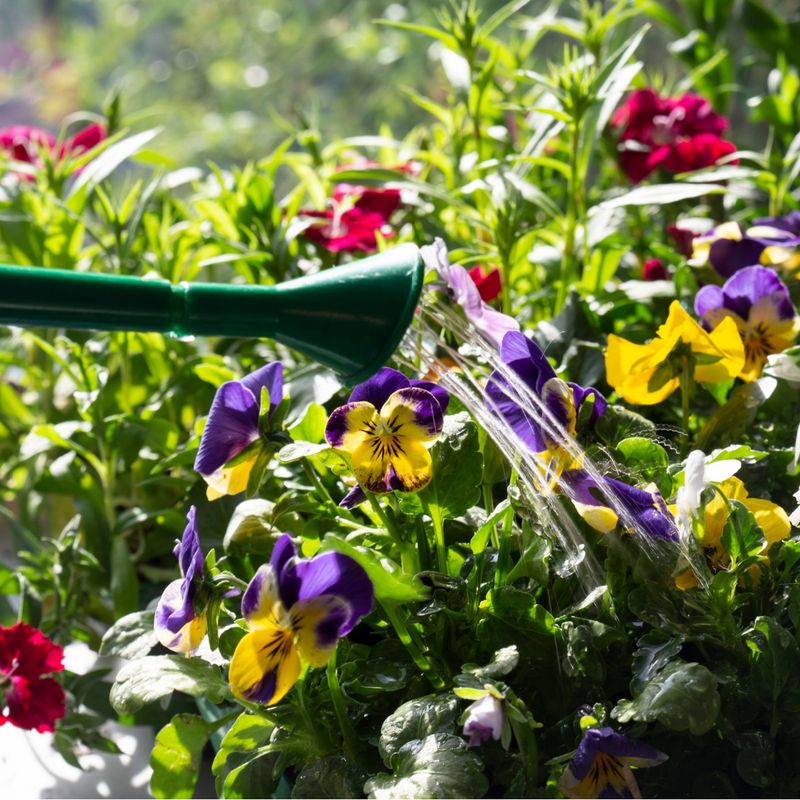
Soggy soil is sneaky. When pansies flop on a warm North Carolina afternoon, the first instinct is to grab the hose, but more water can make things worse.
Pansies wilt a bit in afternoon heat just to protect themselves. By evening, many perk right back up without any help.
Extra watering on top of that can leave roots sitting in wet, airless soil.
Roots need oxygen as much as they need water. In heavy red clay, water drains slowly, and waterlogged roots cannot support strong stems.
Weak roots lead to weak, leaning tops.
Try the finger test before watering. Push a finger about an inch into the soil.
If it feels damp, wait another day. If it feels dry, water deeply at the base of the plants in the morning.
Morning watering gives leaves time to dry before night. Wet foliage in warm evenings invites fungus problems that also cause floppy growth.
For clay beds, mixing in compost or pine bark fines before planting helps a lot. Raised beds or mounded rows drain even better.
Container pansies need pots with drainage holes, and saucers should be emptied after rain so roots are not soaking all week.
5. Crowded Plantings Cause Stretching
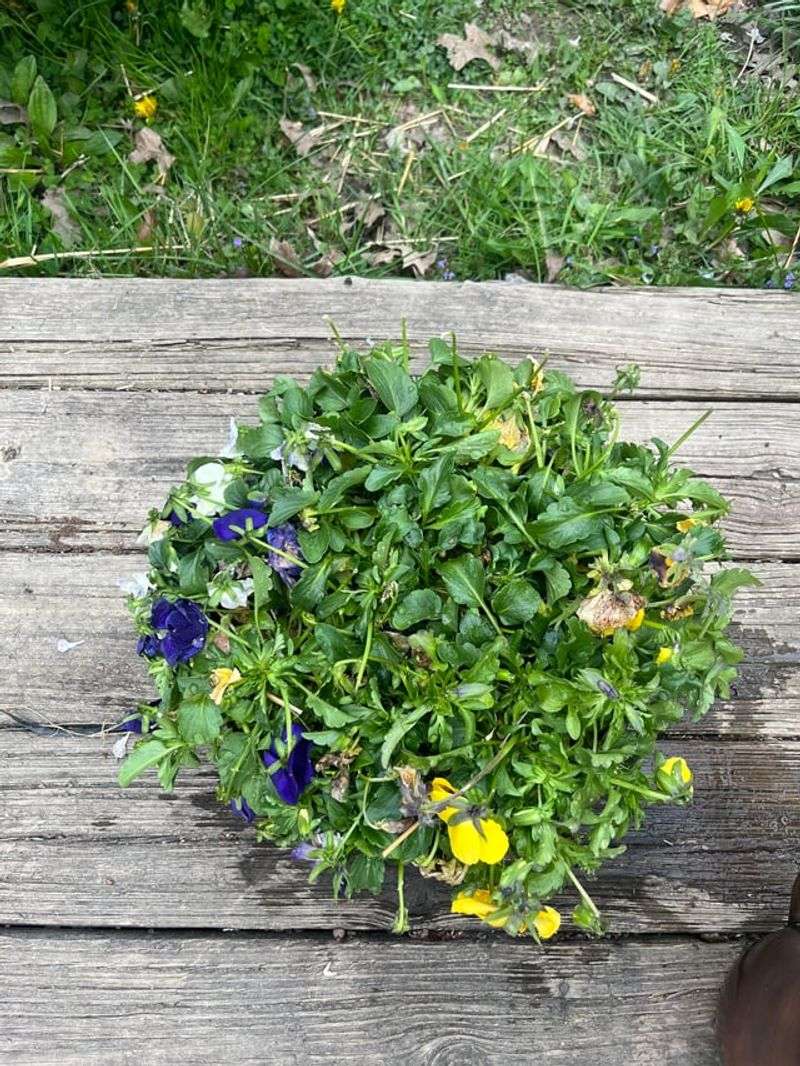
Think of a crowded school hallway where everyone stands on tiptoe to see. Pansies packed too tightly do something similar, stretching up to beat their neighbors to the light.
It is tempting to plant close for instant color, especially near a front walk in North Carolina where curb appeal matters. But tight spacing traps warm, still air between plants and blocks light from lower leaves.
A good rule is six to ten inches between pansy plants in the ground. That feels sparse at first, yet healthy pansies spread out and fill the gaps by late fall.
Give them room, and they grow wide instead of tall.
Crowding also slows airflow. Damp, stuffy conditions invite leaf spots and stem rot, which make plants lean and look ragged.
Good spacing is like opening a window for your flower bed.
If your bed is already jammed, you can fix it. Gently lift every third plant with a trowel and move it to a pot or another bed.
Water the moved plants well, and they usually bounce back within days.
For containers, three plants in a 12 inch pot is plenty. Mix in a trailing plant like ivy or creeping jenny to cover the edges without adding more competition up top.
6. Planting Too Early Sets Pansies Up To Flop
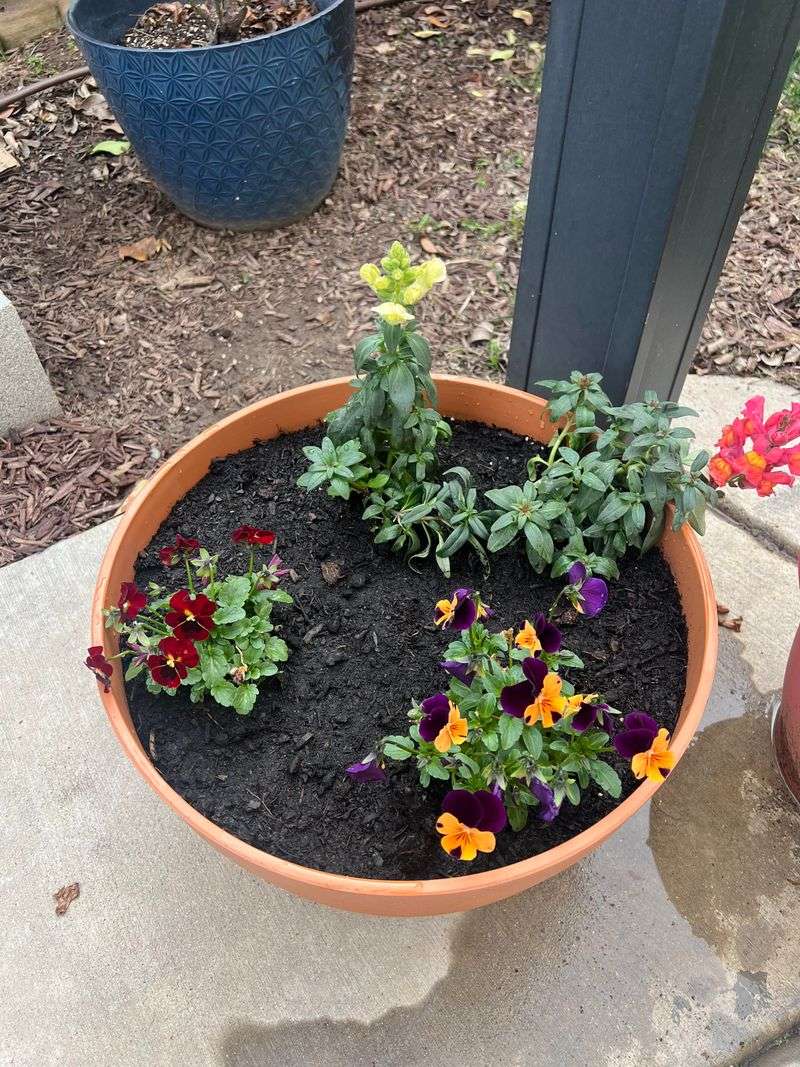
Garden centers across North Carolina roll out pansies as soon as September arrives. Those colorful flats look like fall in a box, and it is hard to walk past them.
Early planting sounds smart, but warm soil and air push young plants into fast, stretchy growth. Plants set out in late September often look lanky by Halloween.
Timing depends on where you live. In the mountains, late September to early October works well.
The Piedmont does best from about October 1 through early November. Coastal gardeners can wait until late October or even November.
Soil temperature is a helpful guide. Pansies root best when soil sits between 45 and 65 degrees.
A cheap soil thermometer pushed four inches deep gives a quick answer.
Planting at the right time has another bonus. Roots grow strong before winter, so plants handle cold snaps better and bloom again in spring.
Late winter color is a big reward for a little patience.
If you already bought flats, keep them in their trays in a spot with morning sun and afternoon shade. Water when the soil feels dry.
Holding them a week or two is fine until the forecast turns cooler.
7. Root-Bound Transplants Struggle In A Warm North Carolina Fall
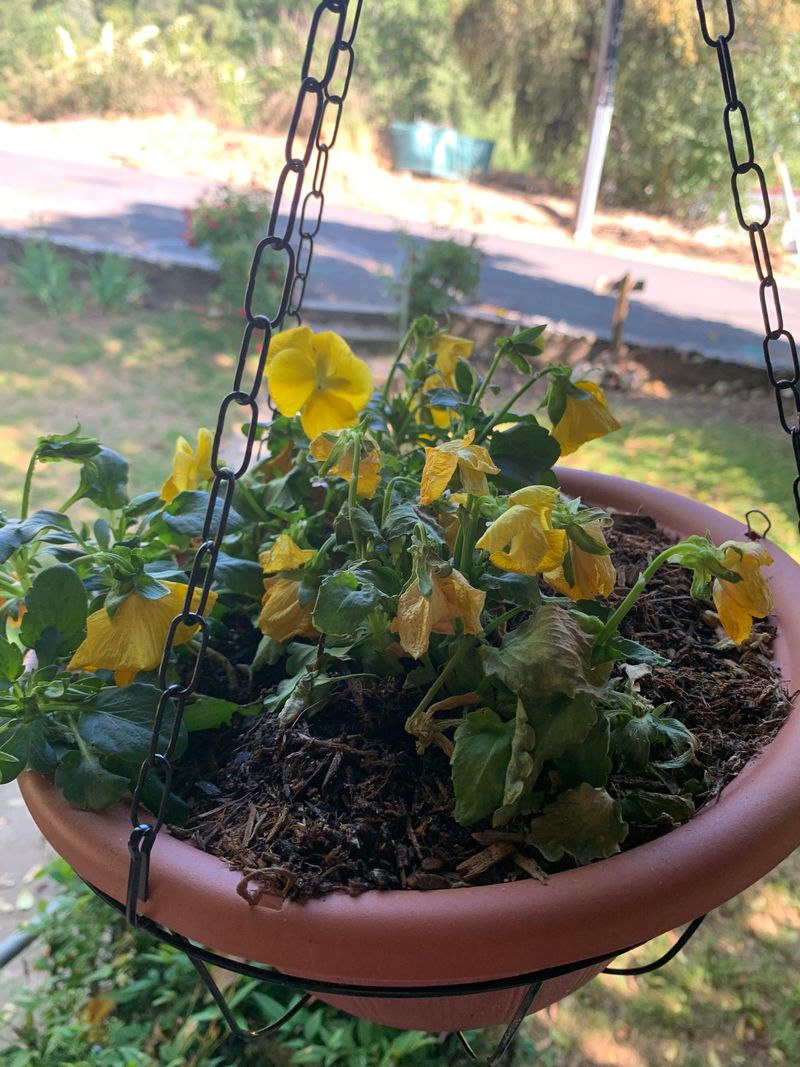
Slide a pansy out of its cell pack and you might find a tight white knot of roots. That tangle can be one hidden reason plants flop soon after planting.
Roots circling around the pot keep growing in circles, even in the ground. They struggle to reach out for water and nutrients, especially when a warm North Carolina week dries the top of the soil quickly.
A plant with weak roots cannot support its top. Stems lean, flowers droop, and the whole thing looks thirsty no matter how often you water.
Luckily, the fix takes seconds. Gently squeeze the cell to loosen the plant.
Then use your fingers to tease apart the outer roots, or make two or three shallow cuts up the sides with a clean knife.
Plant pansies at the same depth they sat in the pack. Burying the crown too deep can lead to rot, while planting too high lets roots dry out.
When shopping, choose short, bushy plants with more buds than open flowers. Pale, stretched plants in the back of the display have often been sitting too long.
A quick peek at the bottom of the pack shows whether roots are healthy and white or brown and crowded.
8. Disease And Pests Weaken Stems During Humid Falls
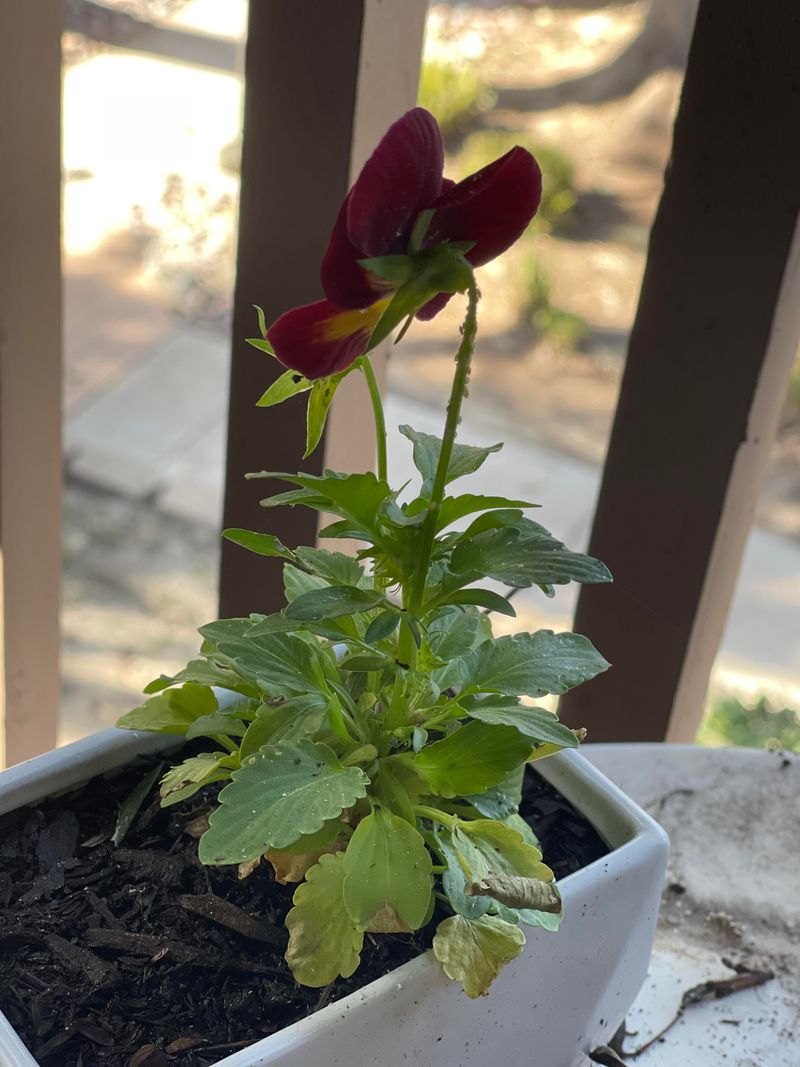
Sometimes a floppy pansy is a sign that something is quietly bothering it. Humid, warm fall days in North Carolina are perfect for several troublemakers.
Root rot fungi, like Pythium and Thielaviopsis, thrive in wet, warm soil. They damage roots, so plants wilt even when the ground is damp.
Stems may darken near the soil line.
Leaf spot diseases also show up during muggy weather. Small brown or purple spots spread across leaves, and the plant loses strength over time.
Tiny pests play a role too. Aphids cluster on new growth and suck plant juices.
Slugs chew ragged holes at night and leave shiny trails on the mulch.
Here is a quick checkup routine:
Look under leaves once a week for aphids. Pull one plant gently to check that roots look white, not brown and mushy.
Clear away fallen leaves and old blooms that hold moisture.
A strong blast of water knocks off aphids easily. Insecticidal soap works for bigger groups.
Slug bait made with iron phosphate is a safer choice around pets.
If a plant has brown, mushy roots, pull it and toss it in the trash, not the compost. Replacing a few sick plants early protects the rest of the bed.
9. Simple Fixes To Bring Floppy Pansies Back
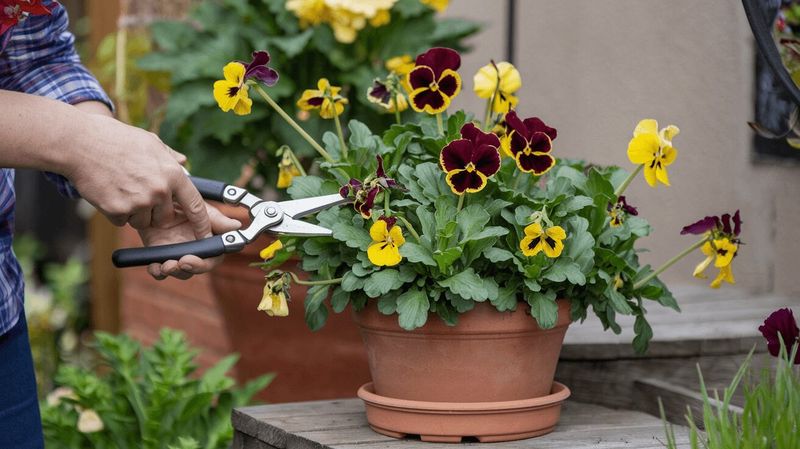
Good news first: most stretched pansies can be saved. With a few easy habits, your North Carolina bed can look full and bright again by Thanksgiving.
Start with a light trim. Pinch or snip the tallest stems back by about one third, just above a leaf.
The plant responds by sending out several shorter side shoots.
Deadheading helps as well. Removing faded flowers stops the plant from making seeds and pushes energy into new, compact blooms.
A quick walk with scissors every few days does the job.
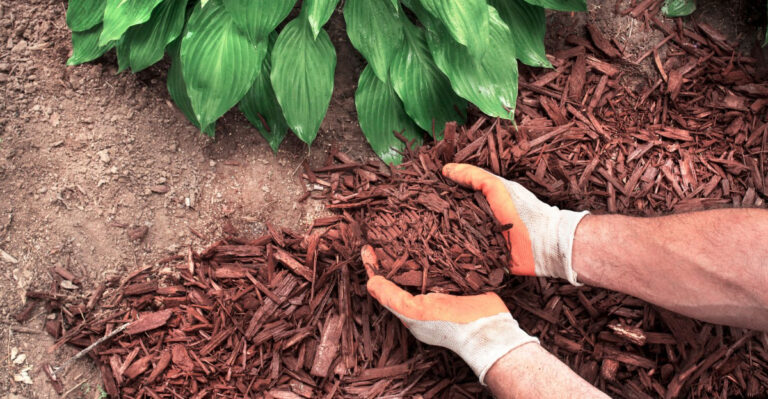
Next, add a two inch layer of pine straw or shredded bark around the plants. Mulch keeps roots cooler on warm days and holds steady moisture.
It also keeps mud from splashing onto leaves.
Hold back on fertilizer until nights turn cool. Then feed lightly every few weeks with a pansy formula.
For pots, move them to the sunniest spot you have. Rotate them a quarter turn each week so plants grow evenly instead of leaning one way.
Finally, be patient. Once true fall chill settles in, pansies usually tighten up on their own.
Many gardeners find that plants which looked messy in October turn into sturdy mounds of color that last right through spring.