Dahlias In Indiana Have A Short October Window Before The First Hard Frost Arrives
Early October in Indiana smells like crunchy leaves, wood smoke, and a garden that refuses to slow down. Bright blooms the size of dinner plates still glow along the fence like they missed the memo.
Mornings feel crisp enough to see your breath, yet afternoons still hand out warm sunshine for free. Bees drift lazily from petal to petal, acting like they have nowhere important to be today.
Then the weather app flashes a little snowflake icon, and gardeners across the state start paying close attention. One clear, calm night can turn a cheerful flower bed into a sad pile of black mush.
Indiana weather enjoys a good surprise, sometimes sneaking that first hard freeze in weeks before anyone expects it. A little timing knowledge ahead of the forecast turns panic into a calm, simple plan with time to spare.
My neighbor tried to save his whole garden one year by wrapping it in old bedsheets at midnight. By sunrise the yard looked like a sleepover gone wrong, and the flowers seemed honestly a bit embarrassed.
The Middle Of October Matters Most
Picture a calendar with a bright circle drawn around the middle of October, because that is when the cold starts to show up. Across most of Indiana, the first frost tends to arrive in mid to late October, and a hard freeze often follows in late October or early November.
Northern counties, especially inland areas away from the Lake Michigan shoreline, often see that cold snap a week earlier than others. Southern spots around Evansville and the Ohio River valley can sometimes hold out until late October or beyond.
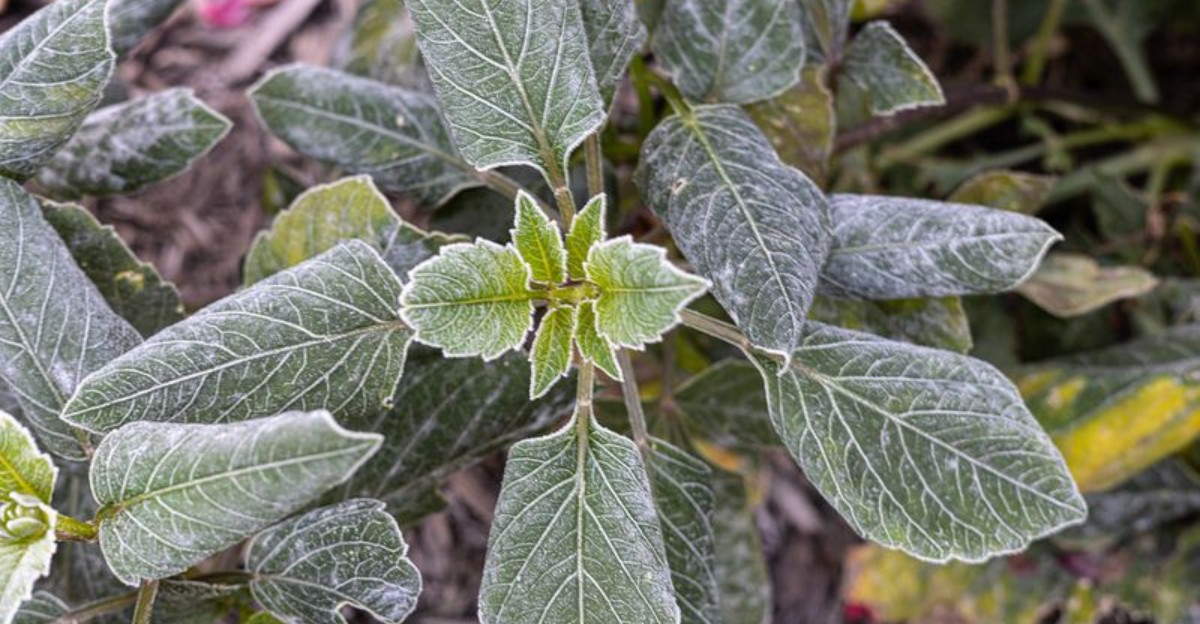
A hard frost means temperatures drop to about 28 degrees or lower for several hours during the night. A light frost near 32 degrees may only nip the top leaves, but the hard one reaches much deeper.
Your dahlias can keep blooming happily right up until that colder night, so there is no need to panic early. Many gardeners enjoy some of their biggest, brightest flowers during these cool, sunny days of early fall.
Cool nights can deepen petal colors, so reds often look richer and pinks look brighter in the morning light. That makes the October window a reward for patient growers, not just a race against the cold.
Check your local frost dates through the Purdue Extension website or your county extension office for better accuracy. Those dates are averages, so treat them like a helpful guess rather than a promise carved in stone.
Keep an eye on the ten day forecast starting the first week of October, especially after a cold front. Clear skies with little wind are the biggest warning sign, since heat escapes quickly from the ground overnight.
Cold Air Settling Over Indiana Gardens
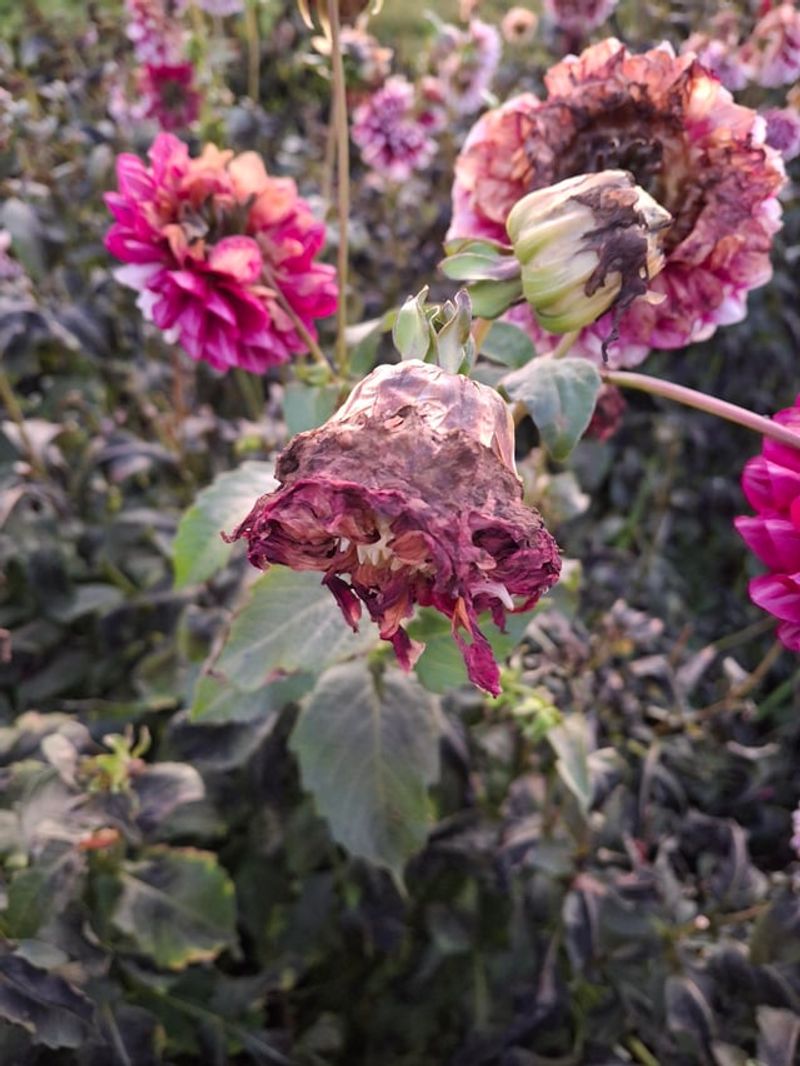
Here is a fun fact: dahlias first came from the mountains of Mexico and Central America long ago. They even serve as the national flower of Mexico, which explains their love of warm, sunny days.
Their thick, juicy stems and leaves hold a lot of water, and that water turns into ice when temperatures plunge. Ice crystals poke holes in plant cells, and the leaves soon turn black and droopy by the next afternoon.
Your Indiana Garden Changes Every Week. Your Plan Should Too.
Gardening in Indiana changes quickly throughout the season. Every Friday you’ll receive a simple weekly plan showing exactly what to plant, prune, fertilize, harvest, and protect so you never miss the right timing.
Cold air is heavier than warm air, sliding downhill to pool in low spots like water in a bowl. A dahlia bed at the bottom of a slope may freeze a night or two before one planted higher up.
Much of Indiana is wide, flat farmland, which lets chilly air spread out quickly across open ground after sunset. Gardens tucked beside a brick house or a row of tall shrubs often stay a few degrees warmer.
Walls soak up sunshine during the day and slowly release that stored heat during the long, quiet night. Clouds work like a fuzzy blanket too, trapping warmth close to the ground and protecting tender plants.
Watch for nights that are calm, clear, and dry, since those three conditions together bring the sharpest drops. Low humidity lets heat escape faster, which is why frost often sneaks in after a sunny, breezy October day.
Understanding these patterns helps you guess which corner of your yard will feel the bite first this month. Walk your garden on a chilly morning and notice where the grass looks silvery before anywhere else.
The Trouble With Rushing The Shovel
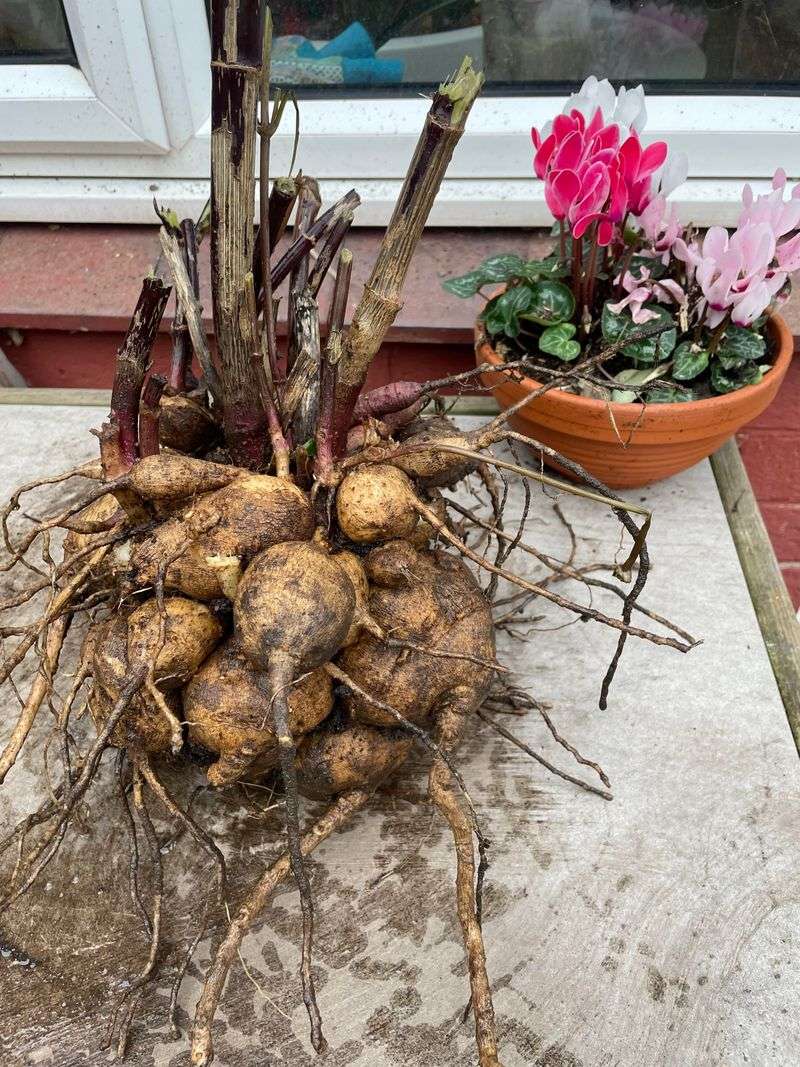
Every October, someone in the neighborhood grabs a shovel the moment the air feels a little nippy outside. Their heart is in the right place, but their dahlias are often not ready to leave the ground yet.
Tubers keep growing and storing energy as long as the green leaves above them are soaking up sunlight. Digging too soon is a bit like pulling cookies out of the oven before the middle has set.
Young tubers with thin, soft skins tend to shrivel up or rot during the long winter months in storage. Gardeners then open their storage bins in March and find wrinkly little raisins instead of plump, healthy clumps.
Another common slip is cutting the stalks down to the ground while they are still green and growing. Hollow stems left open can collect rainwater, which trickles down and invites rot right into the crown.
Skipping the rush also means more flowers for your kitchen table, which is a pretty sweet bonus in fall. Cut a few stems each morning and enjoy those bright colors indoors while the season winds down outside.
On the flip side, waiting too long after a hard freeze can also cause trouble for your tubers. Soggy, frozen ground in late November is muddy, heavy work, and damaged clumps rot faster in storage.
The sweet spot sits between those two mistakes, and patience is the main tool you need to find it. Let the frost make the first move, then follow up with your shovel about a week or two later.
Blackened Foliage Signals Digging Day
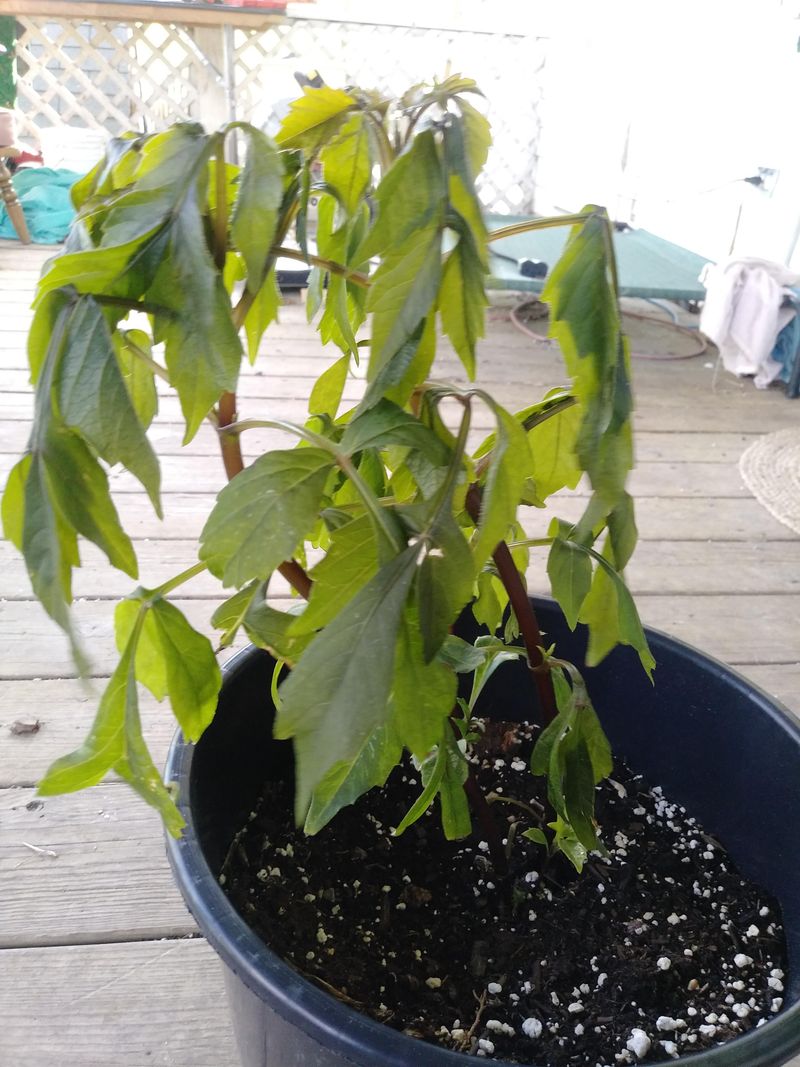
Ever walked outside after a frosty night and found your once proud dahlias looking like burnt toast? Believe it or not, that dark, slumped foliage is actually the signal you have been waiting for all month.
The freeze tells the tubers underground to stop growing and start toughening their skins for the winter ahead. Wait about seven to fourteen days after that blackening before you dig, giving the skins time to harden.
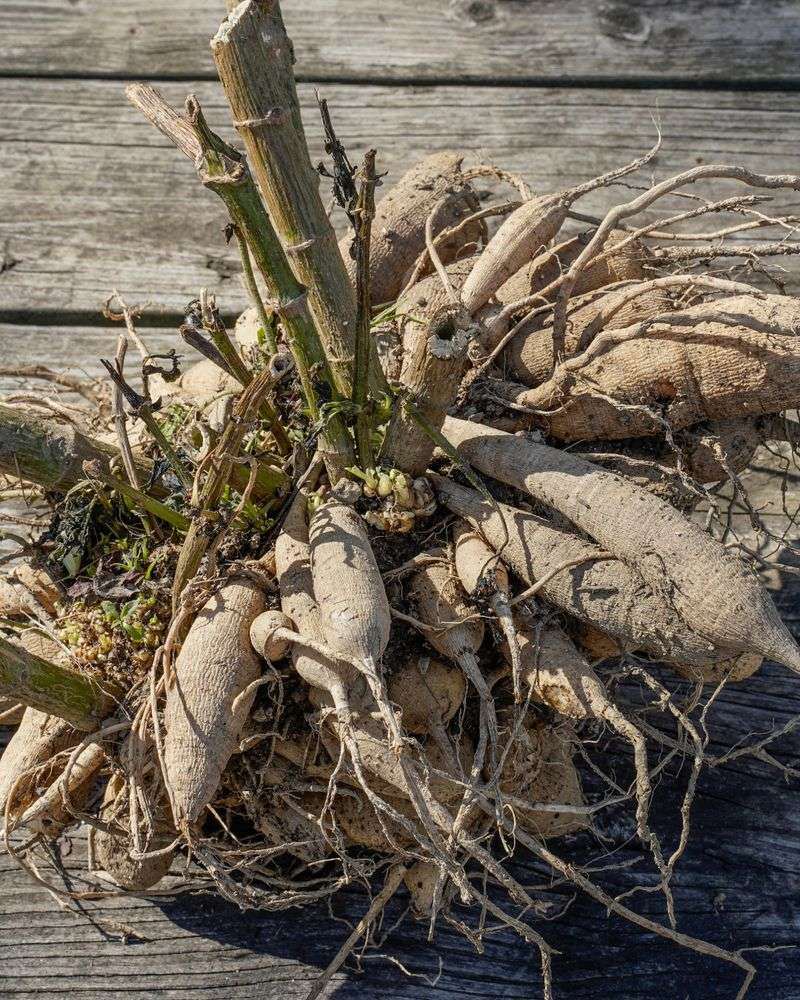
Once you are ready, cut the stalks back to about four to six inches tall using clean pruners. Those short stubs work like handles, and they help you remember which plant is which later on.
Start digging in a wide circle about a foot away from the stem to avoid slicing into the clump. A garden fork works better than a sharp spade, since its tines gently loosen soil without cutting tubers.
Lift the whole clump slowly from underneath rather than yanking the stem, which can snap the fragile necks. Each tuber needs its neck connected to the crown, because that spot holds the eyes that sprout next year.
If a hard freeze has not arrived by early November, you can still dig once the foliage starts fading. Some southern Indiana gardeners cut the stalks first and wait a week, which mimics the toughening effect of frost.
Pick a dry, mild afternoon for the job so the soil crumbles away easily instead of clinging in clumps. Bring along a marker and some plant tags, because most tubers look alike once the flowers are gone.
Clean Tubers Ready For Winter Storage
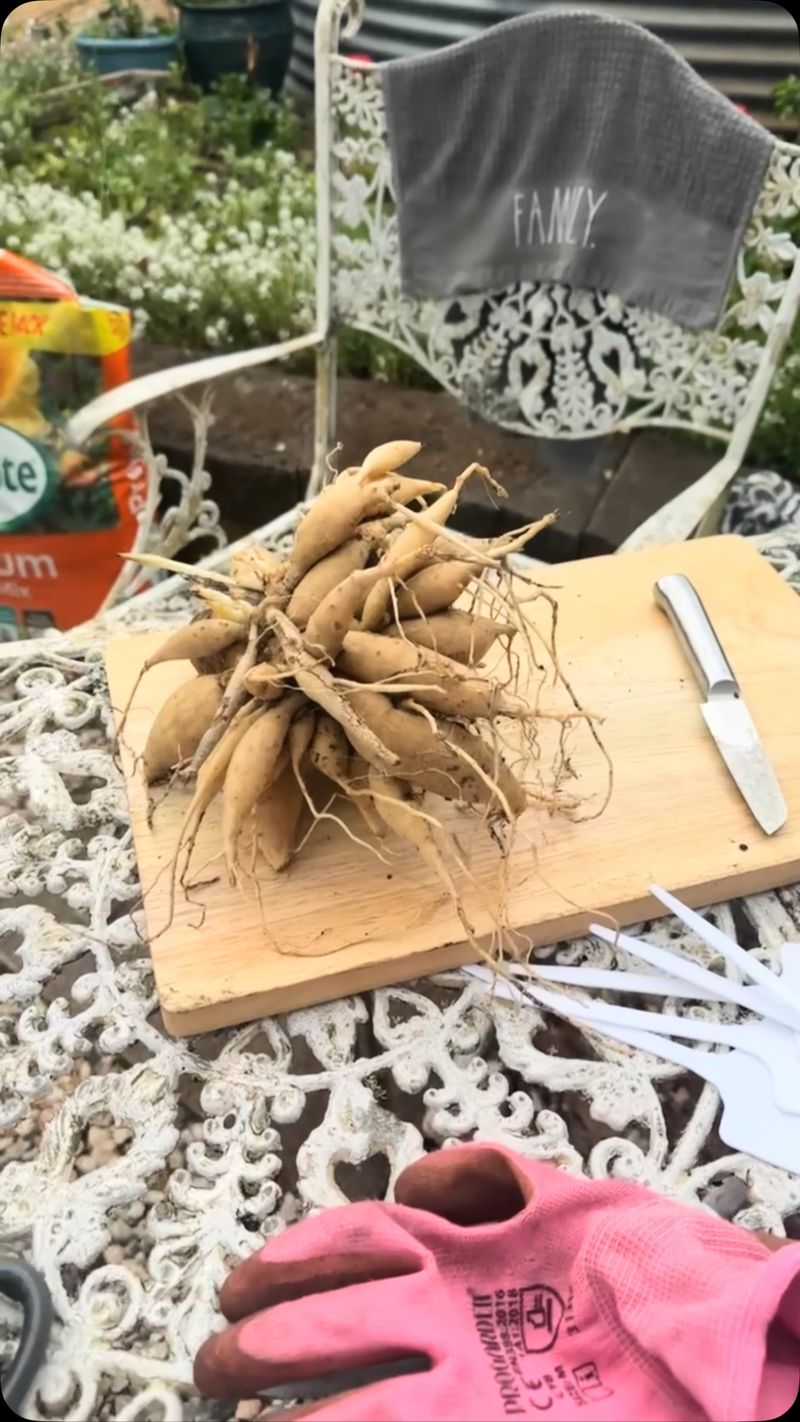
A single healthy dahlia clump often produces five to ten new tubers by fall, which feels like finding buried treasure. Keeping that treasure safe through a long Indiana winter takes a little care, but nothing fancy or expensive.
Gently rinse away the soil with a garden hose, or simply brush it off if your soil is dry. Look closely for soft, mushy, or moldy spots, and trim those sections away with a clean, sharp knife.
Let the clumps air dry upside down for a day or two in a garage, shed, or covered porch. Turning them upside down helps water drain from the hollow stems, which reduces the chance of rot later.
Next, tuck the tubers into a plastic bin or cardboard box filled with slightly damp peat moss or wood shavings. Vermiculite and coarse sand also work well, since they hold just enough moisture to stop the tubers shriveling.
The ideal storage spot stays between 40 and 50 degrees, like an unheated basement or an insulated garage corner. Avoid places that dip below freezing, because one icy January night can turn your hard work into mush.
Label each box with the variety name and color, using a permanent marker that will not smear over time. Future you will be grateful when planting season arrives and every tuber looks like the same brown potato.
Peek inside your boxes about once a month during the winter, checking for wrinkles or fuzzy gray mold. Mist shriveled tubers with a little water, and remove any moldy ones before the trouble spreads to neighbors.
A Spring Plan Starts This Fall
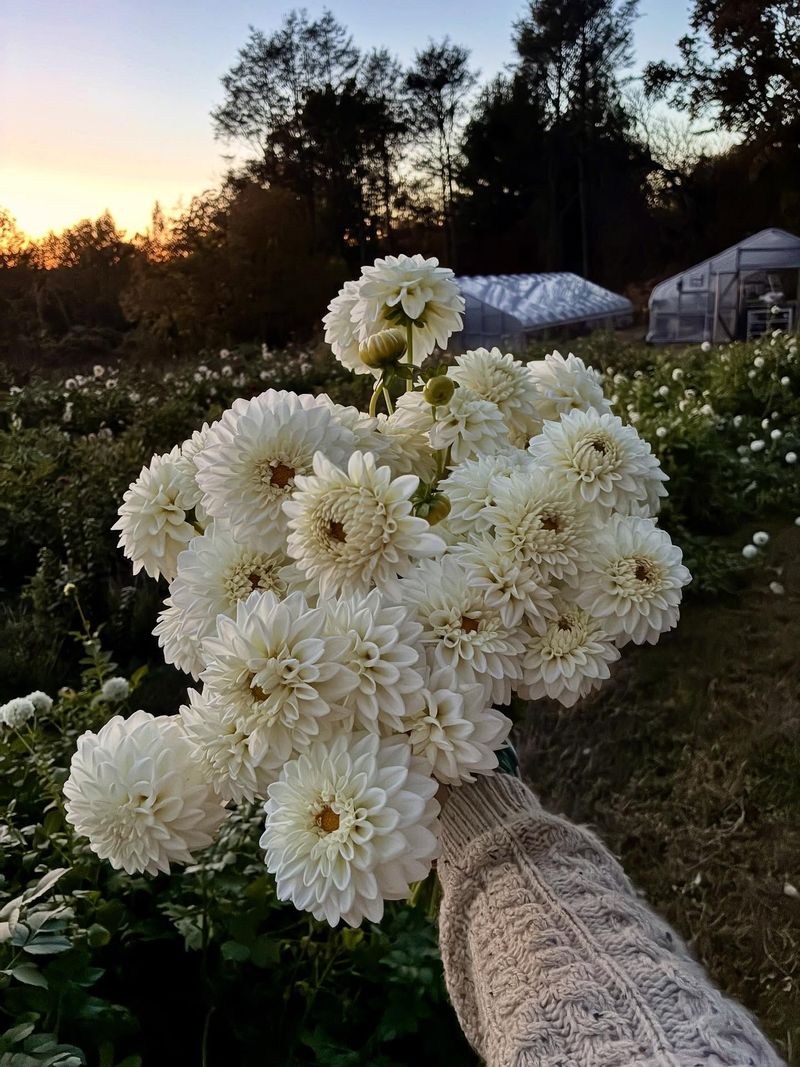
Old gardeners like to say that next year’s garden begins the moment this year’s flowers fade away. My grandmother kept a worn notebook on her porch, filling it with dahlia notes every single October.
Jot down which varieties bloomed best, which ones flopped, and which spots in your yard stayed sunniest. Snap a few photos of your favorite blooms now, since memories get fuzzy by the time catalogs arrive.
Note the date of your first hard frost this year, then compare it with the dates from past seasons. Over time, you will build a personal frost record that fits your exact backyard better than a general chart.
Think about moving next year’s dahlia bed to higher ground or closer to a sunny, sheltering wall. Even a few extra frost free nights can mean another round of bright, dinner plate blooms in October.
Keep an old bedsheet or frost cloth handy near the back door for surprise cold nights early in the month. Draping it over the plants in the evening can buy a few extra days of blooms, sometimes more, before a hard freeze.
Choosing early blooming varieties also helps, since they reach peak flowering well before the October cold settles in. Smaller types like ball, pompon, and collarette dahlias often bloom sooner than the giant dinner plate kinds.
Starting tubers indoors in pots about a month before the last spring frost gives them a valuable head start. Those extra weeks of growth mean bigger plants, earlier flowers, and a longer show before next October arrives.