Pull This Tiny Georgia Weed Now Before Its Seed Pods Burst This Spring
Tiny weeds are easy to ignore in fall, especially when they barely rise above the mulch. One of the smallest ones is also among the fastest to spread come spring.
It sprouts in cool weather and quietly settles into beds and pots while everything else in the yard slows down.
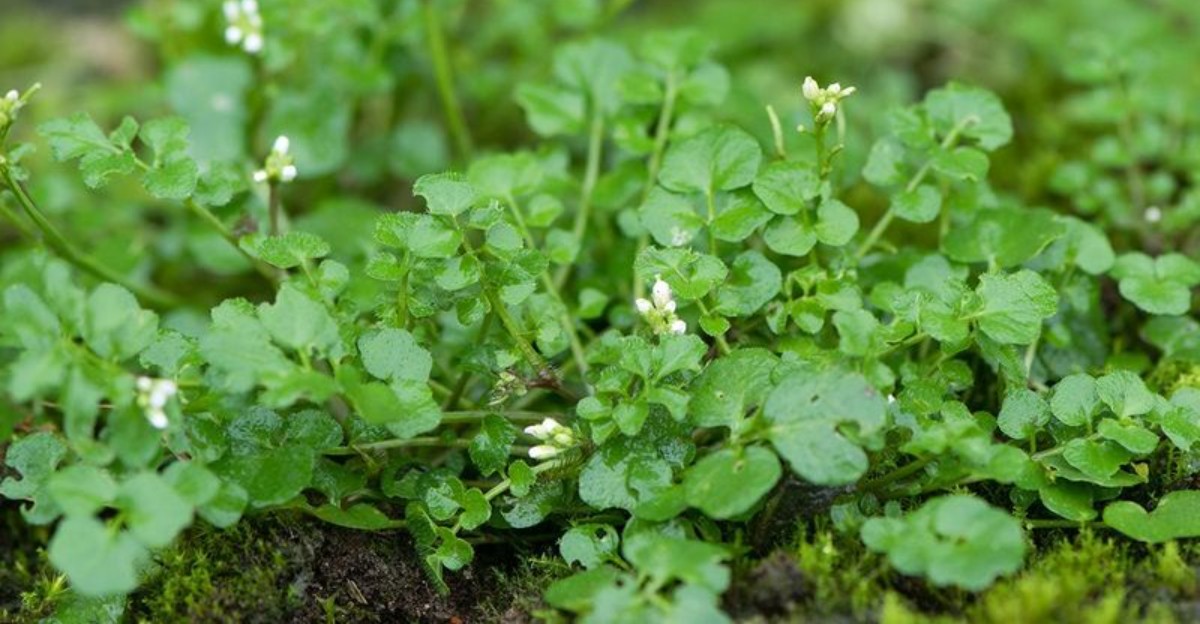
By the time you notice its little white flowers in spring, seed pods are usually already forming.
Those pods burst open when touched or fully ripe, scattering seeds across the bed. Brushing past one while weeding can actually help it spread.
Many Georgia gardeners end up fighting it season after season because they wait until spring to deal with it.
Pulling it now, while the plants are small and the roots are shallow, saves you a lot of trouble later.
1. A Low Rosette Hiding In Mulch And Lawn Edges This Fall
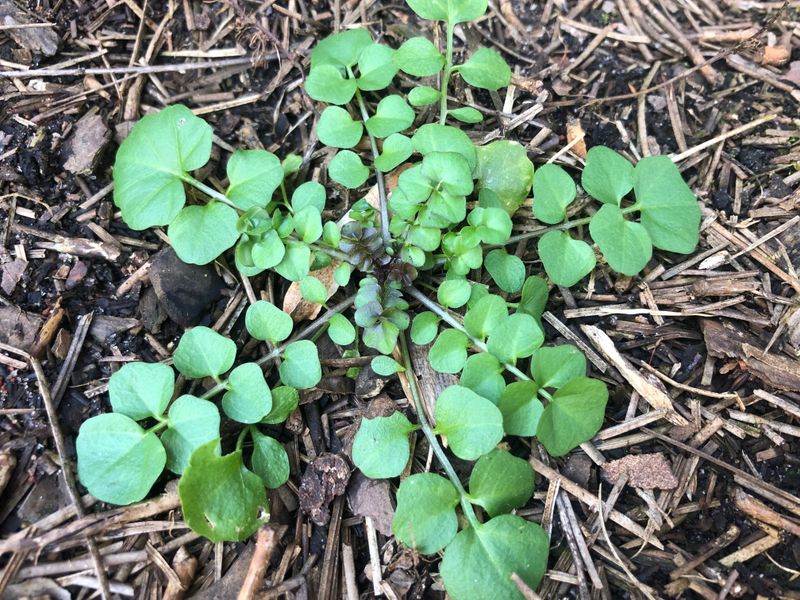
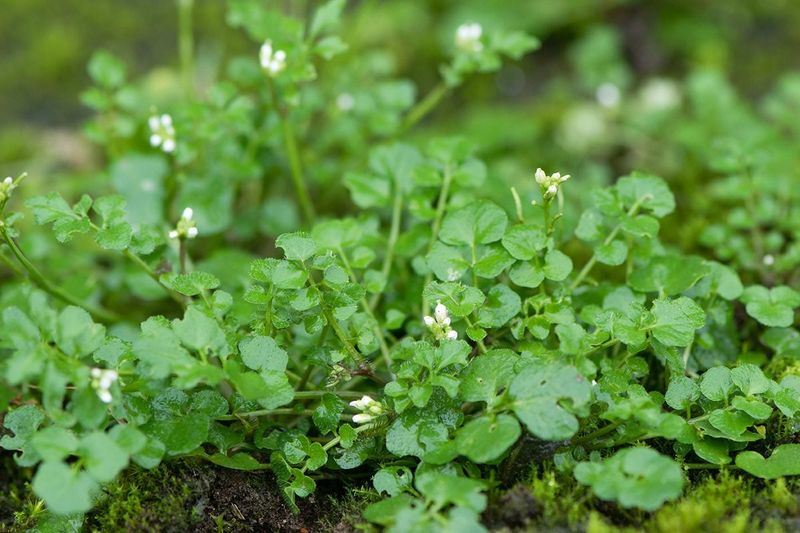
Look down at the edge of your flower bed and you might spot a flat little circle of leaves. That circle is hairy bittercress, and it often shows up in fall once nights start cooling off.
Each rosette is made of small leaves divided into rounded leaflets, with the end leaflet usually a bit larger than the rest.
Plants tend to stay low, often just an inch or two tall and a few inches wide. Because they hug the ground, they blend into pine straw, bark mulch, and thin turf pretty easily.
Lawn edges, sidewalk cracks, and bare spots between shrubs are favorite hiding places.
Across much of Georgia, gardeners notice these rosettes from late fall into winter, though exact timing shifts with rain and temperature. A warm, dry fall can delay them a bit.
Tiny hairs on the upper leaf surface give the plant its name, but you may need to look closely to see them.
A quick tip is to walk your beds after a rain, when the green leaves stand out against darker mulch. Pulling a handful at this stage takes seconds, and the roots are usually small and shallow.
Getting familiar with the rosette shape now makes the rest of the season much easier to manage.
2. Its Cool Season Growth Leads To Spring Seed Production
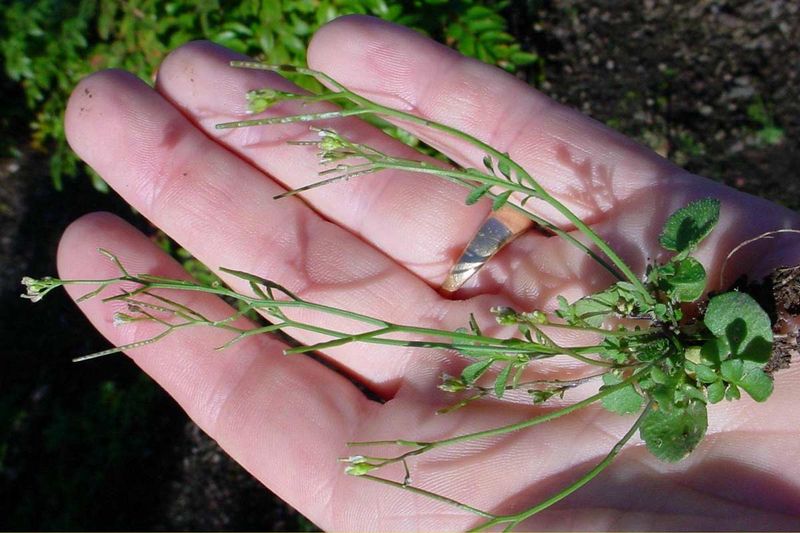
Winter is when hairy bittercress does its real work. While your summer plants rest, this weed quietly grows roots and leaves during mild spells.
Botanists call it a winter annual, meaning it sprouts in the cool months and finishes its life cycle by late spring.
Georgia winters are usually mild enough for it to keep growing between cold snaps. In many parts of the state, flowers can appear as early as February, and sometimes sooner in the southern counties.
Blooms are tiny, white, and have four petals, sitting on thin stems that rise above the rosette.
Soon after flowering, skinny green pods form along those stems and point upward. A single plant can make a surprising number of seeds, often reported in the hundreds or more depending on its size.
Once warm weather settles in, the plant fades on its own, which fools some gardeners into thinking the problem is gone.
Your Georgia Garden Changes Every Week. Your Plan Should Too.
Gardening in Georgia changes quickly throughout the season. Every Friday you’ll receive a simple weekly plan showing exactly what to plant, prune, fertilize, harvest, and protect so you never miss the right timing.
Seeds left behind wait in the soil through summer. When fall returns with cooler temperatures and moisture, a fresh round of seedlings may sprout.
Knowing this rhythm helps you pick the best weeding window, which is before those white flowers turn into mature pods.
3. Touch A Ripe Pod And Seeds Go Flying
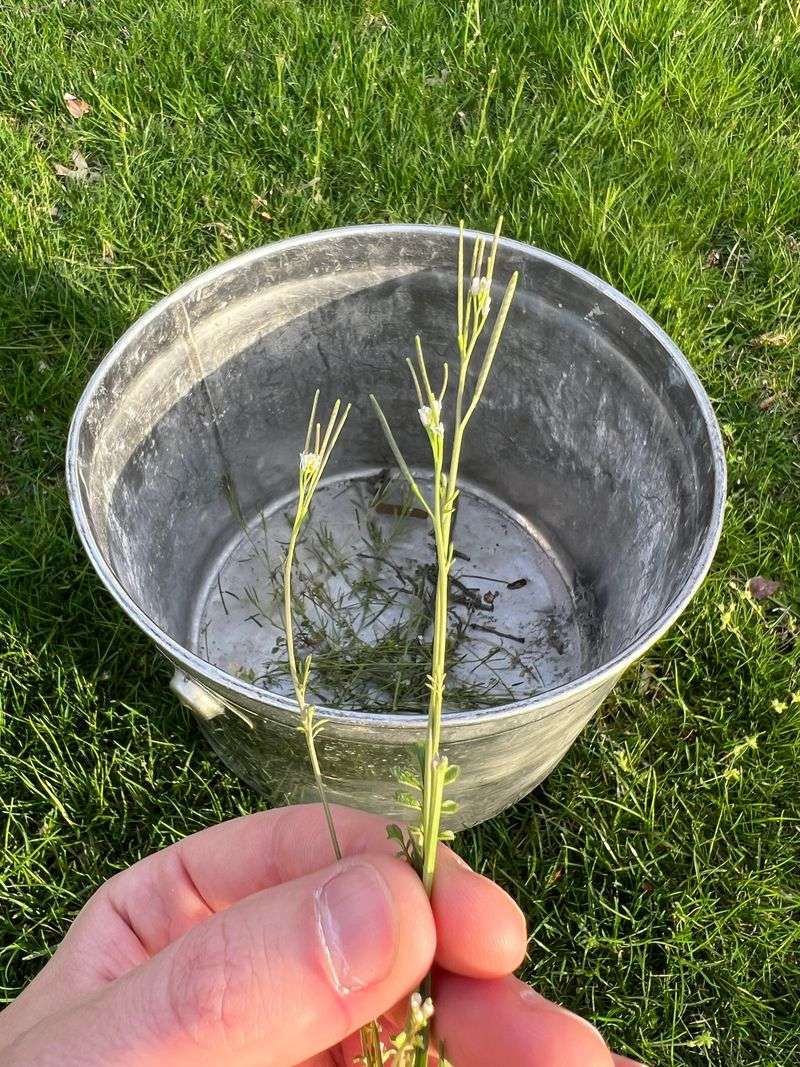
Brush against a mature plant and you might feel tiny seeds pelt your hand. It surprises nearly everyone the first time.
Ripe pods split open and coil back quickly, flinging seeds away from the parent plant.
Reports often mention seeds traveling a few feet, though distance depends on pod ripeness and how the plant is disturbed. That little launch is why one patch can spread across a bed in a single season.
Some gardeners have even caught seeds in the eye while weeding late in spring.
Timing your weeding makes all the difference. If the pods are still green and firm, pulling the plant is fairly safe because few seeds are ready.
Once pods look tan or brittle, handle plants gently and slowly.
Try cupping the whole plant in your hand or slipping a plastic bag over it before you pull. Drop it straight into a bin rather than tossing it onto a compost pile, since seeds may survive in a cool home compost.
Here in Georgia, pods can start ripening in late winter during warm stretches, so checking beds weekly in February and March is a smart habit.
Catching plants before that explosive stage keeps the next crop much smaller.
4. Potted Nursery Plants Sometimes Bring It Home
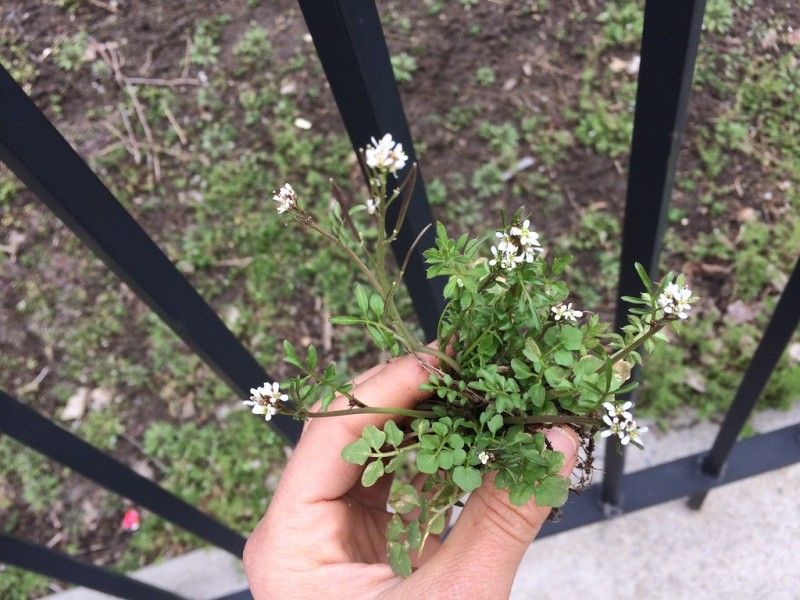
Your new shrub may have come with a free hitchhiker. Hairy bittercress is well known in the nursery trade because it loves moist, regularly watered container soil.
Greenhouses and garden center benches offer the damp, sheltered conditions it enjoys.
Before buying, take a quick peek at the soil surface in each pot. Small rosettes or thin flower stems are easy to spot once you know the shape.
Not every nursery has this issue, and plenty of growers work hard to keep pots clean.
Still, it helps to check when shopping at a busy Georgia garden center in late winter or early spring. That timing lines up with when the weed flowers and sets seed in containers.
If you spot a weed, simply pull it before the plant leaves the parking lot.
At home, scrape off the top half inch of potting mix before planting if you see seedlings or pods. Tossing that thin layer in the trash removes many seeds that could otherwise spread into your beds.
Keep new plants in one spot for a week or two and watch for any sprouts.
Small steps like these stop the weed from moving into a yard that never had it before.
5. With Soil Still Moist, Plants Are Easier To Pull
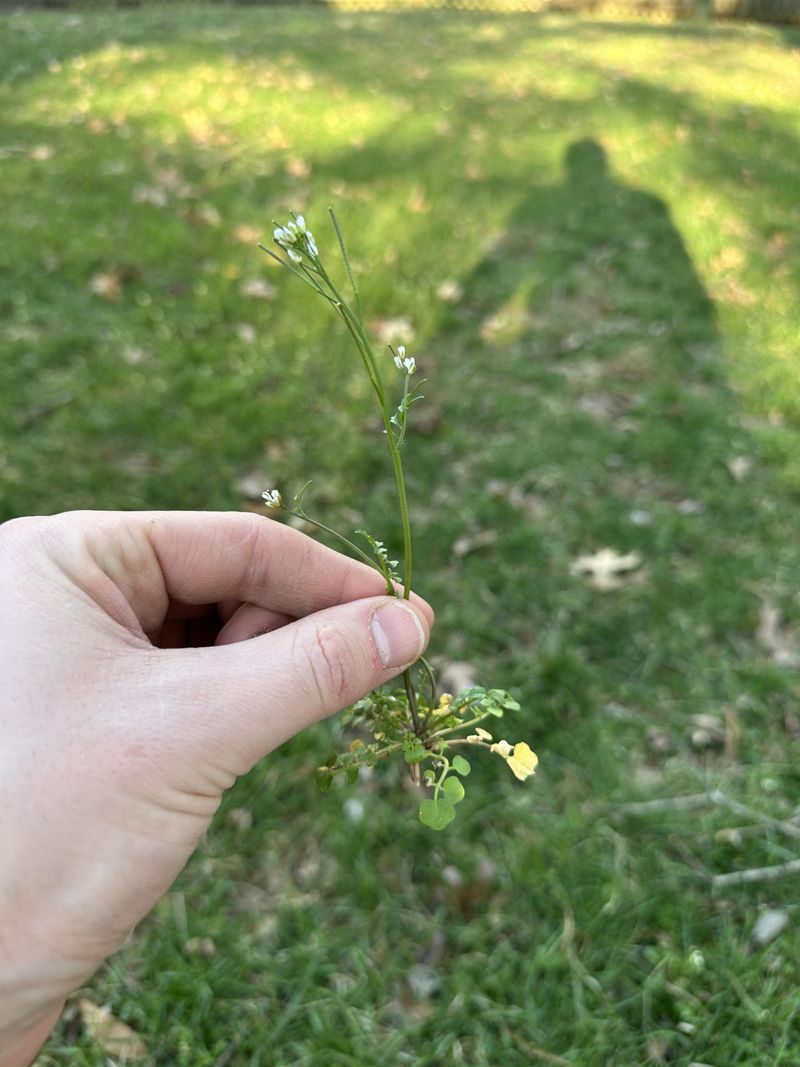
Damp ground is your best weeding partner. After a soaking rain, hairy bittercress slides out with its roots attached far more often than it does from dry soil.
Its roots are shallow and fairly thin, so they rarely put up much of a fight.
Georgia often gets steady winter and early spring rain, which gives you plenty of good chances. Aim for a day or two after rainfall, when the soil is moist but not muddy.
Grab the plant at its base, right where the leaves meet the soil, and pull slowly.
Yanking the top usually snaps the stem and leaves the root behind. A gentle, steady tug tends to bring up the whole plant in one piece.
A narrow hand weeder or an old fork can help in heavy red clay.
Skip deep digging when you can, since turning soil may bring buried seeds up to the surface. Light, targeted pulling disturbs less ground and gives new seeds fewer chances to sprout.
Working in short sessions, maybe fifteen minutes at a time, keeps the job manageable and your back happier.
Toss pulled plants in a bag right away so any ripe pods stay contained.
6. Leaving Even A Few Behind Can Restart The Cycle
Missing just one plant sounds harmless, right? Unfortunately, a single healthy bittercress can scatter enough seed to fill a good part of a flower bed.
Short life cycles let this weed bounce back fast after incomplete weeding.
Gardeners across Georgia often notice the weed returning in the same spots year after year. Usually, a few plants slipped by in spring and quietly refilled the soil with seed.
Check the less obvious places, like along stepping stones, under shrub branches, and around downspouts.
Small plants can still flower, even when they look stunted. A rosette the size of a quarter may push up a stem and produce pods if left alone.
Do a follow-up walk about a week after your first weeding session.
Fresh eyes often catch plants you missed, especially ones hiding under leaves or pine straw. Mark trouble areas in your mind, or even with a small stake, so you remember to look there next fall.
Neighboring yards can also send seeds your way, so perfect control may not be realistic.
Consistency matters more than perfection, and steady effort over a few seasons usually shrinks the seed supply noticeably.
7. Thick Mulch And Early Weeding Can Limit The Next Crop
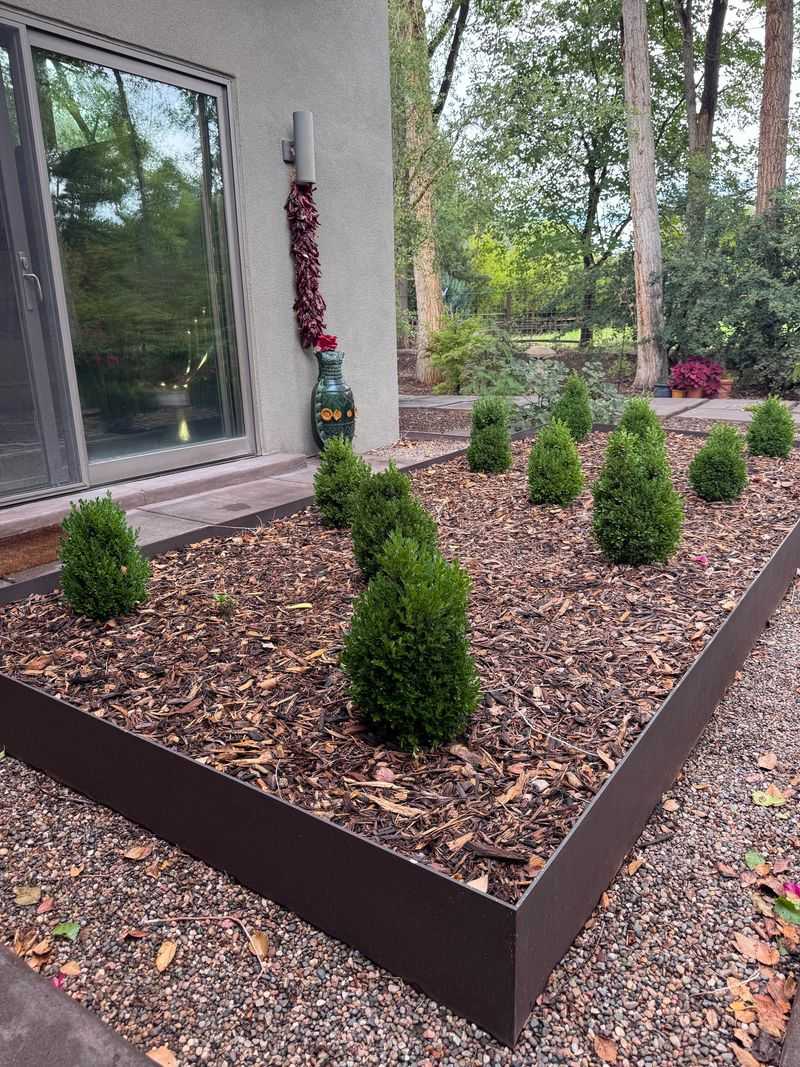
Prevention starts long before spring. A fresh layer of mulch in fall can block light from reaching many bittercress seeds on the soil surface.
Most extension guides suggest keeping mulch around two to three inches deep in landscape beds.
Pine straw and shredded bark are both popular choices in Georgia and work well for this job. Keep mulch pulled a few inches away from tree trunks and shrub stems to avoid moisture problems.
Mulch won’t stop every seed, especially ones that land on top of it later.
Pair it with an early weeding schedule, starting when the first rosettes appear in late fall. Young plants are tiny and pull out easily, well before they have any chance to flower.
Some gardeners also use a preemergent herbicide in early fall, applied before seeds sprout.
If you go that route, read the label carefully and check that it is safe for your specific plants. Local county extension offices can help you choose products and timing that suit your area.
Healthy, thick lawn grass also leaves fewer bare spots for seeds to take hold.
Combining these habits won’t erase the weed overnight, but each year the job should feel a little lighter.