What To Do When Armadillos Start Tunneling Under A Georgia Porch Or Slab
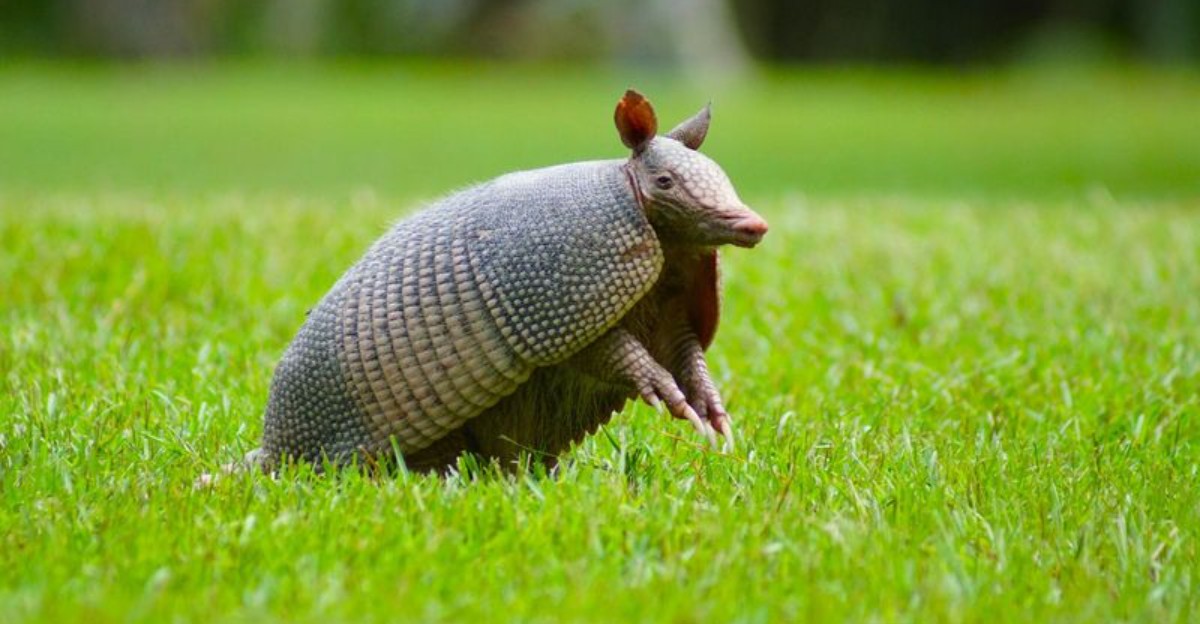
A fresh pile of loose dirt next to your porch steps usually means something has been busy overnight. If the hole underneath is about the width of a football, an armadillo is a likely suspect.
Armadillos dig burrows for shelter, and the space under a porch or slab gives them cover right away. They also tend to return to the same spot night after night.
That habit can turn a small nuisance into a bigger problem for your foundation over time.
Across Georgia, these animals have become a common sight in yards that rarely saw them before.
Blocking the hole right away might seem like the obvious move, but timing matters more than you think.
Watch the burrow for a few evenings and note when the digging seems to happen.
1. Fresh Soil Beside The Foundation Can Be The First Sign Of Digging
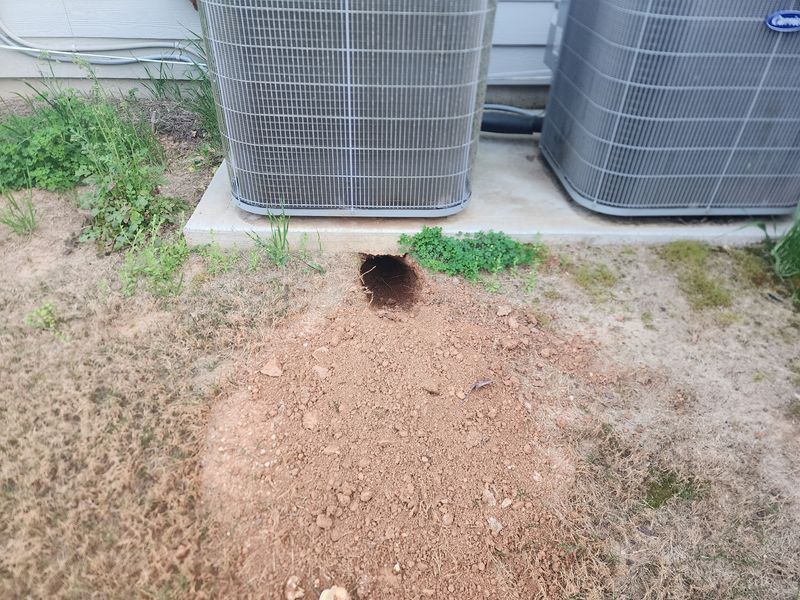
Dirt does not usually move on its own overnight. When a loose pile shows up against your foundation, something probably pushed it out from below.
Take a slow walk around the house and look closely at the soil line near the slab.
Fresh diggings tend to look darker and damper than the surrounding ground. Older piles usually dry out, crust over, or get flattened by rain within a few days.
In Georgia, red clay often shows up in bright streaks when it gets dug out from under topsoil.
Look for small cone-shaped pits nearby too, since armadillos root for insects with their snouts. Those pits are often only a few inches wide and a couple of inches deep.
Snap a photo of any pile you find so you can compare it over the next week.
If the mound keeps growing or new ones appear, the digging is likely active. A single pile that never changes could simply be old activity from a passing animal.
Other animals, like skunks or rats, can also leave loose dirt near a house.
Checking early in the morning often works best because armadillos are mostly active at night during warm months. In colder weather they may move around more in the afternoon, so keep that seasonal shift in mind.
2. A Burrow Near The Porch Can Point To An Armadillo
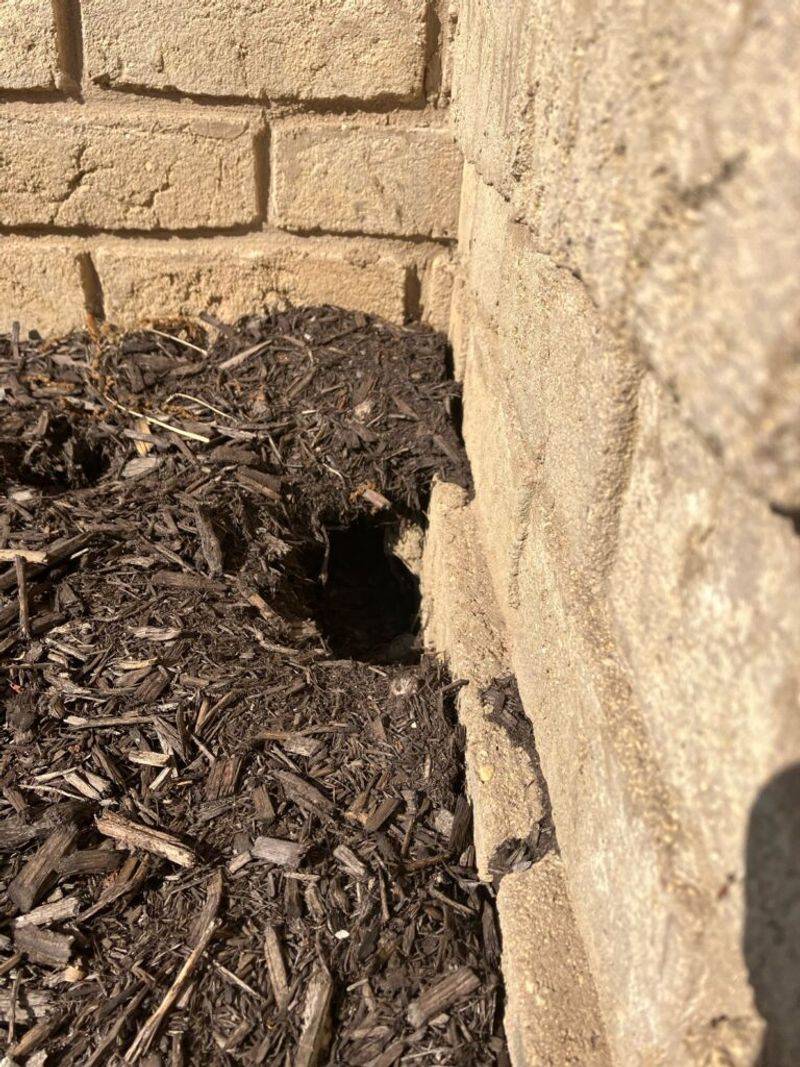
Shape tells a story. Armadillo burrows usually look round or slightly oval, often around seven or eight inches across.
You might spot the opening tucked under porch steps, beside a slab corner, or below a deck skirt.
Loose dirt is often fanned out in front of the hole instead of neatly piled. Leaves or grass may also get dragged partway inside, especially when the animal is building a nest area.
Compare that with other diggers you might see around Georgia homes.
Groundhogs are uncommon across most of the state, so they are rarely the cause here. Rats tend to leave smaller holes, while skunks and foxes can create openings that look similar at first glance.
A trail camera can remove a lot of guessing, and many models cost less than a repair visit.
Your Georgia Garden Changes Every Week. Your Plan Should Too.
Gardening in Georgia changes quickly throughout the season. Every Friday you’ll receive a simple weekly plan showing exactly what to plant, prune, fertilize, harvest, and protect so you never miss the right timing.
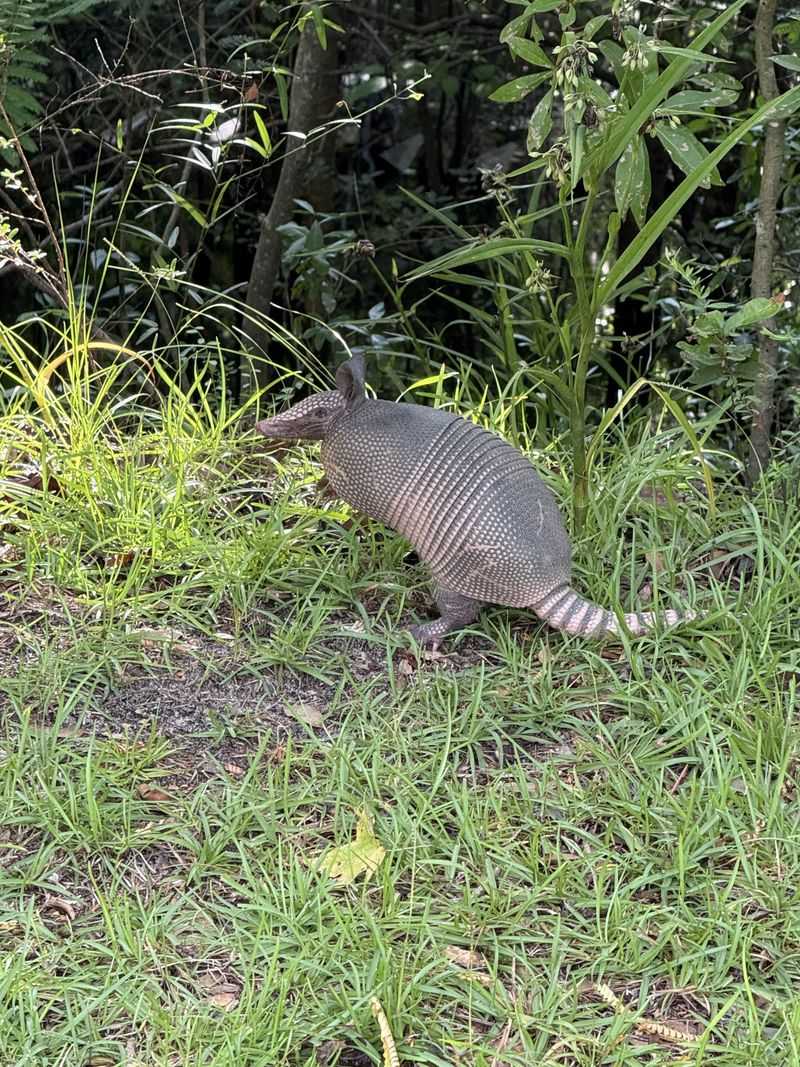
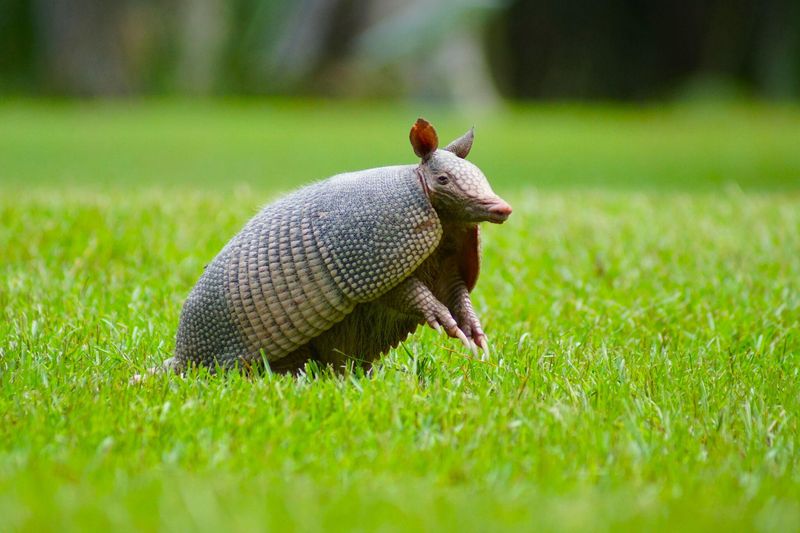
Set it low, aimed at the entrance, and leave it running for two or three nights. Armadillos have a pretty clear look, with a banded shell, long tail, and pointed snout.
Tracks can help too, if the soil is soft enough to hold them.
Their prints often show long claws and can resemble tiny bird feet in shape. Mud after a rain usually gives you the clearest picture of who has been visiting your porch.
3. Loose Soil And Plenty Of Insects Can Keep Them Near The Yard
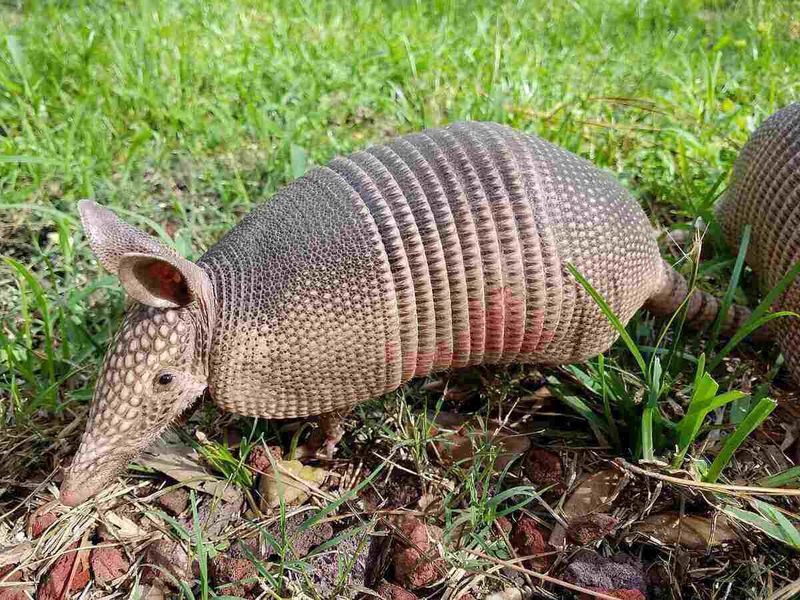
Food is the big draw. Armadillos spend much of their night nosing through soil for grubs, beetle larvae, ants, and earthworms.
Soft, damp ground makes that job easy, so watered lawns and mulched beds can look like a buffet.
Around Georgia, sandy soils in the coastal plain and well-watered yards near porches often attract the most rooting. Heavy, dry clay usually takes more effort for them to dig through.
You can make your yard a little less appealing by adjusting how you water.
Watering deeply but less often lets the top layer dry out between sessions. Shallow daily watering tends to keep the surface soft, which suits a hungry armadillo just fine.
Thick mulch piled against the foundation can hold moisture and hide insects close to the house.
Pulling mulch back a few inches from the slab may help, and it also makes termite inspections easier. Keep in mind that grubs may still live deeper in the lawn, so results can vary.
Some homeowners treat grubs to cut down the food supply.
That approach does not always work, since armadillos eat many kinds of insects and earthworms too. Ask your local extension office before using any product, especially near vegetable gardens or pets.
4. Repeated Burrowing Near Structures Should Not Be Ignored
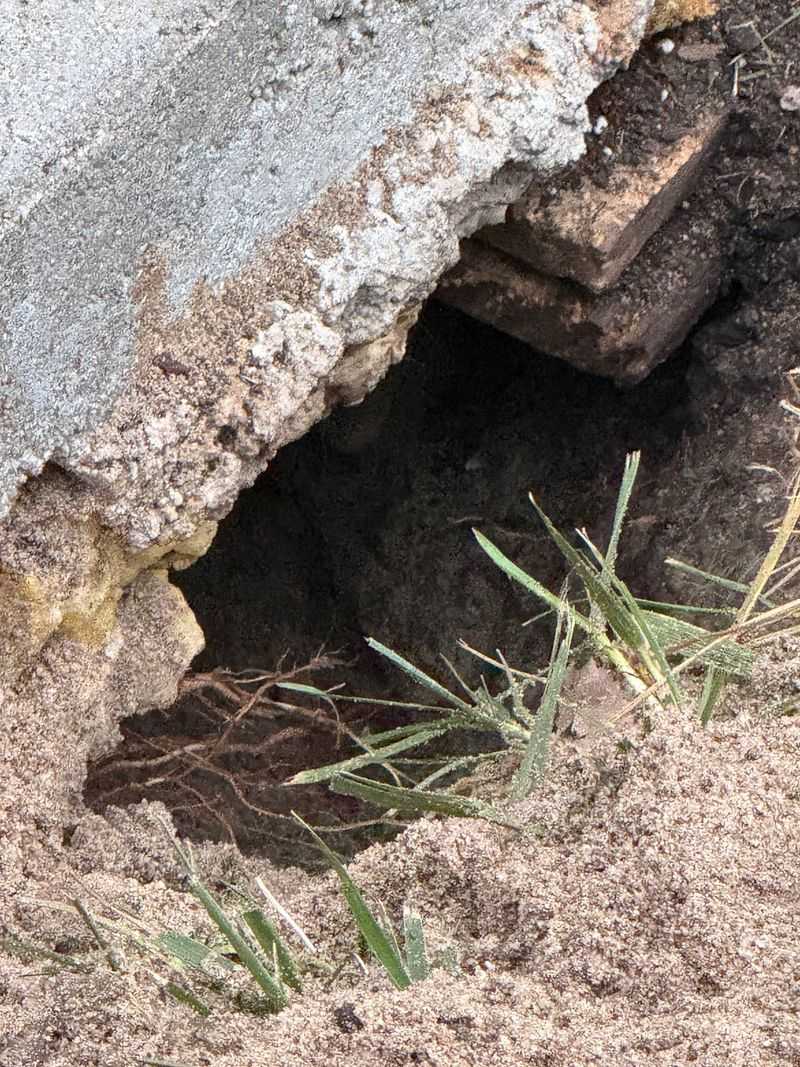
One hole is a nuisance, but ten holes over a summer can become a real repair bill.
Burrows under a slab can remove fill soil that supports the concrete. Over time, rain may flow into those tunnels and carry even more dirt away.
Watch for small signs that the ground below is shifting.
Cracks along the slab edge, a sunken porch step, or a hollow sound when you tap near the edge may point to a void. None of those signs prove armadillo damage alone, since settling and drainage problems cause similar trouble.
Heavy rain in Georgia can speed up erosion once tunnels open a path for water.
Walking the perimeter after a big storm is a smart habit. Look for muddy runoff streaks or fresh holes that seem to have widened.
A contractor or foundation specialist can check for voids if cracks keep spreading.
Small gaps are sometimes filled with soil or a flowable fill product. Bigger problems may need more work, so an early inspection often saves money compared to waiting.
Keep a simple log with dates and photos of each new burrow you spot.
5. Check The Area Carefully Before Trying To Block The Burrow
Rushing this step is a common mistake. Before you grab a shovel, you need to know whether anything is still living inside.
A simple trick is to lightly stuff the opening with loose leaves or crumpled newspaper.
Check it the next morning. If the material has been pushed aside, the burrow is probably still in use.
Another easy test involves placing a few thin sticks across the entrance like a little gate.
Spring deserves extra care, because armadillos in the Southeast usually give birth to young around March through May. Babies stay in the burrow for a while, so blocking a hole during that stretch could leave young ones stuck.
Keep kids and pets away from the opening while you watch it.
Wear gloves whenever you handle soil near a burrow. Armadillos can carry the bacteria that cause leprosy, and though the risk to people is low, basic caution makes sense.
Georgia wildlife rules allow homeowners to deal with nuisance armadillos, but local ordinances can differ.
Calling a licensed wildlife control operator is a reasonable choice if you feel unsure. Many offer exclusion work, which means guiding the animal out rather than trapping it inside.
6. Never Seal An Entrance Until You Know The Animal Is Gone
Picture sealing a hole and then smelling a terrible odor weeks later. That unpleasant surprise is exactly what careful timing helps you avoid.
Armadillos may leave at night to feed and return before dawn.
If your stick or leaf test stays undisturbed for three to five nights, the burrow may be empty. Cooler weather can slow activity, so a longer check period may be wise in winter.
A one-way exclusion door offers another option for active holes.
These wire devices let the animal walk out but block it from getting back inside. Mount it firmly so the armadillo cannot dig around the edges, since they are surprisingly strong diggers.
Once you feel confident the space is empty, fill the tunnel with soil and pack it down in layers.
Adding gravel near the top can make reopening harder. Some folks in Georgia also lay heavy wire mesh over the patched spot before replacing sod or mulch.
Watch the repair for a week or two afterward.
Fresh digging nearby may mean another animal is around or the first one has come back. In that case, repeat the checks before sealing anything new.
7. A Buried Barrier Can Help Discourage Digging Along The Edge
Wire beats wishful thinking. Sprays and noise devices get mixed reviews, but a physical barrier gives digging animals a real obstacle.
Galvanized hardware cloth or welded wire mesh with small openings is a popular choice for this job.
Dig a trench along the porch or slab edge about 12 to 18 inches deep. Then bend the mesh into an L shape, with the bottom section pointing outward away from the house.
That outward lip matters because armadillos tend to dig straight down against a wall.
When they hit the buried wire, they often give up instead of backing up and starting farther out. Results can depend on soil type, and some determined animals may still test the edges.
Across Georgia, clay can make trenching slow, so pick a day after a light rain when the ground is softer.
Backfill the soil firmly and tamp it well to limit gaps. Leave a few inches of mesh above ground under lattice or deck skirting if critters also squeeze in from the side.
Check the barrier each spring and after major storms.
Erosion, roots, and rust can open weak spots over the years. A quick look now and then keeps the fix working longer and protects your porch.