What Every Texas Gardener Should Plant This October Before Winter Nights Arrive
Something shifts in October that every Texas gardener feels before they can fully explain it. The air smells different, cooler and a little earthy, like the ground itself finally exhaled after months of brutal heat.
Your summer gloves are absolutely exhausted and they have earned every bit of that rest. But here is the exciting part: this is not the end of gardening season.
Not even close. October is actually one of the most rewarding months to get your hands in the soil, and smart gardeners have known this secret for years.
The soil is still warm enough to get things going, but the sun has finally stopped acting like it has a personal grudge against your garden.
What you plant right now can feed your kitchen, light up your yard, and keep you genuinely happy well into the cooler months ahead.
1. Crunchy Carrots For Backyard Beds
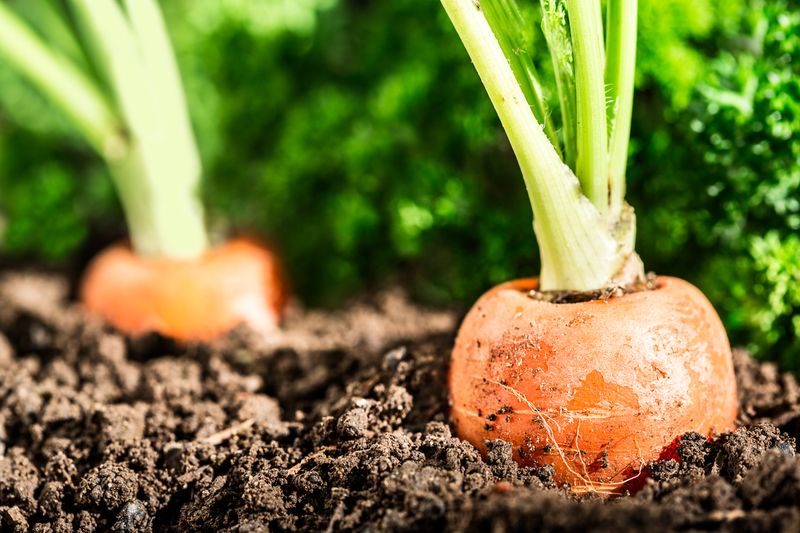
Kids who claim to hate vegetables often change their minds after pulling a carrot straight from the dirt. Something about that bright orange surprise feels like digging up treasure.
Carrots love the cool weather that October brings to Texas. Warm soil helps the tiny seeds sprout, while cooler nights make the roots taste sweeter.
In fact, a light chill encourages the plant to store sugar, so your harvest may taste better than anything from the store.
Loose soil is the secret to straight, happy carrots. Rocky or heavy clay ground makes them twist and split, so a raised bed with sandy mix works well.
Try shorter types like Danvers or Chantenay if your soil is tough.
Sow the seeds about a quarter inch deep and keep the top layer damp. The seeds are slow and can take up to two weeks to pop up.
A thin board laid over the row for a few days can hold in moisture, but lift it once you spot green.
Thin the seedlings to about two inches apart once they grow a few inches tall. It feels hard to pull baby plants, but crowded carrots stay skinny.
You can toss the tiny thinnings into a salad.
Fun fact: early cultivated carrots were often purple and yellow long before orange became the standard color most people know today. Planting a rainbow mix can make your fall garden feel extra playful.
2. Leafy Spinach That Loves Cool Mornings
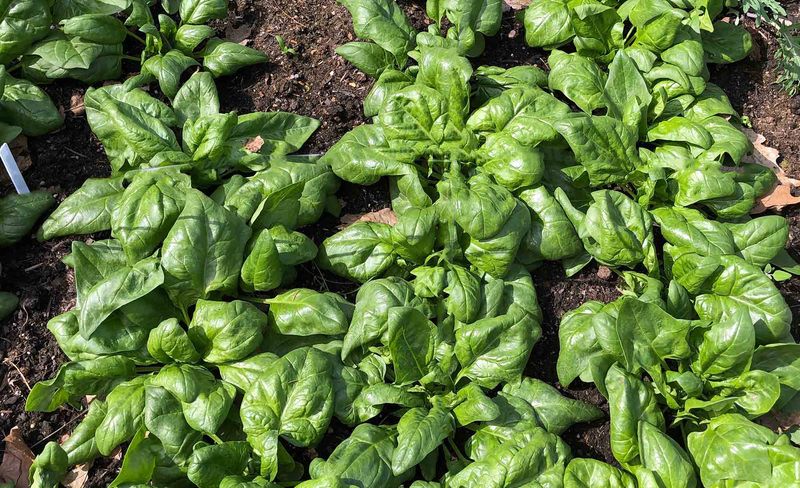
Picture a frosty morning, your breath fogging up, and a patch of glossy green leaves looking totally unbothered. Spinach is one tough little plant that seems to enjoy cold weather.
Across much of Texas, October is the sweet spot for sowing spinach seeds. Summer heat makes spinach bolt, which means it rushes to make flowers and turns bitter.
Cooler days keep the leaves tender and mild for weeks.
Choose a spot with at least six hours of sun. Spinach likes rich soil, so mix in some compost before planting.
Drop seeds about half an inch deep and two inches apart, then water gently.
Once the plants grow, give them steady moisture without soaking them. A layer of straw or shredded leaves around the base helps keep the soil evenly damp.
Your Texas Garden Changes Every Week. Your Plan Should Too.
Gardening in Texas changes quickly throughout the season. Every Friday you’ll receive a simple weekly plan showing exactly what to plant, prune, fertilize, harvest, and protect so you never miss the right timing.
It also stops mud from splashing onto the leaves when it rains.
Harvesting is easy and rewarding. Pick the outer leaves first and let the center keep growing, and the plant will keep giving you more.
Many gardeners enjoy fresh spinach from late fall right into early spring.
Varieties like Bloomsdale and Space handle cool snaps well. Savoy types have crinkly leaves that hold up to chilly winds.
A quick sheet tossed over them on the coldest nights can protect them if temperatures drop into the low twenties.
3. Garlic Cloves Tucked Into Texas Soil
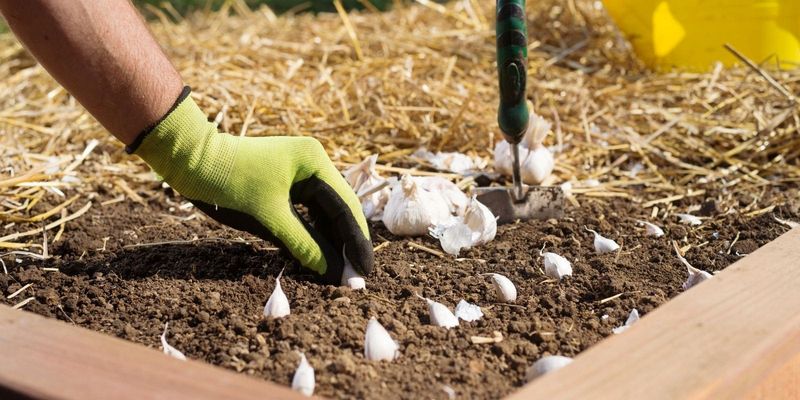
Grandma used to say garlic is the plant that pays you back for being patient. She was right, because what you plant this month will not be ready until late spring.
October is a classic time for gardeners to plant garlic. The cloves need a long, cool season to build big bulbs underground.
They grow slowly through winter, quietly doing their work while you enjoy the holidays.
Pick softneck types for most parts of the state, since they handle mild winters better. Creole and Artichoke varieties are popular choices in southern and central areas.
Hardneck types can work in the Panhandle, where winters bite a little harder.
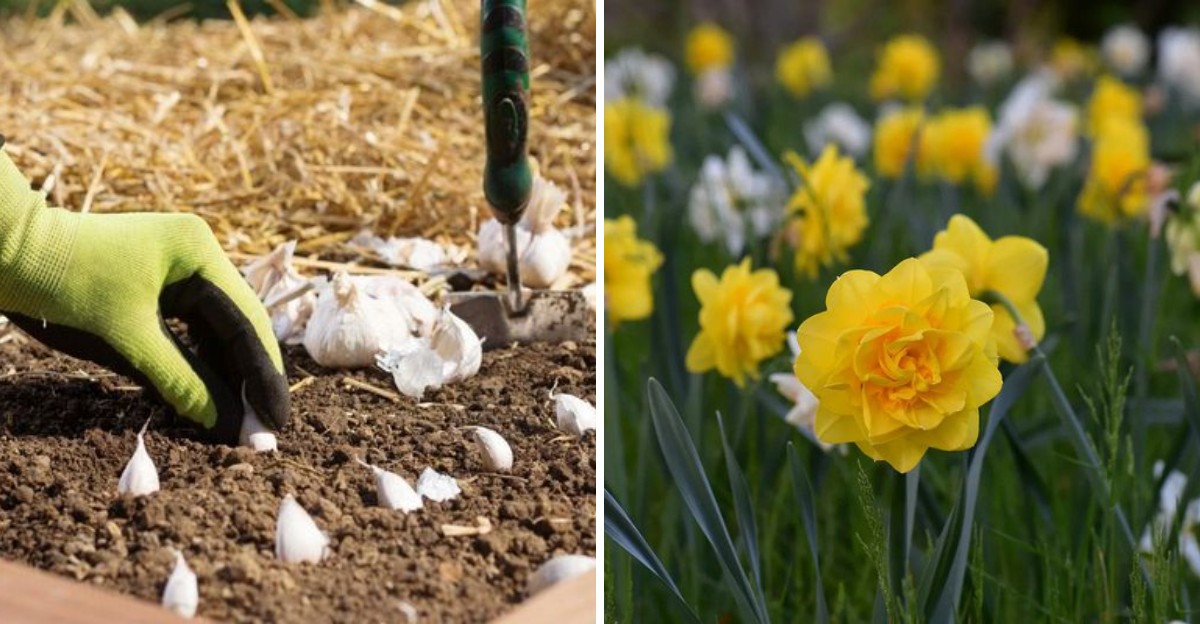
Break the bulb apart into single cloves just before planting. Push each clove about two inches deep with the pointed end up.
Space them around six inches apart so the bulbs have room to swell.
Cover the bed with mulch to keep weeds away and hold moisture. Garlic does not like competition, so pull weeds while they are small.
Water when the soil feels dry about an inch down.
Here is a neat bonus. If you grow hardneck garlic, the plants send up curly stems called scapes in spring.
Snip them off and toss them in a stir fry for a mild garlic flavor. You get two harvests from one planting, which feels like a sweet reward for waiting.
4. Cheerful Pansies To Brighten Texas Porches
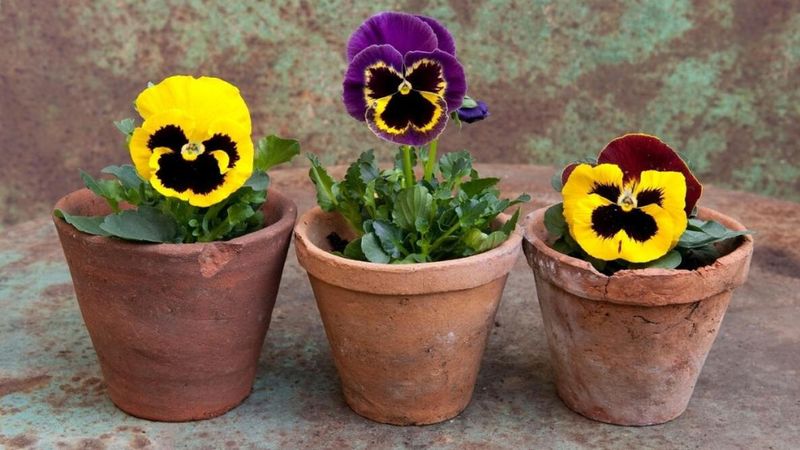
Ever notice how pansies look like they have little faces? Those smiling blooms can turn a gray winter porch into a happy welcome mat.
Pansies are one of the most loved cool season flowers in The Lone Star State. Planting them in October gives the roots time to settle before colder weather shows up.
With good care, they can bloom from fall all the way into spring.
Look for healthy transplants at your local nursery with lots of buds and green leaves. Skip plants that look stretched or yellow.
Set them in a spot that gets morning sun and a bit of afternoon shade, especially in warmer regions.
Pansies are not picky, but they do enjoy soil with plenty of compost. Plant them about eight inches apart in beds, or pack them closer in pots for a full look.
Water right after planting to help them settle in.
Feed them lightly every few weeks with a balanced flower food. Pinch off faded blooms to keep new ones coming.
It only takes a minute and makes a big difference.
Did you know? Pansy flowers are actually edible.
They have a mild, slightly sweet flavor with a subtle grassy note, and they make cupcakes or salads look genuinely fancy. Just be sure you have not sprayed them with anything before eating.
Violas, their smaller cousins, are even tougher in chilly weather and are worth a try too.
5. Broccoli Transplants That Thrive In Fall
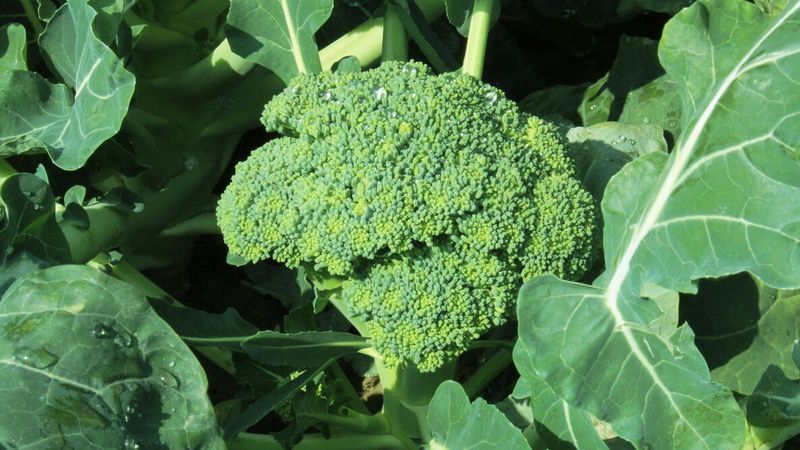
Homegrown broccoli tastes nothing like the rubbery stuff from a frozen bag. It is sweet, crisp, and so fresh it almost snaps when you bite it.
For most Texas gardeners, the easiest way to grow broccoli now is with transplants. Seeds started in October might run out of time before the weather turns too cold.
Young plants from a garden center give you a head start.
Broccoli is a hungry plant. Work a few inches of compost into the bed before planting, and add a little slow release fertilizer.
Space plants about eighteen inches apart, since they grow bigger than most people expect.
Keep the soil evenly moist, especially as the heads begin to form. Dry spells can make the heads small or loose.
A drip hose or soaker line makes watering simple.
Watch for green caterpillars that love munching on the leaves. Pick them off by hand or use a gentle organic spray made from a natural soil bacteria called Bt.
A light fabric row cover can keep moths from laying eggs in the first place.
Cut the main head when the tiny buds are tight and dark green. Do not wait for yellow flowers to show.
After that first cut, the plant often grows smaller side shoots that you can harvest for weeks. Varieties like Packman and Green Magic do well in warm fall climates.
6. October Is Prime Time For Planting Sweet Onions
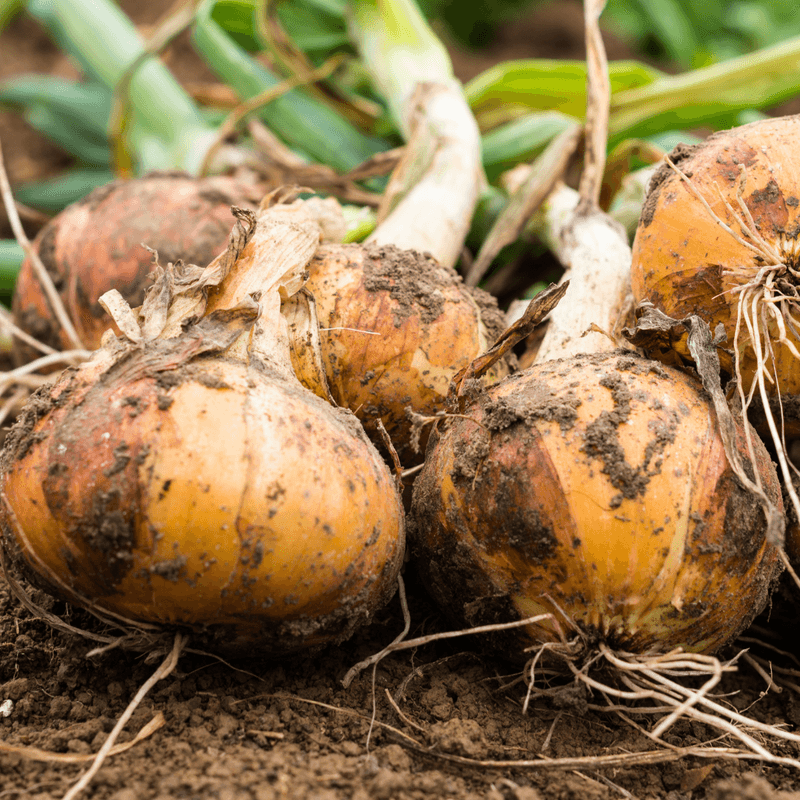
Texas has a famous onion story. The sweet 1015 onion was developed at Texas A&M and named after its best planting date, October 15.
That little fact tells you just how perfect this month can be for onion lovers. In South and Central Texas, gardeners often sow onion seeds in October.
The young plants grow through winter and form bulbs as the days get longer in spring.
Short day onions are the best fit for most of the state. They start making bulbs when days reach about ten to twelve hours of light.
Long day types, which are common up north, may never form good bulbs here.
Sow seeds thickly in a small bed, then move the seedlings later if you like. Onions enjoy loose soil that drains well.
Heavy clay can be improved with compost and a bit of expanded shale or coarse sand.
Keep weeds pulled, because onions have thin leaves that cannot shade out competition. Water regularly, but let the top of the soil dry slightly between soakings.
Too much water can cause the bulbs to rot.
If you live farther north, you may prefer to buy onion transplants in January. Even so, planting some seeds now for green onions is a fun project.
You can snip the tops for tacos and soups all winter long.
7. Fragrant Herbs For Kitchen Gardens
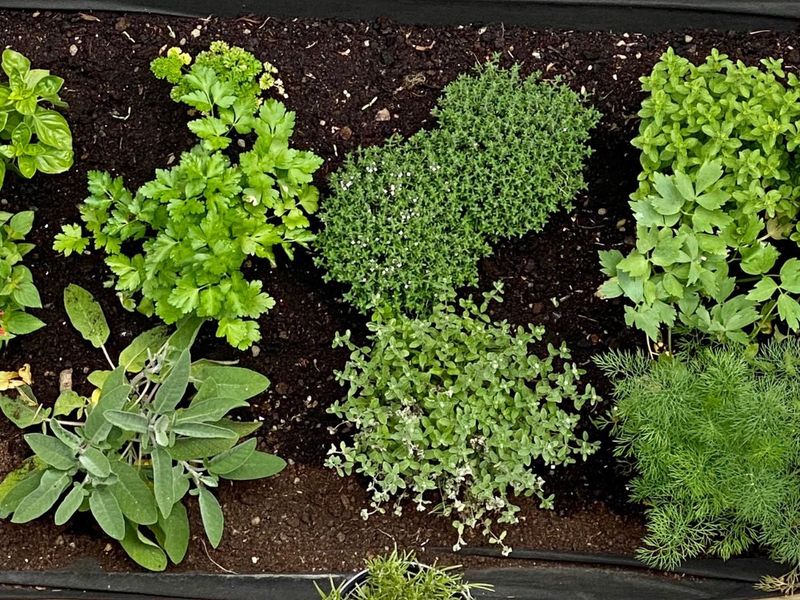
Anyone who has tried growing cilantro in July knows the heartbreak. It shoots up, flowers fast, and tastes bitter before you even make salsa.
October flips that story around for Texas herb growers. Cilantro, parsley, and dill all prefer cool weather and grow happily through fall and winter.
Your kitchen will smell like a fresh market every time you snip a handful.
Cilantro grows best from seed sown right where you want it. Plant a small row every few weeks so you always have a fresh batch.
Parsley can be started from seed or small plants, and it handles cold snaps like a champ.
Dill is a bonus plant for butterfly fans. Black swallowtail caterpillars love to munch on it, so plant a little extra to share.
You still get plenty for pickles and potato salad.
Give herbs a sunny spot with soil that drains well. Containers work nicely if you are short on space, and you can move them close to the house on frosty nights.
Water when the top inch of soil feels dry.
Harvest often to keep the plants bushy. Cut the outer stems first and let the middle keep growing.
Chives and thyme also enjoy this season and come back year after year. With a small herb patch, you can skip those pricey plastic packs at the grocery store all winter.
8. Spring Bulbs Buried Now For Color
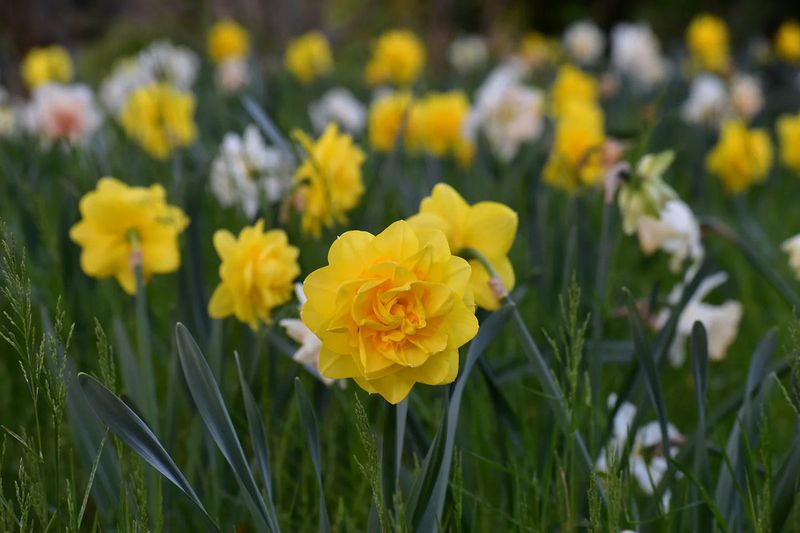
Planting bulbs feels a bit like writing a letter to your future self. You bury a handful of brown lumps now, then forget about them until bright flowers pop up in spring.
Some bulbs do really well in Texas when planted in October. Daffodils, especially small cheerful types like Tete a Tete and Grand Primo, come back year after year.
Grape hyacinths, Dutch iris, and spider lilies are also reliable picks.
Tulips are a different story in warm climates. They need a long, cold rest to bloom well, so many gardeners chill them in the fridge for six to eight weeks first.
Keep them stored away from ripening fruit like apples. Ripening fruit releases a natural gas called ethylene, which can damage the developing flower inside the bulb before it ever gets a chance to bloom.
Choose a sunny spot with soil that drains fast. Bulbs sitting in soggy ground can rot.
Plant each one about two to three times as deep as the bulb is tall, with the pointy side facing up.
Group bulbs in clusters instead of single lines. A bunch of ten or more looks far more natural and eye-catching.
Water them well after planting, then let winter rains do most of the work.
Once they bloom in spring, let the leaves stay until they turn yellow. The foliage feeds the bulb for next year.
It may look messy for a while, but your patience pays off with even more flowers down the road.
9. Native Trees And Shrubs Rooted In Texas Fall
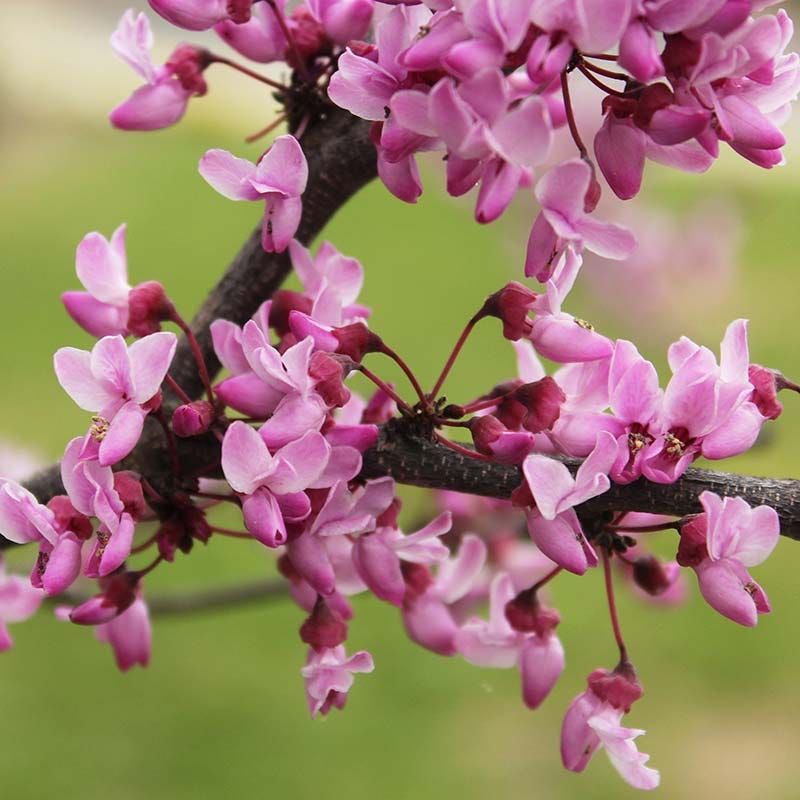
Old gardeners have a saying: fall is for planting. They are talking about trees and shrubs, and they have a very good reason.
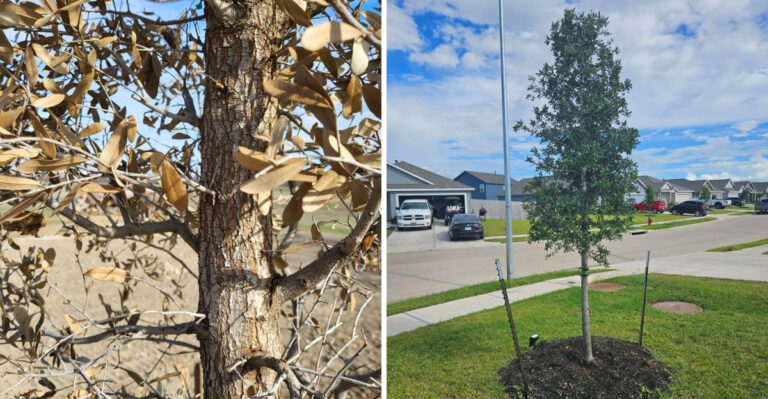
When you plant a tree in October, the roots get months of cool, moist weather to spread out. Top growth slows down, so the plant puts its energy underground.
By the time the summer heat returns, it is much better prepared to handle it.
Native plants are a smart choice because they already know how to live here. The Texas redbud offers pink spring blooms, while the yaupon holly gives winter berries for birds.
Texas sage, also called cenizo, bursts into purple flowers after summer rains.
Dig a hole two to three times as wide as the root ball, but no deeper. The top of the root ball should sit level with or slightly above the ground.
Fill in with the same soil you dug out, since heavy amendments can keep roots from spreading.
Spread a ring of mulch around the base, keeping it a few inches away from the trunk. Water deeply once or twice a week for the first few months if rain is scarce.
Even in winter, young roots need a steady drink.
A single well placed tree can shade your house and lower cooling bills for years. Planting one this fall is a gift that keeps growing long after the season ends.