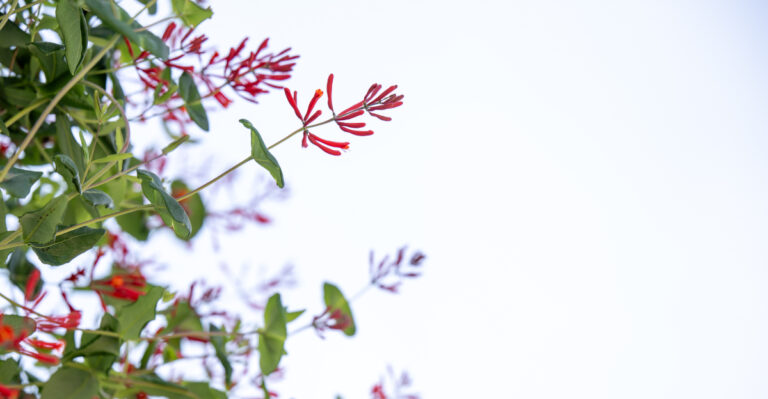
This Fall Yard Chore Can Disturb Box Turtles Hiding In Georgia Yards
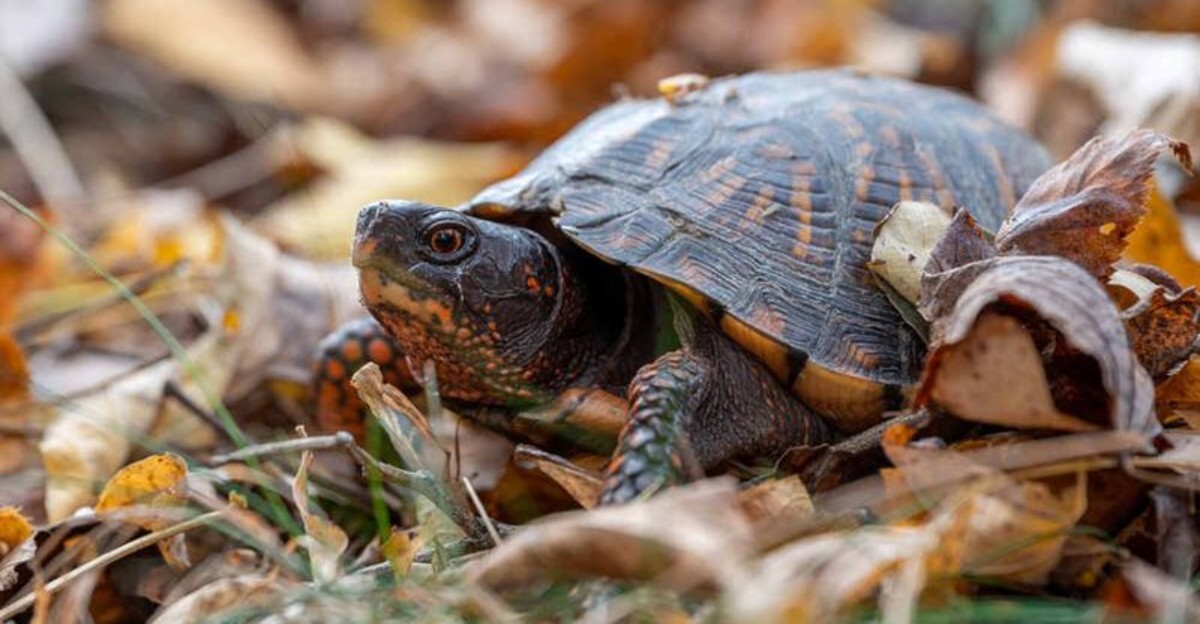
A box turtle in your yard is easy to miss, especially once it tucks itself under a layer of leaves.
As the weather cools, these turtles start looking for a spot to settle in for winter.
Many of them dig into loose soil or leaf litter right in residential yards. They stay there for months, moving very little until the ground warms up in spring.
That behavior puts them directly in the path of one common fall chore. In Georgia, homeowners often tackle it in October and November, right when turtles are burrowing in.
A turtle buried a few inches down has no real way of getting out of the way.
Take a closer look at your leafy corners and garden edges this fall, since those are favorite hiding spots.
1. Shady Corners Of The Yard May Be Occupied This Time Of Year
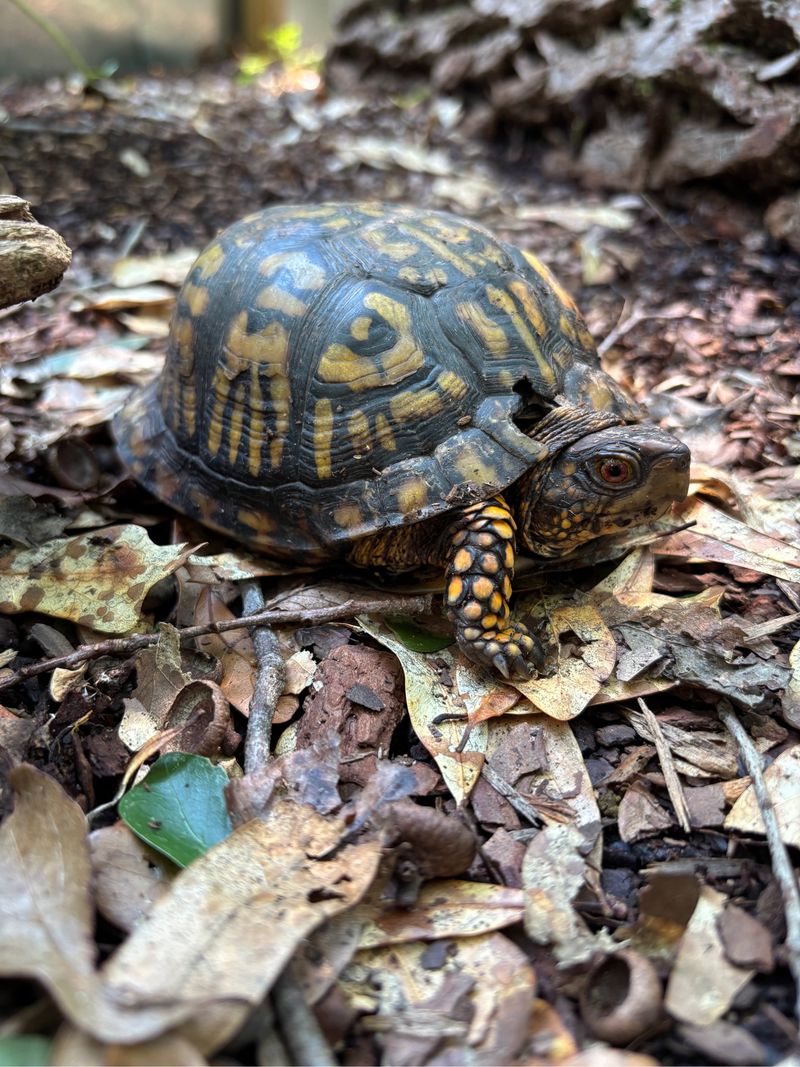
That pile of oak leaves under your azaleas might not be empty. In late fall, eastern box turtles often tuck themselves into the same spots we rush to clean.
Raking, blowing, or clearing away leaf litter from beds, shrub borders, and wooded edges is the chore that causes the most trouble.
Those areas stay cooler and damper than open lawn, and turtles seem to like that. A thick layer of leaves also hides them well from hawks, raccoons, and curious dogs.
Across much of Georgia, these spots are exactly where box turtles tend to settle as autumn moves along.
You might walk past one a dozen times without noticing. Their brown and yellow shells blend right in with fallen leaves and pine straw.
A good habit is to slow down when you work near shady edges, especially along the back fence or beside a wooded lot.
Try clearing those areas by hand, or at least with a light touch, instead of hitting them with a powerful blower. Watch for a rounded shape or a small mound that looks different from the leaves around it.
If your yard backs up to woods or a creek, the odds of a hidden turtle may be higher, though every yard is different.
Knowing where they like to rest is the first step toward a safer fall cleanup for everyone living there.
2. Cooling Temperatures Prompt A Slow Retreat Underground
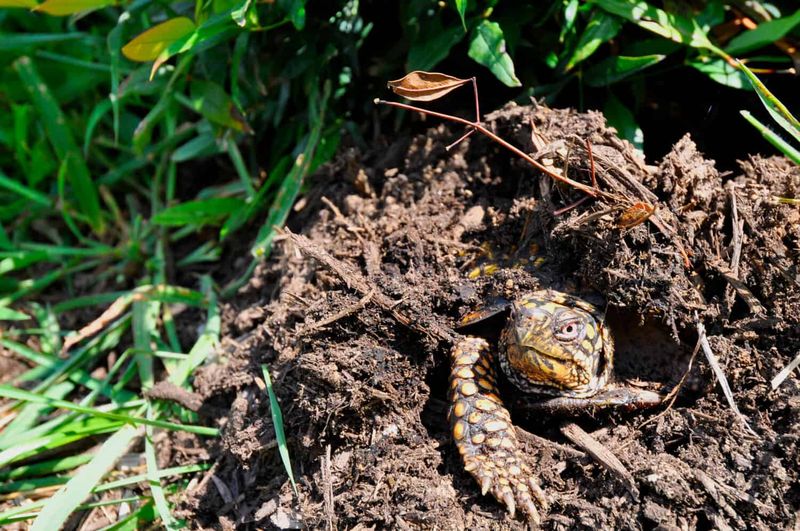
Box turtles do not flip a switch when fall arrives. Their slowdown is gradual, and it usually follows the weather more than the calendar.
As nights get chilly, these turtles eat less, move less, and spend more time resting in sheltered spots.
Being cold-blooded, they depend on outside temperatures to stay active. When the air and ground cool down, their bodies simply cannot keep up the same pace.
In north Georgia, that retreat might begin in October, while turtles farther south may stay active a bit longer into fall.
Timing shifts from year to year based on how warm or cool the season runs.
A mild autumn can keep turtles wandering well past the point you expect. On warm winter afternoons, some may even poke out briefly before settling back down.
Your Georgia Garden Changes Every Week. Your Plan Should Too.
Gardening in Georgia changes quickly throughout the season. Every Friday you’ll receive a simple weekly plan showing exactly what to plant, prune, fertilize, harvest, and protect so you never miss the right timing.
So the safest approach is to assume turtles could be settling in any time from early fall onward.
Keep an eye out during your first big cleanup, not just the last one of the season. Turtles that are halfway into their resting spot can be harder to see than ones out walking around.
Paying attention to the weather gives you a helpful clue about when your yard work needs extra care.
3. Shallow Soil And Leaf Cover Serve As Winter Insulation
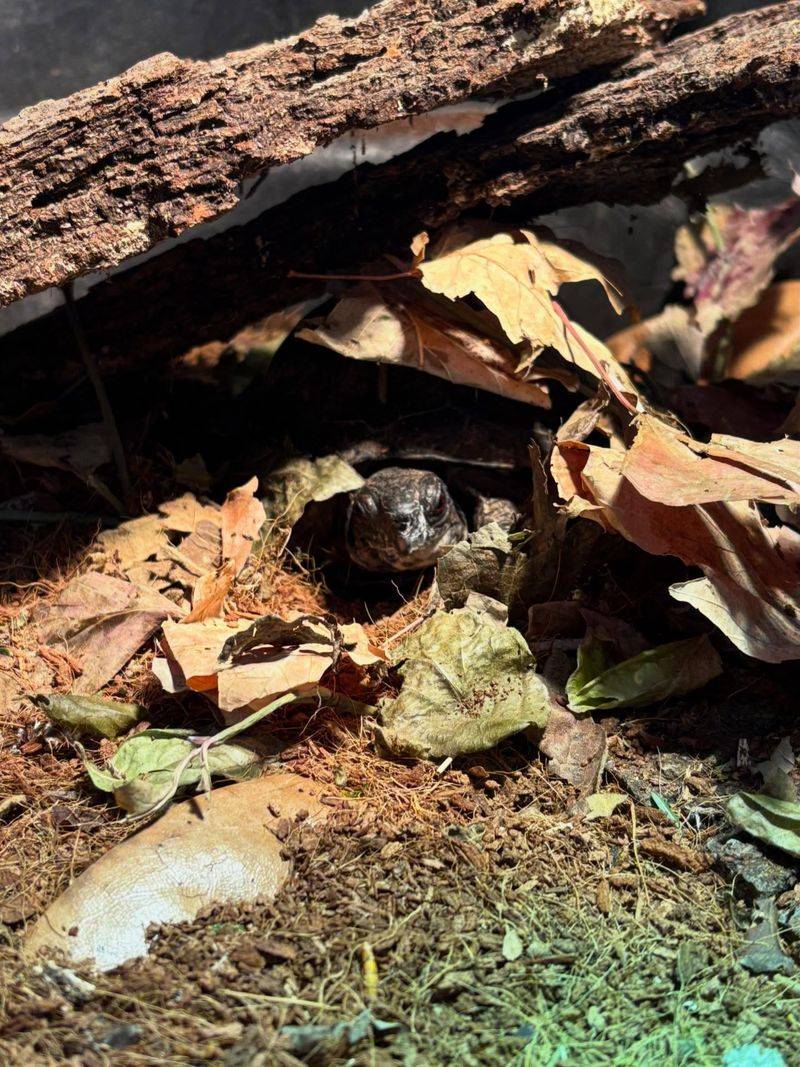
Forget deep burrows and cozy caves. Most box turtles spend winter only a few inches down, sometimes just under loose soil and a blanket of leaves.
That shallow spot works because the leaf layer acts a lot like a quilt, holding in a bit of ground warmth.
Leaves also help keep the soil from drying out. Moisture matters, since turtles can struggle if they lose too much water during their long rest.
Depth can vary with the soil type, the local climate, and the turtle itself.
In colder spots, some turtles dig deeper to stay below the frost line. Georgia winters are milder than those up north, so many turtles here may not need to go very far down.
Here is the catch for gardeners: that thin cover is often the only thing between a turtle and the open air.
Remove the leaves, and a resting turtle can be left exposed to freezing nights and hungry animals. A sluggish, cold turtle is not able to move quickly to find new shelter.
Leaving leaf cover in place, at least in part of your yard, can quietly support these reptiles all winter long.
4. Rakes, Blowers, And Tillers Can Expose Or Injure Them
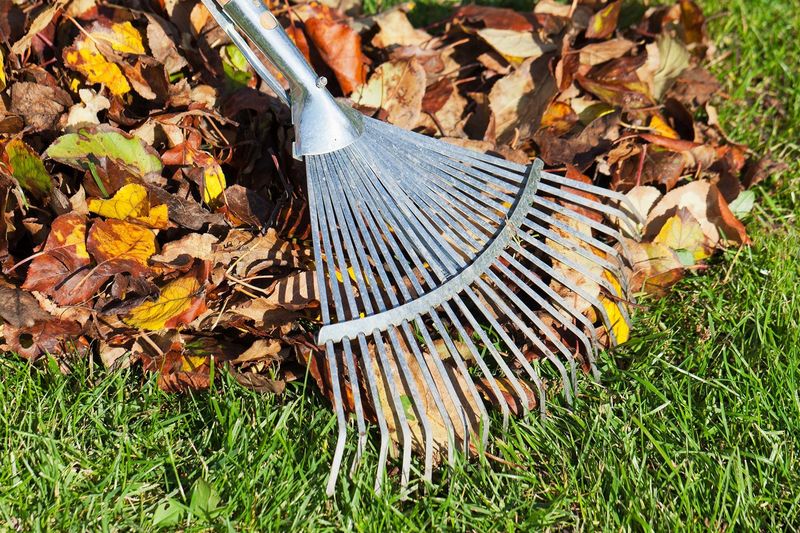
A hard shell is not armor against a metal tine. Box turtles can be scratched, cracked, or flipped by common yard tools, especially when they are too cold to react.
Leaf blowers pose a different problem, since strong air can strip away cover in seconds.
Rakes are usually less of a risk than tillers, but sharp tines can still catch a hidden shell. Go slowly, and rake in light passes rather than hard, deep strokes.
Tilling garden beds in late fall is where real harm can happen.
A turtle a few inches down could be struck by the blades before you ever see it. If you plan to work the soil, consider doing it earlier in the season, or checking the area by hand first.
Mowers deserve a mention too, particularly if you mow tall grass near wooded edges in Georgia.
Raising the mower deck and scanning ahead can lower the chances of an accident. Some gardeners also skip mowing overgrown corners entirely until spring.
None of this means you have to stop caring for your yard. It just means choosing the gentlest tool that gets the job done.
5. Box Turtles Often Come Back To Familiar Overwintering Ground
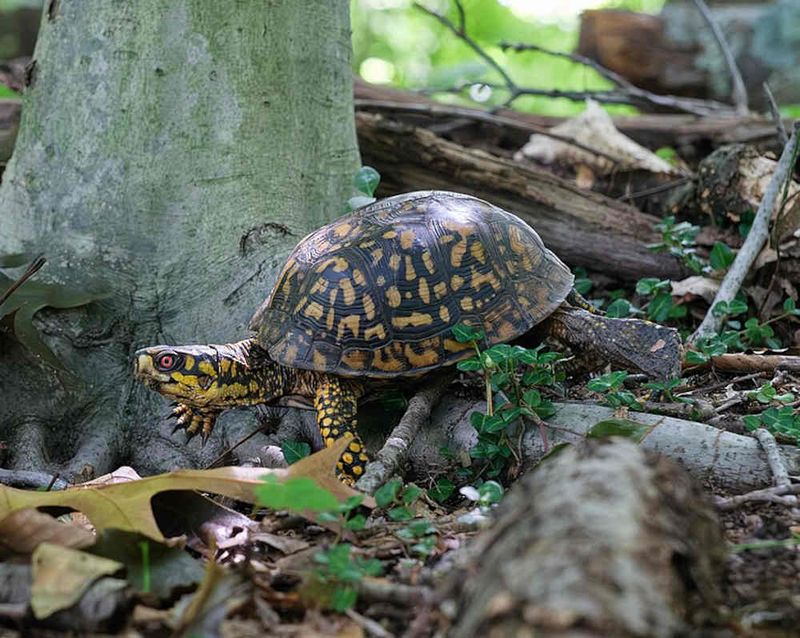
Some box turtles are loyal to a spot for years. They tend to live in a fairly small home range and may return to the same general area each winter.
A turtle you spot in your yard this fall could be a long-time resident rather than a passing visitor.
Eastern box turtles can live for decades in the wild. That means the same animal might share your property with your family for a very long time.
Their strong attachment to home is one reason moving them far away can cause problems.
Turtles taken out of their familiar area may wander, trying to get back, and end up crossing busy roads. In a growing state like Georgia, roads cut through a lot of turtle habitat.
Keep that in mind if you find one in the same bed two years in a row.
It might be worth marking that area and treating it with extra care each fall. A simple garden stake or a small stone can remind you to skip heavy raking there.
Knowing that turtles come back makes one quiet corner of your yard feel like part of their story too.
6. An Accidentally Uncovered Turtle Belongs Right Back Where It Was
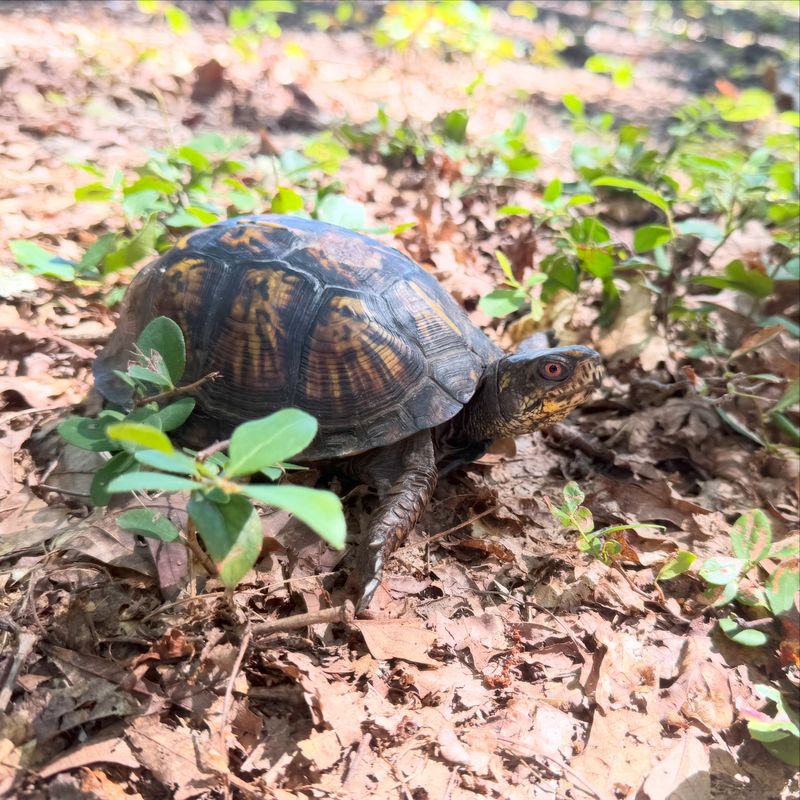
So you raked up a turtle by mistake. Take a breath, because the fix is usually simple and gentle.
Leave it in the same spot where you found it, since that location was its own choice for winter.
Carefully pull loose soil and leaves back over the shell. Aim for a covering similar to what was there before, not a heavy pile packed down tightly.
Avoid carrying the turtle indoors or into a garage to warm up.
Bringing a resting turtle into warmth can confuse its body and may do more harm than good. Its system is set up to handle cool outdoor conditions, not a heated room.
If the turtle looks hurt, with a cracked shell or bleeding, a licensed wildlife rehabilitator is the best call.
The Georgia Department of Natural Resources keeps a list of rehabilitators, and a quick call can guide your next steps. Try not to treat injuries yourself, since turtles need specialized care.
Once the turtle is covered again, mark the area so you remember to leave it alone until spring.
A calm response and a few handfuls of leaves can put things right in just a few minutes.
7. A Leafy, Undisturbed Corner Doubles As Winter Habitat
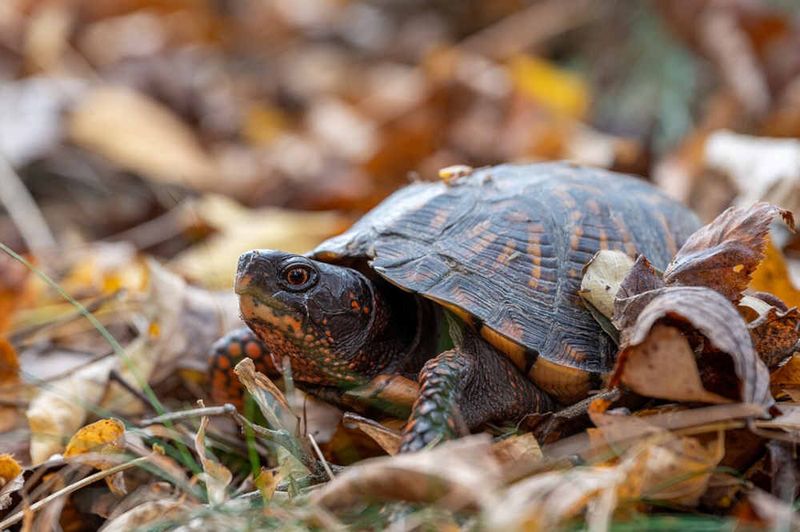
Tidy yards and turtle-friendly yards can live side by side. All it takes is one corner you agree to leave alone for the season.
Pick a shady spot near shrubs, trees, or a fence line, and let the leaves stay put through winter.
Instead of bagging every leaf, you can also rake some from the lawn into that corner. Doing so adds cover without making the rest of your yard look messy.
A fallen log or a small brush pile can add even more shelter.
Native plants help too, since they support insects and other small creatures that box turtles eat in warmer months. Across Georgia, plants like beautyberry and native ferns fit nicely into shady borders.
Skip heavy chemical use in that area if you can, because turtles move through soil and leaves where treatments may linger.
Birds, toads, butterflies, and helpful insects may also use your leafy corner. Many pollinators spend winter in leaf litter, so the benefits reach well beyond turtles.
Wait until spring warms up before cleaning that space, giving any resting turtle time to wake and wander off on its own.