This California Weed Keeps Coming Back No Matter How Many Times You Pull It
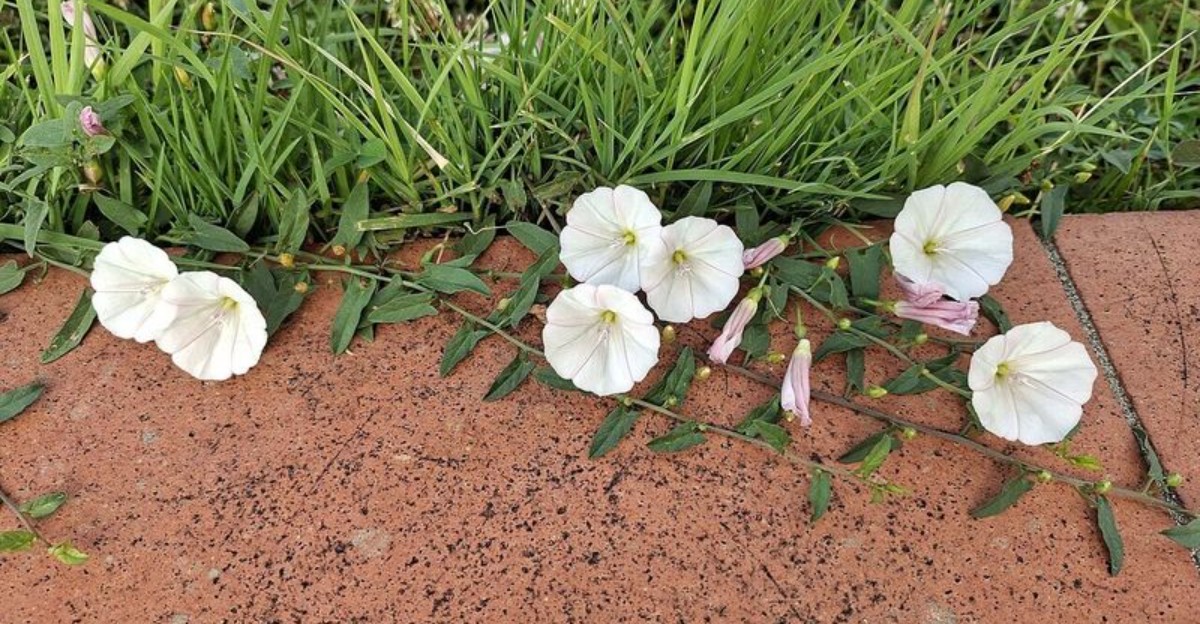
You yank a skinny green vine from your California garden, toss it aside, and feel quietly victorious. Three days later, the same vine waves at you from the exact spot, looking rested and slightly smug.
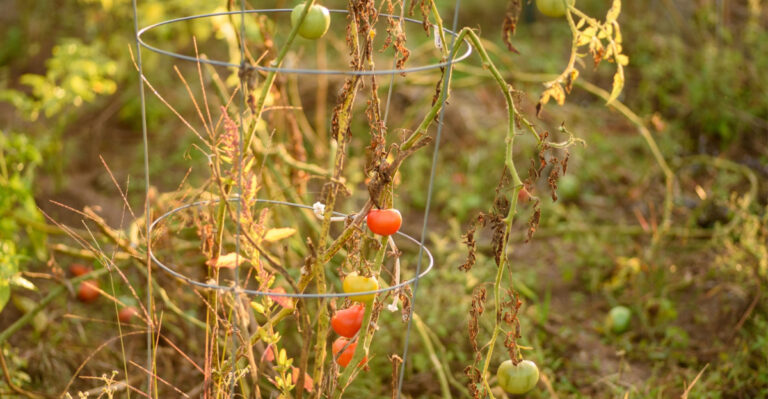
It twirls around tomato cages, crowds out marigolds, and slips under the fence like a sneaky little green ribbon. The white flowers look innocent, almost sweet, which is precisely how it fools gardeners into relaxing their guard.
Many California gardeners have spent whole weekends on their knees, pulling with sweaty hands and gritty, dusty fingernails. By Monday morning, fresh shoots poke through the warm soil, curling upward as if nothing happened at all.
It feels frustrating, but it is also oddly impressive, like a houseguest who keeps finding reasons to stay. This stubborn plant does have weak spots, and early fall is a great time to target them.
Somewhere beneath all that green, the vine is up to something clever. Meanwhile, your tomato cages have quietly started wearing it like a scarf.
A Twisting Vine With Arrow-Shaped Leaves
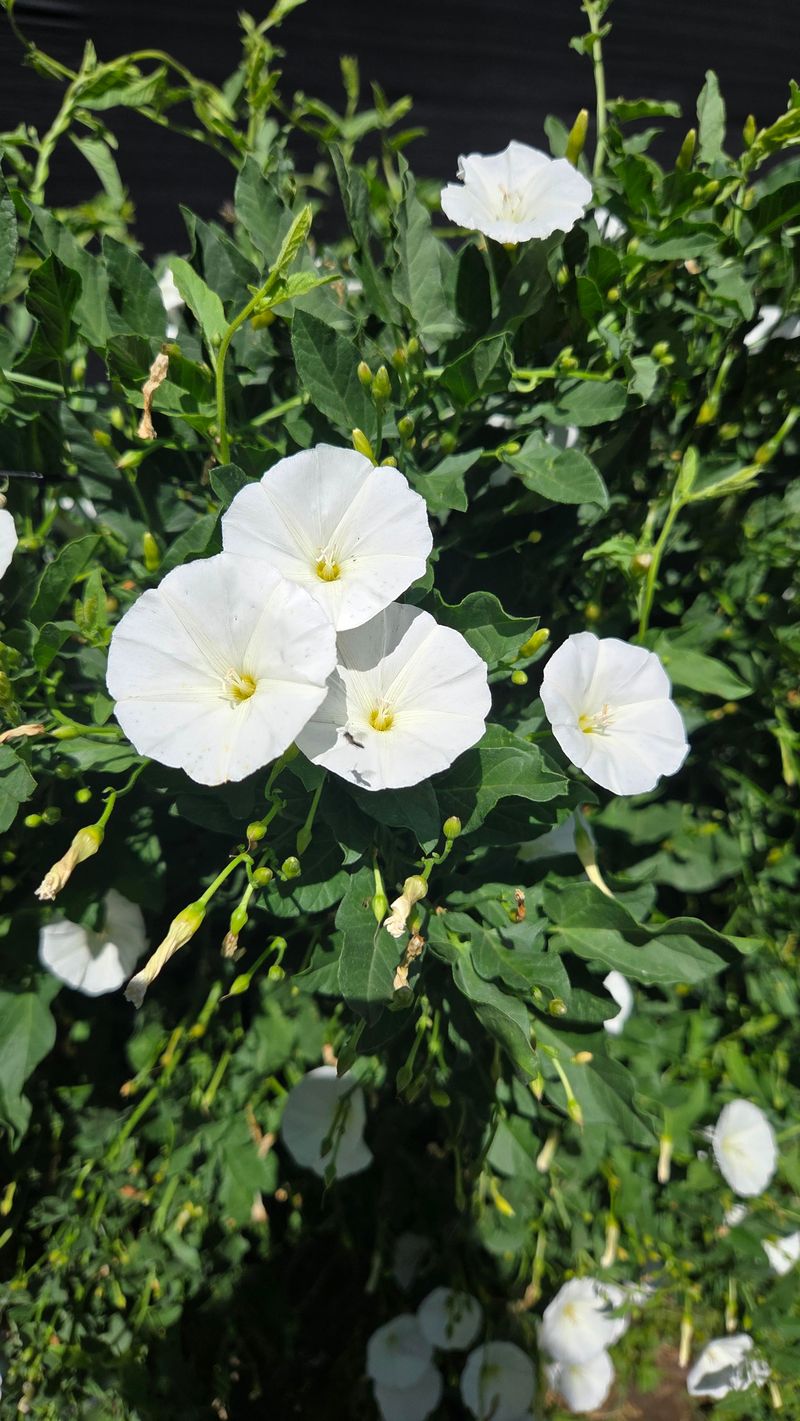
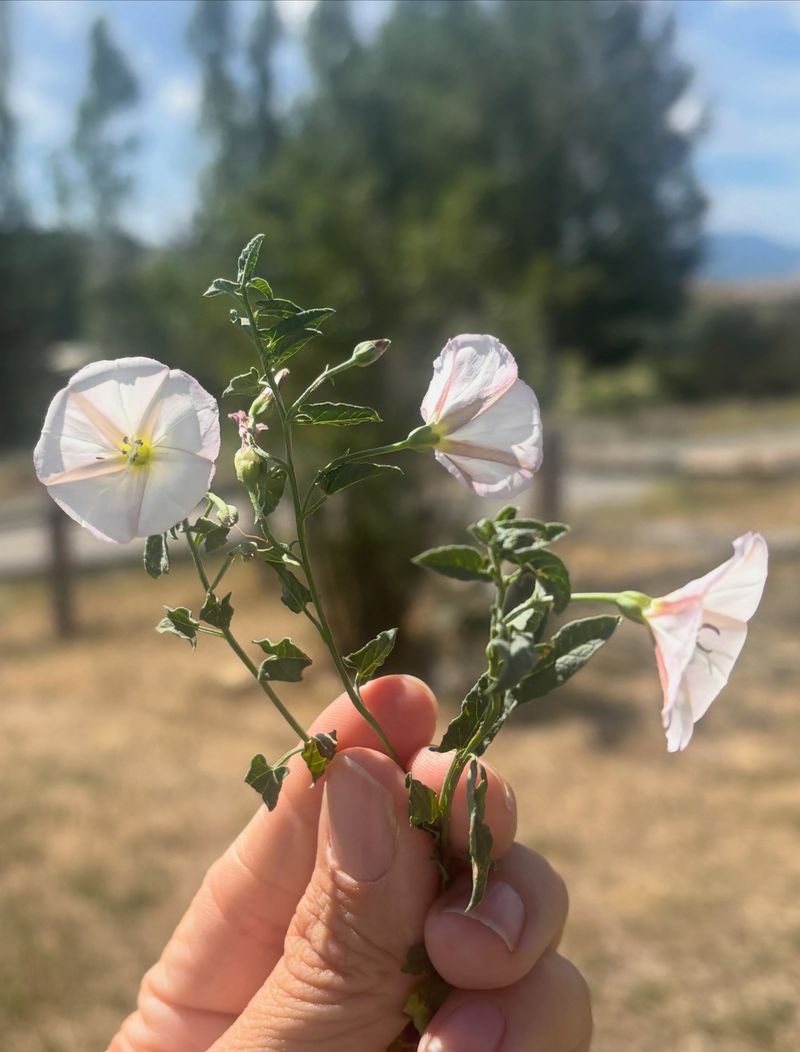
Picture a vine with arrow-shaped leaves and tiny trumpet flowers that look like they belong on a greeting card. That charming plant is field bindweed, and it ranks among the most stubborn weeds found across California yards.
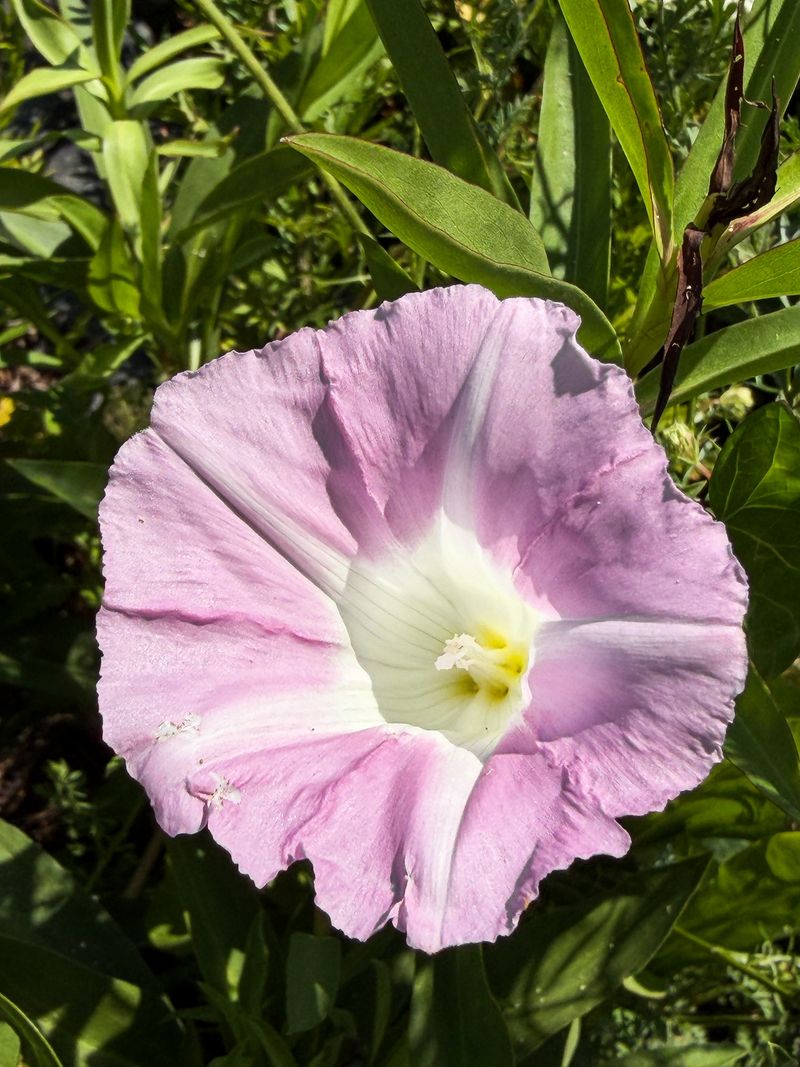
Gardeners sometimes call it wild morning glory because the flowers open in the morning and close by afternoon. The blooms are white or pale pink, about an inch wide, and they show up from spring through fall.
Field bindweed arrived in North America from Europe and Asia, probably hiding in seed shipments as far back as the 1700s. Since then, it has spread into farms, roadsides, school fields, and backyard vegetable beds in nearly every county.
You can spot it by the way its stems twist counterclockwise around anything nearby, including fences and plants. The leaves grow along the stem in an alternating pattern, and each one looks a bit like a pointy spade.
Some people confuse it with hedge bindweed, a larger cousin with bigger flowers that prefers damper, shadier spots. Field bindweed handles heat and dry ground much better, which explains why it loves sunny California gardens so much.
In early October, you may still see a few flowers, though the vine mostly focuses on storing food underground. That hidden activity matters a lot, because it shapes how well your control efforts will work this season.
Knowing the name helps you research smarter, ask better questions at the nursery, and pick the right tools. Once you can identify it confidently, you are already one step ahead of this sneaky, twisting garden visitor.
Roots That Run Up To Twenty Feet Deep
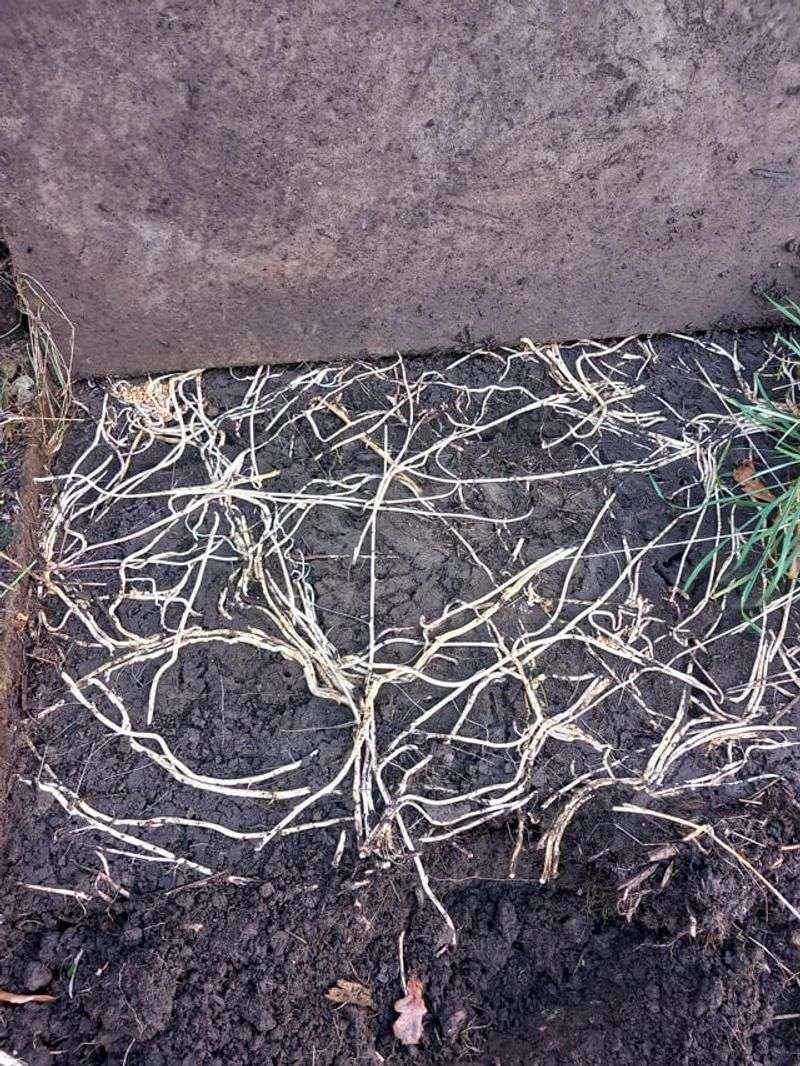
Imagine pulling a carrot and finding it continues downward about as far as a two-story house is tall. That is roughly what happens below a bindweed patch, where roots can sink ten to twenty feet into soil.
Besides the deep taproot, the plant sends out sideways roots called rhizomes that creep through the top few feet. Each of these underground runners can sprout brand new shoots, sometimes several feet away from the original vine.
Your California Garden Changes Every Week. Your Plan Should Too.
Gardening in California changes quickly throughout the season. Every Friday you’ll receive a simple weekly plan showing exactly what to plant, prune, fertilize, harvest, and protect so you never miss the right timing.
Here is the tricky part, because even a tiny root piece about two inches long can grow a whole plant. When you pull the vine, the stem usually snaps, leaving most of the root system safe and ready underground.
Those roots act like a pantry, storing sugars and starches the plant made during the long, sunny growing months. With so much food saved up, the bindweed can regrow again and again, even after losing all its leaves.
The seeds add another layer of trouble, since they can stay alive in soil for twenty years or longer. A single plant may drop hundreds of hard-coated seeds, and they sprout whenever moisture and warmth line up nicely.
California clay soils make the problem worse, because cracks in dry summer ground let roots slide deeper with ease. Sandy soils are not much better, since loose grains let the rhizomes spread outward quickly in every direction.
So when the vine returns after weeding, it is not magic or bad luck working against your hard effort. It is simply a plant with an enormous underground savings account, and it plans on spending every last penny.
Early Fall Is Prime Time For Control
Gardeners who know bindweed well often mark early October on their calendars with a big, hopeful circle. That timing is not random, because the plant behaves differently once the days shorten and nights grow cooler.
During fall, bindweed starts moving sugars from its leaves down into the roots to prepare for winter rest. Anything absorbed by the leaves right now tends to travel downward too, reaching deep into the hidden root network.
That is why many experts suggest treating vines in early fall, when leaves are still green and actively growing. If you choose an herbicide, follow the label carefully, wear gloves, and avoid spraying on windy afternoons near vegetables.
Many California regions still feel warm in October, with sunny days that keep the vine growing for several weeks. Inland valleys may hold onto heat longer, while coastal gardens cool down sooner and often get morning fog.
Before the first real rains arrive, the soil is usually dry, which makes digging tough and root pieces brittle. Watering a patch lightly a day ahead softens the ground, so you can loosen roots with less snapping and breaking.
Fall is also a smart time to check garden edges, fence lines, and spots under shrubs where vines hide. Catching those hidden patches now keeps them from sneaking back into your beds when warm weather returns next year.
Think of October as the season when the weed lowers its guard while busily packing its underground suitcase. Your job is to slip something unwelcome into that suitcase, or at least shrink the stash before winter settles.
The Pulling Habit That Backfires
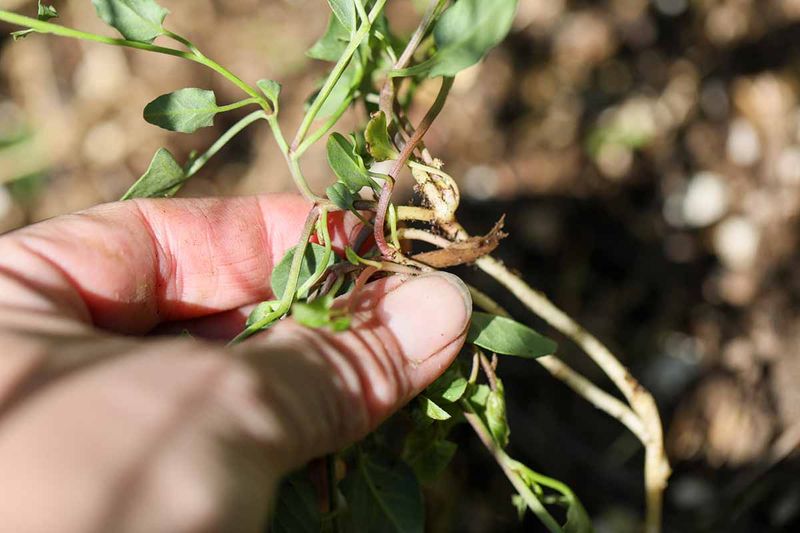
Filling a bucket with pulled bindweed feels like progress, but new shoots often show up within weeks. It is a mistake many frustrated gardeners make at least once.
Hand pulling feels satisfying, but the stems are thin and snap easily just below the soil surface each time. The root stays in place, and the plant responds by sending up several fresh shoots to replace the lost one.
Tilling or rototilling can be even worse, since the blades chop roots into many small pieces and scatter them. Each piece can grow into a new plant, so one patch quickly becomes a whole garden full of tangled vines.
Another common slip is tossing pulled vines into the compost pile, where root bits and seeds may survive happily. Most home compost piles do not get hot enough to stop them, so the weed spreads with your next mulch.
Some gardeners give up after a few weeks, assuming nothing works, right when the roots were starting to weaken. Bindweed control is a long game, and quitting early lets the plant rebuild its food supply without any resistance.
Pulling still has value if you do it often, about every week or two, before new leaves fully open. Frequent removal forces the plant to burn stored energy, and over time those deep roots slowly begin to decline.
Bag pulled vines in the trash or green waste bin, rather than leaving them on the ground to reroot. With smarter habits, your weeding time becomes a real step forward instead of a frustrating loop that repeats forever.
A Patient Plan To Weaken The Roots
Beating bindweed is a lot like saving money in reverse, because you slowly drain its hidden underground bank account. Every leaf it grows is a deposit, so your goal is to stop those deposits again and again over time.
Start by removing any visible vines down to the soil line, then watch the area closely for new shoots. When fresh sprouts appear, cut or pull them within about a week, before they can make and store food.
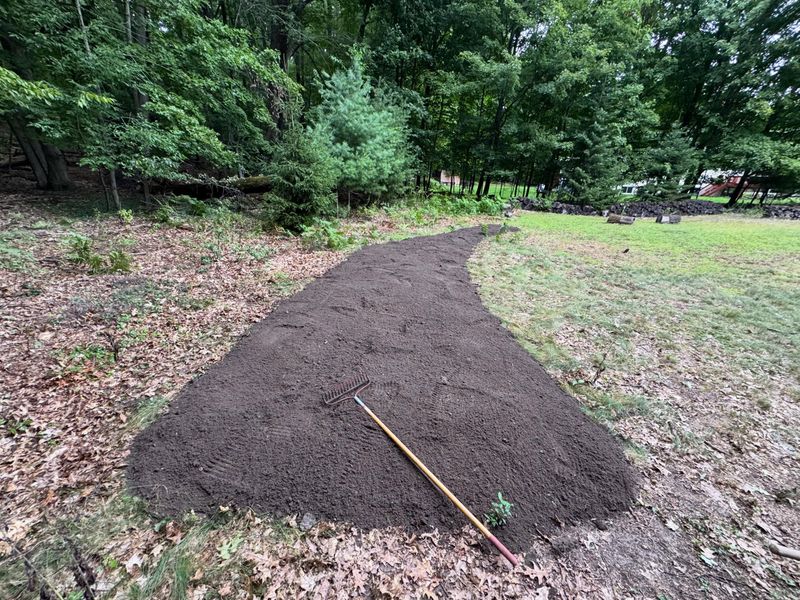
Covering the patch can help too, especially with thick cardboard topped by three or four inches of wood chips. The cardboard blocks sunlight, and without light, the vine struggles to make the sugars its roots need for survival.
Check edges and seams often, since bindweed is clever and will sneak through any gap it finds toward daylight. Landscape fabric is less reliable, since shoots can push through seams and tears, so overlap it generously and anchor it firmly.
Some gardeners in California also use selective herbicides on lawns or spot treatments on bare areas during fall. Read every label closely, and ask your local UC Master Gardener program for advice that fits your area.
Healthy, dense plantings help as well, because thick groundcovers and shrubs shade the soil and crowd out new seedlings. Planting cool-season crops or cover crops this October gives the bindweed less open space and less sunshine to use.
Expect this process to take two or three years, with each season showing fewer and weaker vines than before. Patience may sound boring, but watching the weed shrink year after year feels surprisingly rewarding for most gardeners.
Smart Habits For A Bindweed-Free Future
Fun fact: agricultural agencies have long ranked field bindweed among the worst weeds in the American West. Gardeners today still find that prevention is far easier than cleanup.
Start by checking new soil, compost, and potted plants before bringing them home, since roots often hitch rides inside. A quick look around the base of a nursery pot can spare you years of tugging at twisting green vines.
Keep a thick layer of mulch over bare soil, because bare soil gives seeds plenty of room to sprout. Wood chips, shredded bark, or straw work nicely, and fall is a great time to refresh any thin areas.
Clean your shovels, hoes, and boots after working in a bindweed patch so you do not carry pieces elsewhere. A stiff brush and a bucket of water take only a minute, but they stop sneaky root bits from traveling.
Walk your garden every week or so, especially along fences, paths, and the edges of raised beds and lawns. Spotting a single new sprout early is much easier than untangling a vine that has wrapped around your peppers.
Healthy soil with good drainage and plenty of organic matter grows strong plants that compete well against stubborn weeds. Strong neighbors leave fewer bare gaps, and bindweed rarely thrives when it must compete for every ray of sunshine.
Teaching kids or neighbors to recognize the arrow-shaped leaves turns the whole family into helpful garden detectives. With steady habits, your California yard can slowly shift from vine headquarters to a calmer, tidier, happier growing space.