The California Herbs To Sow In October For Winter Harvests
In early October, plenty of California gardeners pull out tired basil plants and assume the herb season has wrapped up for the year.
Across much of the state, that moment is actually a fresh starting line.
Several popular herbs prefer cool nights, gentle rain, and shorter days. Sown now, they can keep a kitchen stocked with fresh leaves well into winter.
The right picks depend a bit on local climate, from foggy coastal yards to frosty foothill gardens. Most California gardens still have room for at least a few.
Seven reliable choices stand out, along with tips that help an empty fall bed turn into a steady supply of flavor.
1. Cilantro Finally Escapes The Summer Bolt
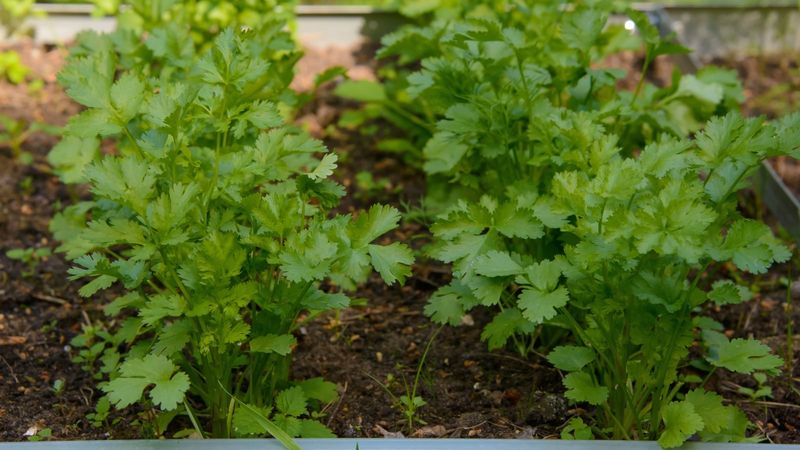
Anyone who has planted cilantro in June knows the disappointment. One hot week arrives, a tall flower stalk shoots up, and the leaves turn thin and bitter almost overnight.
Gardeners call this bolting. Heat and long days are the main triggers, and summer in California supplies plenty of both.
October flips the script. UC Master Gardener programs across the state often point to fall as a better time for cilantro, since cooler soil and shorter days slow the urge to flower.
The plants stay leafy and bushy much longer as a result. That means weeks of fresh cuttings for salsa, soups, and tacos instead of one quick harvest.
Seeds do best sown directly in the garden about a quarter inch deep. Cilantro grows a long taproot and resents being moved, so direct sowing usually beats transplants.
Germination can take one to three weeks. Lightly moist soil and a little patience help the seedlings come up evenly across the row.
A short row sown every two to three weeks through fall creates a rolling supply rather than one big crop at once. Harvesting outer leaves first lets the center keep growing.
In mild coastal and low-desert gardens, cilantro can grow steadily all winter. Colder inland valleys see slower growth during frosty spells, and a light cover cloth on freezing nights gives the plants a helpful boost.
This time of year, cilantro finally gets the cool season it has been craving.
2. Parsley Thrives Through A Mild Winter
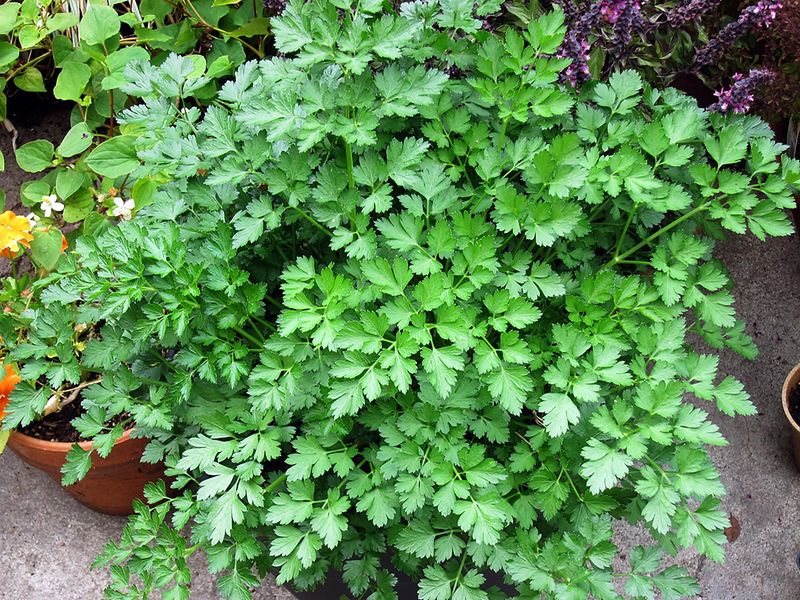
Every herb garden needs a quiet workhorse, and parsley fills that role beautifully. In much of California, it keeps pushing out fresh green stems from fall through spring with very little fuss.
Both curly and flat-leaf types handle cool weather well. Light frosts rarely slow them down for long.
As a biennial, parsley naturally grows leaves in its first season and flowers in its second. An October start lets the plant build strong roots and a full clump of foliage during the cool months.
By late winter, many gardeners are clipping handfuls every week. That’s a generous return for a few seeds and a sunny patch of soil.
Parsley seed is famously slow, though. Sprouting can take two to four weeks, which tests the patience of plenty of gardeners.
An overnight soak in warm water before planting can help speed things along. Small nursery transplants are another easy option for anyone who would rather skip the wait.
Your California Garden Changes Every Week. Your Plan Should Too.
Gardening in California changes quickly throughout the season. Every Friday you’ll receive a simple weekly plan showing exactly what to plant, prune, fertilize, harvest, and protect so you never miss the right timing.
A spot with full sun to light shade and soil that drains well suits parsley nicely. Watering when the top inch of soil feels dry works well, and winter rain often handles much of that job.
Cutting outer stems near the base keeps the center producing new growth. In colder inland or foothill areas, growth may pause during hard freezes, and a little mulch around the roots offers extra protection until days warm.
3. Chervil Rewards A Cool Season Start
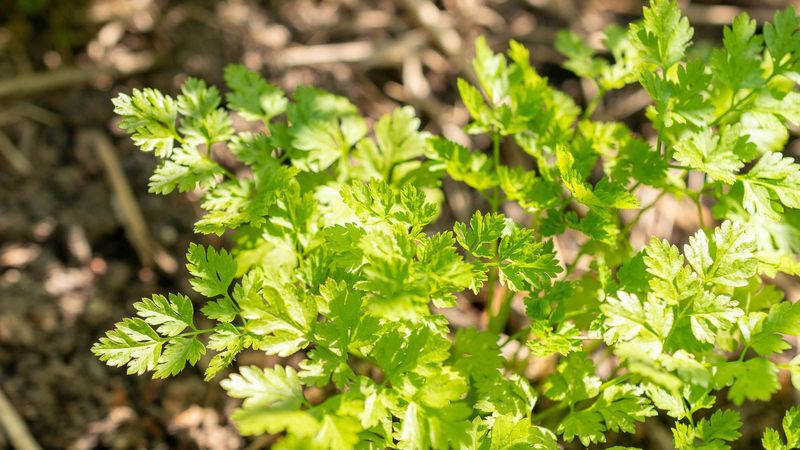
Plenty of home gardeners have never grown chervil, which is a real shame. French cooks have loved this herb for centuries, and it’s one of the herbs in the classic blend called fines herbes.
Its soft, lacy leaves taste like a gentle mix of parsley and a light hint of anise. The flavor is delicate enough to brighten a dish without taking it over.
Chervil is a true cool-season plant. Summer heat sends it bolting quickly, but it settles in happily once temperatures drop, which makes October a natural starting point.
Direct sowing works best, since the root system is delicate and dislikes being moved. Seeds need some light to sprout, so pressing them lightly onto the soil or covering them with only a thin layer helps.
Evenly moist soil until seedlings appear keeps germination on track. Rich soil with some compost mixed in helps the plants stay tender and full.
Unlike most herbs, chervil actually prefers partial shade, even in cool weather. A spot under a deciduous tree or along the east side of a fence can work beautifully.
Leaves are usually ready to snip about six to eight weeks after sowing. They’re best used fresh, since the flavor fades quickly with cooking or drying, and they shine over eggs, fish, or potatoes.
Colder inland zones may see growth pause during frosty weeks. Mild coastal gardens often enjoy steady harvests right through winter.
4. Dill Prefers These Milder Temperatures
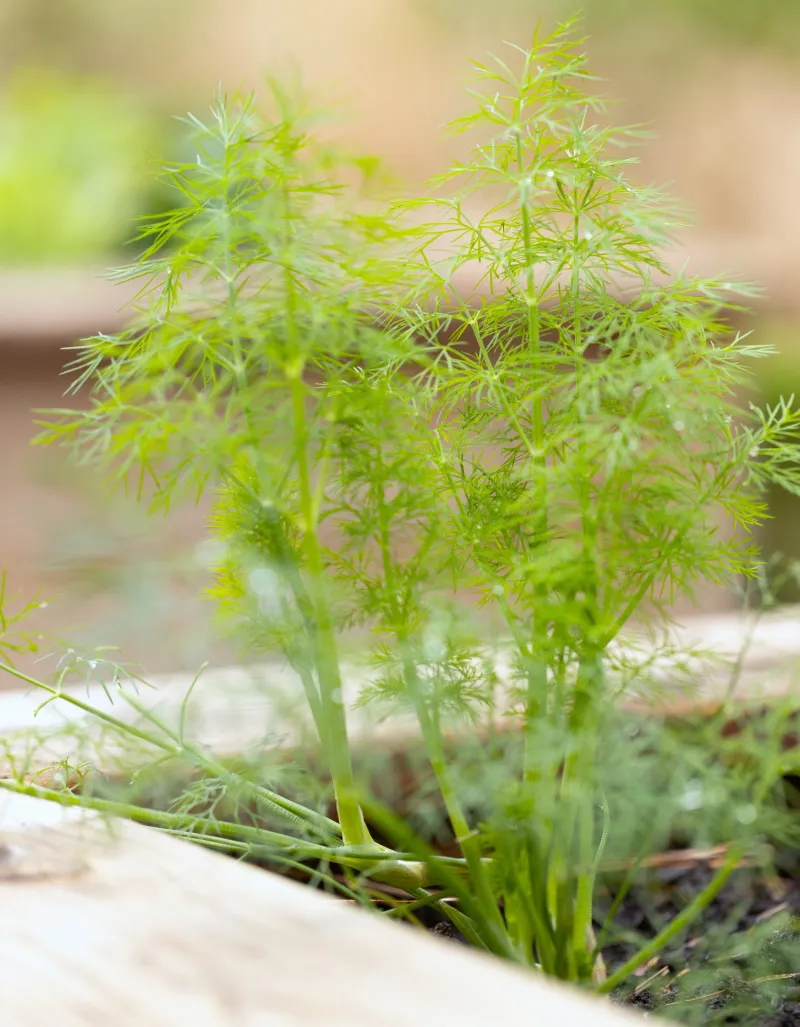
A brush of the hand across a dill plant on a cool morning fills the air with a fresh, tangy scent that instantly says pickles. This feathery, cheerful herb often behaves best when the weather is mild rather than scorching.
Like cilantro, dill tends to bolt and set seed quickly in hot summer conditions. Fall and winter in many parts of California offer the moderate temperatures it enjoys.
Under those conditions, plants spend more time growing soft, flavorful fronds. More fronds means more chopping for potato salad, fish, and homemade dips.
Seeds go directly in the garden about a quarter inch deep, in a sunny location. Dill grows a taproot and doesn’t enjoy transplanting, so starting in place gives it the best shot.
Thinning seedlings so each plant has a few inches of space helps them fill out. Sowing a few seeds every few weeks keeps fresh leaves coming all season.
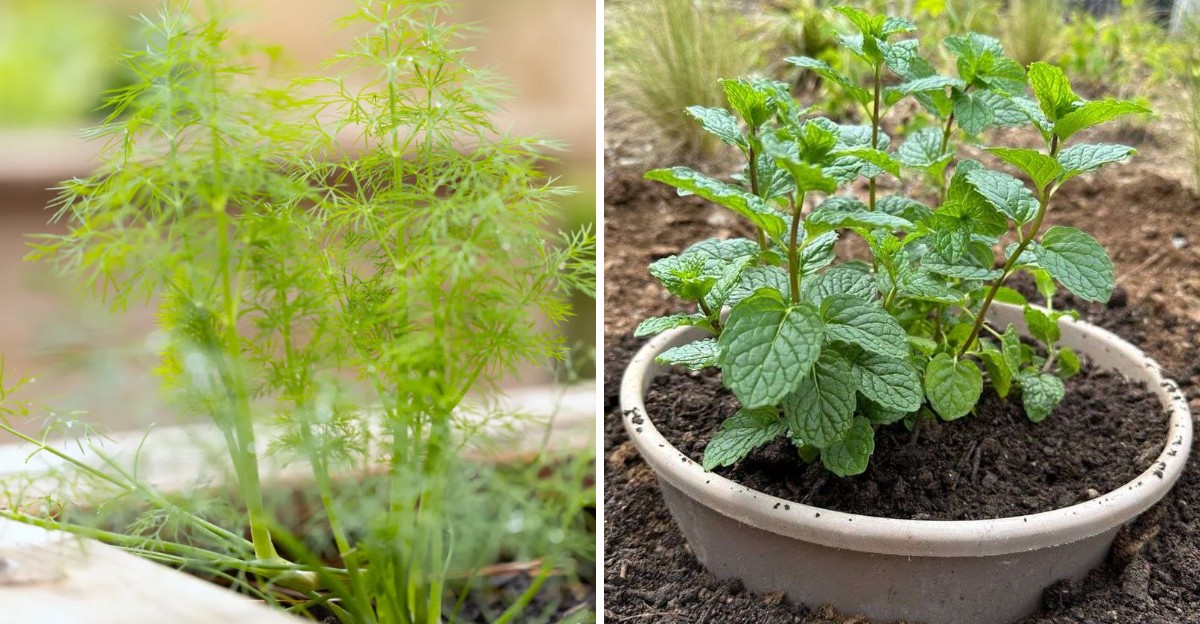
Taller varieties can reach three feet or more and may flop over in winter wind or rain. Compact types like Fernleaf stay shorter and work well in containers or small beds.
Any plants that do flower bring a bonus, since ladybugs and tiny beneficial wasps love the blooms. Dill handles light frost, though hard freezes in colder inland or mountain areas can damage it.
Low-desert and coastal gardeners usually enjoy the most reliable winter dill. Colder regions may still harvest, just at a slower pace.
5. Chives Stay Productive Right Through Winter
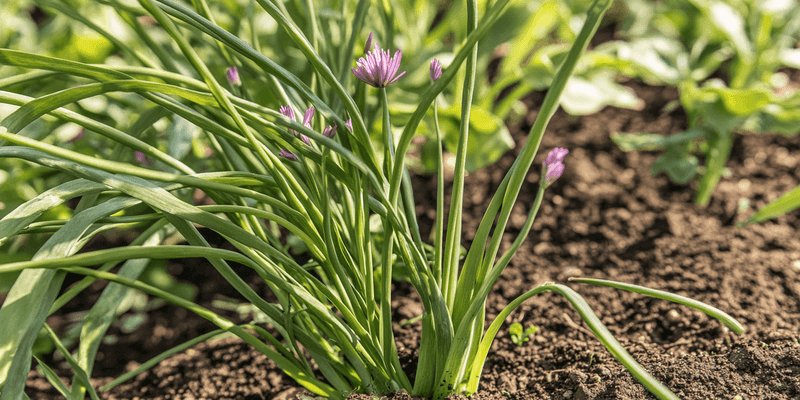
A pair of kitchen scissors and a quick step outside are about all chives ask for once they’re established. These grassy, onion-flavored herbs are perennials, so one planting can keep giving for years.
Chives can be started from seed in fall, though many gardeners find it faster to buy a small clump or divide one from a friend. Seeds sprout slowly and young plants take a while to fill in.
Transplants deliver harvests much sooner. Either way, an October start gives roots time to settle before winter.
In California areas with mild winters, chives often stay green and productive through much of the cold season. Full sun to light shade and well-drained soil suit them best.
These plants are tough and forgiving, and they handle frequent cutting with ease. Regular snipping actually encourages fresh new shoots.
Cutting leaves about an inch or two above the soil works better than trimming just the tips. This keeps the clump tidy and growing strong.
Fresh chives add a mild oniony kick to baked potatoes, eggs, and soups. A small pot near the kitchen door makes those quick harvests even easier.
Expectations shift a bit in colder inland valleys and mountain towns. There, chives may slow down or retreat to the ground during freezing weather.
The roots usually hold on, though, and send up new green spears as spring warms the soil.
6. Mint Keeps Growing With Minimal Care
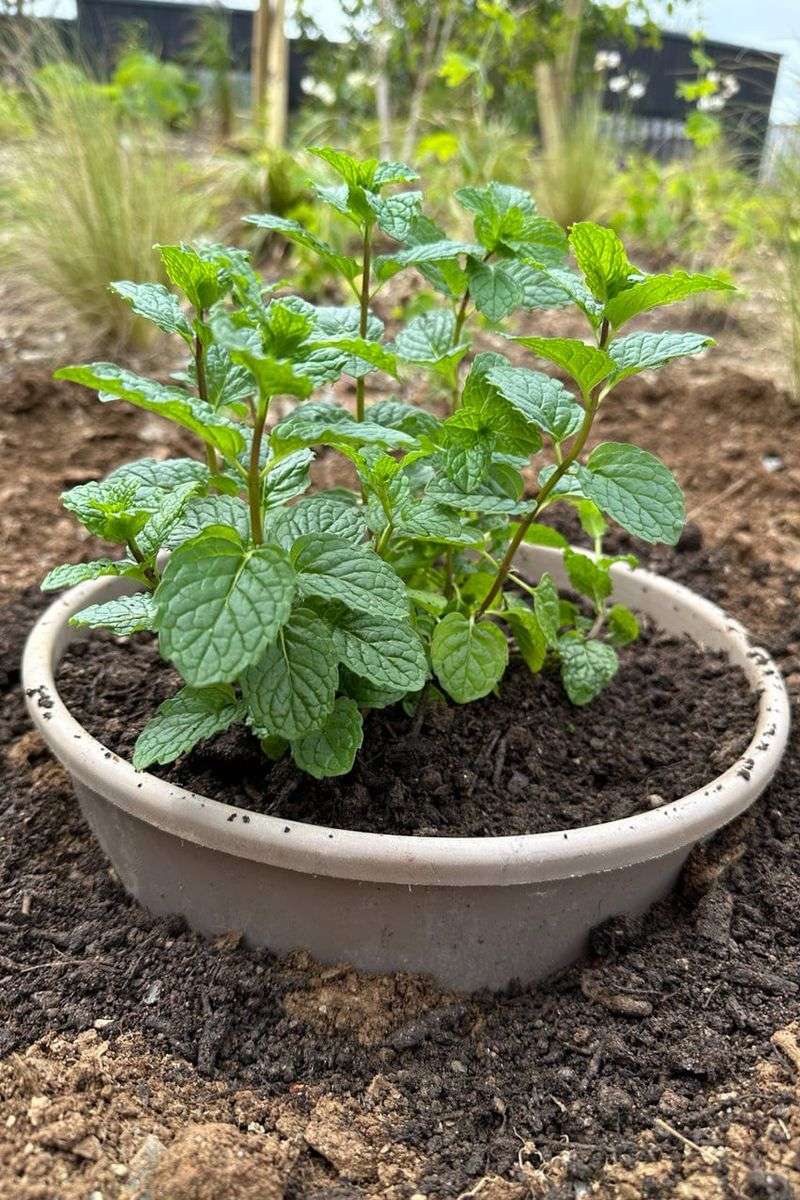
Some herbs need coaxing, but mint needs a fence. This bold plant sends out underground runners that can take over a garden bed in a single season, which explains why so many gardeners keep it in pots.
Transplants or cuttings are the usual starting point rather than seed. Many popular kinds, like peppermint, don’t grow true from seed.
A small plant set out in October has time to root in before the coolest weeks arrive. Once settled, it asks for little beyond water and an occasional trim.
In mild coastal and Southern California gardens, mint can keep producing leaves through much of winter, especially in a sunny spot. Growth slows a bit as days shorten.
Even so, there’s usually enough for sprigs in tea, fruit salads, or a cool glass of water. Winter rains often take care of the watering, too.
A container at least twelve inches wide with drainage holes makes a good home. For in-ground planting, a bottomless bucket buried around the roots helps hold them in place.
Regular cutting keeps the plant bushy instead of leggy. There are dozens of mint types to try, including chocolate mint and apple mint, each with its own personality.
Colder inland and mountain areas see mint go dormant after frost, with the top growth fading back. The roots are hardy, though, and fresh shoots usually return once spring arrives.
7. Thyme Settles In Ahead Of Winter Rain
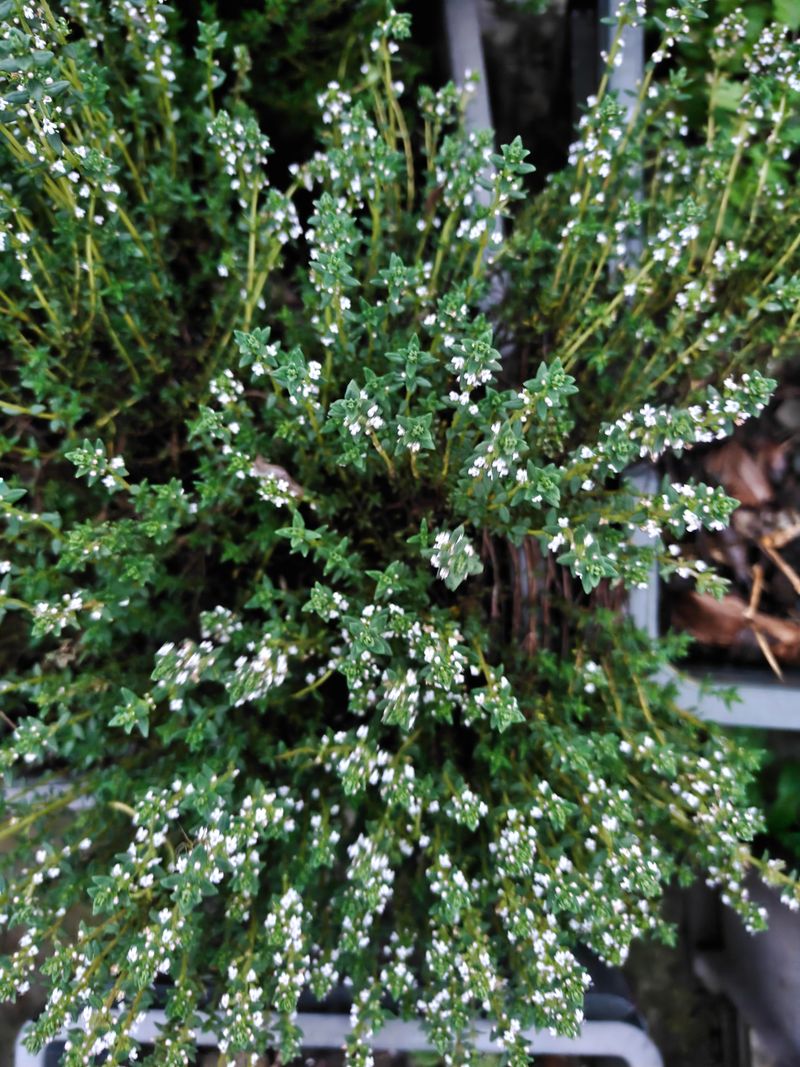
Fall is a great moment to give this Mediterranean classic a permanent home. Thyme comes from hot, dry hillsides, and California’s climate suits it remarkably well.
Unlike the leafy annuals on this list, thyme is a woody perennial. An October planting lets roots spread through cool, moist soil before summer heat returns.
Winter rain does much of the early watering. By spring, the plant is usually established enough to handle dry weeks with little extra help.
Small nursery transplants are the easiest way to start. Seed is tiny and slow to sprout, and many favorite types, like lemon thyme, are grown from cuttings or divisions instead.
Drainage matters most of all. Soggy winter soil is thyme’s biggest challenge, so a raised bed, a sunny slope, or a pot with drainage holes works far better than a low, wet spot.
Full sun keeps the plant compact and fragrant. Rich soil and fertilizer aren’t needed, since lean conditions actually bring out stronger flavor.
Light harvests can begin once new growth appears. Snipping sprigs just above a leaf pair encourages bushier growth, and the leaves add an earthy note to roasted vegetables, soups, and beans.
Thyme handles light frost well in most California gardens. A light trim after the coldest weeks pass keeps it from turning too woody.
For anyone who has been putting off an herb bed, it’s about thyme to get started.
8. October Timing Beats Waiting For Spring
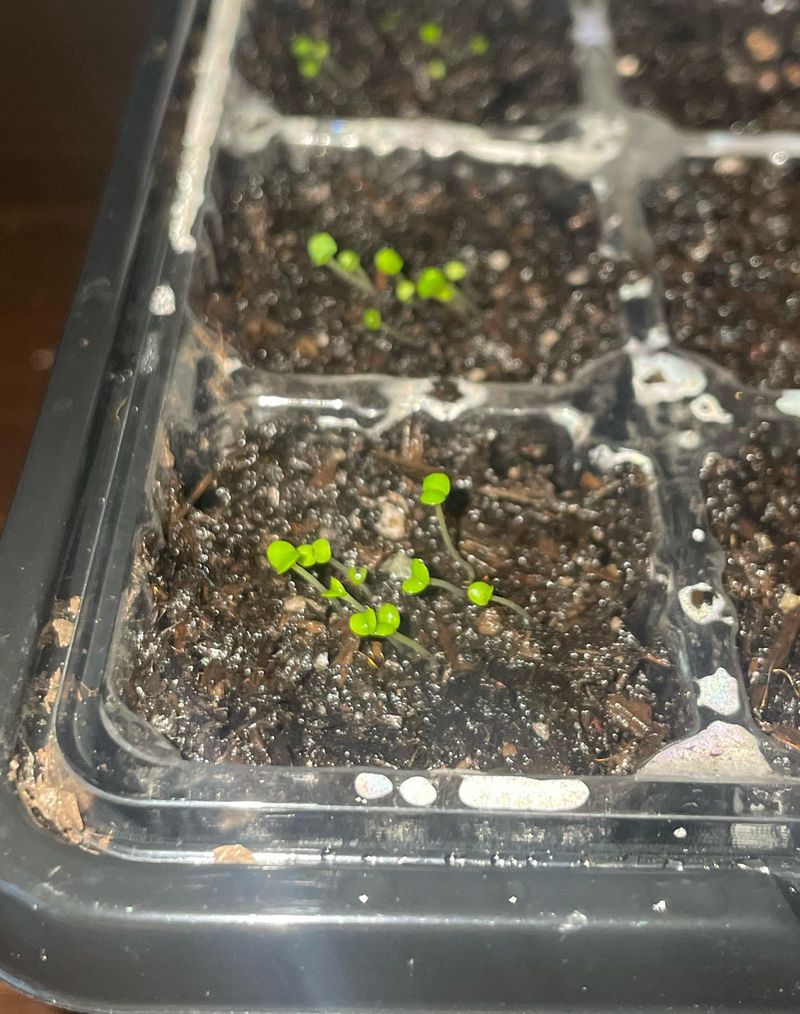
Spring feels like the natural planting season to many people. Garden centers fill with seedlings, and everyone gets excited about starting fresh.
For many California herb growers, though, spring is actually the second-best season. October has a few clear advantages.
The soil is still warm from summer, which helps seeds sprout, while the air is cooling down. That combination gives cilantro, dill, chervil, and parsley a long stretch of comfortable growing weather.
Those same herbs planted in spring may rush to flower once summer heat arrives. The fall window simply gives them more time to stay leafy.
Winter rain is another big bonus. In many years, fall and winter storms do much of the watering. Pests also tend to be less active in cooler months, so tender leaves stay cleaner and healthier.
California is a big state with very different climates, of course. Coastal gardens and low-desert regions usually enjoy the most continuous winter growth.
Central Valley and inland areas may see slower harvests during frosty spells. Mountain and high-elevation gardeners face hard freezes, so cold frames, row covers, or indoor pots can make a real difference.
Local frost dates offer the best guide for exact timing, since microclimates vary even within a single neighborhood.
A few herbs started this October could mean fresh leaves on the cutting board while neighbors are still flipping through seed catalogs.