8 Signs Your California Compost Pile Is Ready To Use
Finished compost ranks among the best gifts a gardener can give the soil. Timing, however, matters more than many people realize.
Compost used too early can tie up nitrogen that plants need and may even stress tender roots and seedlings.
A pile that looks good on the surface can still be quietly working underneath, especially after a long, warm California summer.
Fortunately, mature compost gives off clear clues. Most can be checked with nothing more than hands, a nose, a shovel, and a simple thermometer.
Eight reliable signs show when a batch has truly finished its work. Together, they take the guesswork out of deciding when to spread it on beds.
1. The Pile Has Cooled From Its Peak Heat
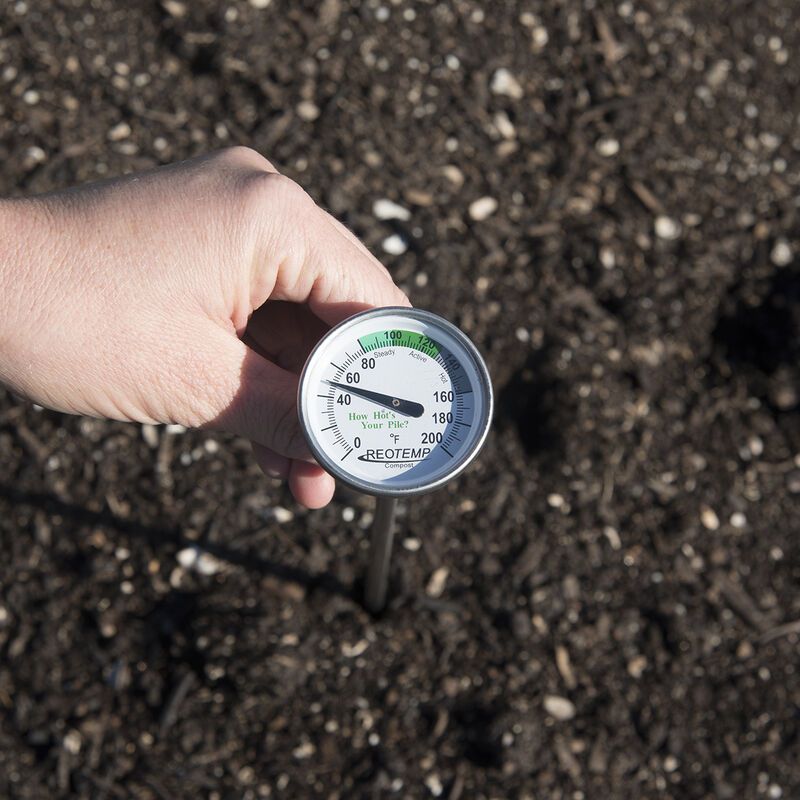
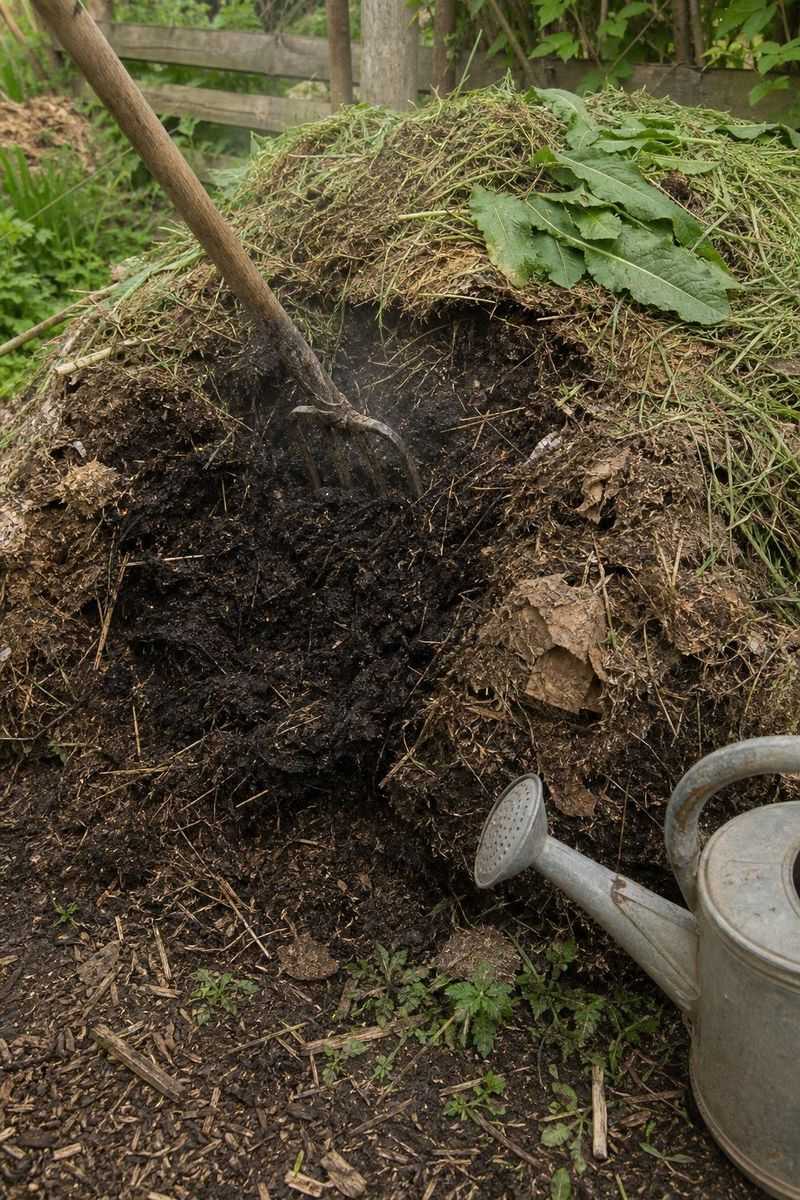
A hand pushed deep into an active pile often pulls back fast. During the busiest stage of breakdown, hungry microbes can heat a well-built pile to between 130 and 160 degrees Fahrenheit, according to UC Master Gardener composting guidance.
That heat signals hard work happening inside. Once the microbes run out of easy food, they slow down and the temperature drops.
Finished compost sits close to outside air temperature, even after turning. That second part is key, since a pile that has simply dried out or run low on oxygen can cool down too.
A pile like that often heats right back up after mixing. Cooling alone doesn’t confirm the job is done.
A compost thermometer with a long probe, about 18 to 24 inches, gives the most accurate reading from the center.
Recording the temperature, turning the pile, adding a little water when it feels dry, and testing again a few days later reveals the true picture.
A center that stays warm or climbs again means more time is needed. A reading that stays near air temperature through a couple of turnings shows the batch is getting close.
Many experts also suggest letting compost cure for a few extra weeks after it cools. That rest period helps it settle and become gentler on plants.
California summers can warm the outer layers of a bin. Measuring the middle, not just the edges, keeps the reading honest.
2. Original Materials Are No Longer Recognizable
Avocado peels, coffee grounds, and crunchy oak leaves tossed in months ago should have vanished into the mix by now. In finished compost, nothing should be identifiable as what it once was.
UC ANR composting guides describe mature compost as material where the original ingredients can’t be recognized. Bacteria, fungi, worms, and tiny insects have broken everything down into a new product called humus.
The process works a lot like baking bread. Once the loaf is done, there’s no picking the flour back out. The ingredients have become something entirely new.
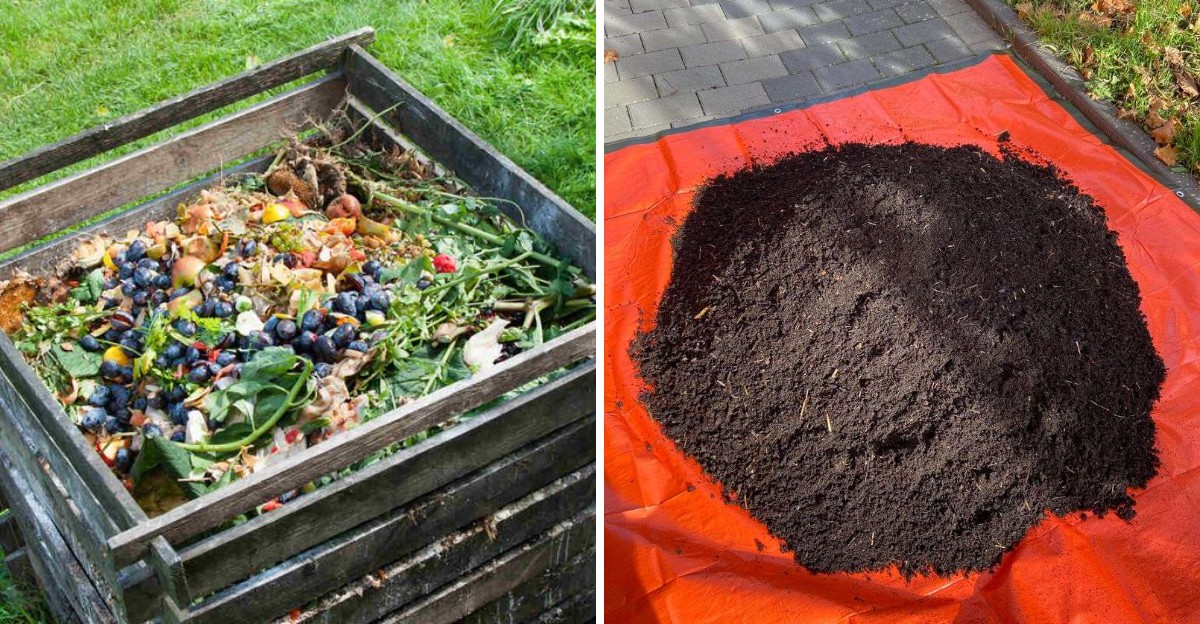
A shovelful from the middle, spread on a tarp or old cookie sheet, makes inspection easy. Leaf shapes, stems, peels, or chunks of paper all stand out clearly against the darker material.
A few tough bits are normal and nothing to worry about. Twigs, wood chips, corn cobs, avocado pits, and eucalyptus bark take much longer to break down than soft scraps.
Your California Garden Changes Every Week. Your Plan Should Too.
Gardening in California changes quickly throughout the season. Every Friday you’ll receive a simple weekly plan showing exactly what to plant, prune, fertilize, harvest, and protect so you never miss the right timing.
Many gardeners run finished compost through a screen made from half-inch hardware cloth to catch these leftovers. The chunks go back into the next batch so they can keep working.
A pile that still looks like a salad of old ingredients simply needs more time. Regular turning and steady moisture help speed things along.
Patience at this stage pays off. The reward is a richer, smoother compost that blends easily into garden beds and potting mixes.
3. Texture Turns Dark And Crumbly
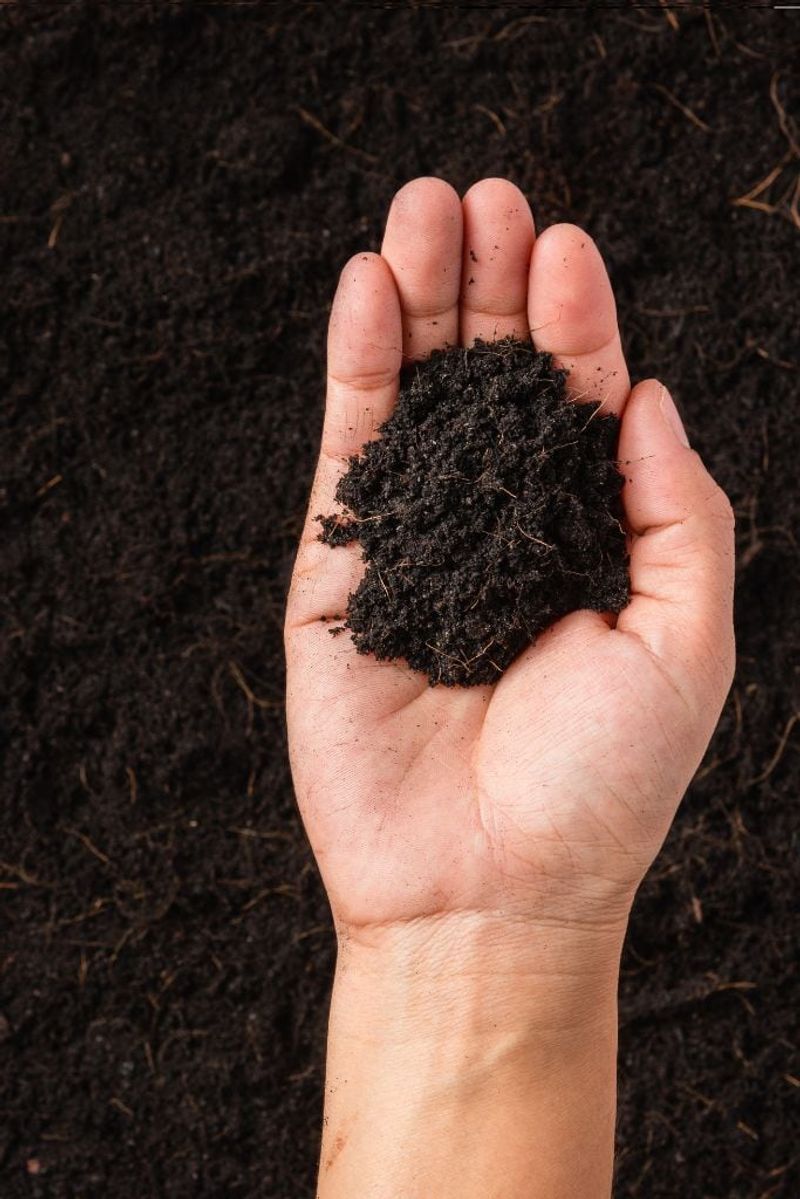
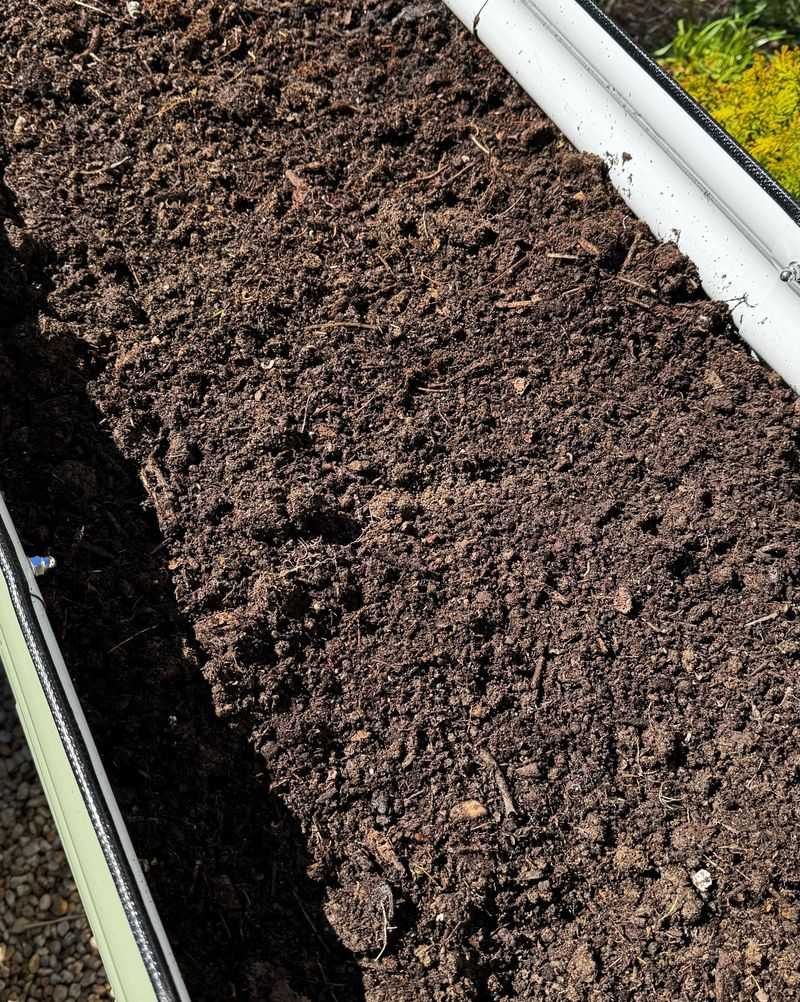
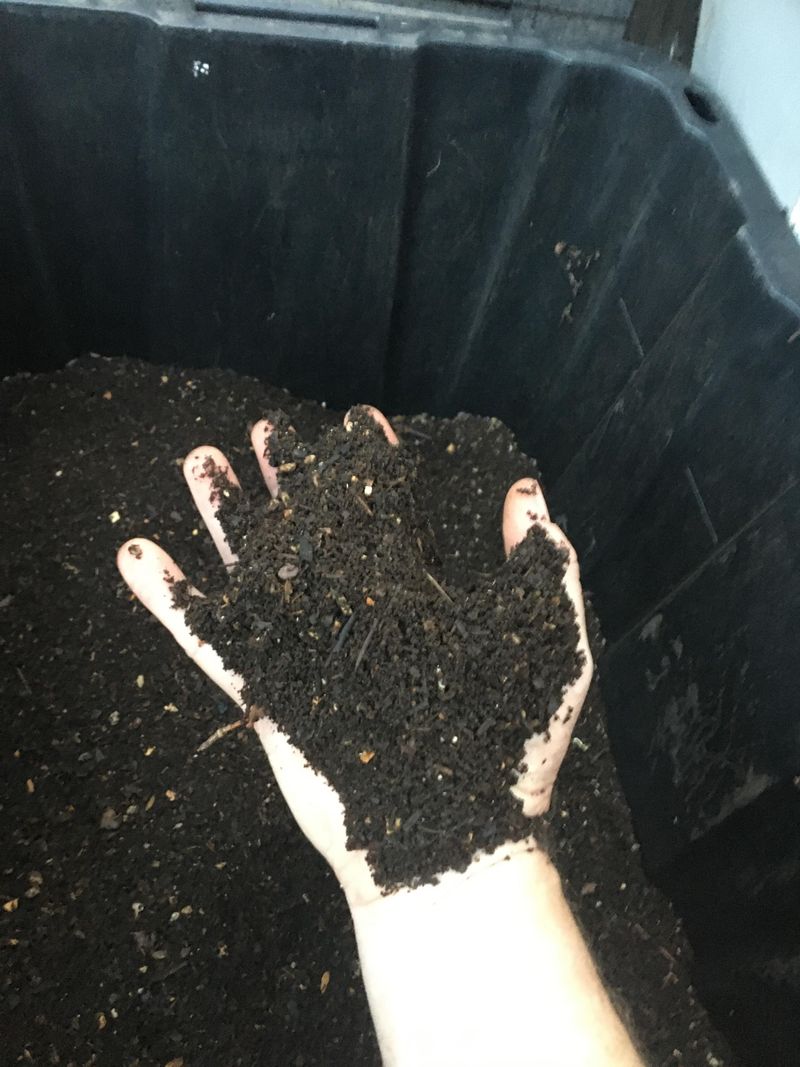
Good finished compost has the rich, dark brown to nearly black color of a crumbled chocolate cake. It feels loose and crumbly, a lot like fresh potting soil or the dark layer found under trees in a forest.
UC ANR lists a dark, crumbly texture as one of the main signs of mature compost. The dark color comes from humus, the stable material left behind after microbes finish breaking down plant matter.
The crumbly feel means the compost has formed small, soft clumps. Those clumps fall apart easily when rubbed between the fingers.
A quick hands-on test confirms it. A handful rubbed gently between the palms should break into small, soft pieces rather than staying stringy, matted, or chunky.
A few warning signs are worth knowing. Pale brown or tan material often means too many dry leaves or too much straw, along with too little moisture or green scraps.
Hard, sticky clumps may point to excess grass clippings or a pile that stayed soggy. Both problems usually improve with better balance and regular turning.
In dry parts of California, compost can look lighter on top simply because the surface dried in the sun. Digging down several inches before judging the color gives a much more accurate read.
That deeper layer shows what plants will actually receive. Color near the surface can be a little misleading during warm, breezy months.
4. It Smells Earthy, Not Sour Or Ammonia Like
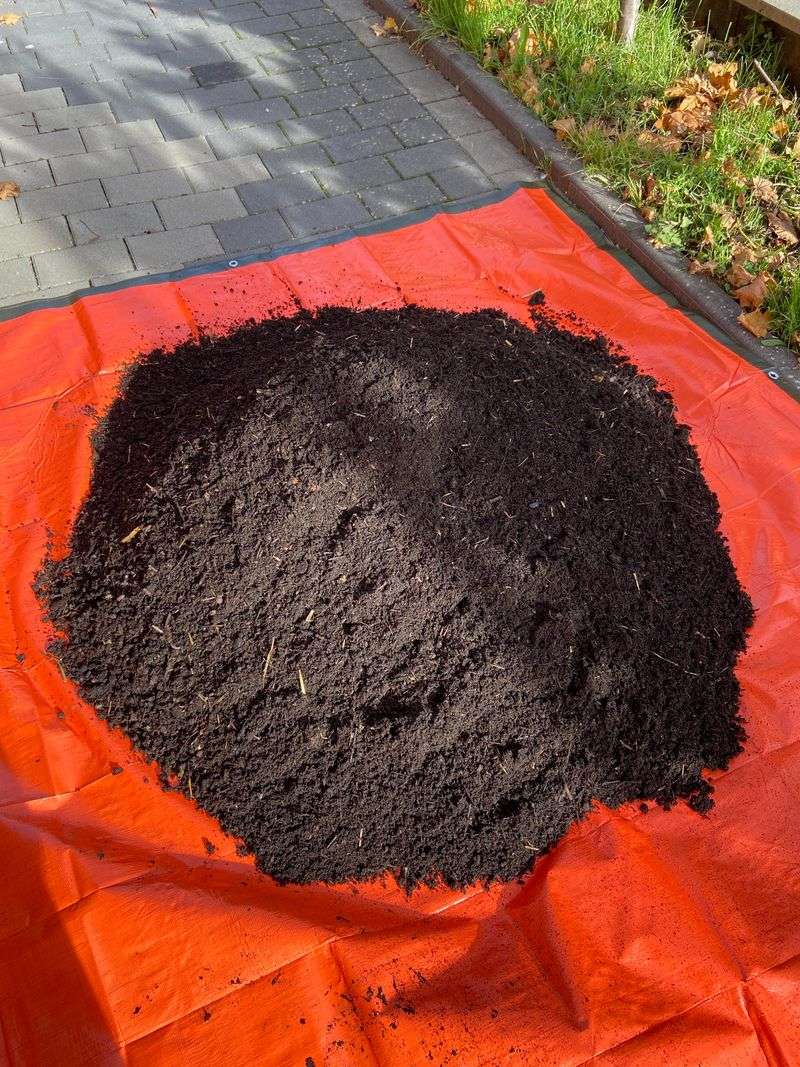
A nose ranks among the best compost tools available, and it costs nothing. Finished compost should smell sweet and earthy, much like a forest floor after rain or a freshly dug garden bed.
That pleasant scent comes partly from tiny soil organisms called actinomycetes. They release a natural compound named geosmin, the same one behind the famous smell of rain on dry ground.
Human noses can detect geosmin in extremely tiny amounts. Even a small whiff tells a lot about a pile’s progress.
Unpleasant smells mean something is still going on. A sharp ammonia odor, a bit like cleaning spray, usually points to too much nitrogen-rich material, such as fresh grass clippings or manure.
Mixing in dry, brown materials like shredded leaves or cardboard helps balance things out. The smell typically fades as the mix evens out.
A sour, rotten-egg, or garbage smell often means the pile is too wet and packed down, leaving it short on oxygen.
UC Master Gardener guidance recommends turning the pile to let air in and adding dry materials to soak up extra water.
After those fixes, the pile needs time to recover. A week or two of steady turning often makes a noticeable difference.
Sour-smelling compost isn’t ready for garden beds. Unfinished material can contain acids and compounds that may stress roots or seedlings, so waiting until the whole batch passes the sniff test is the safer path.
5. Volume Has Shrunk Significantly
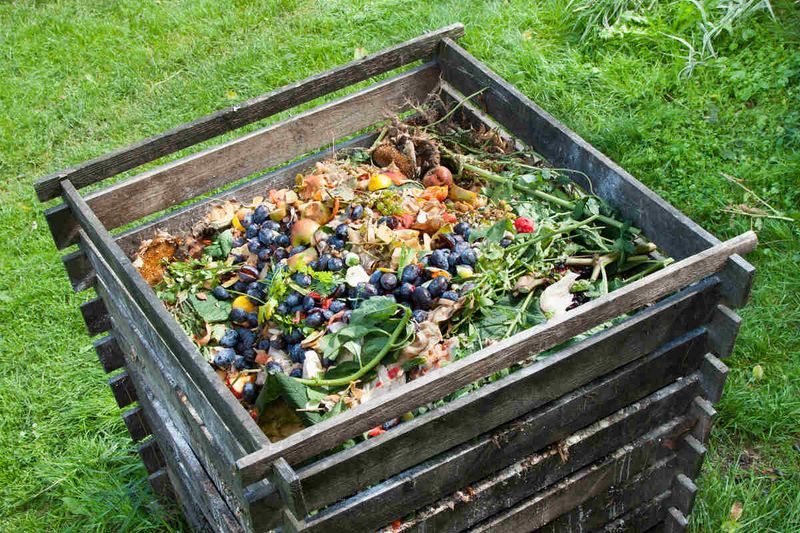
A simple mark on a stake or the side of the bin makes tracking progress easy. A few months later, that starting line will likely sit well above the top of the compost.
Watching a pile sink ranks among the most satisfying parts of composting. It’s visible proof that the microbes have been busy.
As materials break down, much of the original matter turns into carbon dioxide, water vapor, and heat that leave the pile.
UC ANR composting resources note that a pile often shrinks to around half its original size or less by the time it’s done.
The exact amount depends on the ingredients and how fluffy the pile was at the start. A big pile of loose fall leaves might shrink far more than one packed with dense food scraps.
That’s why shrinkage works best as one clue among several rather than the only test. A pile can also settle under its own weight, especially right after it’s built.
Tracking height over time gives the clearest picture. A pile that keeps dropping week after week is still actively decomposing.
Once the height holds steady for several weeks and the other signs line up, the compost is very likely finished. That’s usually the moment to start planning where it will go.
A smaller pile brings a practical bonus, too. It’s much easier to scoop, screen, and haul to garden beds.
6. No Fresh Food Scraps Remain Visible
A bright orange peel or half-eaten strawberry turning up in the pile sends a clear message. The batch is still hungry and still working.
Finished compost shouldn’t reveal fresh, unbroken food scraps anywhere the shovel goes, from top to bottom. UC ANR guidance points to the absence of visible fresh material as a sign of maturity.
This matters for more than looks. Food scraps still breaking down can attract flies, rats, raccoons, and ants, and nobody wants those visitors near the vegetable patch.
A common mistake is adding new scraps to a batch that’s almost done. Every fresh handful of kitchen waste restarts the clock for that part of the pile.
Many California gardeners solve this with two or three bins. One batch finishes while another collects new material, keeping the process moving smoothly all year.
A batch that seems ready should stop receiving anything new. Digging into several spots, including the bottom and center, helps reveal scraps that often hide in the middle.
Any leftover bits can be pulled out and moved to the active bin. They’ll finish there without slowing down the batch that’s almost ready.
Some foods, like citrus rinds, pits, and corn husks, are naturally slow to break down. Chopping scraps into small pieces before adding them gives microbes more surface to work on, which speeds up the whole process.
7. It Holds Together Without Feeling Slimy
A firm squeeze, like forming a small snowball, reveals a lot about moisture and texture. Good compost should hold its shape loosely, then crumble when poked.
UC Master Gardener programs often compare the right moisture level to a wrung-out sponge. A squeeze might release a drop or two of water, but not a steady stream.
That damp feel shows the compost has enough moisture without being soaked. It’s the same balance roots prefer in garden soil.
Slimy, sticky, or dripping compost tells a different story. It usually means the pile is waterlogged and short on air, which can cause bad smells and slow breakdown.
Spreading soggy compost on a tarp to dry a bit helps. Mixing in dry brown materials and turning more often also gets things back on track.
On the flip side, compost that falls apart into dusty powder may be too dry. Long, hot California summers and low humidity can pull water out of piles quickly.
Dry compost can look finished when the microbes have actually just stopped working. A sprinkle from the hose while turning, followed by a week or two of waiting, sorts out the difference.
A pile that heats up again wasn’t done after all. A pile that cools and stays cool after rewetting is a much safer bet.
Covering bins with a lid or tarp during dry months helps keep moisture steady and prevents that false finish.
8. A Simple Look And Smell Test Confirms It
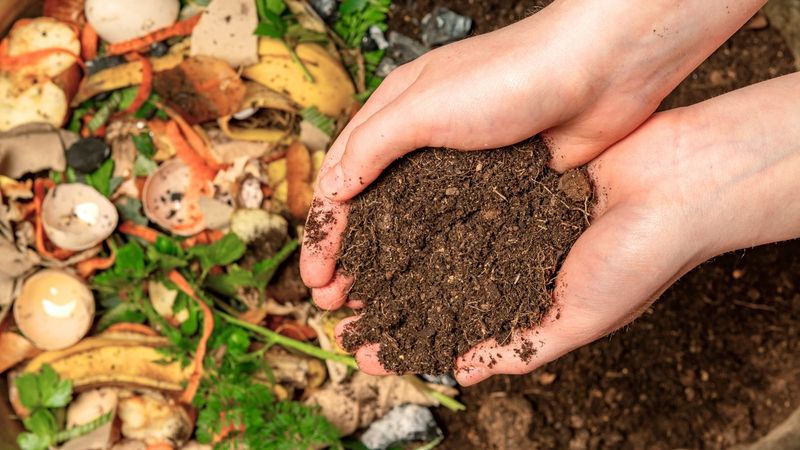
No lab or fancy gear is needed to know when compost is done. A five-minute check using eyes, nose, hands, and a thermometer works for most backyard piles.
The center temperature comes first. It should stay near air temperature, even after turning and a few days of waiting.
Next, a scoop of compost spread on a tarp should show a dark brown color, a crumbly feel, and no recognizable leaves, peels, or scraps.
A good sniff follows, with earthy scents signaling success and sour or ammonia smells meaning more time.
The squeeze test should reveal a damp, sponge-like feel without slime. The pile should also have shrunk considerably and stopped sinking.
When every one of those boxes gets a check, the batch is in great shape. Each sign supports the others, so passing them all together offers real confidence.
A simple seed test adds extra peace of mind. A small pot filled with the compost and planted with a few radish or lettuce seeds should show normal sprouting and growth within about a week.
Poor sprouting can mean the compost needs more curing time. A few extra weeks of rest usually solves the problem.
Once it passes, finished compost can be mixed into garden beds, spread as mulch, or blended with potting soil. Months of patient turning finally pay off in healthier soil and happier plants.