What Rose Bushes Need In October After A Brutal Texas Summer
Your roses just made it through a Texas summer. That’s no small accomplishment. For months, they’ve battled triple-digit heat, scorching sun, and stretches of little or no rain.
Some bushes came out looking pretty good. Others are tired, leggy, and a little worse for wear. Either way, they’ve been running on fumes. October is their chance to recover.
Cooler nights and milder days give roses a much-needed break, and they respond quickly when they get the right care.
A little attention now can bring on a strong fall bloom, rebuild healthy growth, and prepare the plants for the colder months ahead. Too much attention, though, can backfire.
Giving your roses exactly what they need, and nothing they don’t, is the key to a beautiful comeback.
1. Deep, Consistent Watering
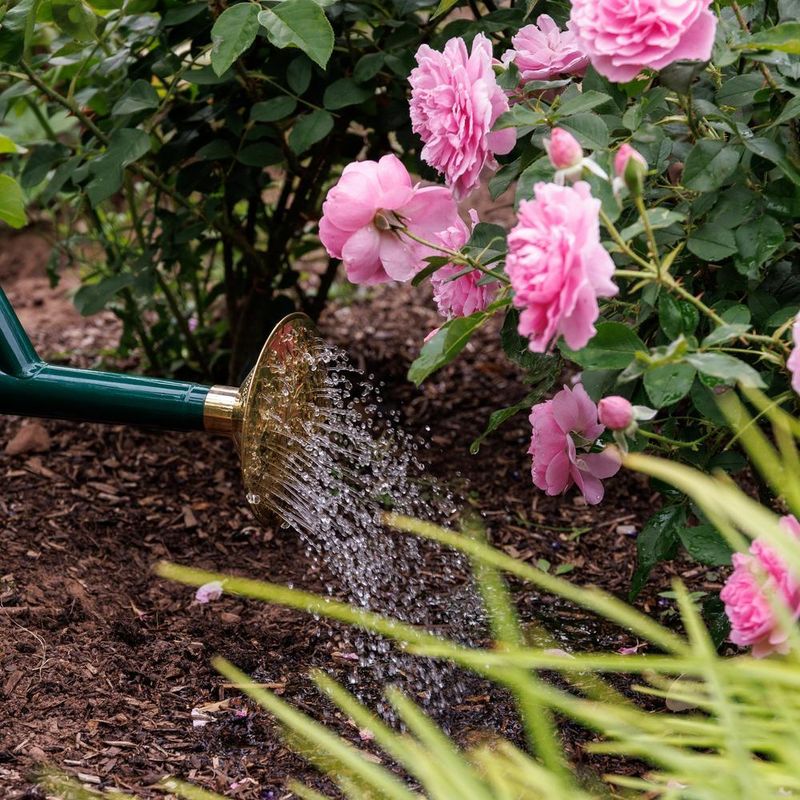
Thirsty roses after a Texas summer are a lot like hikers after a long trail. They need a real drink, not a few sips here and there. Deep watering is the fastest way to help them recover.
Light sprinkling every day might feel helpful, but it only wets the top inch of soil. Roots then stay shallow, close to the surface where heat dries them out.
Deep watering pushes moisture down 12 to 18 inches, which invites roots to grow deeper and stronger.
Most rose bushes do well with a good soaking once or twice a week in October. The exact amount depends on your soil and the weather. Sandy soil drains fast and may need water more often, while heavy clay holds moisture longer.
Here is a simple test you can try. Push your finger about two inches into the soil near the plant. If it feels dry, it is time to water, and if it feels damp, wait another day or two.
Timing matters too. Water in the morning, when the air is cool and calm. Plants soak up the moisture before the afternoon sun shows up, and less water is lost to evaporation.
Aim the water at the base of the plant, right over the roots. Keeping the leaves dry helps prevent fungal problems, which love wet foliage on cool fall nights. A soaker hose or drip line makes the job easy and saves water.
Fun fact: one deep soak can do more good than a whole week of quick sprinkles. Your roses will thank you with greener leaves and fuller buds.
2. A Light Feeding For Fall Blooms

Ask any longtime Texas rose grower about their favorite season, and many will say fall. Cooler weather brings out richer colors and longer-lasting flowers. A little food now helps your bushes put on that show.
After a hot summer, roses have used up a lot of their stored energy. A light feeding in early October gives them a gentle boost. Think of it as a healthy snack, not a giant holiday dinner.
You can use a fertilizer made for roses or a balanced one, such as a 10-10-10 mix. Organic choices like alfalfa meal, fish emulsion, or compost also work nicely. Follow the label and use a little less than the full amount if you are unsure.
Your Texas Garden Changes Every Week. Your Plan Should Too.
Gardening in Texas changes quickly throughout the season. Every Friday you’ll receive a simple weekly plan showing exactly what to plant, prune, fertilize, harvest, and protect so you never miss the right timing.
Spread the fertilizer evenly around the drip line, which is the area under the outer edge of the branches. Keep it off the canes themselves. Water well before and after feeding so the roots can take in the nutrients safely.
Timing is the key part of this step. Stop fertilizing about six to eight weeks before your area’s first expected frost. In North Texas, that might mean finishing by early October, while gardeners near the coast can feed a bit later.
Why stop? Fertilizer pushes out soft, tender new growth. If cold weather hits while that growth is still young, it can get damaged and leave the plant stressed going into winter.
Check your local frost date with your county extension office. A quick search will give you a good target. Feed lightly, stop on time, and enjoy the colorful reward.
3. Removing Spent Flowers
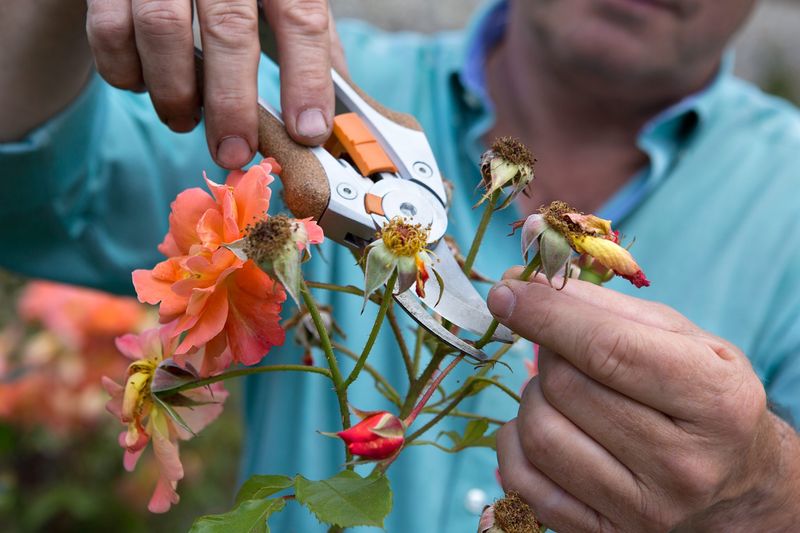
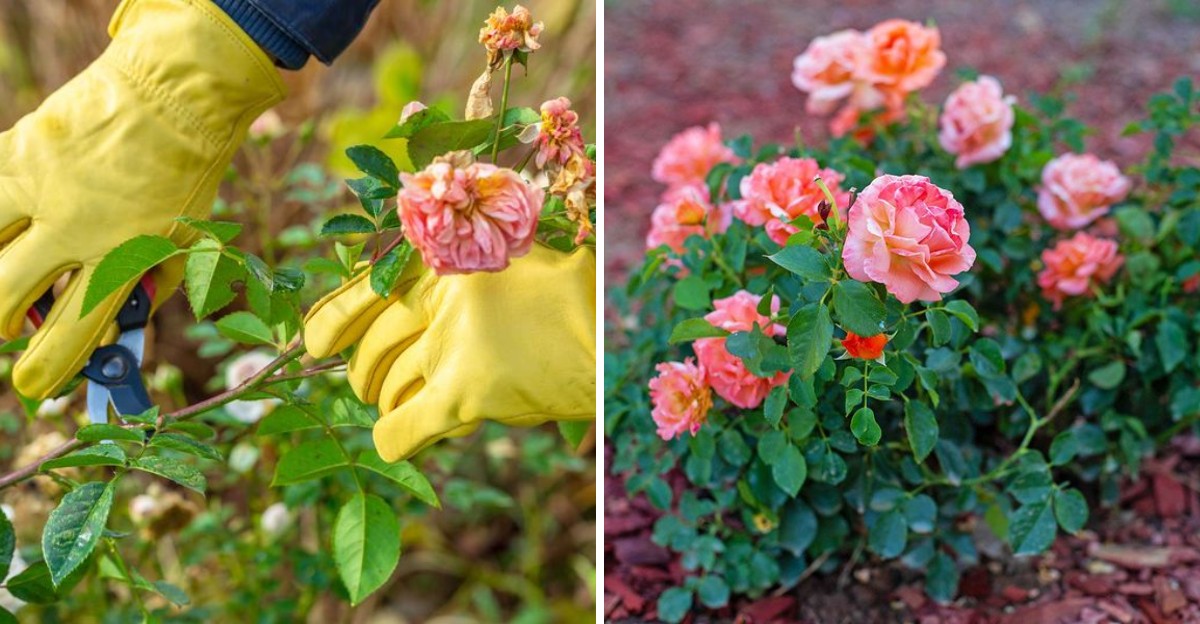
Snip, snip, and new flowers follow. Deadheading might be the most satisfying chore in the whole rose garden. It takes only a few minutes, and the results show up fast.
A spent flower is one that has faded, dropped petals, or turned brown. Once a bloom finishes, the plant starts working on seeds, which form inside round fruits called hips. Making hips uses up energy that could go toward fresh blossoms instead.
By cutting off old flowers, you send the plant a simple message. Keep blooming! Roses respond by pushing out new buds, often within a few weeks during the mild days of fall.
Getting the cut right is easy once you know what to look for. Follow the stem down from the old flower until you reach a leaf with five leaflets. Make your cut about a quarter inch above that leaf, angled slightly away from the bud.
Why five leaflets? Leaves near the top of the stem often have only three, and the buds there tend to produce weak shoots. A five-leaflet leaf usually has a stronger bud that can grow a sturdy new stem.
Use clean, sharp bypass pruners for a smooth cut. Dull blades crush stems and open the door to disease. Wiping your pruners with rubbing alcohol between plants is a smart habit.
Here is a quirky bit of history. Victorian gardeners sometimes left hips on purpose for winter decoration, and rose hips are packed with vitamin C. If you want hips later in the year, simply stop deadheading in late November.
4. Cleanup Of Spotted And Fallen Leaves
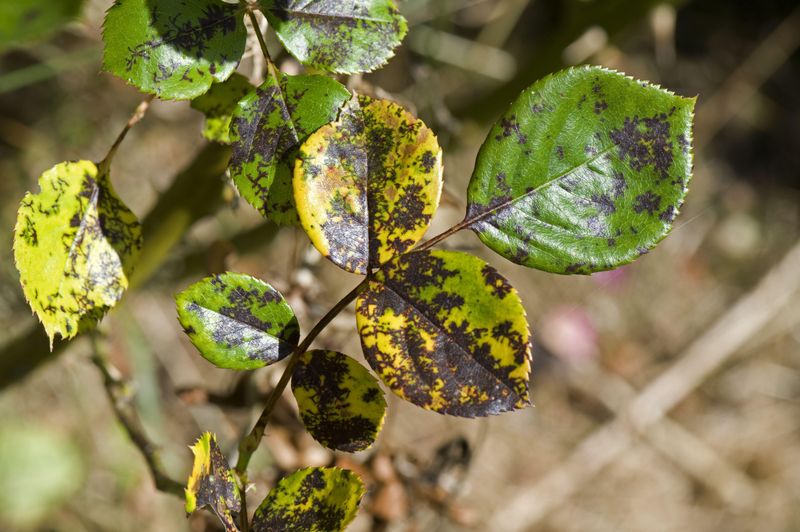
Black spot is the uninvited guest of the fall rose garden. It shows up as round, dark spots with fuzzy edges, often surrounded by yellow. Before long, the leaves drop off and the plant looks bare.
October in Texas often brings rain and cooler nights. That damp, mild weather is exactly what the black spot fungus loves. Spores splash from leaf to leaf when water hits them, so the problem can spread quickly.
Fallen leaves are the real troublemakers. The fungus survives on them, sitting on the ground and waiting for the next rain. If you leave that debris in place, you are basically keeping the disease alive for next season.
Start by walking around each bush and picking off any leaves with spots. Then rake up everything on the ground below. Do not forget to check inside the plant, where old leaves can get trapped in the canes.
Put the leaves in a trash bag, not your compost pile. Home compost often does not get hot enough to destroy the fungus. Bagging it up keeps your garden much cleaner.
A few other habits help too. Water at the base instead of over the top, and give your roses room for air to flow. Crowded plants stay wet longer, which makes black spot happier.
Some roses fight this fungus better than others. Many Earth-Kind roses, tested by Texas A&M, handle black spot well. If one bush struggles every single year, consider swapping it for a tougher variety down the road.
5. Only Light Pruning
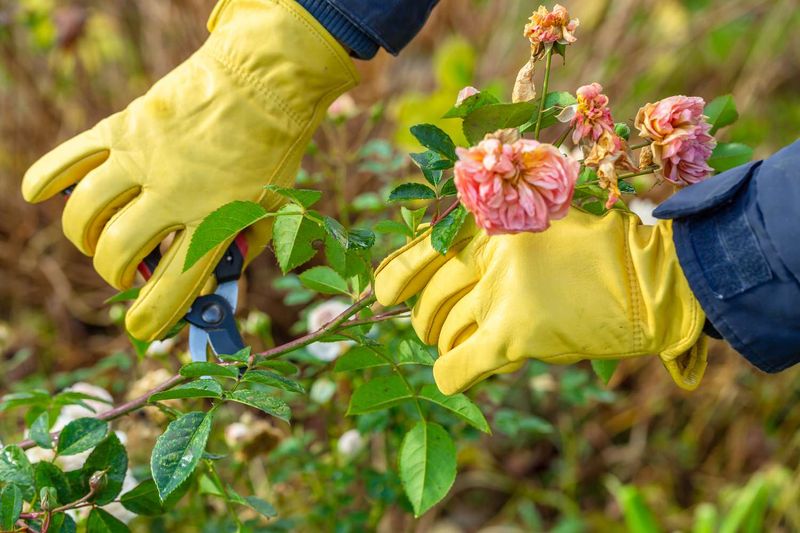
Put down the big loppers for now. October is not the time for a major haircut. Your roses need a gentle trim, not a full makeover.
Light pruning means removing only the canes that are clearly in bad shape. Look for stems that are brown, black, shriveled, or broken. Canes with cankers, which are sunken or discolored patches, should go too.
Cut damaged canes back to healthy green wood. The inside of a healthy cane should look white or pale green. If it looks brown, keep trimming a little lower until it looks clean.
So why wait on heavy pruning? Cutting a rose hard tells it to grow. In fall, that new growth would be soft and easily hurt by the first cold snap, which leaves the plant weaker.
Most Texas gardeners save heavy pruning for late winter. A popular rule is to prune around Valentine’s Day, or mid-February, in much of the state. Gardeners in the far north may wait a bit longer, while those in South Texas can start earlier.
There is one fun exception worth knowing. Some gardeners give repeat-blooming roses a light shaping in late August or early September to set up fall flowers. By October, though, that window has closed.
Keep your tools clean and sharp. Wipe the blades with alcohol after cutting any diseased cane, so you do not spread problems to the next plant.
Wear thick gloves, because rose thorns do not care how careful you are. A light touch now means a strong plant ready for a big trim in February.
6. A Fresh Layer Of Mulch
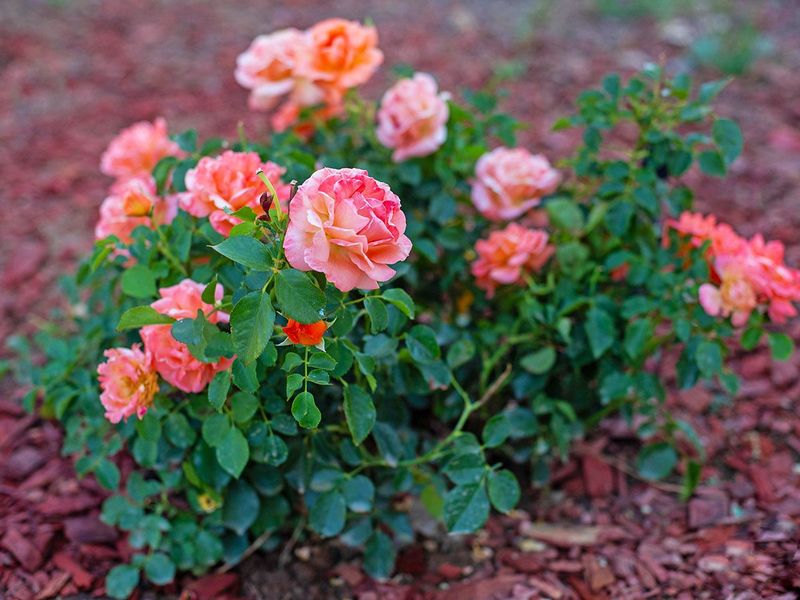
Remember that thick, fluffy mulch you spread back in spring? Chances are, the Texas sun has turned much of it into thin, faded crumbs. Summer heat breaks down organic mulch surprisingly fast.
Mulch is like a cozy blanket for the soil. It holds in moisture, keeps weeds down, and evens out soil temperature. As it breaks down, it also adds nutrients and improves the soil over time.
October is a great time to top it off. Spread 2 to 3 inches of fresh organic mulch around the base of each rose. Good choices include shredded hardwood, pine bark, pine needles, or compost.
Many Texas rose experts swear by native hardwood mulch. It knits together nicely, stays in place during storms, and breaks down at a steady pace. You can often buy it in bulk from local landscape suppliers for less money.
Here is the one big rule. Keep the mulch a few inches away from the canes. Piling it right up against the stems traps moisture and can cause rot or invite pests.
Try making a donut shape, not a volcano. The mulch should form a ring around the plant with an open space in the middle. That little gap lets air reach the base of the canes.
Before you spread new mulch, pull any weeds and rake away diseased leaves. Laying mulch over black spot debris just hides the problem. Start clean, then mulch.
A fresh layer now also helps protect roots when the first chilly nights roll in. It is an easy step with big benefits.
7. A Close Check For Rose Rosette Disease
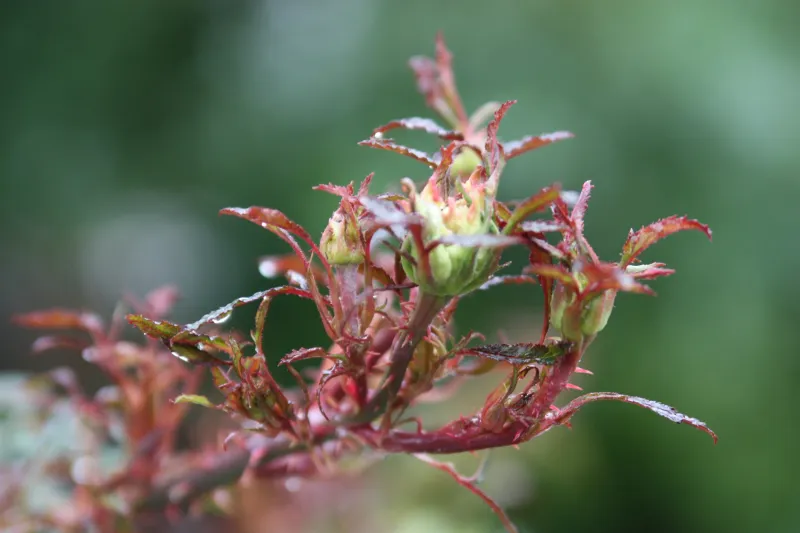
Few things worry Texas rose lovers more than rose rosette. Spread by tiny mites that ride on the wind, the virus has hit gardens across the state. Spotting it early can protect every other rose in your yard.
Knowing the warning signs is your best defense. Watch for fast-growing shoots that look bright red or deep maroon. New growth may look thick, rubbery, and twisted.
Another clue is the witches’ broom. That is a tight cluster of small, crowded stems growing from one spot, almost like a messy little bouquet. Infected canes also tend to have far more thorns than normal, often soft and reddish.
Be careful not to panic over healthy red growth. Many roses naturally put out reddish new leaves that turn green as they mature. Rose rosette growth stays odd looking, with twisted shapes and too many thorns.
Sadly, there is no cure for this virus. Cutting off just the strange shoots will not fix it, because the virus moves through the whole plant. The only real option is to remove the entire bush.
Dig out the plant, including as much of the root system as you can. Bag it right away and put it in the trash, not the compost. Bagging keeps the mites from blowing onto nearby roses.
Wait a few months before planting a new rose in the same spot. Many gardeners pick a different type of plant for that space instead.
Keep checking your other roses every week, especially in fall. Staying alert is the smartest gift you can give your garden.