10 Arizona Succulents to Plant Before the October Cool-Down Ends
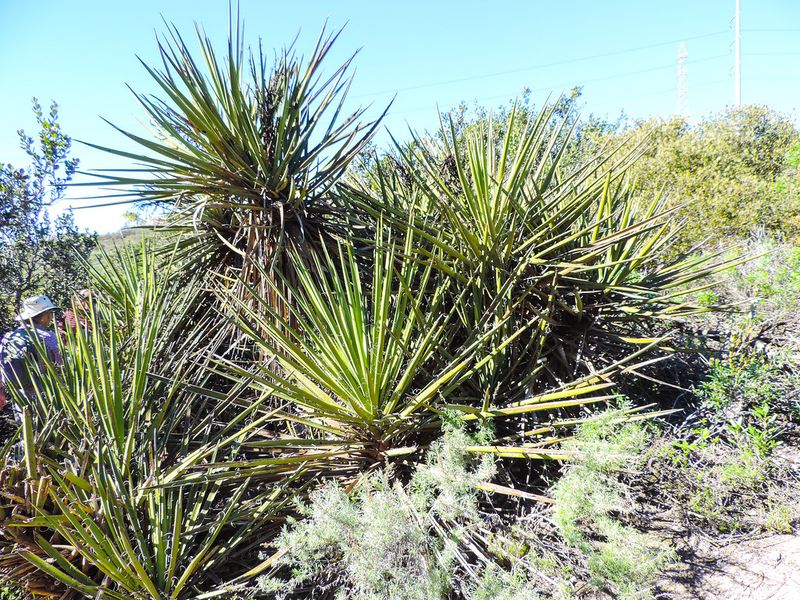
October is the sweet spot for planting in the Arizona low desert, when the air finally cools but the soil stays warm enough for roots to grow fast. Succulents planted now get a full winter and spring to settle in before the next brutal summer arrives.
The right picks can save water, feed hummingbirds, and give birds and lizards a safe place to live. Here are 10 tough plants worth getting in the ground while the window is still open.
1. Parry’s Agave
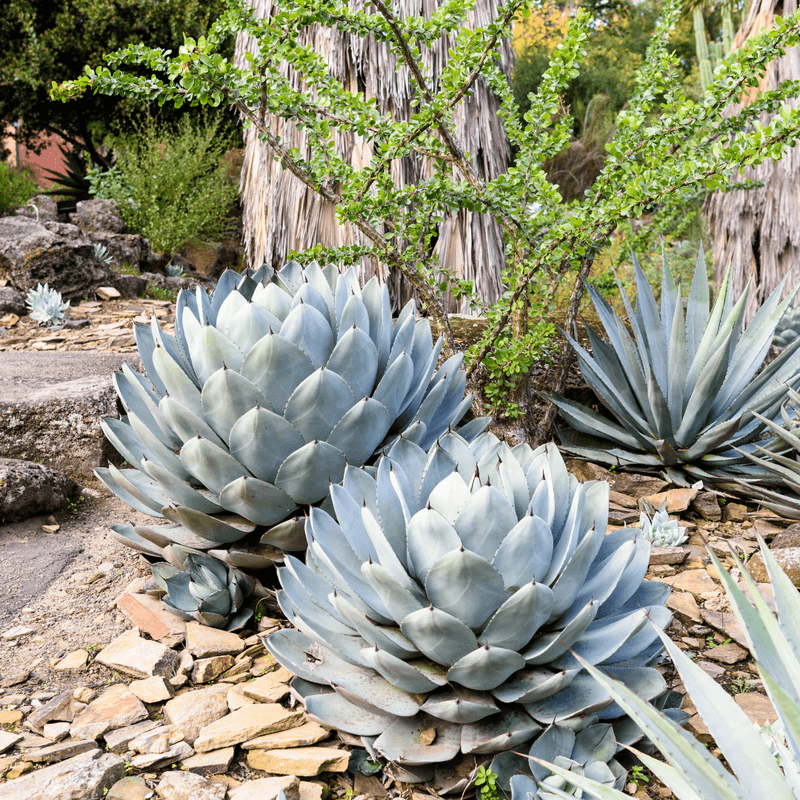
Picture a perfect blue-gray artichoke the size of a beach ball, and you have Parry’s agave. It stays compact, laughs at 110 degree afternoons, and asks for almost nothing once its roots take hold.
Thick leaves store water like tiny tanks, so a deep soak every few weeks during the first year is usually plenty. After that, many homeowners in Phoenix and Tucson barely water it at all outside of long dry spells.
Plant it in fast-draining soil, and break up any caliche in the hole so water does not pool around the base.
Here is the fun part. After many years, Parry’s agave sends up a towering flower stalk loaded with yellow blooms.
Hummingbirds, bats, and native bees may flock to that nectar feast, turning your yard into a busy wildlife stop for weeks.
October planting gives roots warm soil to grow into while the sun loses its bite. Keep it away from walkways, since those leaf tips carry sharp spines.
A spot near a boulder or along a gravel bed looks natural and keeps foot traffic safe.
Pups often pop up around the base, which means free plants to share with neighbors or tuck into another bare corner.
2. Orange-Flowering Aloe Vera
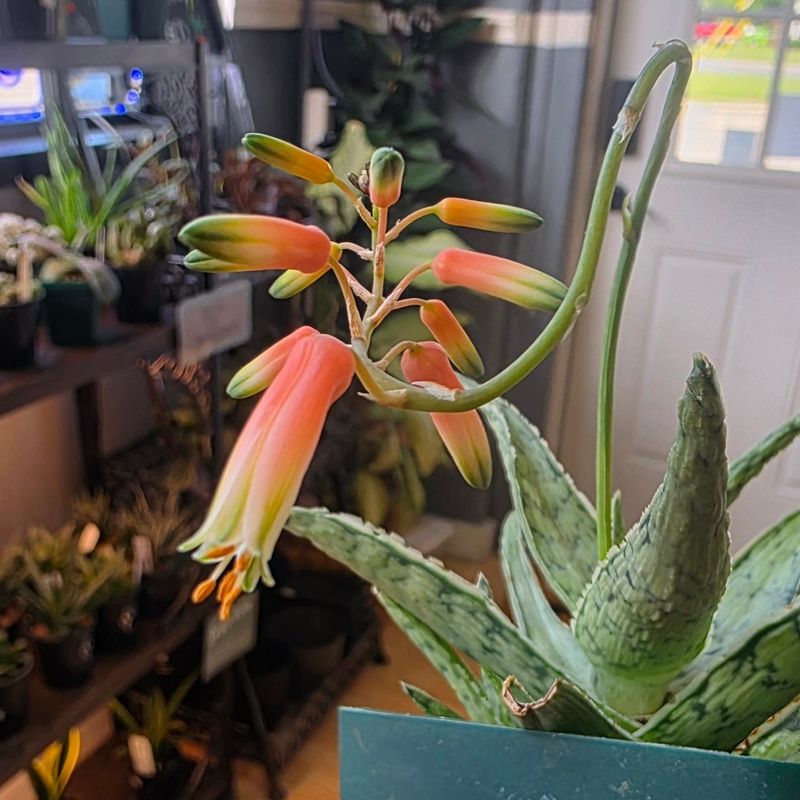
Most people know aloe vera as the sunburn plant on the kitchen windowsill. Out in a Valley yard, though, the orange-flowering form turns into a hummingbird magnet that handles reflected heat off walls and patios.
Once established, it often needs water only about once every three weeks in warm months, and even less in winter. That makes it a smart swap for thirsty shrubs near the house.
Partial shade in the afternoon keeps leaves plump and green instead of reddish and stressed.
Fall is the ideal time to set it in the ground. The soil stays toasty in October, so roots spread quickly before cooler nights slow things down.
By late winter, bright orange spikes may rise above the clump, right when migrating and resident hummingbirds are hungry for nectar.
Drainage is the one deal-breaker. Soggy soil leads to rot, so mix in some gravel or plant on a slight mound if your yard holds water after a storm.
Avoid drip emitters pressed right against the base.
Bonus: the clump spreads by offsets. Within a couple of seasons, you can divide it and fill a sunny strip along a fence for free.
3. Cholla Cactus
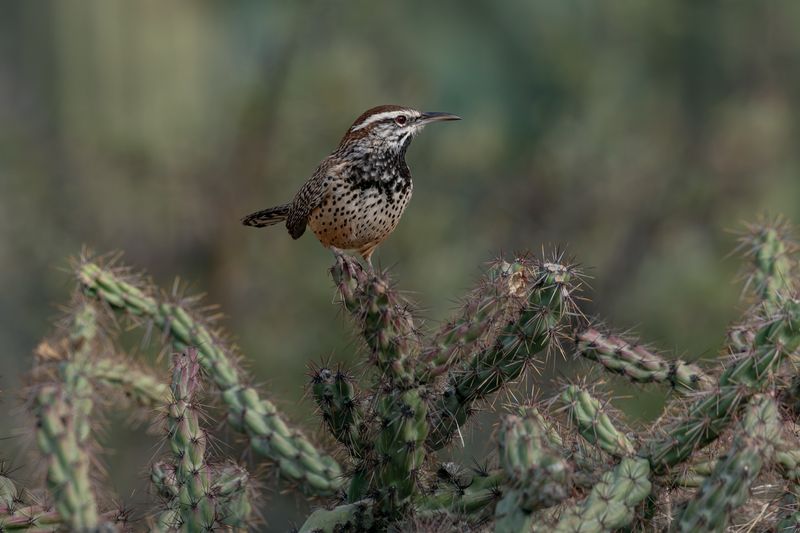
Ask any cactus wren where it wants to raise a family, and the answer is probably a cholla. Arizona’s state bird loves to wedge its football-shaped nest deep inside those spiny branches, where hungry predators think twice.
Your Arizona Garden Changes Every Week. Your Plan Should Too.
Gardening in Arizona changes quickly throughout the season. Every Friday you’ll receive a simple weekly plan showing exactly what to plant, prune, fertilize, harvest, and protect so you never miss the right timing.
Cholla is a true Southwest native, built for scorching sun and poor, rocky ground. It needs little to no extra water once rooted, so it fits perfectly into a back corner or along a property line where hoses rarely reach.
Fall planting lets it anchor itself before summer returns.
Beyond shelter, its flowers draw bees, butterflies, and birds in spring. Later, fruits hang on the stems and feed quail, rodents, and other desert visitors.
A single plant can quietly support a whole little food web.
Of course, there is a catch. Some types, like teddy bear cholla, drop segments that cling to shoes, pets, and pant legs with surprising grip.
Keep it far from play areas, dog runs, and paths. Thick gloves, long tongs, and a folded towel make planting much safer.
Placed wisely, cholla becomes a living birdhouse and natural barrier, giving your yard real habitat value with almost zero upkeep.
4. Fishhook Barrel Cactus
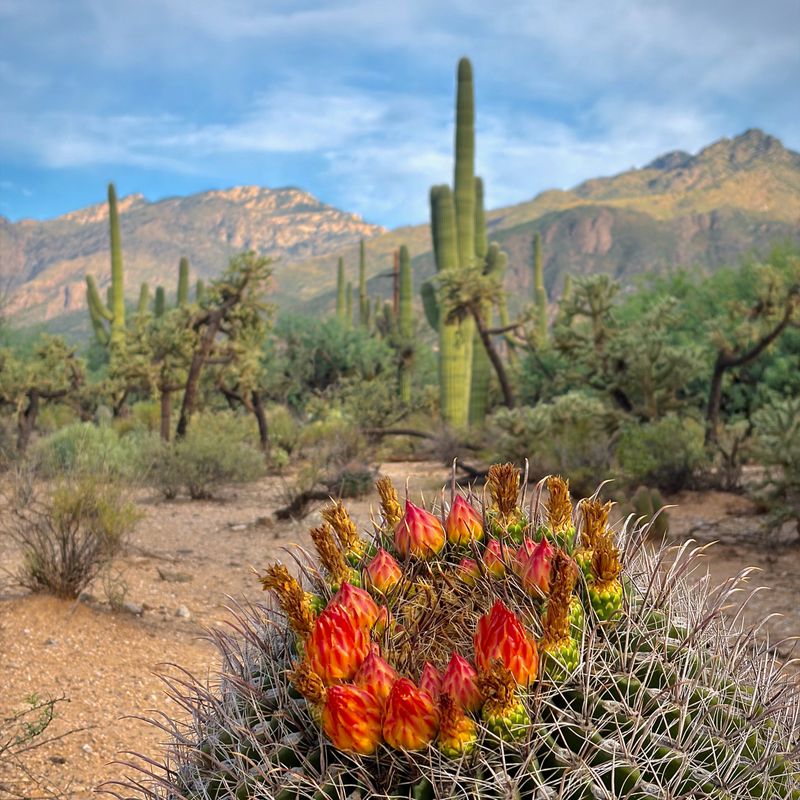
Old desert stories claim the fishhook barrel cactus always leans south, earning it the nickname compass barrel. It is not perfectly reliable, but many do tilt toward the sun, which makes them a fun conversation piece.
Native to southern Arizona, this chunky cactus stores water in its ribbed, round stem. That built-in reservoir lets it ride out long dry stretches, which means far less work for you.
In the low desert, a deep drink once a month in summer is often enough after the first year.
Late summer brings a crown of red, orange, or yellow blooms, followed by bright yellow fruits that hang on for months. Birds, ground squirrels, and javelina may snack on them, so expect some visitors.
October is a great planting month. Try to face the plant the same direction it grew at the nursery, since the side that was shaded can sunburn if suddenly turned toward the afternoon sun.
A small chalk mark before digging helps you remember.
Set it in gravelly, well-drained soil, slightly high rather than deep. Grouping three barrels of different sizes creates a natural-looking cluster that seems to have always belonged there.
5. Prickly Pear Cactus
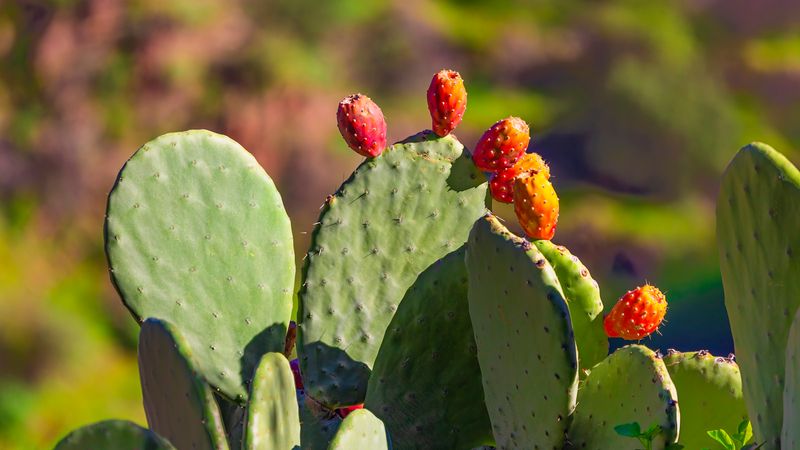
Few plants say Sonoran Desert quite like a prickly pear loaded with ruby fruit in late summer. Those flat pads have fed people and animals in this region for centuries, and they still pull their weight today.
Spring flowers in yellow, pink, or orange draw native bees in big numbers. Later, juicy fruits called tunas feed birds, tortoises, coyotes, and javelina.
If you beat the wildlife to them, the fruit makes bright pink syrup and jelly.
Planting is almost comically easy. Snap off a healthy pad, let the cut end dry and callus for about a week, then set it upright in sandy soil.
Fall timing gives it months to root before the heat cranks back up.
Once settled, prickly pear needs very little water, making it a strong pick for turning thirsty lawn space into a water-wise bed. Full sun suits most varieties, though purple-tinged types like Santa Rita show their best color in bright light.
Watch the tiny hairlike spines called glochids. They are harder to remove than the big ones, so handle pads with tongs or folded newspaper and keep gloves nearby during any trimming.
6. Banana Yucca
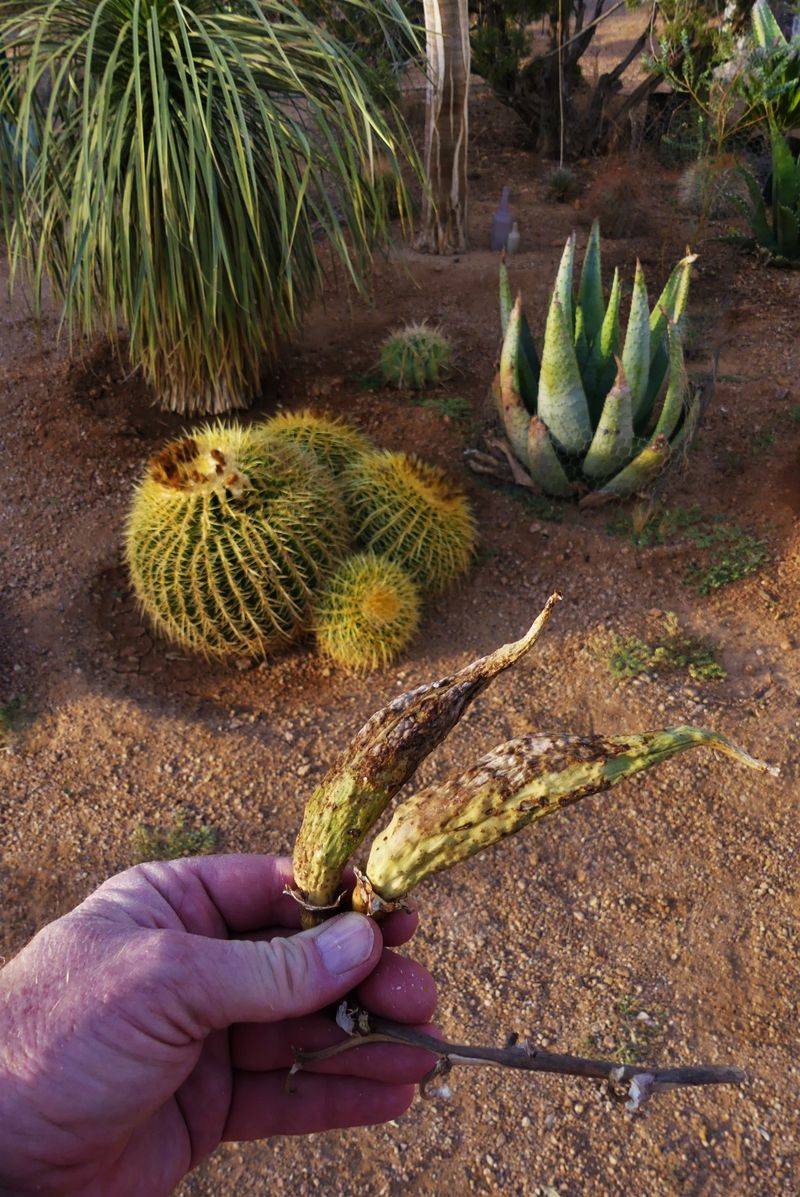
Nature rarely makes a deal as neat as the one between yuccas and yucca moths. The moth pollinates the flower, and in return its young feed on a few developing seeds, leaving plenty behind for the plant.
Banana yucca is a tough Arizona native that grows in low, spiky clumps with blue-green leaves. In spring, creamy white bell flowers rise on thick stalks, followed by fat, fleshy pods that gave the plant its name.
Desert wildlife may snack on those fruits, and native peoples once roasted them as food.
Care could not be simpler. Full sun, gritty soil, and an occasional deep watering during the first year are all it really asks.
After that, rainfall often covers most of its needs, even in a dry year.
October planting is ideal because the root zone stays warm while daytime highs ease off. Give each clump room to spread, and skip rich soil or heavy fertilizer, which can make it floppy.
Those leaf tips are sharp, so tuck it behind a low path edge or use it as a living fence along a sunny slope. It pairs nicely with penstemon and brittlebush for a fully native look.
7. Ocotillo
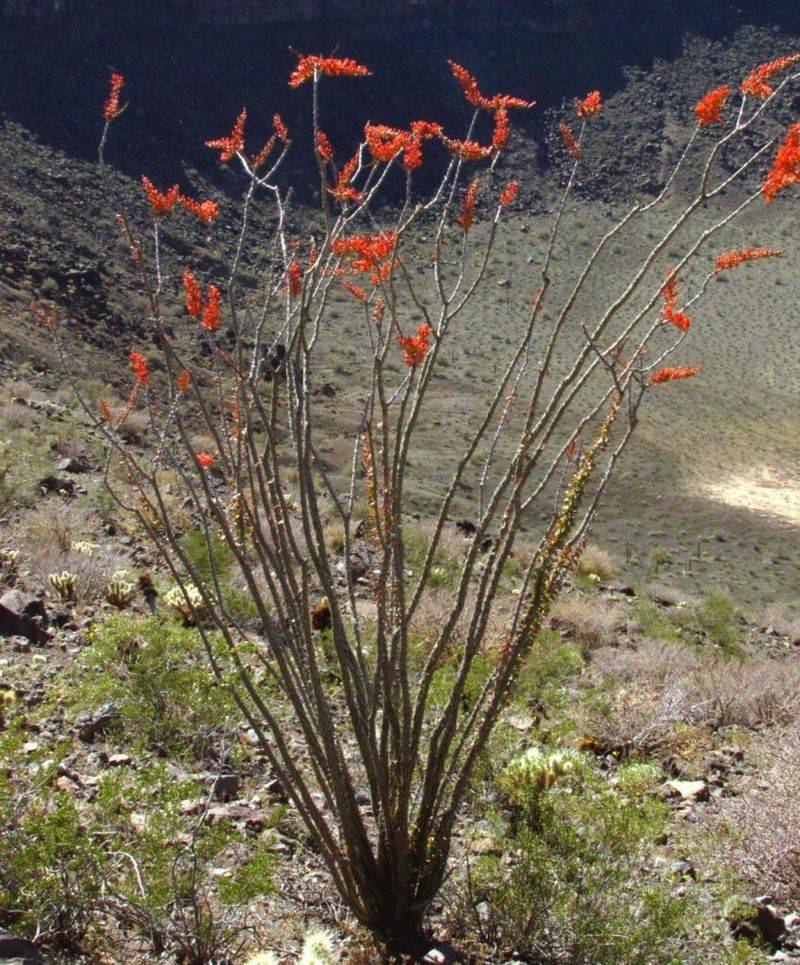
For most of the year, ocotillo looks like a bundle of gray sticks somebody jammed into the dirt. Then a good rain hits, and within days those canes cover themselves in tiny green leaves, almost like magic.
Strictly speaking, ocotillo is not a true cactus, but it shares the same desert toughness. It handles extreme heat and drought by simply dropping its leaves and waiting.
When spring arrives, flame-red flowers burst from the tips of each cane, and hummingbirds treat them like a refueling station during migration.
Fall is the classic time to plant, giving the roots a long cool season to settle before summer. Bare-root ocotillos can take months to leaf out, so do not panic if yours stays bare at first.
Misting the canes occasionally during the first few months may help it wake up.
Plant it at the same depth it grew, in loose, rocky soil with excellent drainage. Too much water is the most common mistake people make.
Tall canes can reach 15 feet, making ocotillo a striking living screen. Homeowners sometimes plant a row of cut canes to form a natural fence that slowly sprouts back to life.
8. ‘Blue Elf’ Aloe
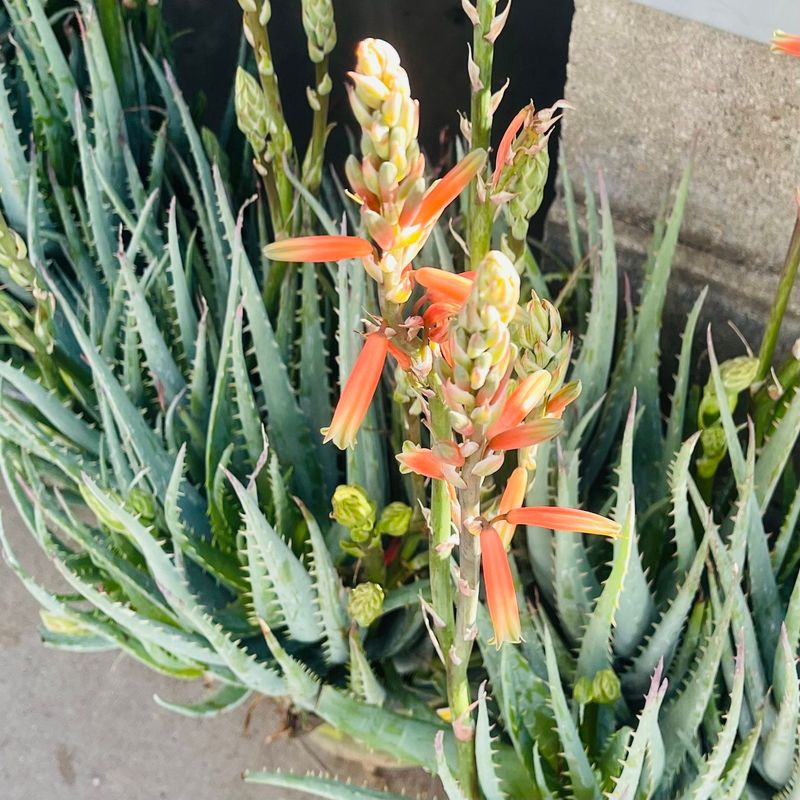
Short on space but craving winter color? ‘Blue Elf’ aloe packs a lot of punch into a small footprint, forming tidy blue-gray clumps that rarely grow past knee height.
What sets this hybrid apart is its grit. It tolerates reflected heat from driveways and block walls better than many aloes, and it shrugs off the occasional chilly desert night more easily too.
That makes it a reliable choice for parkway strips, curb edges, and hot west-facing beds where fussier plants struggle.
From late winter into early spring, slender orange flower spikes shoot up above the foliage. Hummingbirds may visit daily, giving you a lively show when most of the yard is still quiet.
Planted in groups of five or more, the effect looks like a little sea of torches.
Maintenance is minimal. Snip off old flower stalks once they fade, and water deeply every couple of weeks in summer, less in winter.
Good drainage keeps roots happy.
Setting plants out in October lets them grow strong roots through the mild months, so they are ready to bloom on schedule. Offsets fill in gaps over time, slowly creating a thick, water-wise groundcover that crowds out weeds.
9. Mojave Yucca
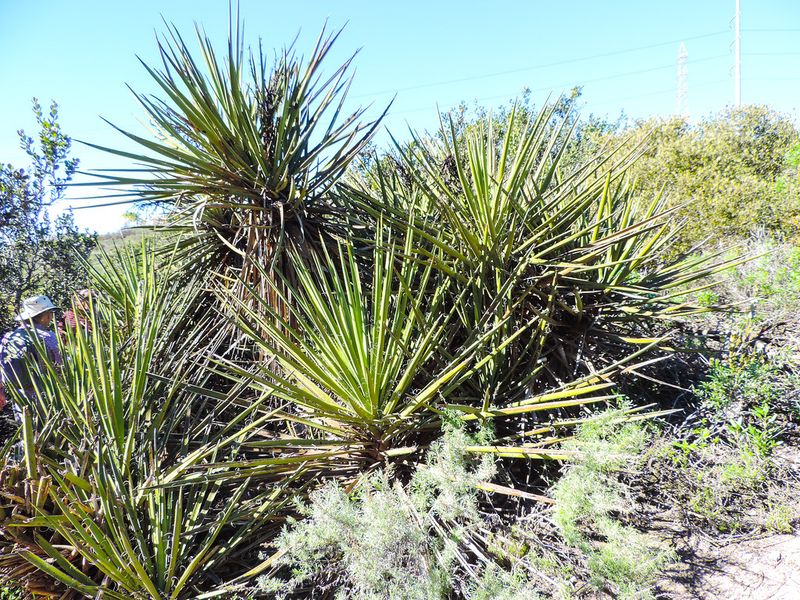
Some plants whisper; Mojave yucca makes a bold statement. Its stiff, dagger-like leaves sport pale, curly threads along the edges, giving it a wild, shaggy look that fits right into a rugged desert yard.
Native to the Mojave Desert, which stretches into northwestern Arizona, this yucca is built for blazing sun and dry ground. Over many years it can form a short trunk, sometimes branching into a small, tree-like shape.
Spring flower clusters in creamy white rise above the leaves and draw in the yucca moths that pollinate them.
Dense, spiky foliage can also give lizards and small birds a protected place to perch or hide. Leaf litter and old fibers at the base create cozy cover, though it is wise to keep debris tidy near the house.
Planting in October gives roots time to dig deep before summer. Choose a sunny spot with sandy or gravelly soil, and water only now and then while it settles.
After that, it usually needs little help from you.
Fun fact: the plant’s roots contain natural compounds once used to make soap. Its name, schidigera, refers to those spiny, splintered leaf fibers.
10. Elephant Bush
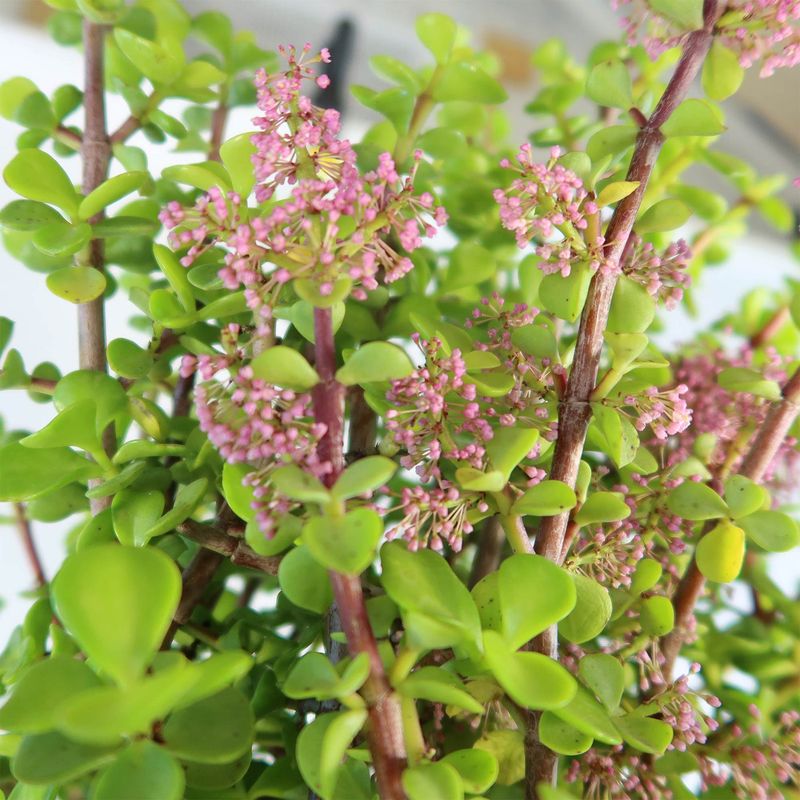
In its home range of South Africa, elephants really do munch on this plant, which is how it earned its quirky name. Here in Phoenix, it plays a different role: a lush green shrub that looks thirsty but barely drinks.
Elephant bush is not native, so it earns its spot through pure practicality. Its small, round, jade-like leaves sit on reddish stems, creating a soft, full look that cools down hot patios and pool areas.
It can handle summer temperatures well over 100 degrees, especially with a bit of afternoon shade.
Water use stays low once roots settle in. A deep soak every week or two in summer and much less in winter is often enough.
Overwatering is a bigger risk than neglect, so let the soil dry out between drinks.
October planting is smart because this one is a little frost-sensitive. Getting it established early helps it face chilly nights in better shape, and a frost cloth on the coldest evenings adds insurance.
Pruning is easy, and cuttings root readily. Snip a few stems, let them dry, and stick them in soil to grow a matching hedge without spending a dime.