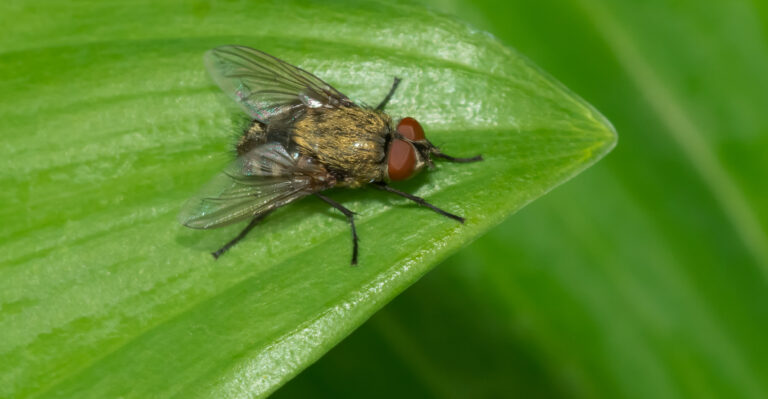
Why Michigan Gardeners Check Potted Citrus For Pests Before Moving It Indoors
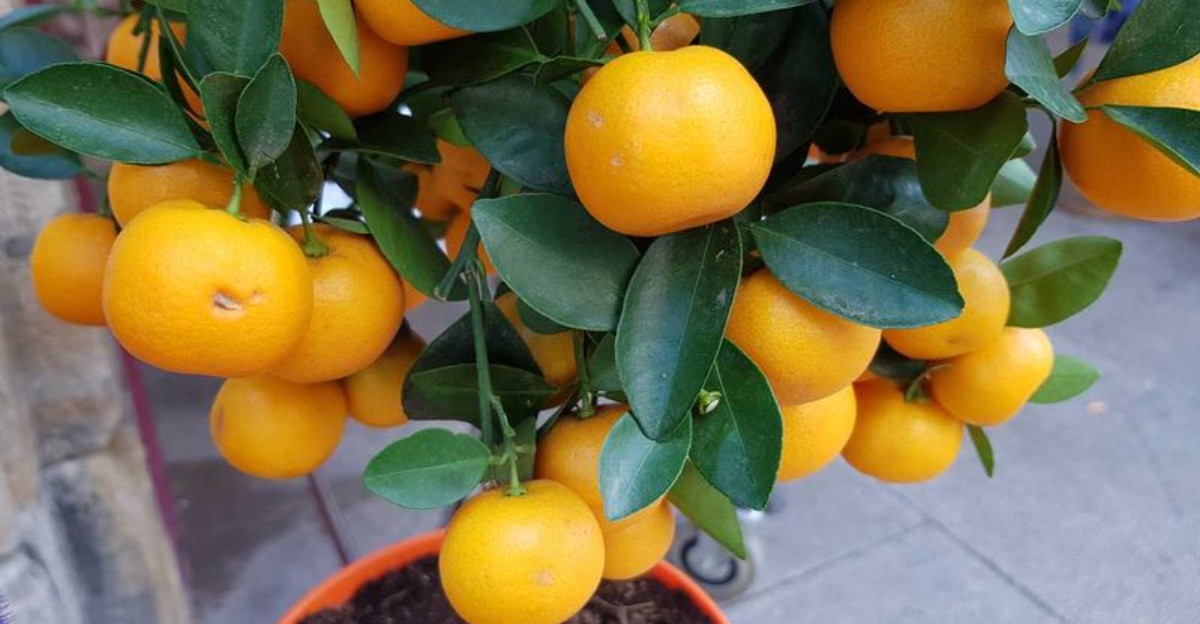
Potted citrus trees that thrived outdoors all summer can bring along unwanted guests once they’re moved inside for a Michigan winter.
Pests like scale and mealybugs often hide along stems or tucked under leaves, staying out of sight until the warm, stable indoor environment gives them a chance to multiply.
A thorough inspection before bringing citrus indoors helps catch these hitchhikers before they spread to other houseplants nearby.
Because indoor conditions actually favor some of these pests more than outdoor weather does, a small, unnoticed problem outside can turn into a bigger one once everything moves inside.
Taking a few minutes to check now protects not just the citrus tree, but every other plant already settled indoors for the season.
1. Pests Multiply Much Faster Indoors
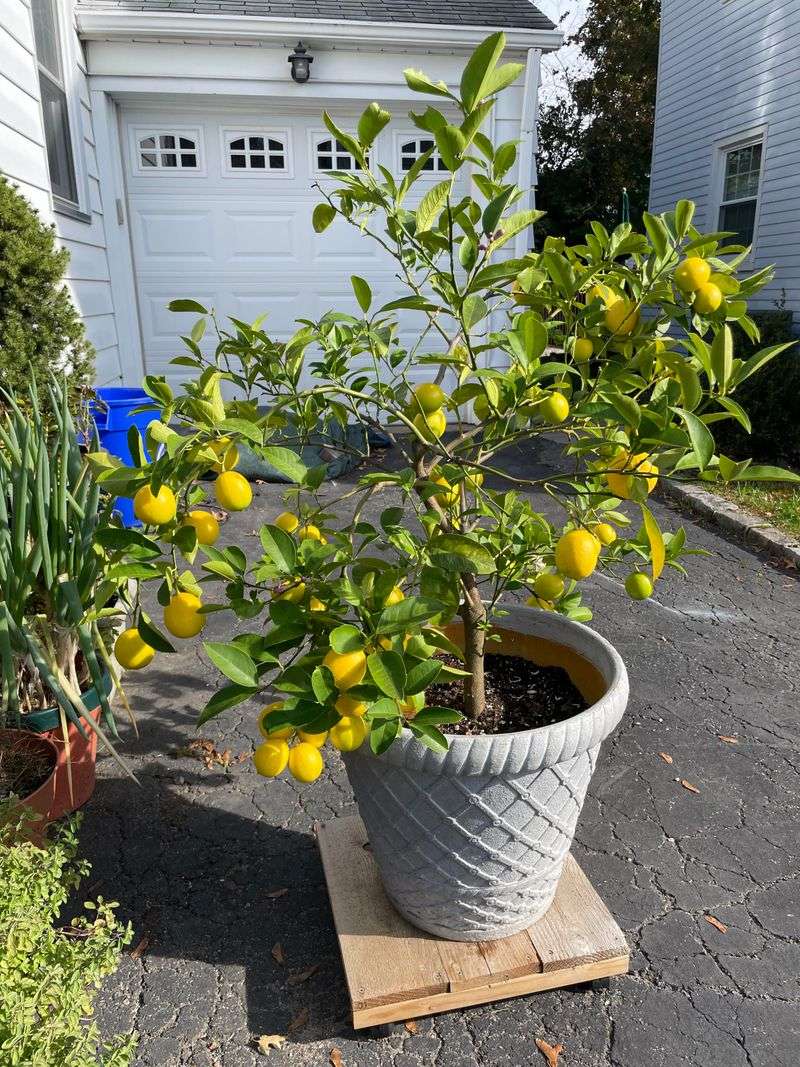
Out on the deck, your citrus has a secret security team. Lady beetles, lacewings, and tiny parasitic wasps patrol the leaves all summer, snacking on the pests that try to move in. You may never notice them, but they keep bug numbers low.
Once the tree comes inside, that team stays behind. Meyer lemons, limes, kumquats, and calamondins suddenly have no helpers at all. Warm rooms and dry air give a small, hidden group of pests the perfect chance to grow into a huge problem by midwinter.
A few bugs in October can turn into thousands by February. Many pests lay eggs quickly, and new generations appear every few weeks when the weather stays warm. Indoors, it always feels like summer to them.
Timing makes a big difference here. Plan to inspect and treat your tree outdoors about a week or two before moving day. That gives you time to repeat a treatment if needed and to make sure the tree looks clean.
Keep an eye on the forecast, too. Citrus should come inside before nights regularly drop below about 40°F, since chilly air can stress the tree and cause leaf drop. In Michigan, that often means late September or early October.
Michigan winters are long, and potted citrus may spend six or seven months inside. That is a long season for pests to settle in and spread.
A careful check before the move gives your tree a fresh, healthy start and makes the whole winter much easier on both of you.
2. Scale Insects Hide In Plain Sight
Some pests are sneaky, and scale might be the sneakiest of them all. These insects look like tiny flat or rounded bumps in brown, tan, or white. They sit on stems and along leaf veins, looking almost like part of the bark.
Because adult scale barely move, many gardeners walk right past them. Meanwhile, the bugs sip sap from the tree day after day. Over time, the leaves turn yellow, growth slows, and the whole plant starts to look tired.
Here is a simple trick for spotting them. Run your fingernail over any suspicious bump. If it pops loose and leaves a tiny mark behind, you have found scale, not a natural part of the plant.
Your Michigan Garden Changes Every Week. Your Plan Should Too.
Gardening in Michigan changes quickly throughout the season. Every Friday you’ll receive a simple weekly plan showing exactly what to plant, prune, fertilize, harvest, and protect so you never miss the right timing.
Light problems are easy to handle by hand. Scrape the bumps off with your fingernail or a soft toothbrush, working slowly along each branch. For small groups in tight spots, dab each one with a cotton swab dipped in rubbing alcohol.
Bigger outbreaks call for horticultural oil. The oil coats the insects and smothers them, and it works well on young scale, called crawlers, too. Follow the label closely and cover every stem and leaf surface you can reach.
Scale that sneaks indoors on citrus has all winter to spread across the tree. In a Michigan home, where the plant may stay inside for months, a few bumps can become a crusty coating.
Checking every branch now means your lemon or lime stays strong, green, and ready to bloom again next spring.
3. Mealybugs Tuck Into Leaf Joints
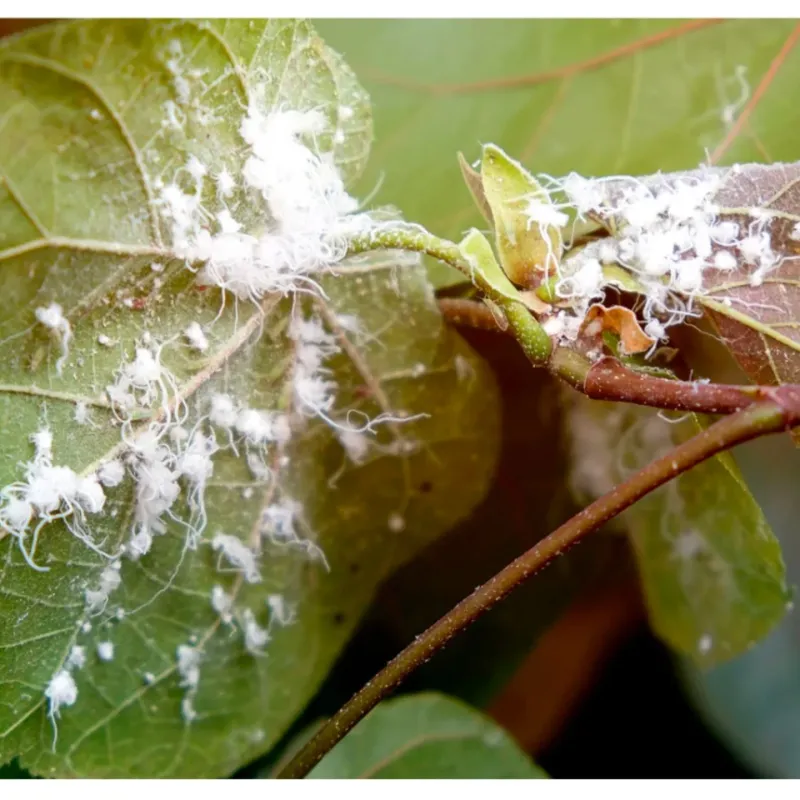
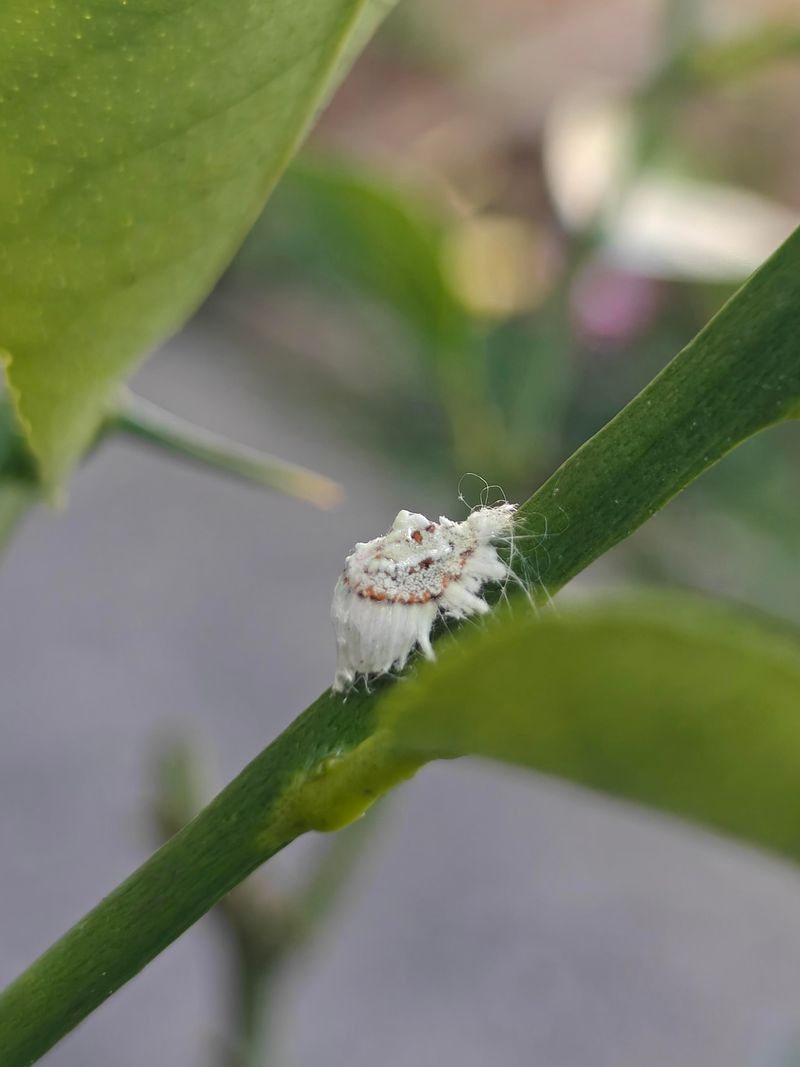
Spot a fluffy white speck on your kumquat? It might look like a bit of lint, but it could be a mealybug. These soft insects wear a coat of white, cottony wax that makes them easy to recognize once you know what to look for.
Mealybugs love tight, cozy places. They cluster where leaves meet stems, along the undersides of leaves, and even near the soil line. Those hiding spots also make them tough to reach with sprays.
Like scale, they feed on sap. New growth often suffers most, turning weak, twisted, or stunted. A heavy group can slow down an entire tree before you realize what is happening.
Grab a flashlight and take your time with the search. Check every leaf joint, peek under leaves, and look at the base of the trunk where it enters the soil. The waxy fluff stands out best in bright light.
Small clusters come off easily with a cotton swab dipped in rubbing alcohol. After that, rinse the plant well with water to wash away loose bugs and eggs.
Follow up with insecticidal soap or horticultural oil, repeating as the label directs, since new mealybugs can hatch after the first round.
Here is why Michigan gardeners stay extra careful. Once indoors, mealybugs can quietly crawl from citrus to nearby houseplants like pothos, succulents, or jade.
One hitchhiker can turn into a whole-house headache, so a close look before moving day protects every plant you love, not just the lemon tree.
4. Spider Mites Thrive In Dry Heated Air
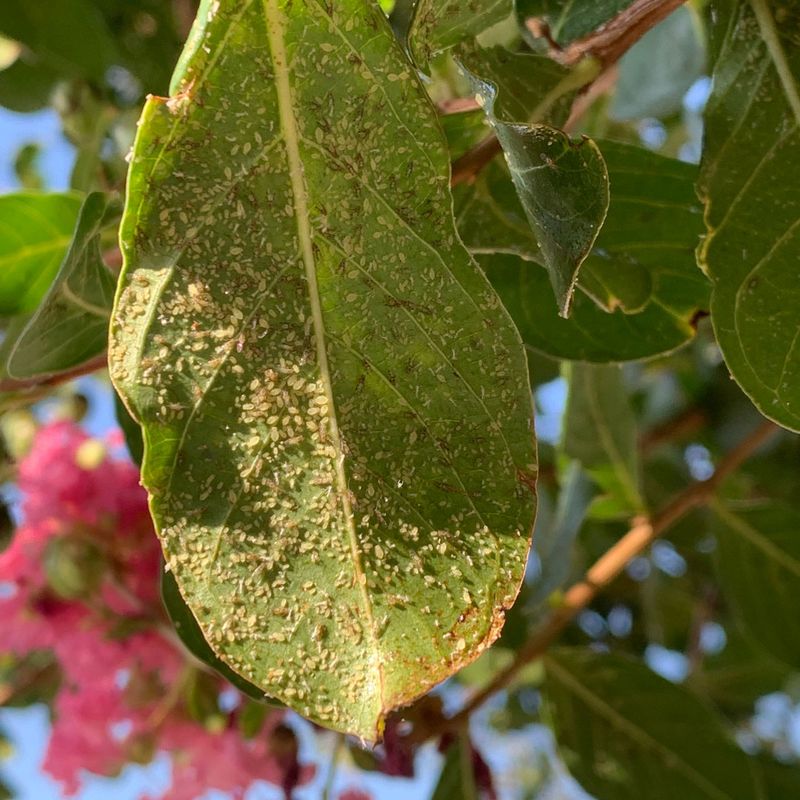
Tiny, fast, and hard to see, spider mites are the troublemakers of the citrus world. They are so small that most people notice the damage long before they spot the mites. Look for fine yellow or pale speckles on the tops of leaves.
Those speckles come from mites feeding on the undersides of leaves. Each little dot marks a spot where they sucked out plant juices. Heavy groups may also spin thin webbing between leaves and stems.
Mites adore warm, dry air. That is exactly what a furnace creates in winter, so their numbers can explode indoors. A handful in fall can become a crowd by January.
Try an easy test before the move. Hold a white sheet of paper under a branch and tap the leaves gently. If tiny specks fall and start crawling, mites are present.
Start by rinsing the undersides of the leaves with water, since mites dislike getting wet. If they are still around, treat the tree with insecticidal soap or horticultural oil. Be thorough, because they hide in the smallest spots.
Once the tree is inside, raise the humidity a bit. Group plants together, set a tray of pebbles and water nearby, or run a humidifier in the room. Your citrus will enjoy the extra moisture as well.
Michigan heating season lasts many months, and indoor air gets very dry. Stopping mites early keeps your tree green and healthy all winter long.
5. Sticky Leaves And Black Film Are Warning Signs
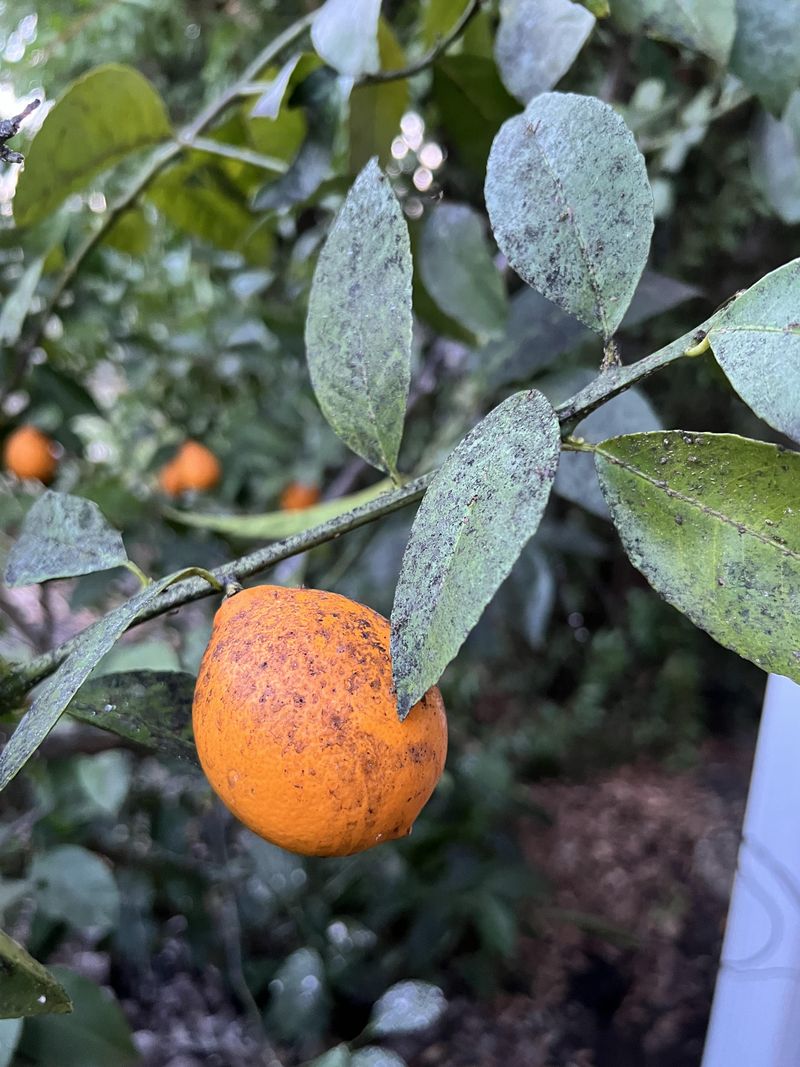
Touch a leaf and feel something tacky? Your tree is sending you a message. Sticky leaves almost always mean sap-feeding pests are close by.
Scale, mealybugs, aphids, and whiteflies all make a sugary waste called honeydew. It drips onto the leaves below and leaves shiny, sticky patches. Sometimes the stems and pot rim get coated too.
Things get messier from there. A black fungus called sooty mold loves to grow on honeydew, forming a dark, dusty film. The mold itself does not feed on the tree, but it blocks sunlight, and leaves need light to make food.
So how do you track down the cause? Follow the stickiness upward. The insects are usually on the leaves or stems just above the shiny spots, so check those areas carefully with a flashlight.
Treat the pests first, using the methods that match what you find. Wiping away mold before the bugs are gone only means more honeydew will show up soon. Patience pays off here.
Once the insects are under control, clean the leaves. A soft, damp cloth works well, and you can support each leaf with your other hand as you wipe. The glossy green color will come back, and your tree can soak up light again.
For Michigan gardeners, there is another good reason to act now. Indoors, honeydew can drip onto floors, rugs, and furniture. Catching it outside keeps your home clean and your tree happy.
6. Ants Can Point To Hidden Pests
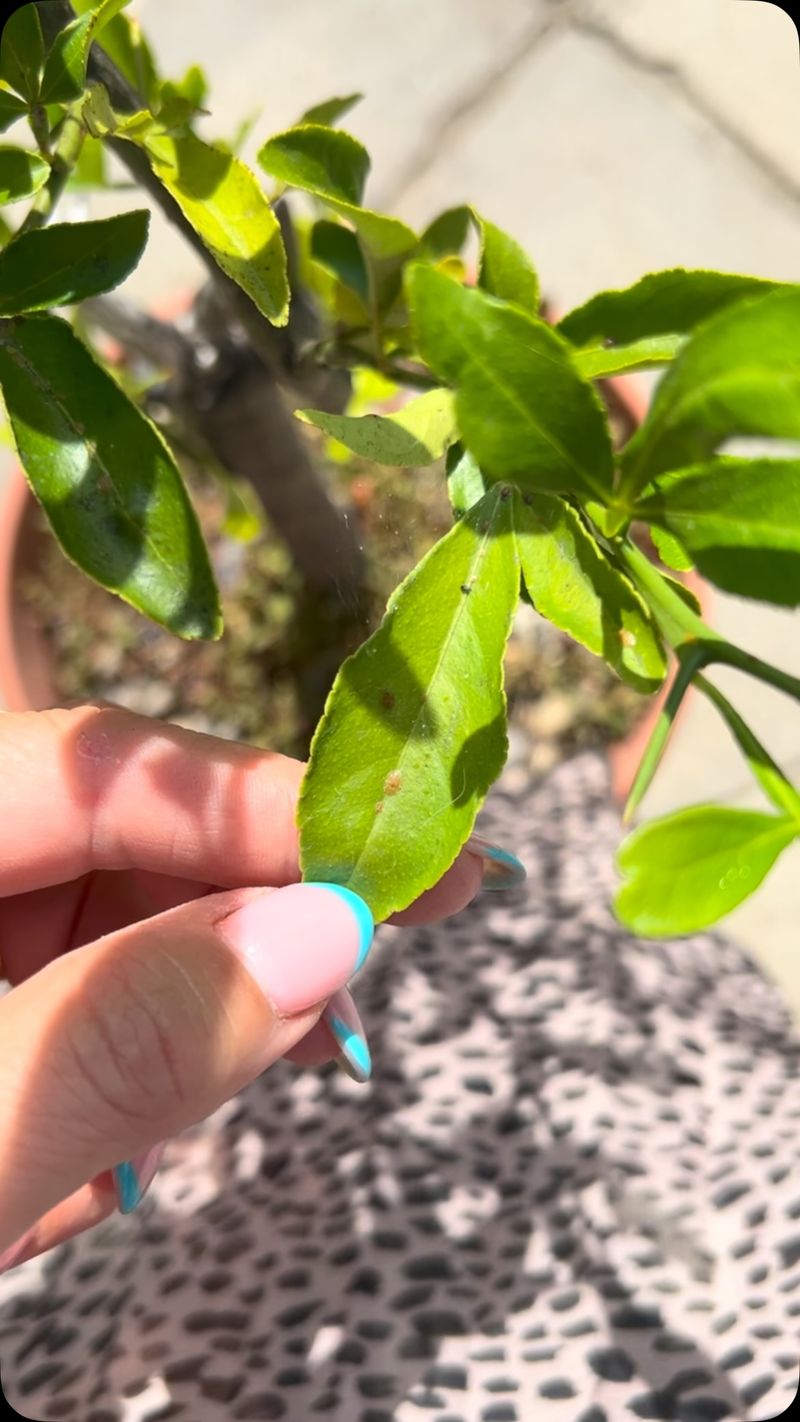
Ants marching up your calamondin might seem harmless. After all, they are just passing through, right? Actually, they are often a clue that something bigger is going on.
Many ants love honeydew, the sweet waste made by scale, mealybugs, and aphids. To keep that treat flowing, ants guard those pests from predators. Some even move aphids to fresh spots on the plant, almost like tiny farmers tending a herd.
That means a busy ant trail often points straight to a pest colony. Watch the trunk for a few minutes and see where the ants travel. Follow them up, and you will likely find the insects they are protecting.
Pots left outdoors all summer can also become ant homes. Tip the container carefully and look at the bottom and the drainage holes. Loose soil or ants pouring out are clear signs of a nest.
A simple soak can fix this. Set the pot in a bucket or tub of water that reaches just above the soil line for about 15 to 20 minutes. Ants will leave the flooded soil, and you can brush them away as they climb out.
After that, deal with any sap-feeding pests the ants were tending. Without their sugary food source, the ants lose interest in the tree.
Skipping this step in Michigan can lead to an unwanted surprise. Ants that ride inside with a plant can spread into kitchens and pantries, and nobody wants that.
7. Treat And Rinse Outdoors Before The Move
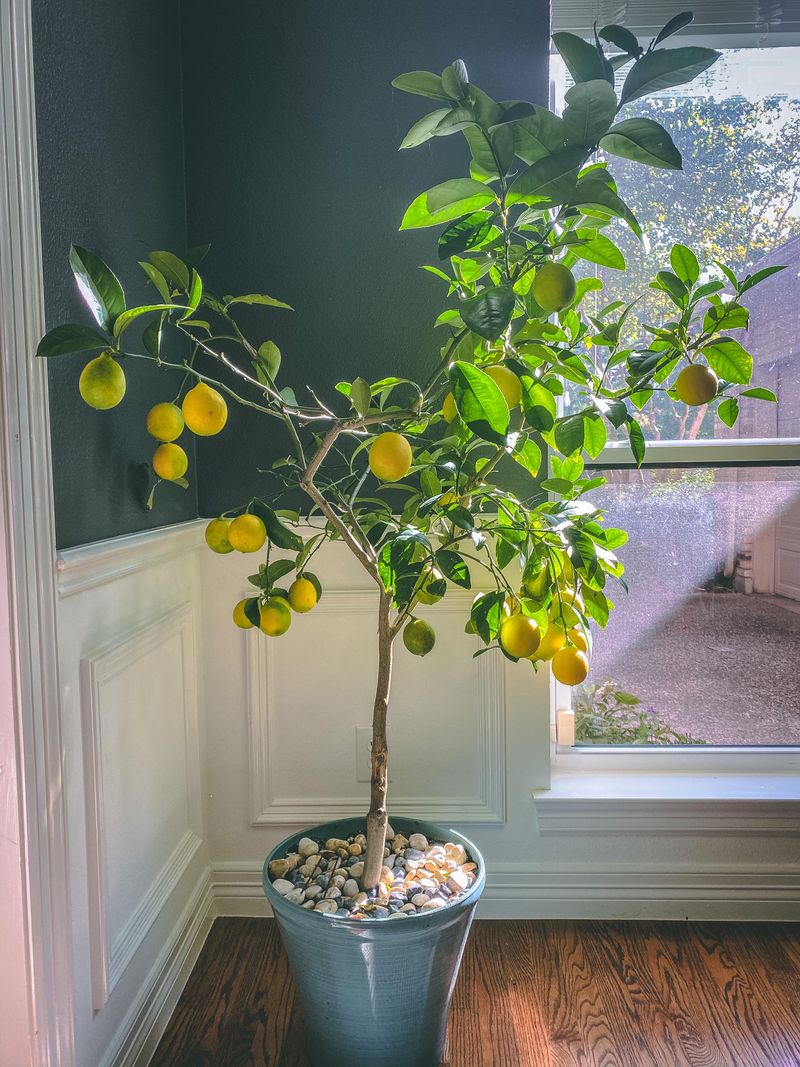
Nobody wants to scrub a lemon tree in the living room. Water splashes, spray drips onto the carpet, and leaves end up everywhere. Outside, you can make all the mess you like.
Treating outdoors also lets you do a better job. You can walk all the way around the tree, tilt branches, and soak every surface without worrying about furniture. That full coverage matters, since pests hide in the smallest corners.
Begin with a gentle spray of water from the hose. Aim at the tops and undersides of the leaves, along with the stems. That rinse knocks off many pests and much of the dust.
Next, pick a mild day and a shady spot. Apply insecticidal soap or horticultural oil when the tree is out of strong sun, because hot sunlight can burn treated leaves. Try the product on a few leaves first and wait a day to check for damage.
One round is rarely enough. Repeat the treatment in 7 to 10 days to catch any pests that hatch from eggs. Those eggs often survive the first spray.
Finish by tidying the pot. Pick up fallen leaves and any debris from the soil surface, since bugs like to hide there.
Michigan fall weather can turn cold quickly, leaving only a short window for this work. Plan ahead, watch the forecast, and give yourself time for both treatments before chilly nights arrive.
8. Quarantine And Keep Checking All Winter
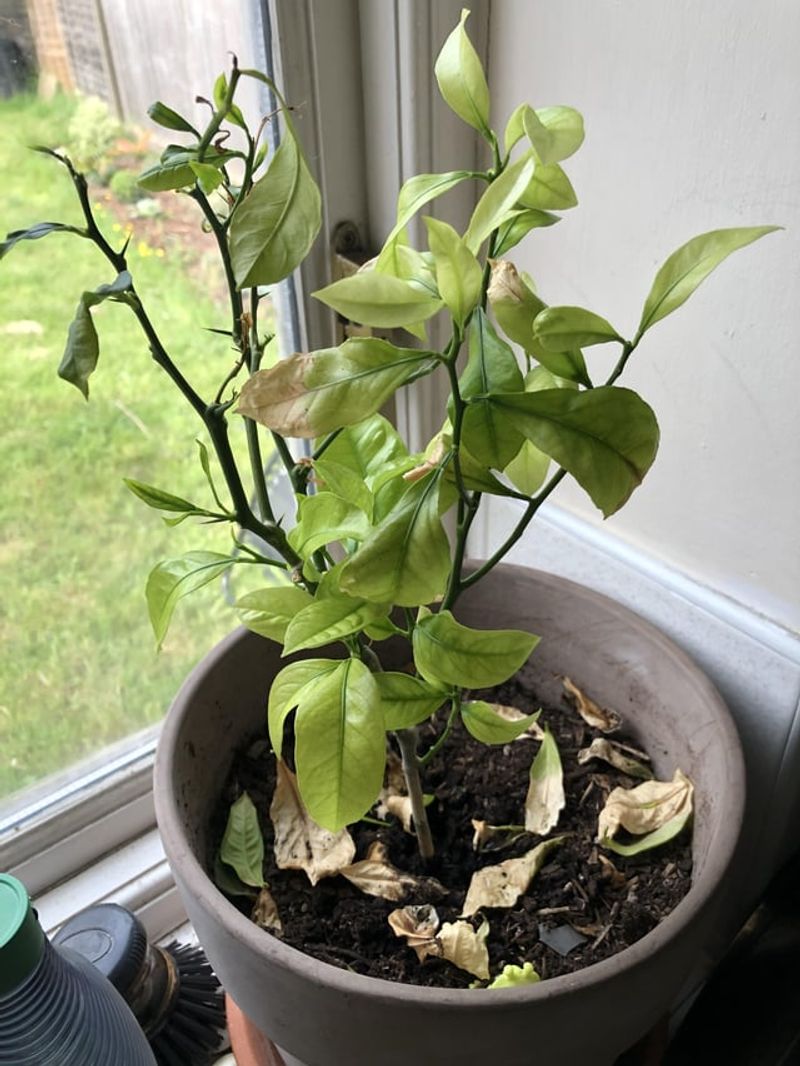
Your tree is inside, clean, and looking great. Time to relax? Almost, but a little extra watching now can make a huge difference.
Even the best treatment can miss a few pests. Eggs tucked into bark or leaf joints may hatch weeks after the move. Catching those newcomers early is far easier than fighting a full outbreak in February.
Give your citrus a quiet space of its own for a few weeks. Keep it away from other houseplants so any hidden bugs cannot wander over. A separate room or a spot across the house works nicely.
Set a simple routine for checkups. Every week or two, flip a few leaves and look at the undersides, then scan the stems and leaf joints. Watch for bumps, white fluff, speckles, or sticky spots.
Light matters a lot too. Place the tree in the brightest window you have, ideally facing south. Strong light keeps citrus healthier, and healthy trees handle pests much better.
If you notice trouble, act right away. A quick wipe, rinse, or soap treatment can stop a small problem before it grows. Waiting just gives pests more time to multiply.
In Michigan, citrus often stays indoors from fall until late spring. That is a long stretch, so steady care really adds up. Keep watching, and your tree may reward you with fragrant blossoms and fresh fruit before it heads back outside when warm weather returns.