Garlic Planted In October Grows Bigger Bulbs In Missouri Gardens Next Summer
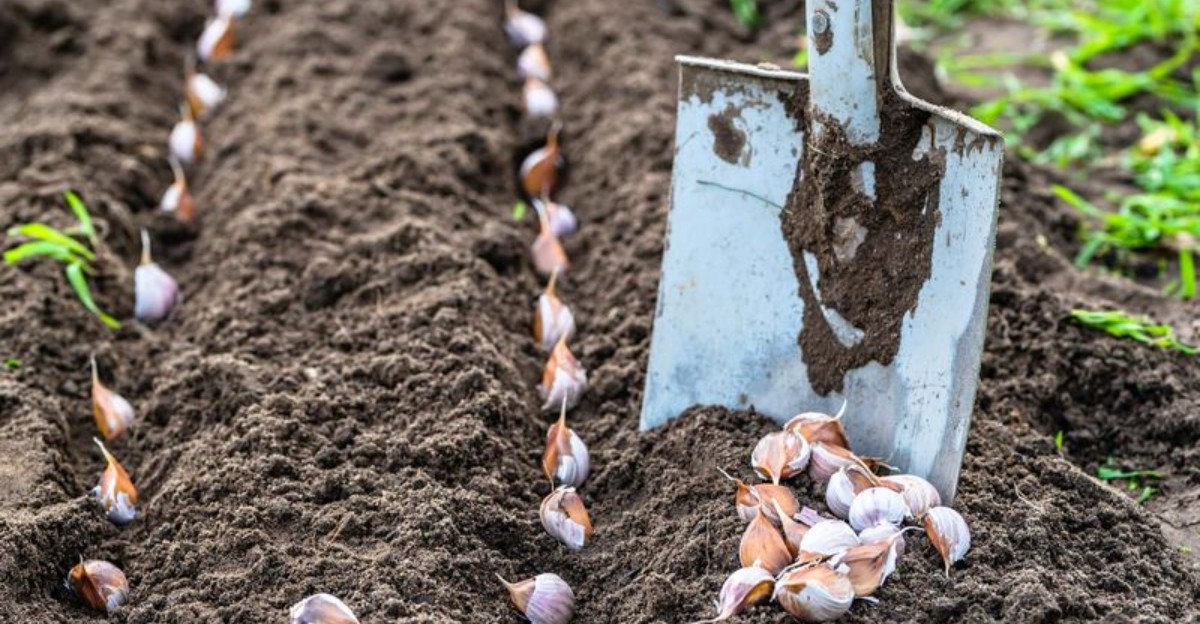
Missouri gardeners know early October smells like dry leaves, warm dust, and the last stubborn basil plants. Most beds look tired now, yet one humble crop is quietly waiting for its big moment.
It is the plant your grandmother tucked into the soil while everyone else packed away their trowels. Neighbors may think you lost your mind, digging in cool mud as the maple leaves fall.
Here in Missouri, chilly winters actually help this crop rather than hurt it, which surprises folks. The cold works like a secret coach, pushing roots deep before the ground turns hard and frosty.
Plant on time, and next summer you could pull up noticeably larger bulbs than the ones from the store. Plant too late, and you might harvest smaller heads with fewer cloves.
Your timing window is wide open, and the soil still feels friendly. Even the stubborn basil seems a little jealous, sulking in its corner like it missed the invitation.
Cold Months Build The Foundation
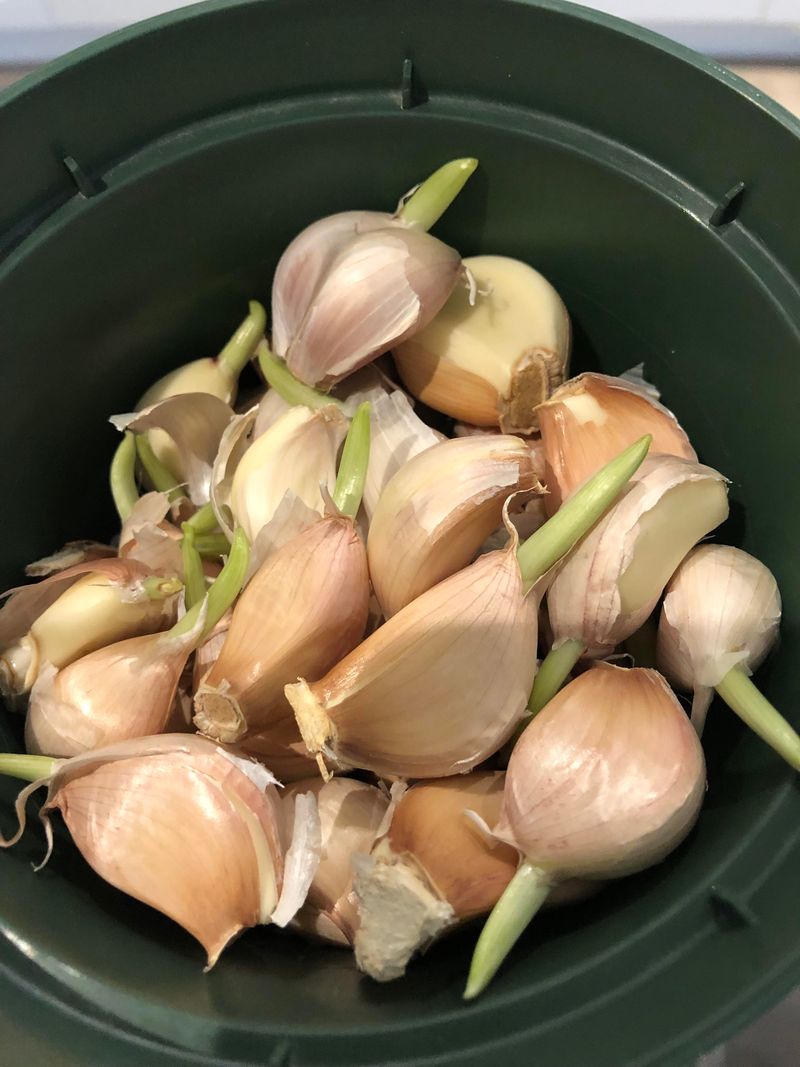
Picture a seed clove as a tiny battery that needs months of charging before it can power a big bulb. October planting gives that battery the whole fall, winter, and spring to fill up with stored energy.
Right after planting, each clove sends roots down into the soil while the ground is still warm. Those roots anchor the plant and give it a head start long before any green shoots show up.
Garlic also needs a stretch of cold weather, usually several weeks below about 45 degrees, to form separate cloves. Gardeners call this chilling period vernalization, and Missouri winters deliver it without any extra effort from you.
Spring-planted cloves often get less cold exposure, so they tend to grow into smaller bulbs. Some stay as single rounds that never divide into cloves, leaving you with something that looks like a tiny onion.
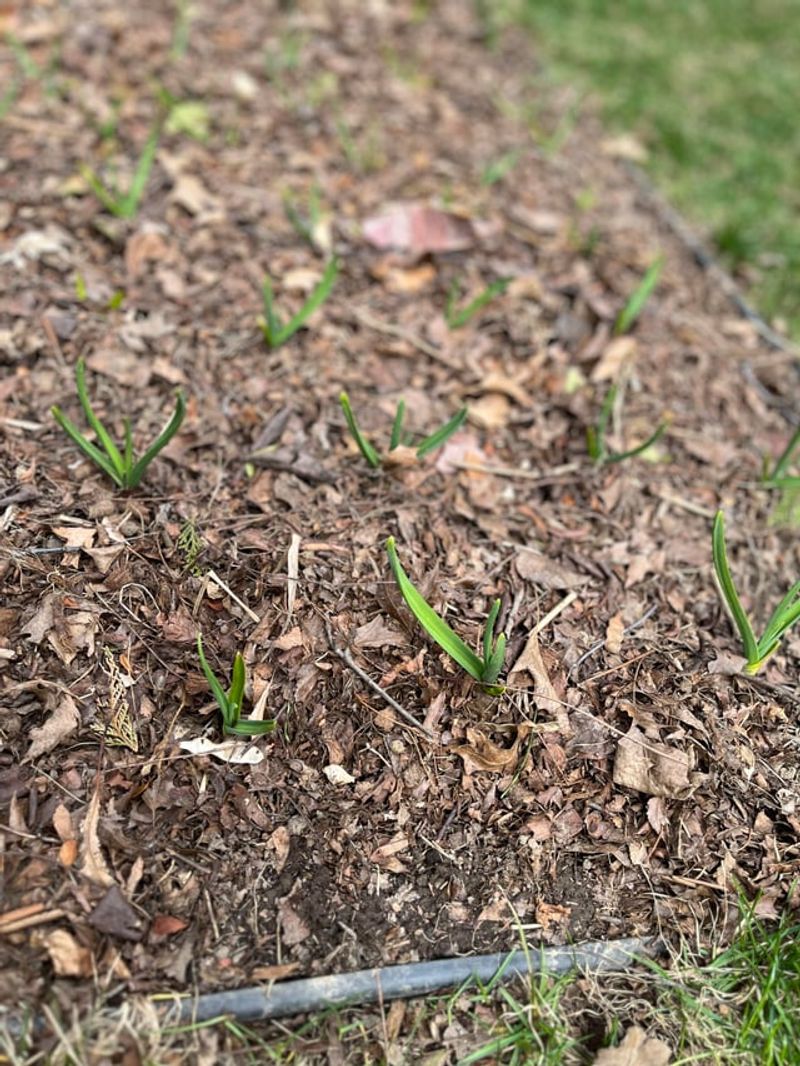
Fall-planted garlic wakes up early in spring with a strong root system already in place underground. The plant can then pour its energy into leaves, and every healthy leaf adds another wrapper to the bulb.
Here is a fun fact worth remembering: the number of leaves often predicts how large your final bulb becomes. More months in the ground usually mean more leaves, which means bigger, fatter heads at harvest time next summer.
So if you want bulbs worth bragging about, think of October as the starting line, not a delay. Your patience this fall pays off in plump, papery bulbs that make store-bought garlic look a bit puny.
The Best October Planting Window In Missouri
Ask ten Missouri gardeners about planting dates, and you will hear a surprising number of the same answer. Most agree that mid-October through early November is the sweet spot for tucking cloves into the ground.
A good rule of thumb is to plant about two to four weeks after your first light frost. That timing gives cloves enough warmth to grow roots but not enough to push tender leaves too early.
Northern Missouri usually cools off first, so gardeners near Kirksville or Maryville can often start in mid-October. Folks in the Bootheel and southern Ozarks may want to wait until late October or even early November.
Your Missouri Garden Changes Every Week. Your Plan Should Too.
Gardening in Missouri changes quickly throughout the season. Every Friday you’ll receive a simple weekly plan showing exactly what to plant, prune, fertilize, harvest, and protect so you never miss the right timing.
Soil temperature is another helpful clue, and a cheap soil thermometer makes checking it quick and easy. Aim for readings around 50 degrees at a depth of four inches during the morning hours.
Planting in warm September soil can backfire, since cloves may sprout tall leaves that winter cold can damage. A few inches of leaf growth before winter is normal, but very tall early growth can leave the plant more exposed.
Waiting too long creates the opposite problem, because cloves need time to root before the ground freezes solid. Roughly four to six weeks of root growth before a hard freeze sets your plants up for real success.
Grab a calendar this week and circle a weekend in mid to late October for your planting day. Cool air, crunchy leaves, and a pocket full of cloves make it one of the coziest garden chores around.
Soil Prep For A Strong Start
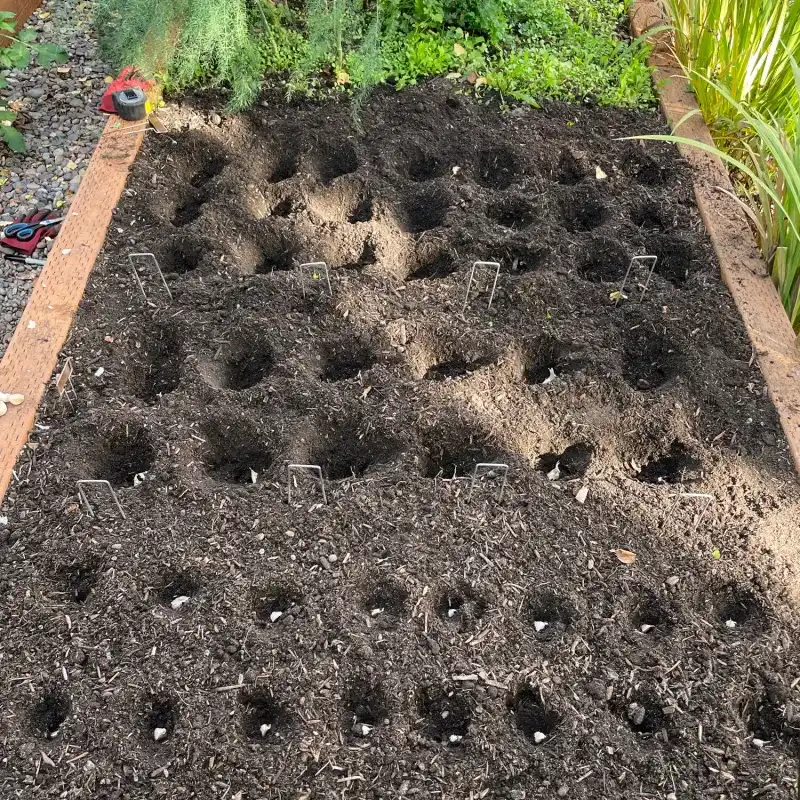
Garlic planted in heavy clay often produces small, misshapen bulbs. Loosening the soil and adding compost gives the roots room to spread, and the bulbs usually size up as a result.
Much of Missouri sits on stubborn clay, which holds water and squeezes developing bulbs like a tight shoe. Garlic wants loose, crumbly soil that drains well, so a little effort now makes a big difference later.
Start by working two or three inches of compost into the top eight inches of your garden bed. Aged manure or shredded leaves work nicely too, and they feed the soil life that keeps breaking down organic matter through the fall.
Raised beds are a smart choice if your yard stays soggy after heavy fall rains roll through town. Even a mounded row six inches tall can keep cloves from sitting in cold puddles for weeks.
A simple soil test from the University of Missouri Extension can show which nutrients may be running low. Garlic likes a pH between 6.0 and 7.0, which is slightly acidic to neutral for most home gardens.
Mixing in a balanced fertilizer before planting gives roots an easy snack as they settle into place. Skip heavy nitrogen for now, since too much can push soft leaf growth right before cold weather arrives.
Pick a sunny spot that gets at least six hours of light, away from where onions grew recently. Rotating crops this way helps reduce soil diseases and keeps your future bulbs clean, firm, and healthy.
The Shallow Planting Mistake To Avoid
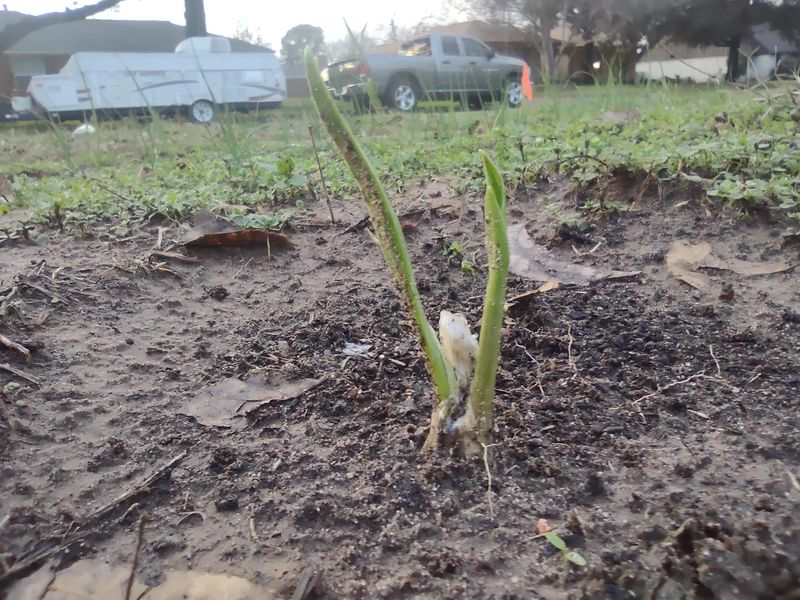
Did you know that many disappointing garlic harvests start with a mistake measured in just a couple of inches? Planting cloves too shallow is one of the most common slipups, and it is sneaky because everything looks fine.
Cloves set just under the surface face a rough winter of freezing, thawing, and refreezing over and over. That constant motion, called frost heave, can push cloves right out of the ground like popcorn kernels.
Once exposed, the roots dry out in the cold wind, and the clove struggles to recover by spring. Squirrels may also dig in freshly turned soil and disturb loose cloves sitting near the surface.
The fix is simple: plant each clove two to three inches deep, measured from the tip to the surface. Set the flat root end down and the pointy tip up, just like a tiny rocket ready to launch.
Space cloves about six inches apart in rows, which gives each bulb plenty of elbow room to swell. Crowded cloves compete for water and food, and the result is usually a crop of smaller heads.
Another quiet mistake is using grocery store garlic, which may be treated to prevent sprouting on the shelf. Seed garlic from a local nursery or trusted supplier is better suited to Missouri weather and grows more reliably.
Choose the biggest cloves from each head for planting, since large cloves tend to produce large bulbs. Save the tiny ones for your kitchen, where they can star in a buttery pan of roasted vegetables.
Straw Mulch For Winter Protection
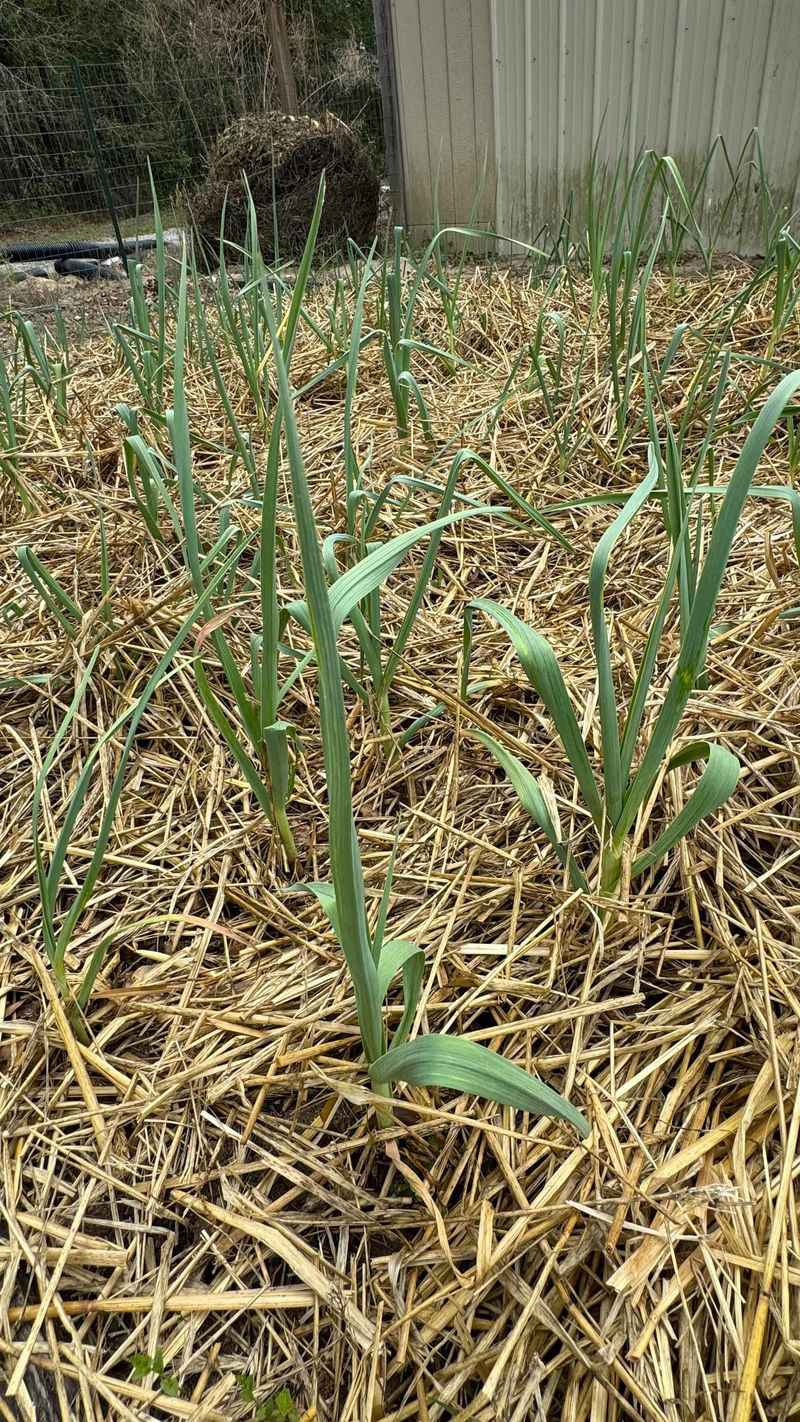
Think of straw mulch as a warm winter quilt that you spread over your garlic bed after planting. A layer four to six inches thick keeps soil temperatures steady while January winds howl across Missouri.
Missouri winters love to swing wildly, with sunny sixty-degree afternoons followed by nights in the teens. Mulch softens those sudden changes, which helps prevent frost heave and protects tender roots from rough temperature swings.
Wait until the ground has cooled, usually after a few hard frosts in November, before adding the straw. Mulching too early can trap warmth and invite cloves to sprout before winter, which you want to avoid.
Clean wheat straw is a favorite choice, but make sure it is straw and not hay full of seeds. Shredded leaves from your own yard also work well and cost nothing but a few minutes of raking.
Beyond the cold, mulch holds moisture in the soil and keeps spring weeds from crowding your young plants. Garlic hates competition, and fewer weeds means more water and nutrients go straight into building plump bulbs.
Green shoots will poke right through the straw in early spring, so you rarely need to pull it back. If the layer seems extra thick or matted, gently loosen it so the leaves find the sunlight easily.
Water the bed once before mulching if fall has been dry, since cloves need moisture to form roots. After that, let winter snow and rain handle the job while your garlic rests snugly under its blanket.
Harvest Timing For Plump Bulbs
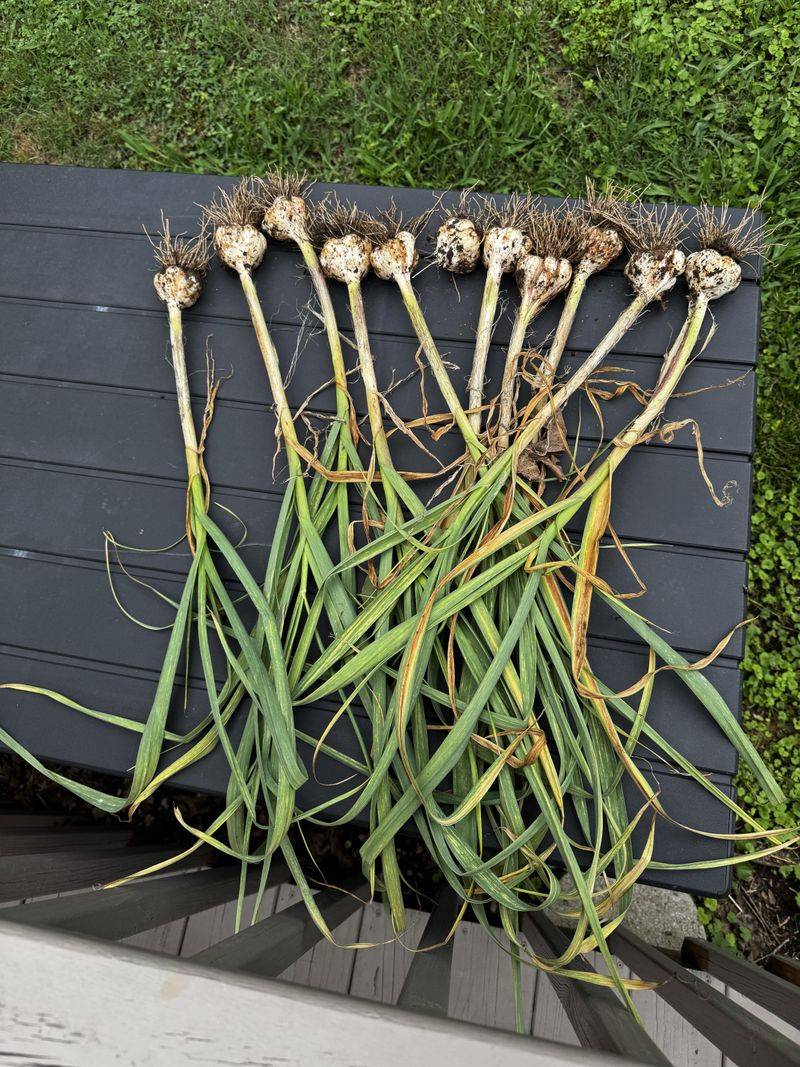
Few garden moments feel as satisfying as pulling a fat garlic bulb from the soil on a June morning. Your October planting leads straight to that moment, but harvest timing determines how big and tidy those bulbs stay.
Hardneck garlic sends up curly stalks called scapes in late spring, and snipping them helps bulbs grow larger. Scapes taste mild and grassy, so toss them into scrambled eggs or blend them into a bright pesto.
Most Missouri garlic is ready from mid-June to early July, when the lower leaves turn brown and dry. A good signal is when about half the leaves have browned while the top five or six stay green.
Each green leaf represents one protective wrapper around the bulb, so waiting too long leaves cloves exposed. Overripe bulbs can split open in the ground and may store poorly, which is a disappointing end to months of patience.
Loosen the soil with a garden fork instead of yanking, since stems can snap off and leave bulbs behind. Brush away loose dirt gently, but skip washing, because extra moisture can lead to mold during storage.
Hang bundles in a shady, airy spot like a garage or porch for three to four weeks to cure. Fun fact: garlic has been grown and used in kitchens for thousands of years.
Once cured, set aside your biggest, healthiest bulbs to replant next October and keep the cycle going strong. Over a few seasons, those saved cloves may adapt to your yard and give you steadier harvests.